Vocabulary Building Plants and Animals Worksheets for Ages 3-8
5 filtered results
-
From - To
Enhance your child's vocabulary with our engaging "Plants and Animals Worksheets" designed for ages 3-8! These worksheets are perfect for introducing young learners to essential science concepts while enriching their language skills. Each activity features colorful illustrations and interactive exercises that focus on terminology related to the natural world. From identifying different plant species to exploring animal habitats, children will develop a richer understanding of their environment. These easy-to-follow worksheets inspire curiosity and create a strong foundation for future learning. Ideal for classrooms or homeschooling, these resources make discovering the wonders of nature both fun and educational! Start building vocabulary today!
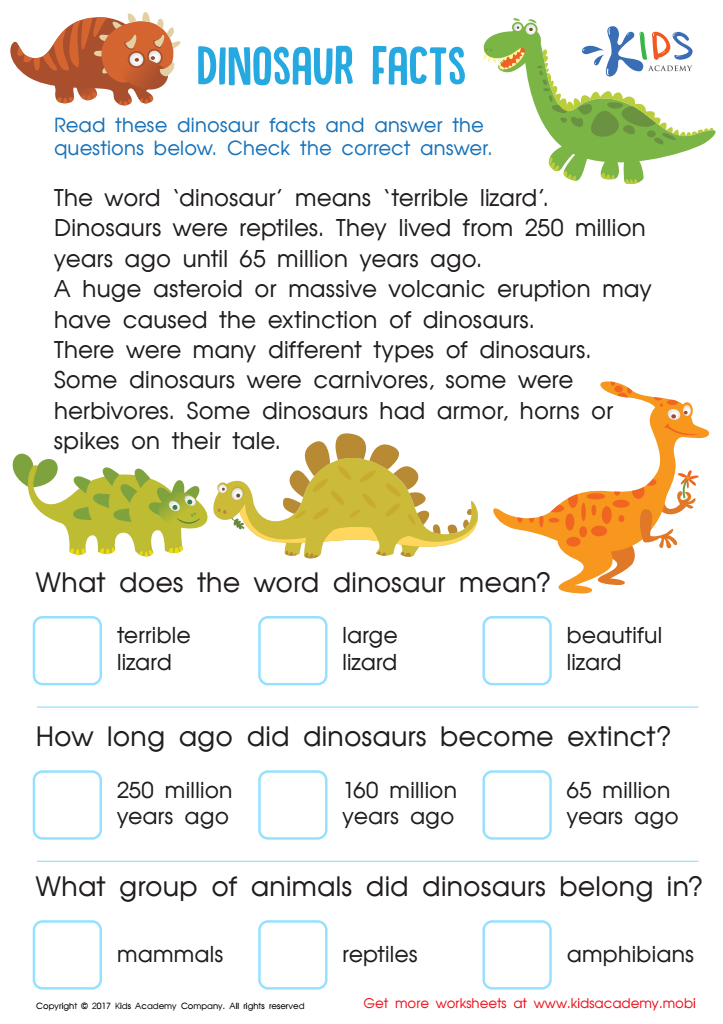
Dinosaur Facts Worksheet
 Assign to My Students











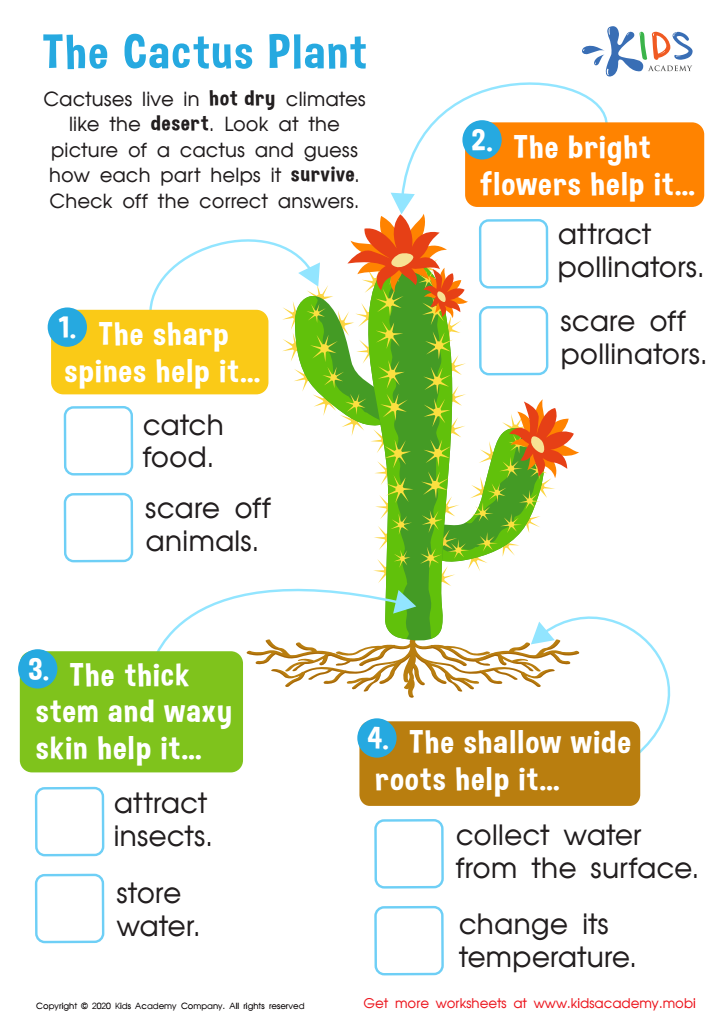
The Cactus Plant Worksheet
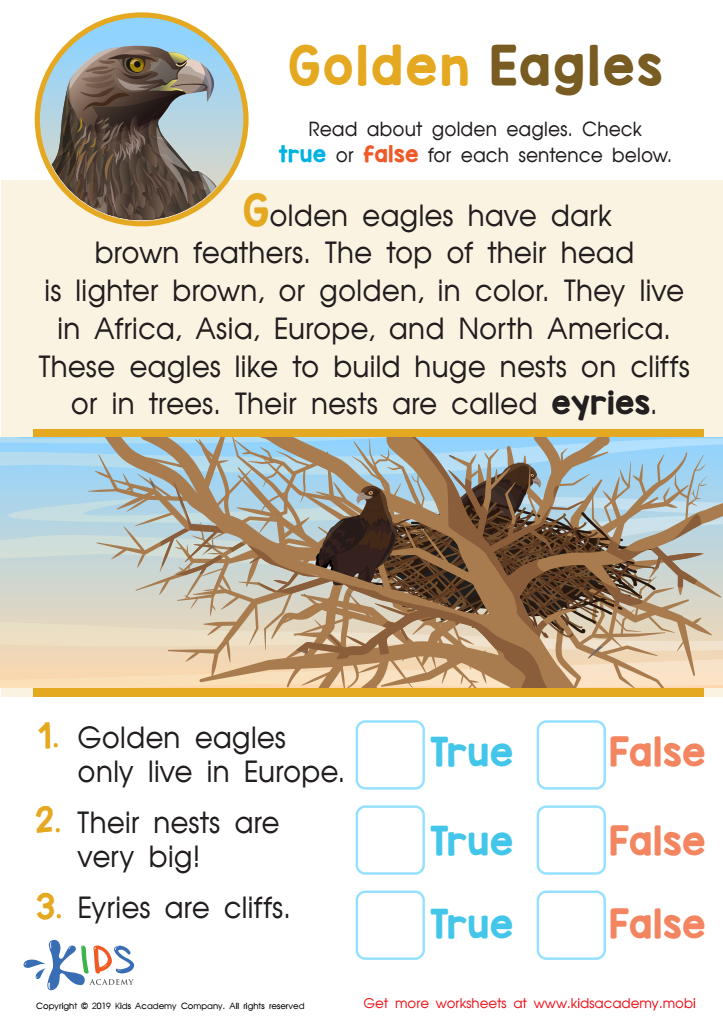
Golden Eagles Worksheet
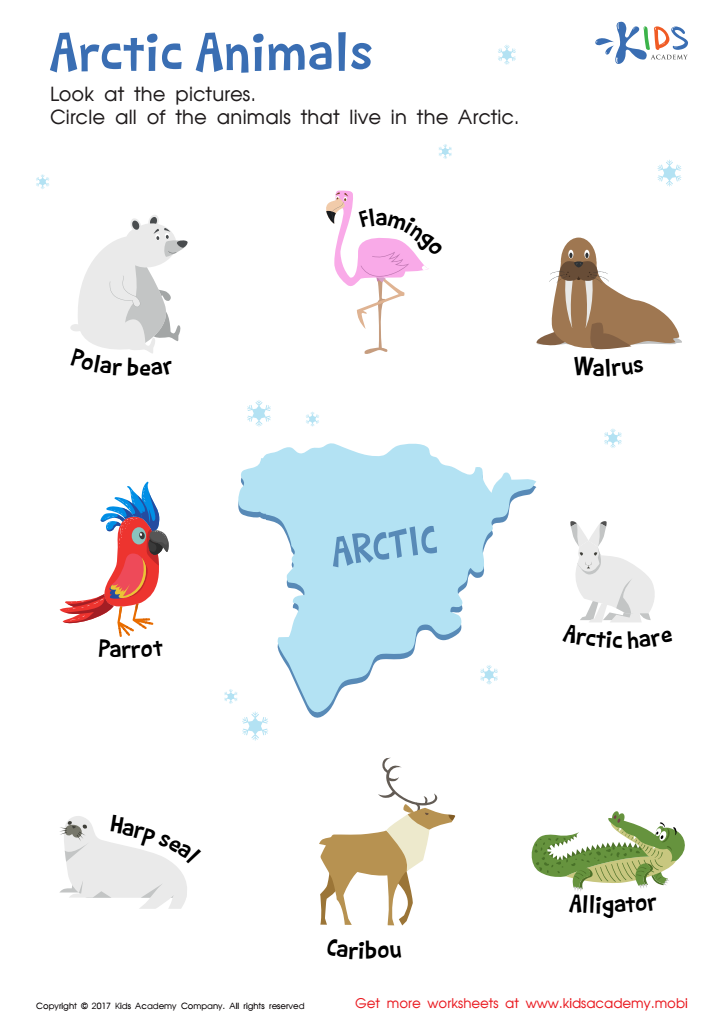
Arctic Animals Worksheet
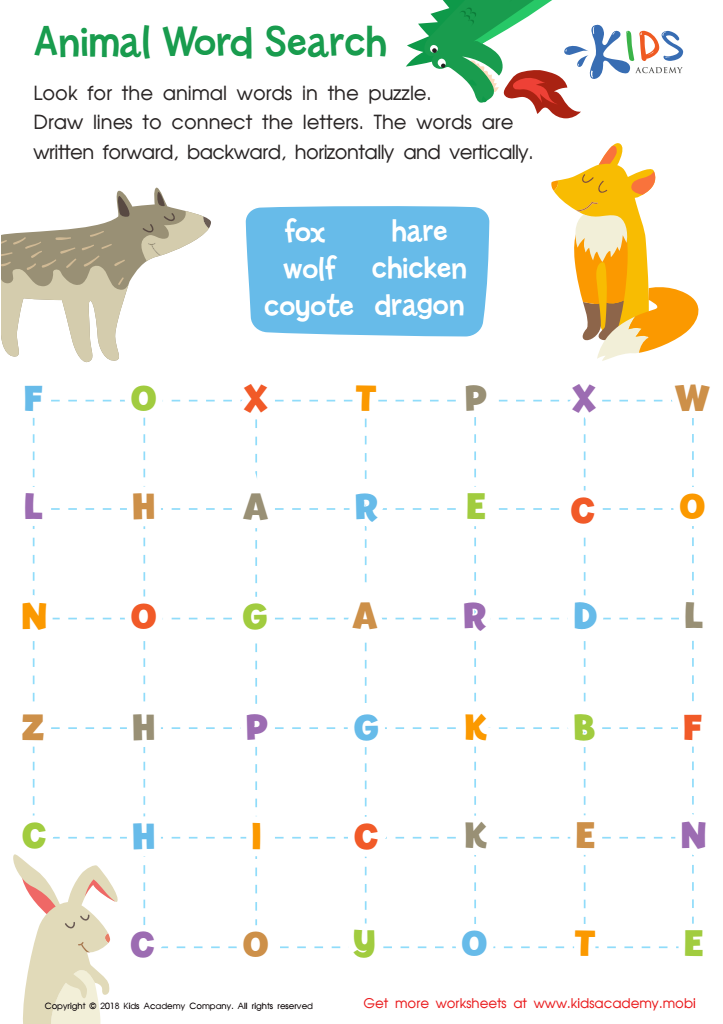
Animal Word Search Worksheet








Vocabulary building is essential for young children, especially between the ages of 3 and 8, as it lays the foundation for effective communication, literacy skills, and overall cognitive development. Focusing on vocabulary related to plants and animals introduces children to vital concepts in their environment, promoting curiosity and fostering a love for nature.
When parents and teachers engage children with vocabulary related to flora and fauna, they spark interest and inquiry about life sciences. This can enhance observational skills and critical thinking, essential components of early childhood education. Introducing words like "photosynthesis," "habitat," or "endangered species" encourages children to ask questions, explore their surroundings, and develop a sense of responsibility toward the environment.
Moreover, understanding vocabulary related to plants and animals aids in literacy development. It enables children to comprehend stories, science lessons, and informational texts, which enhances their reading skills and comprehension. Improved vocabulary also assists in effective expression of thoughts and ideas.
By prioritizing vocabulary building in this area, parents and teachers can create enriching learning experiences that support children’s social-emotional growth, encourage empathy for living things, and cultivate informed future adults who appreciate and protect the natural world.








