Following instructions Community Worksheets for Ages 3-8
5 filtered results
-
From - To
Welcome to our "Following Instructions Community Worksheets" designed for children ages 3-8! These engaging resources help young learners develop essential listening and comprehension skills through fun, interactive activities. Our worksheets promote teamwork, enhance cognitive abilities, and foster understanding of community roles while encouraging children to follow step-by-step directions. Ideal for classrooms or home learning settings, these printable worksheets stimulate creativity and critical thinking. Parents and educators can easily incorporate them into social studies lessons, ensuring students grasp the importance of effective communication and collaboration within their communities. Explore our collection and help your child become a more confident follower of instructions!

 Assign to My Students
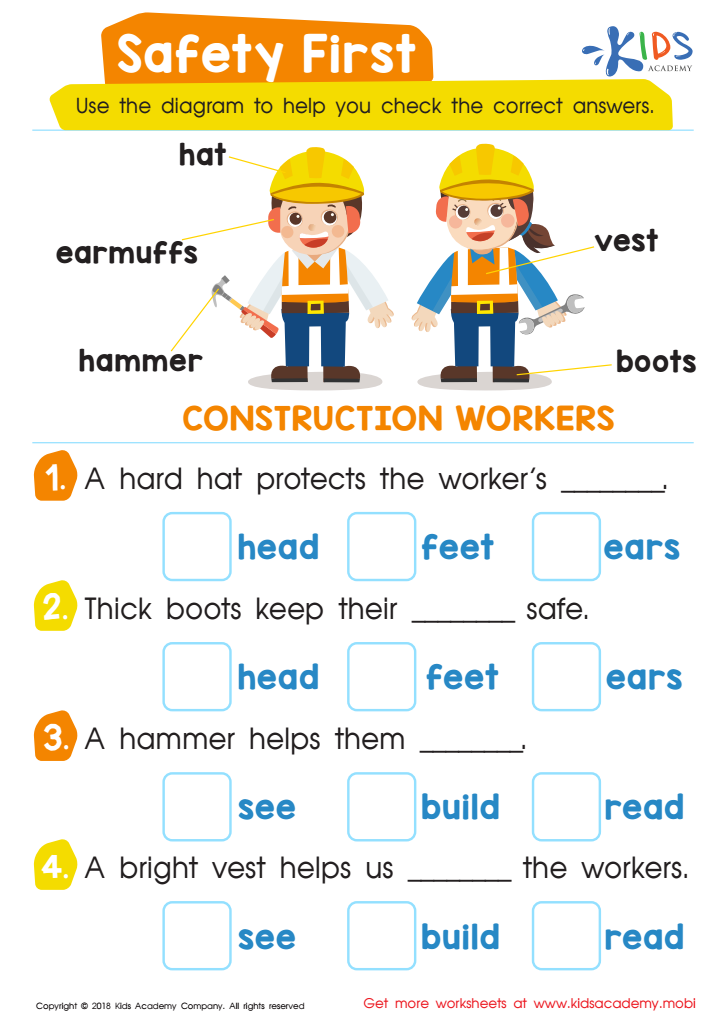
Safety First Worksheet
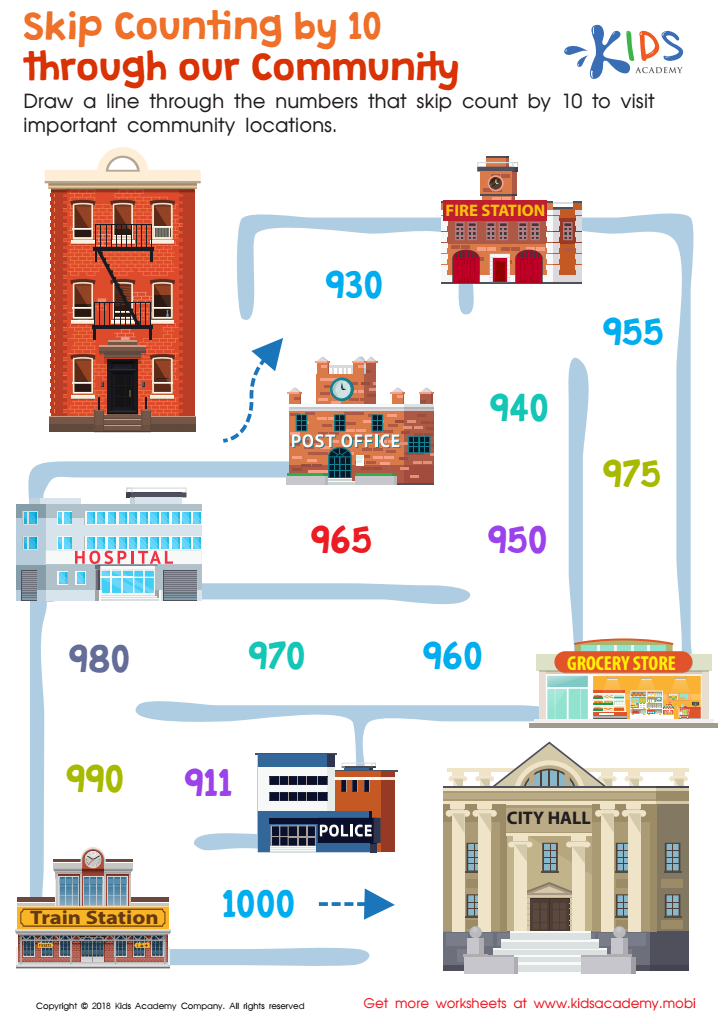
Skip Counting by 10 Through Our Community Worksheet

Playground Worksheet
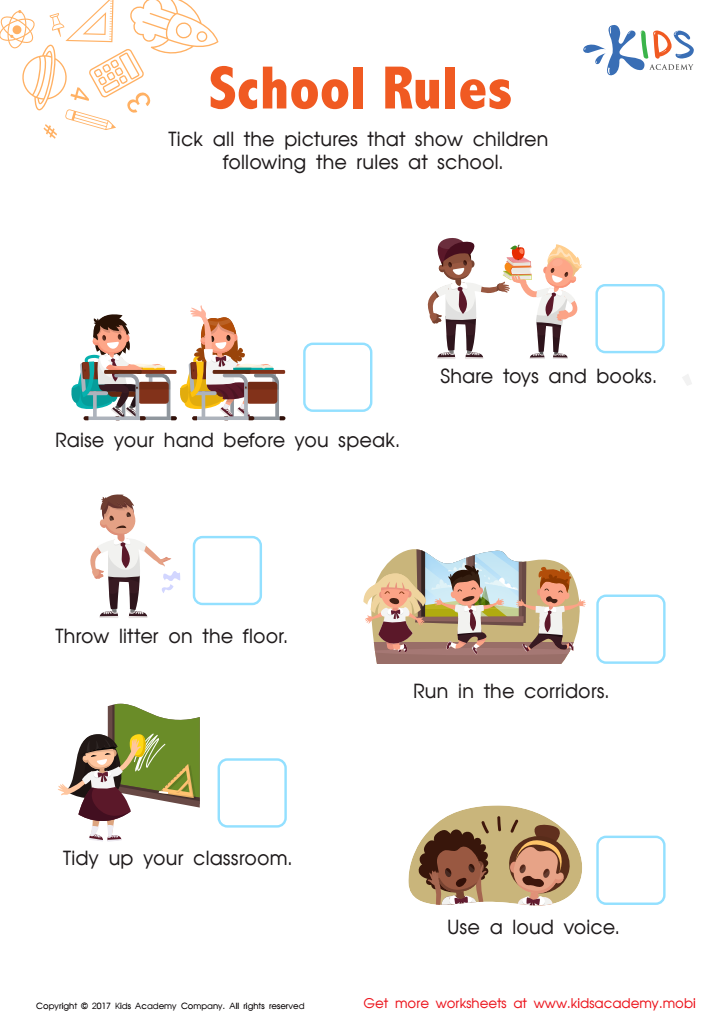
School Rules Worksheet








The Following Instructions Community for Ages 3-8 is essential for the holistic development of young children. Parents and teachers should care about this initiative because it fosters crucial skills that are foundational for lifelong learning. First and foremost, following instructions helps children build discipline and self-regulation. Learning to listen, process, and execute tasks develops focus and attention, setting the stage for academic success.
Moreover, this community encourages the enhancement of language and cognitive skills. As children engage with various activities that require them to interpret and act upon instructions, they expand their vocabulary and improve their comprehension skills. This interactive approach to learning can inspire curiosity and foster a love for exploration.
Additionally, social development is strengthened through collaborative instruction-following activities. Children learn the importance of teamwork, sharing responsibilities, and considering others' perspectives as they work together to achieve common goals.
Lastly, involvement in the Following Instructions Community can support positive behaviors and instill a sense of achievement. This increases resilience, as children learn to tackle challenges, making them more adaptable in different situations. In essence, fostering this environment not only enhances essential skills but also prepares children for the complexities of future social and academic interactions.








