Problem-Solving Skills Community Worksheets for Ages 3-8
10 filtered results
-
From - To
Unlock the power of problem-solving with our engaging Community Worksheets designed for young learners aged 3-8! These printable resources encourage children to explore real-life scenarios, fostering critical thinking and teamwork. Each worksheet is crafted to help kids recognize problems, brainstorm solutions, and understand their role within a community. Our fun, interactive activities not only support cognitive development but also enhance social skills through cooperation and communication. Ideal for classroom use or at-home learning, these worksheets create a nurturing environment for skill-building. Join us in empowering the next generation of problem solvers and community leaders! Explore now!

Community Doctors: Maze Printable
 Assign to My Students
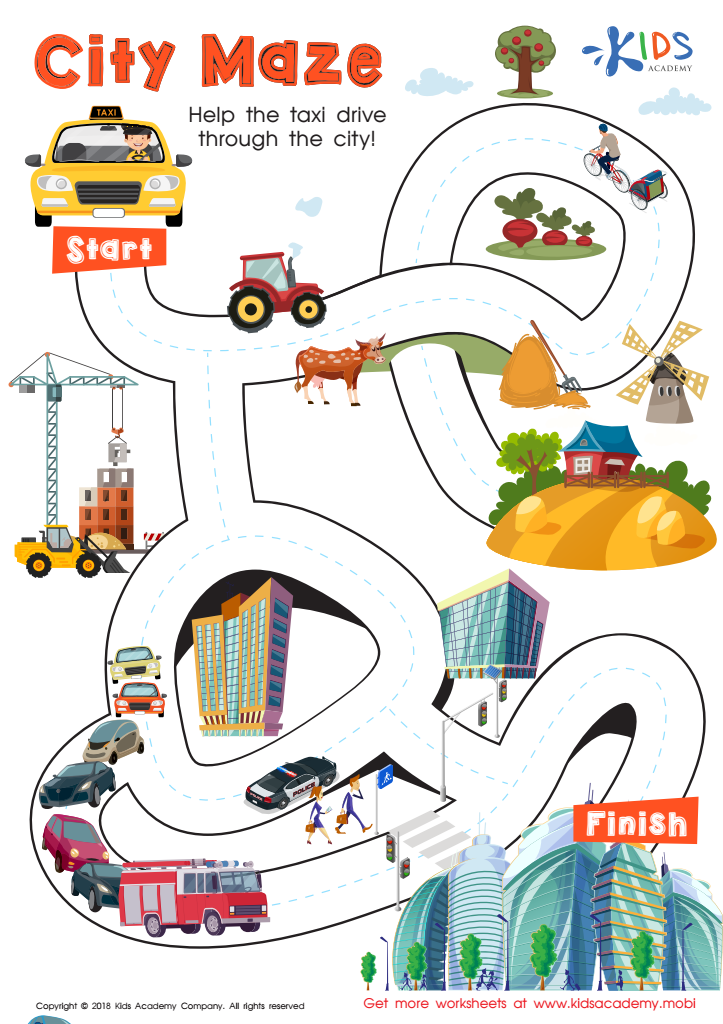
City Maze Worksheet
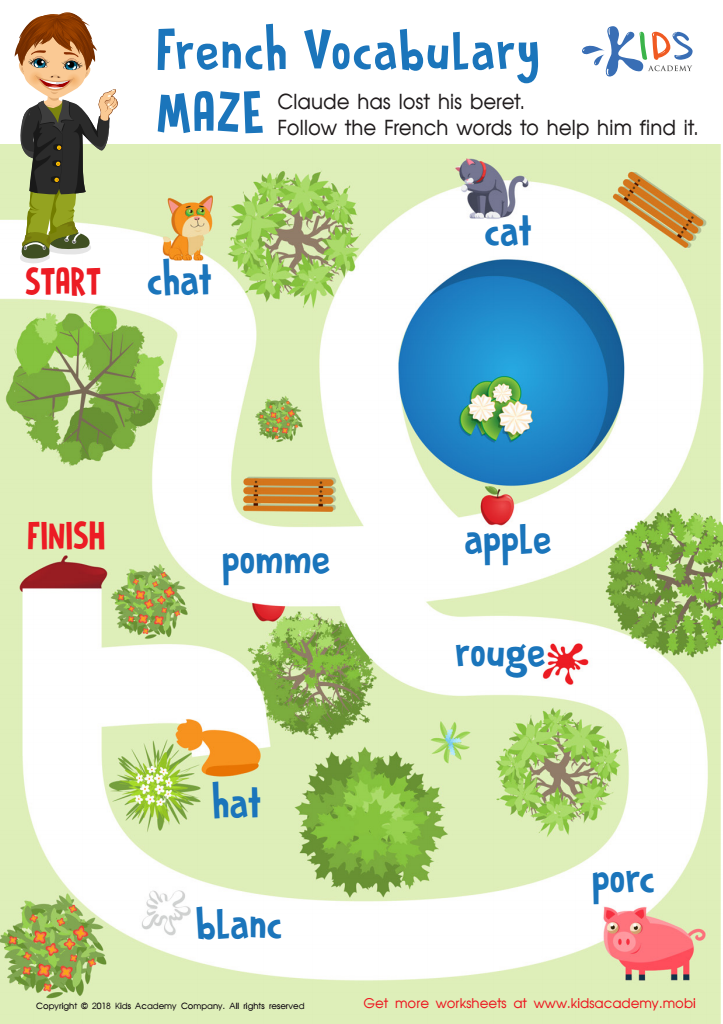
French Vocabulary Maze Worksheet
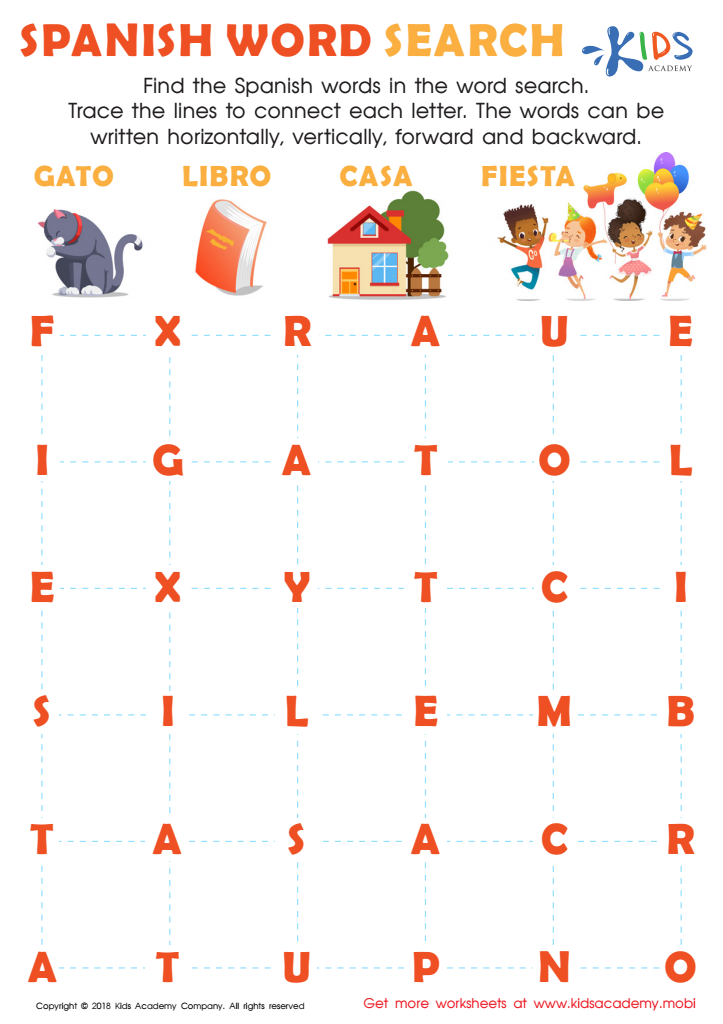
Spanish Word Search Worksheet
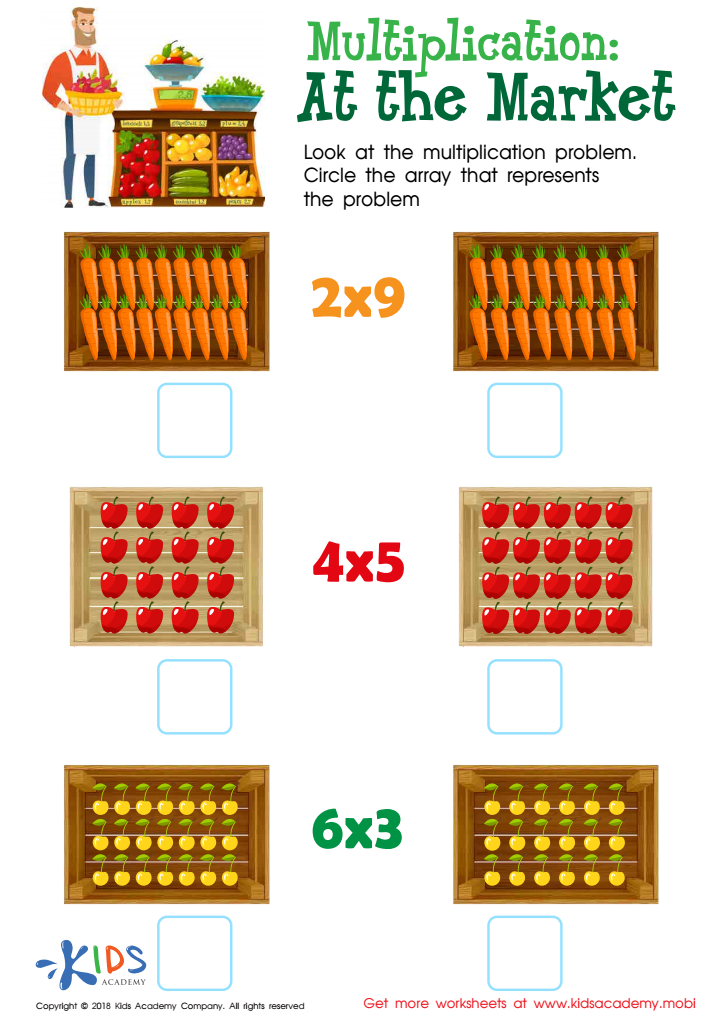
At the Market Worksheet

Towns Worksheet
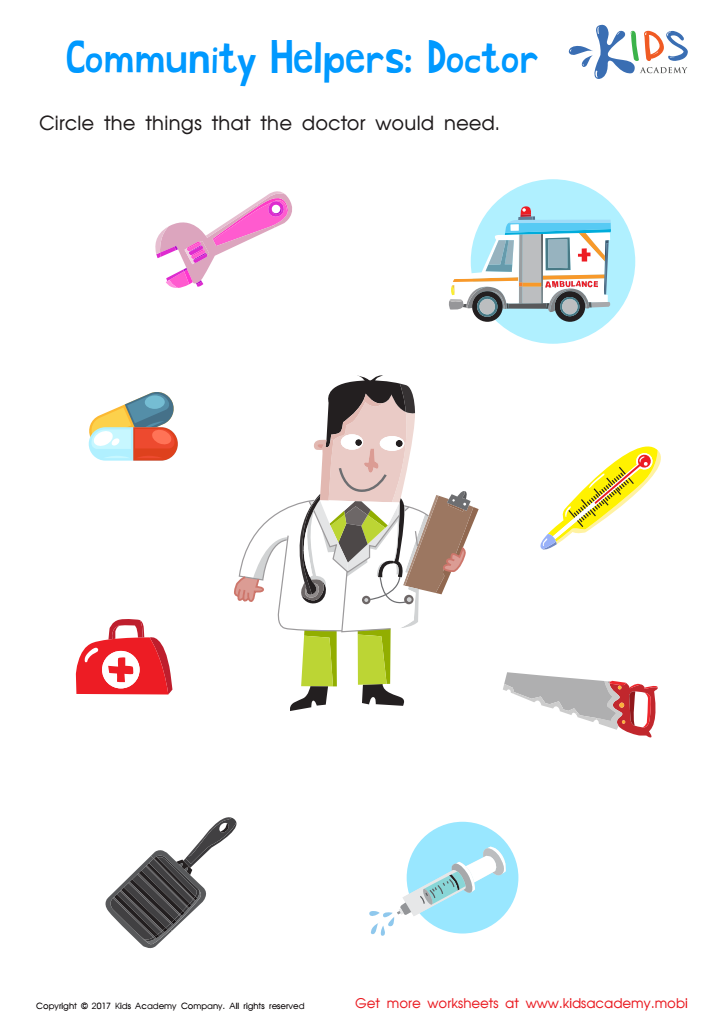
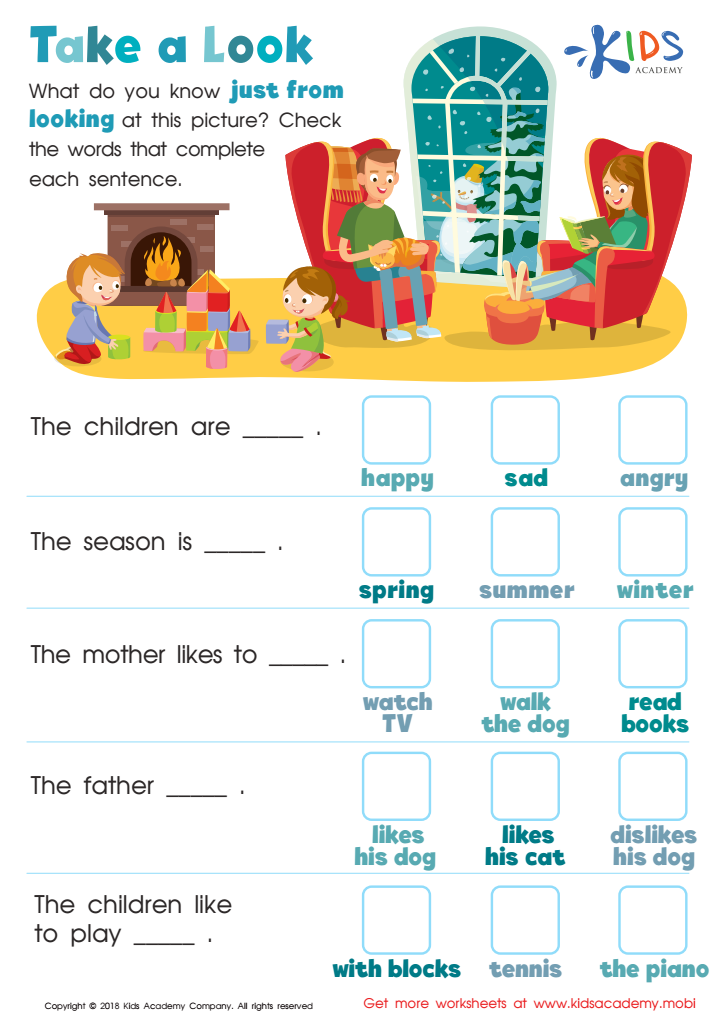
Take a Look - Part 1 Worksheet
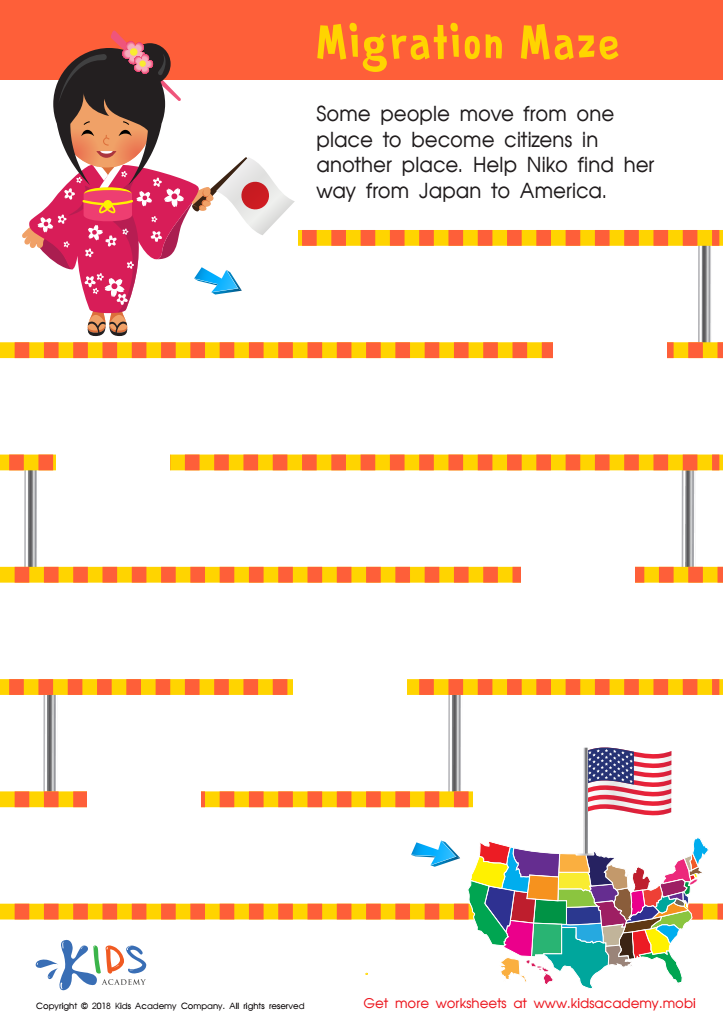
Migration Maze Worksheet
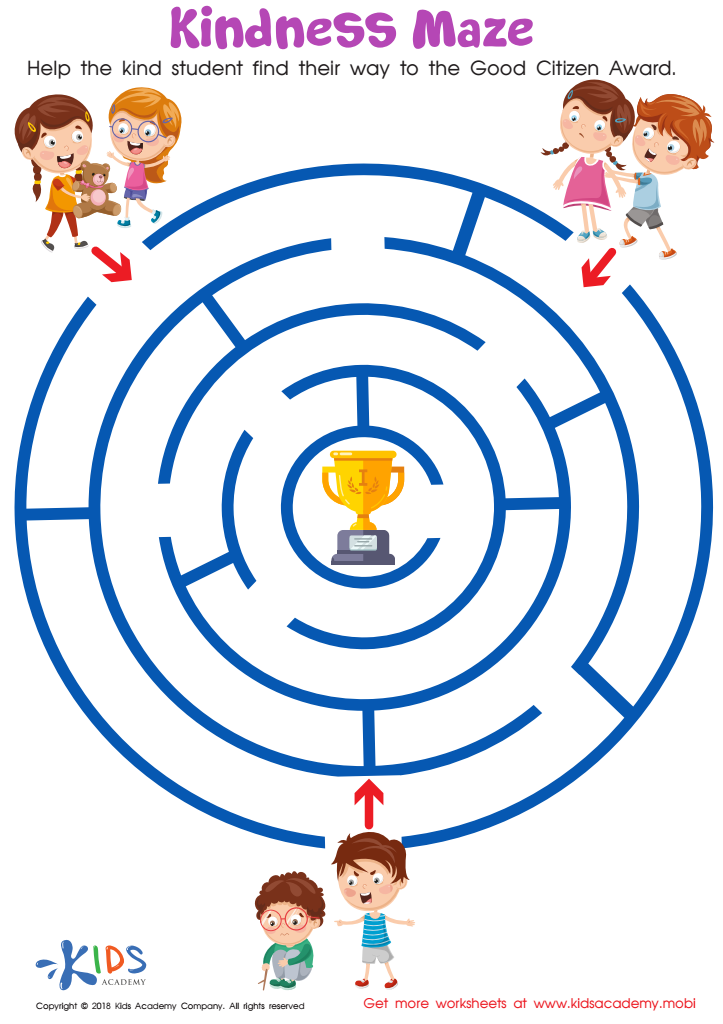
Kindness Maze Worksheet








Parents and teachers should deeply care about cultivating problem-solving skills in children aged 3 to 8, as these foundational abilities play a critical role in their overall development. During these formative years, children are naturally curious and eager to engage with their surroundings. Encouraging problem-solving allows them to explore ideas, test hypotheses, and develop resilience in face of obstacles.
Engaging in problem-solving activities helps children enhance their critical thinking and cognitive abilities, which are essential not only in academics but also in everyday life situations. When children encounter challenges and have the opportunity to devise solutions, they learn how to approach complexities with confidence and creativity.
Moreover, collaborative problem-solving fosters social skills and teamwork, as children learn to communicate their thoughts, respect others' perspectives, and work together toward shared goals. This builds emotional intelligence, essential for forming positive relationships.
In an era that increasingly emphasizes emphasis on skills like adaptability and innovation, fostering problem-solving within this age group equips children with the tools to navigate an ever-changing world. Investing in these skills now sets the groundwork for lifelong learning and success, making it imperative for parents and educators to prioritize problem-solving initiatives.








