Vocabulary development Community Worksheets for Ages 3-8
7 filtered results
-
From - To
Boost your child's vocabulary with our comprehensive Community Worksheets for Ages 3-8! Tailored to young learners, these engaging worksheets focus on vocabulary development through social studies topics related to communities. Each activity is designed to enhance word recognition, understanding, and usage, helping children articulate their thoughts with precision and confidence. Kids will explore community roles, places, and activities while acquiring essential language skills through fun, interactive exercises. Ideal for educators and parents, our worksheets are perfect for reinforcing classroom learning or supporting homeschooling efforts. Empower your child’s communication abilities and set a strong language foundation with these vibrant community-themed worksheets!
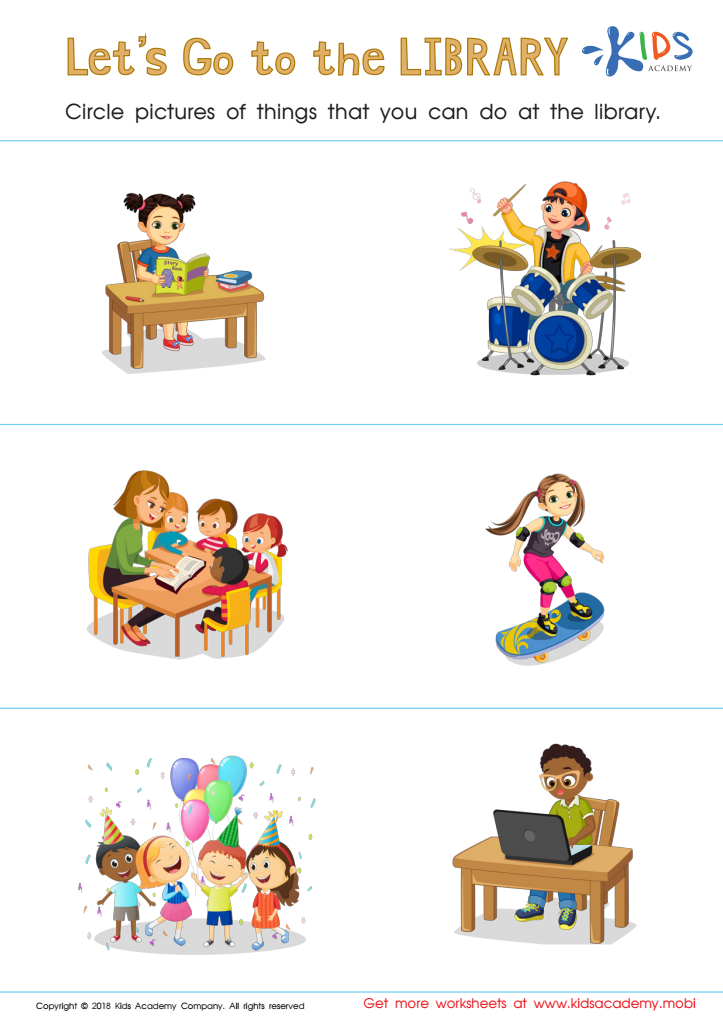
Let's Go to the Library! Worksheet
 Assign to My Students

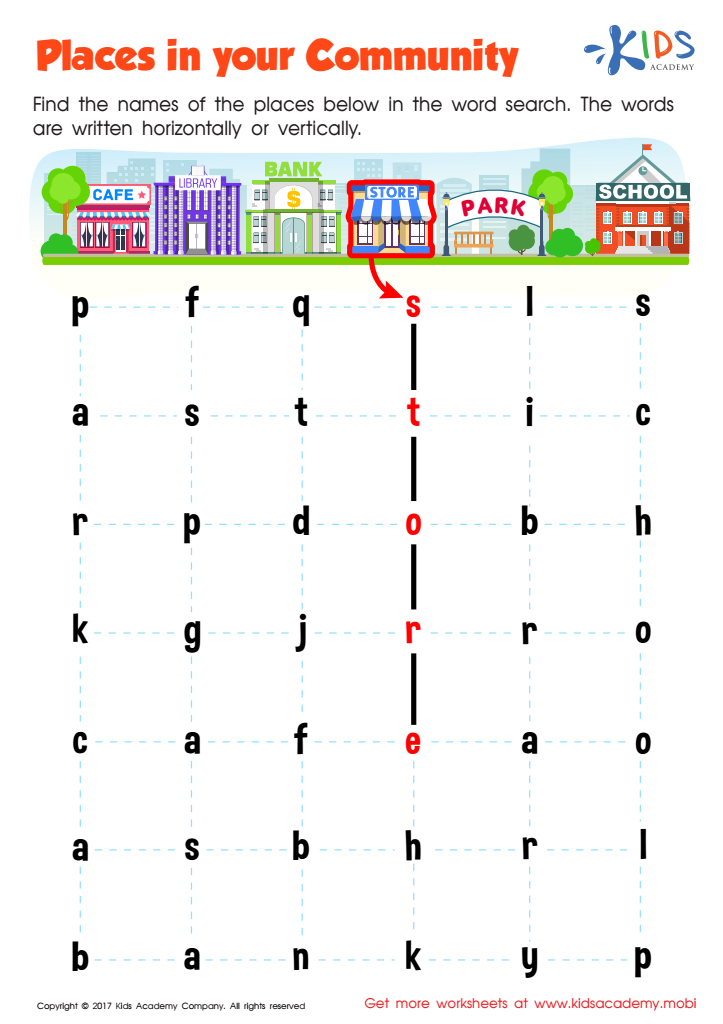
Places in Your Community Worksheet
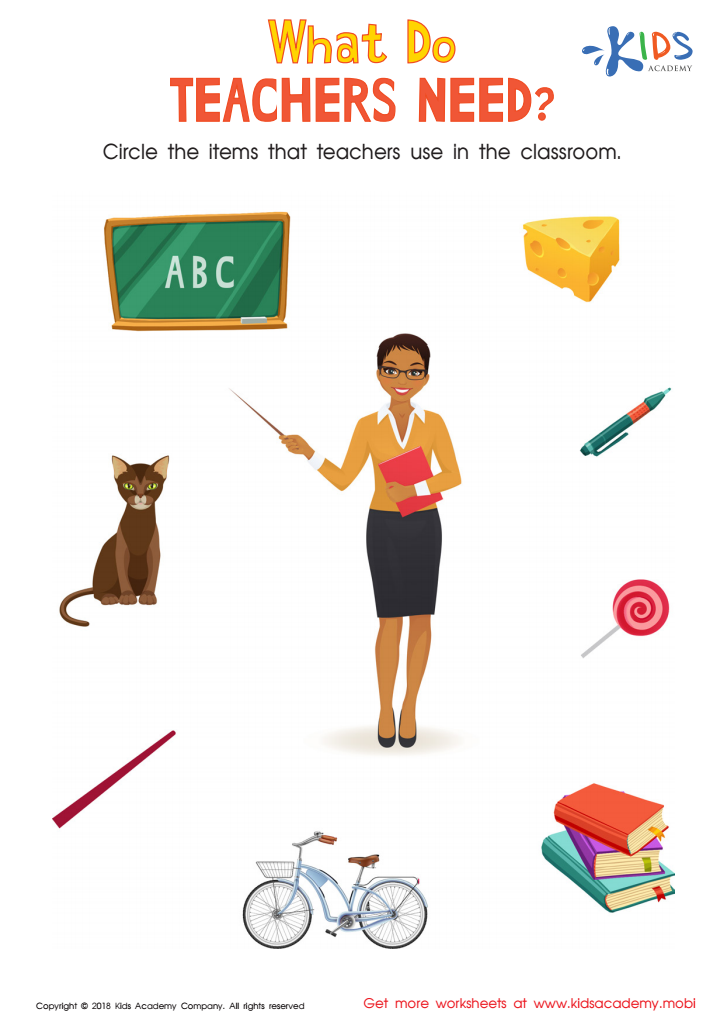
What Do Teachers Need Worksheet
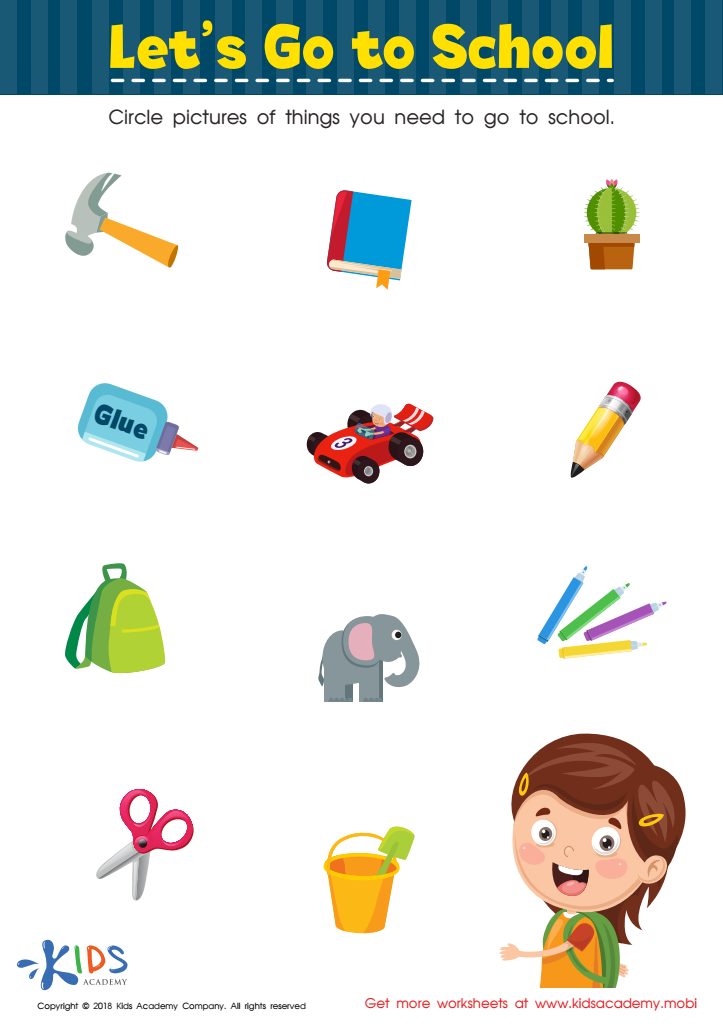
Let's Go to School! Worksheet
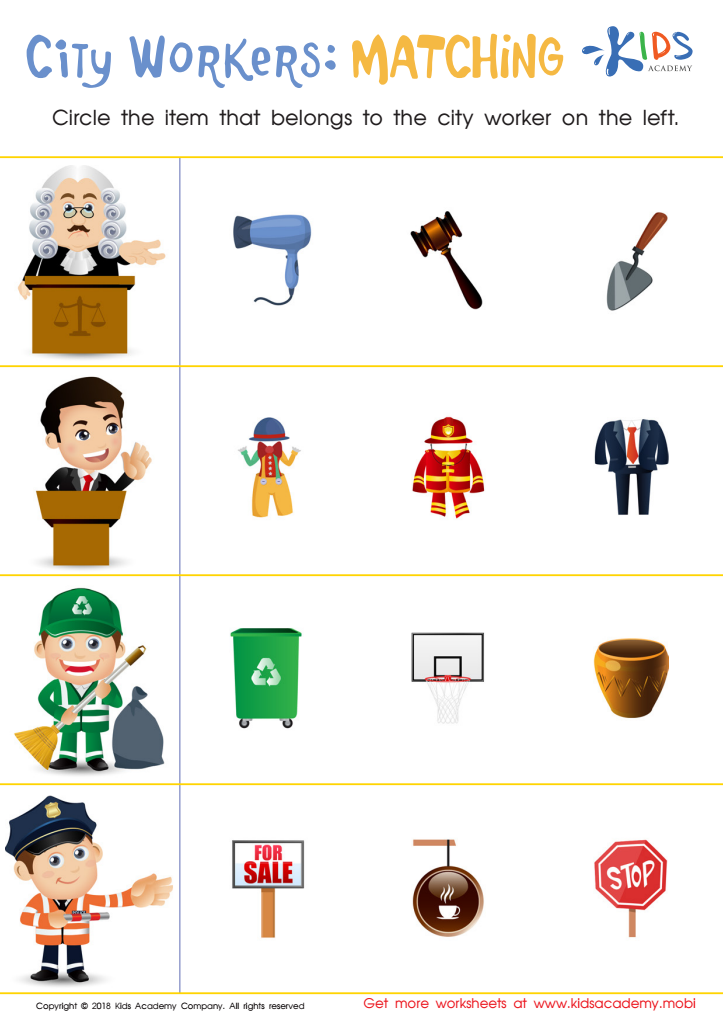
City Workers: Matching Worksheet
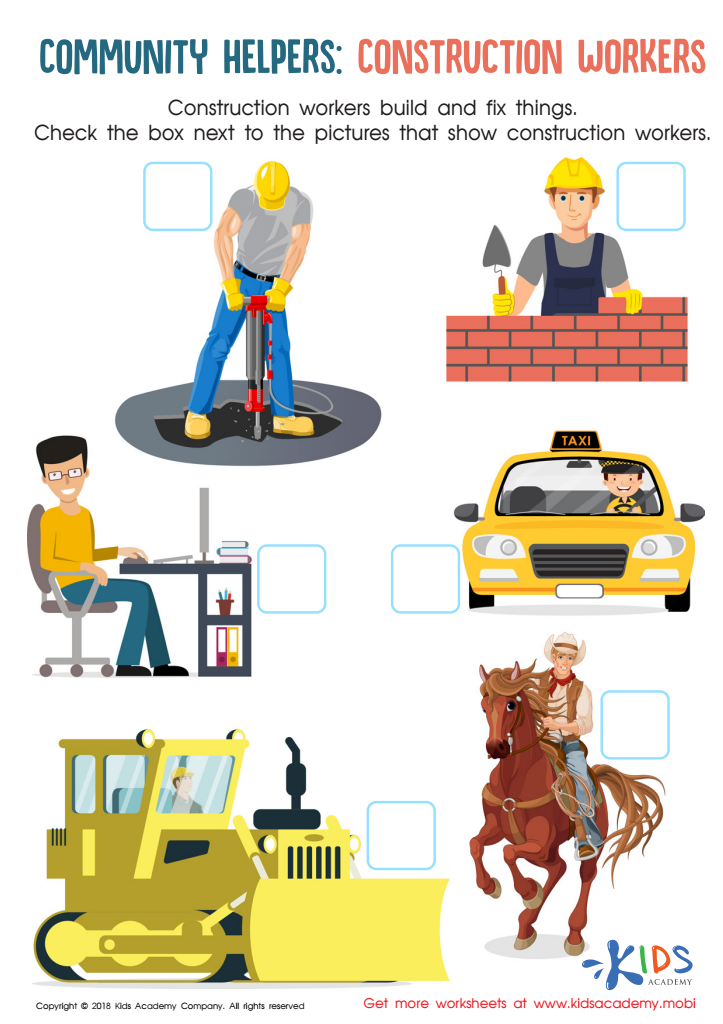
Construction Workers Community Helpers Worksheet








Vocabulary development is crucial for children aged 3-8 as it forms the foundation for reading, writing, and communication skills. During these formative years, children are particularly receptive to language acquisition. Parents and teachers should prioritize vocabulary development because it directly impacts academic success and cognitive development. A rich vocabulary enables children to express themselves more clearly and fosters better understanding of concepts across subjects such as math, science, and social studies.
Investing in vocabulary development enhances critical thinking and problem-solving abilities by allowing children to comprehend instructions, ask questions, and articulate their thoughts. It also supports emotional and social growth by improving their ability to interact with peers and adults, thus building confidence and self-esteem. Engaging with a Vocabulary Development Community provides parents and teachers with resources, strategies, and a support network to nurture this essential skill.
Such communities offer access to literature, games, activities, and expert advice tailored to children's developmental stages. They create an environment where language is celebrated and continually reinforced both in structured learning settings and through everyday interactions. By actively participating in or leveraging these communities, parents and teachers can significantly enhance language exposure, equipping children with the tools needed for future academic and personal success.