Color recognition Social Studies Worksheets for Ages 3-8
6 filtered results
-
From - To
Discover engaging Color Recognition Social Studies Worksheets designed for children aged 3 to 8. These vibrant, educational worksheets from Kids Academy promote essential color identification skills through exciting social studies themes. Perfect for young learners, the activities encourage exploration and curiosity by connecting colors to various social contexts, like community helpers and cultural traditions. Expertly crafted to be both fun and educational, our worksheets enhance cognitive development while fostering a love for social studies. Whether for classroom use or at-home learning, watch your child master colors and social awareness with these delightful resources!

Happy Diwali Printable
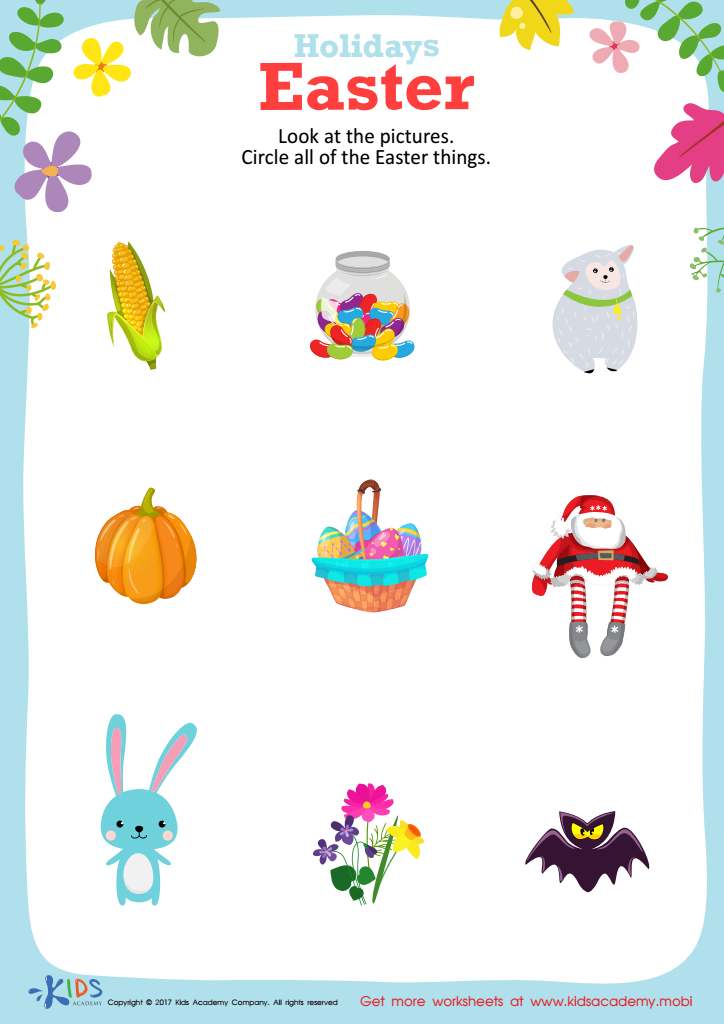
Easter Holiday Printable

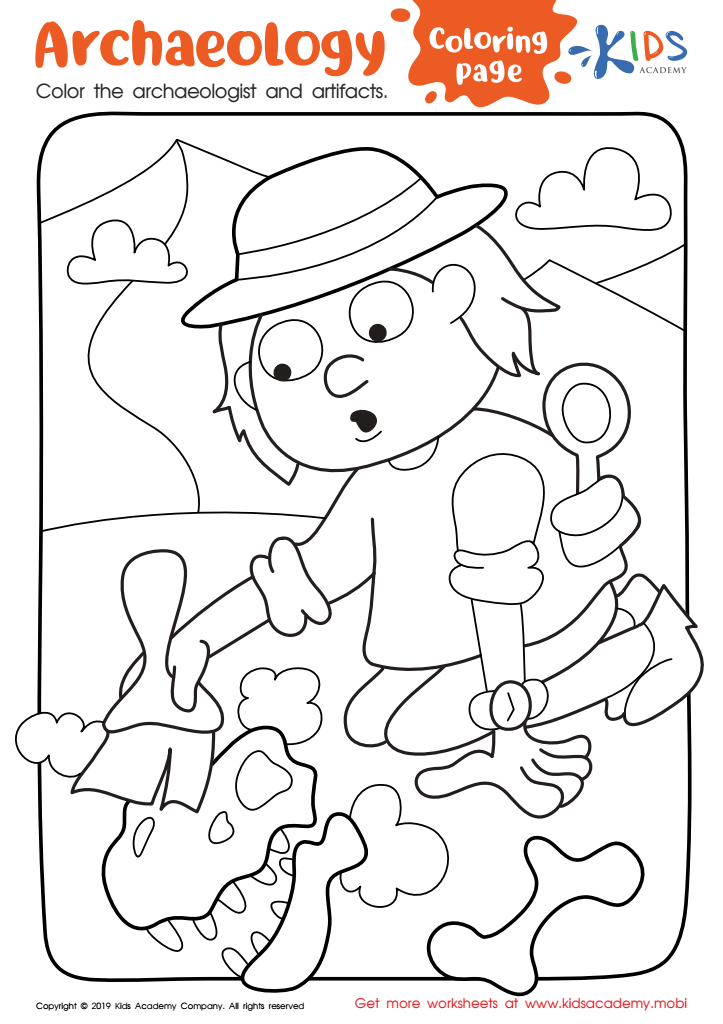
Archaelogy Coloring Page Worksheet
 Assign to My Students
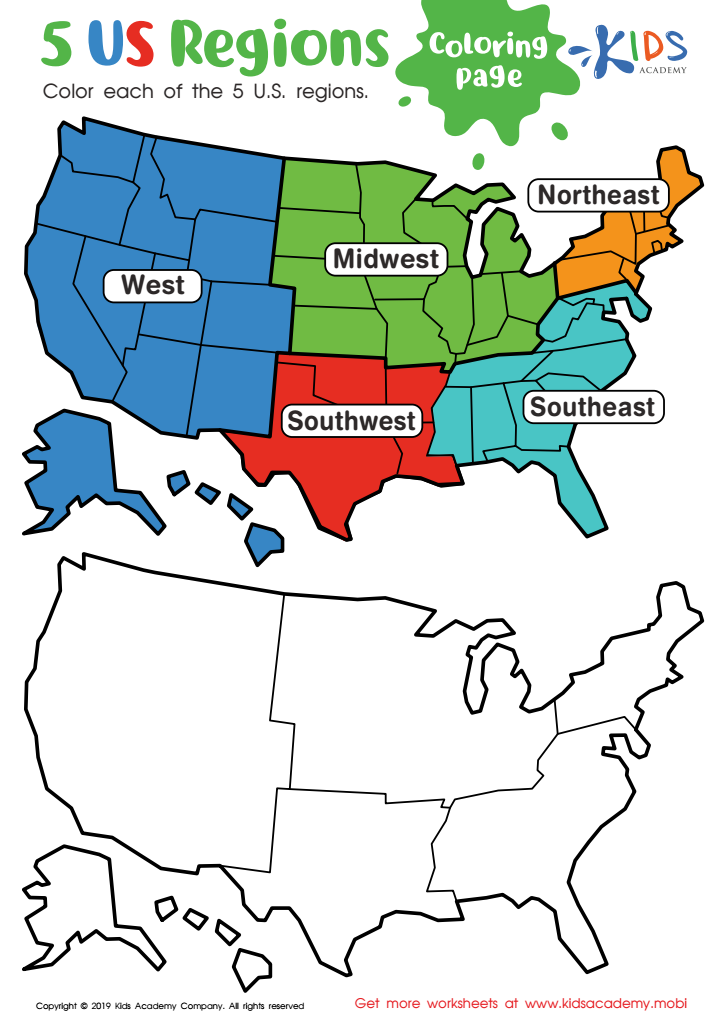
US Regions Coloring Page Worksheet
Assign to My Students

Globe Coloring Page Worksheet
Assign to My Students








Color recognition is fundamental in early childhood development and plays a vital role in social studies for ages 3-8. At this formative stage, children are naturally curious and responsive to visual stimuli, and they interpret and understand their environment largely through colors. Recognizing colors is not just about identifying shades; it also enhances cognitive development, vocabulary skills, and sensory abilities.
From a social studies perspective, learning colors helps children connect and relate to their world. For example, understanding traffic light colors fosters early lessons in safety and community rules. Children also learn to recognize national flags, cultural symbols, and social cues associated with different colors. This foundation aids in fostering respect and appreciation for diversity. Furthermore, culturally significant colors in art, holidays, and traditions can be introduced, helping children understand and celebrate varied cultural heritages.
Moreover, color recognition in social studies encourages observation, categorization, and critical thinking skills. Activities like sorting, matching, and naming colors bolster these skills while making learning interactive and enjoyable. These skills are crucial for personal exploration and discovering relationships between objects and their social significance.
Thus, for parents and teachers, emphasizing color recognition in social studies not only enriches cognitive and linguistic skills but also cultivates cultural awareness, safety, and critical thinking in young learners. It lays a firm foundation for future, more complex social understanding.