Enhancing critical thinking Social Studies Worksheets for Ages 3-8
5 filtered results
-
From - To
Unlock the potential of young minds with our "Enhancing Critical Thinking Social Studies Worksheets for Ages 3-8." Designed specifically for early learners, these engaging worksheets foster essential skills by encouraging children to analyze, question, and make connections with the world around them. By combining fun visuals and thought-provoking activities, we support teachers and parents in nurturing curiosity and imagination. As children explore social studies concepts, they develop critical thinking abilities that set the foundation for lifelong learning. Empower your students today with resources that make learning enjoyable and impactful! Discover our interactive worksheets and help your child learn to think critically about their world.

What is a Citizen? Worksheet
 Assign to My Students
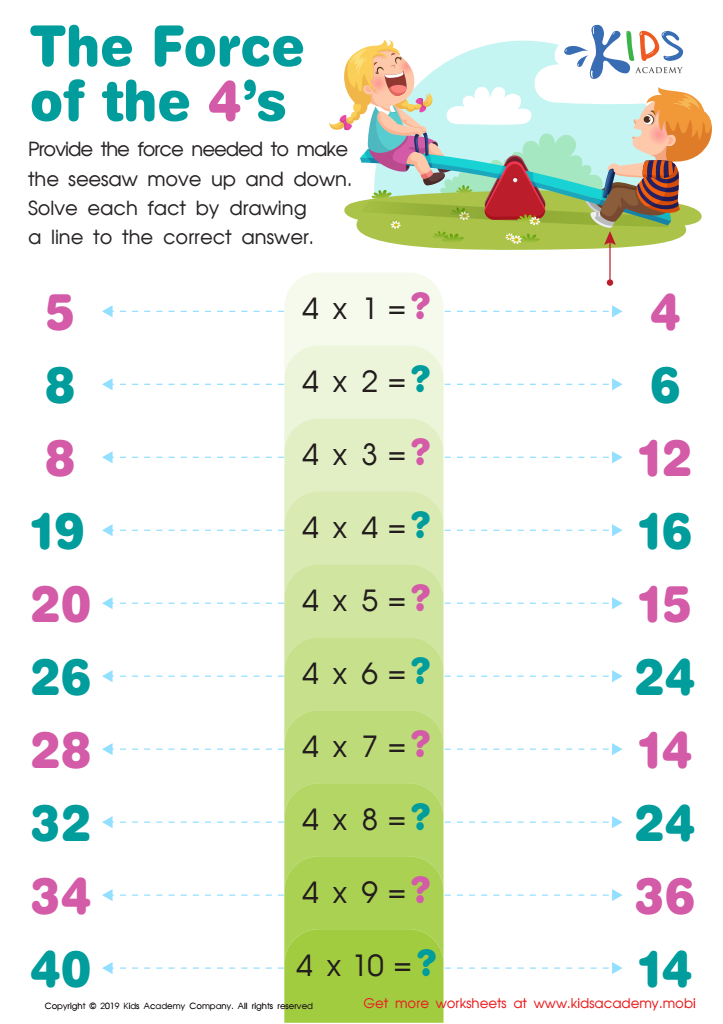
The Force of the 4's Worksheet
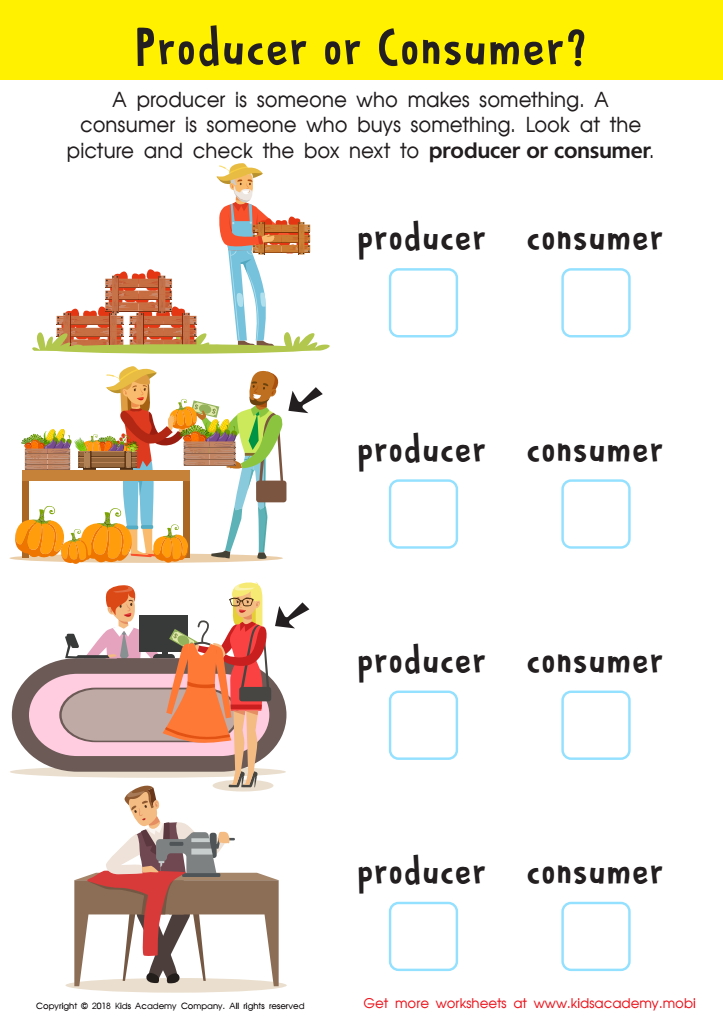
Producer or Consumer? Worksheet
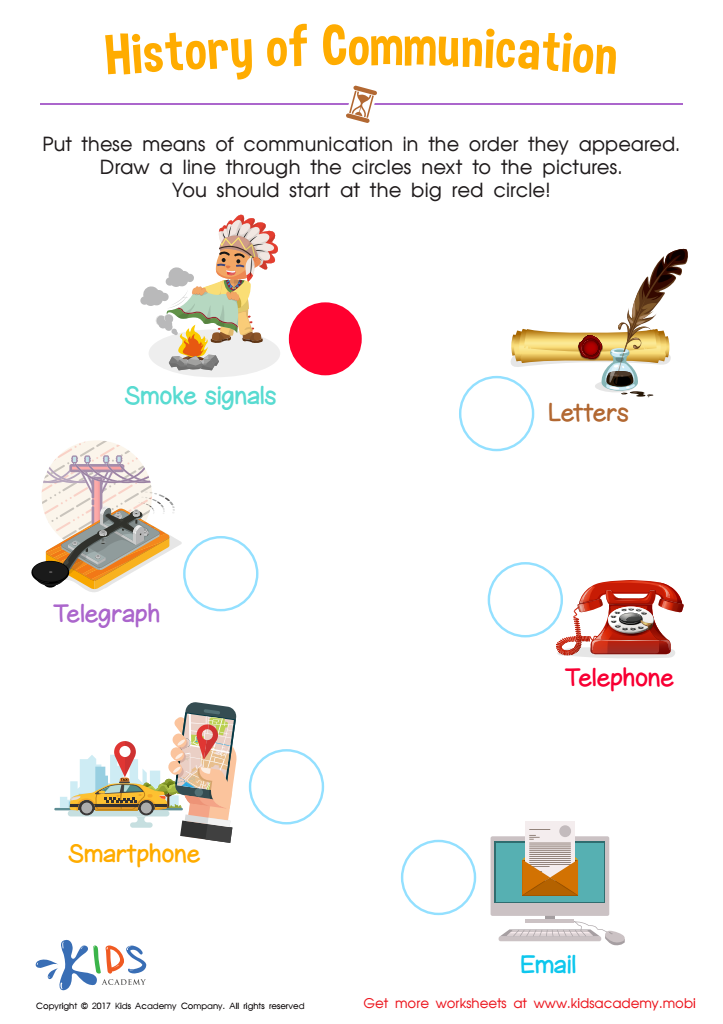
History of Communication Worksheet
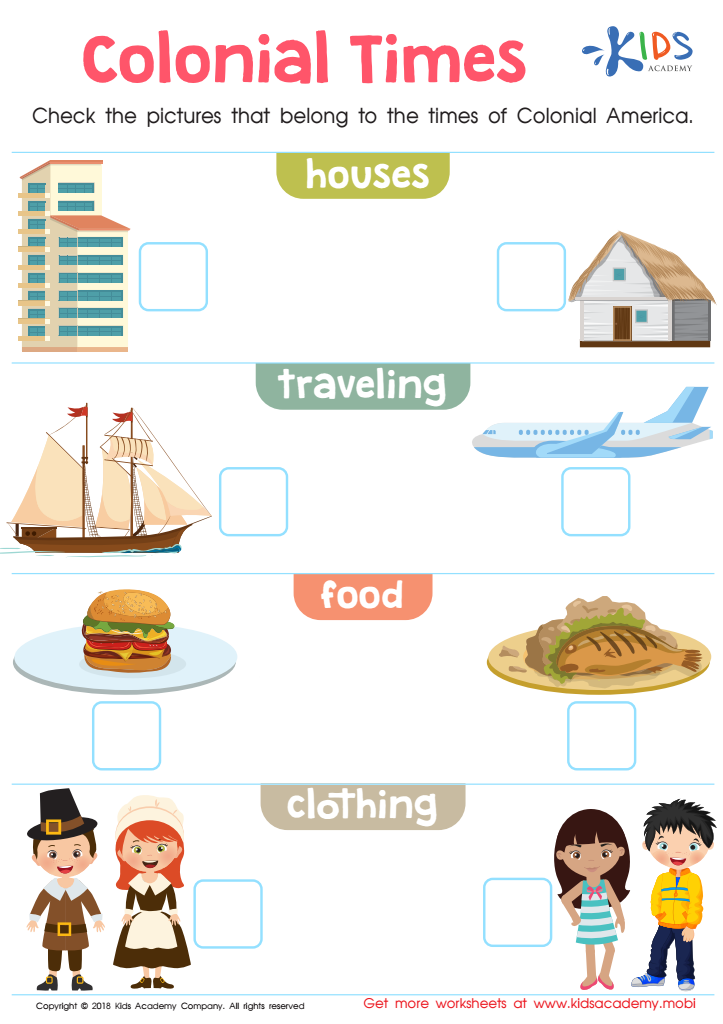
Colonial Times Worksheet








Enhancing critical thinking in social studies for children ages 3-8 is essential for their overall development and future success. At this age, children are naturally curious and eager to explore the world around them. By incorporating critical thinking skills into social studies, parents and teachers can nurture this curiosity while teaching kids to analyze, question, and understand complex concepts related to culture, community, and history.
Fostering critical thinking helps children develop decision-making skills and encourages them to become active, thoughtful learners. It empowers them to evaluate different perspectives, recognize connections between past and present, and understand their place in a diverse society. As they engage in discussions about fairness, respect, and cooperation, they cultivate empathy and social awareness, which are foundational for building strong relationships and navigating social environments.
Moreover, critical thinking skills serve as a basis for academic achievement across all subjects. It promotes creativity and problem-solving, helping young learners to approach challenges with confidence. Consequently, investing in critical thinking through social studies not only enriches children's immediate educational experiences but also prepares them to contribute meaningfully to an increasingly complex and interconnected world. For parents and teachers alike, fostering these skills is an invaluable investment in a child’s holistic development.








