Number Recognition Social Studies Worksheets for Ages 3-8
4 filtered results
-
From - To
Explore our engaging Number Recognition Social Studies Worksheets designed for children ages 3-8! These printable resources blend essential math skills with exciting social studies themes, making learning fun and interactive. Your child will gain confidence as they practice recognizing and counting numbers through vibrant visuals and relatable scenarios. Each worksheet encourages critical thinking and helps children connect math concepts to their everyday experiences. Perfect for classroom use or at-home learning, our worksheets aim to enhance early literacy and numeracy skills while fostering a love for discovery. Start your child's educational journey today with our comprehensive and engaging materials!
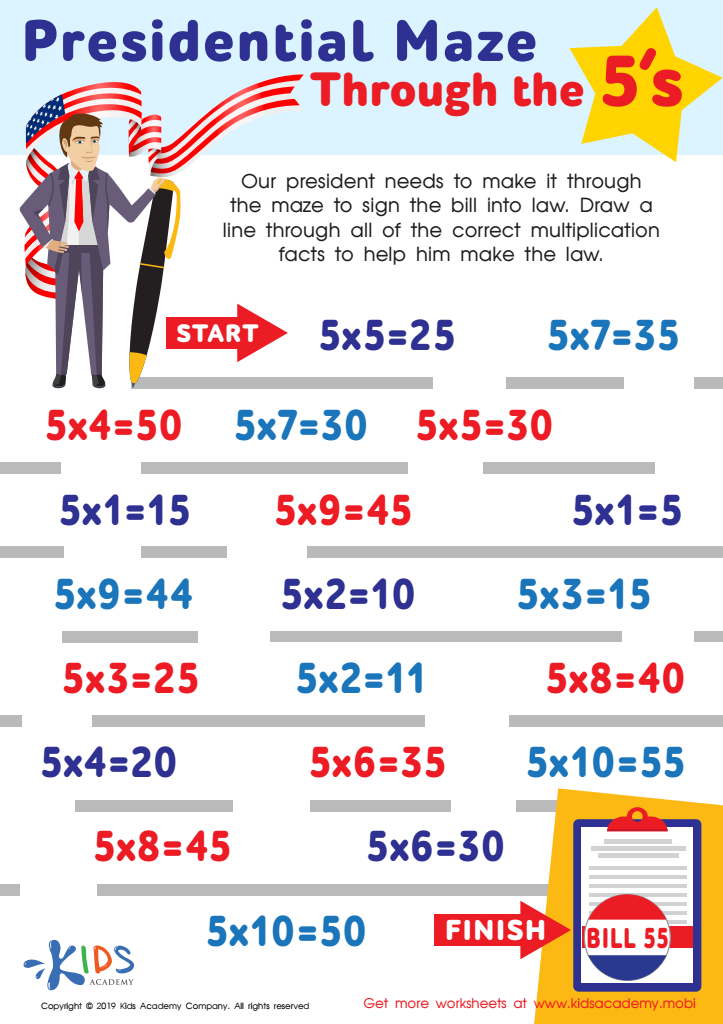
Presidential Maze Through the 5’s Worksheet
 Assign to My Students
Let's Check! Worksheet
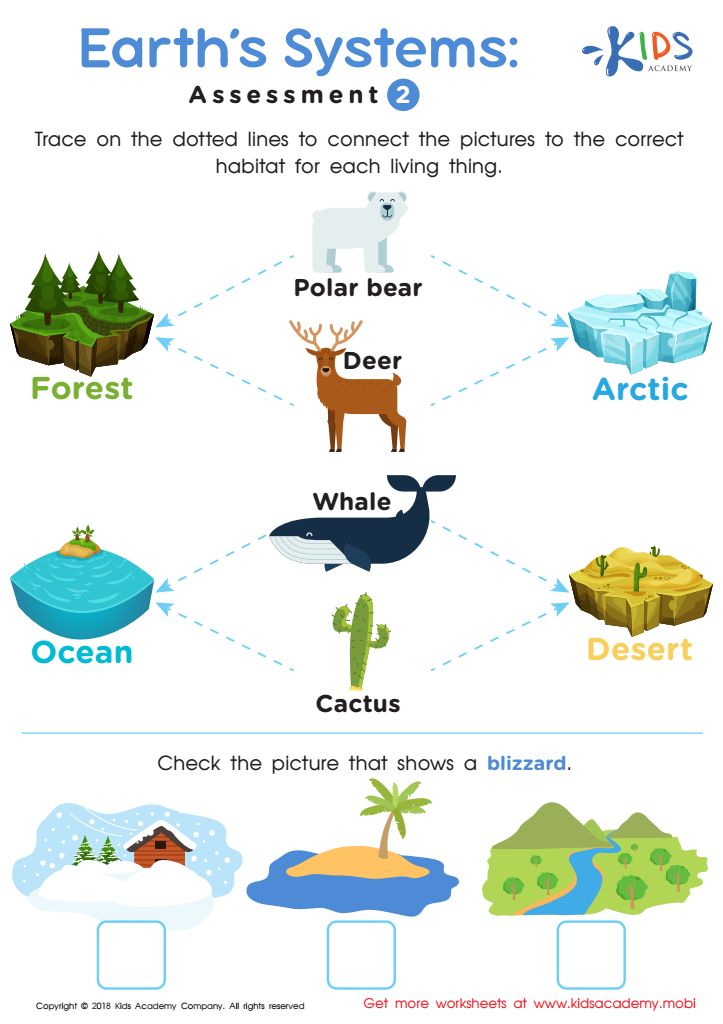
Earth's Systems: Assessment 2
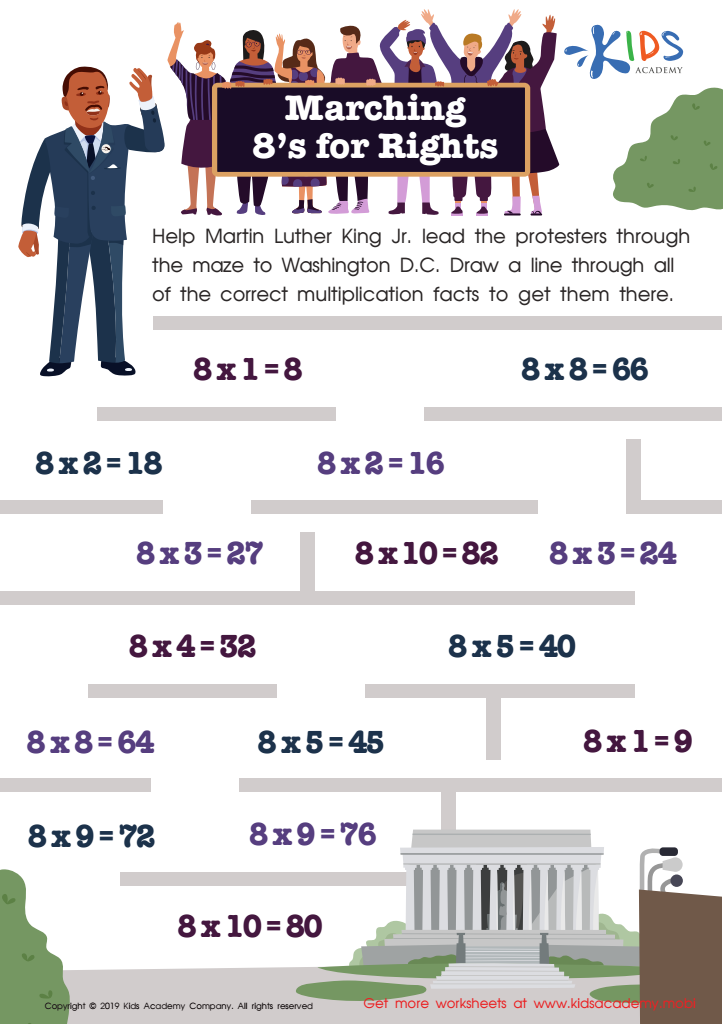
Marching 8’s for Rights Worksheet








Number recognition is a foundational skill that plays a crucial role in a child's early development, especially in social studies. For parents and teachers of children aged 3-8, understanding this concept creates connections between math and the real world. When children learn to recognize numbers, they are better equipped to understand and engage with their environment, from counting objects during play to getting familiar with addresses, public transport, and community services.
Learning number recognition aids in developing critical thinking and problem-solving skills essential in social studies contexts. It enables children to analyze age-appropriate data, such as population numbers, simple graphs, or maps, fostering an appreciation for the world around them. Additionally, number recognition can help children understand basic economic principles, such as buying, selling, or saving, which are integral to social studies lessons.
Furthermore, early mastery of number skills boosts confidence, promoting active participation in classroom discussions and community activities. Involving parents at home, through games and everyday activities, reinforces classroom learning, making it a collaborative effort. Together, educators and parents can cultivate numeracy skills that not only enhance academic success but also enrich children's understanding of their world, shaping engaged, informed citizens of the future.








