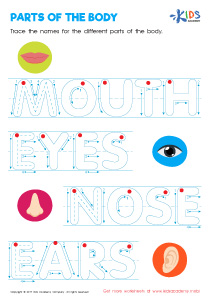
Counting skills World Around Us Worksheets for Ages 3-8
5 filtered results
-
From - To
Unlock your child’s potential with our "Counting Skills World Around Us Worksheets" designed for ages 3-8. These engaging worksheets immerse young learners in the vibrant world around them, making counting a fun and interactive experience. Through colorful visuals and relatable themes, children will practice essential counting skills while exploring familiar environments, from nature to community settings. Ideal for homeschooling or classroom use, our worksheets cater to varying skill levels, ensuring that every child can develop a strong foundation in numeracy. Download today and watch as your child becomes more confident in their counting abilities while discovering the wonders of their world!
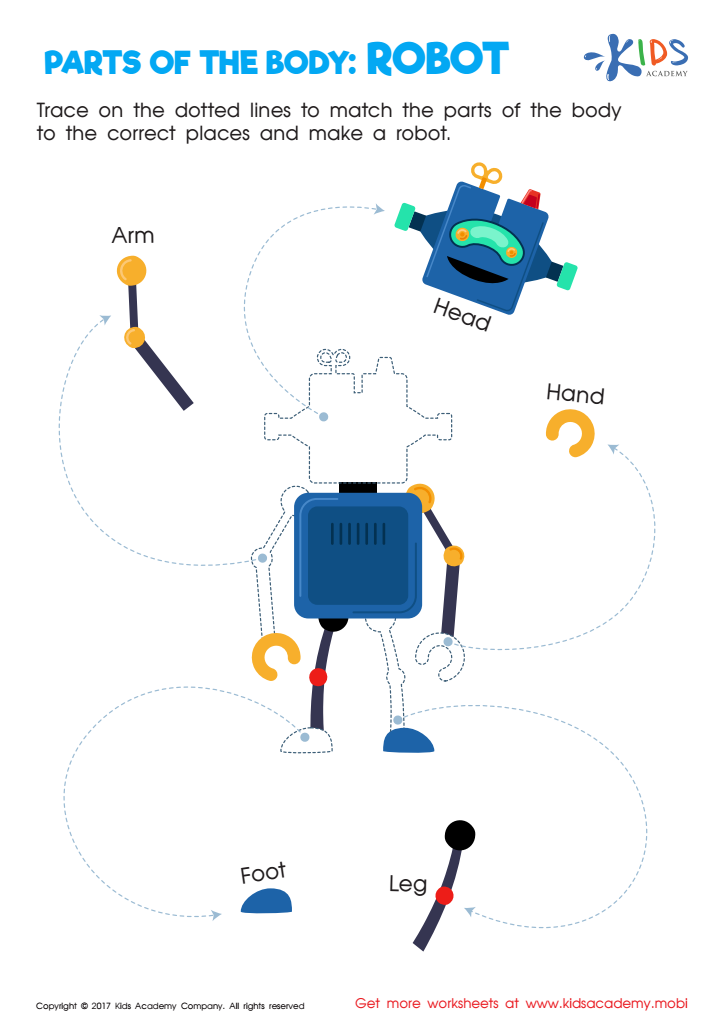
Robot Printable
 Assign to My Students
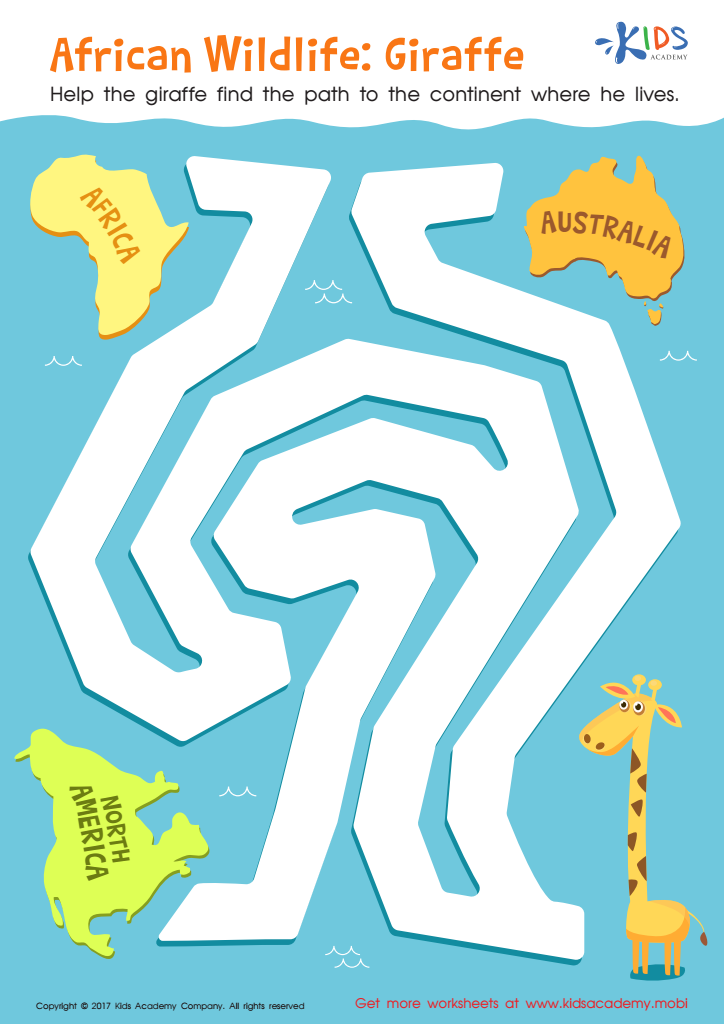
African Wildlife: Giraffe Worksheet
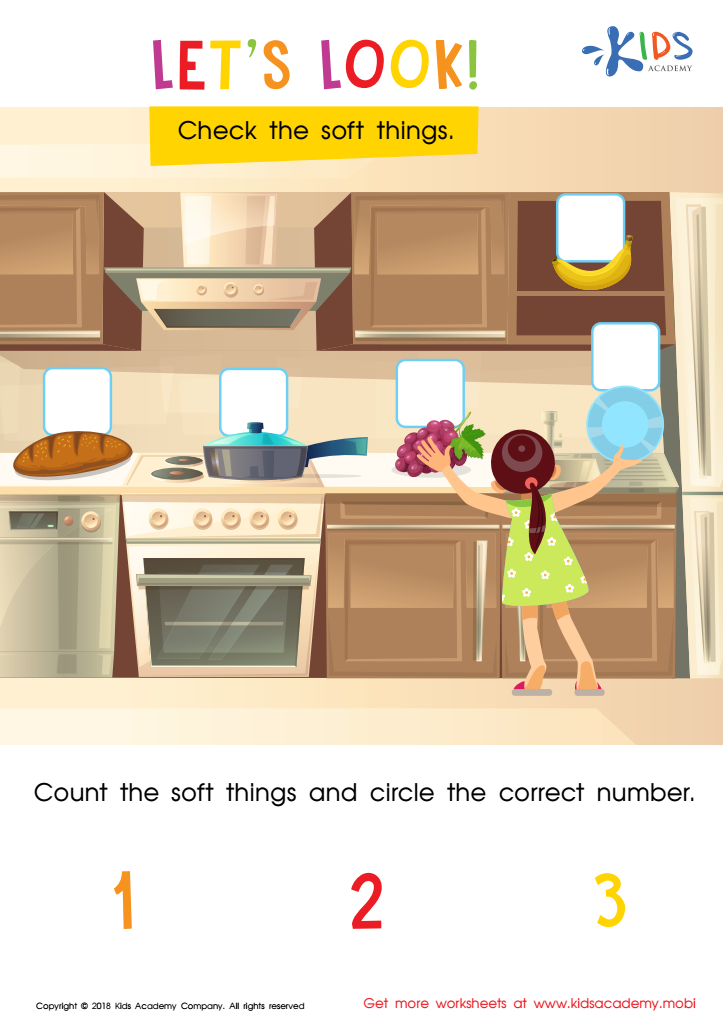
Let's Look! Assessment Worksheet
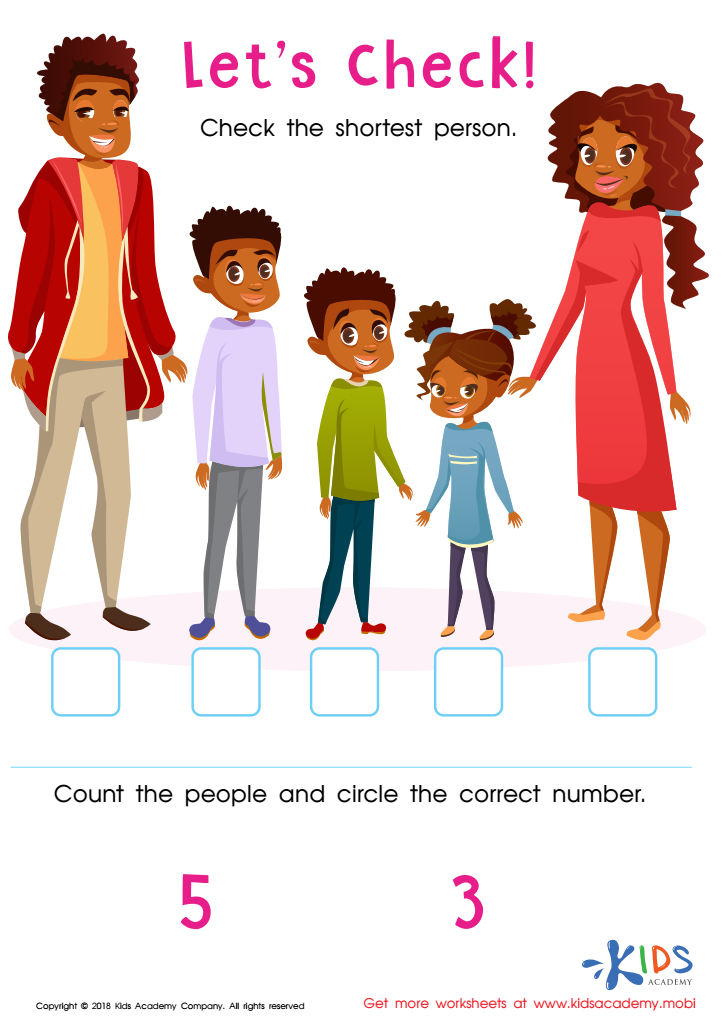
Let's Check! Assessment Worksheet
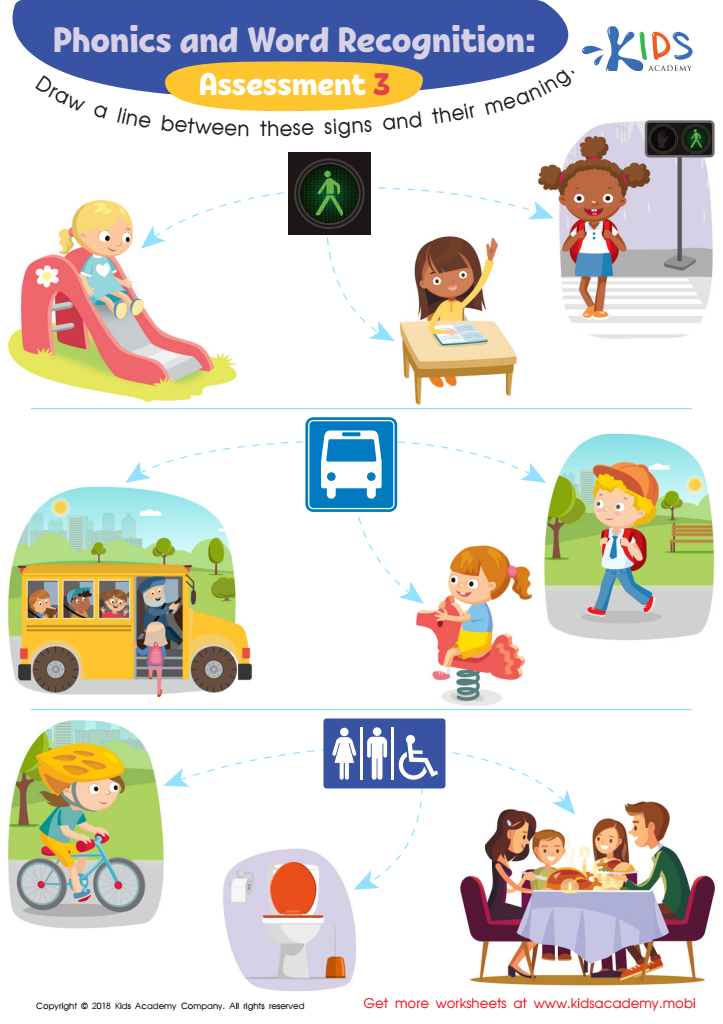
Phonological Awareness: Assessment 3 ELA Worksheet








Counting skills are fundamental for early development, particularly for children aged 3-8. These skills lay the groundwork for mathematical understanding and reasoning, crucial for later academic success. Parents and teachers should prioritize counting as it enhances cognitive abilities, nurturing critical thinking, logical reasoning, and problem-solving skills.
Moreover, counting fosters language development and social interaction. Engaging children in counting games and activities fosters communication, as they learn to articulate numbers and concepts. It also supports fine motor skills through hands-on activities like counting objects or using visual aids.
Additionally, counting emerges in everyday situations, linking mathematics to real-world experiences. When children count steps, snacks, or toys, they grasp the applicability of numbers, which increases their engagement in learning. This relevance fosters a positive attitude towards math, reducing anxiety as they progress in their education.
Building a strong foundation in counting cultivates confidence and a love for learning, driving curiosity about the world around them. By nurturing these skills early, parents and teachers influence children's academic trajectories and lifelong learning habits, ensuring they develop the necessary tools to navigate an increasingly numerate world.