Alphabet Recognition Alphabet Worksheets for Ages 3-9 - Page 2
71 filtered results
-
From - To
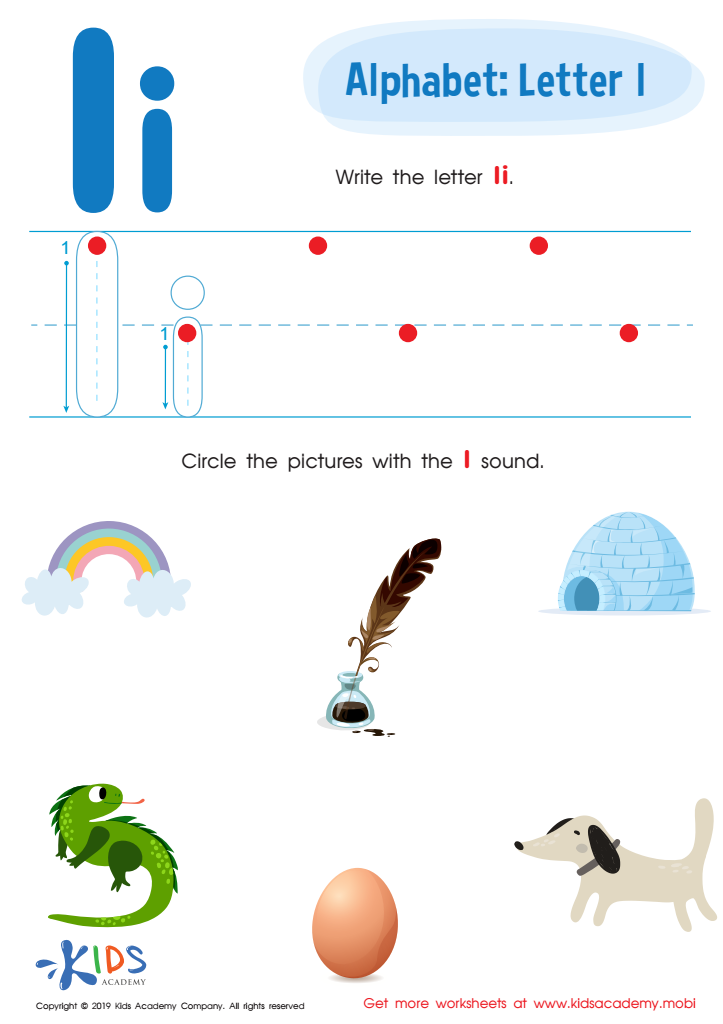
Letter I Tracing Worksheet
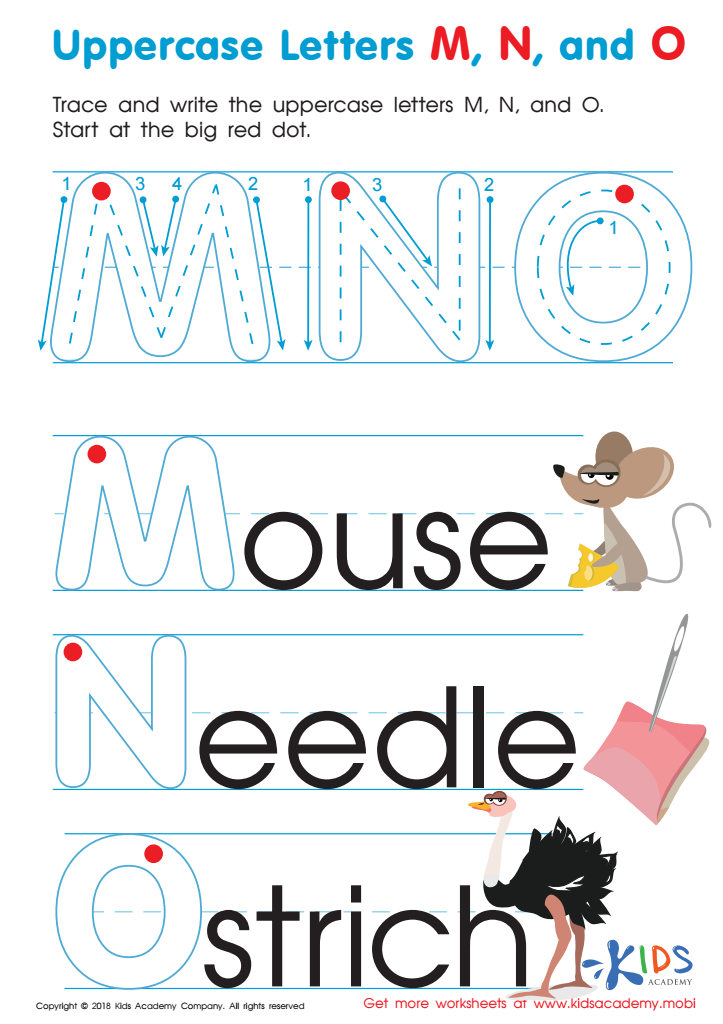
Uppercase Letters M, N, and O Worksheet
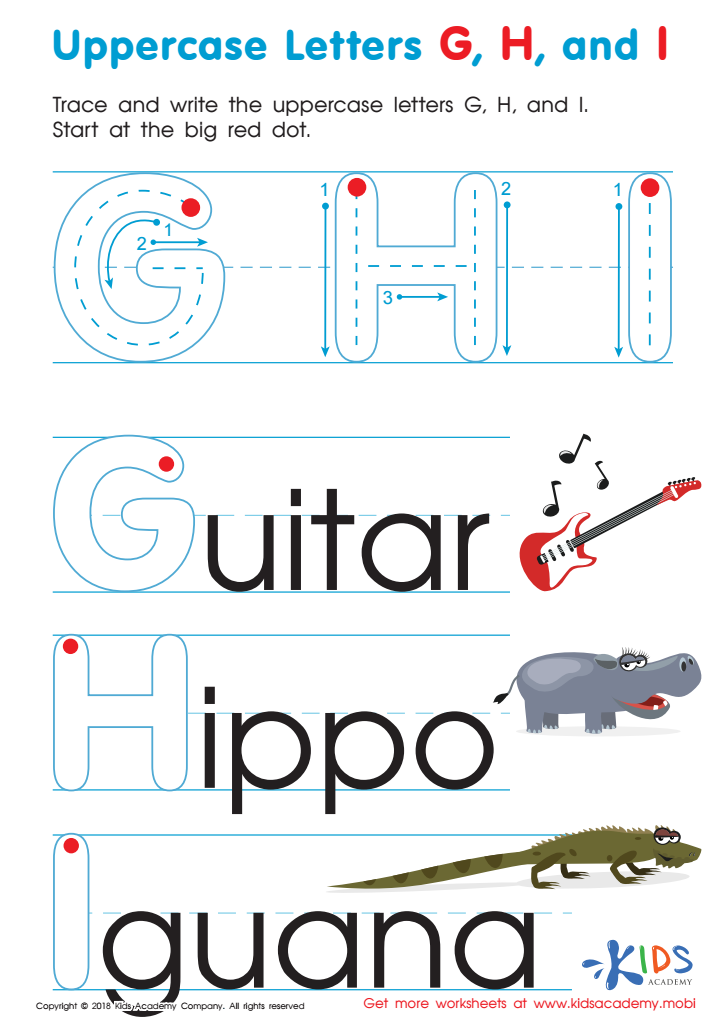
Uppercase Letters G, H, and I Worksheet
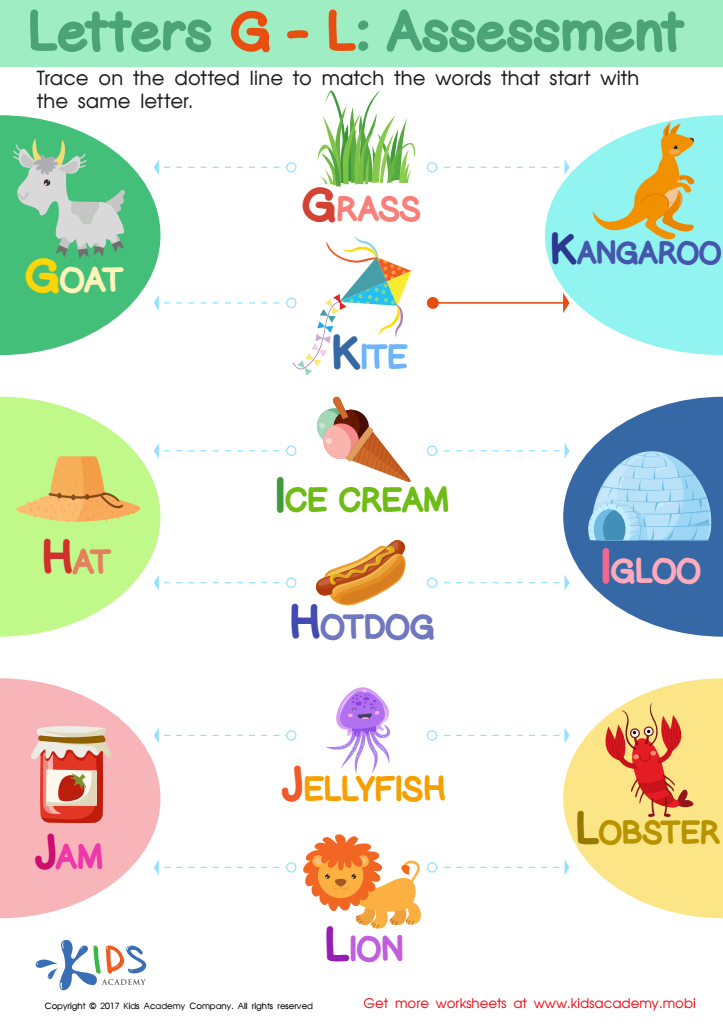
Letters G-L Worksheet
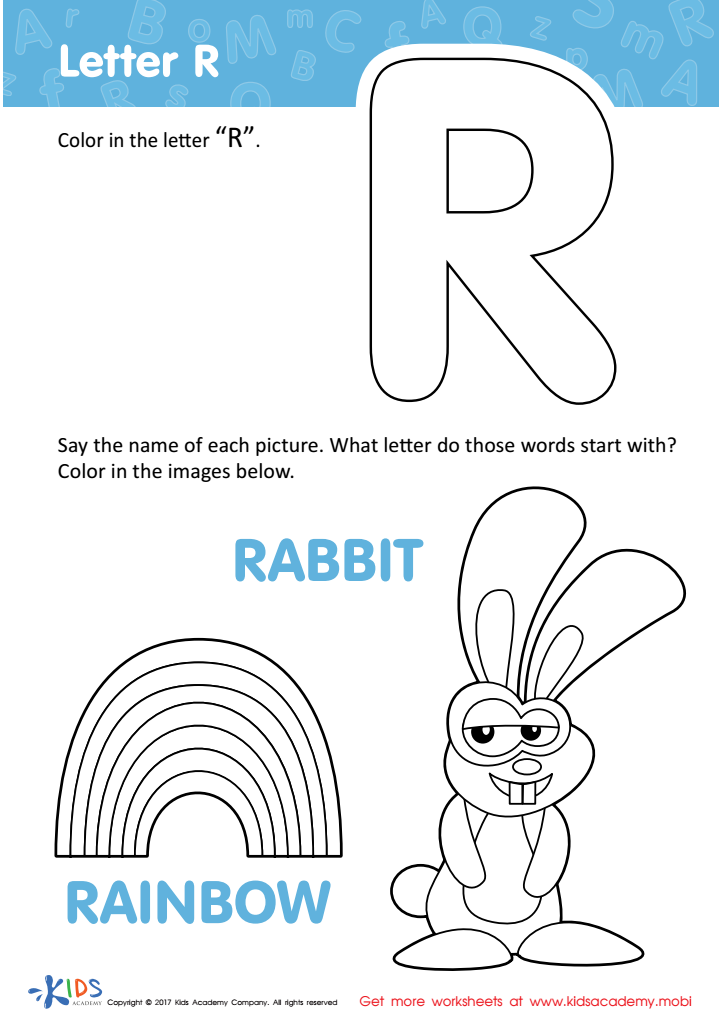
Letter R Coloring Sheet
 Assign to My Students
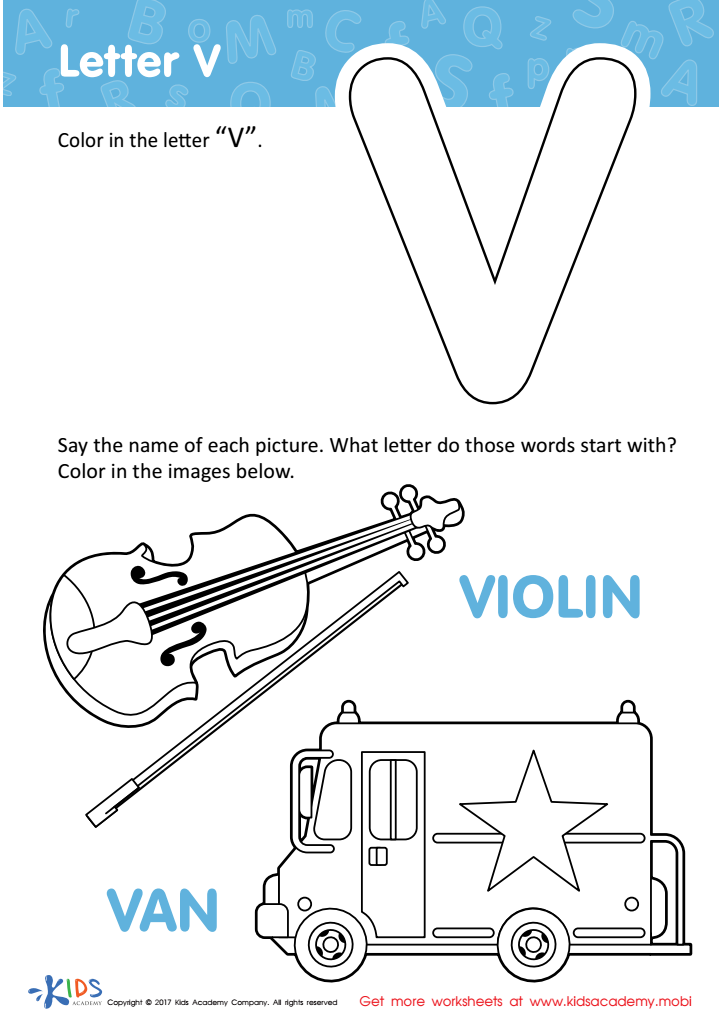
Letter V Coloring Sheet
Assign to My Students
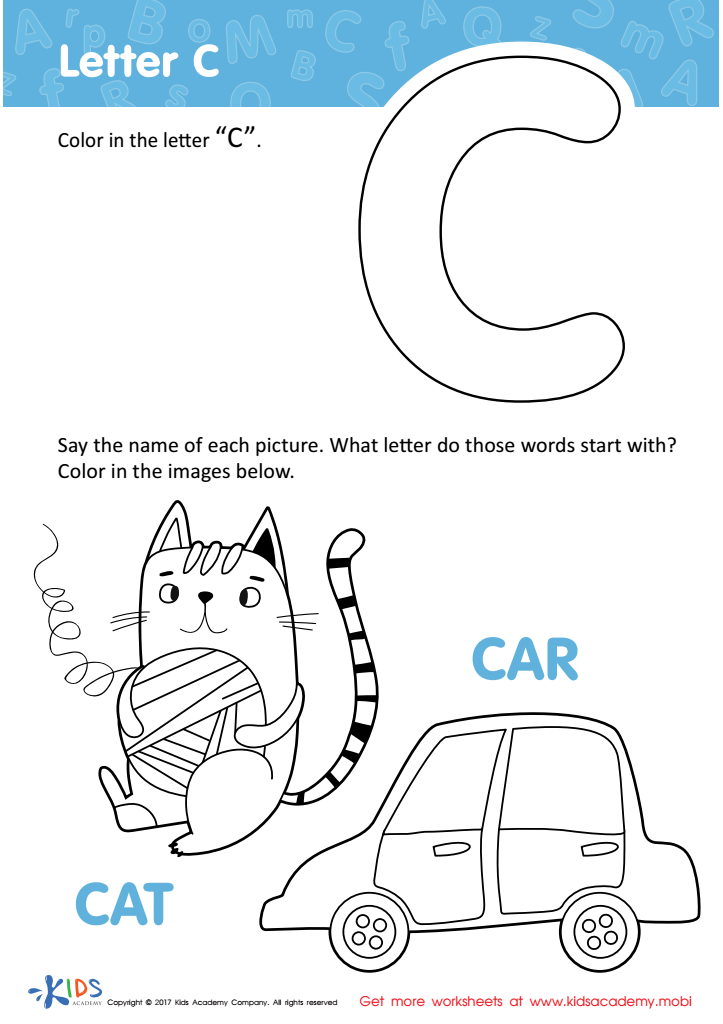
Letter C Coloring Sheet
Assign to My Students
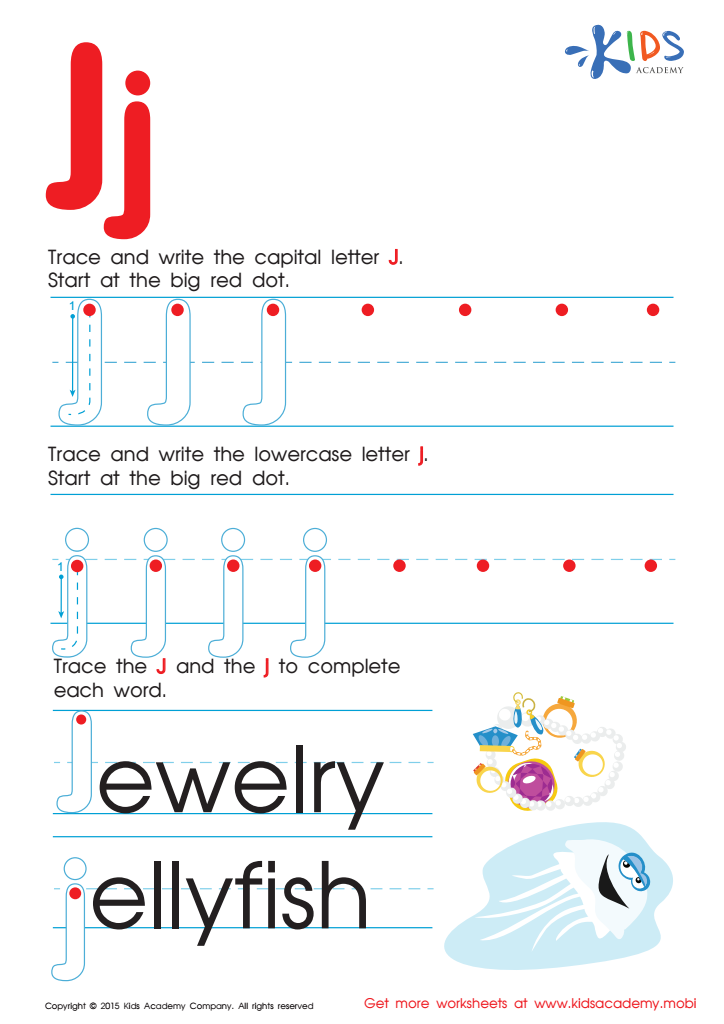
Letter J Tracing Page
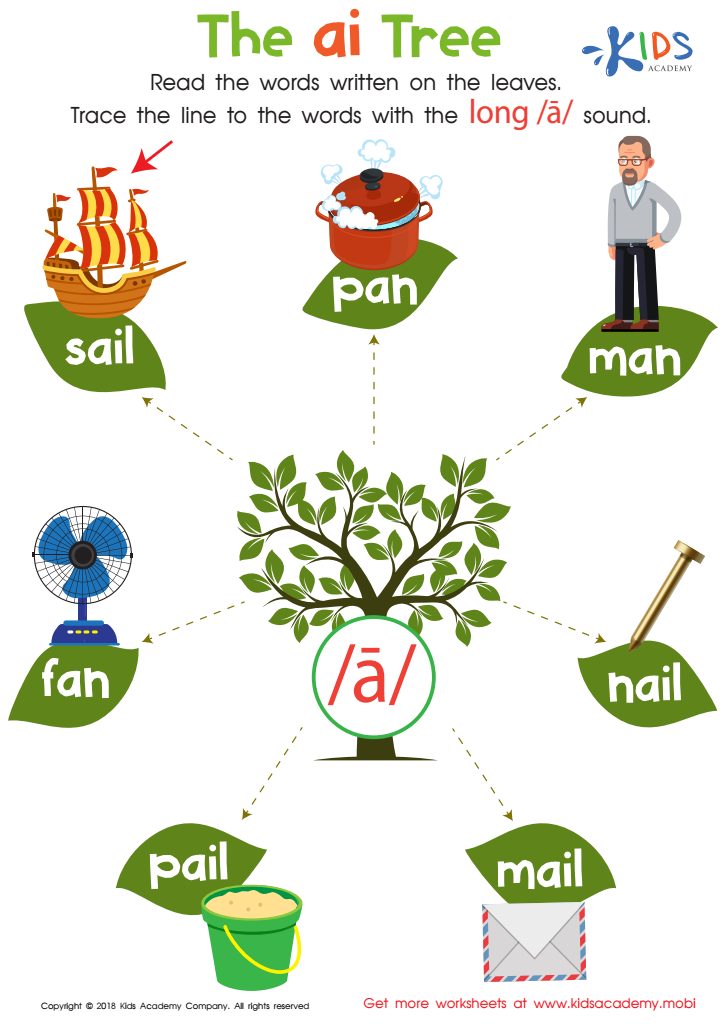
The AI Tree Worksheet
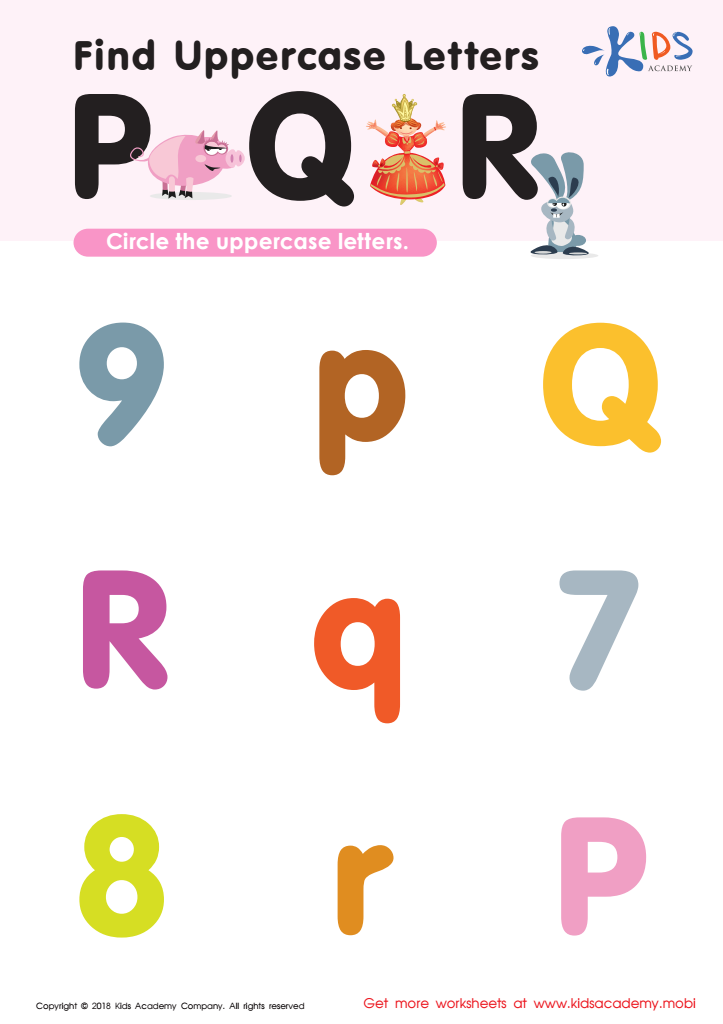
Find Uppercase Letters P, Q, and R Worksheet
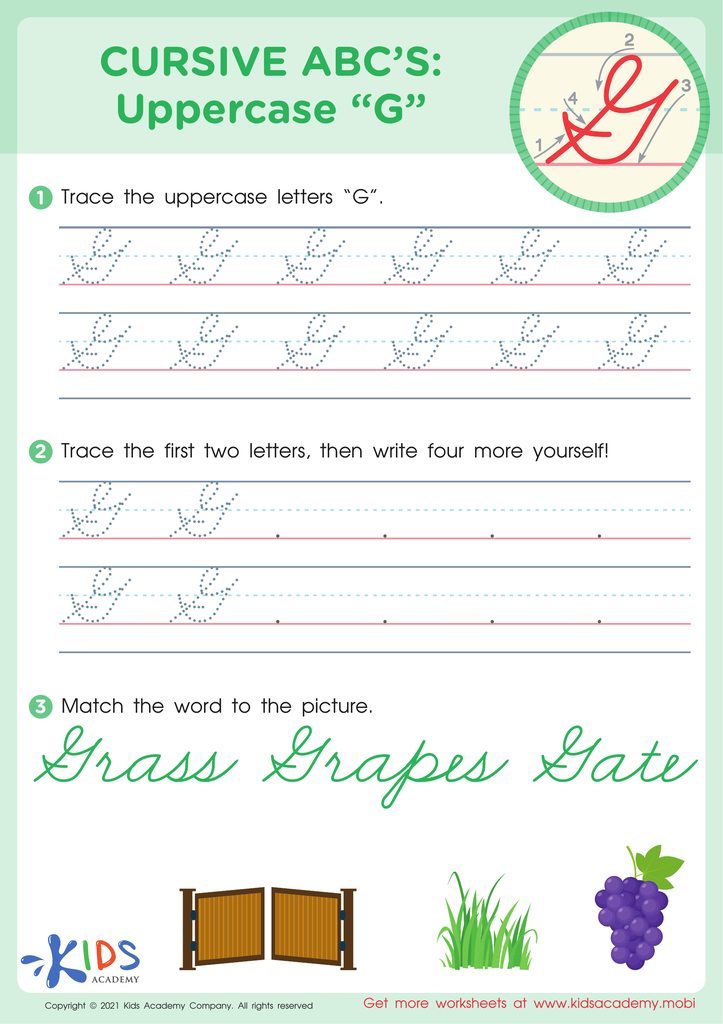
Cursive ABCs: Uppercase G
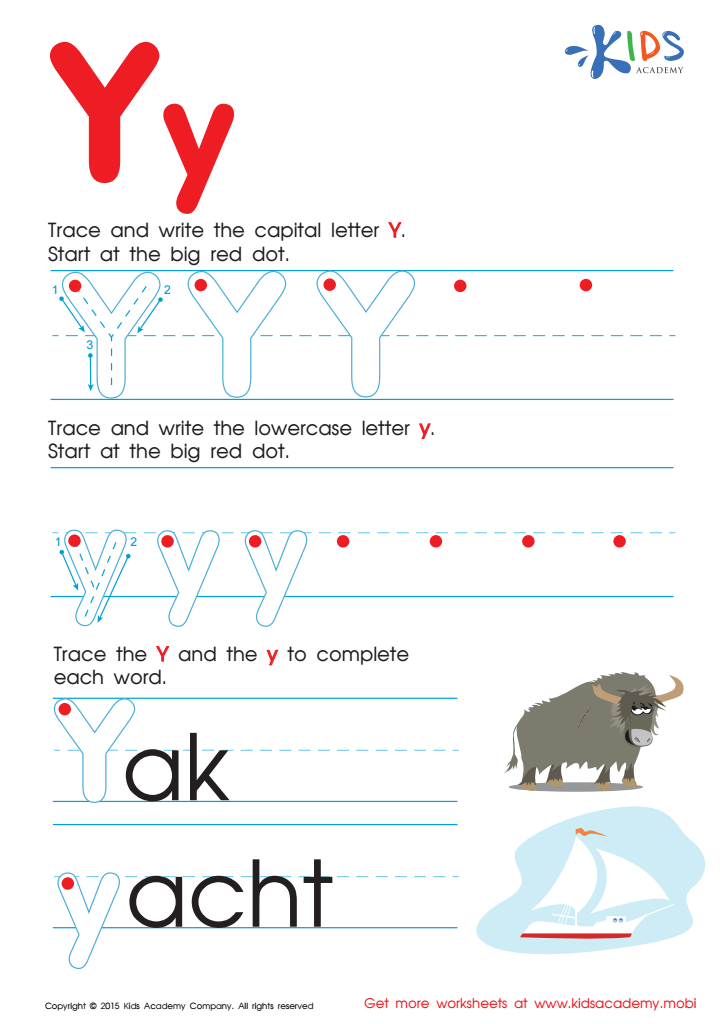
Letter Y Tracing Page
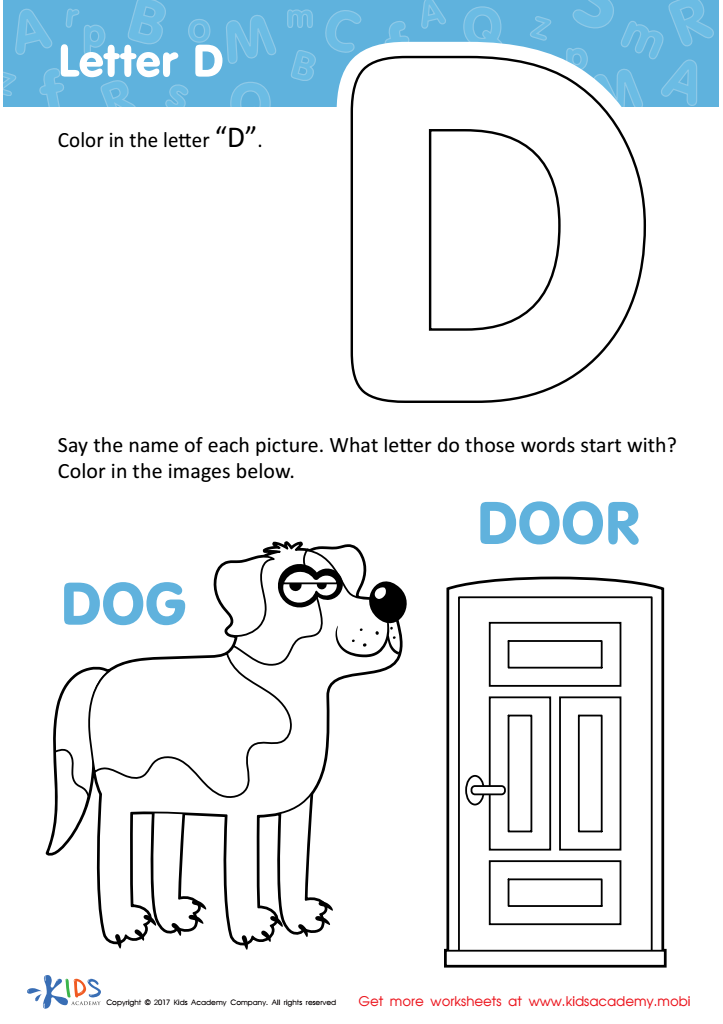
Letter D Coloring Sheet
Assign to My Students
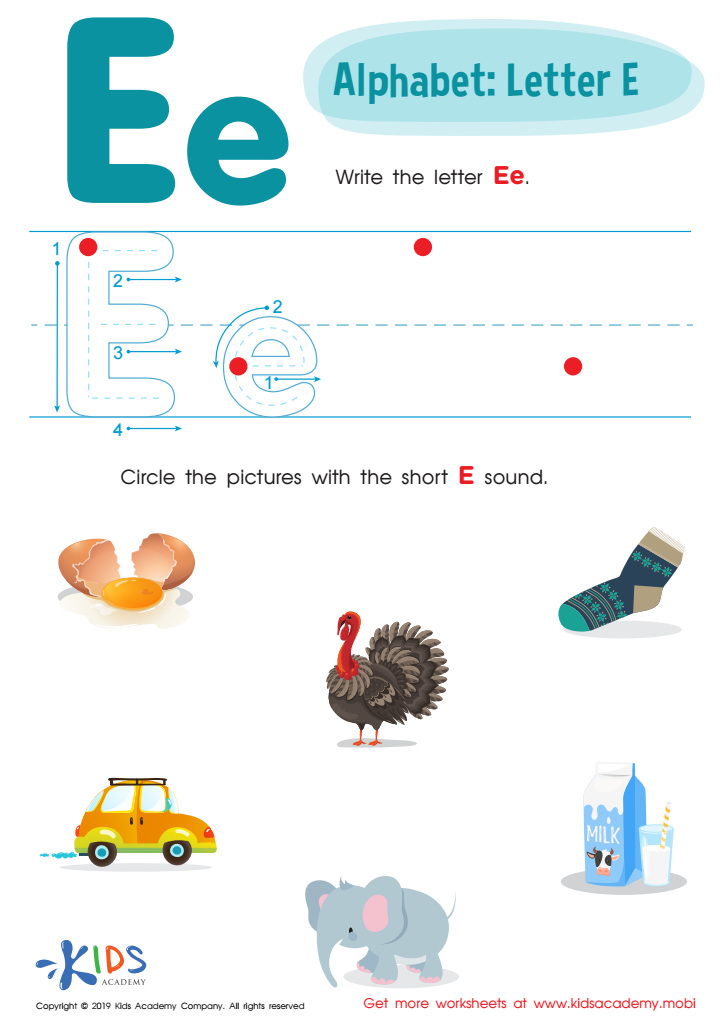
Letter E Tracing Worksheet
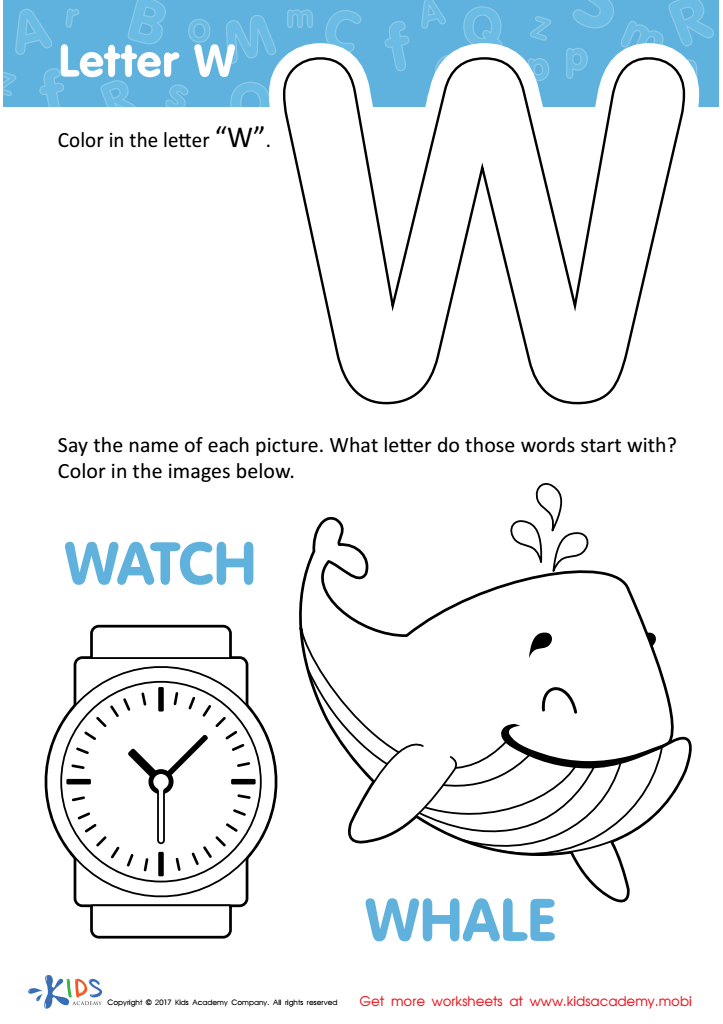
Letter W Coloring Sheet
Assign to My Students
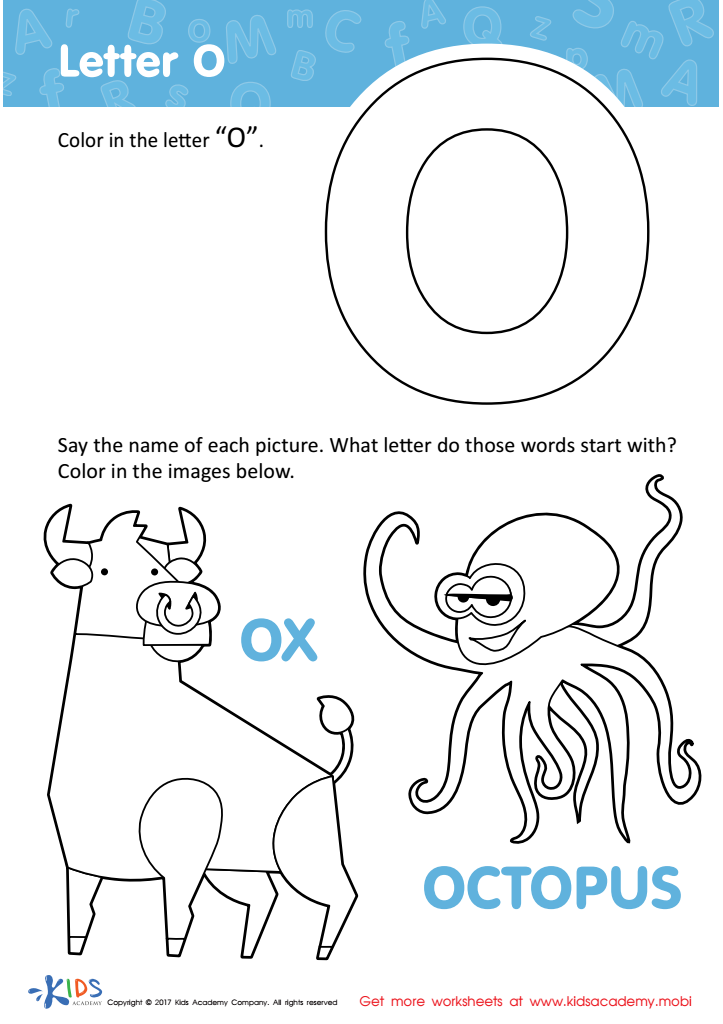
Letter O Coloring Sheet
Assign to My Students
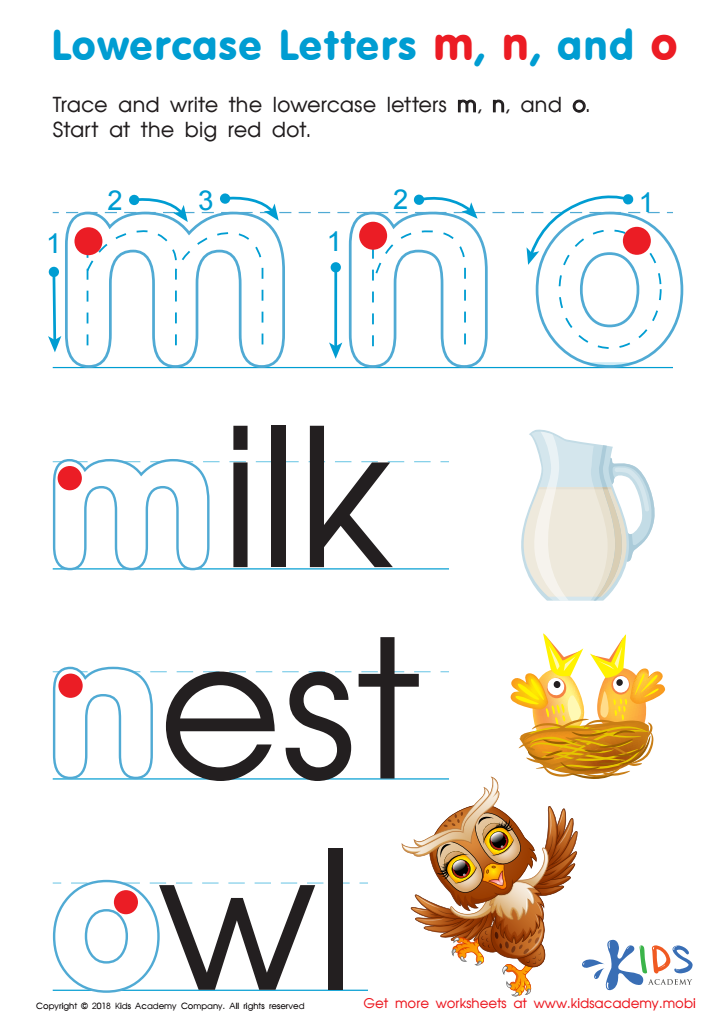
Lowercase Letters m n o Worksheet
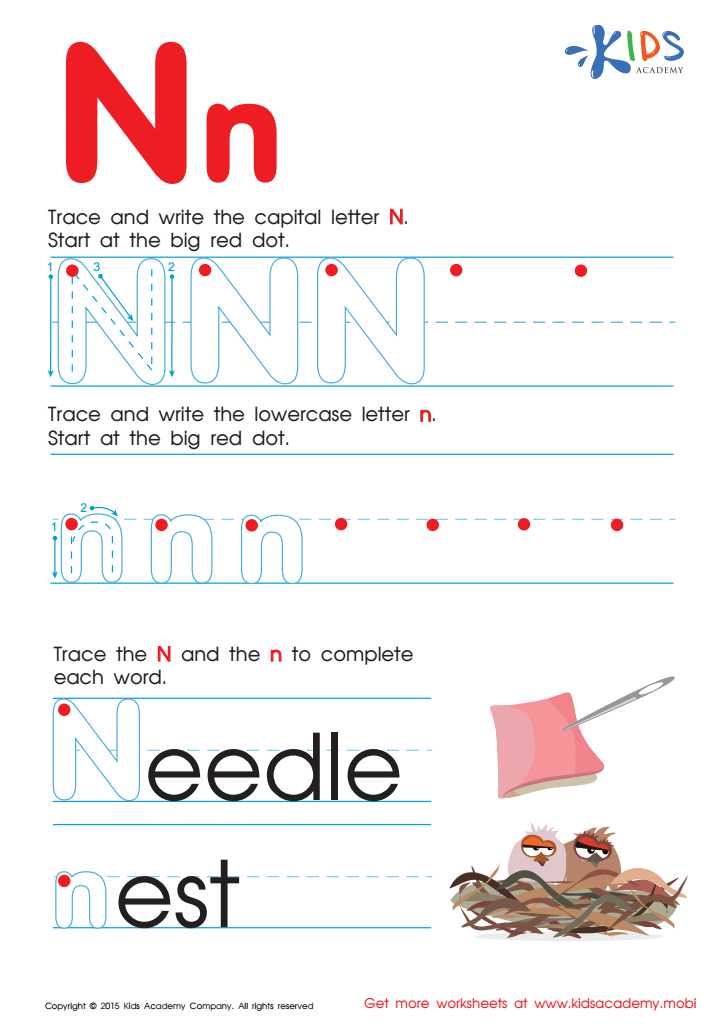
Letter N Tracing Page
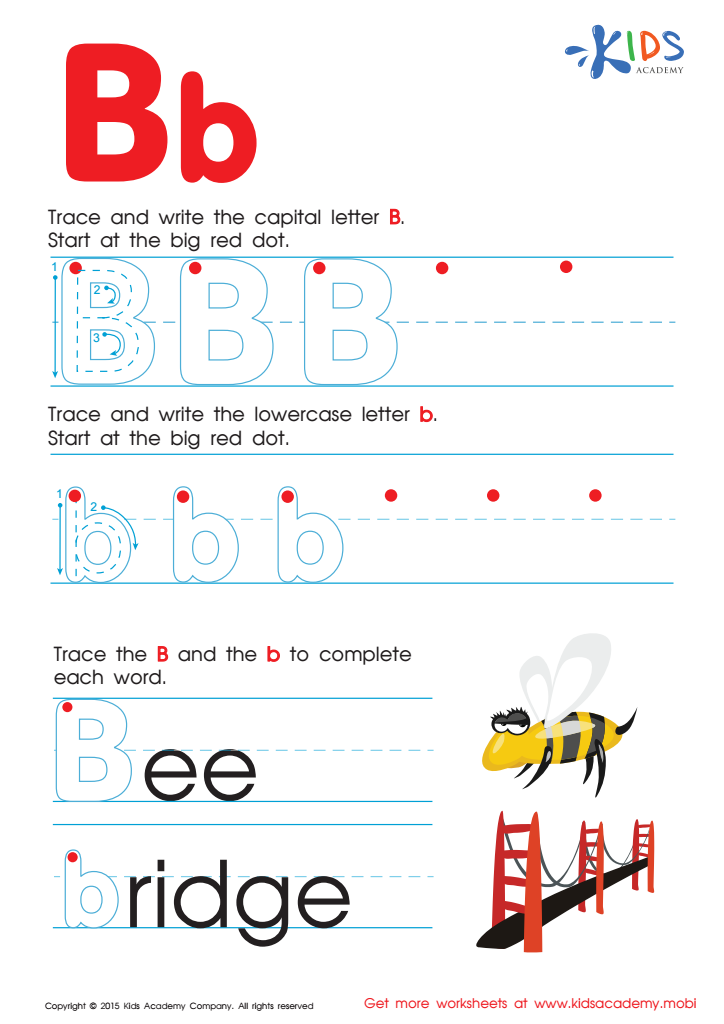
Letter B Tracing Page
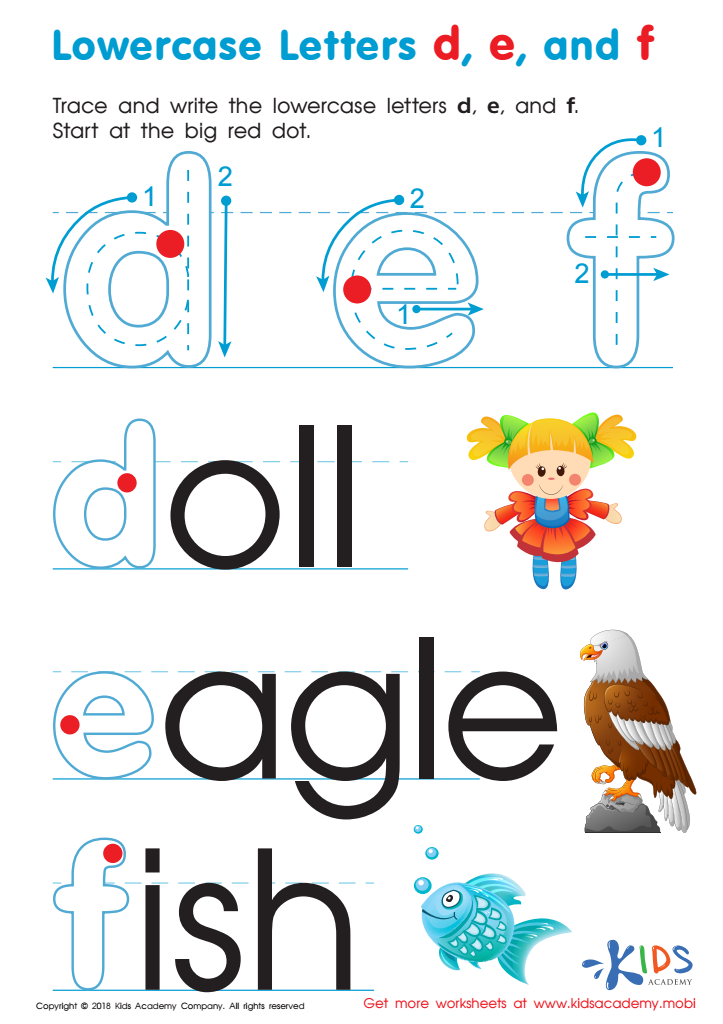
Lowercase Letters d e f Worksheet
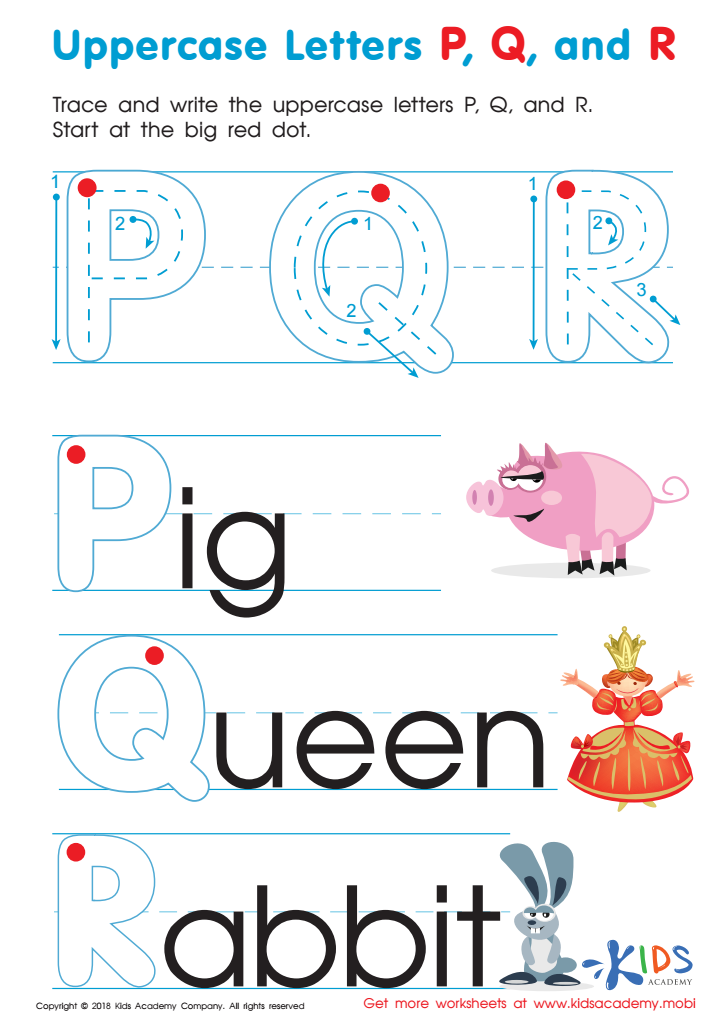
Uppercase Letters P, Q, and R Worksheet
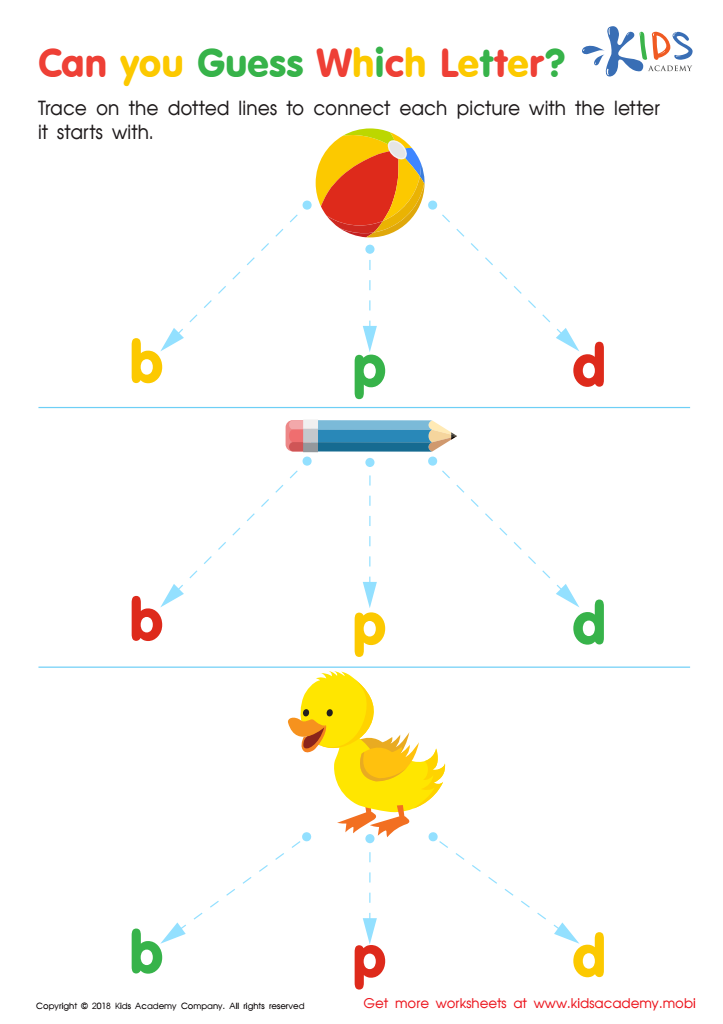
Can you Guess Which Letter? Worksheet
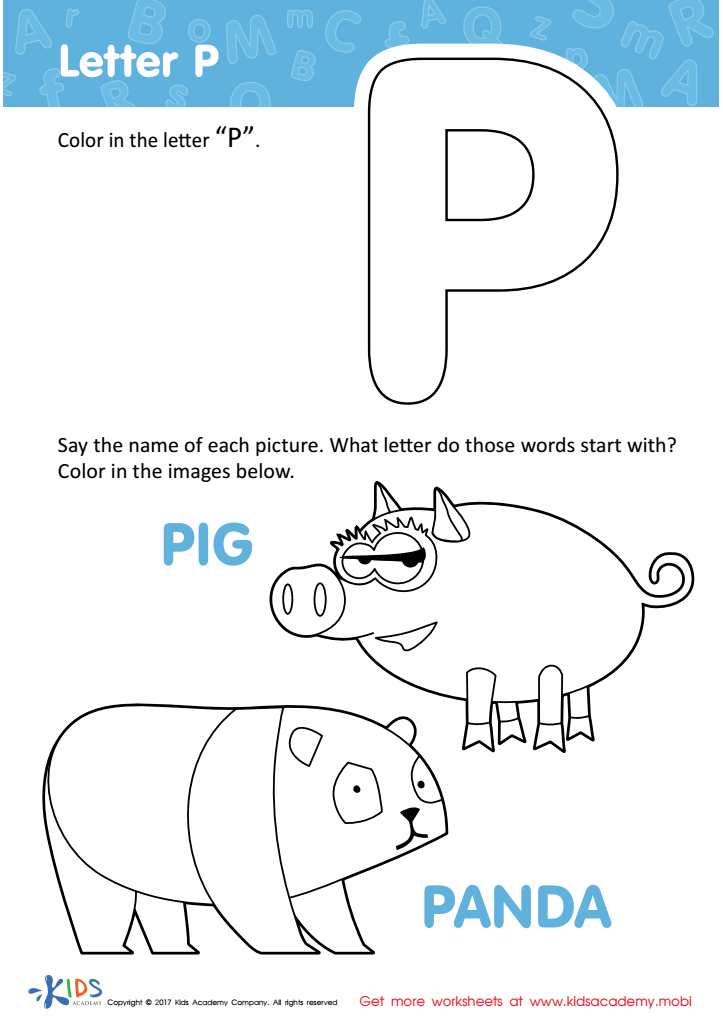
Letter P Coloring Sheet
Assign to My Students
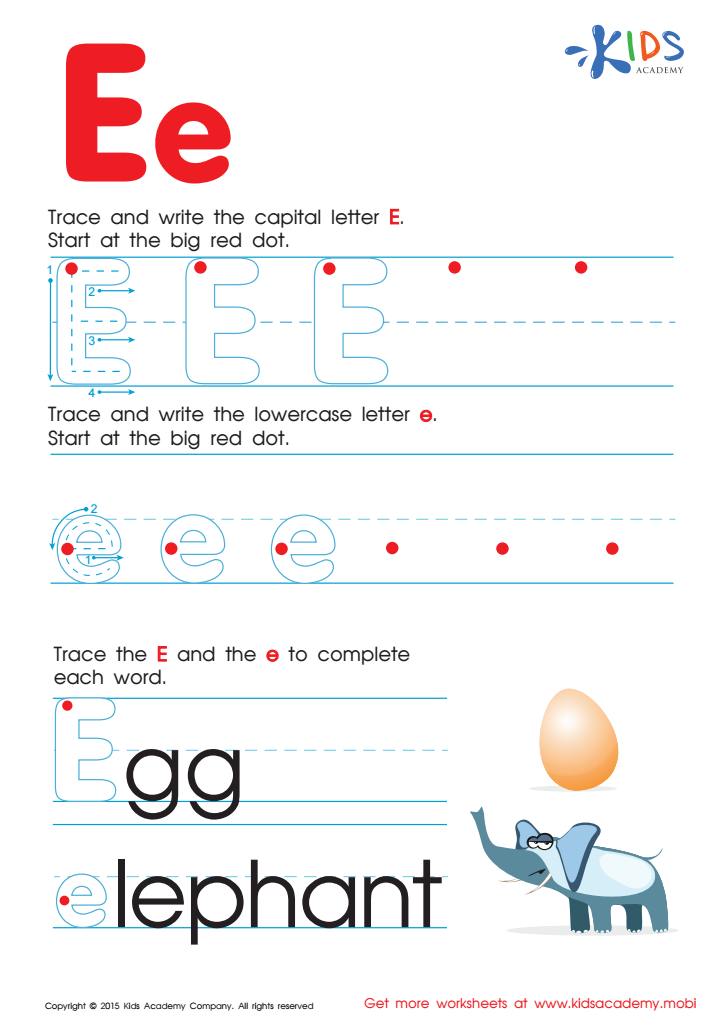
Letter E Tracing Page







Alphabet recognition is a fundamental skill for children aged 3-9 and forms the basis for all future literacy and academic success. For parents and teachers, prioritizing this skill is crucial as it represents the child's first step towards reading and writing. Recognizing letters and familiarizing themselves with the sounds they make helps children decode words, aids in sound discrimination, and promotes phonemic awareness – the ability to hear, identify, and manipulate individual sounds in spoken words.
When children recognize the alphabet, they build a strong foundation for vocabulary development and word formation. This proficiency not only supports reading skills but also fosters effective communication and writing capabilities. Moreover, early alphabet recognition contributes to language acquisition, enhancing cognitive development, and establishing a lifelong love for learning.
For teachers, engaging students in activities such as singing the alphabet song, using flashcards, or interactive games can make learning fun and memorable. Parents can support this process by reading to their children regularly, encouraging them to identify letters in books, signage, or during playtime.
In conclusion, investing time in helping children master alphabet recognition establishes a robust groundwork for their educational journey, boosts self-confidence, and can spark an early enthusiasm for reading and learning, benefiting them well beyond these early years.







