Spelling practice Alphabet Worksheets for Ages 3-9 - Page 3
67 filtered results
-
From - To
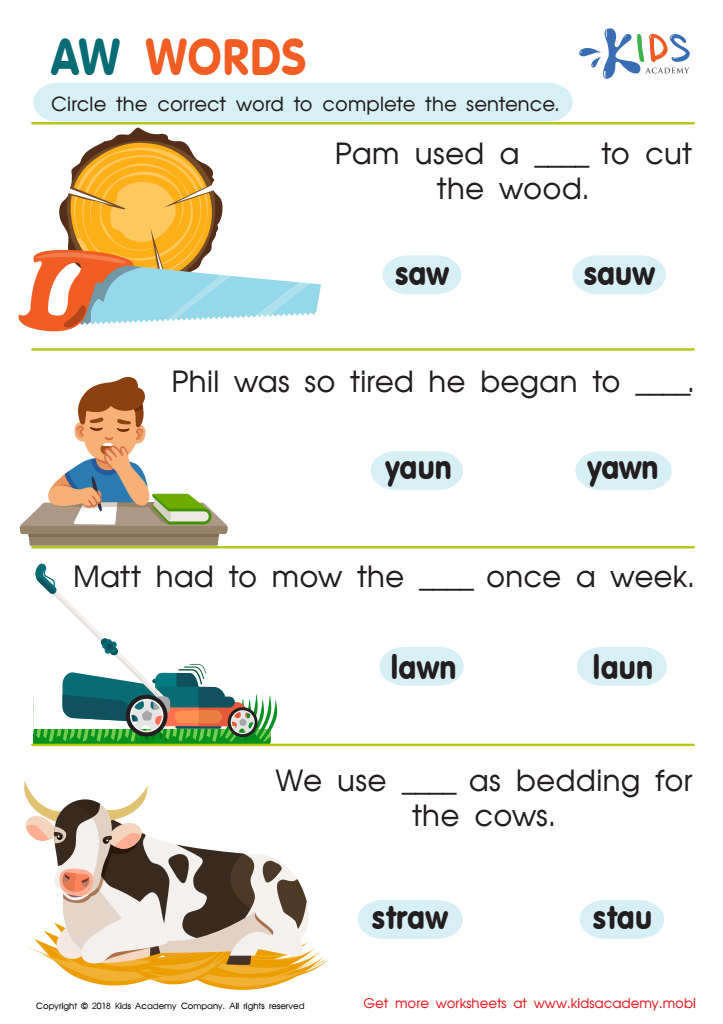
Reading: AW Words Worksheet
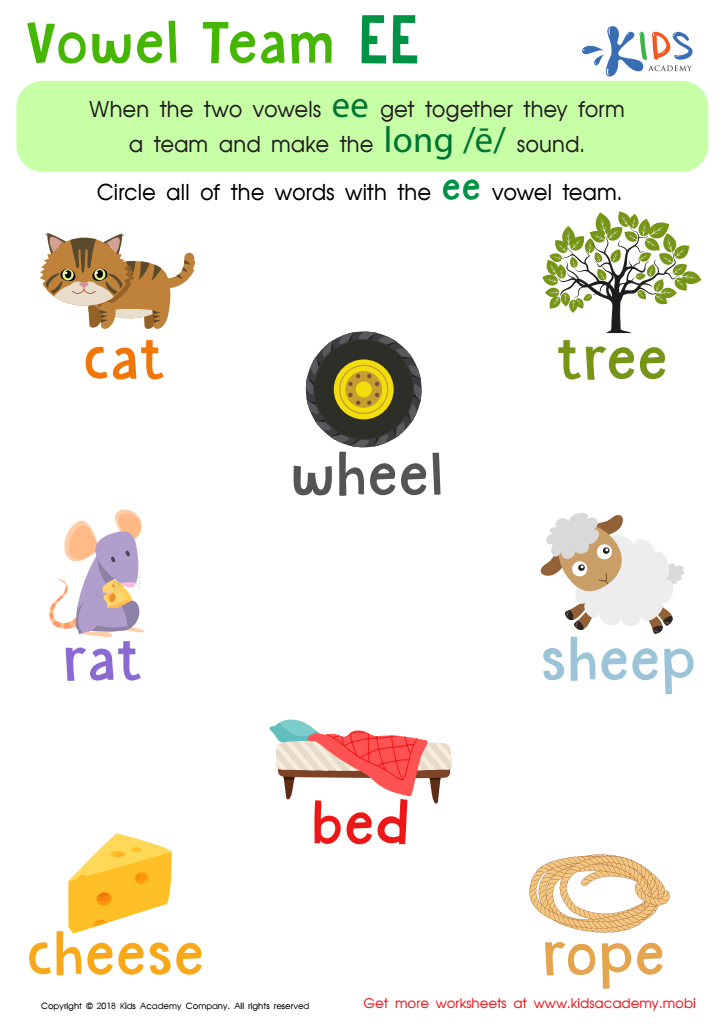
Reading: Vowel Team EE Worksheet
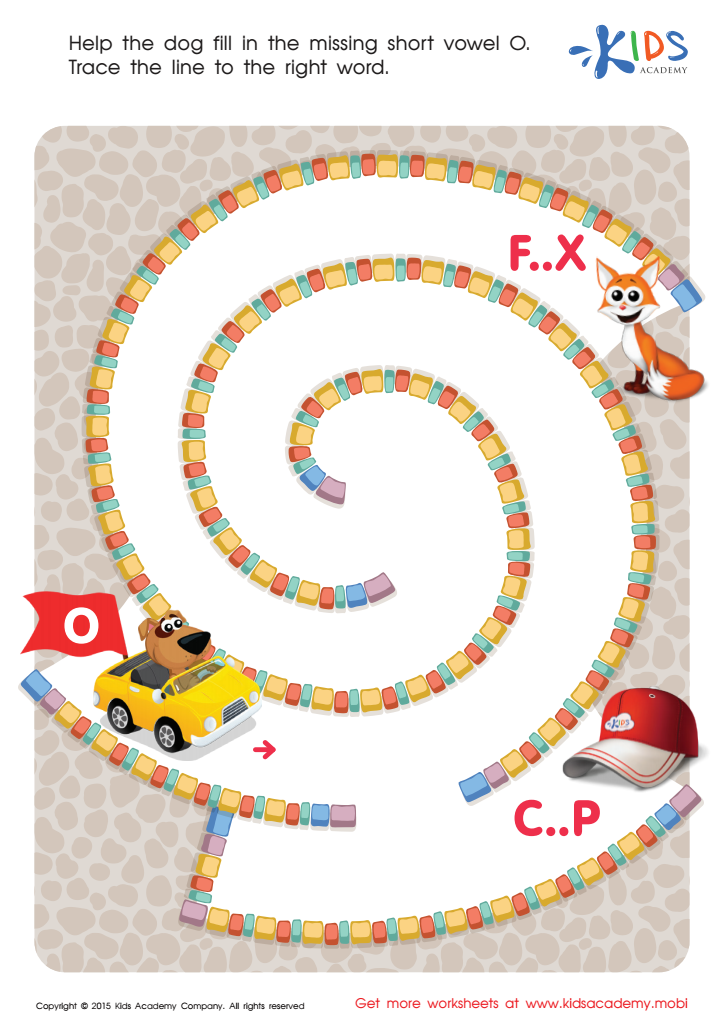
Short Vowel Sound O Worksheet
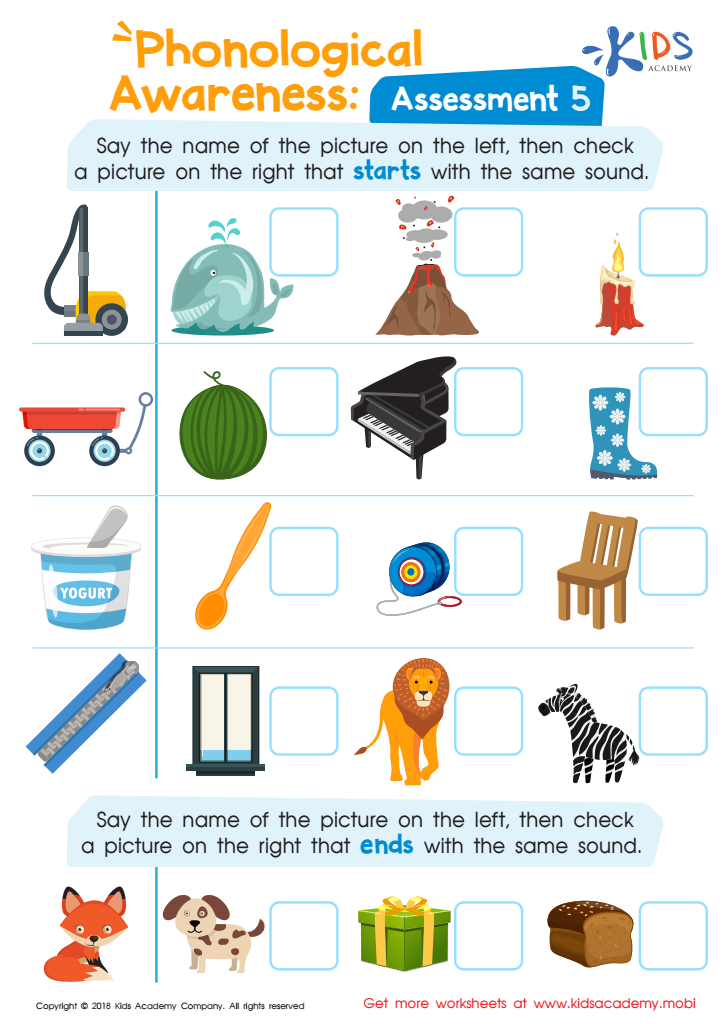
Phonological Awareness: Assessment 5 Worksheet
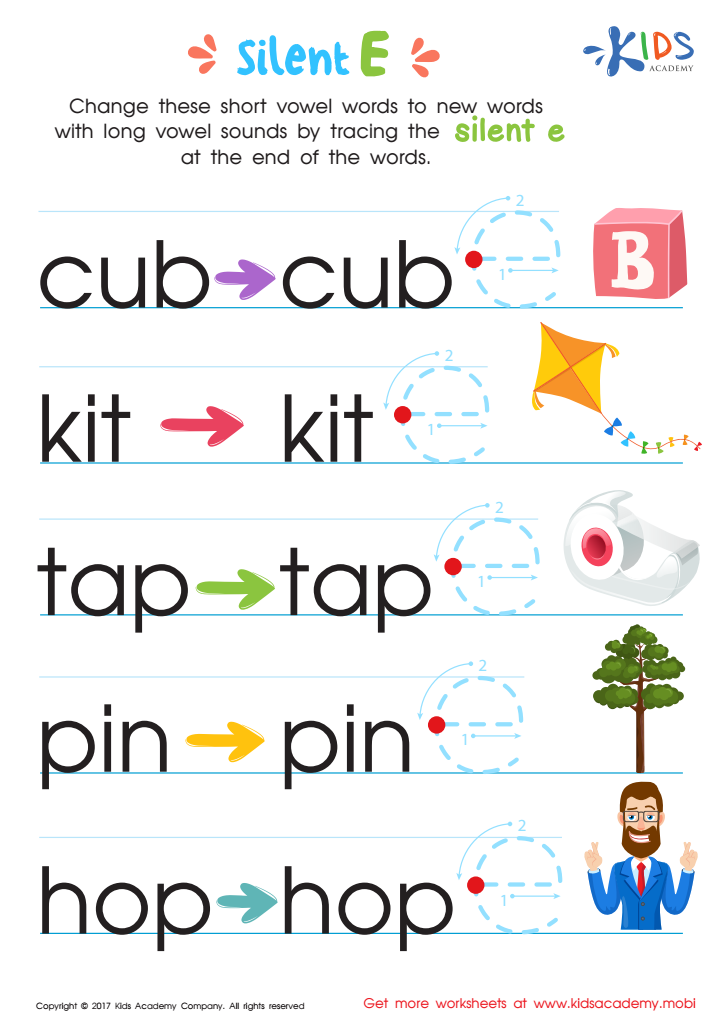
Silent E Words Worksheet
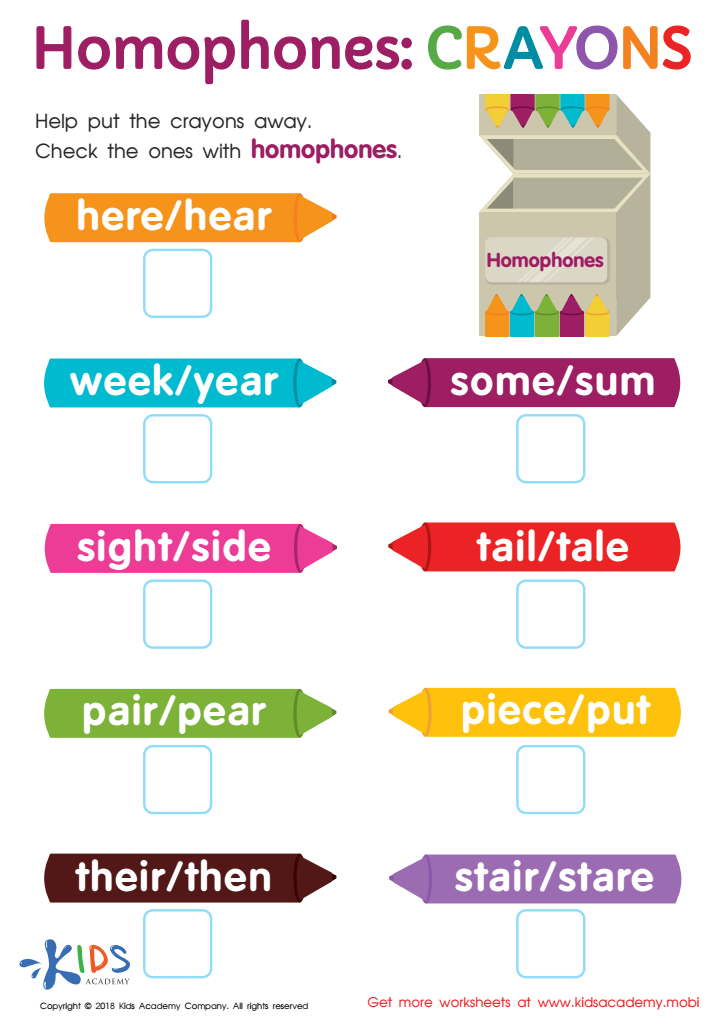
Homophones: Crayons Worksheet
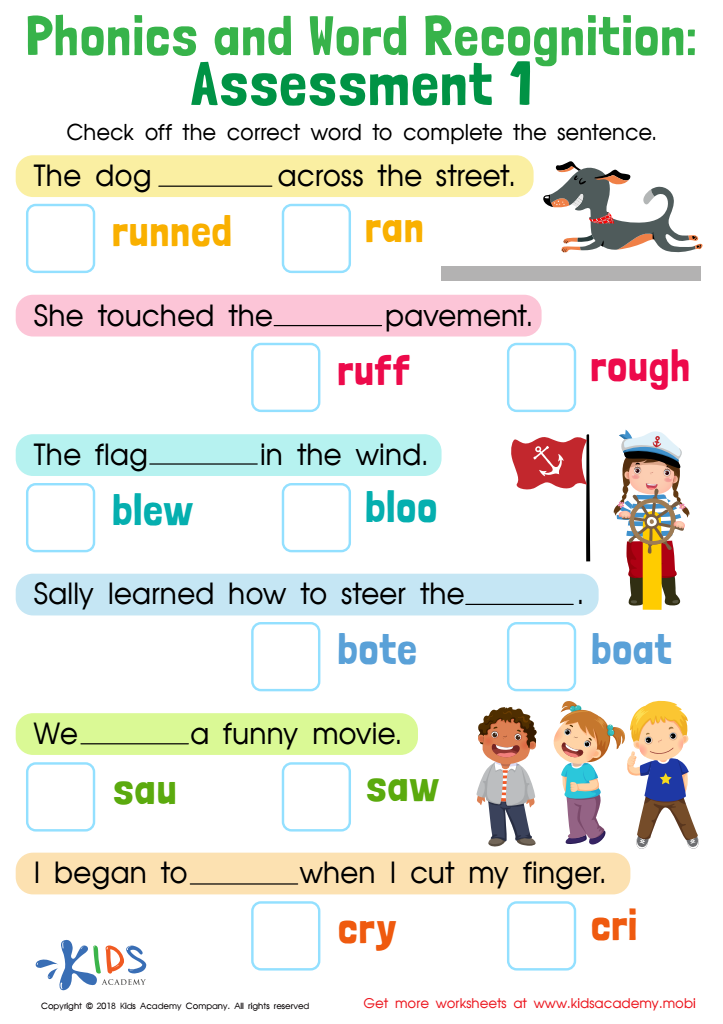
Phonics and Word Recognition: Assessment 1 Worksheet
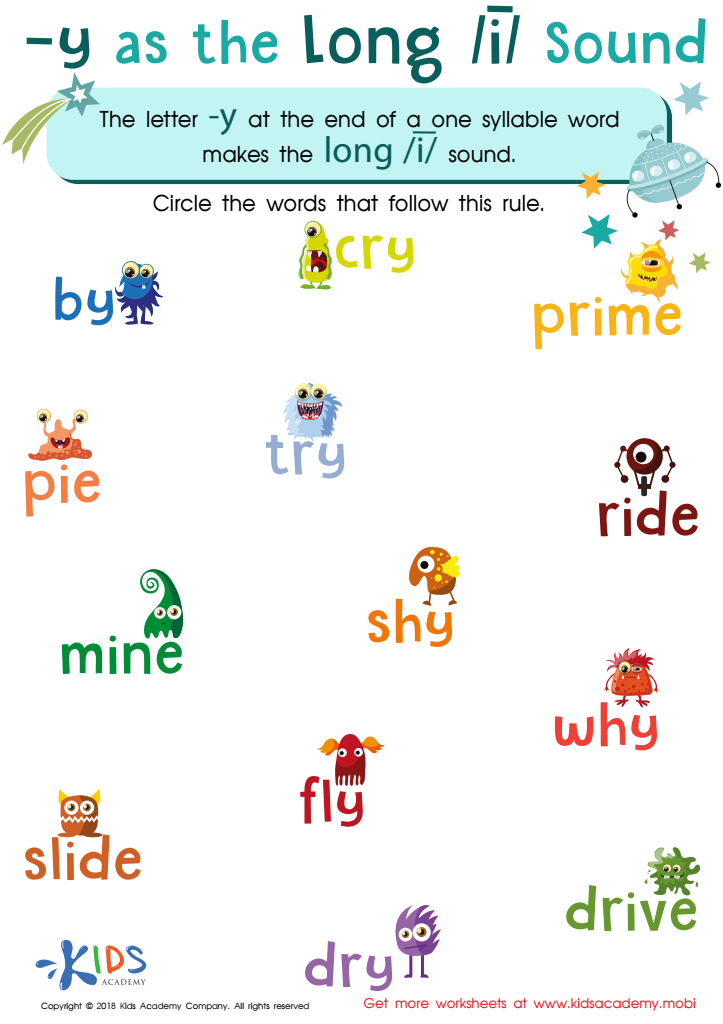
Reading: Y as Long I Worksheet
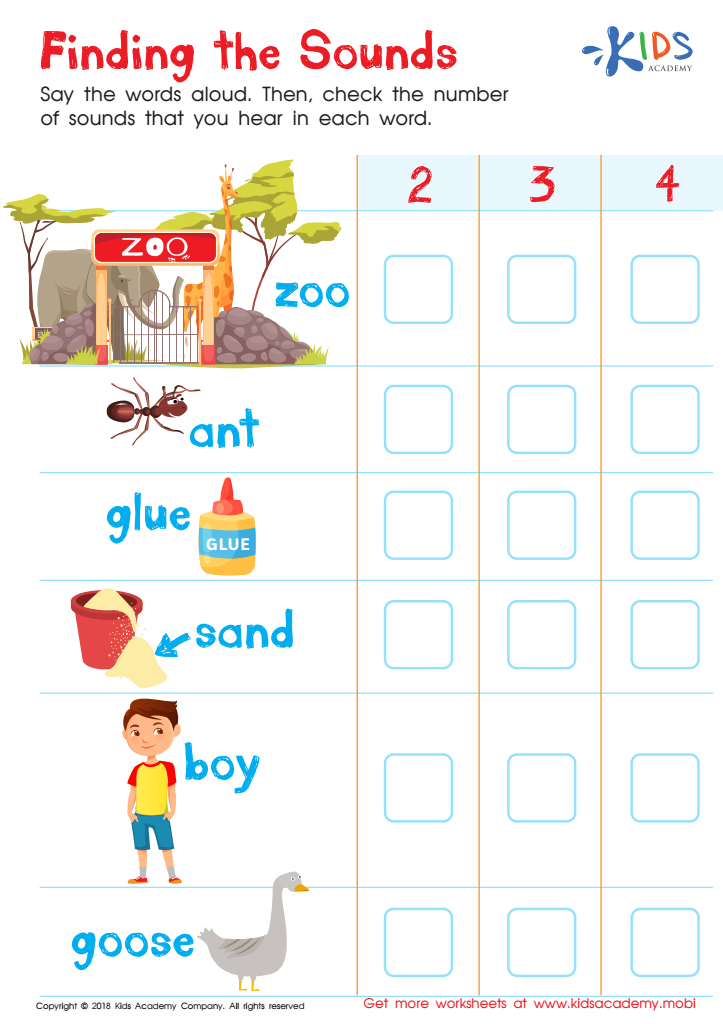
Finding the Sounds Worksheet
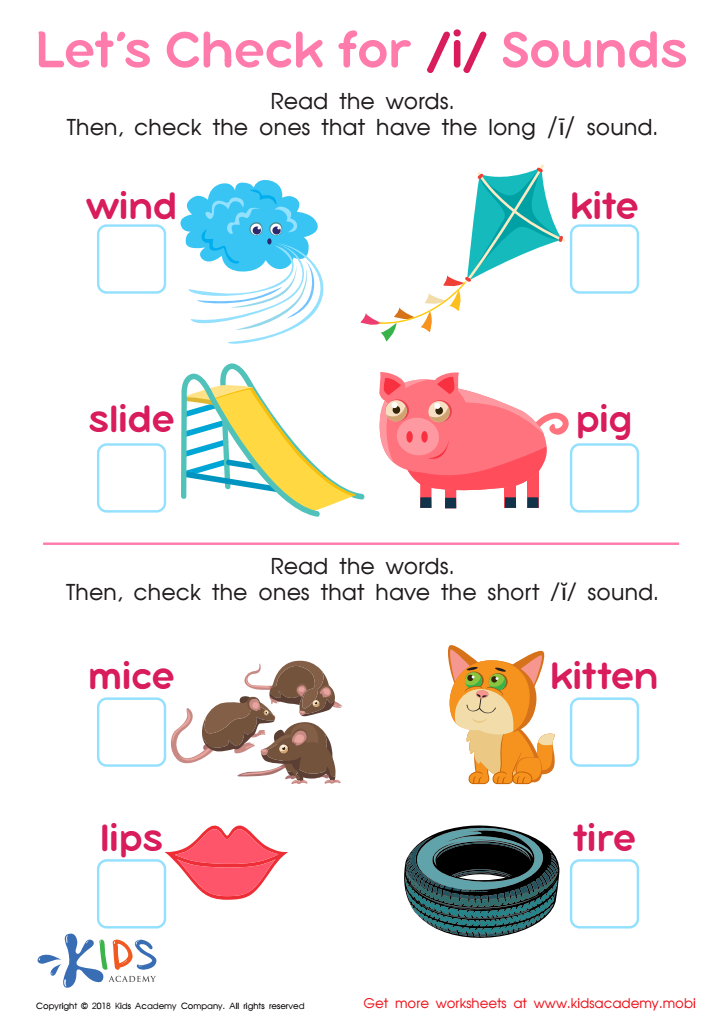
Let's Check for «i» Sounds Worksheet
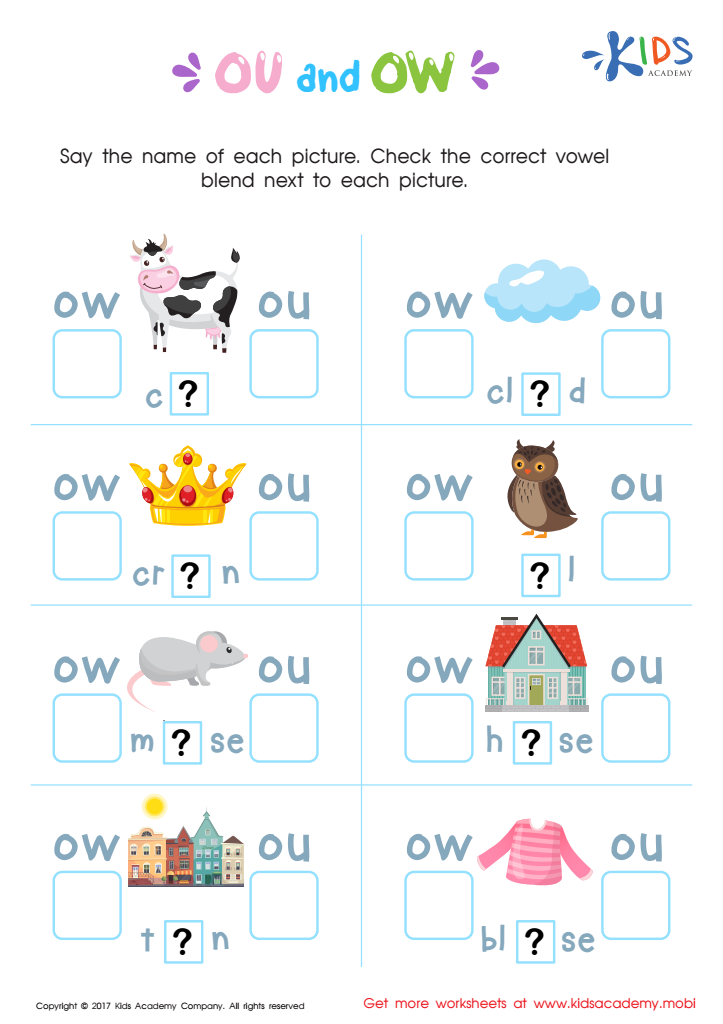
OU and OW Words Worksheet
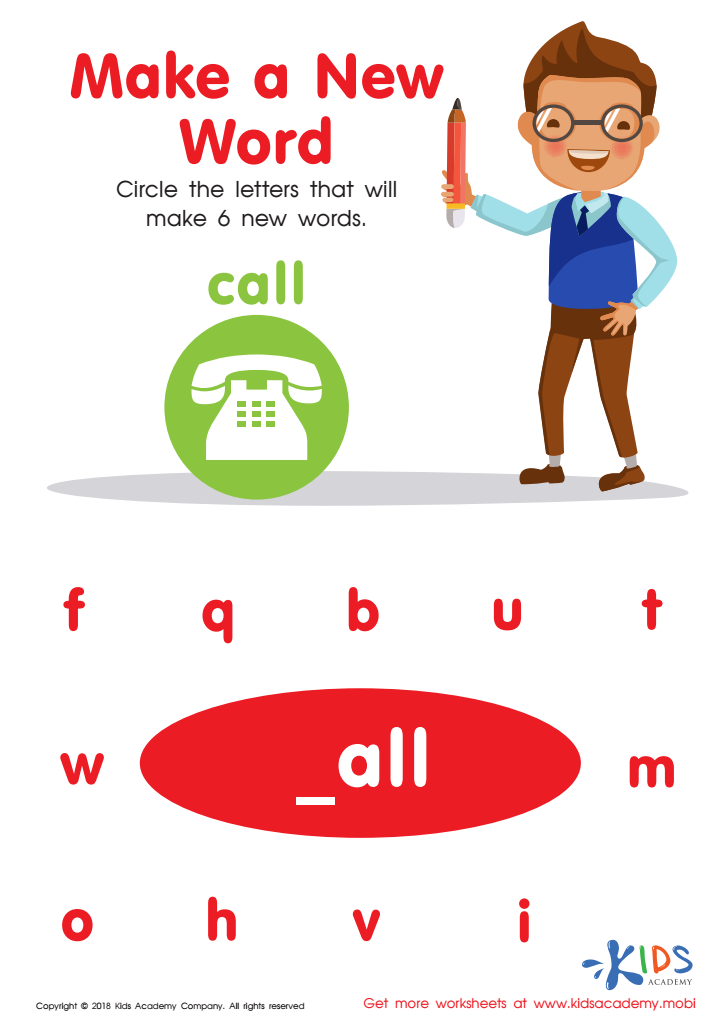
Make a New Word Worksheet
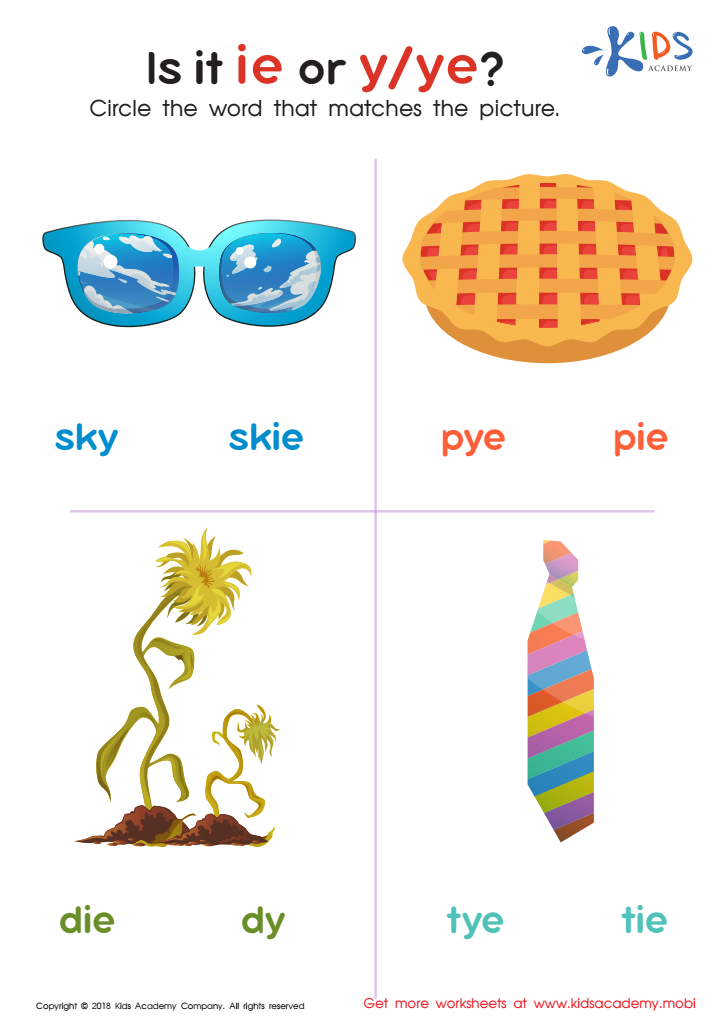
Is It IE or Y/Ye? Worksheet
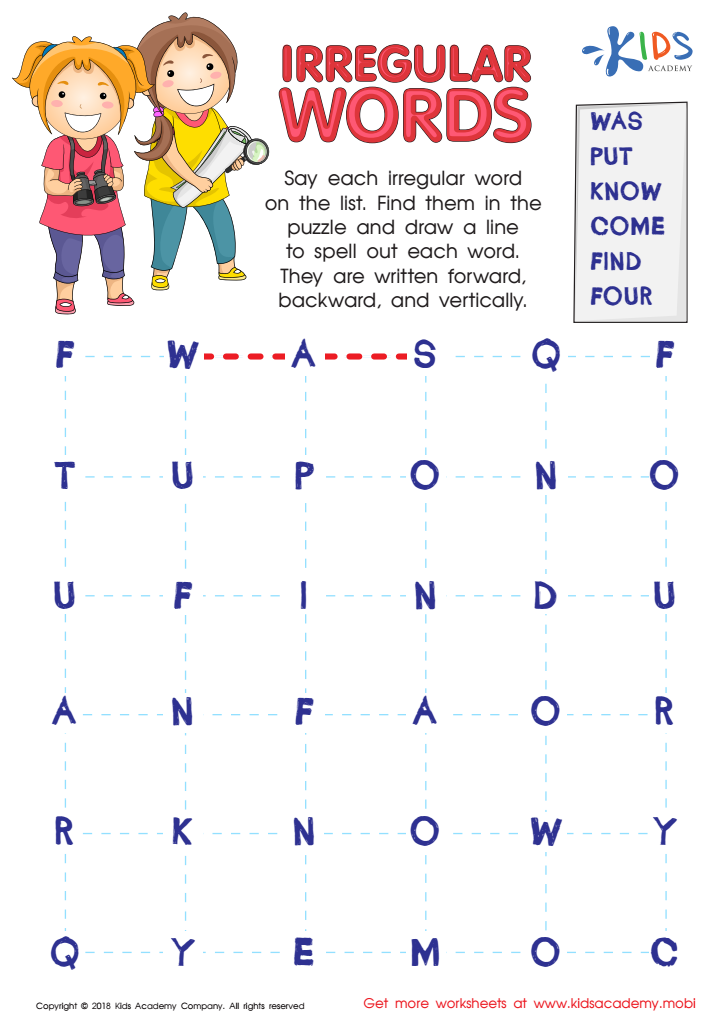
Irregular Words Worksheet
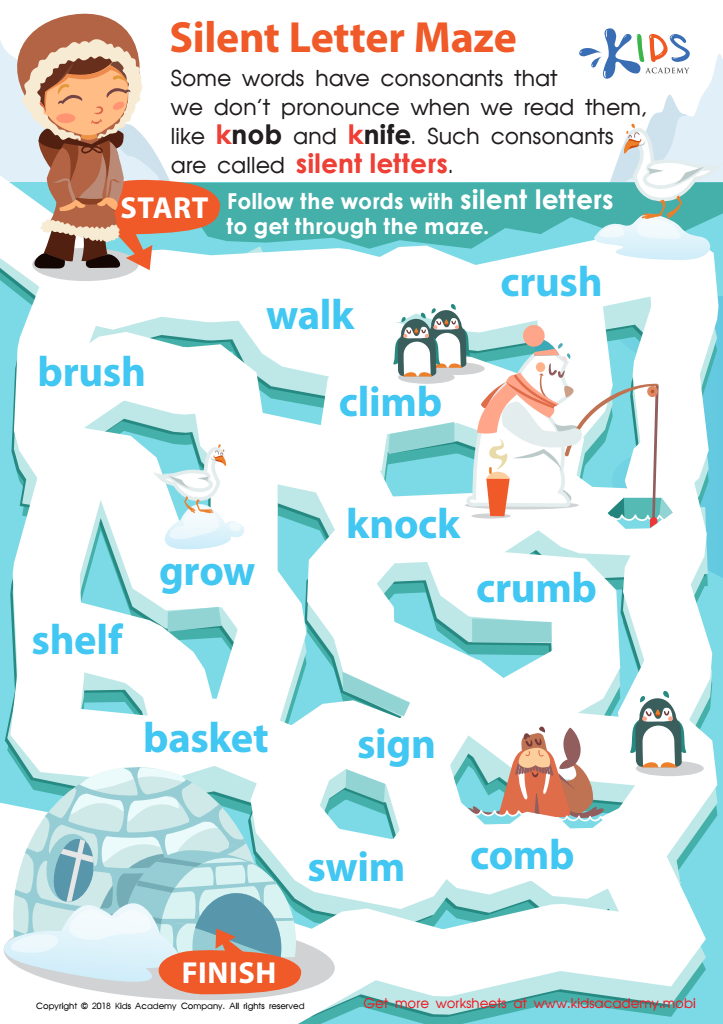
Silent Letter Maze Worksheet
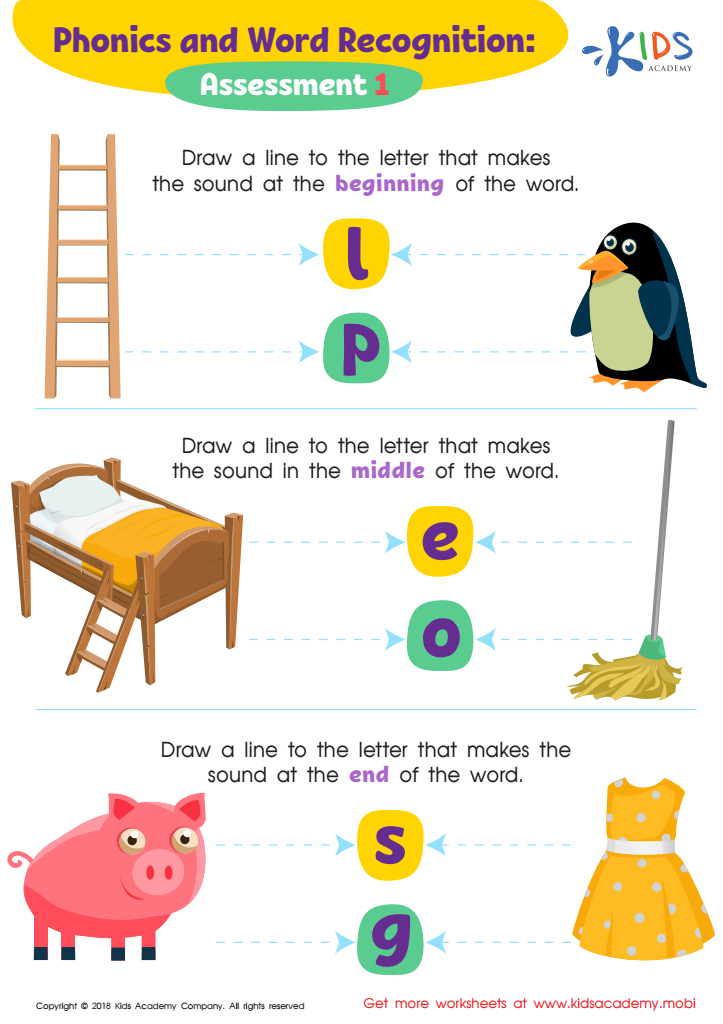
Phonics and Word Recognition: Assessment 1 ELA Worksheet
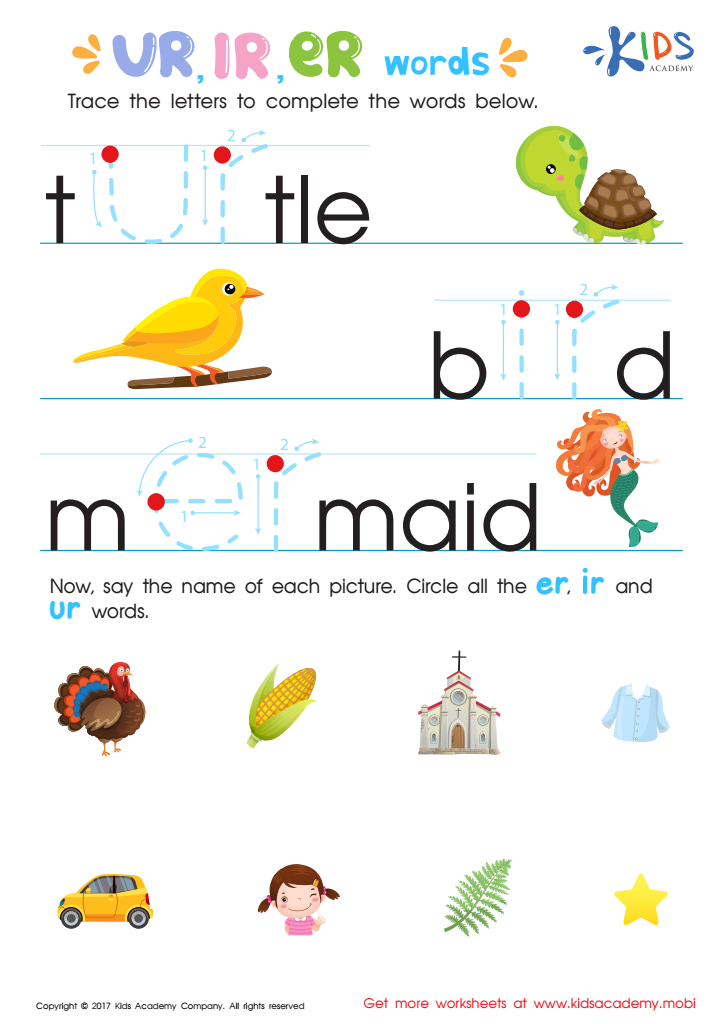
IR UR ER Words Worksheet
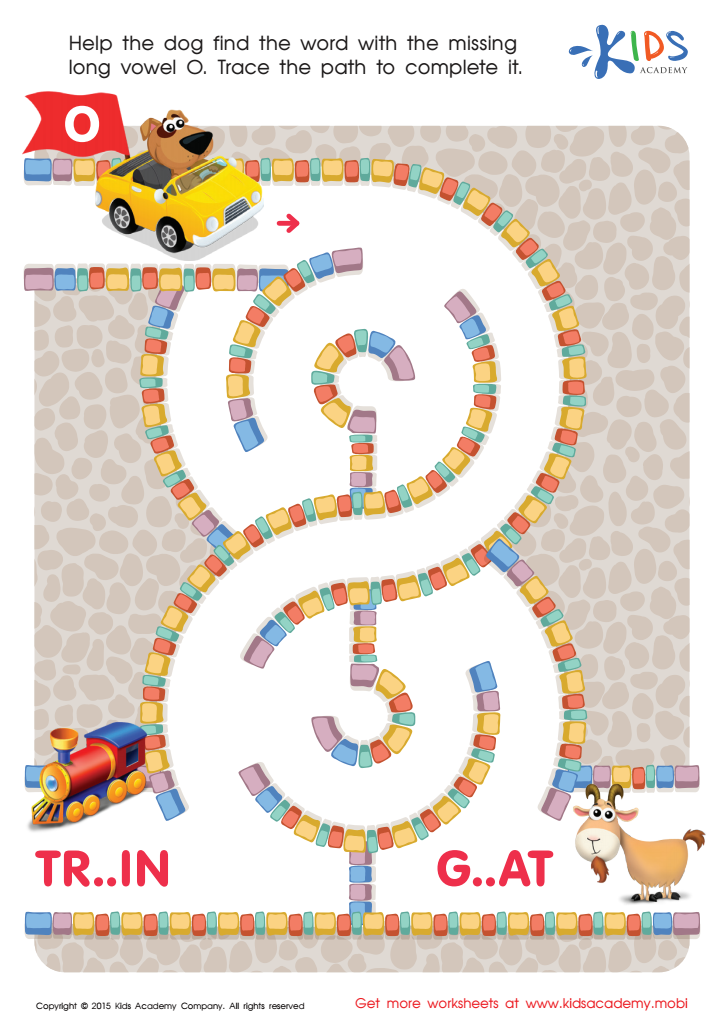
Long Vowel Sound O Worksheet
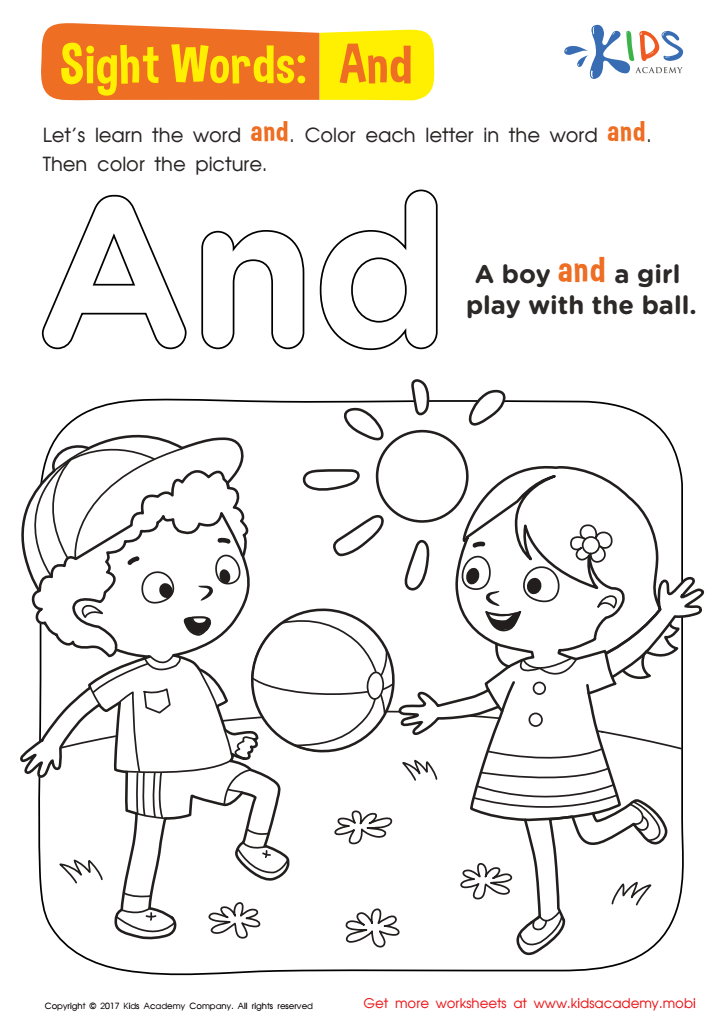
And Worksheet Sight Words Worksheet
 Assign to My Students








The significance of spelling practice and alphabet familiarity for children ages 3-9 cannot be overstated. These foundational skills play a crucial role in early childhood development, setting the stage for future academic success. First, engaging in regular spelling activities sharpens young minds by improving their linguistic abilities, aiding phonemic awareness, and facilitating better comprehension of spoken and written language.
Understanding the alphabet and developing spelling proficiency closely correlates with reading skills. Children who can spell effectively demonstrate better reading capabilities because they can recognize word patterns and predict sounds. This, in turn, enhances vocabulary and fosters a love for reading, making learning a more enjoyable and productive experience.
Moreover, spelling practice supports cognitive development. It demands memory engagement, attention to detail, and problem-solving as children learn to arrange letters in proper sequences. Also, it boosts self-confidence when children realize they can successfully identify and use words in context.
Parents and teachers play a pivotal role by integrating spelling activities that are fun and interactive. By creating a supportive environment, they help children perceive learning as an exciting journey. Taking an active interest in alphabet and spelling exercises pays off manifold in a child's intellectual and emotional growth, ultimately paving the way for their lifelong learning journey.







