Vocabulary development Alphabet Worksheets for Ages 3-9
20 filtered results
-
From - To
Boost your child's language skills with our engaging Vocabulary Development Alphabet Worksheets, designed for ages 3-9. Our worksheets make learning fun and interactive by helping kids recognize, understand, and use new words. With colorful illustrations and a variety of activities, children can practice alphabet recognition, phonics, spelling, and word usage. Ideal for at-home learning or classroom exercises, these worksheets support comprehensive vocabulary growth and foundational language skills. Whether your child is starting to learn letters or is expanding their writing abilities, these worksheets provide an exciting and effective educational experience. Explore our collection today to enhance your child’s vocabulary!
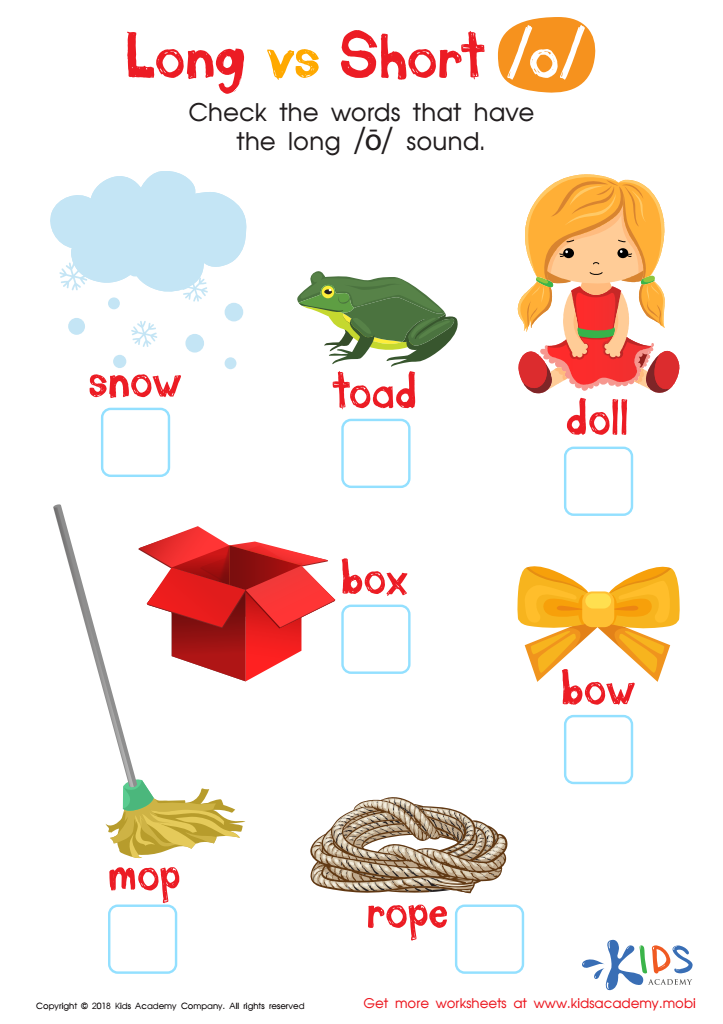
Long vs Short O Reading Worksheet
 Assign to My Students
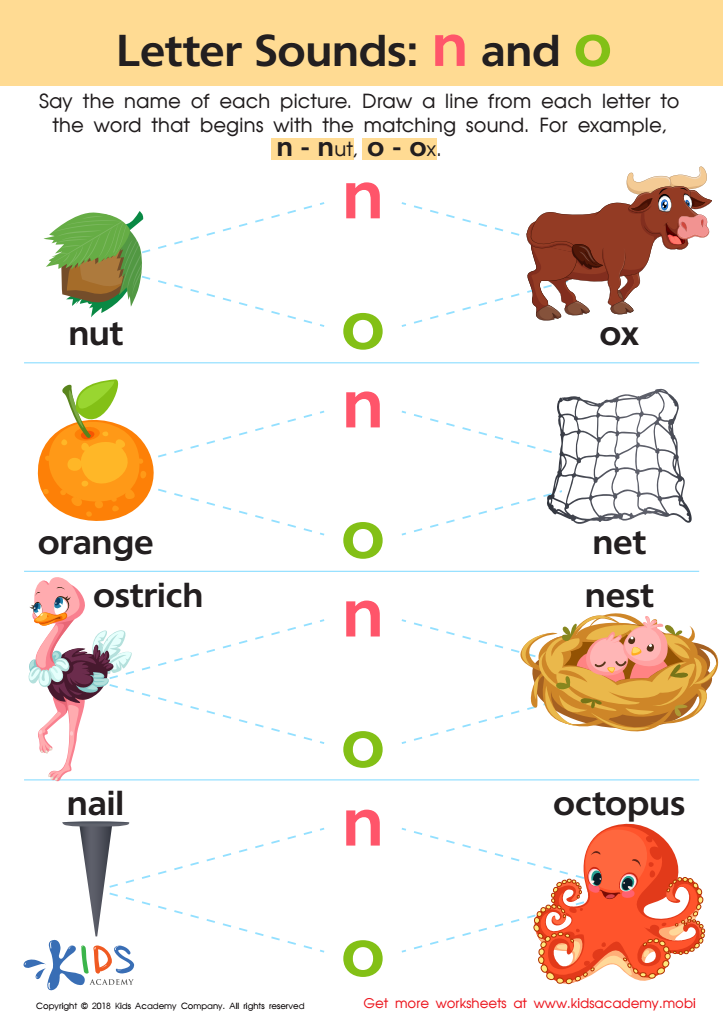
Letter N and O Sounds Worksheet
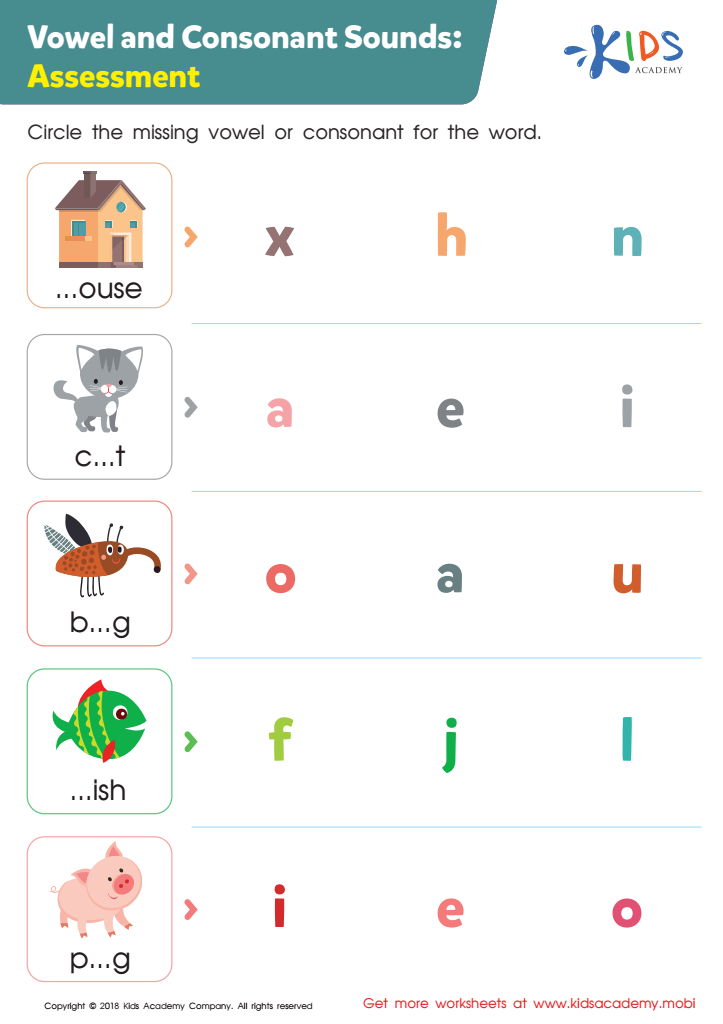
Vowel and Consonant Sounds: Assessment Worksheet
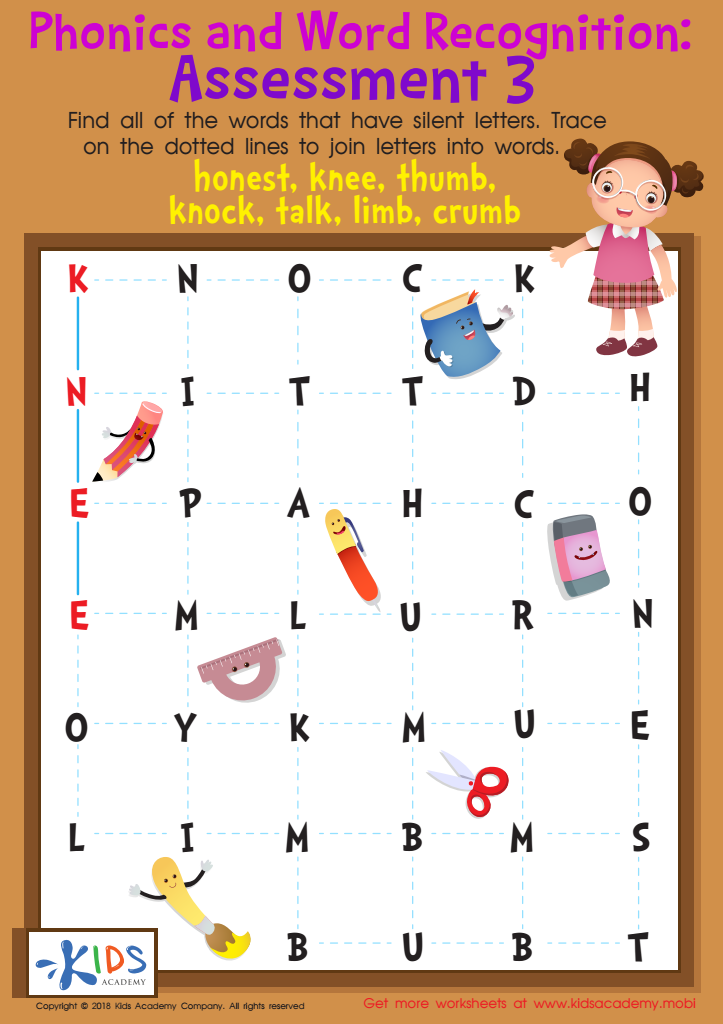
Phonics and Word Recognition: Assessment 3 Worksheet
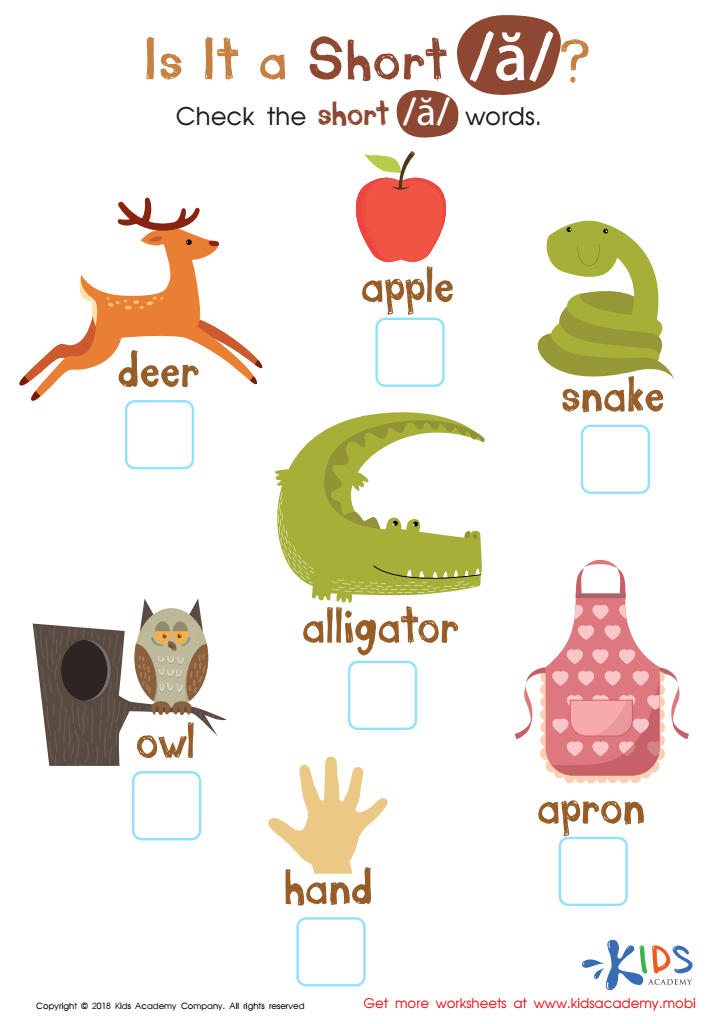
Is It Short A? Reading Worksheet
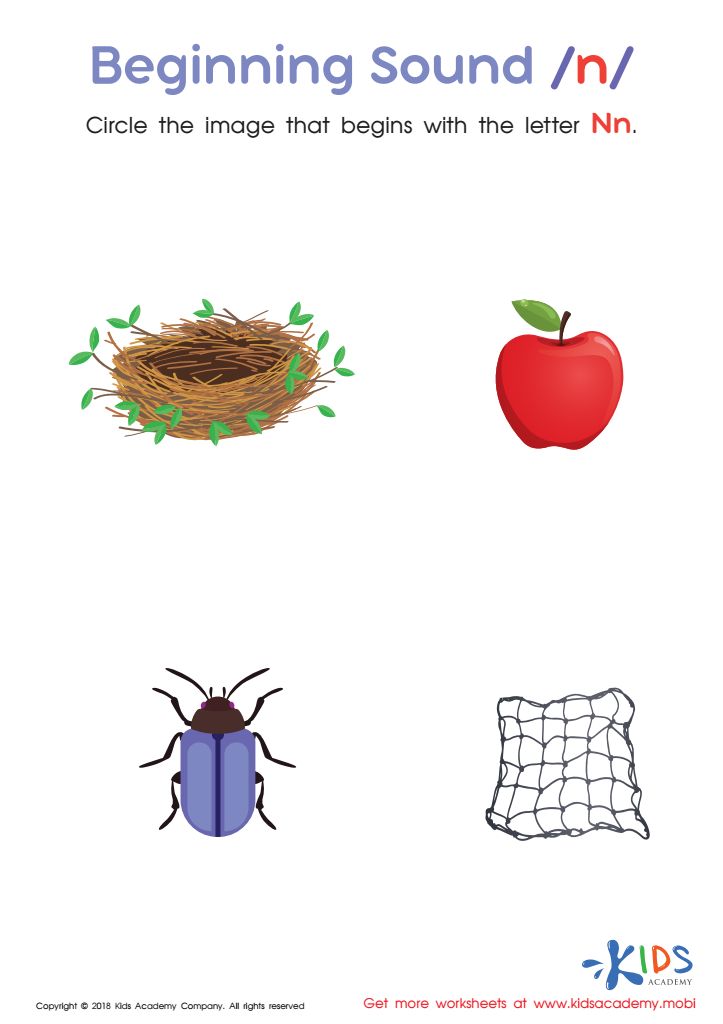
Beginning Sound «n» Worksheet
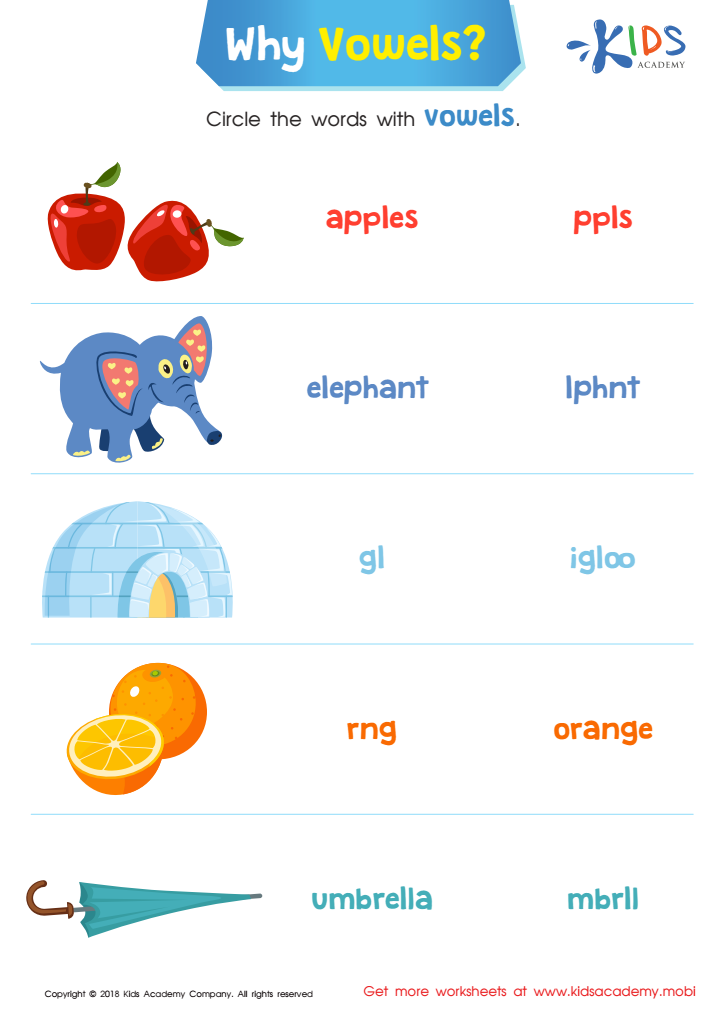
Why Vowels? Reading Worksheet
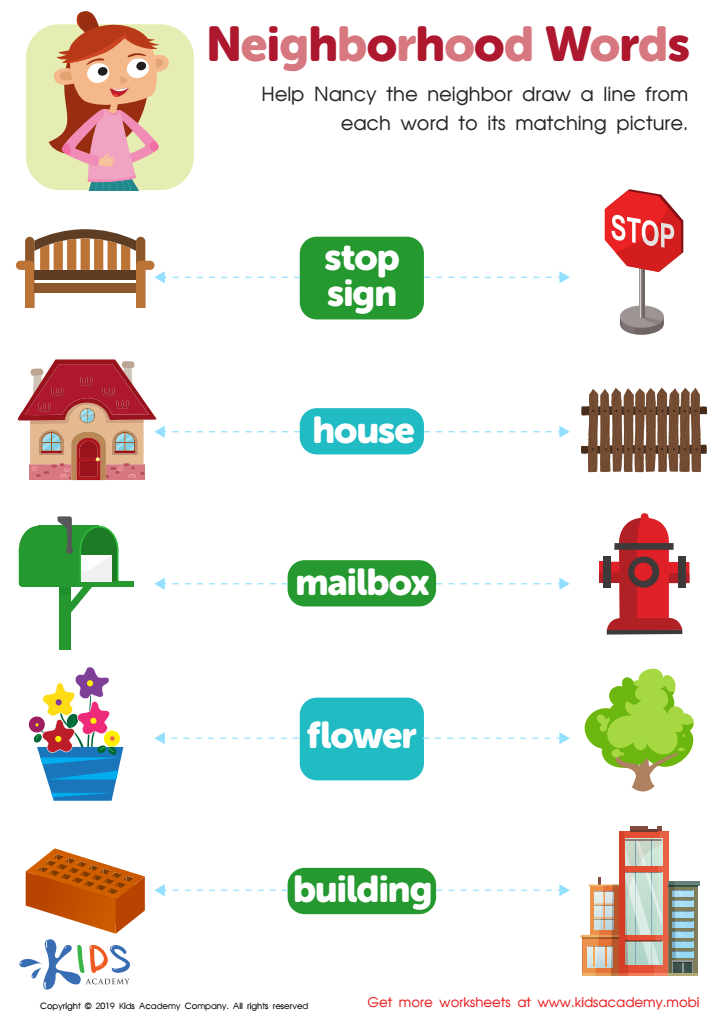
Neighborhood Words Worksheet
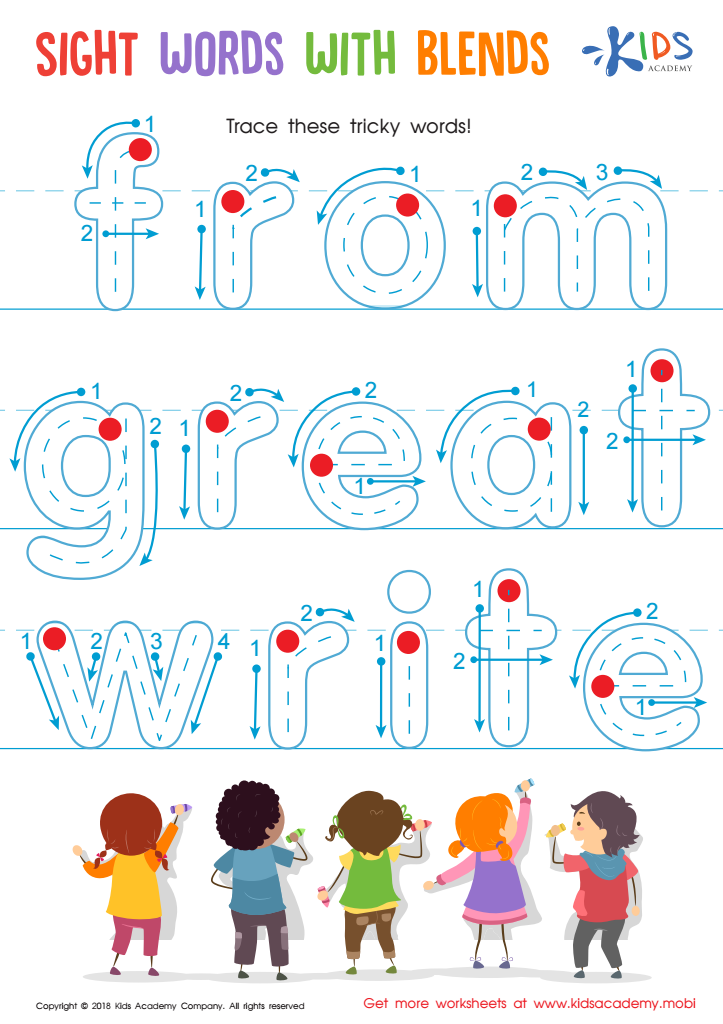
Sight Words with Blends Worksheet
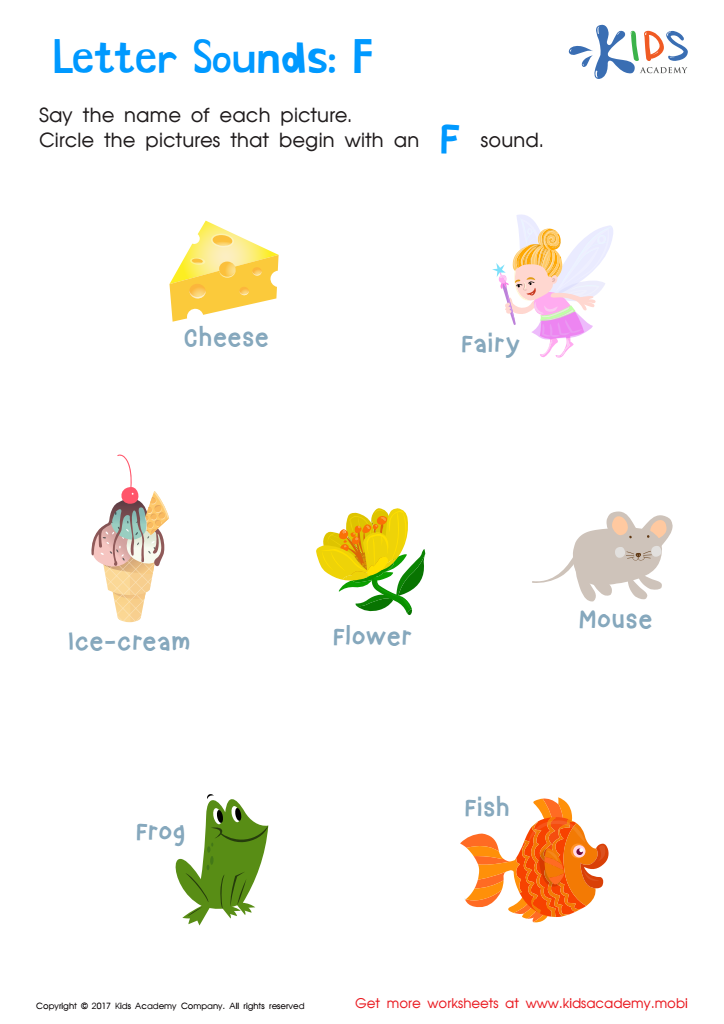
Letter F Sounds Worksheet
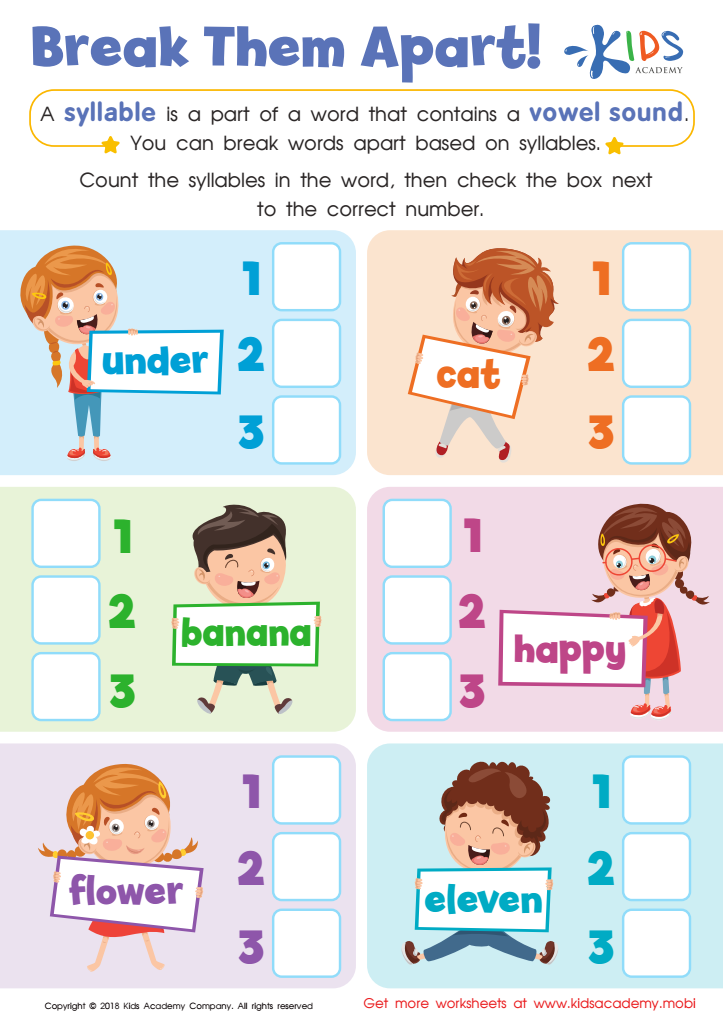
Reading: Break Them Apart Worksheet
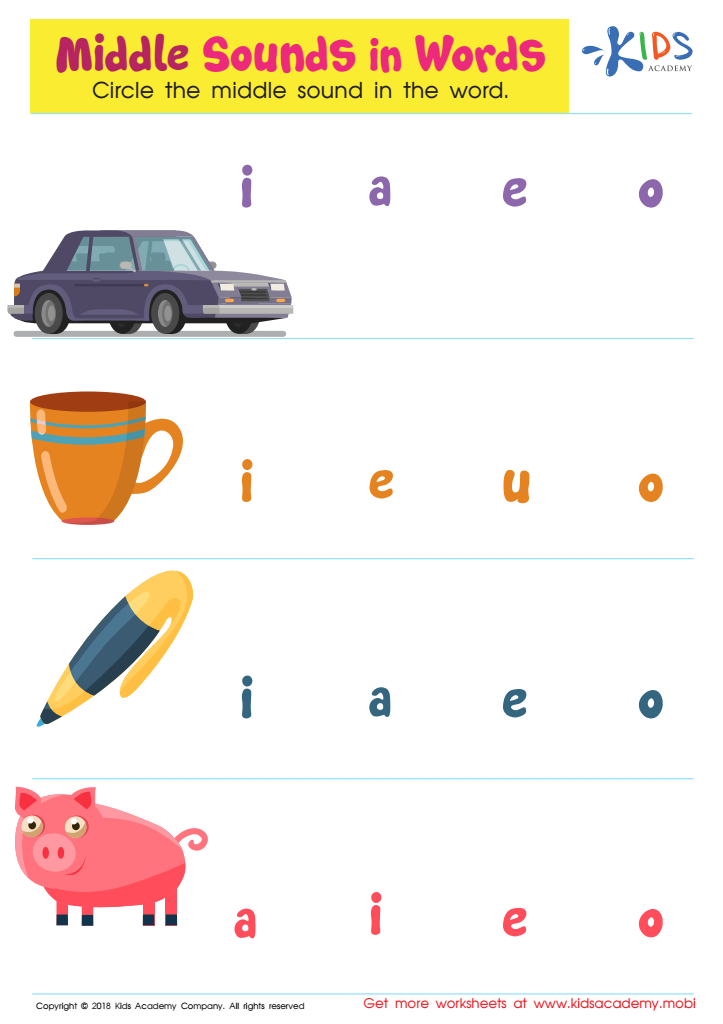
Middle Sounds in Words Worksheet
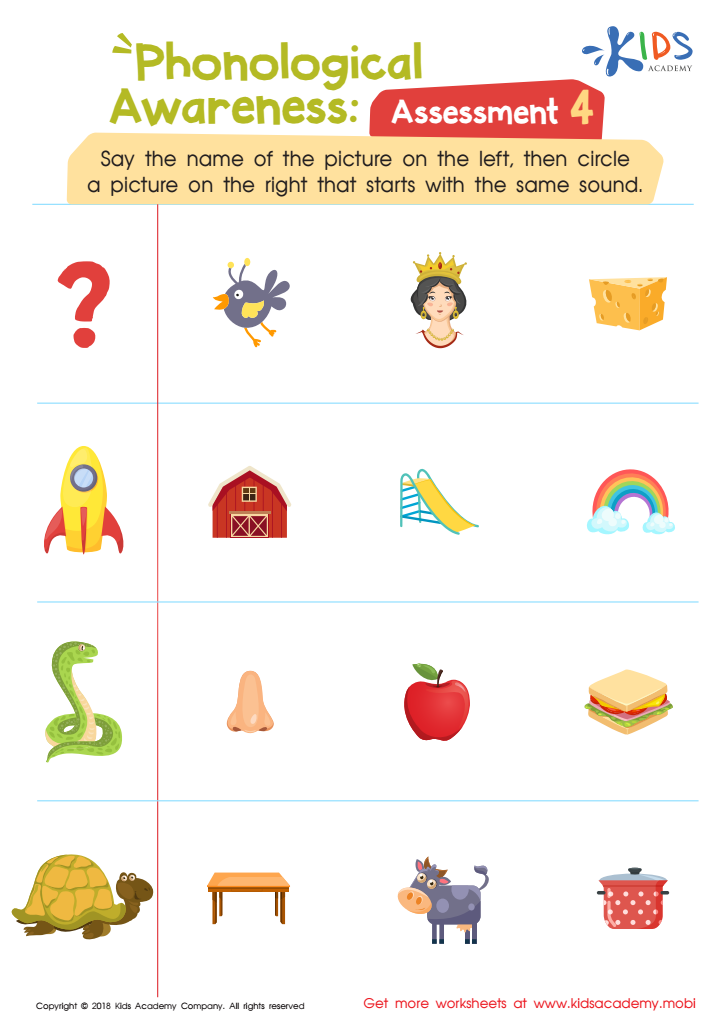
Phonological Awareness: Assessment 4 Worksheet
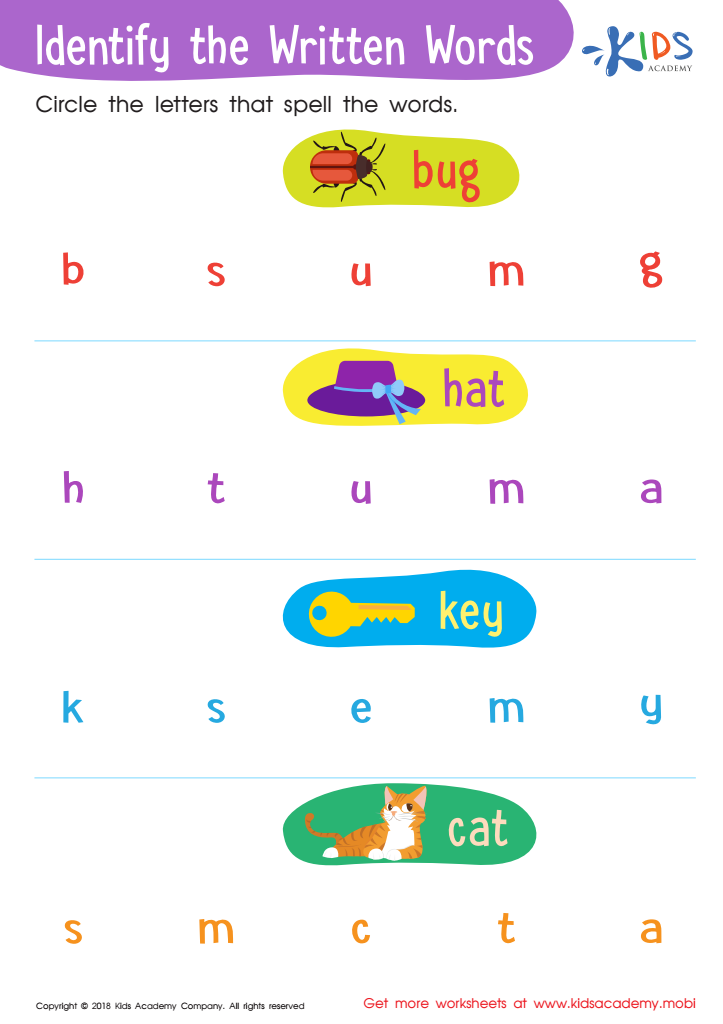
Identify the Written Words Worksheet
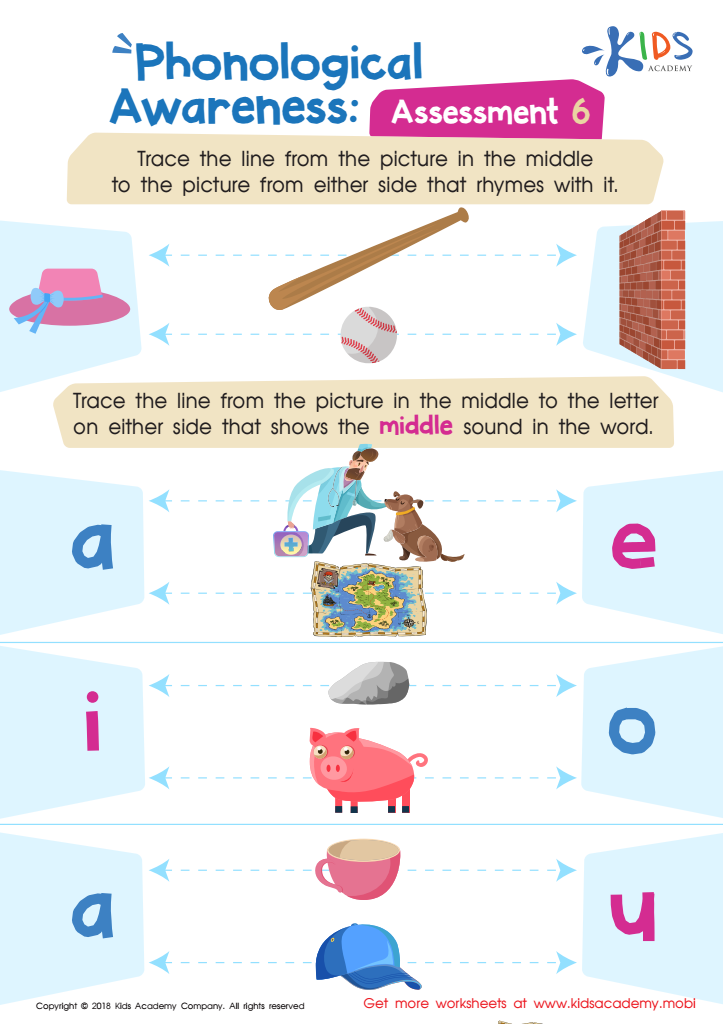
Phonological Awareness: Assessment 6 Worksheet
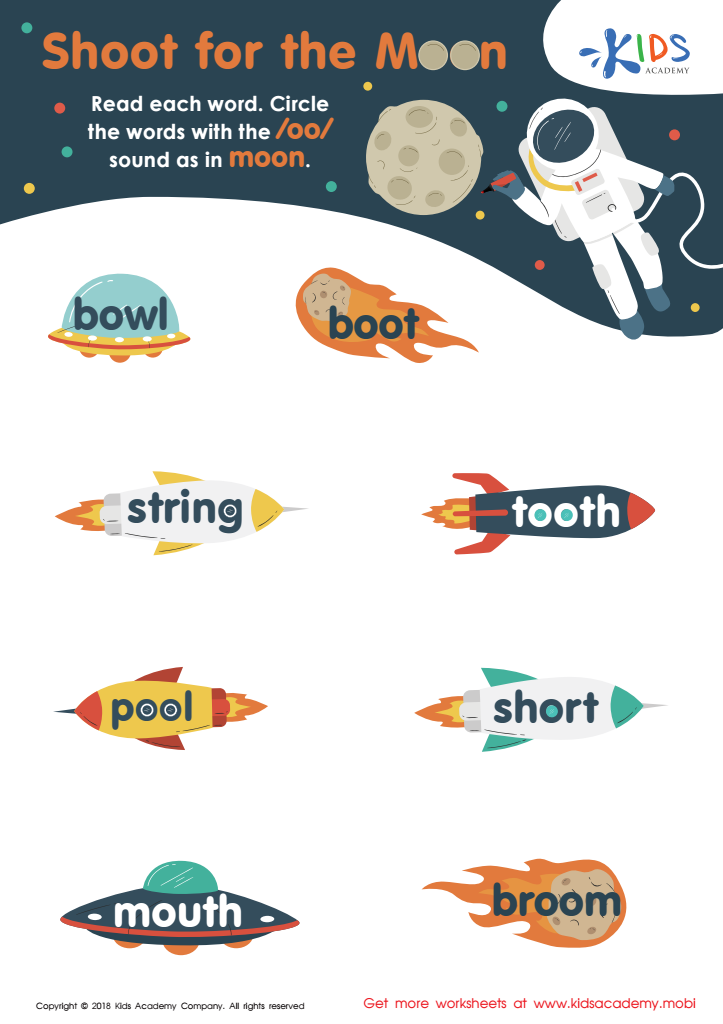
Reading: Shoot for the Moon Worksheet
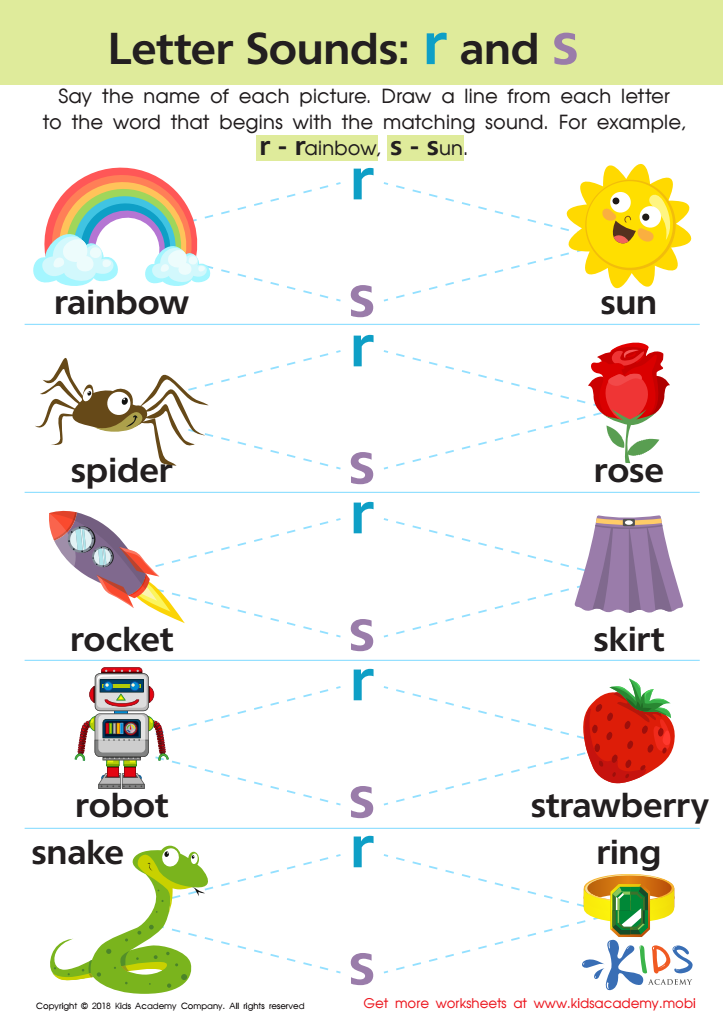
Letter R and S Sounds Worksheet
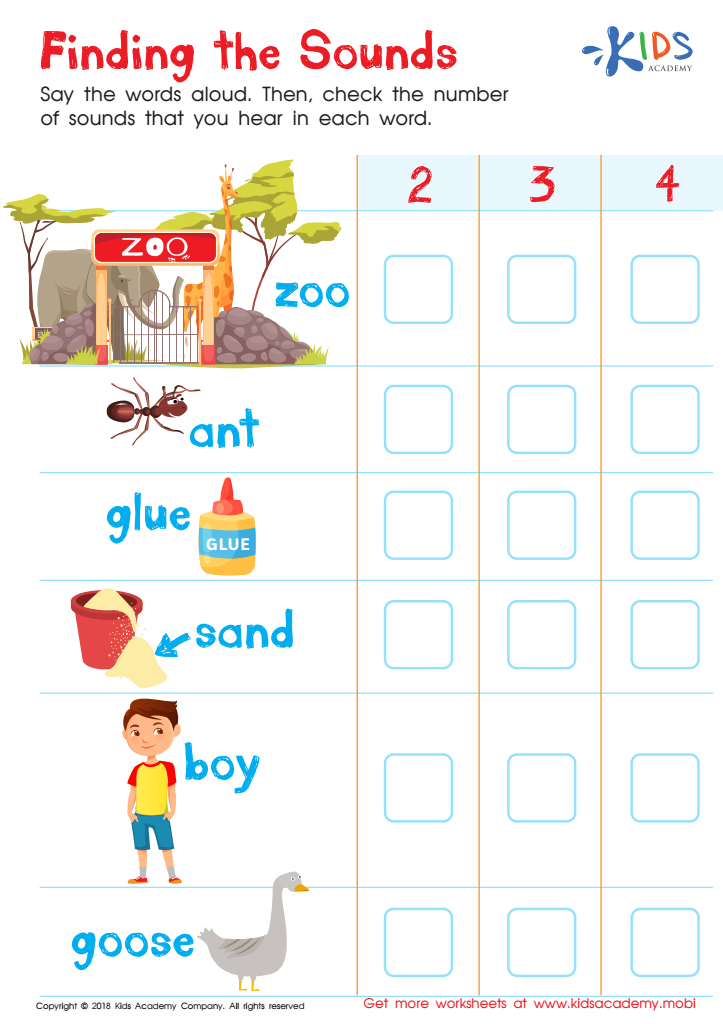
Finding the Sounds Worksheet
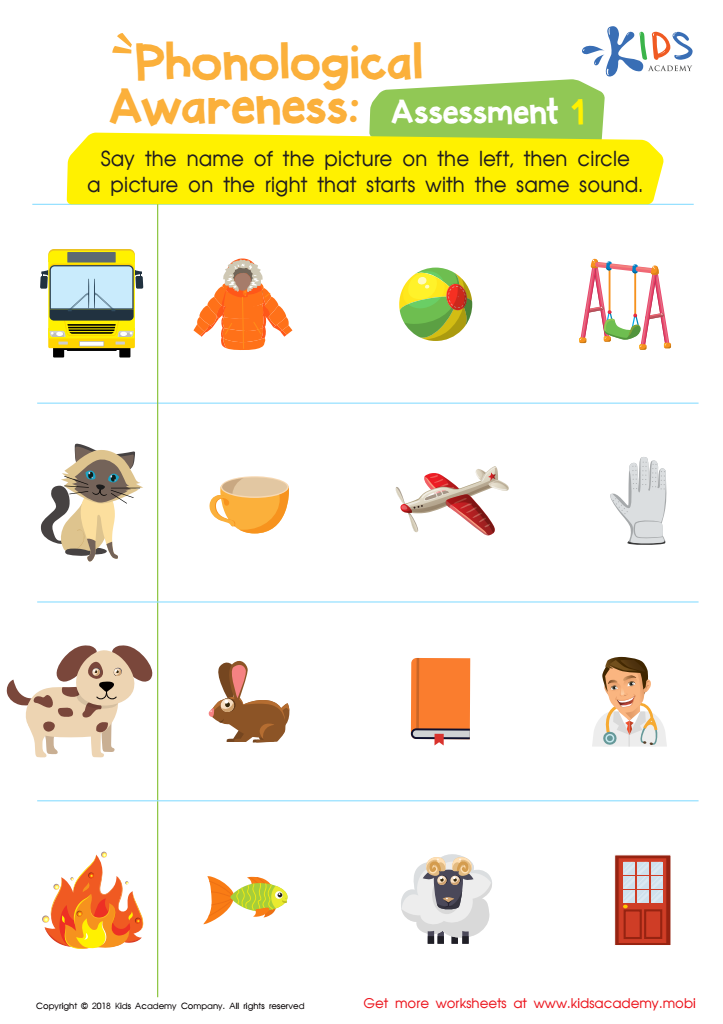
Phonological Awareness: Assessment 1 Worksheet
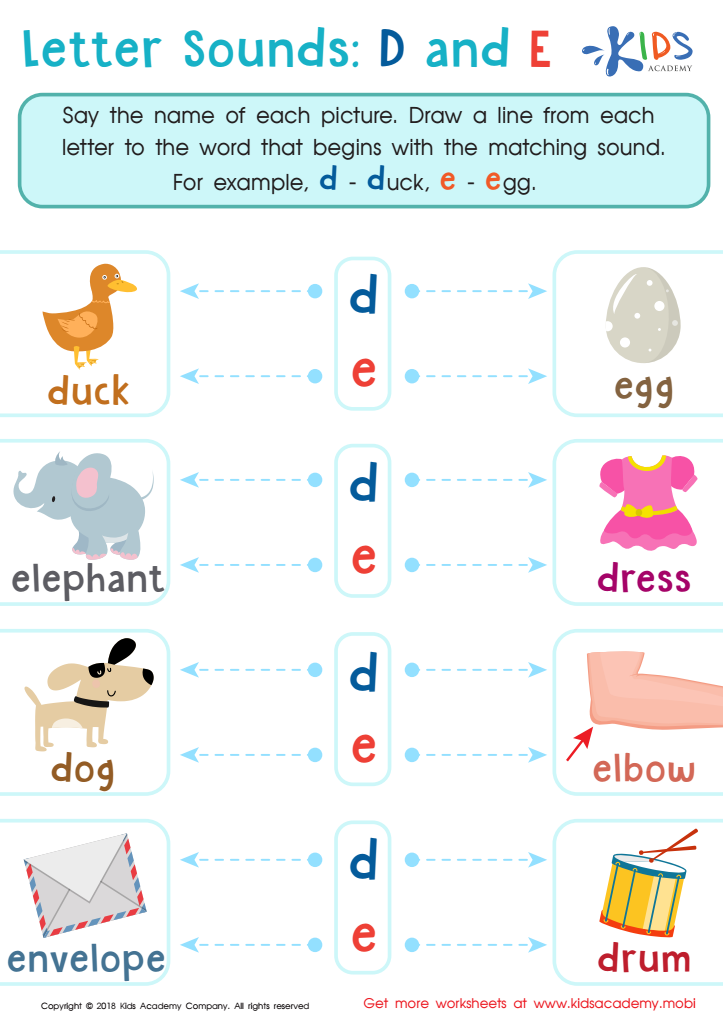
Letter D and E Sounds Worksheet





.jpg)


Vocabulary development and understanding the alphabet are foundational components of early childhood education, pivotal for ages 3-9. Parents and teachers should prioritize these areas because they lay the groundwork for effective communication, reading, and academic success.
Firstly, a robust vocabulary enhances a child's ability to express thoughts, emotions, and desires accurately. It fosters better social interactions and builds confidence in various settings. Children with a rich vocabulary can more easily understand and follow instructions, which is vital for learning and safety.
Secondly, understanding the alphabet is crucial as it is directly linked to literacy skills. Recognizing letters and their sounds is the first step towards phonemic awareness, an essential pre-reading skill that facilitates decoding words while reading. Mastery in this area contributes to a smoother and more enjoyable reading experience, which can cultivate a lifelong love for reading—a key factor in continuous learning.
Moreover, between ages 3 and 9, children’s brains are highly receptive to language acquisition, making it an optimal period to introduce and reinforce these skills. Early engagement in vocabulary and alphabet learning can lead to academic excellence, higher grades, and fewer reading difficulties later in life. Thus, focusing on these areas ensures that children have a strong start, setting them up for future educational and personal success.







