Letter-sound recognition Phonics Worksheets for Ages 3-9
4 filtered results
-
From - To
Explore our engaging Letter-Sound Recognition Phonics Worksheets, designed specifically for children ages 3 to 9! These worksheets foster foundational literacy skills, helping young learners connect sounds with their corresponding letters. Our fun and interactive activities enhance phonemic awareness, making learning enjoyable and effective. From matching letters to sounds, to engaging coloring activities, each worksheet is crafted to captivate young minds. Perfect for use at home or in the classroom, these resources support diverse learning styles and promote early reading development. Equip your child with essential skills for lifelong learning and spark their love for reading today!
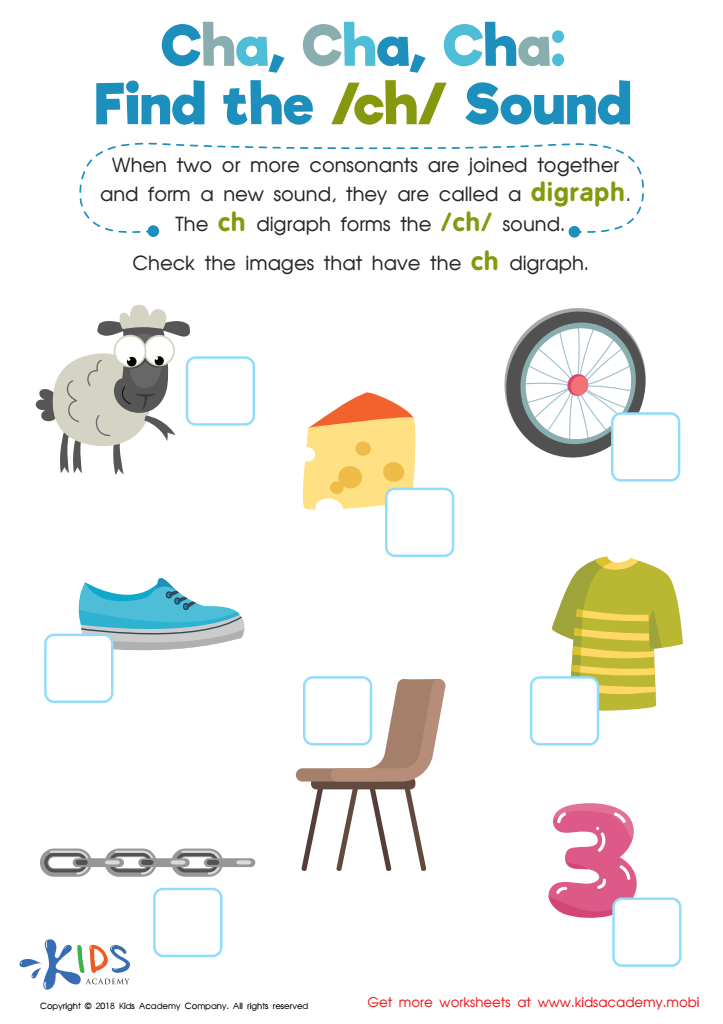
Cha, Cha, Cha: Find the /Ch/ Sound Worksheet
 Assign to My Students
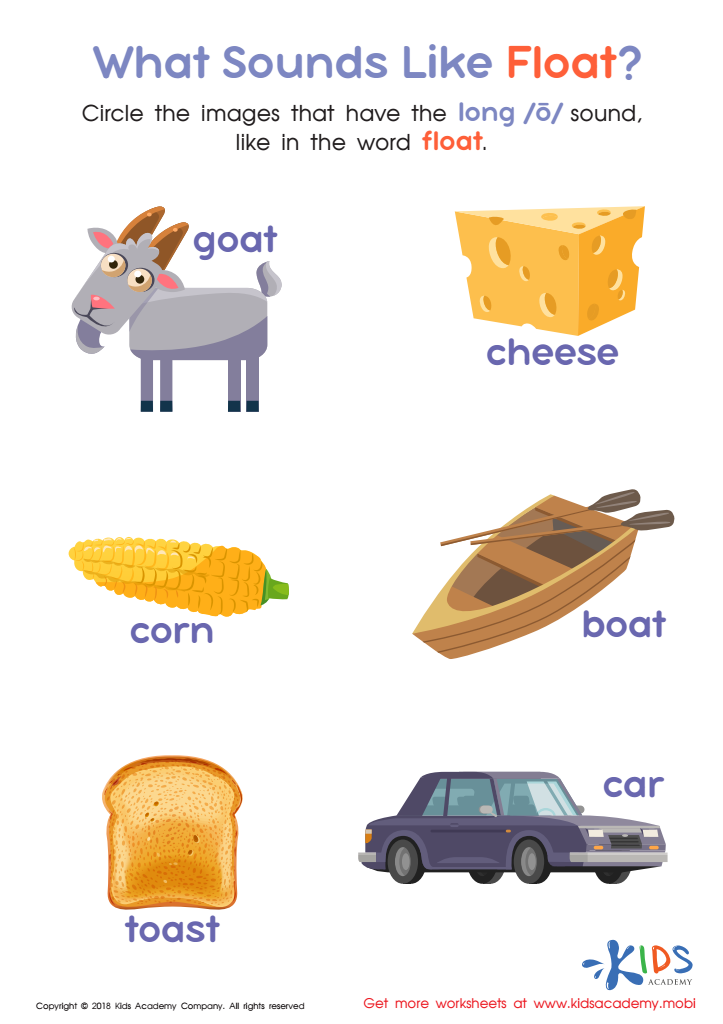
What Sounds Like Float? Worksheet
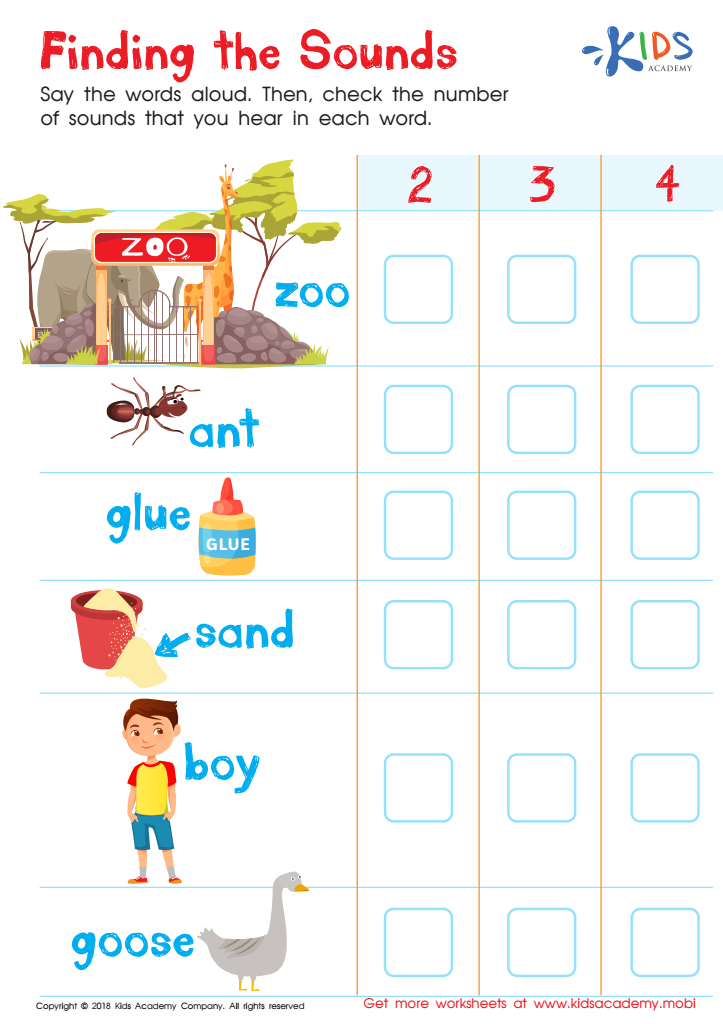
Finding the Sounds Worksheet
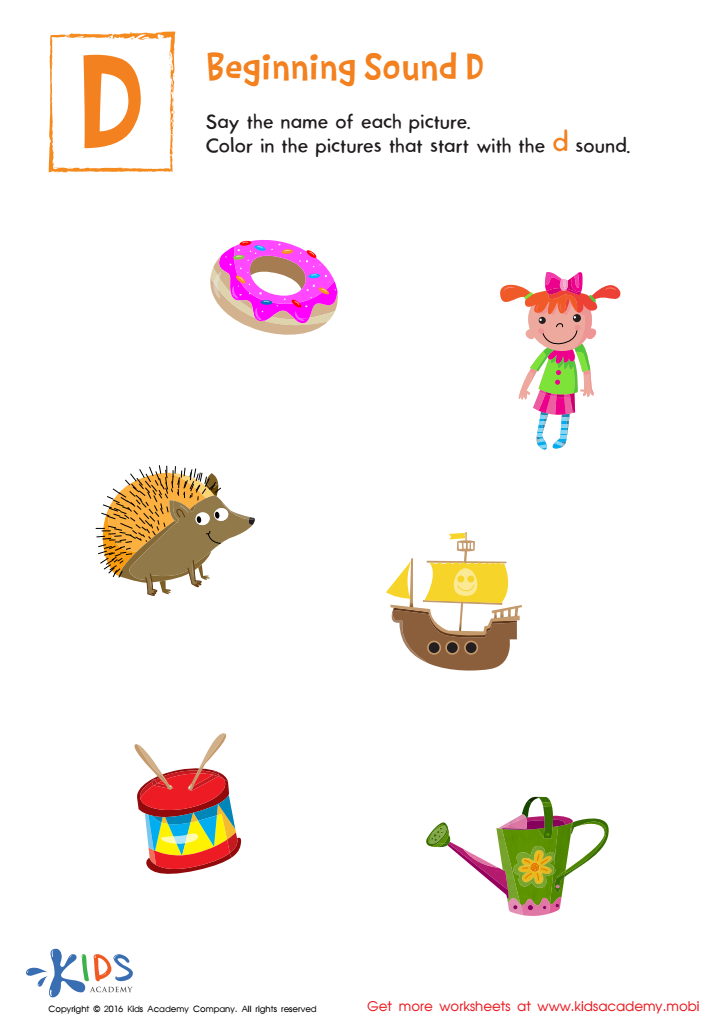
Beginning Sound D Worksheet








Letter-sound recognition, an essential component of phonics, plays a crucial role in early literacy development for children ages 3-9. Understanding the sounds that correspond with written letters forms the foundation for reading and spelling. For parents and teachers, recognizing the importance of this skill is vital; it directly impacts children's ability to decode words, promoting fluent reading and comprehension.
When children grasp letter-sound relationships, they can blend sounds to form words, improving their confidence and enjoyment in reading. Furthermore, mastering phonics enhances vocabulary acquisition, empowering children to express themselves more effectively.
Early phonics instruction also supports cognitive development, as it engages critical thinking and problem-solving skills through the analysis of sounds and word structures. This foundational knowledge sets children up for academic success, reduces frustration in learning, and fosters a positive attitude towards reading.
Additionally, research links strong phonics skills with long-term literacy achievement. By prioritizing letter-sound recognition, parents and teachers not only cultivate skilled readers but also contribute to a lifelong love of learning. Thus, investing time and resources into phonics education during these formative years is essential for building future literacy capabilities.







