Phonics Skills Vowel Blends Worksheets for Ages 3-9
5 filtered results
-
From - To
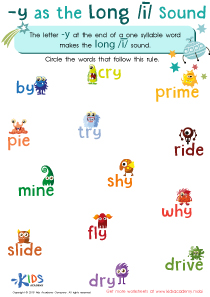
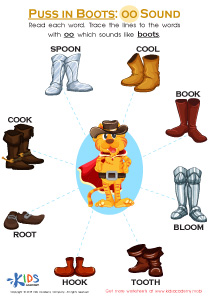
Explore our Phonics Skills Vowel Blends Worksheets, specially designed for children aged 3-9. These engaging printables help young learners master vowel blends, a critical component of reading development. Our worksheets offer a variety of fun exercises that support sound recognition and blending skills, making learning both effective and enjoyable. With colorful illustrations and age-appropriate challenges, kids will gain confidence in their reading abilities. Whether at home or in the classroom, these resources serve as a perfect tool for fostering literacy skills. Start your child’s phonics journey today and watch them thrive in their language skills!
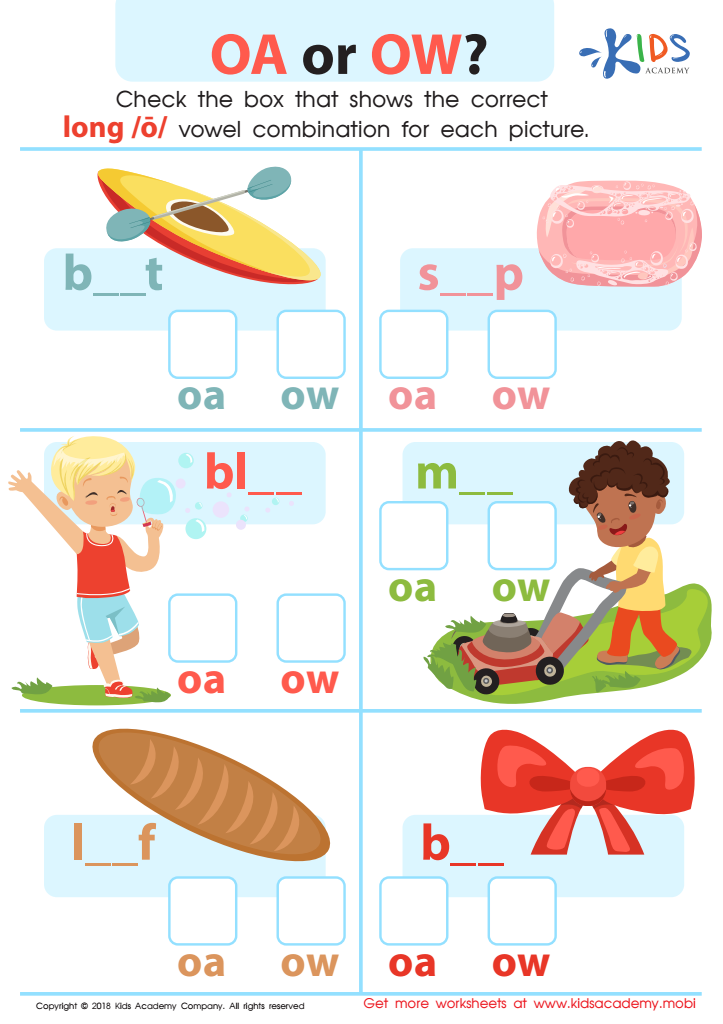
Reading: OA or OW Worksheet
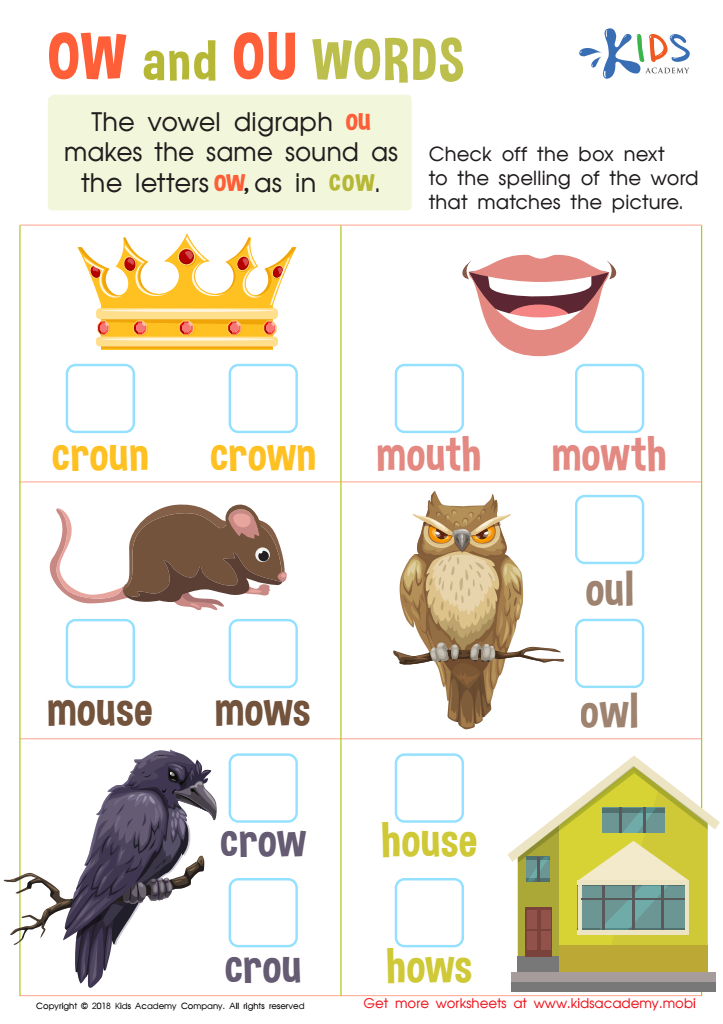
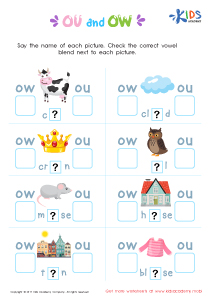
Reading: OW and OU Words Worksheet
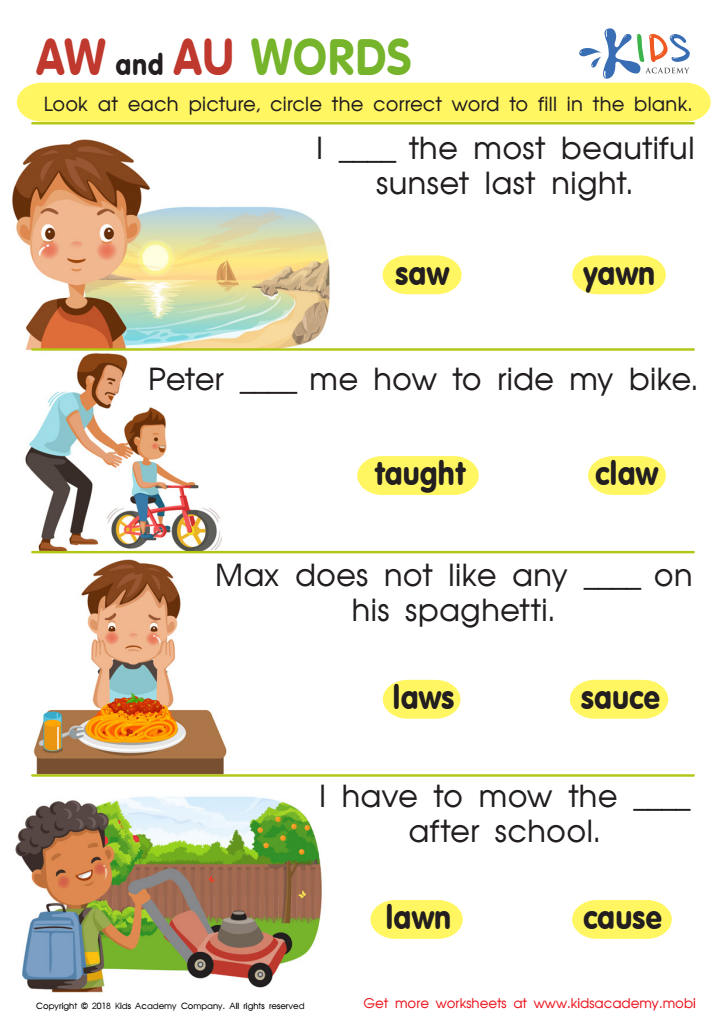
Reading: AW and AU Words Worksheet
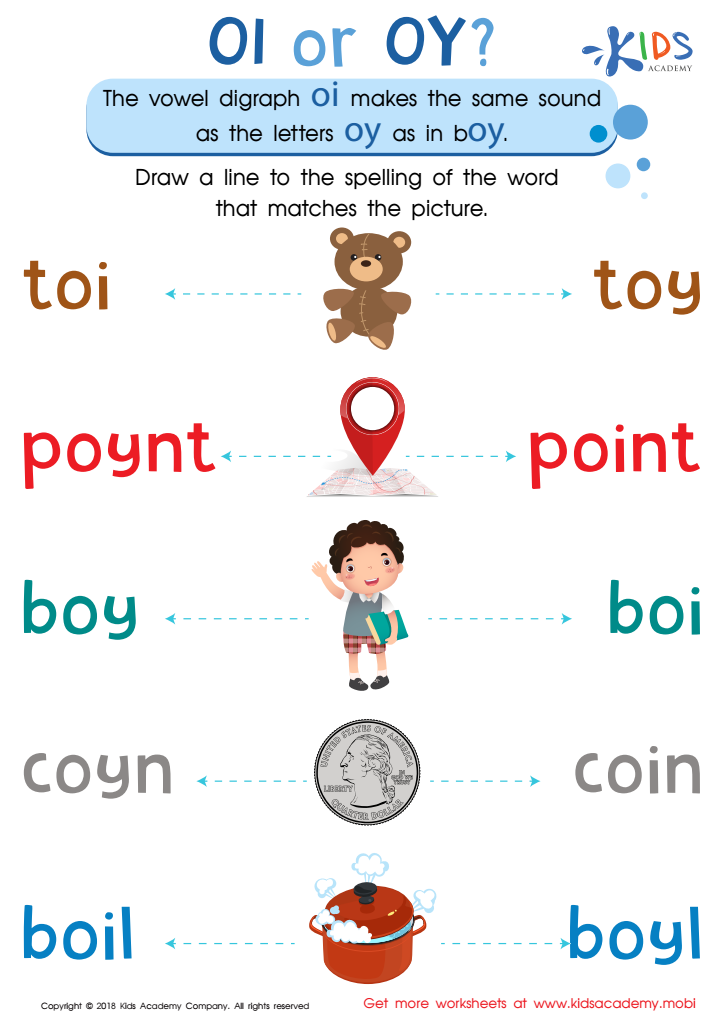
Reading: OI and OY Worksheet

Long and Short E Worksheet
 Assign to My Students





Phonics skills, particularly vowel blends, play a crucial role in early literacy development for children aged 3-9. As fundamental building blocks of reading, these skills help children decode words effectively, enhancing their reading fluency and comprehension. Understanding vowel blends—combinations of vowels and consonants that create distinct sounds—enables young learners to tackle more complex words with confidence.
Parents and teachers should prioritize phonics skills because they foster a solid foundation for lifelong reading habits. Early exposure to vowel blends promotes phonemic awareness, a critical skill for recognizing sounds in speech and for spelling. Additionally, proficient reading skills directly correlate with academic success across subjects.
Moreover, engaging in phonics activities stimulates cognitive development and supports children's ability to communicate effectively. It builds their vocabulary and encourages a love for reading that can last into adulthood.
By emphasizing vowel blends and other phonics skills, parents and educators help children navigate their way through early literacy challenges, empowering them to become independent, proficient readers, thereby laying the groundwork for future academic and personal success. This investment in literacy not only boosts confidence but also enhances overall emotional and social well-being, making it a priority for those guiding young learners.