Shape identification Coloring Pages Worksheets for Ages 3-9
3 filtered results
Difficulty Level
Grade
Age
-
From - To
Subject
Activity
Standards
Unlock the joy of learning with our Shape Identification Coloring Pages Worksheets for ages 3-9! These engaging printables are designed to help children recognize and name various shapes while boosting their fine motor skills through coloring. Each page introduces a new shape, paired with fun, themed images that captivate young minds. Ideal for parents, teachers, and homeschoolers, our worksheets make learning shapes an exciting adventure. Tailored to different age groups, these worksheets foster early math skills and cognitive development. Dive into a world of learning and creativity with our Shape Identification Coloring Pages today!
Favorites
With answer key
Interactive
Geometry Worksheet
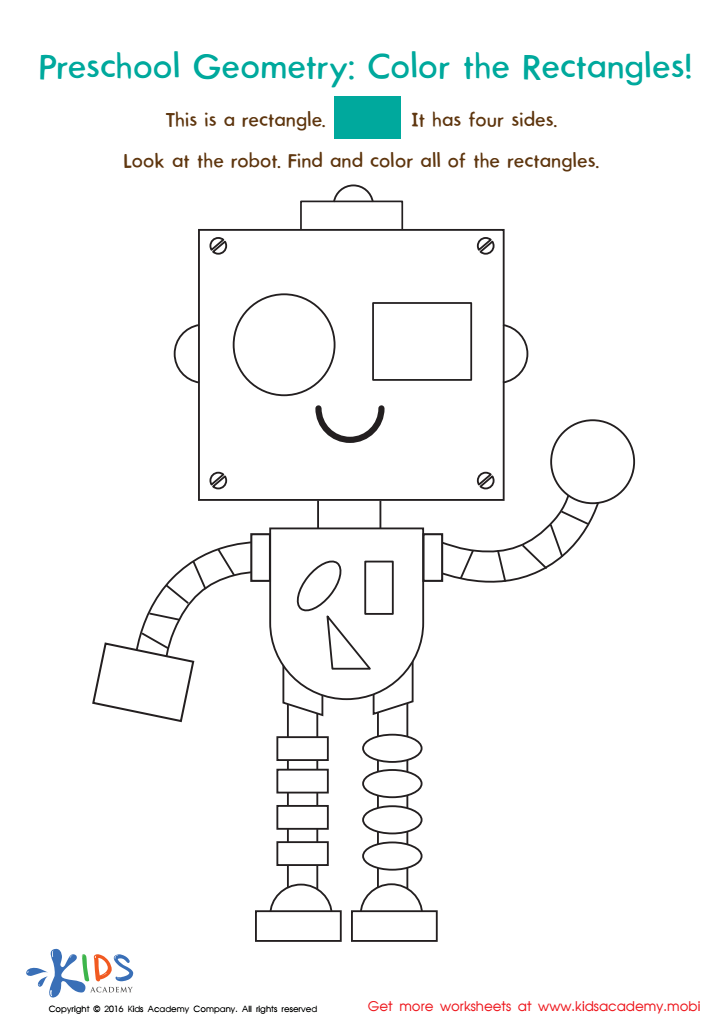
Geometry can be fun for kids! They explore shapes that create their favorite pics and objects. This preschool worksheet explains that rectangles have four sides, then kids color rectangles on a funny robot!
Geometry Worksheet
Worksheet
Let's Look! Part 2 Worksheet
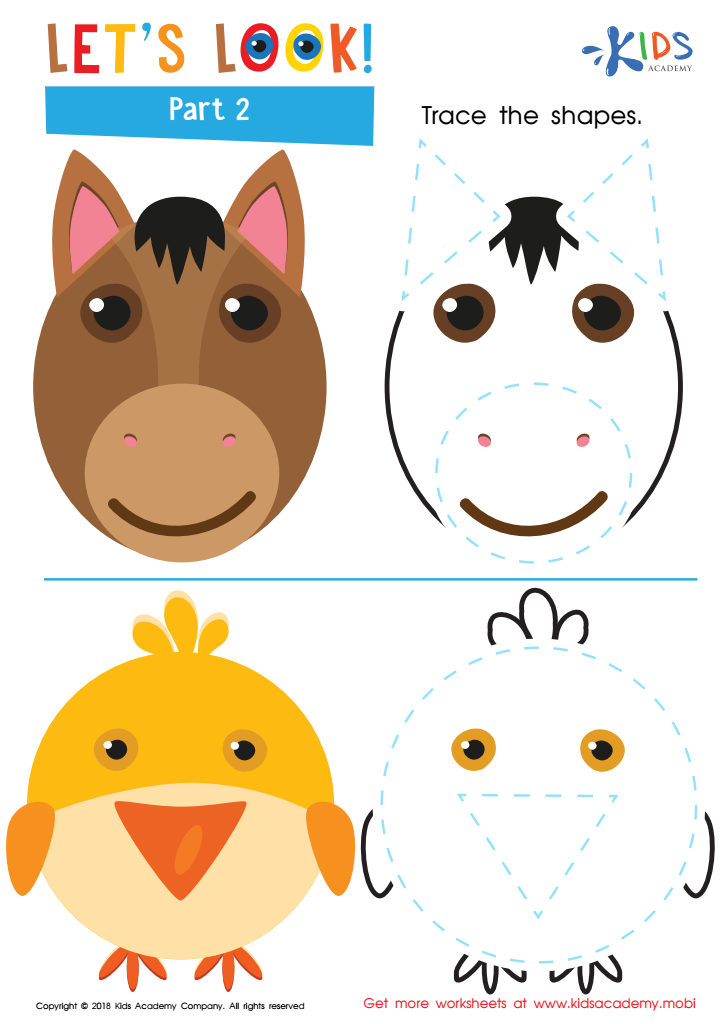
This tracing sheet helps your little ones develop their skills. Ask them to identify the animals, then trace the shapes in the space provided, following the dotted lines. It's a simple task that can help them grow and have fun!
Let's Look! Part 2 Worksheet
Worksheet
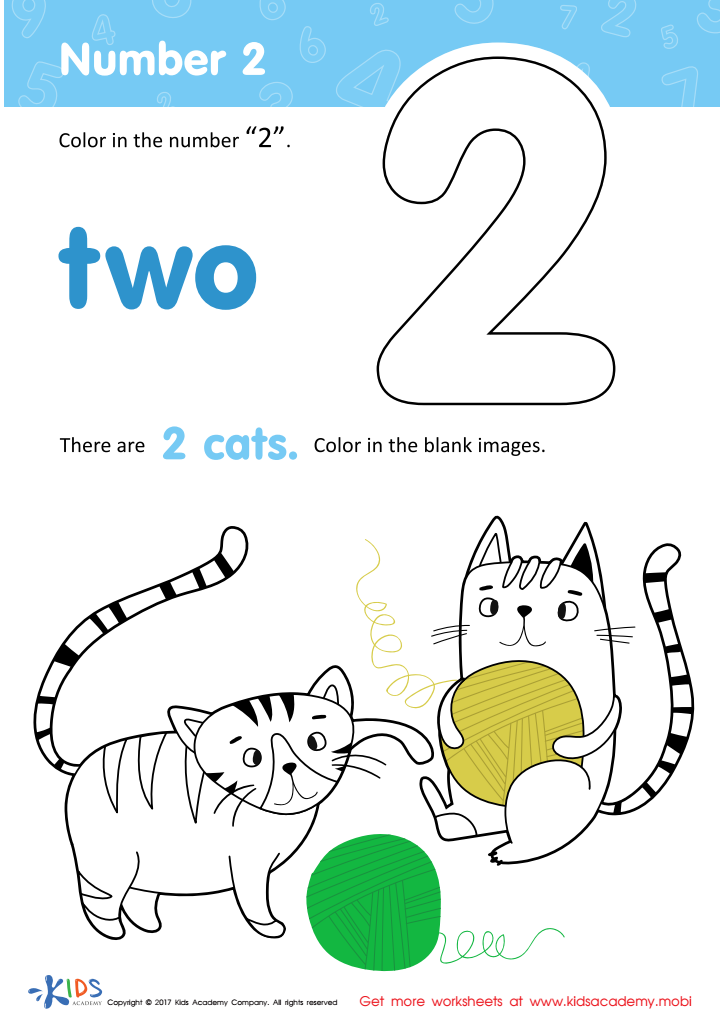
Number 2 Printable
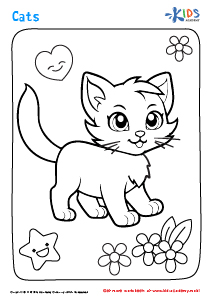
Help your child learn to recognize the number two with these cats and their yarn balls. Print this coloring page – it's great for counting and coloring fun! Your child will develop basic numeracy skills as they visually see numbers in action.
Download (PDF)
 Assign to My Students
Assign to My Students
Number 2 Printable
Worksheet
Join Kids Academy for Free
Who is primarily going to use this learning content?







Parents and teachers should prioritize shape identification coloring pages for children ages 3-9 because they are fundamental tools in early childhood education, offering numerous developmental benefits. Firstly, these activities help young children recognize and differentiate between various shapes—circles, squares, triangles, etc.—enhancing their cognitive abilities. This early exposure to geometry lays the groundwork for future mathematical understanding.
Engaging in coloring also advances fine motor skills. As children color within the lines of shapes, they practice grip, control, and hand-eye coordination, critical skills for writing and general hand usage. Additionally, the repetitive act of coloring consolidates focus and patience, fostering improved concentration over time.
Moreover, shape identification coloring pages can stimulate a child's creativity. Through color choice and personalization of shapes, children express individuality, which contributes to their emotional and social development. These activities often incorporate recognizable objects and themes, making learning more relatable and enjoyable.
Lastly, parents and teachers can use these coloring pages to interact and bond with the child, offering moments for constructive praise and positive reinforcement. This one-on-one engagement not only supports a child’s learning journey but also strengthens their sense of trust and security, aiding in their overall emotional well-being.