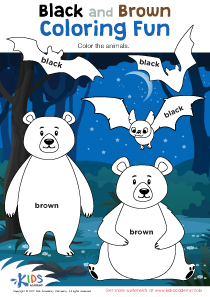
Letter recognition English for Beginners Worksheets for Ages 3-9
41 filtered results
-
From - To
Our "Letter Recognition English for Beginners Worksheets" are perfect for children ages 3-9, helping them master the essential skill of letter recognition. Tailored for different learning stages, our fun and engaging worksheets enhance understanding of the alphabet through various activities, such as tracing, matching, and coloring. These tools are designed to build confidence and foundational reading skills in young learners, including English as a Second Language (ESL) students. Whether at home or in the classroom, our resources support early literacy development in a creative and interactive way. Explore the printable worksheets today to give your child a head start on their reading journey!
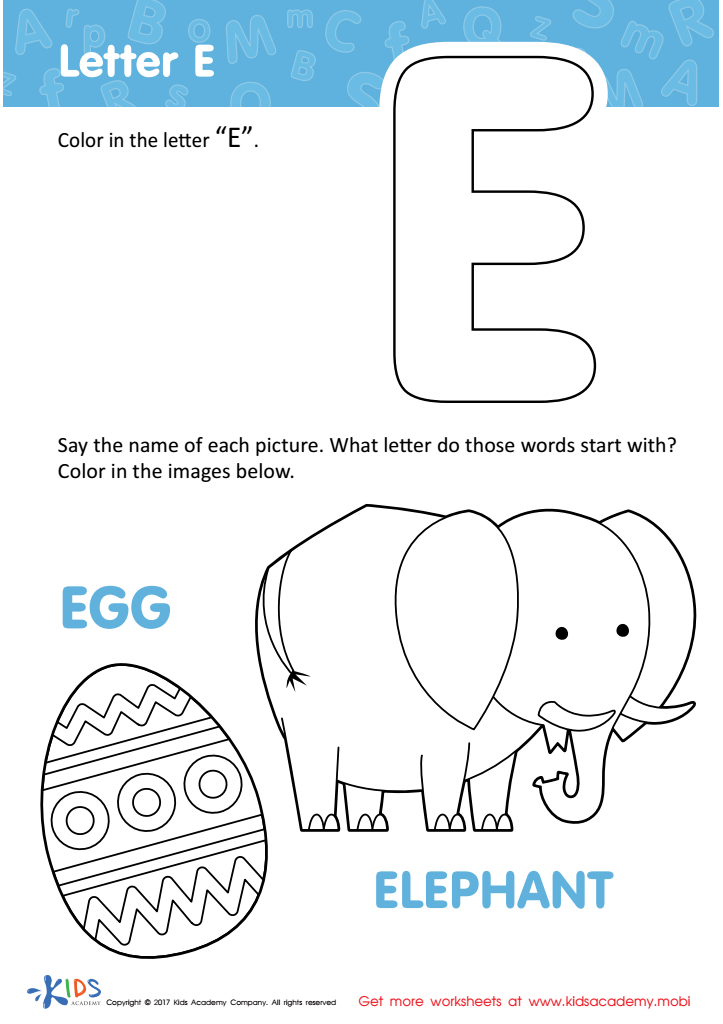
Letter E Coloring Sheet
 Assign to My Students
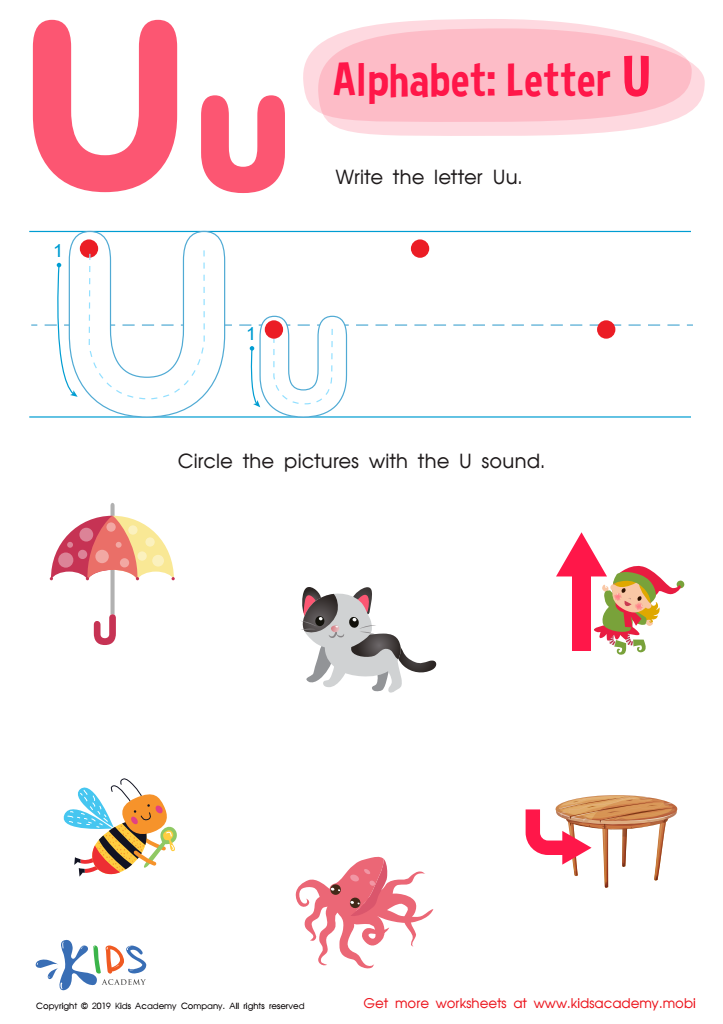
Letter U Tracing Worksheet
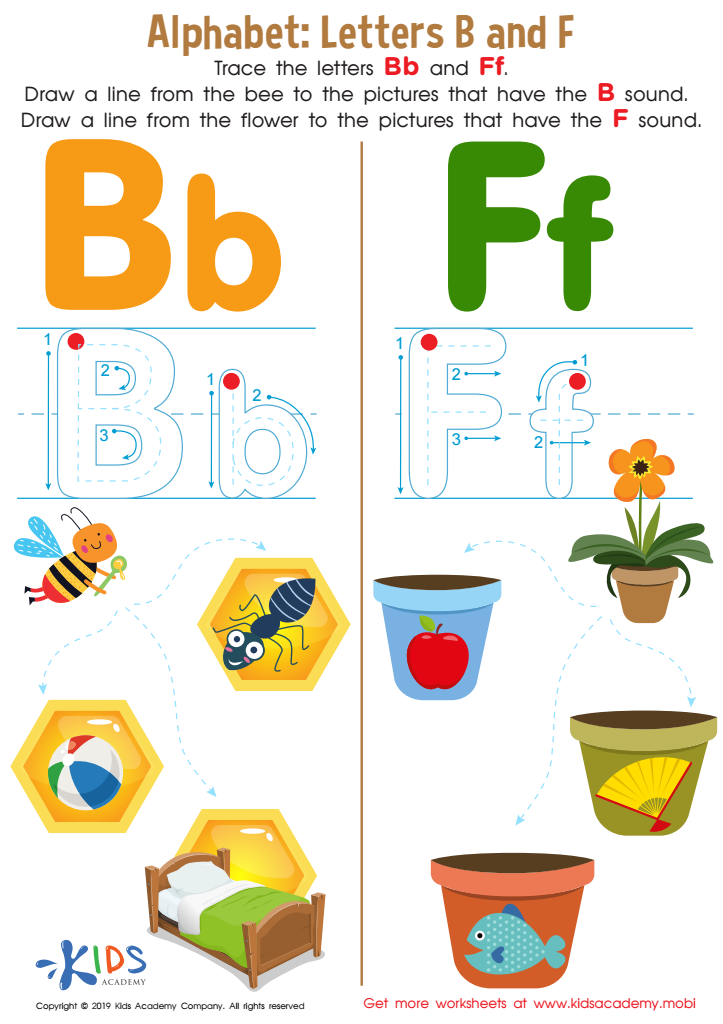
Letters B and F Tracing Worksheet
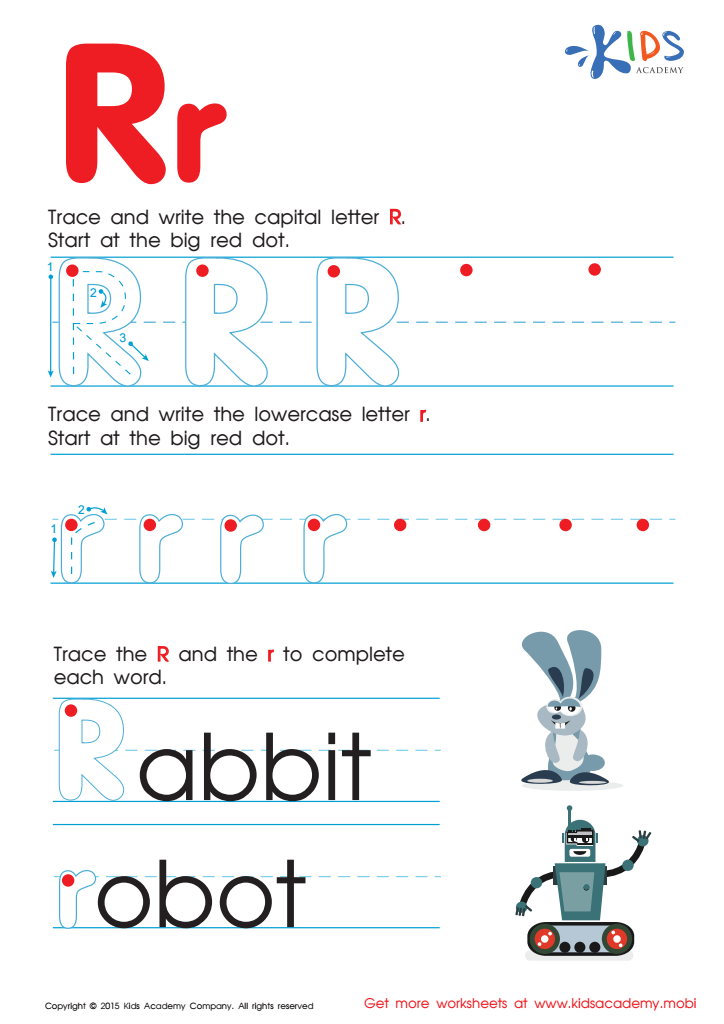
Letter R Tracing Page
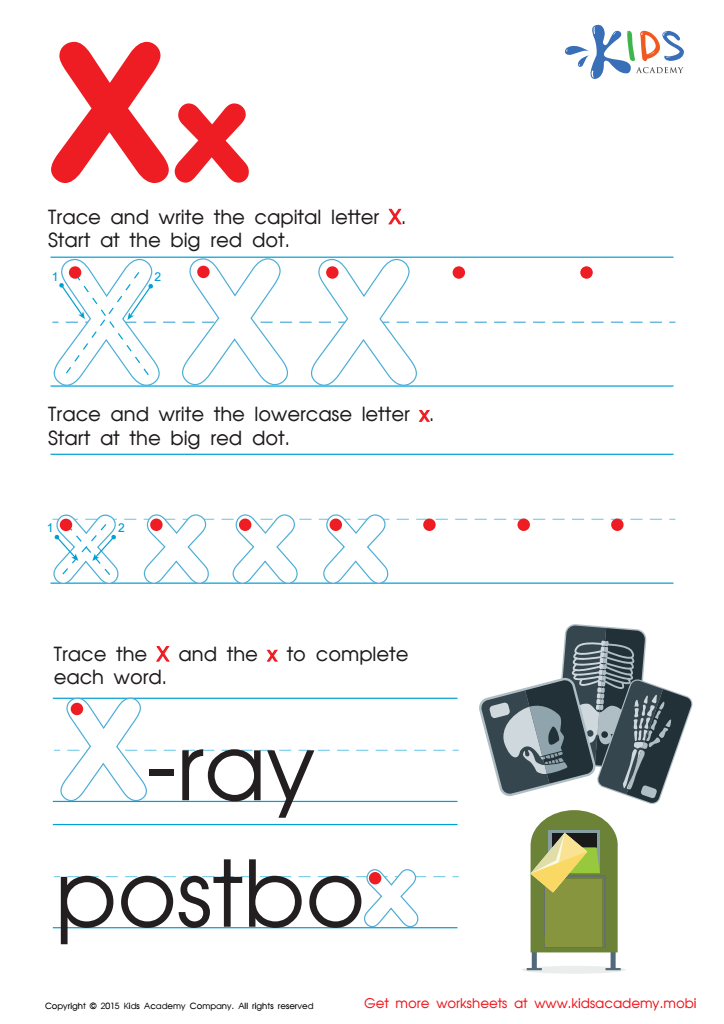
Letter X Tracing Page

Letter P Tracing Page
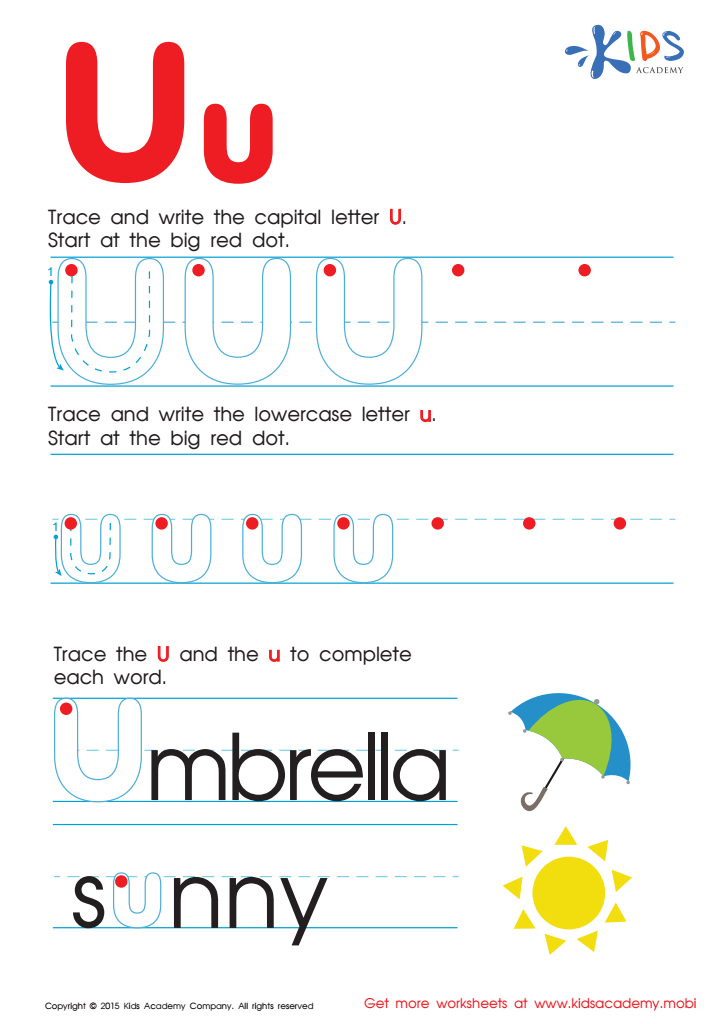
Letter U Tracing Page
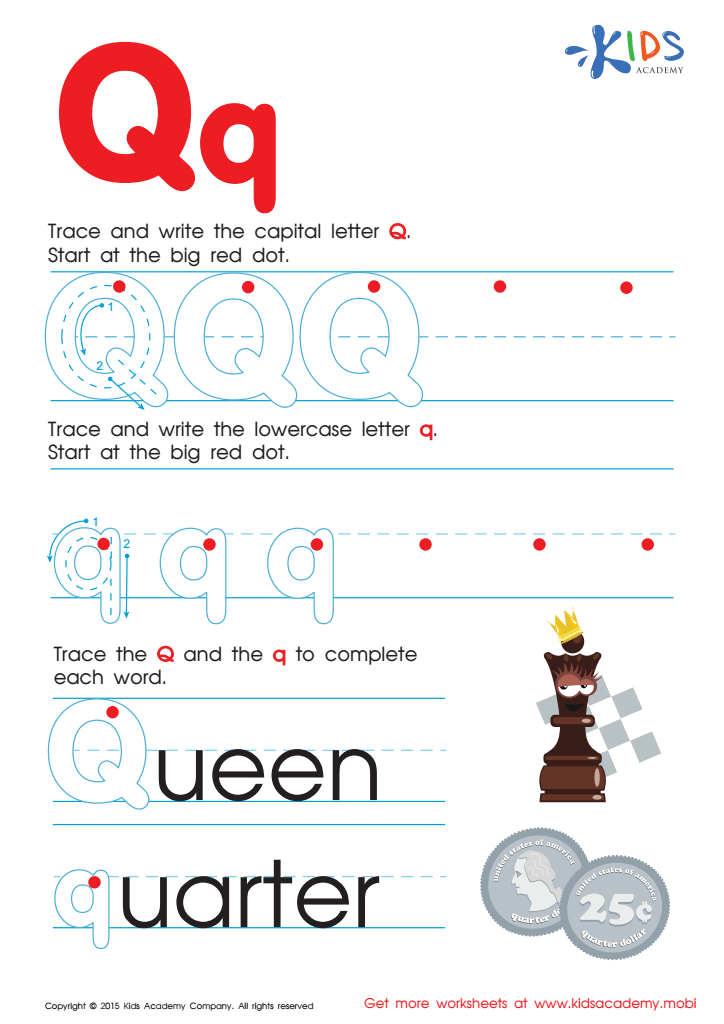
Letter Q Tracing Page
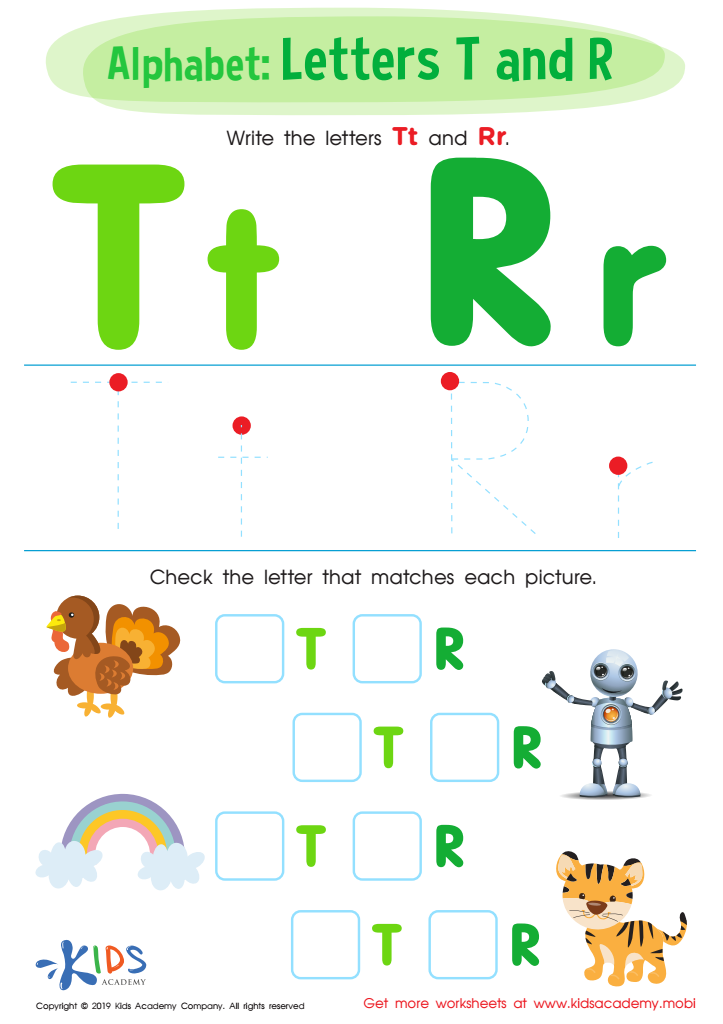
Letters T and R Worksheet
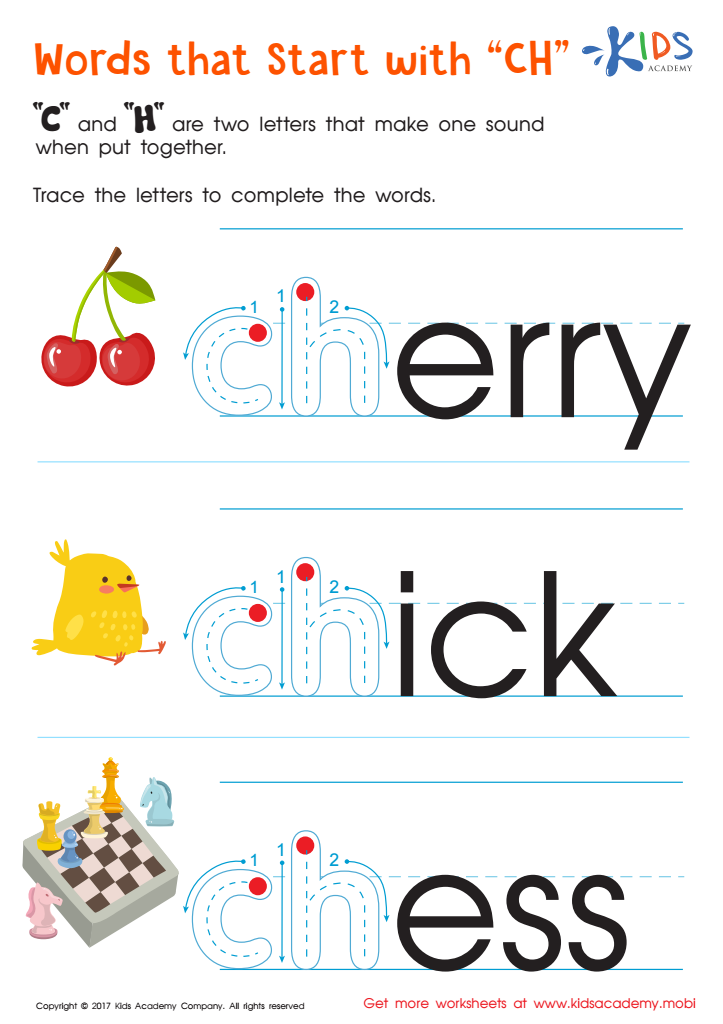
Words That Start with "ch" Spelling Worksheet
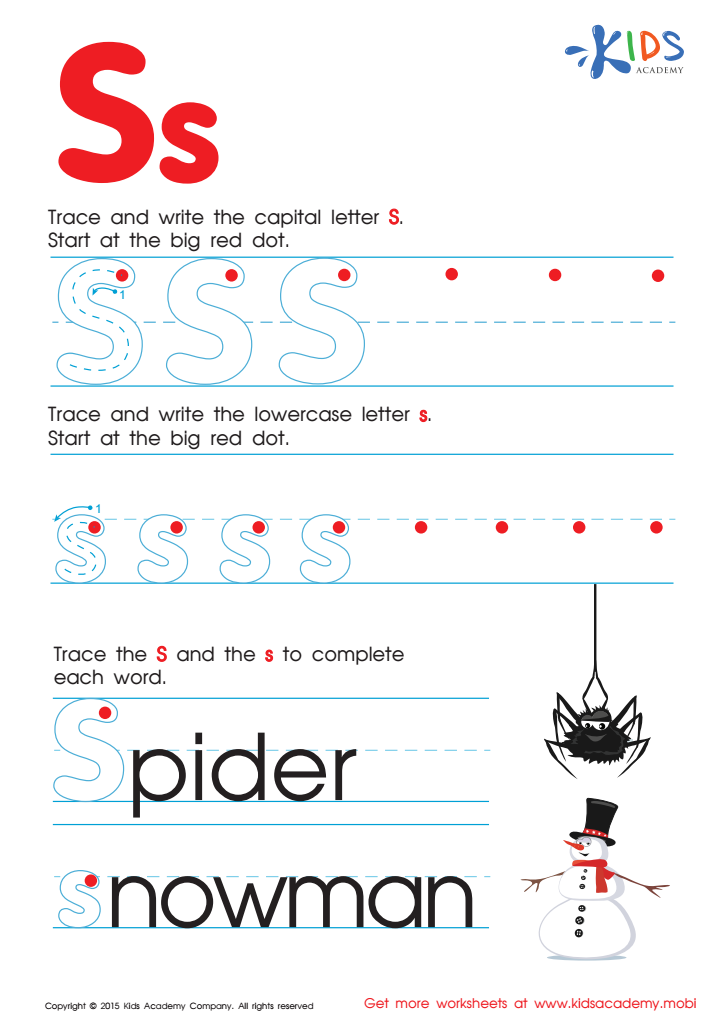
Letter S Tracing Page
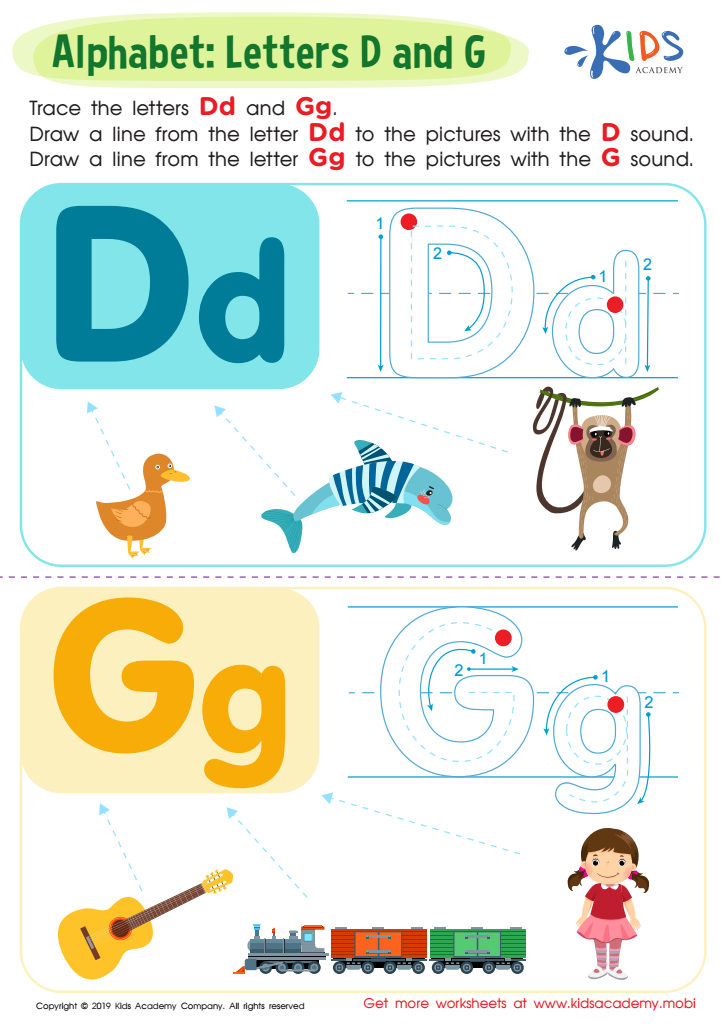
Letter D and G Tracing Worksheet
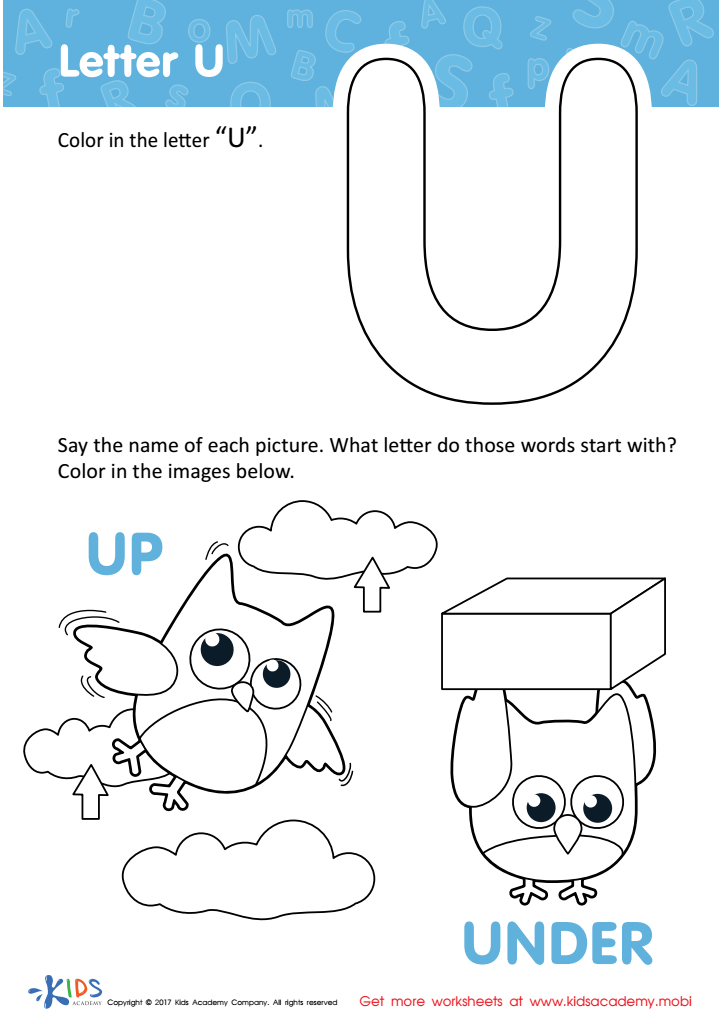
Letter U Coloring Sheet
Assign to My Students
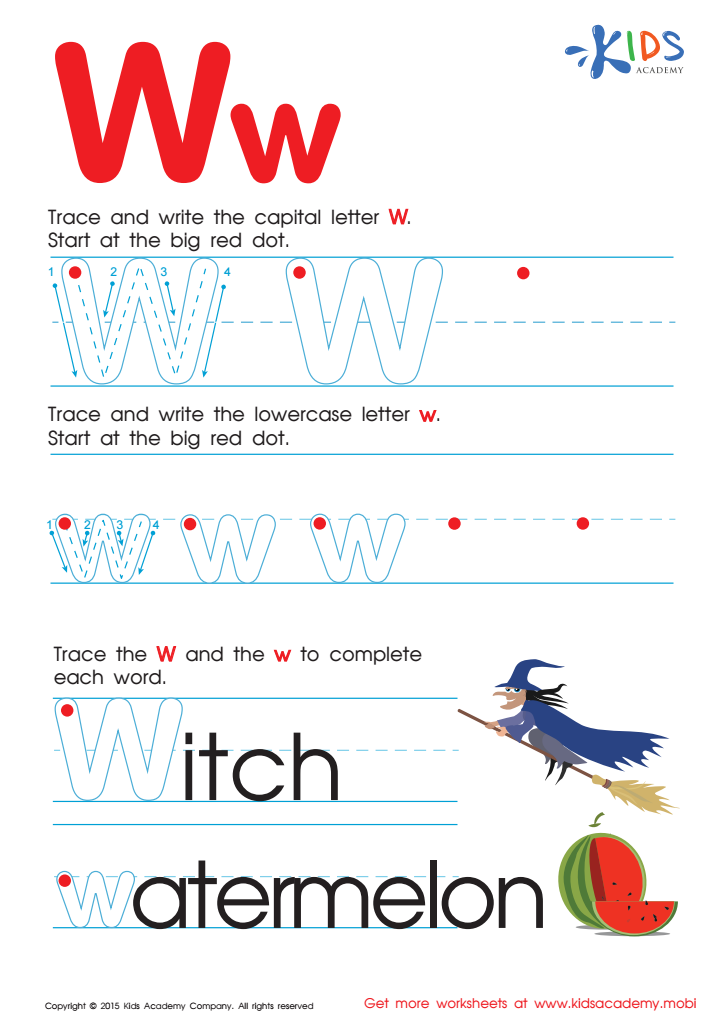
Letter W Tracing Page

Letter H Tracing Page
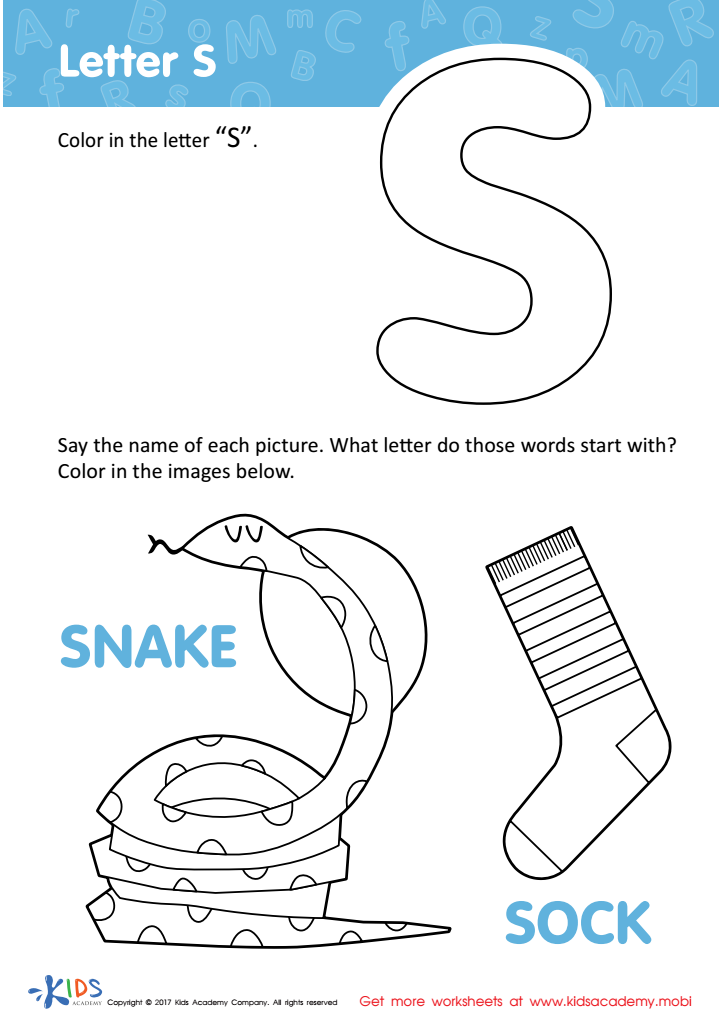
Letter S Coloring Sheet
Assign to My Students
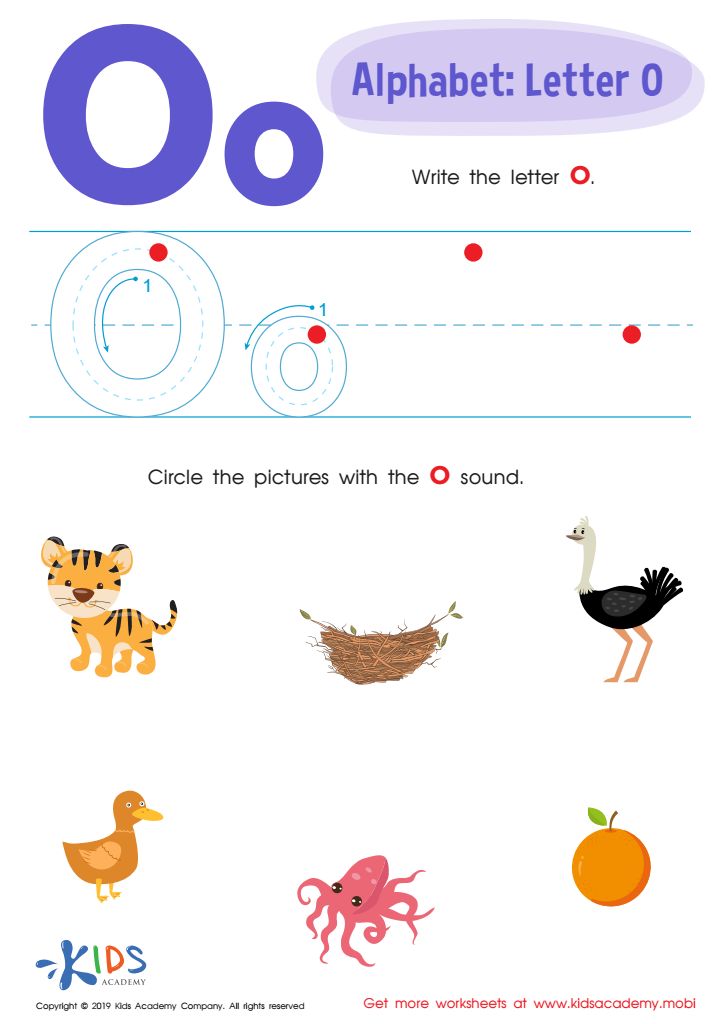
Letter O Tracing Worksheet

Letter G Tracing Page
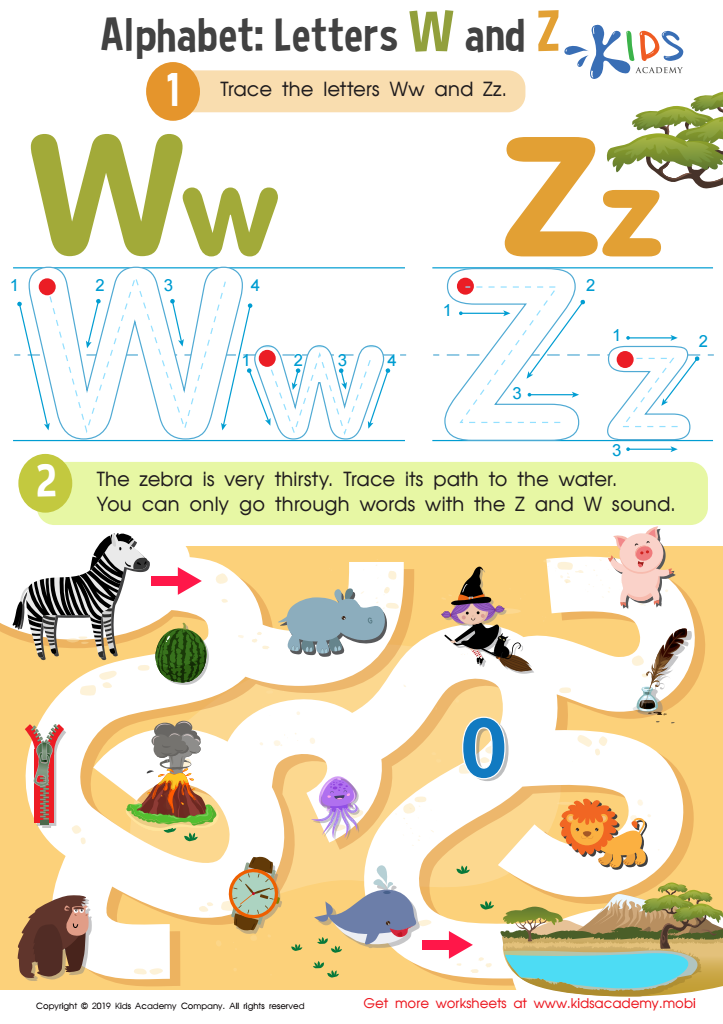
Letters W and Z Tracing Worksheet
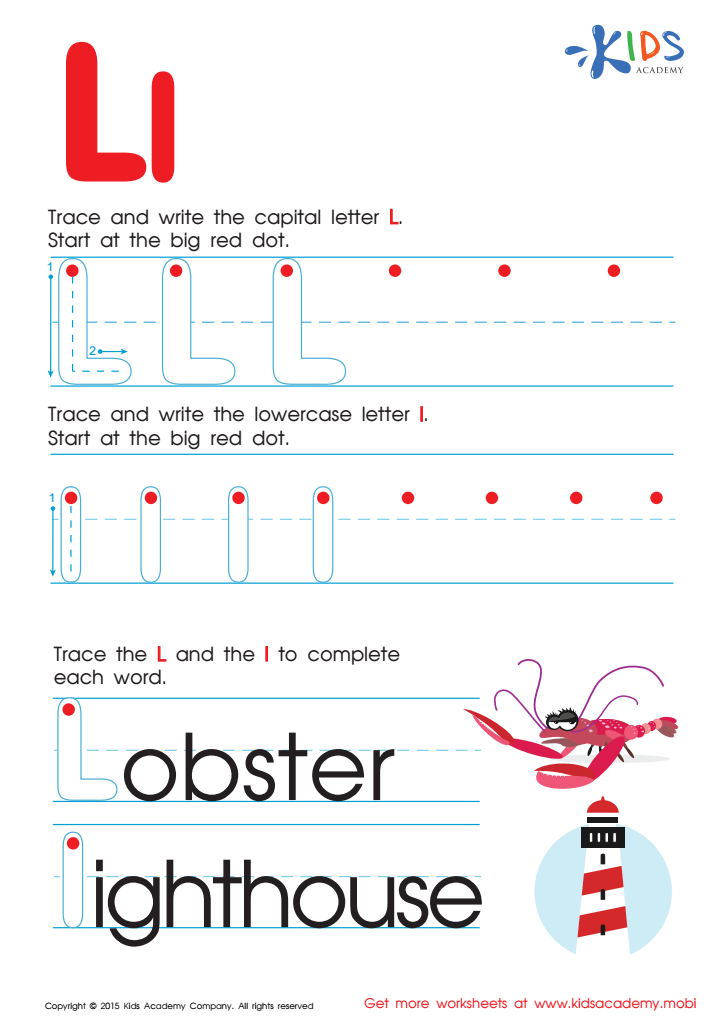
Letter L Tracing Page
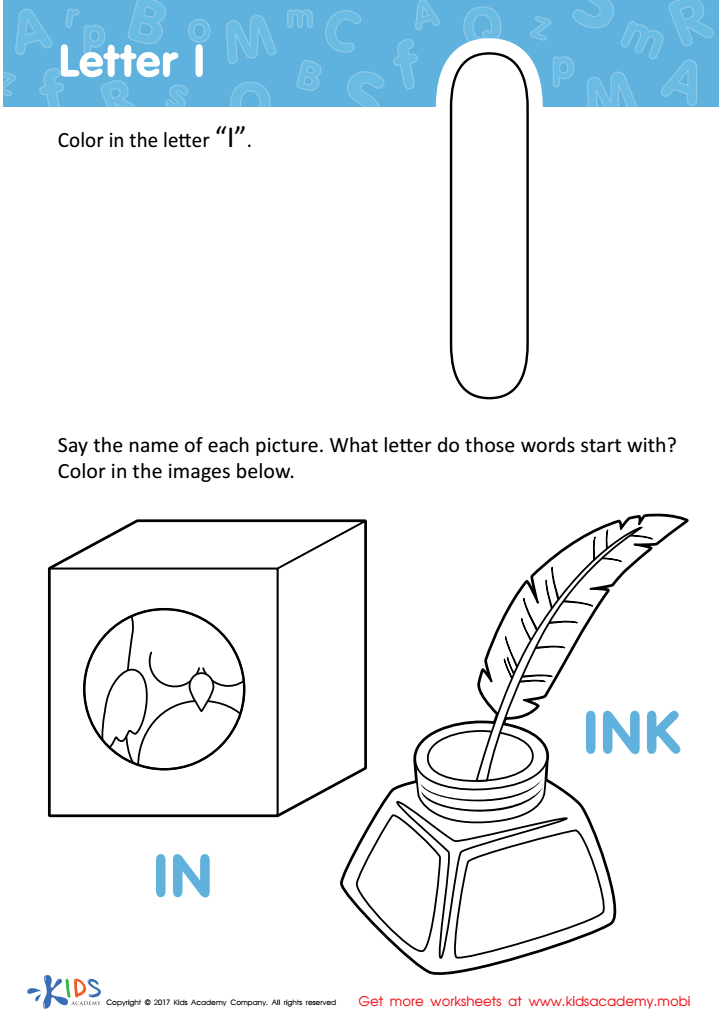
Letter I Coloring Sheet
Assign to My Students
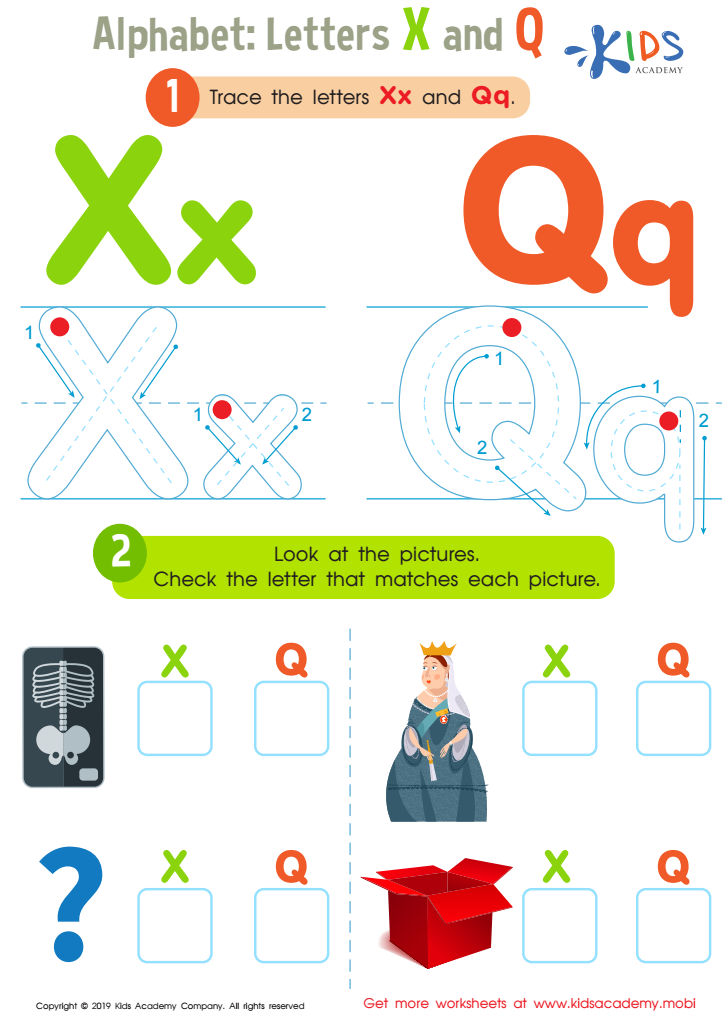
Letters X and Q Tracing Worksheet
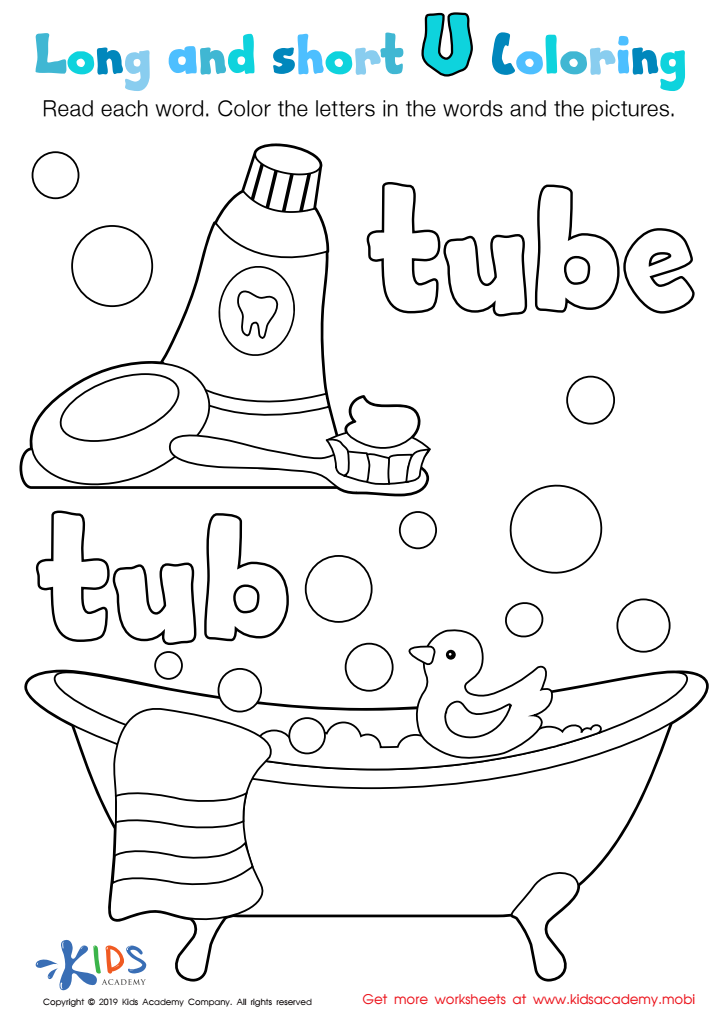
Long and Short U Worksheet
Assign to My Students
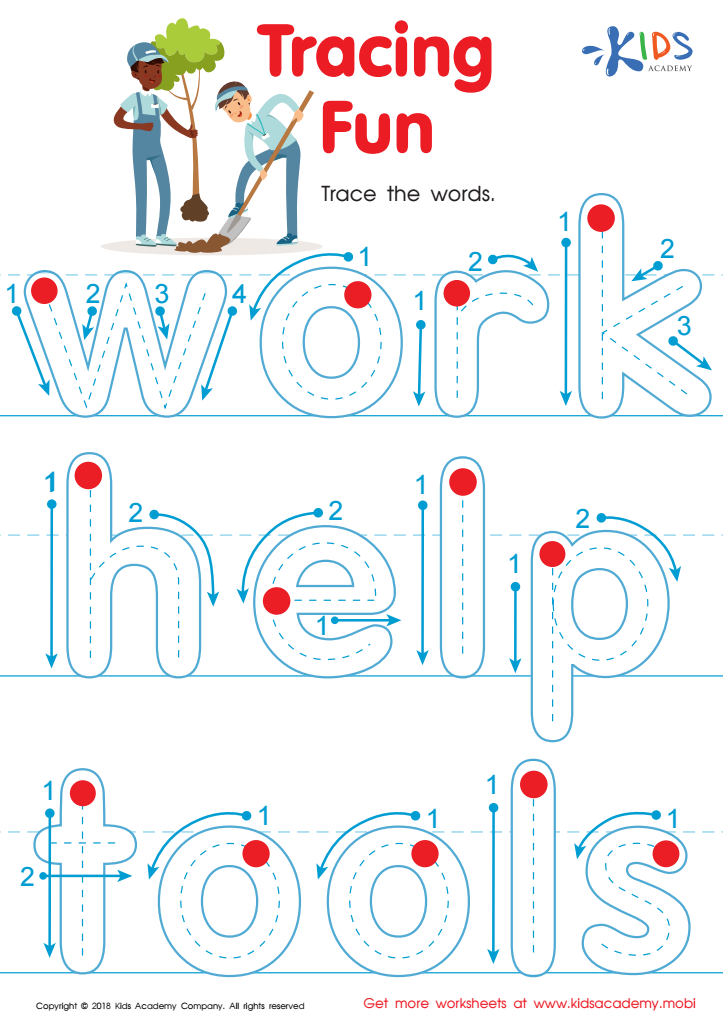
Tracing Fun Worksheet





Letter recognition is a fundamental building block for reading and writing, crucial skills in early childhood education. For children ages 3-9, learning to recognize letters is important for several reasons:
-
Foundational Literacy: Understanding and knowing letters is the first step in literacy. It forms the basis of learning to read, which is key for academic success in all subjects. Early letter recognition can lead to improved reading fluency and better comprehension skills in the future.
-
Cognitive Development: Recognizing letters enhances cognitive abilities such as memory, attention, and problem-solving skills. It helps in brain development, supporting more complex learning processes as children grow.
-
Language Skills: Letter recognition is closely related to phonemic awareness—understanding that letters are associated with specific sounds. This awareness is crucial for effective spelling, reading, and communication abilities.
-
Confidence and Motivation: Early success in letter recognition can boost a child's confidence, encouraging a positive attitude toward learning. When children are proficient in recognizing letters, they are more likely to feel competent and motivated to tackle reading and writing challenges.
-
School Readiness: Mastery of letter recognition sets the stage for a smooth transition to more advanced literacy skills in kindergarten and beyond. It is an essential part of school readiness, ensuring that children are prepared to engage with the curriculum.
Parents and teachers play a critical role in supporting these developmental milestones, helping children achieve literacy skills that will benefit them throughout their lives.