Analytical thinking Worksheets for Ages 3-9
17 filtered results
-
From - To
Discover our engaging Analytical Thinking Worksheets designed for children ages 3 to 9, available on Kids Academy! These thoughtfully crafted worksheets promote critical thinking and problem-solving skills through fun, interactive activities. Each worksheet encourages young learners to analyze patterns, identify relationships, and solve puzzles, fostering essential cognitive development. Perfect for educators and parents, our resources support early childhood learning by making complex concepts accessible and enjoyable. Enhance your child’s analytical skills through hands-on practice that cultivates curiosity and creativity. Start nurturing your little one’s intellectual growth today with our delightful and effective analytical thinking worksheets!
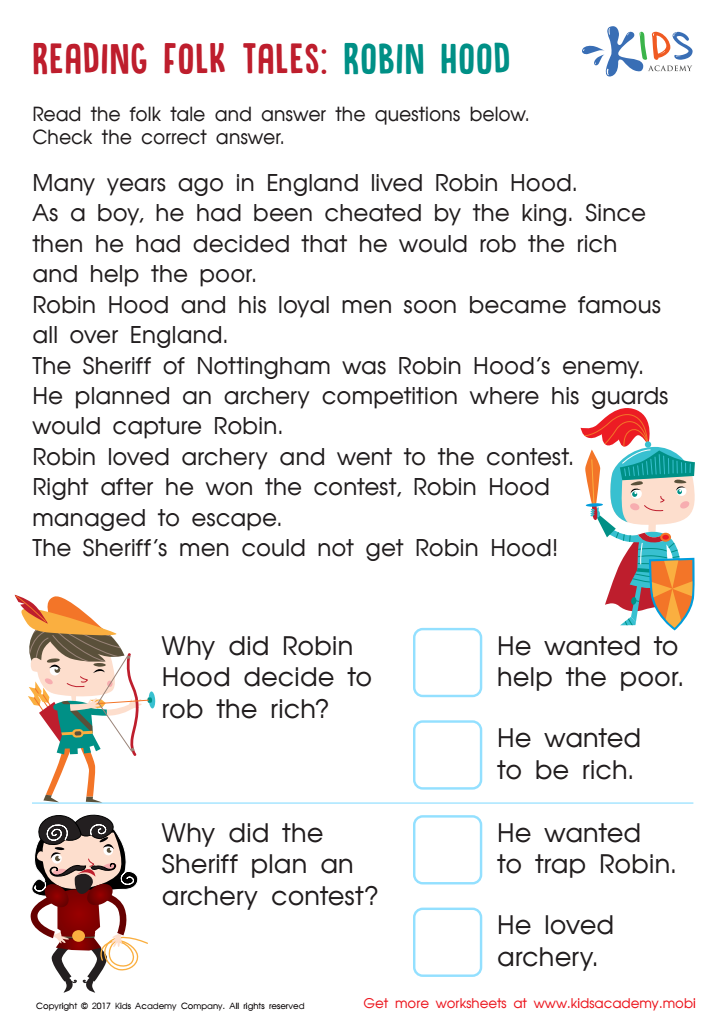
Robin Hood Folktale Worksheet
 Assign to My Students
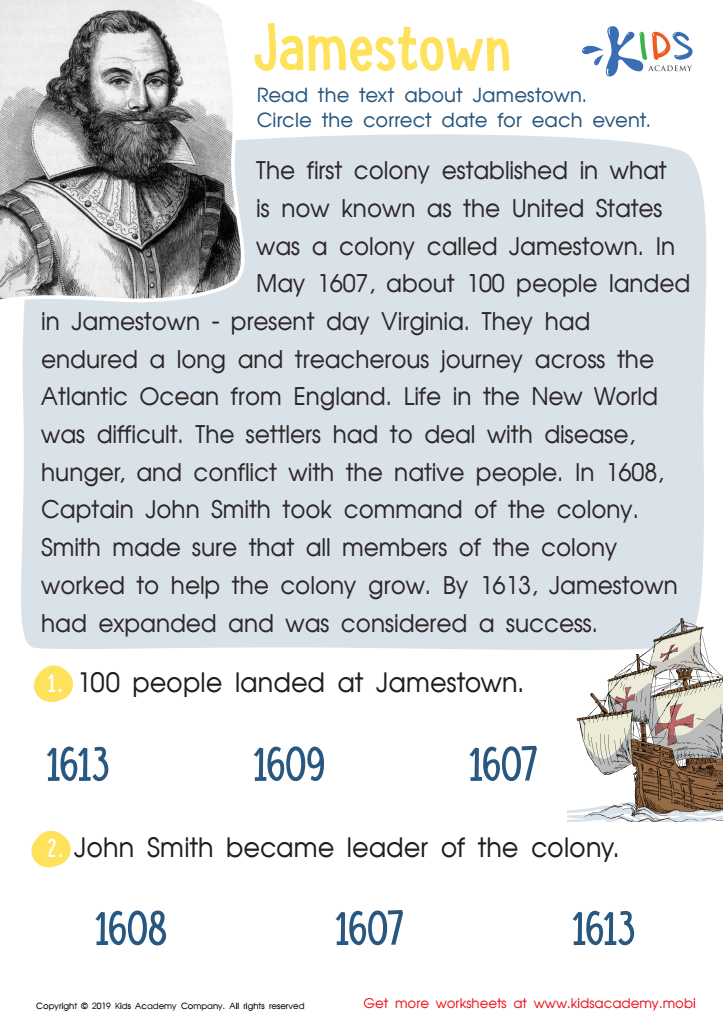
Jamestown Worksheet
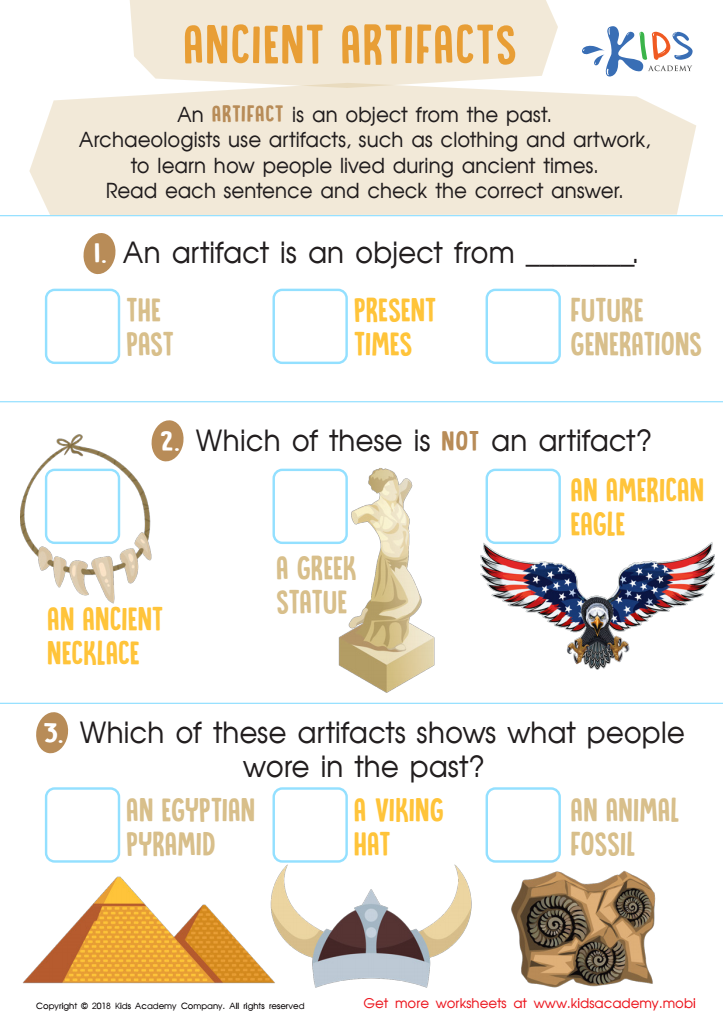
Ancient Artifacts Worksheet
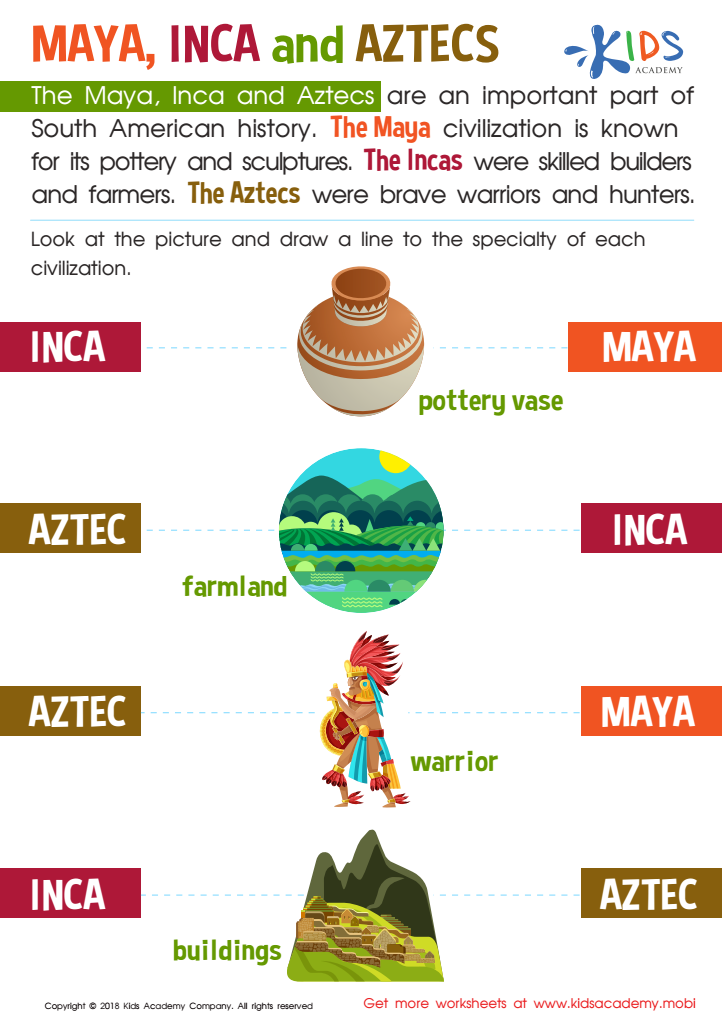
Maya, Inca and Aztecs Worksheet
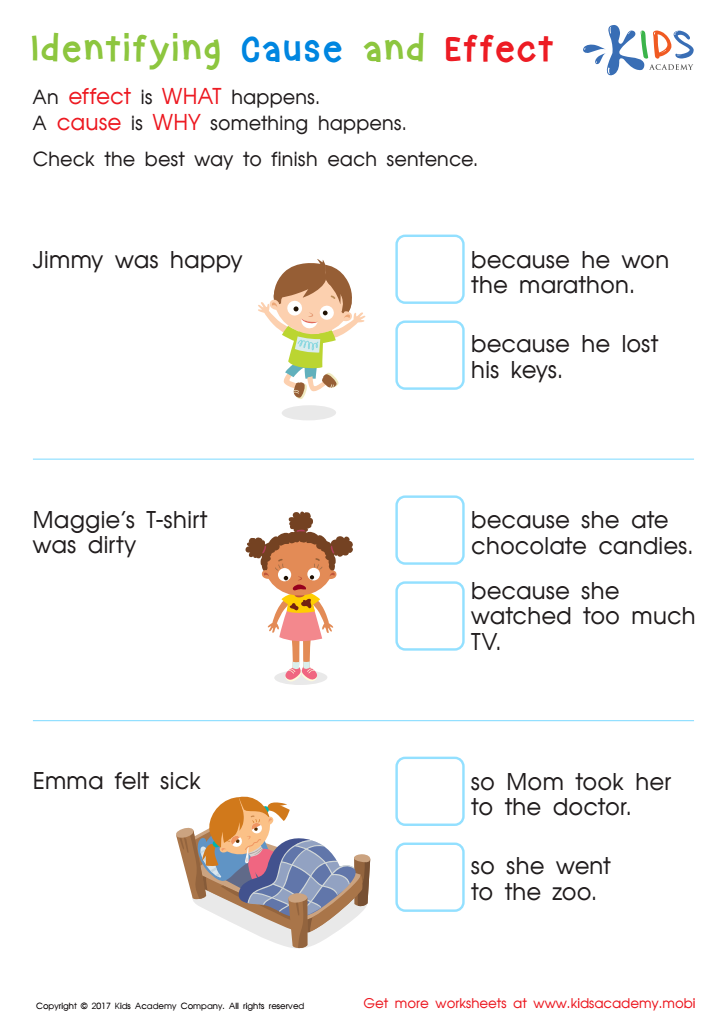
Indentifying Cause and Effect Worksheet
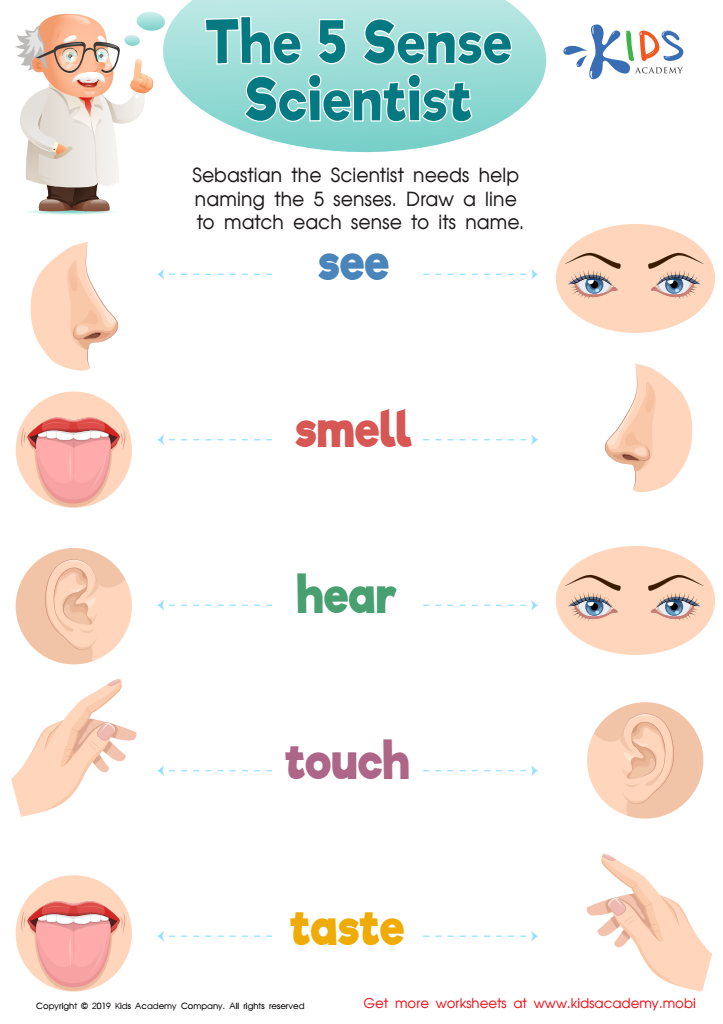
The 5 Sense Scientist Worksheet
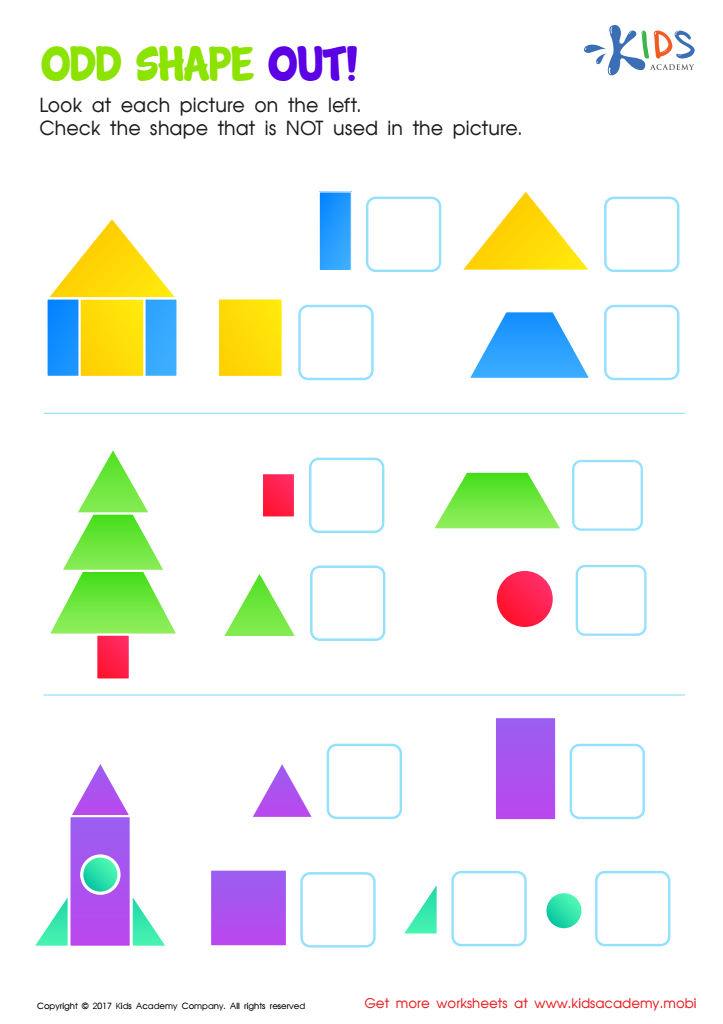
Odd Shape Out Worksheet for Grade 1
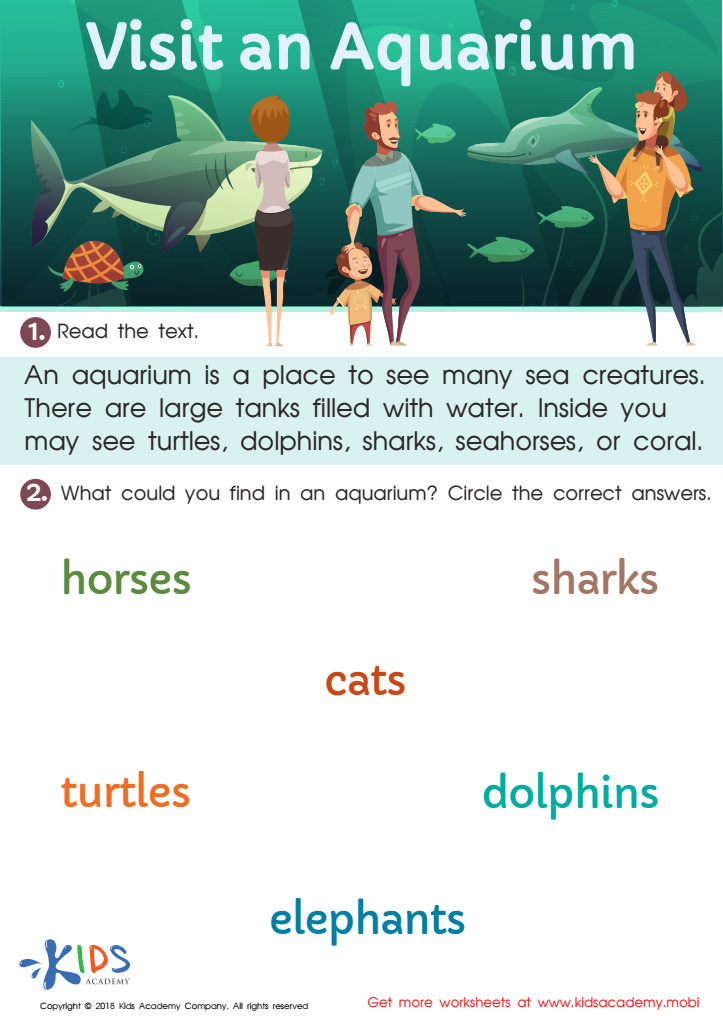
Visit an Aquarium Worksheet
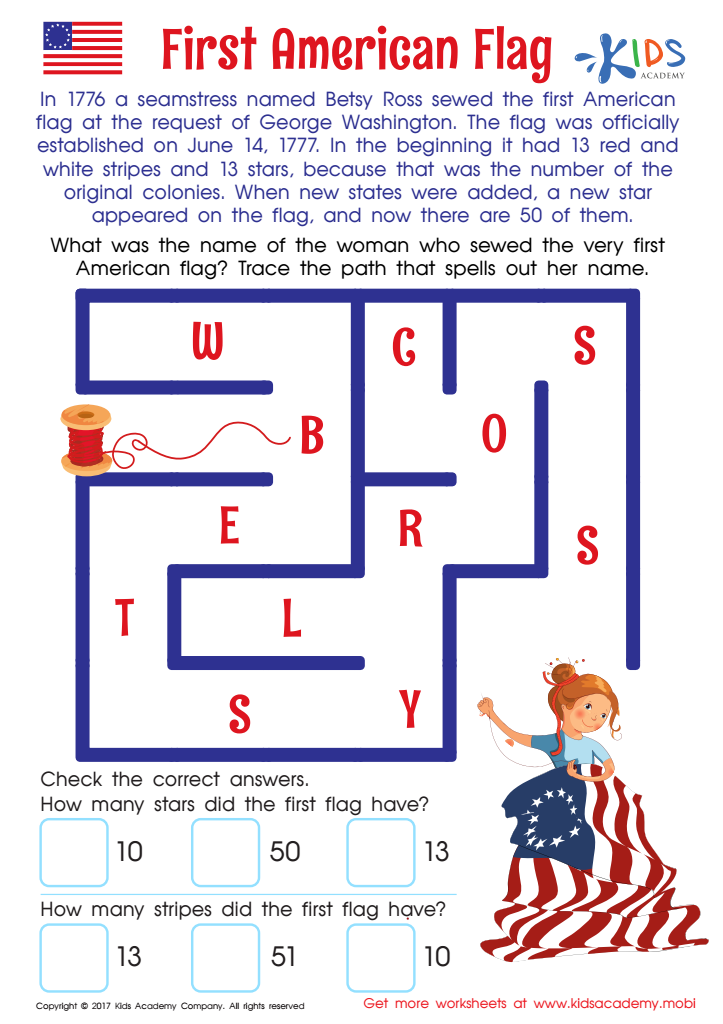
First American Flag Worksheet
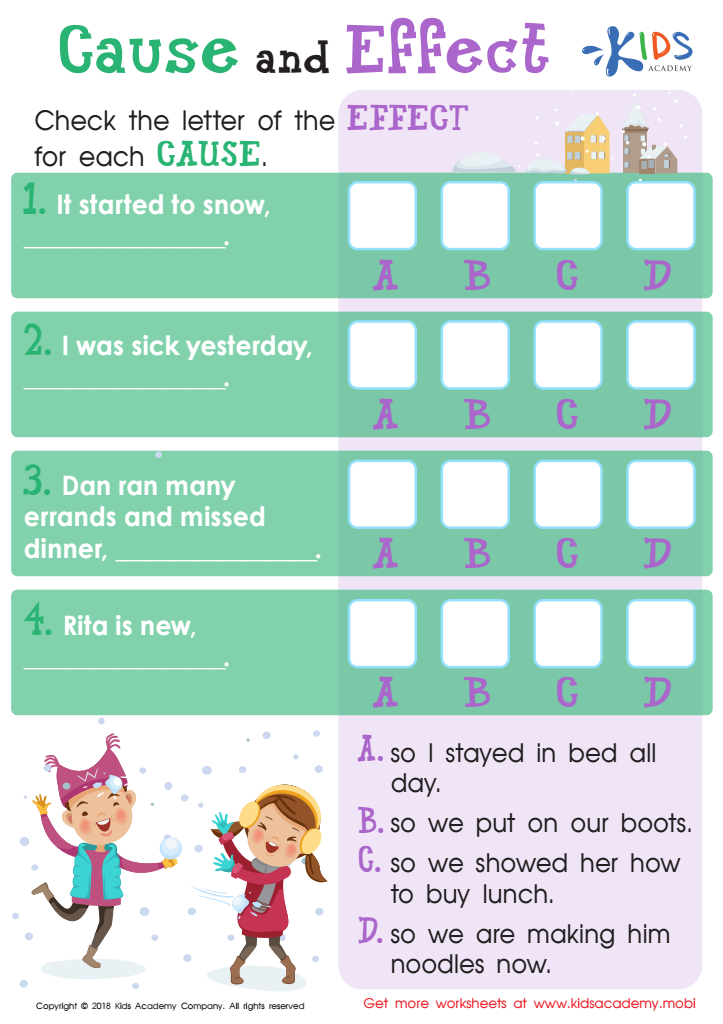
Cause and Effect Worksheet
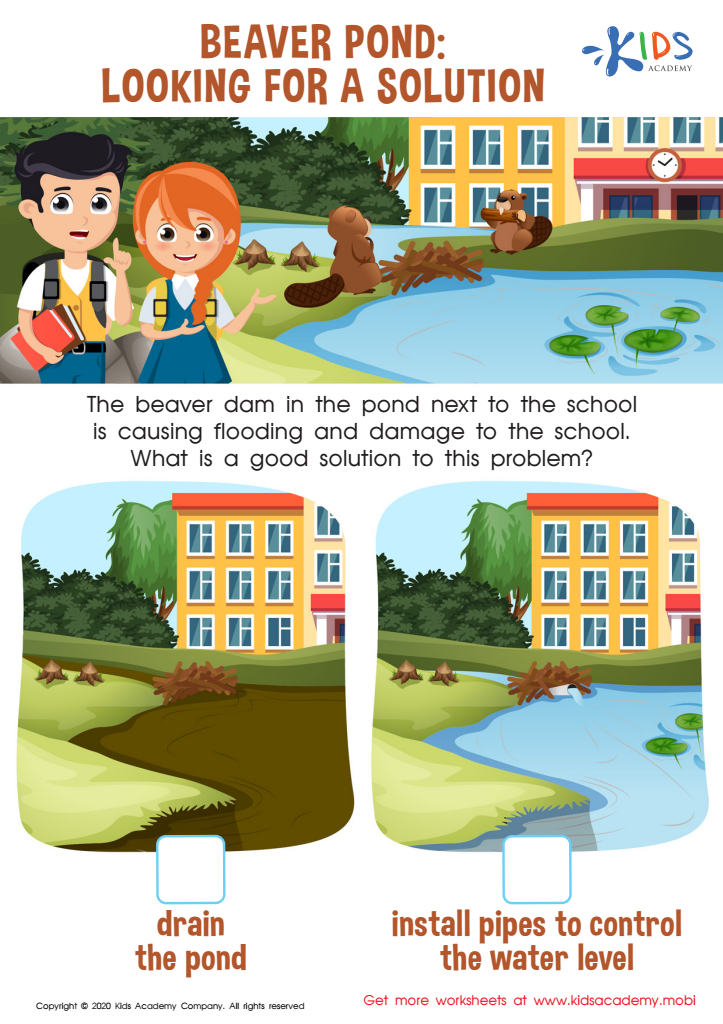
Beaver Pond: Looking for a Solution Worksheet
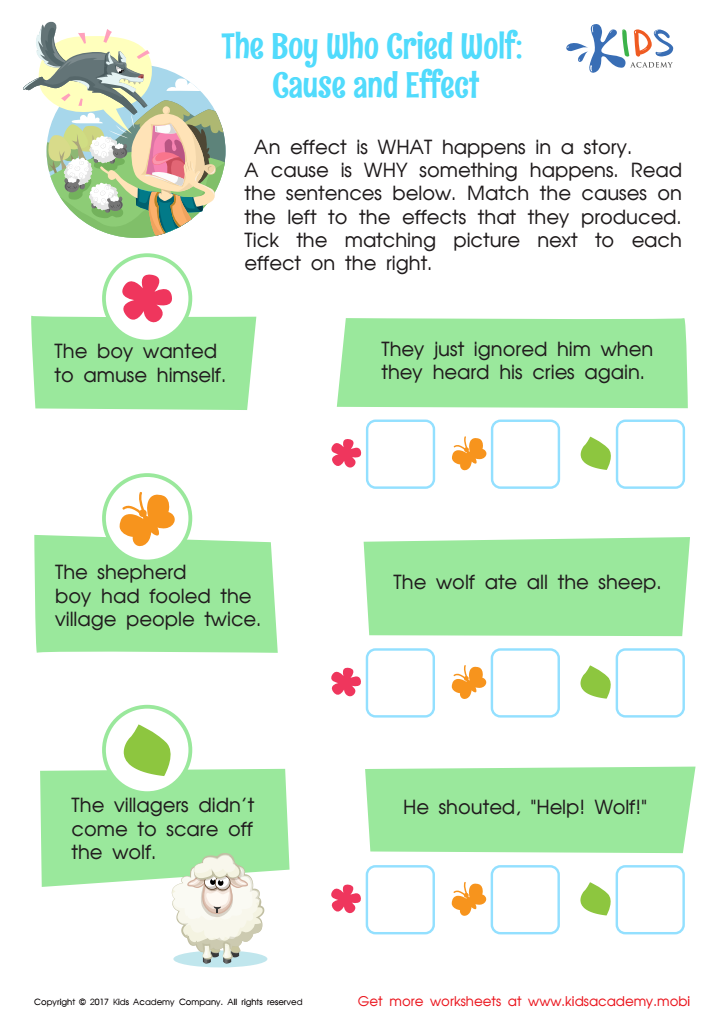
The Boy Who Cried Wolf: Cause and Effect Worksheet
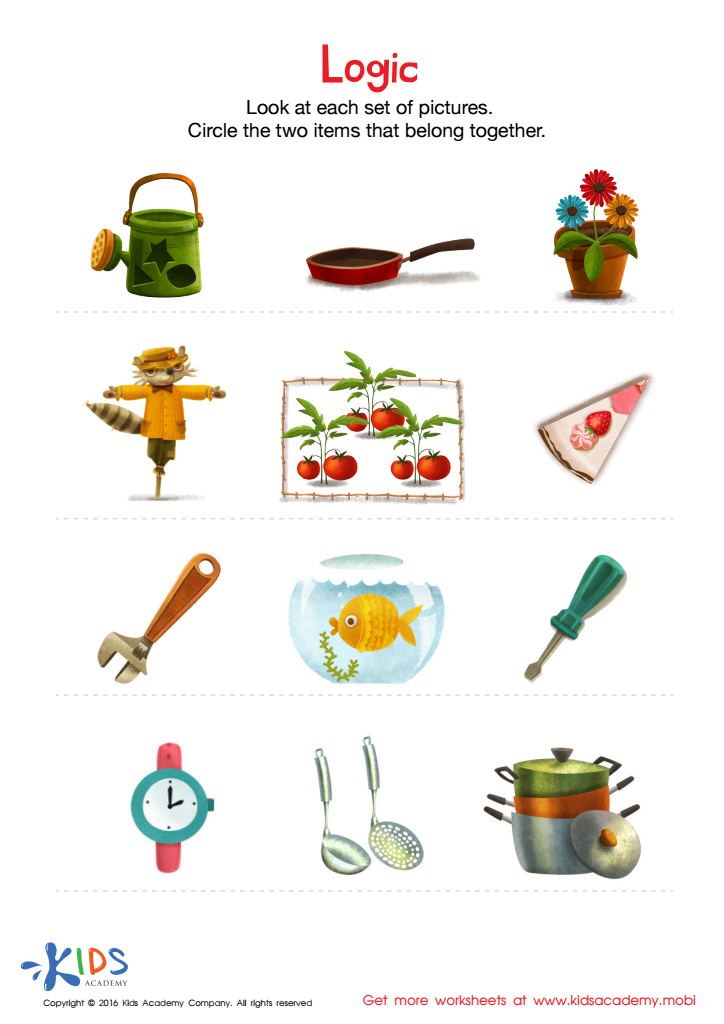
Logic Game Sorting Worksheet
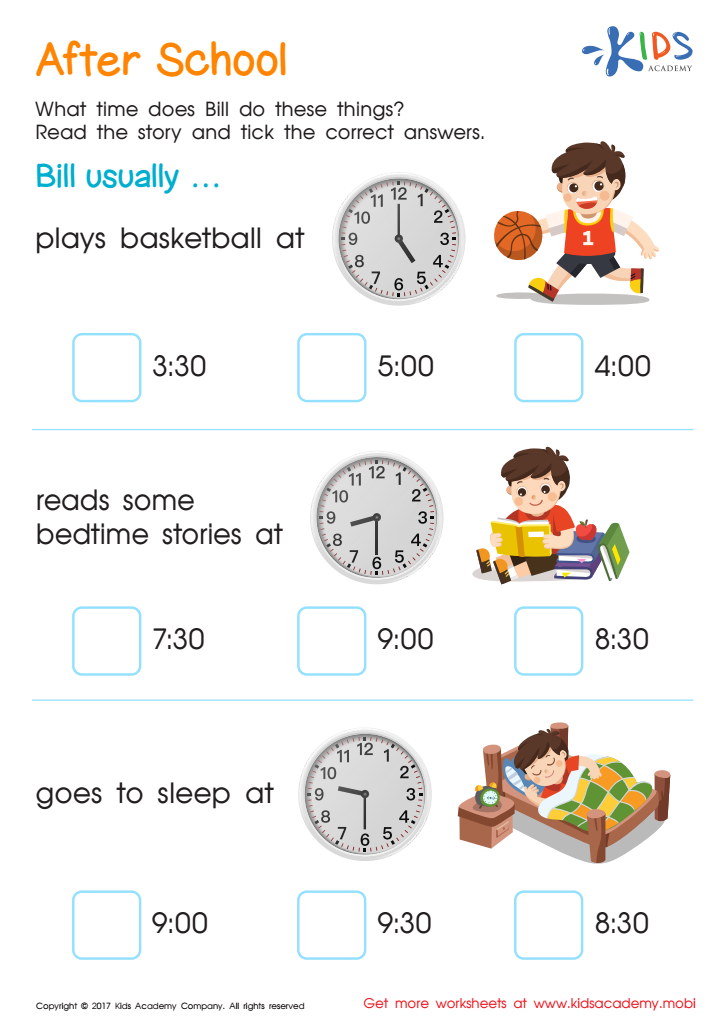
After School Time Printable
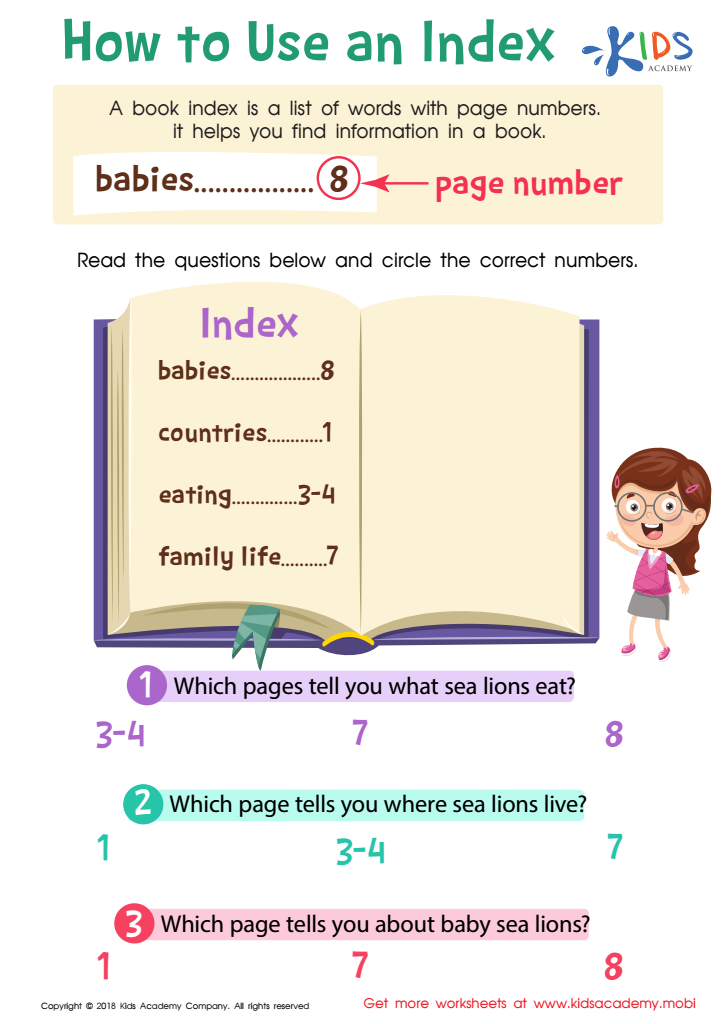
How Use Index Worksheet
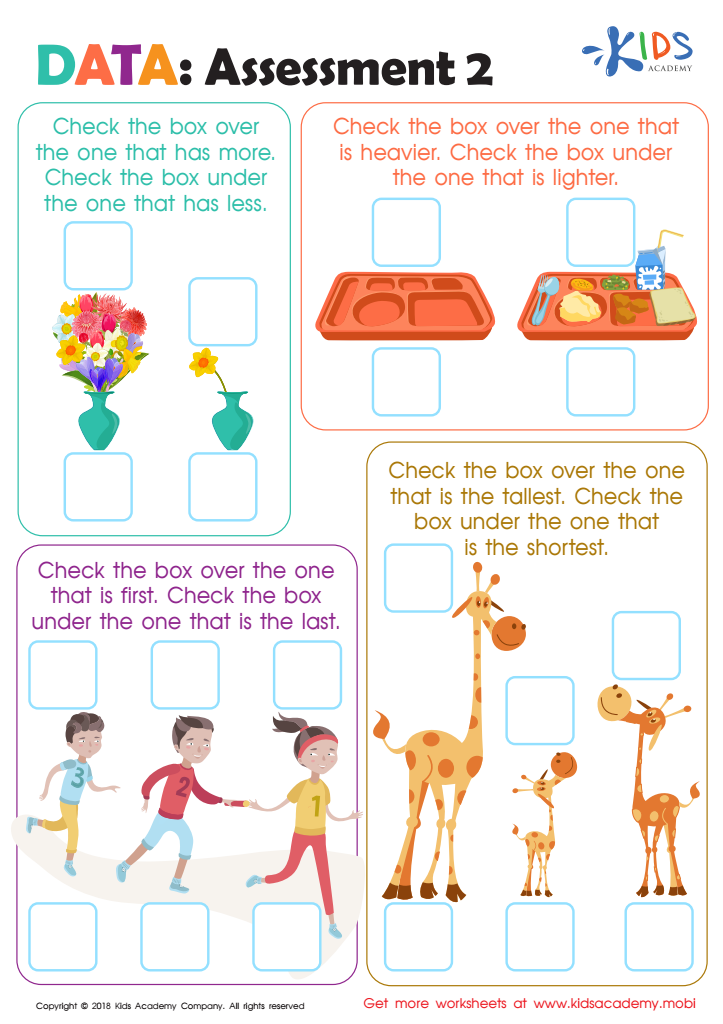
Data: Assessment 2 Worksheet








Analytical thinking is crucial for children aged 3-9 as it lays the foundation for problem-solving, critical reasoning, and effective decision-making. During these formative years, children are naturally curious and eager to explore their environment. Fostering analytical thinking enhances their ability to process information, make connections, and understand concepts deeply, which are essential skills for lifelong learning.
For parents and teachers, cultivating analytical thinking can significantly improve a child's academic performance and social skills. Engaging children in activities that require reasoning—like puzzles, storytelling, and open-ended questions—helps them develop the ability to evaluate situations, identify patterns, and articulate their thoughts clearly. These skills translate not only into better grades but also into improved self-confidence and autonomy.
Furthermore, analytical thinking serves as a protective factor against adversity in learning. Children who can analyze and adapt are more likely to cope with challenges effectively, both in and out of the classroom. By prioritizing analytical thinking, parents and teachers contribute to developing resilient, curious, and thoughtful individuals who are prepared for future academic challenges and life scenarios. Ultimately, nurturing these skills at an early age promotes holistic development, enabling children to navigate an increasingly complex world with greater ease.








