Animal identification Worksheets for Ages 3-9
52 filtered results
-
From - To
Discover our engaging Animal Identification Worksheets designed for children ages 3-9! These interactive resources help young learners develop essential skills while exploring the animal kingdom. Each worksheet features visually appealing images and fun activities that encourage children to identify various animals, enhancing their vocabulary and observation skills. Tailored to suit different developmental stages, our worksheets promote cognitive growth through play and creativity. Perfect for classrooms or homeschooling, these printable activities make learning about animals enjoyable and educational. Dive into the wildlife adventure today, and watch your child learn while having fun with our animal identification resources!
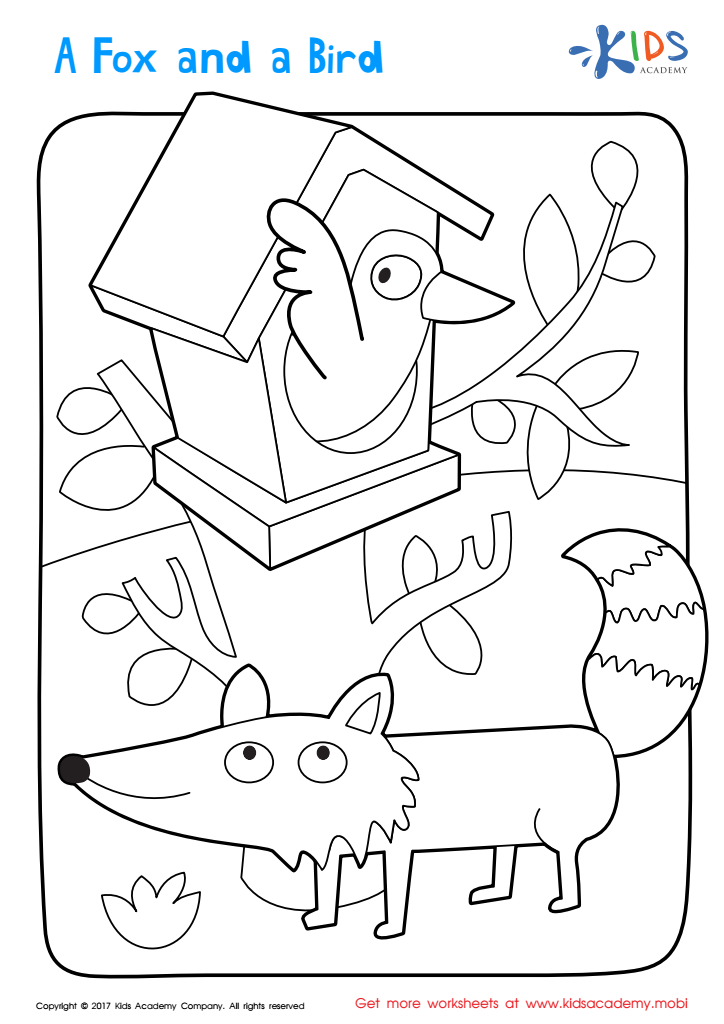
A Fox and Bird Coloring Page
 Assign to My Students
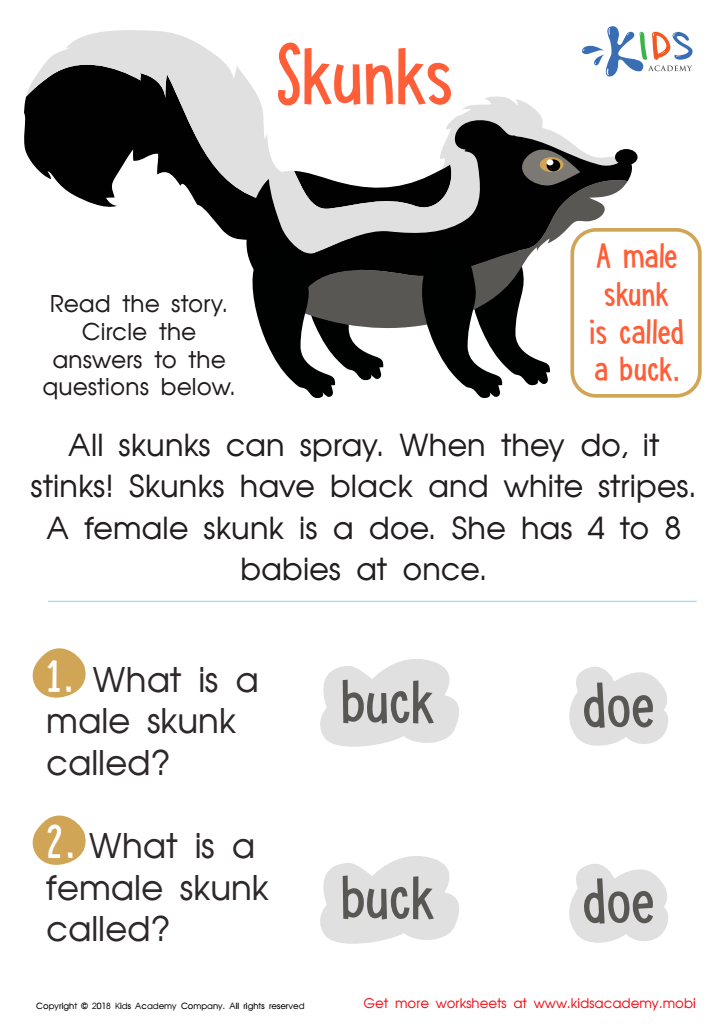
Skunks Worksheet
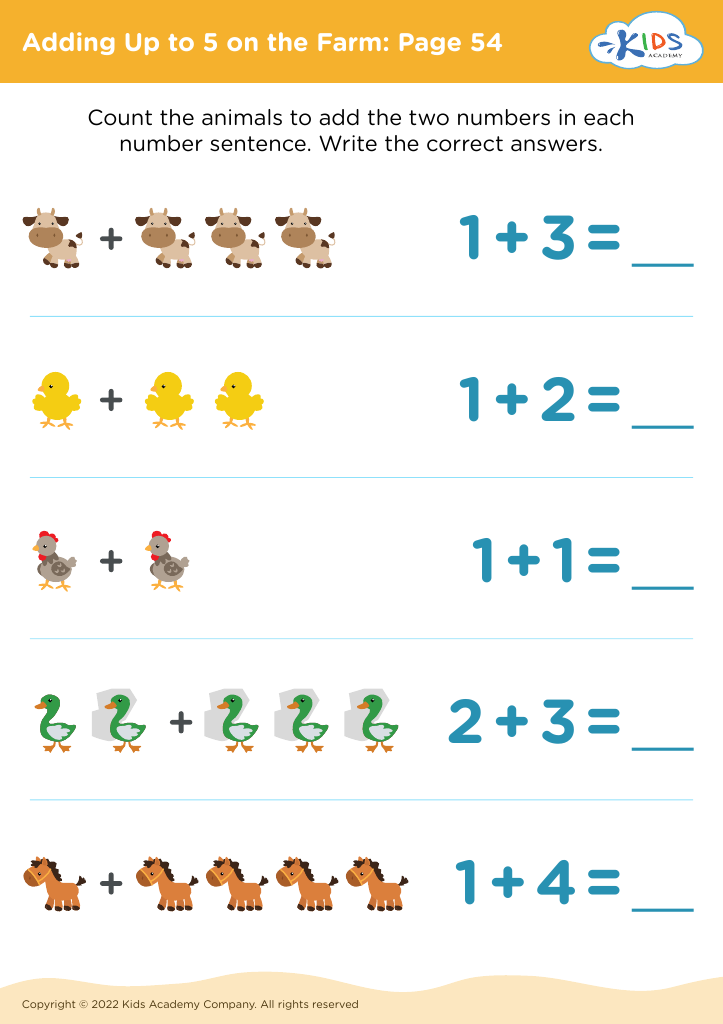
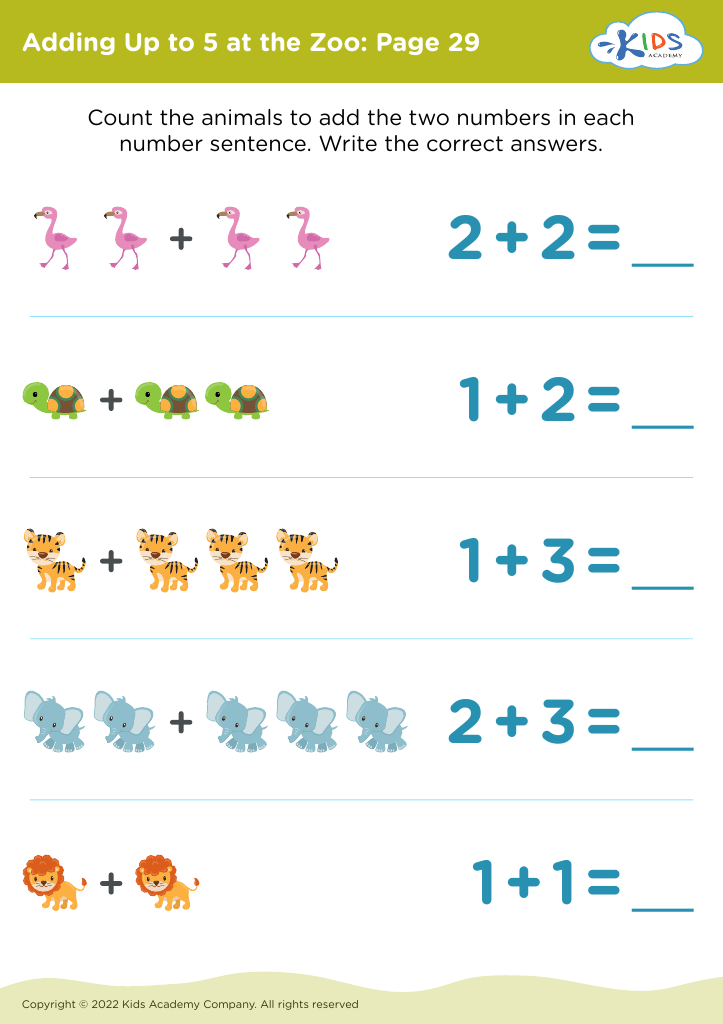
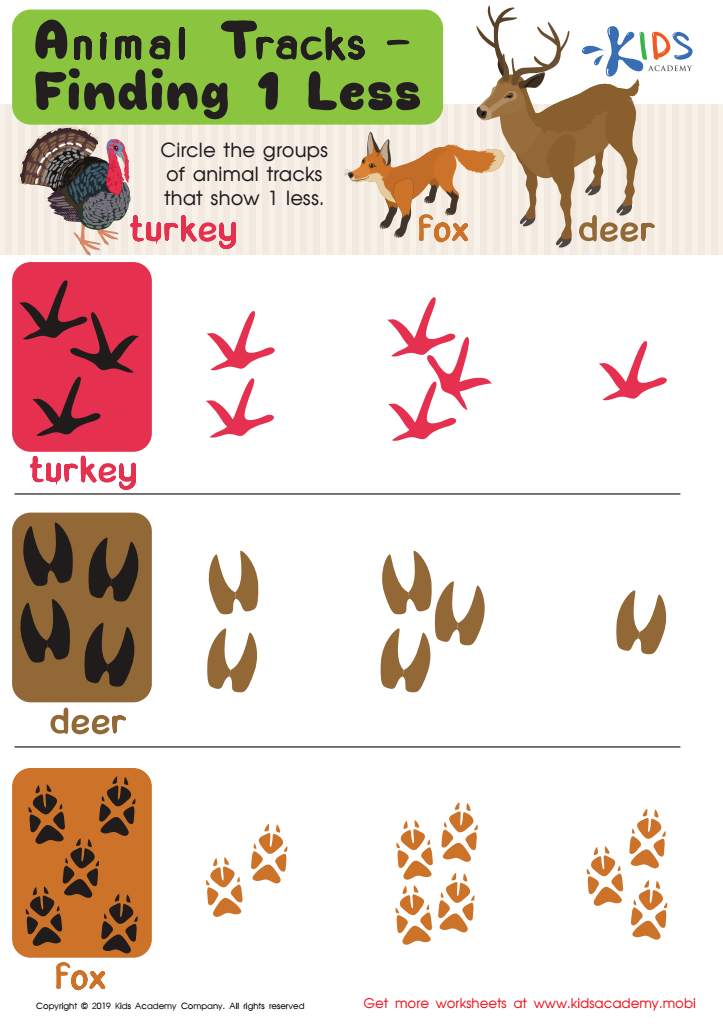
Animal Tracks: Find 1 Less Worksheet

Color the Cow and the Fields Coloring Pages
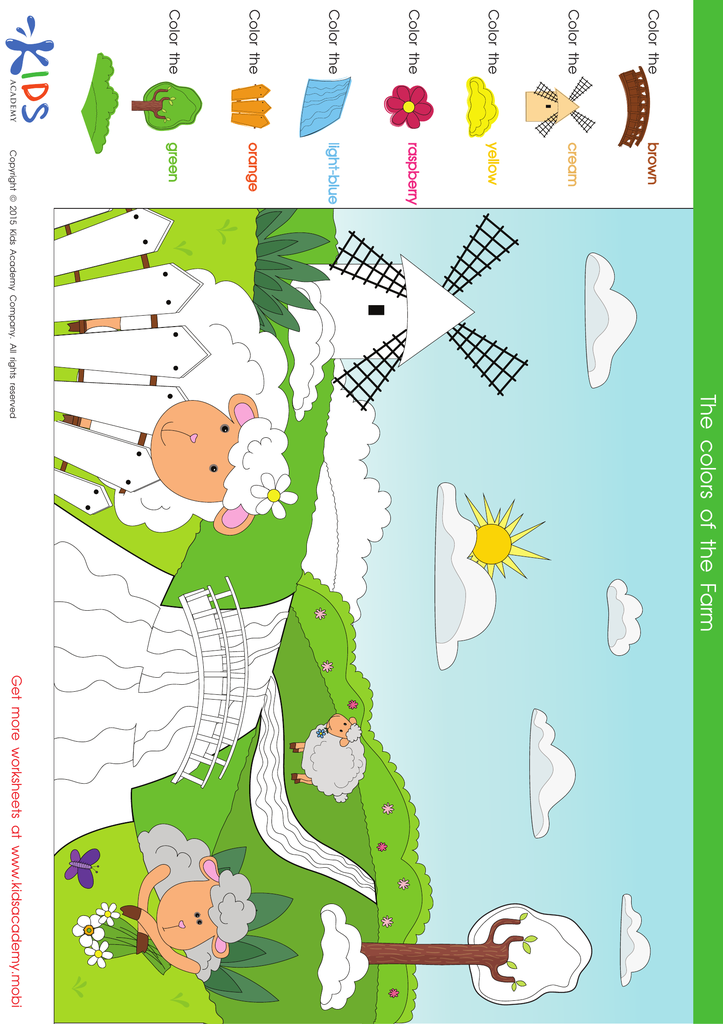
Color the Sheep in the Field Coloring Pages
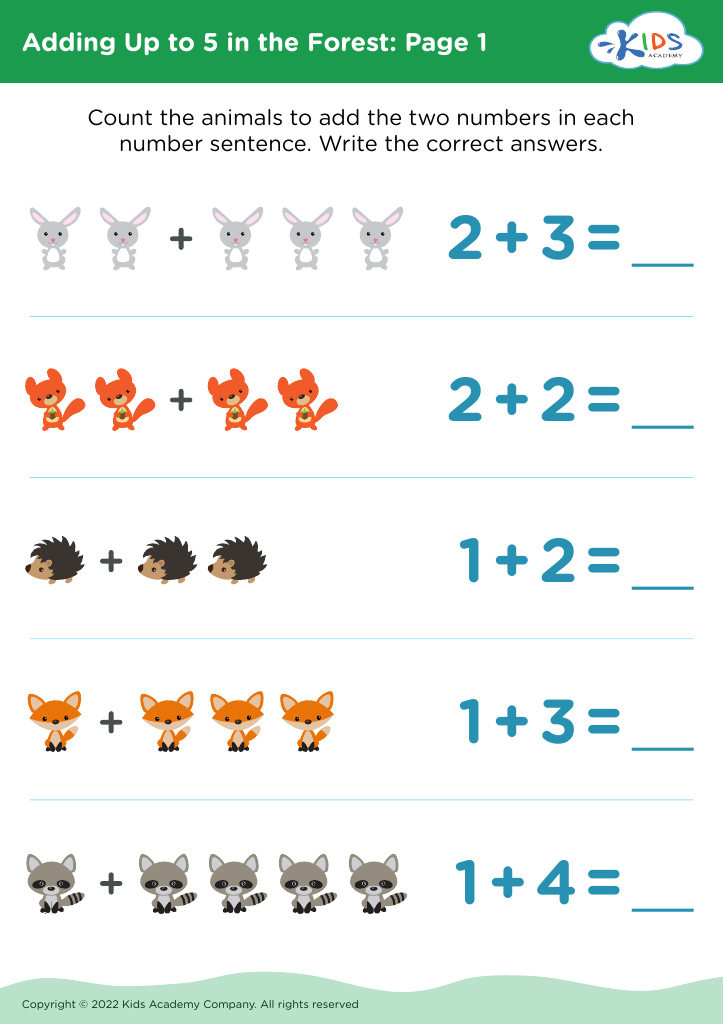
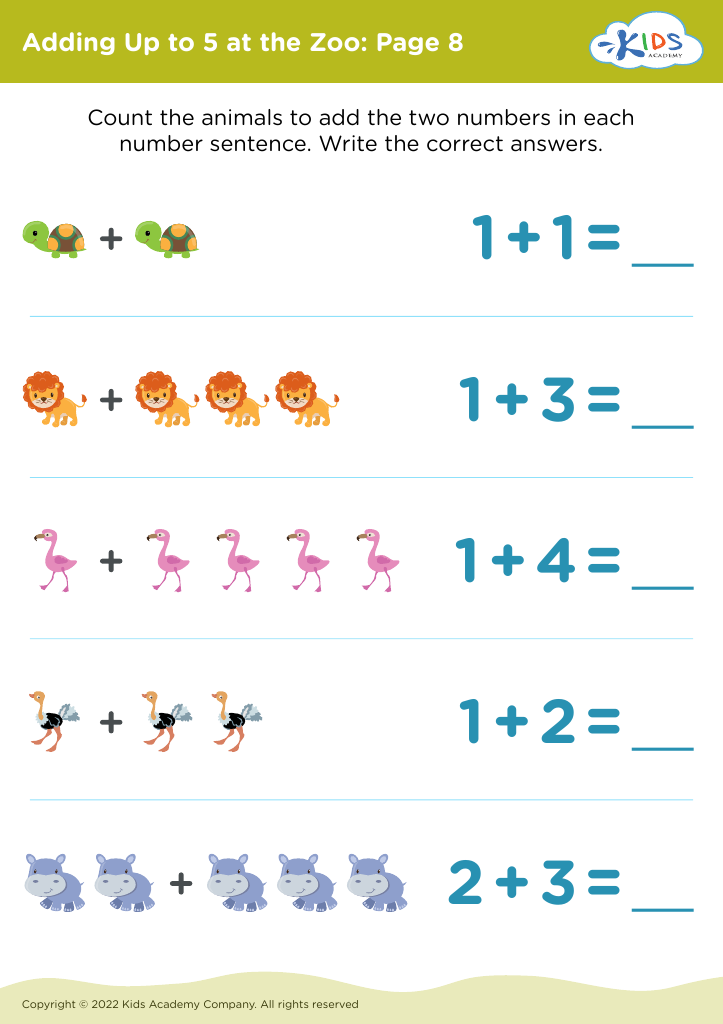
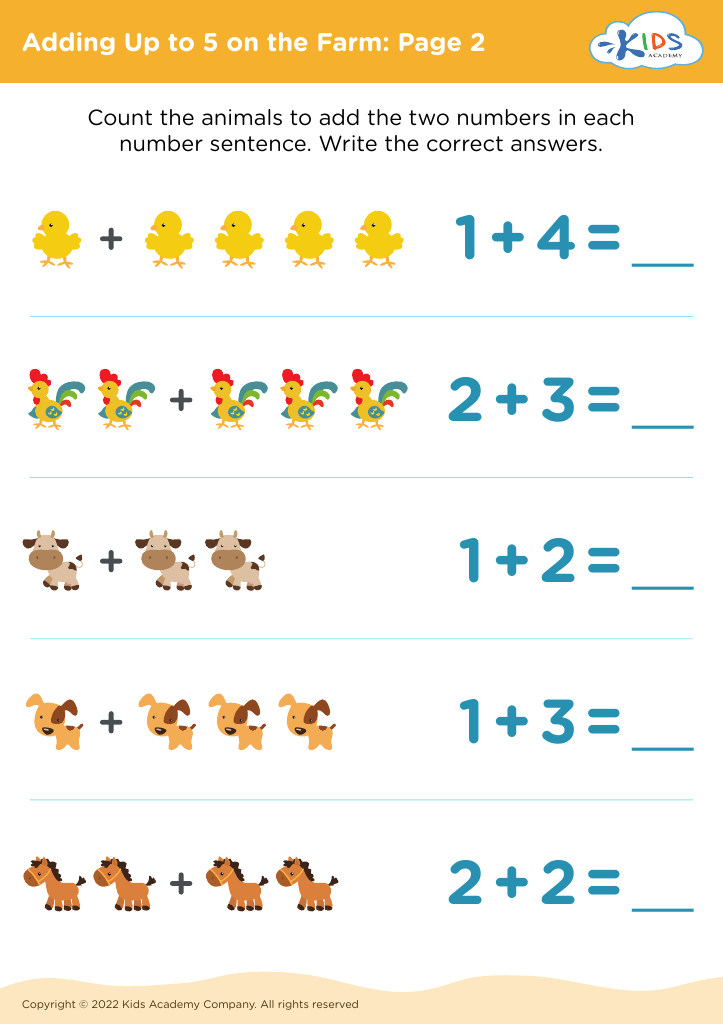
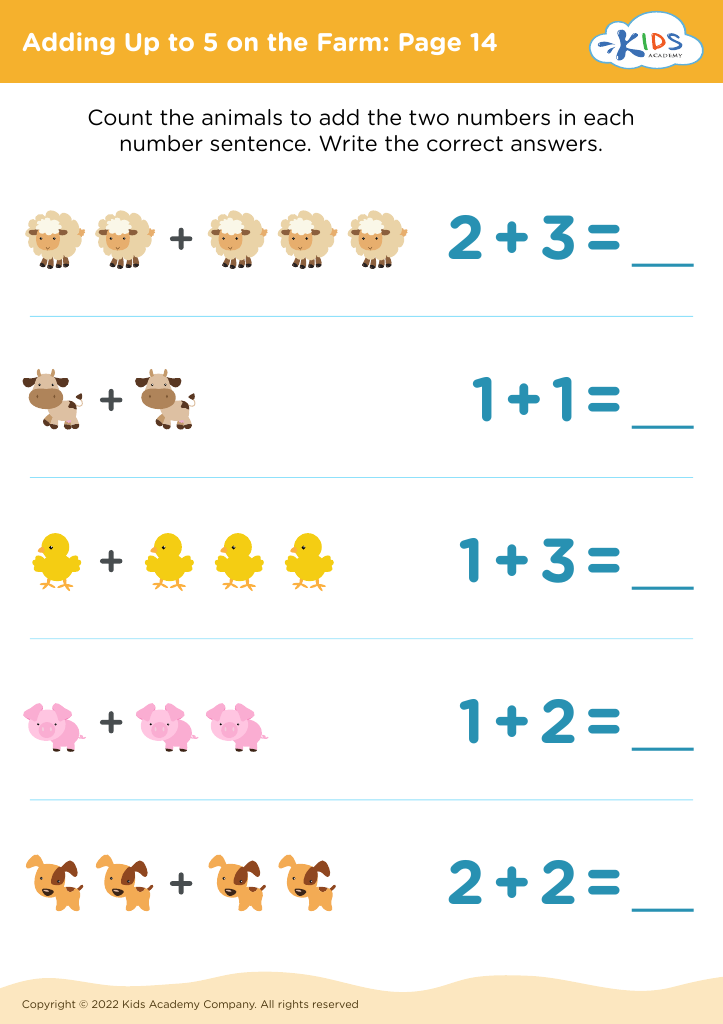
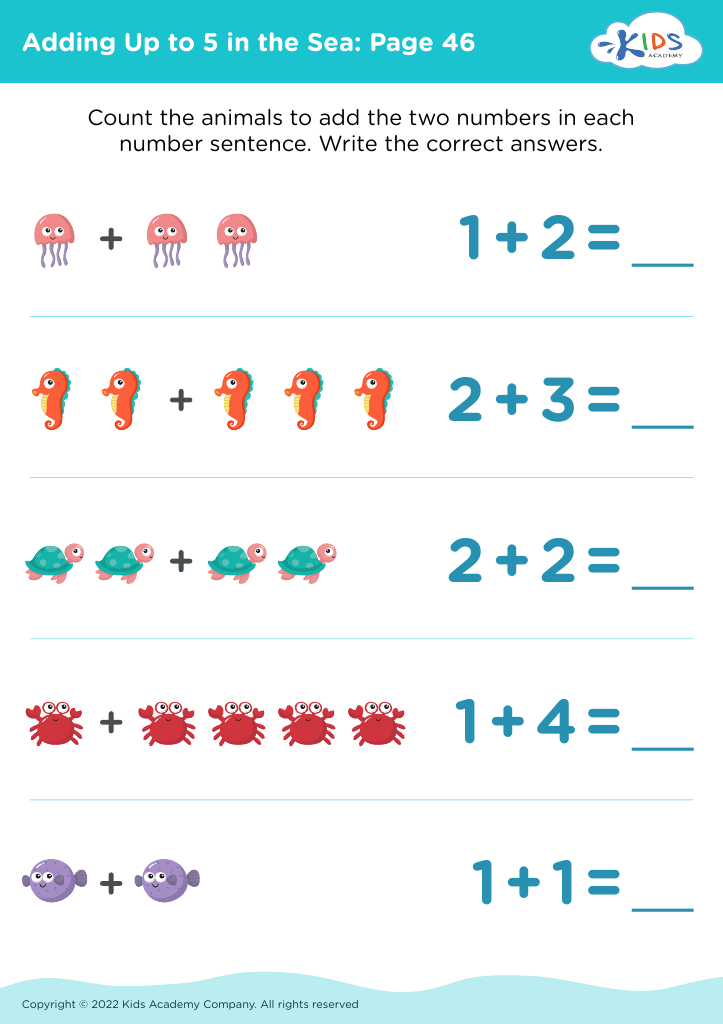
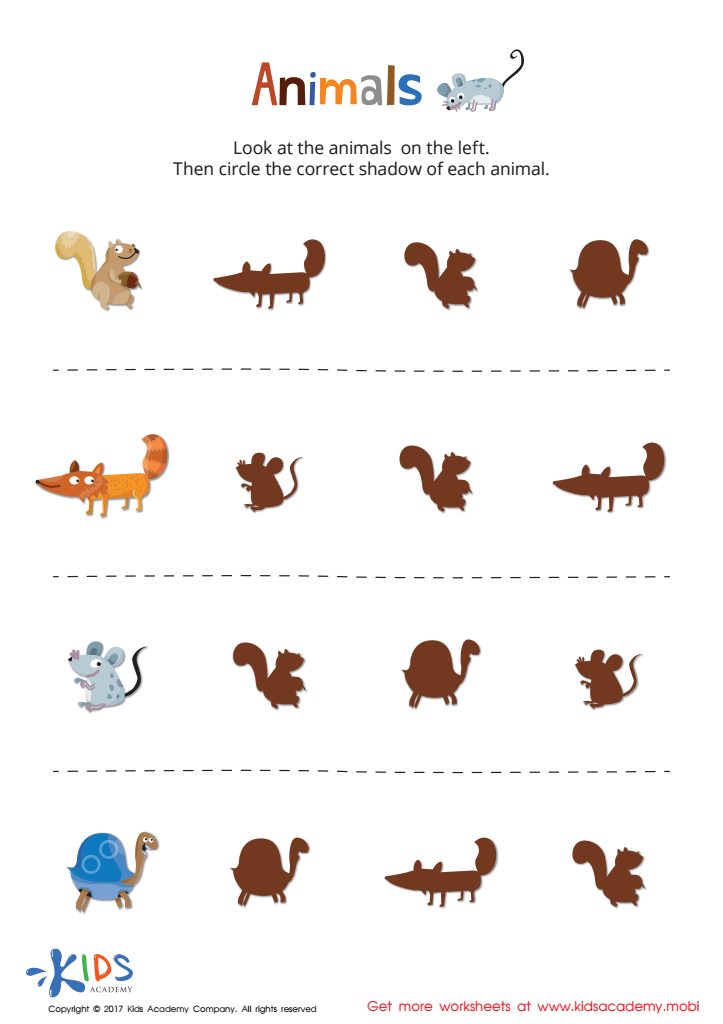
Animal Shadows Sorting Worksheet
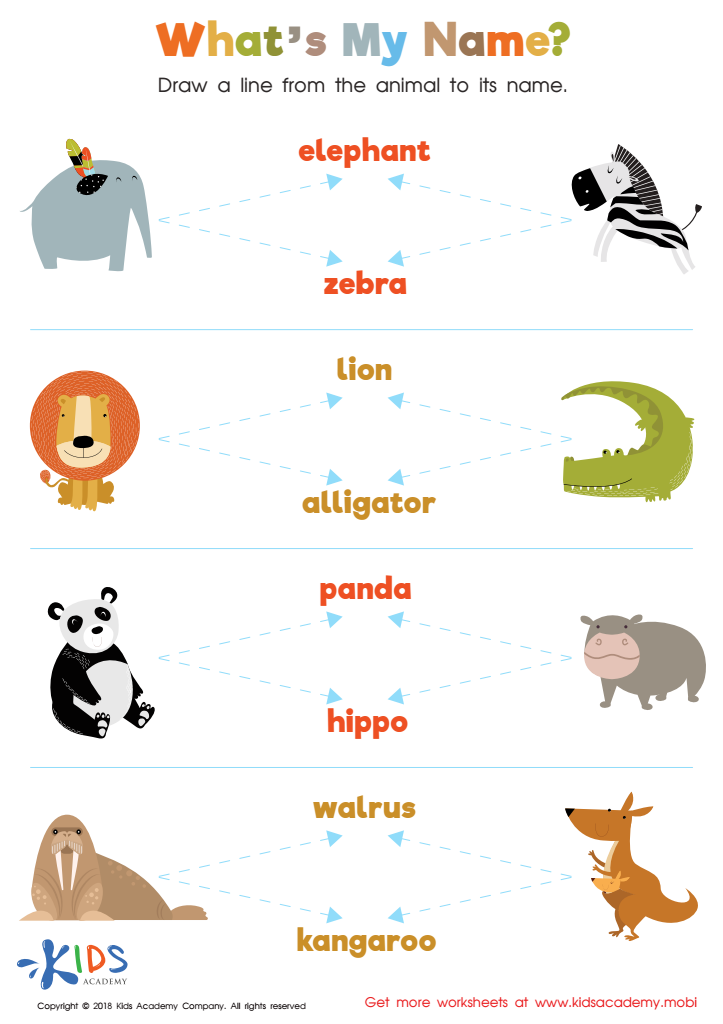
Animals and Their Names Worksheet
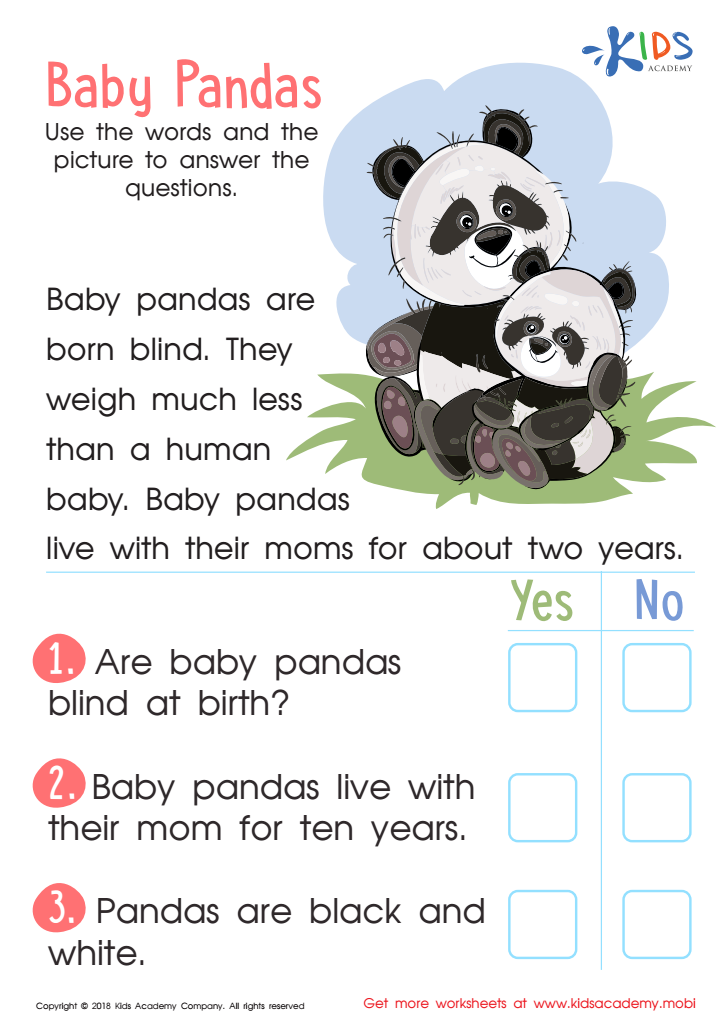
Baby Pandas Worksheet
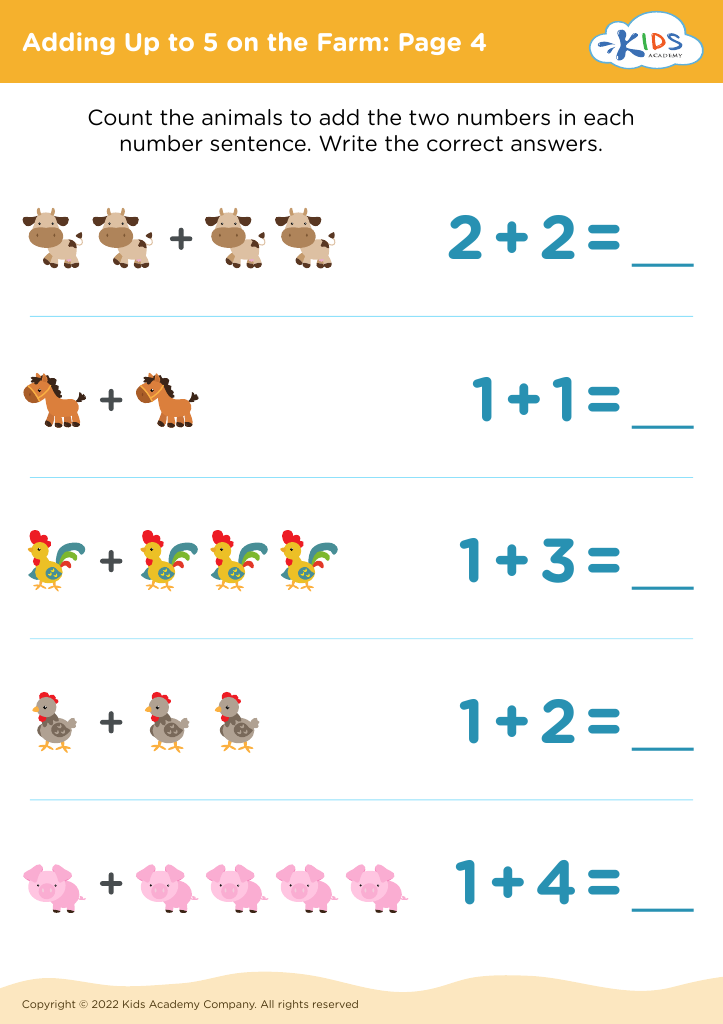
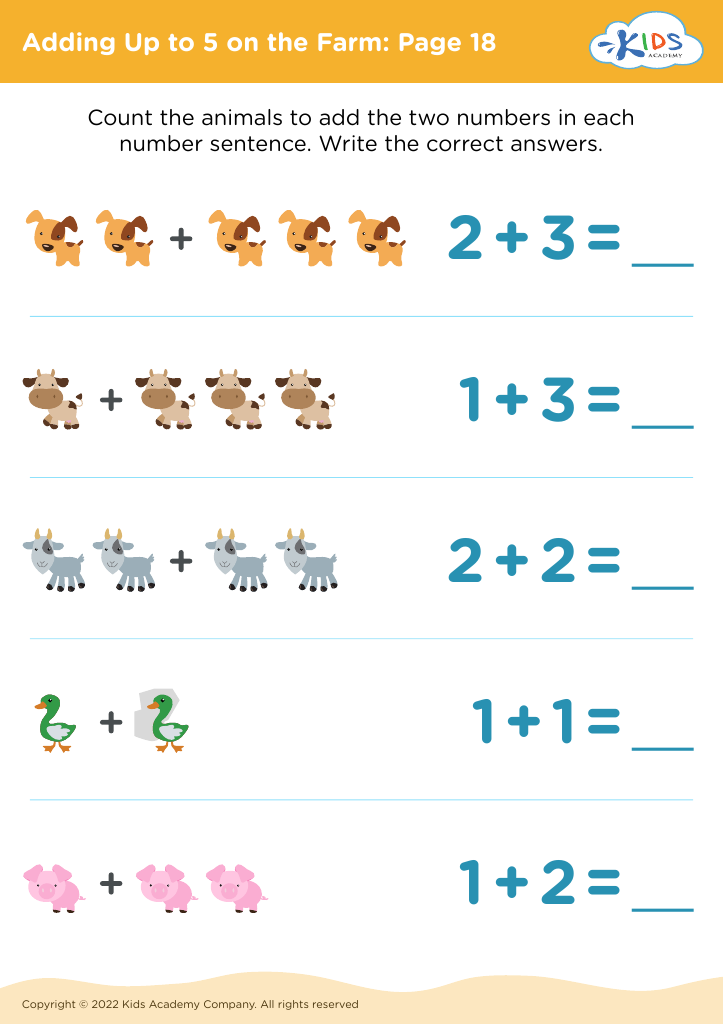
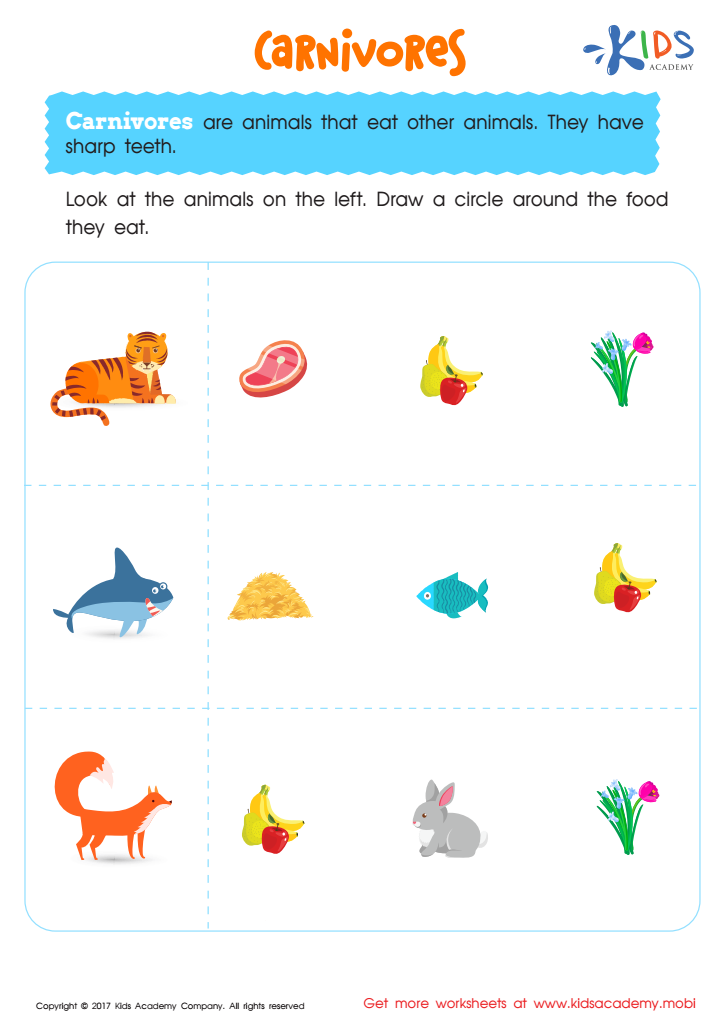
Carnivores Worksheet
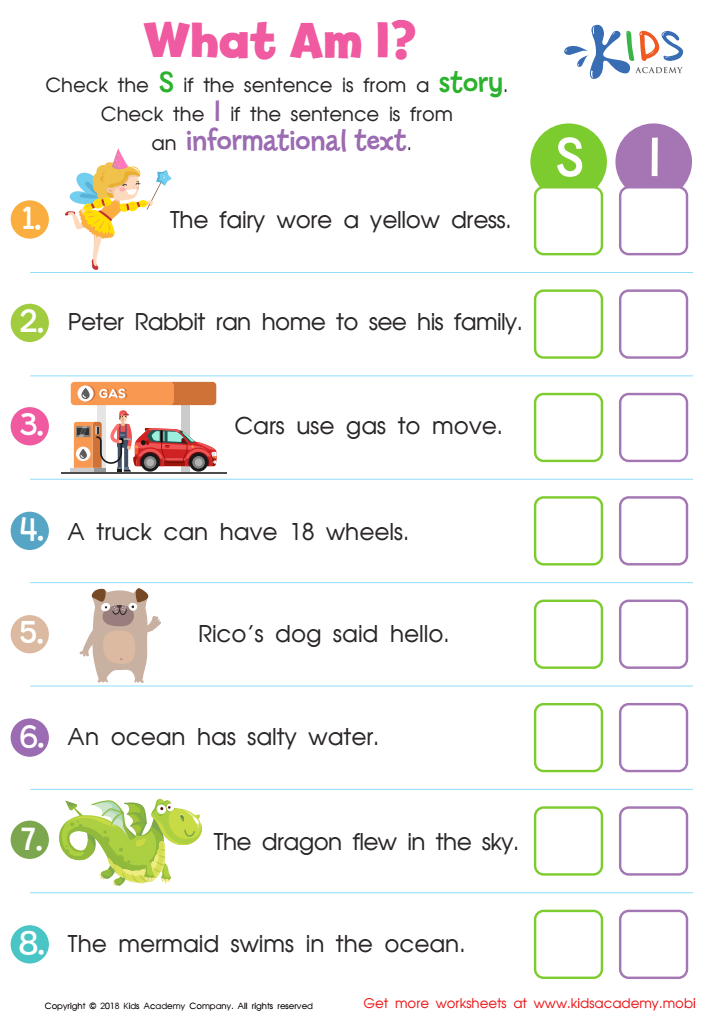
What Am I? Worksheet








Animal identification is crucial for children aged 3-9 for several reasons. First, it cultivates a sense of curiosity and wonder about the natural world, fostering a lifelong love for learning. By learning to identify various animals, children can develop observation skills, enhancing their abilities to analyze and categorize information.
Secondly, understanding animal types is foundational for appreciation in themes like ecosystems and biodiversity. As children recognize different species, they also learn the importance of each animal in maintaining ecological order. This knowledge encourages respect for nature and often inspires compassion for animals, fostering empathy and a sense of responsibility toward wildlife.
Additionally, animal identification can enhance social skills, as children often explore these topics in groups or through shared activities, encouraging teamwork and communication. Integrating animal identification into lessons, outdoor activities, or storytelling can provide engaging, multisensory experiences that support cognitive development.
Finally, these foundational lessons can pave the way for environmental stewardship, with informed individuals likely to engage in conservation efforts as they grow. Teaching children about animal identification is not just educational—it lays the groundwork for responsible citizenship and a deeper connection with the environment they inhabit.








