Attention to Detail Worksheets for Ages 3-9 - Page 2
29 filtered results
-
From - To
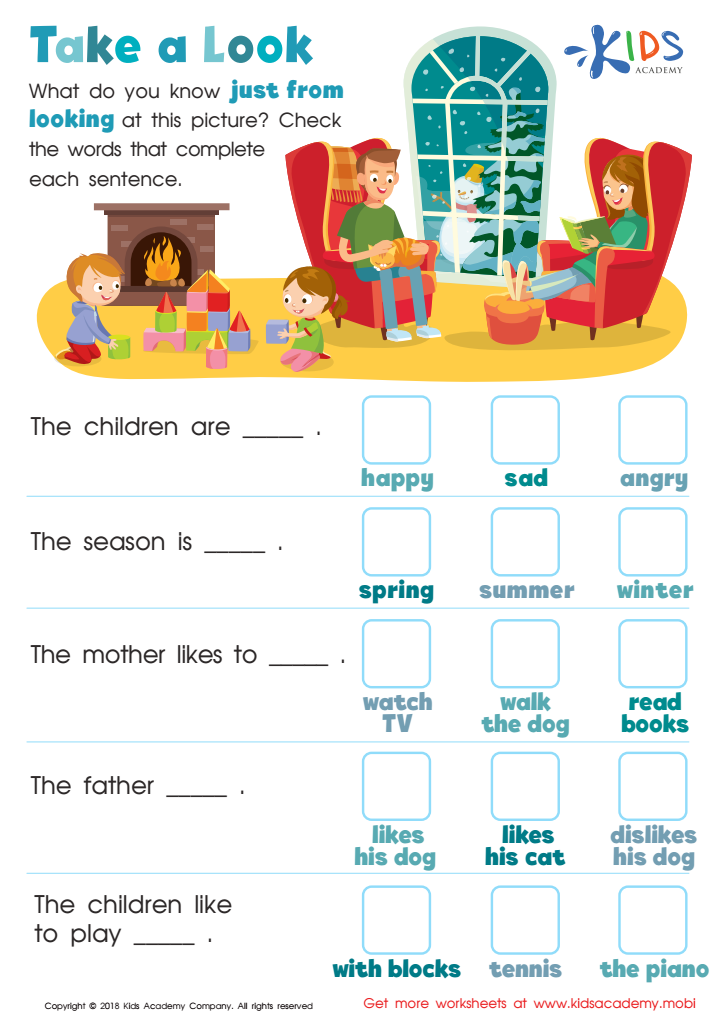
Take a Look - Part 1 Worksheet
 Assign to My Students
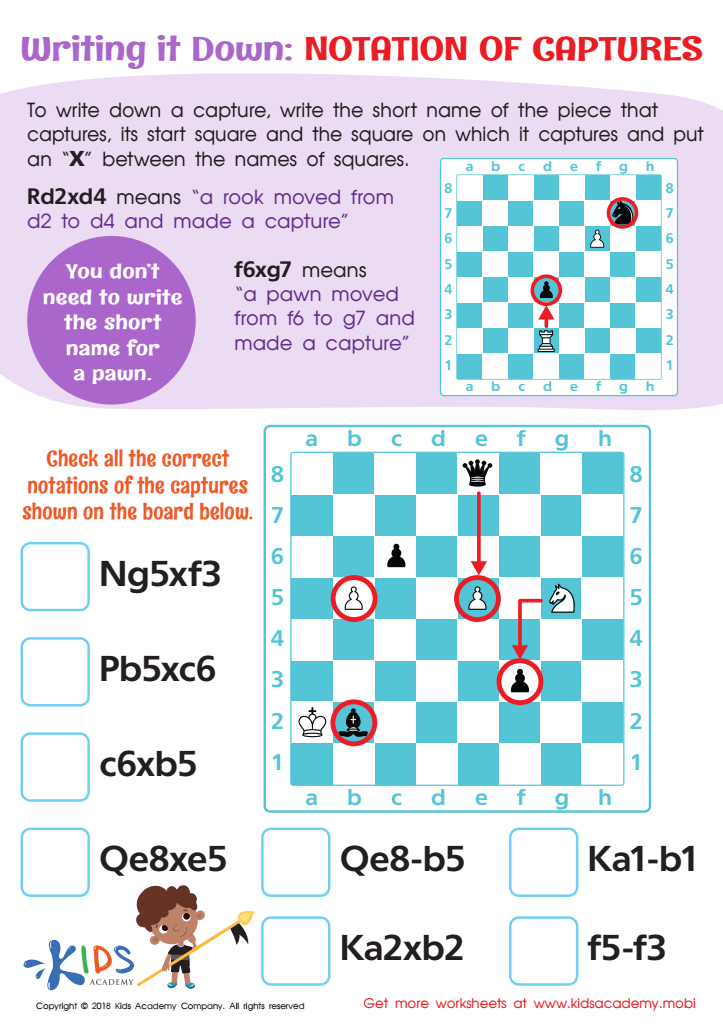
Notation of Captures Writing it Down Worksheet
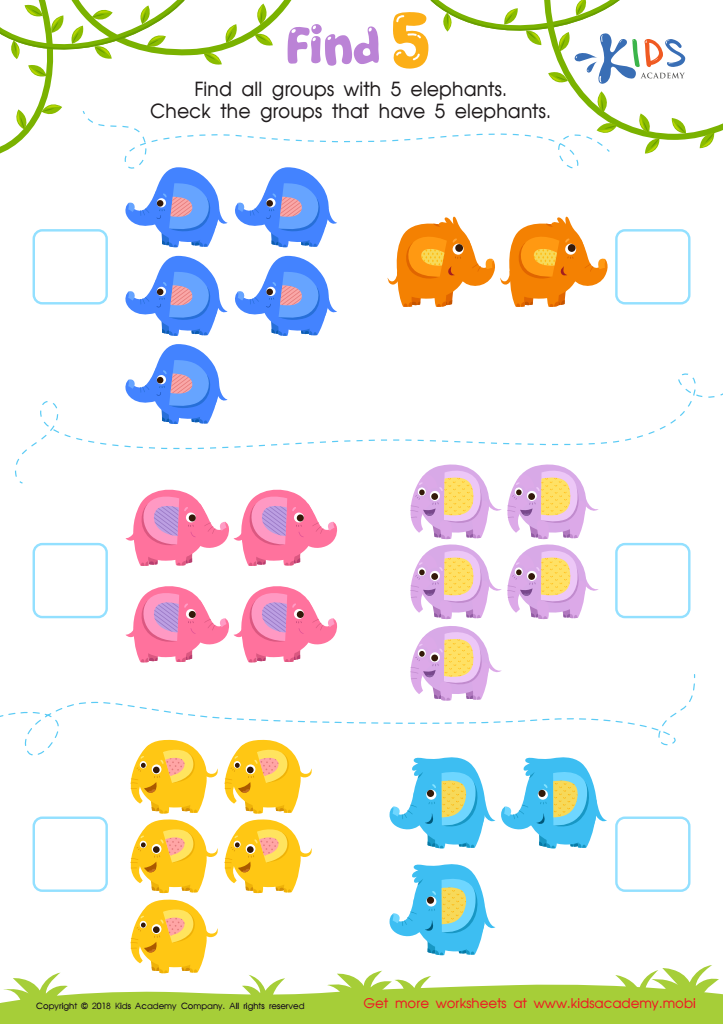
Find 5 Worksheet







Attention to detail is crucial for children ages 3-9, as it lays the foundation for their cognitive development and future academic success. During these formative years, children are naturally curious and eager to explore their environment. This stage is marked by the development of critical thinking skills, problem-solving abilities, and a growing awareness of the world around them.
Encouraging attention to detail helps children enhance their observational skills, enabling them to notice patterns, categorize objects, and make connections between concepts. For example, when learning to read, spotting differences in letters or understanding punctuation marks can greatly influence their comprehension and fluency. Additionally, detail-oriented play, like building blocks or completing puzzles, fosters fine motor skills and encourages creative thinking.
Teachers and parents play a vital role in nurturing this trait by engaging children in activities that promote close observation, such as nature walks, art projects, or interactive storytelling. Recognizing and celebrating their attention to detail strengthens their confidence and motivates them to explore further. Ultimately, by cultivating an appreciation for detail in this crucial developmental stage, we equip children with essential skills for lifelong learning, making them more effective learners and thinkers in the years to come.








