Comparative analysis Worksheets for Ages 3-9
10 filtered results
-
From - To
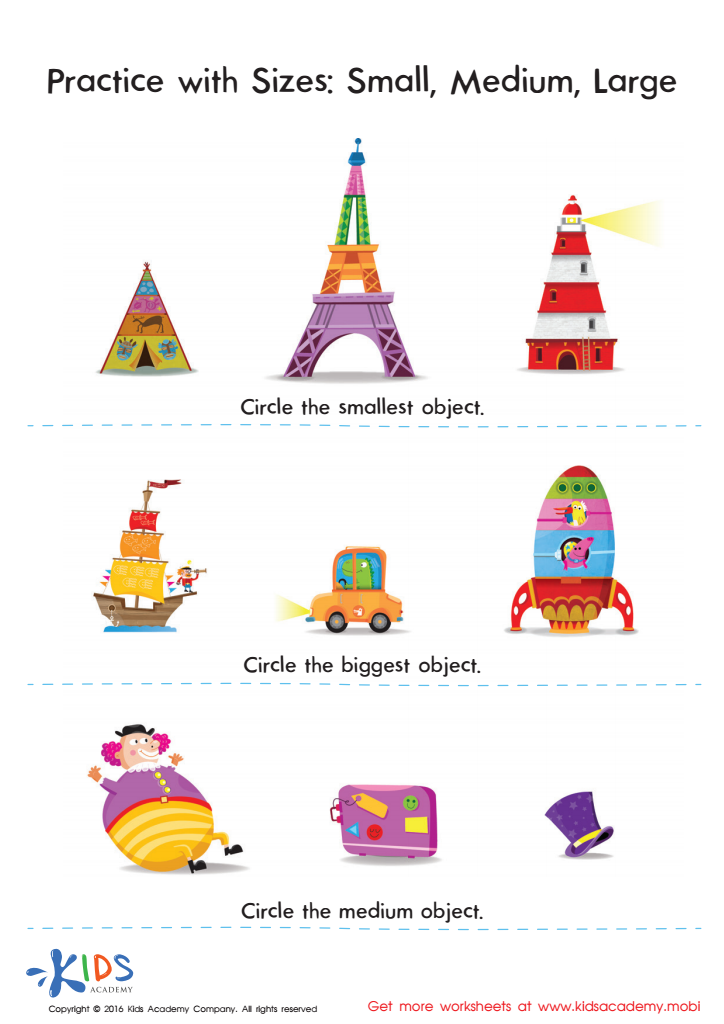
Explore our engaging Comparative Analysis Worksheets designed for children ages 3 to 9! Tailored to enhance critical thinking, these worksheets help young learners develop their analytical skills by comparing various elements such as size, quantity, and attributes. Through fun and interactive activities, kids will strengthen their cognitive abilities as they identify differences and similarities in objects and concepts. Perfect for classroom settings or at-home learning, our worksheets make important foundational skills enjoyable. Dive into a world of comparisons that fosters curiosity and boosts confidence, ensuring your child not only learns but enjoys the learning process! Ideal for early educators and parents alike!
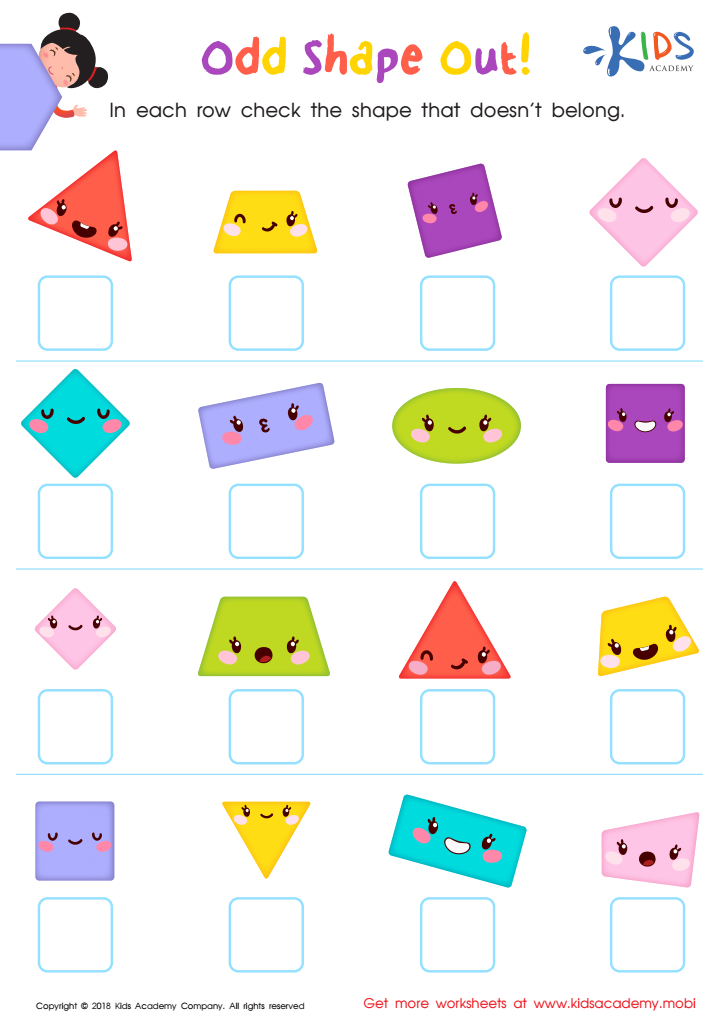
Odd Shape Out Worksheet for Grade 3
 Assign to My Students
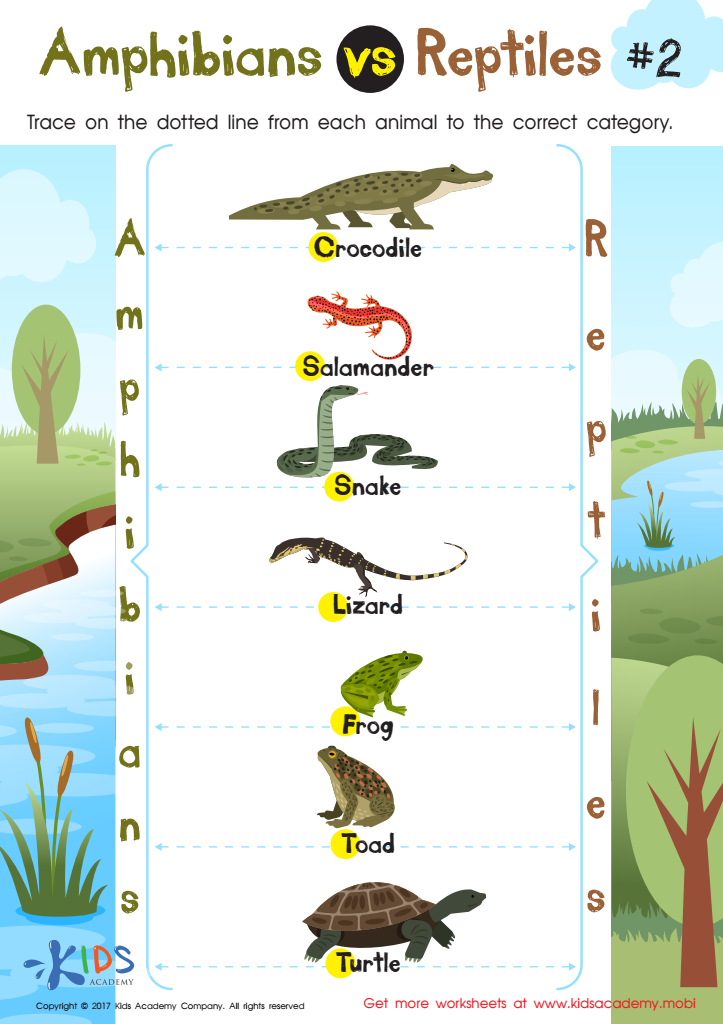
Amphibians vs Reptiles Worksheet for 3rd Grade
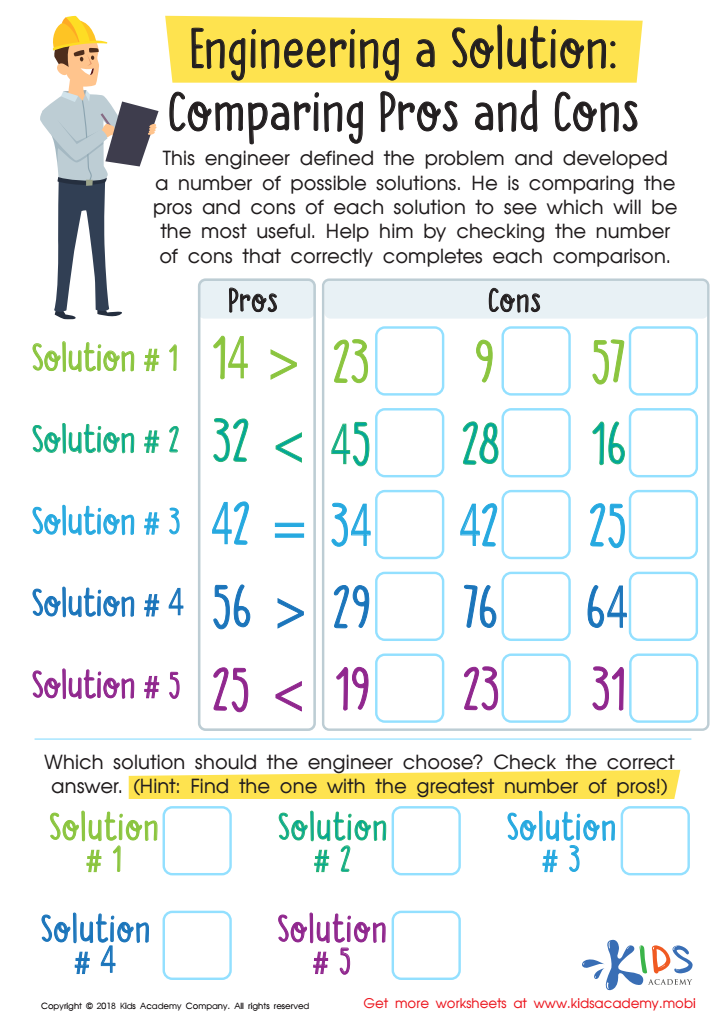
Engineering a Solution: Comparing Pros and Cons Worksheet
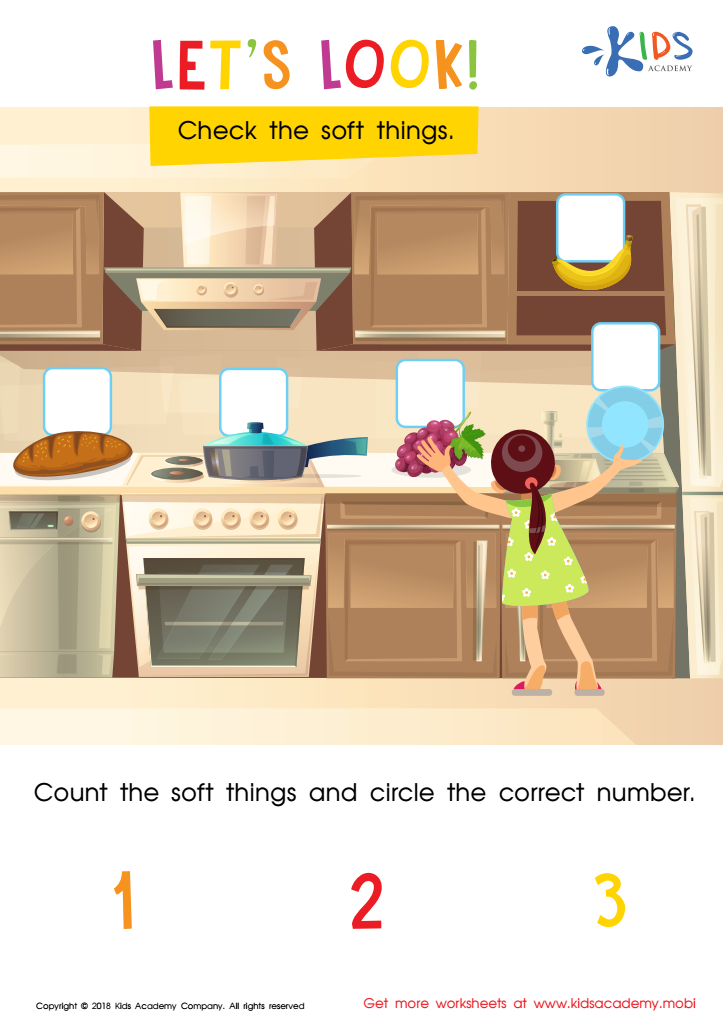
Let's Look! Assessment Worksheet
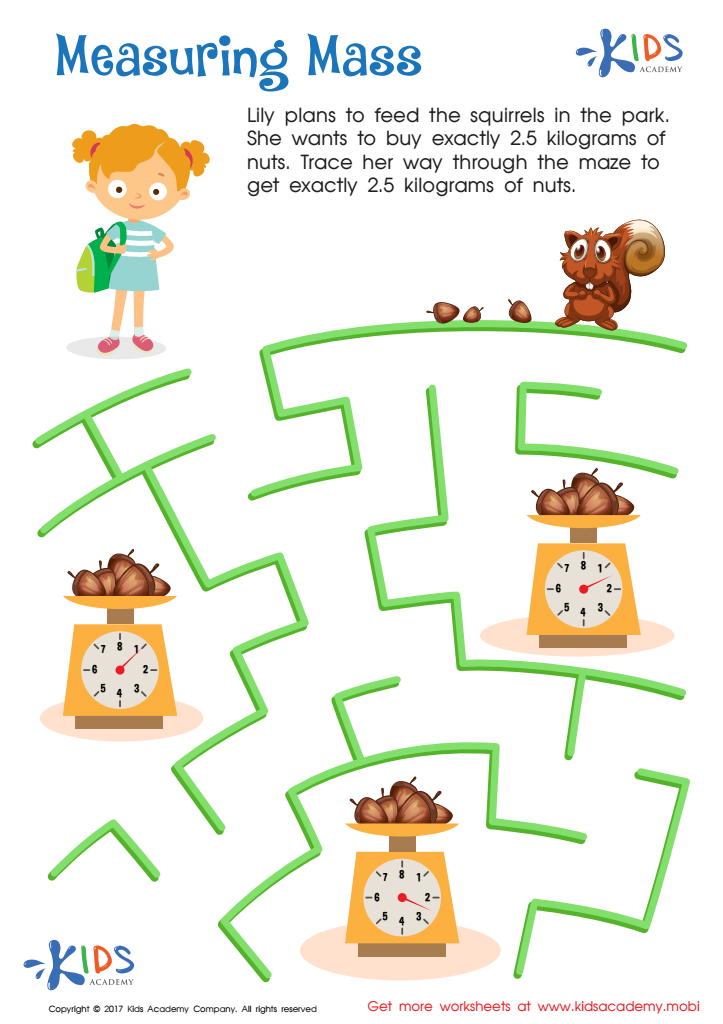
Measuring Mass Worksheet
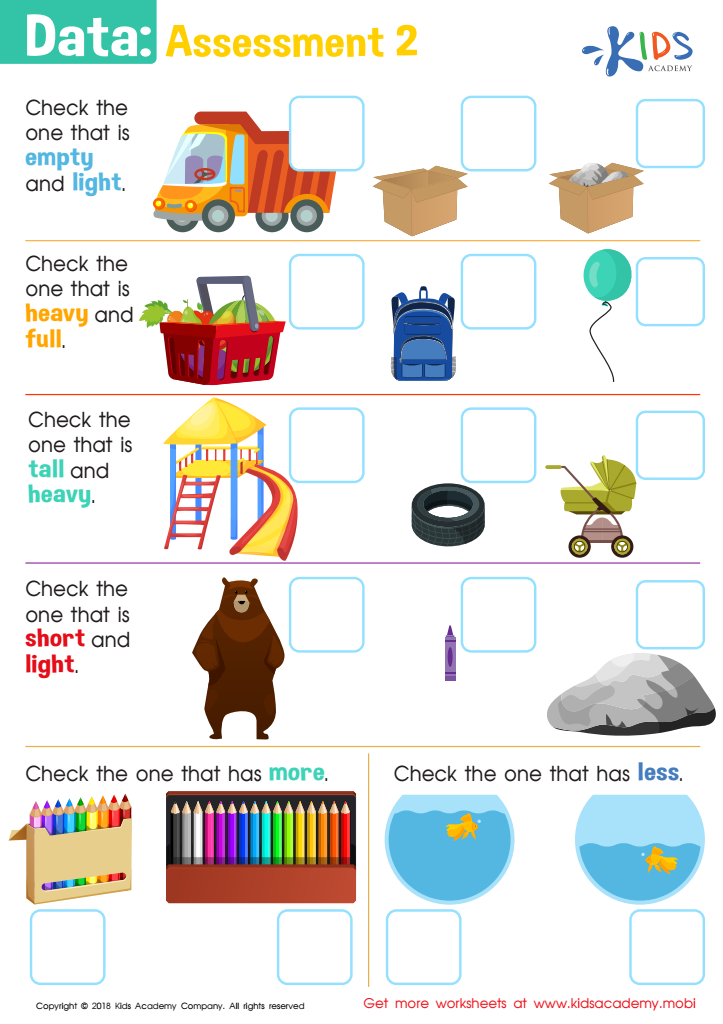
Data: Assessment 2 Worksheet
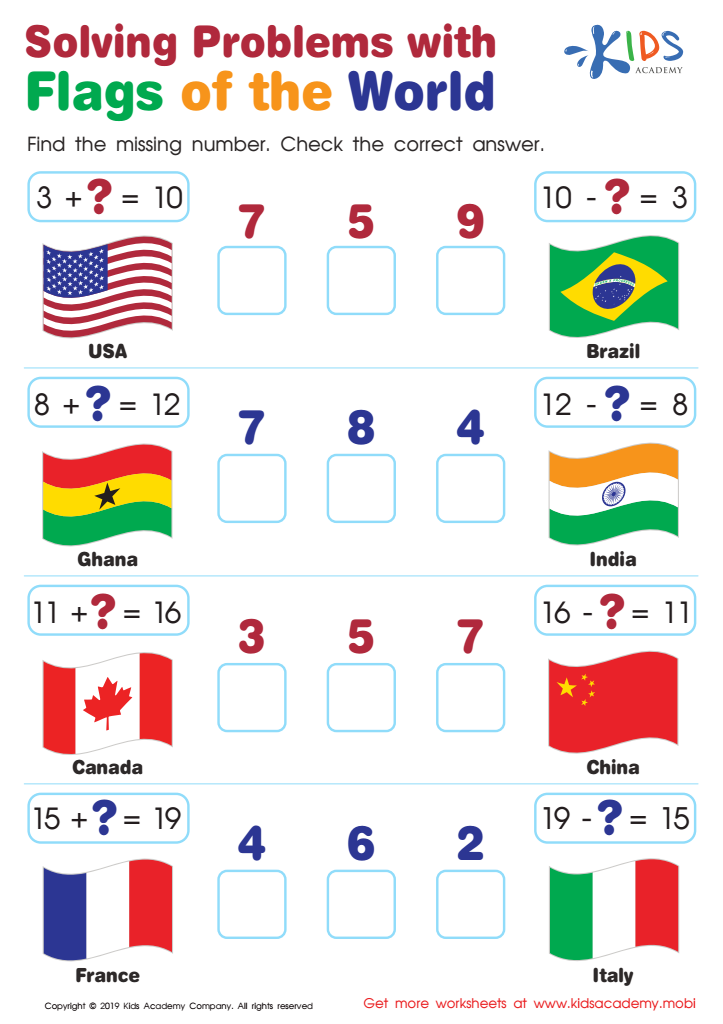
Solving Problems with Flags of the World Worksheet
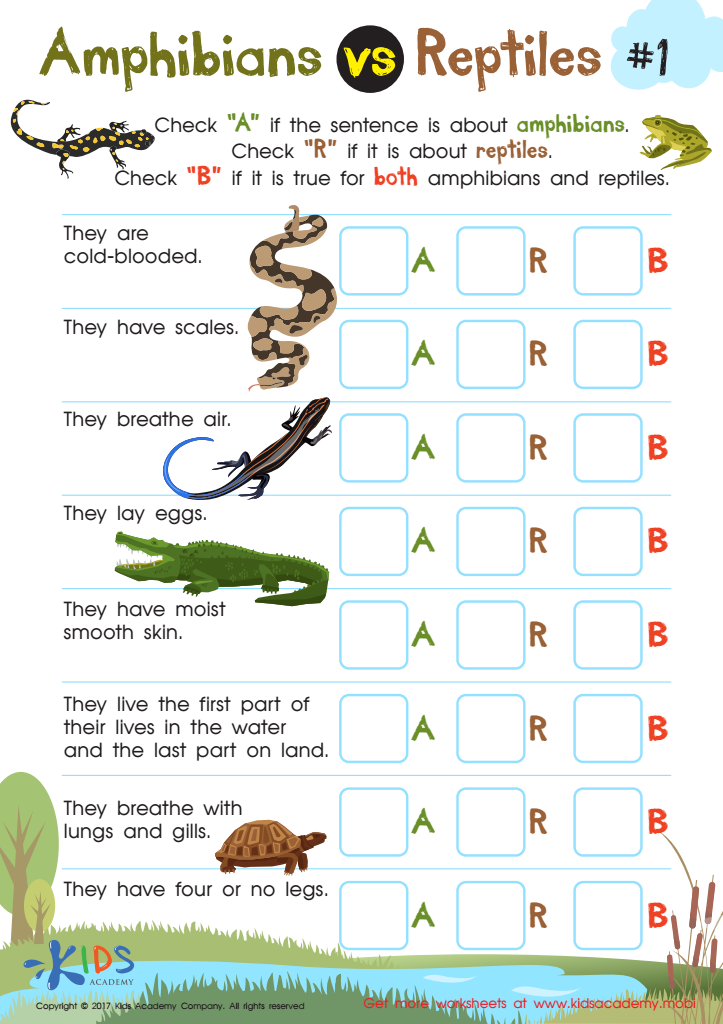
Amphibians vs Reptiles Worksheet








Comparative analysis for children ages 3-9 is crucial as it helps educators and parents understand developmental milestones, learning styles, and cognitive growth across various domains. By examining differences and similarities between individual children or groups, stakeholders can identify strengths and weaknesses in academic abilities, social skills, and emotional development. This insight enables them to tailor learning experiences and interventions to meet each child's unique needs.
Moreover, comparative analysis can highlight the impact of diverse teaching methodologies, curricula, and environments. By understanding what works effectively across different settings, teachers can adopt best practices to enhance educational outcomes. Parents, too, can gain valuable perspectives on their child's progress in relation to peers, fostering a supportive home environment that encourages learning.
In an increasingly diverse classroom, comparative analysis also aids in addressing equity and inclusion, ensuring that all children, regardless of background, receive the necessary support. Ultimately, this evaluation serves as a foundation for improved communication and collaboration between educators and families, resulting in a more cohesive approach to supporting children's growth and development during these formative years. Thus, investing attention in comparative analysis is significant for maximizing each child’s potential and nurturing well-rounded, capable individuals.








