Develop problem-solving abilities Worksheets for Ages 3-9
6 filtered results
-
From - To
Discover our engaging "Develop Problem-Solving Abilities" worksheets for children ages 3-9. Designed to nurture critical thinking, these fun activities help kids master essential problem-solving skills. From simple puzzles to more challenging tasks, our worksheets provide a step-by-step approach, enhancing creativity and cognitive development. Perfect for parents and teachers, these resources cover key learning areas, making it easy to support your child's educational journey at home or in the classroom. Equip your youngster with the tools needed to solve problems effectively and confidently with our expertly crafted worksheets. Explore and start boosting their brainpower today!
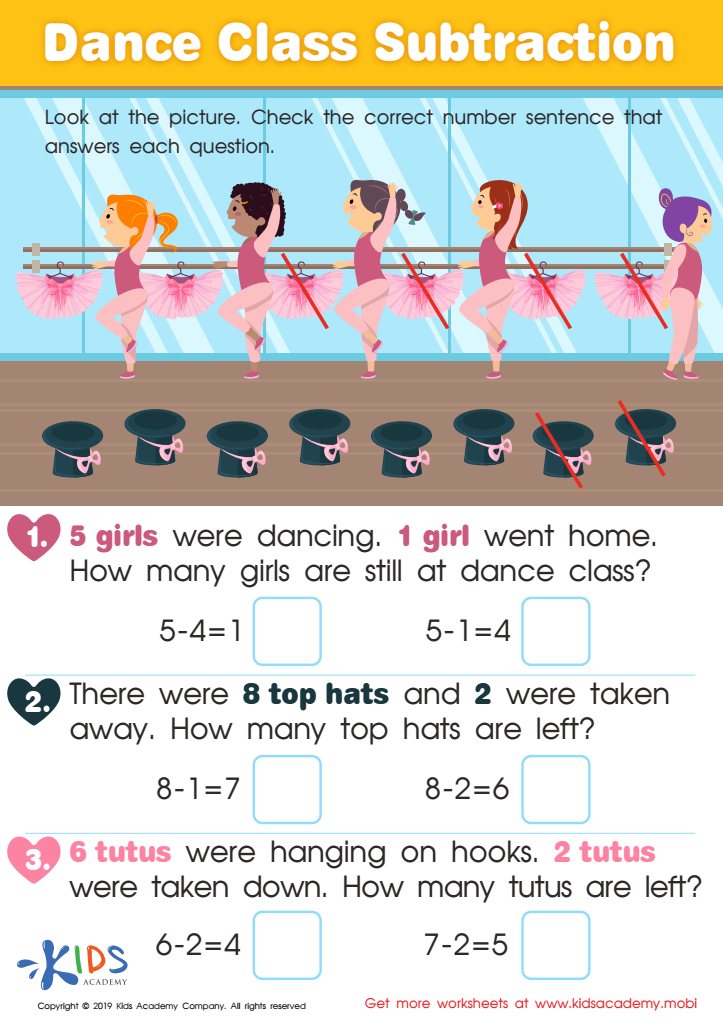
Dance Class Subtraction Worksheet
 Assign to My Students
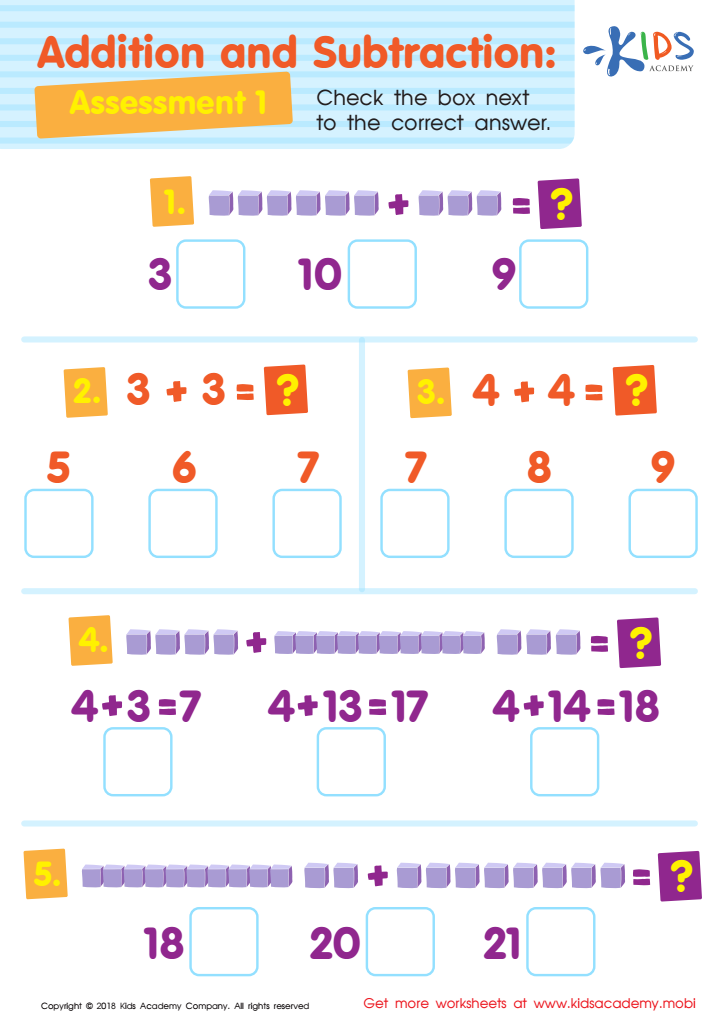
Addition and Subtraction Assessment 1 Worksheet
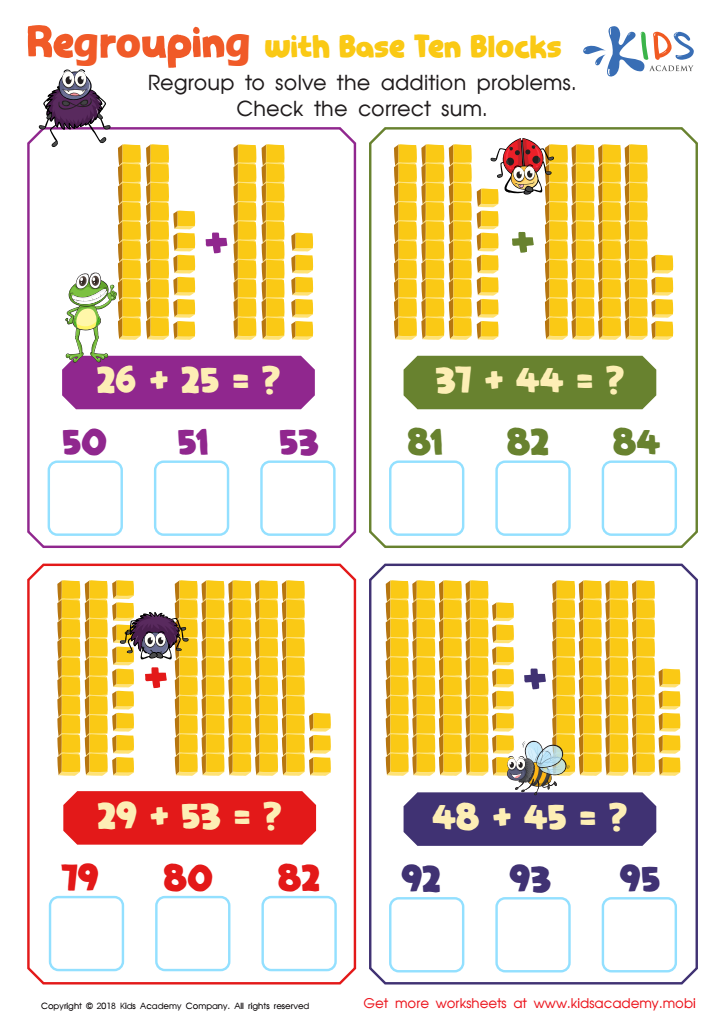
Regrouping With Base Ten Blocks Worksheet
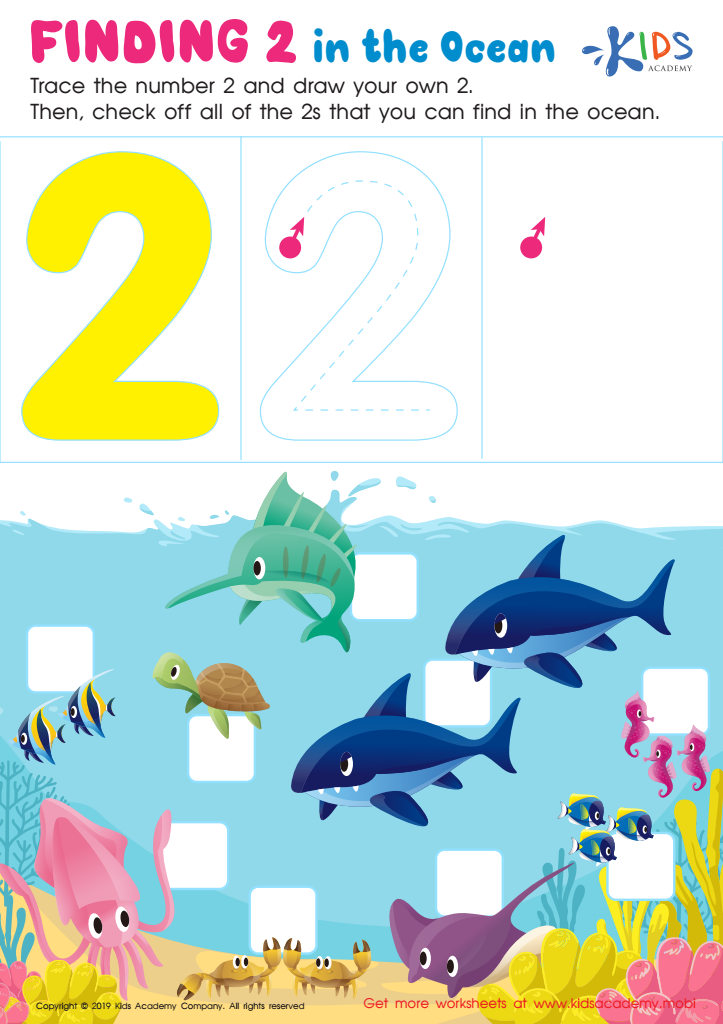
Finding 2: In the Ocean Worksheet
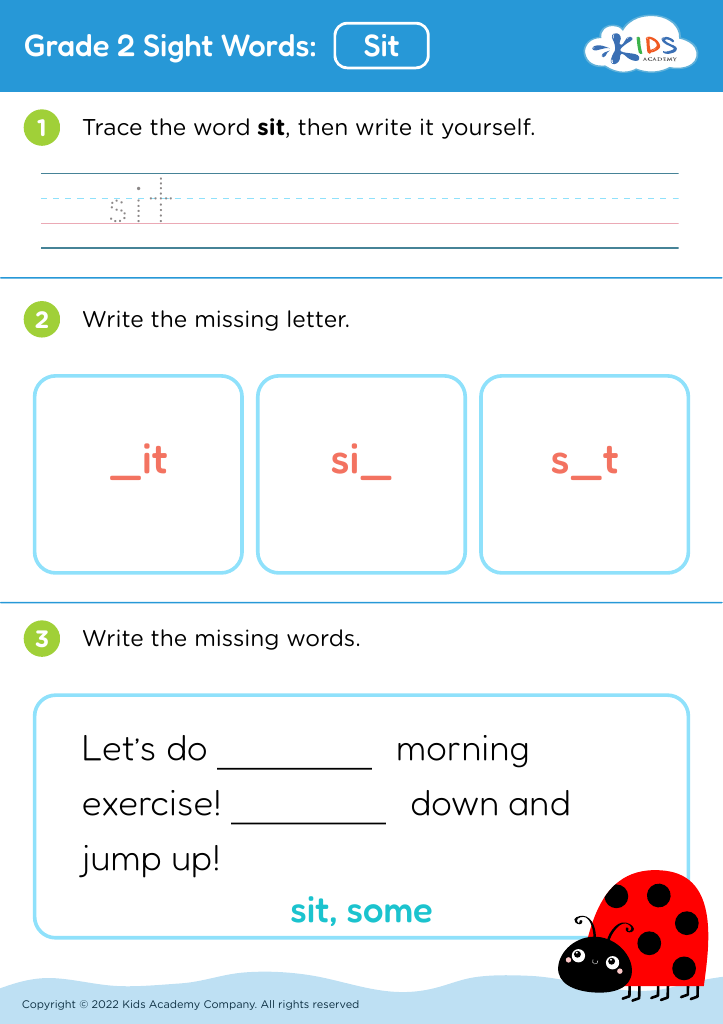
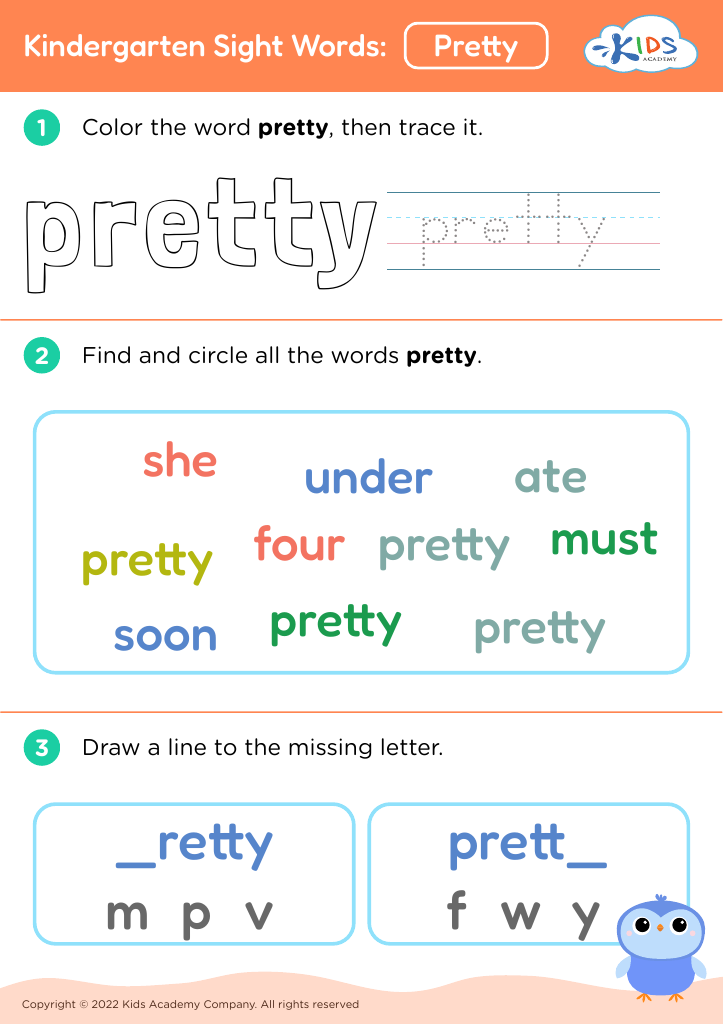








Developing problem-solving abilities in children ages 3-9 is crucial for their overall growth and prepares them for future academic and life challenges. At this age, children's brains are highly adaptable and capable of learning new skills quickly. Enhancing problem-solving skills aids cognitive development, strengthens logical thinking, and encourages independence. Children who learn to solve problems become better decision-makers and are often more resilient.
In the classroom, problem-solving is foundational for subjects like math and science, where children need to identify issues, analyze options, and find solutions. Beyond academics, these skills contribute to emotional intelligence, as children learn to navigate social situations efficiently and handle conflicts amicably. For parents, fostering problem-solving at home means encouraging a child’s curiosity and enabling them to handle minor challenges independently.
Activities like puzzles, games, and open-ended questions stimulate problem-solving skills. These activities teach patience, perseverance, and critical evaluation, essential traits for successful and fulfilling lives. Moreover, when children feel capable of tackling issues, their self-esteem improves, benefiting their overall mental health. Therefore, investing time in developing problem-solving abilities forms a vital cornerstone for a child's lifelong learning and success.








