Developing fine motor skills Worksheets for Ages 3-9
8 filtered results
-
From - To
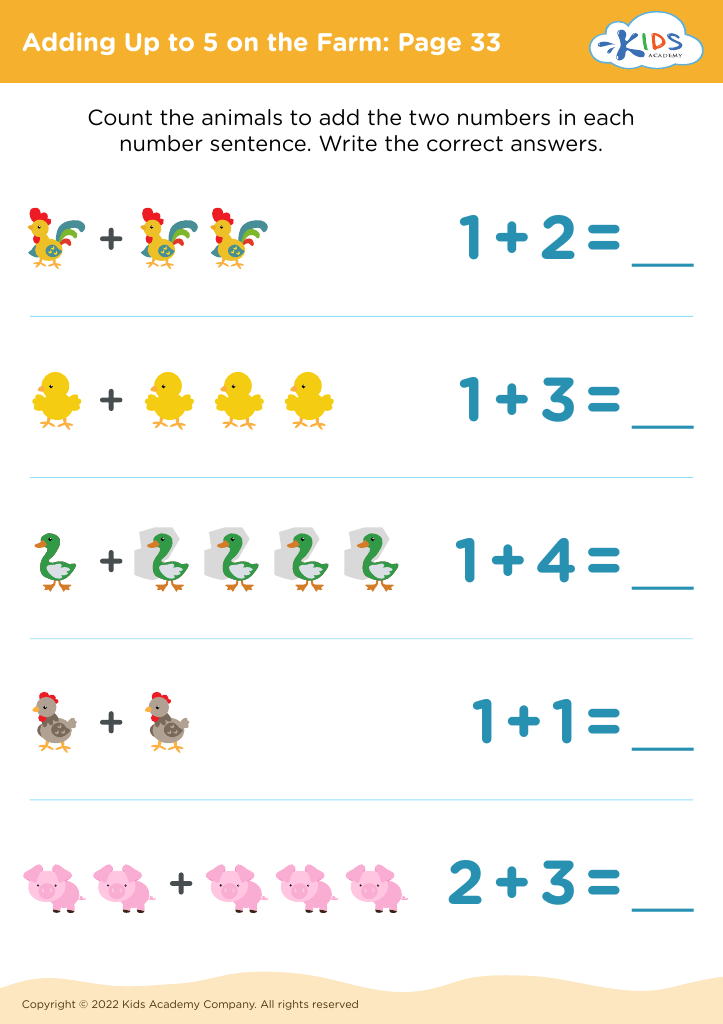
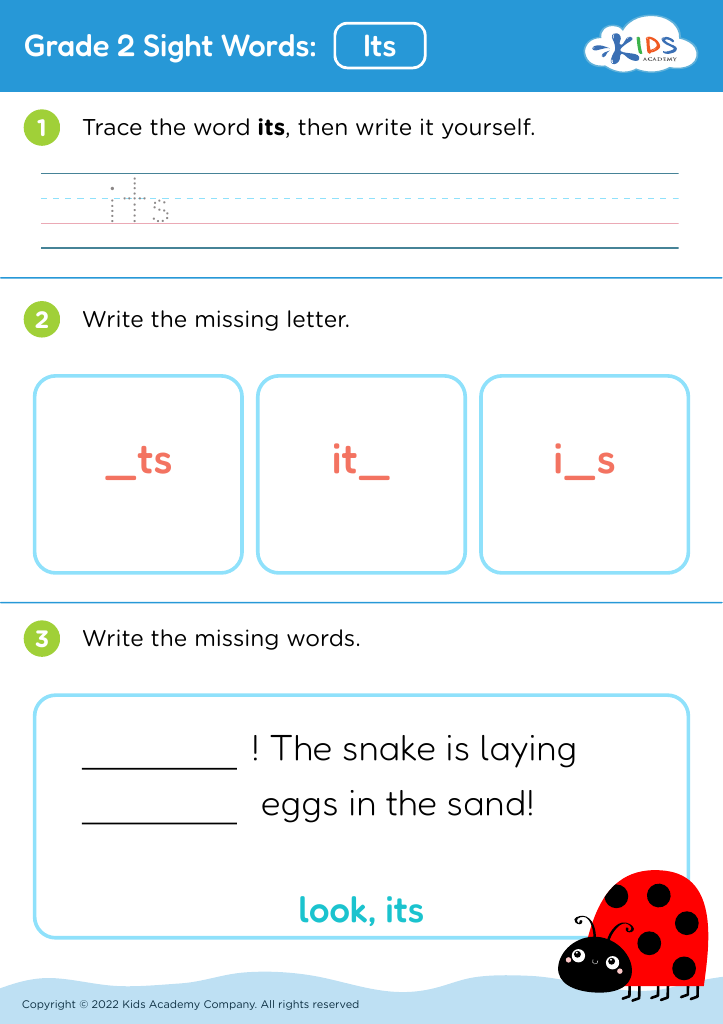
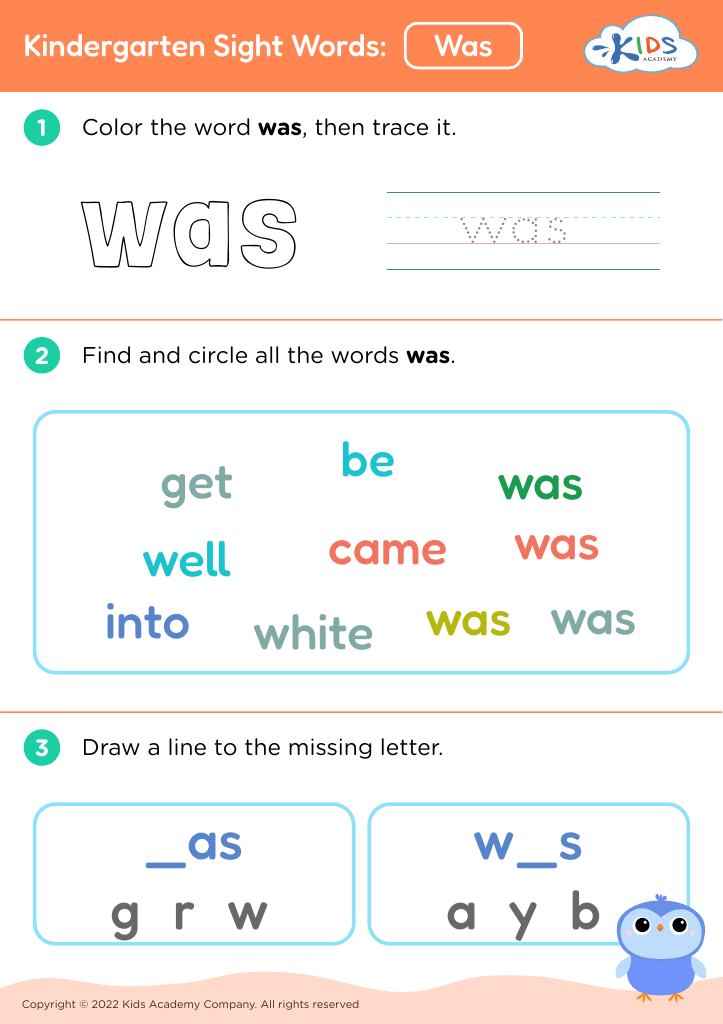
Discover our engaging "Developing Fine Motor Skills Worksheets for Ages 3-9" designed to enhance young learners' dexterity and coordination. These printable worksheets feature a variety of fun activities that promote essential skills like grasping, tracing, and cutting. Perfect for preschool and early elementary ages, each worksheet is crafted to keep children motivated while honing their abilities. Whether at home or in the classroom, these resources cater to different learning styles and developmental levels. Help your child develop the fine motor skills necessary for writing, drawing, and engaging in everyday tasks with our thoughtfully created and easily accessible worksheets!
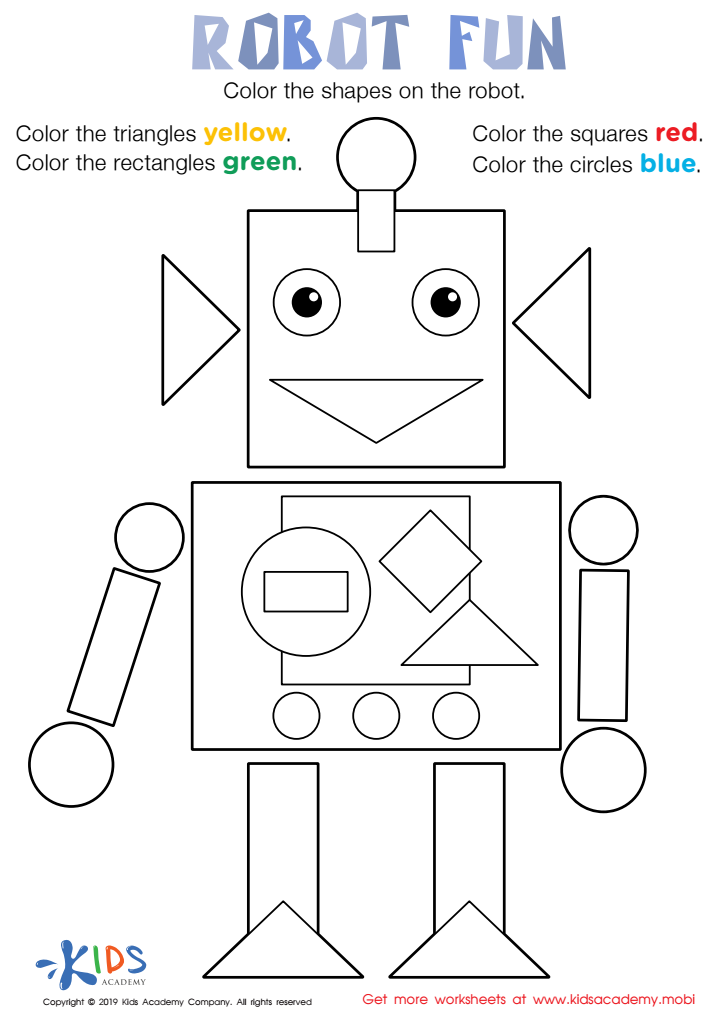
Robot Fun Worksheet
 Assign to My Students









Developing fine motor skills in children aged 3 to 9 is crucial for several reasons. First, these skills lay the foundation for everyday tasks, such as writing, buttoning clothing, and using utensils, fostering independence. Children who struggle with fine motor tasks may experience frustration, which can lead to negative school experiences and hinder self-confidence.
Moreover, fine motor skill development is linked to cognitive growth. Activities that strengthen these skills, like drawing, cutting, or manipulating small objects, encourage problem-solving and hand-eye coordination. These skills also translate to early literacy, as children who can hold and control writing instruments better express their ideas on paper.
In addition, fine motor skills contribute significantly to social interactions. Playing games that require sharing and teamwork helps foster socialization, cooperation, and communication. Furthermore, engaging children in fine motor activities promotes patience and persistence, essential traits for lifelong learning.
Ultimately, nurturing fine motor skills through play and structured activities not only boosts children's personal skills and cognitive development, but also sets them up for future academic success, encouraging a well-rounded foundation for healthy development across multiple domains. Thus, parents and teachers should prioritize fine motor skill development as a vital aspect of early childhood education.








