Improving math skills Worksheets for Ages 3-9 - Page 2
49 filtered results
-
From - To
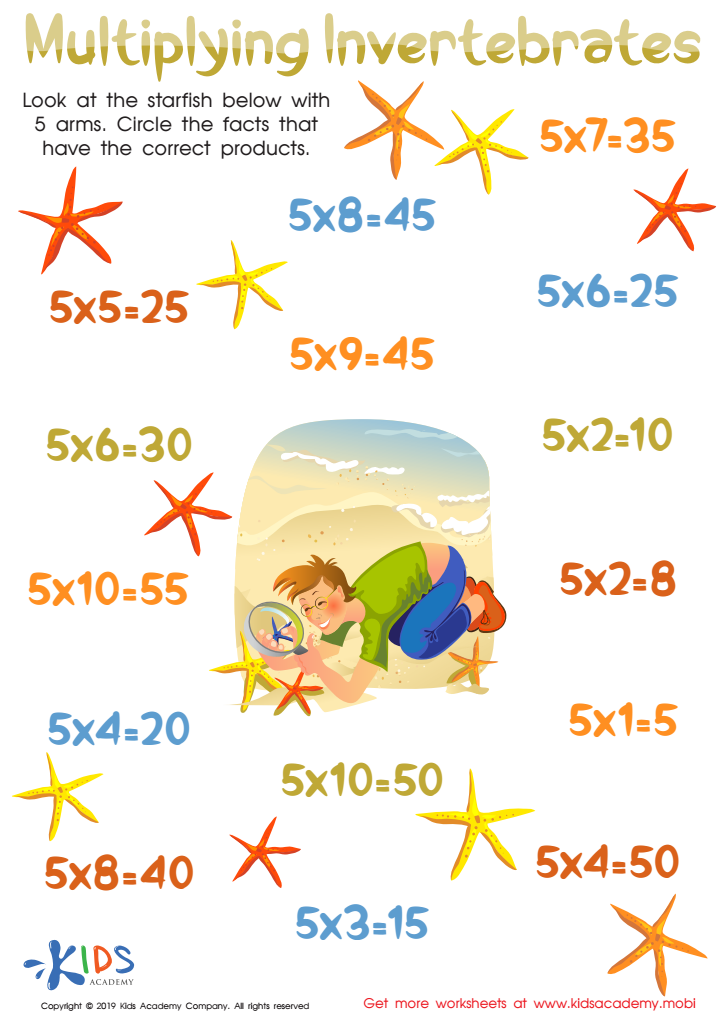
Multiplying Invertebrates Worksheet
 Assign to My Students
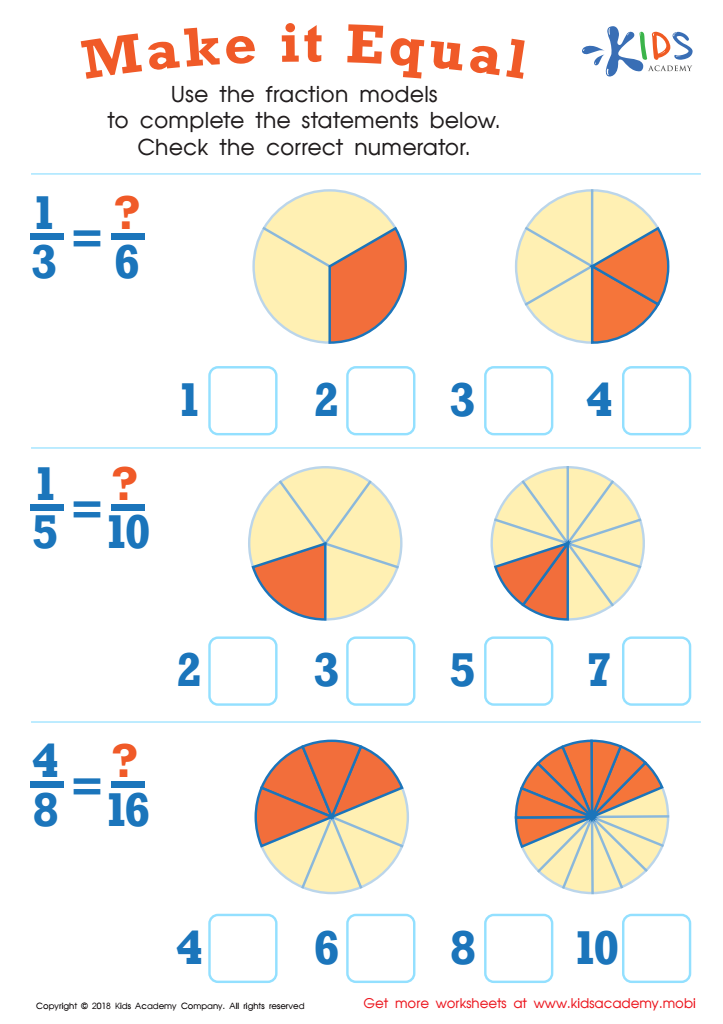
Make It Equal Worksheet
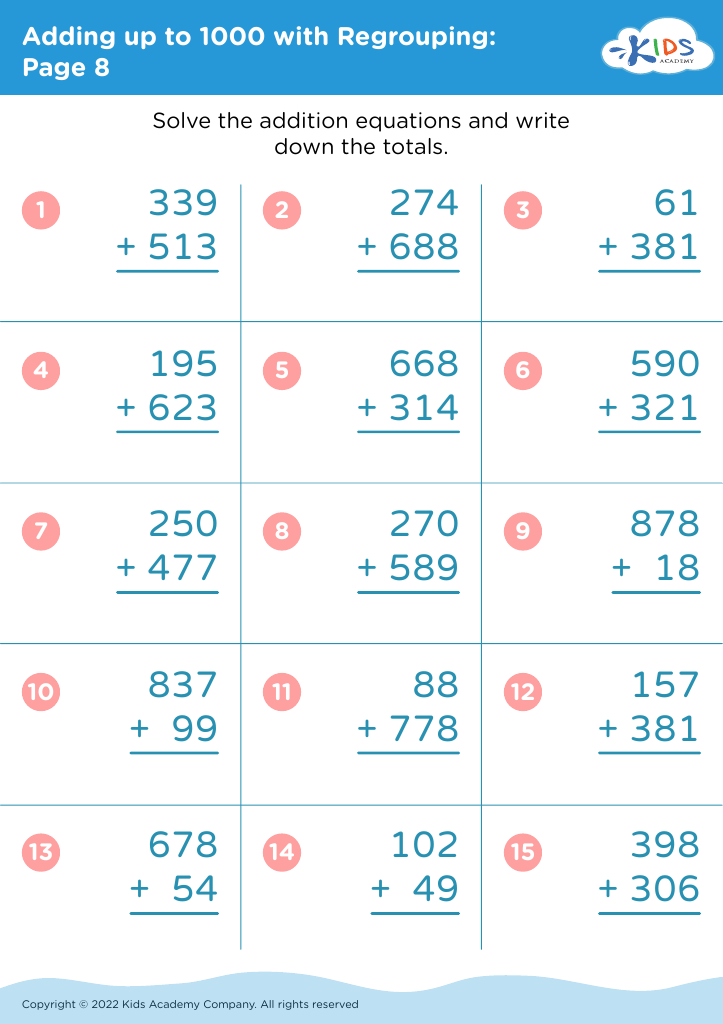
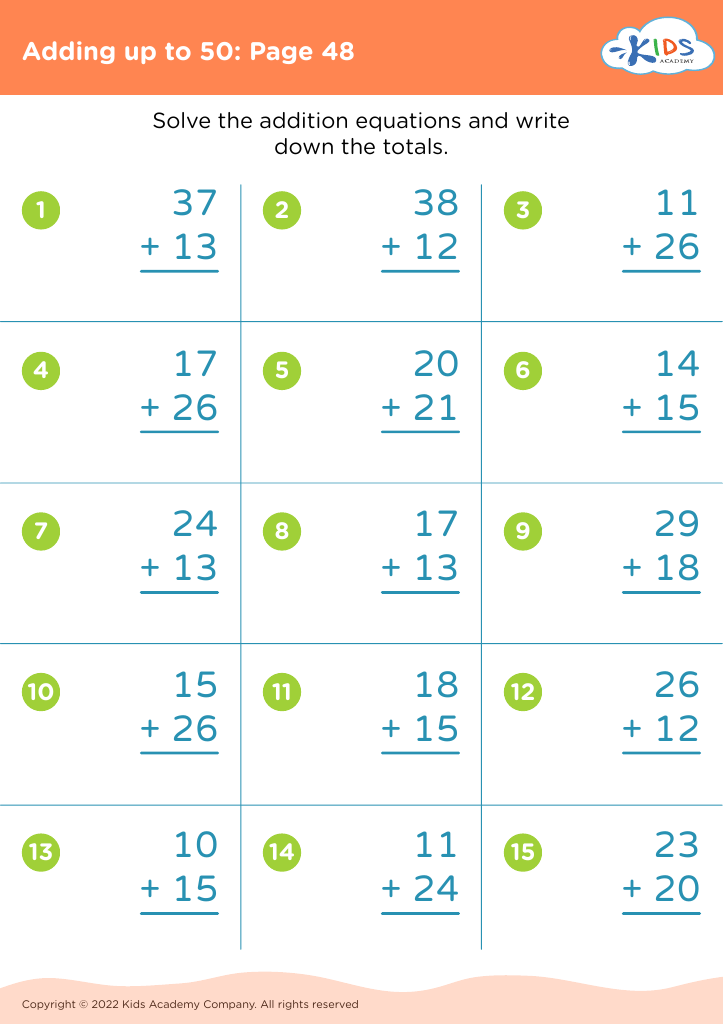
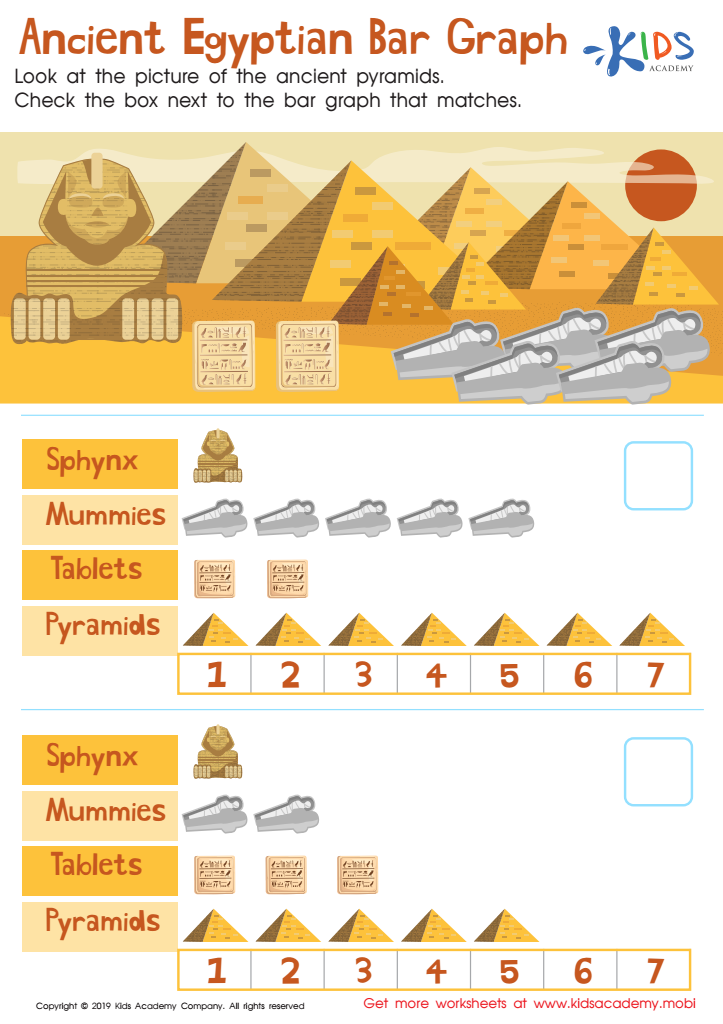
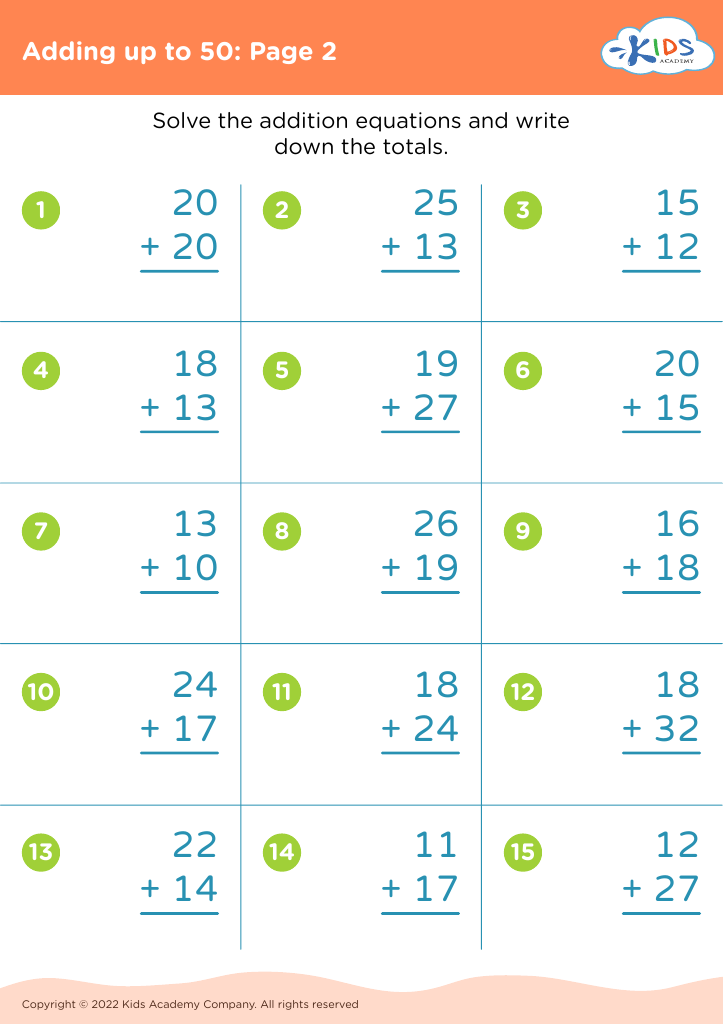
Egyptian Bar Graph Worksheet
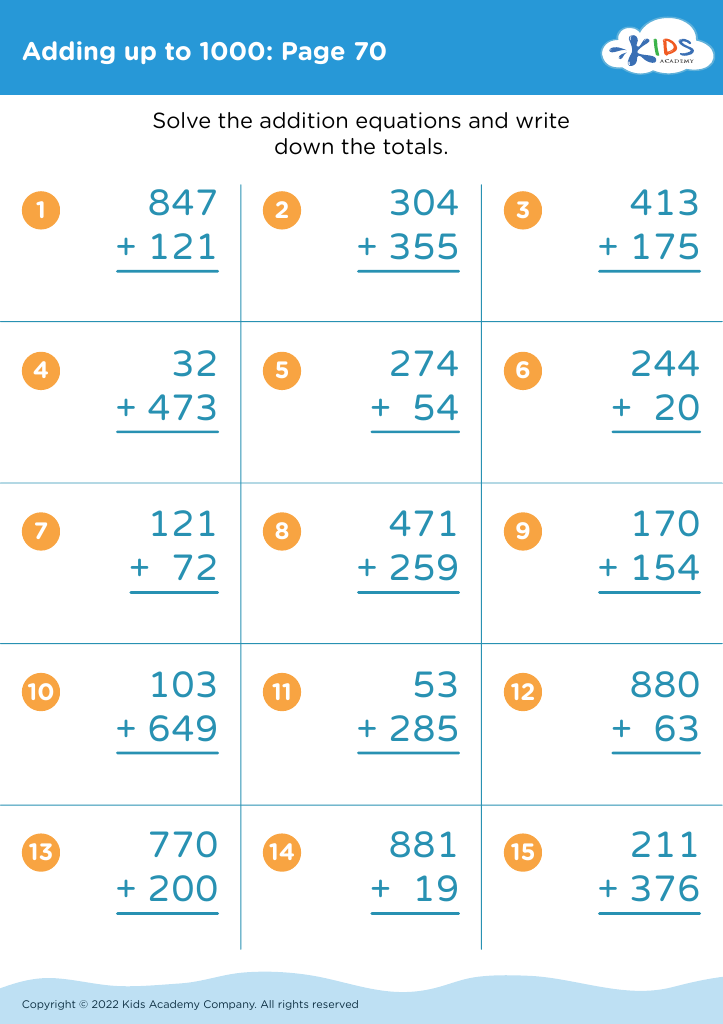
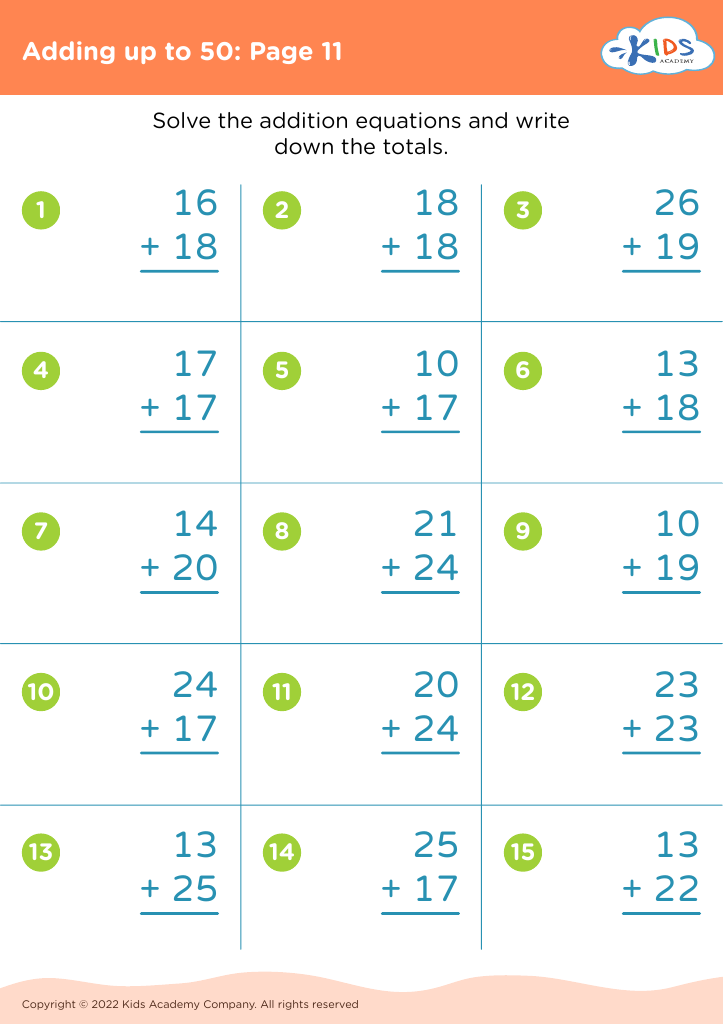
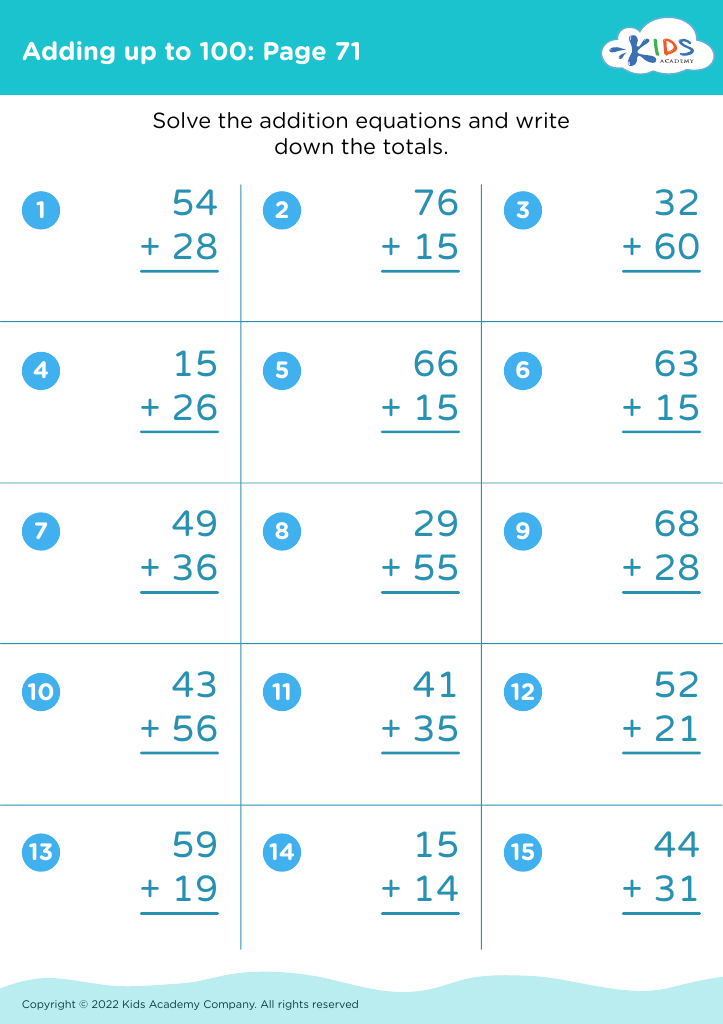
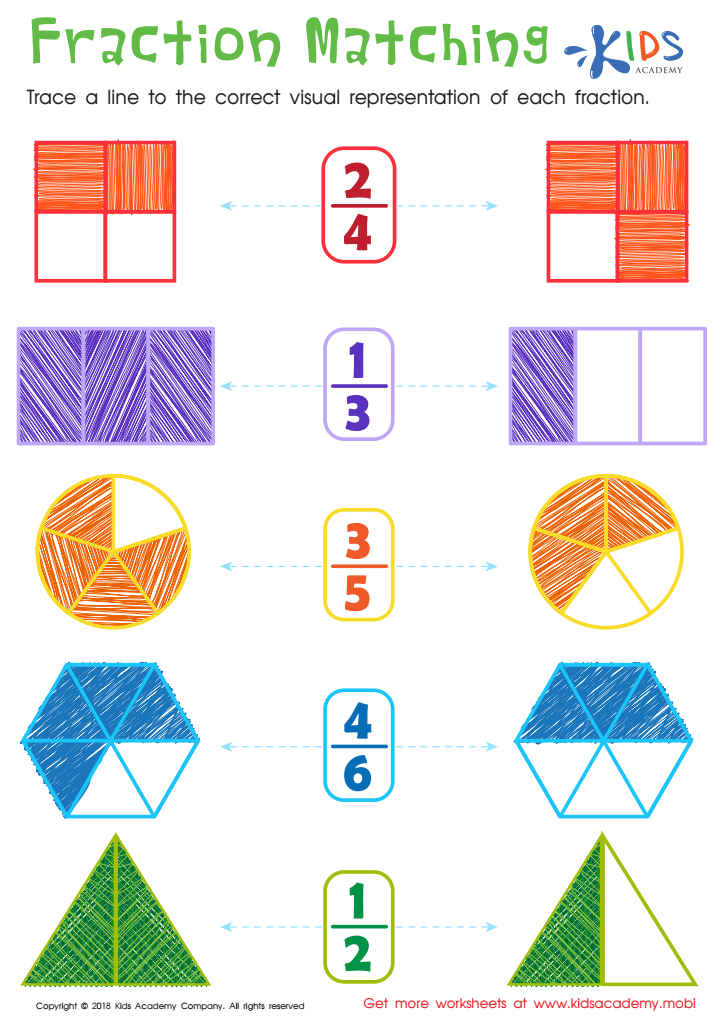
Fraction Matching Worksheet
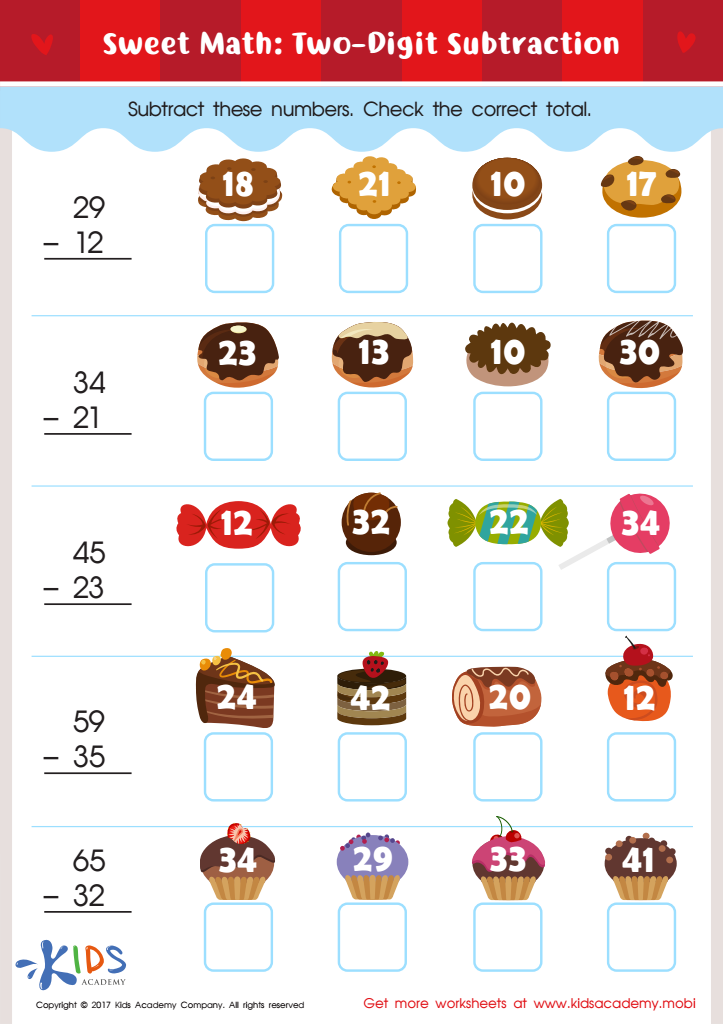
Two Digit Subtraction Worksheet
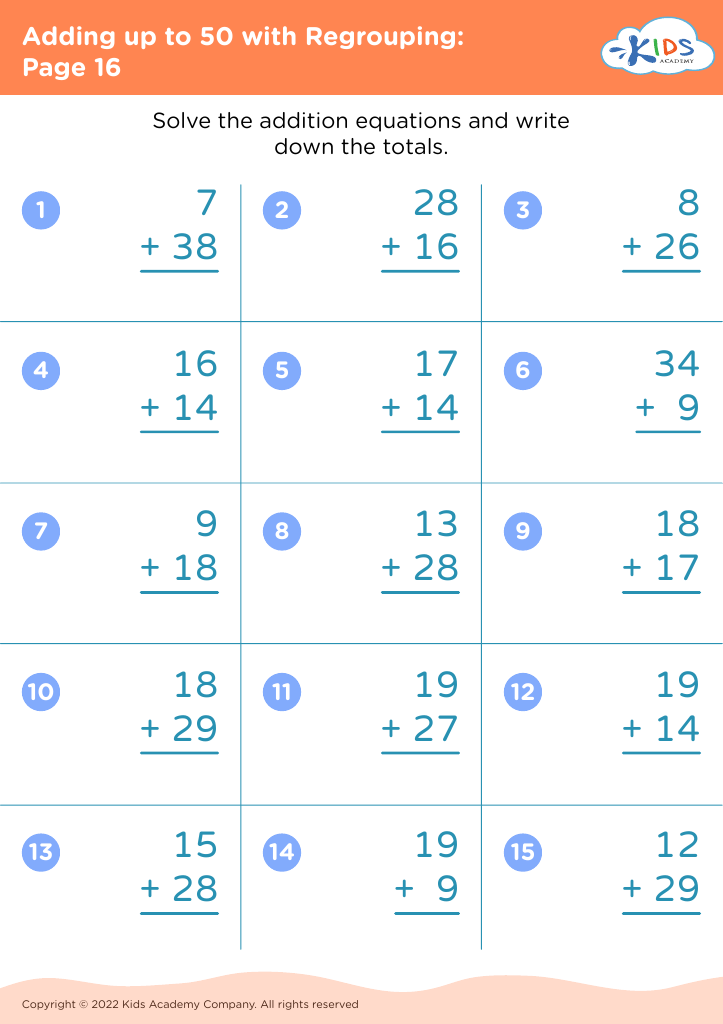
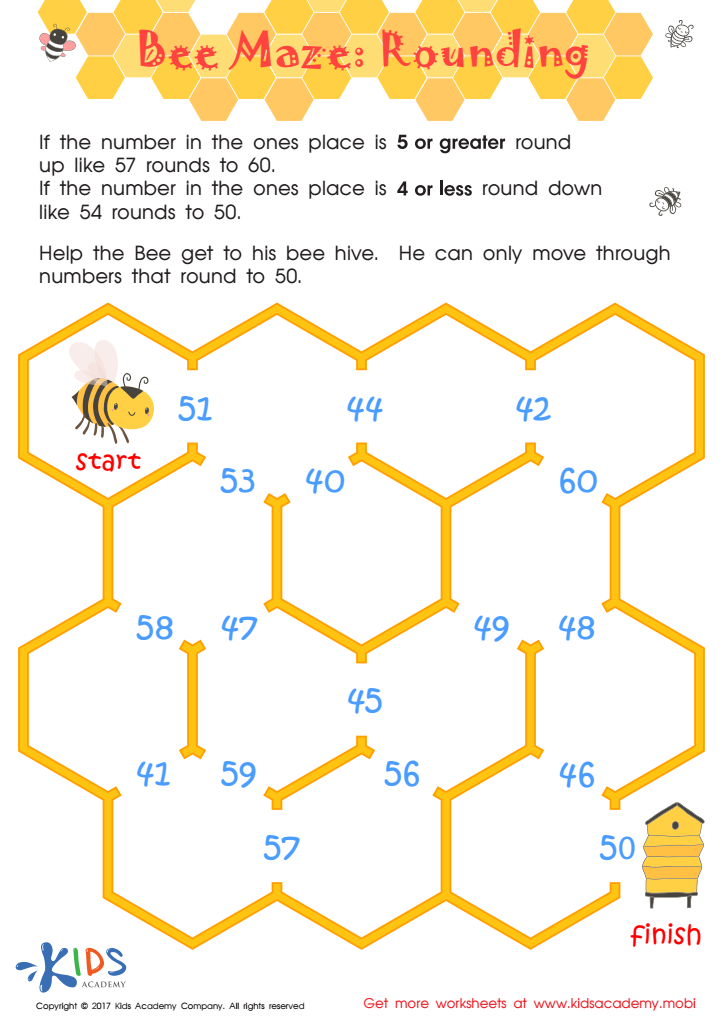
Bee Maze Worksheet
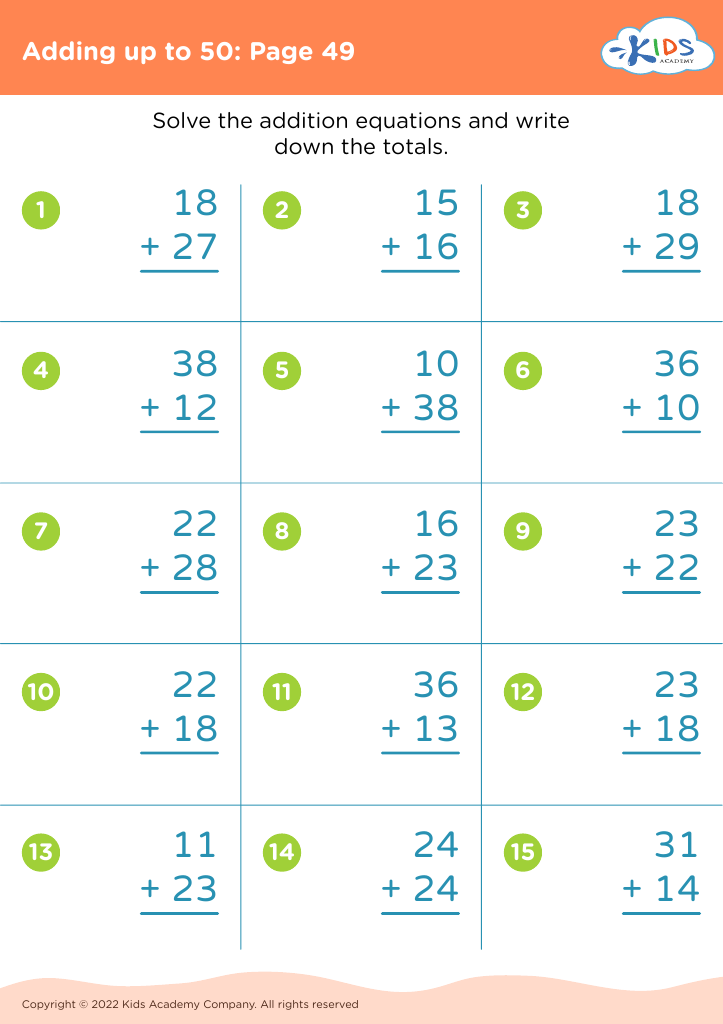
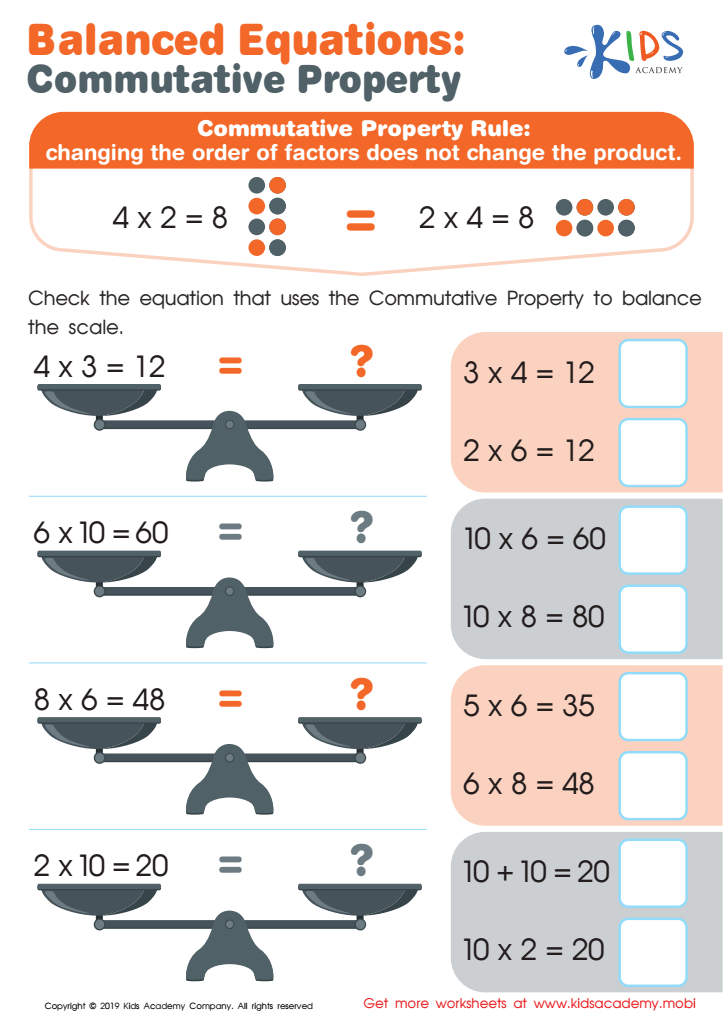
Balanced Equations: Commutative Property Worksheet
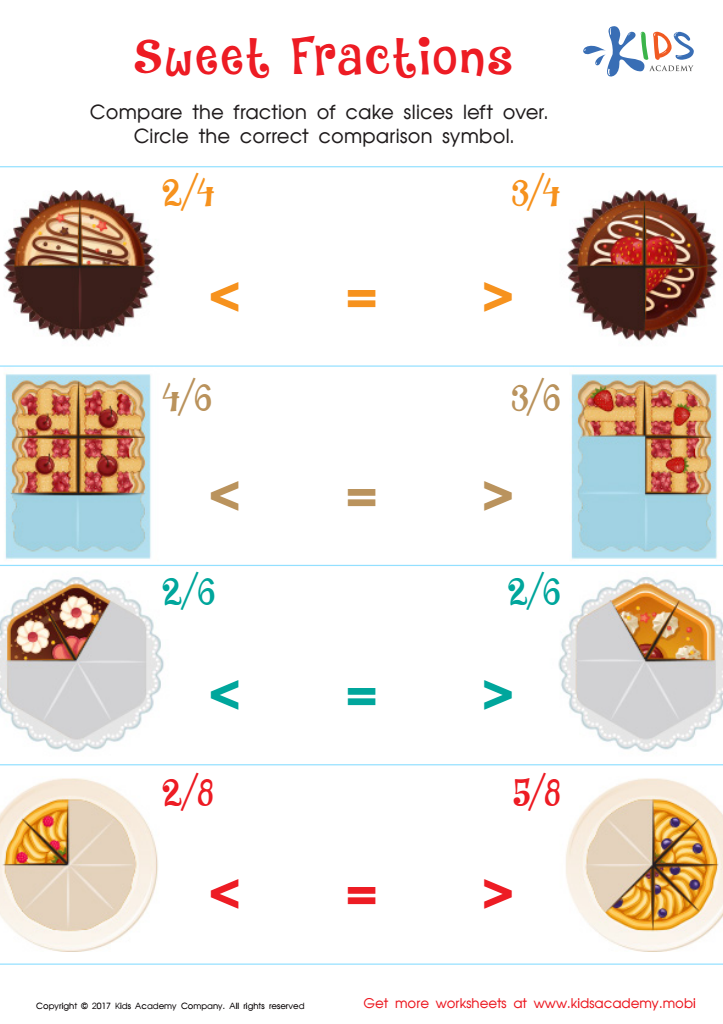
Compare Fractions Worksheet
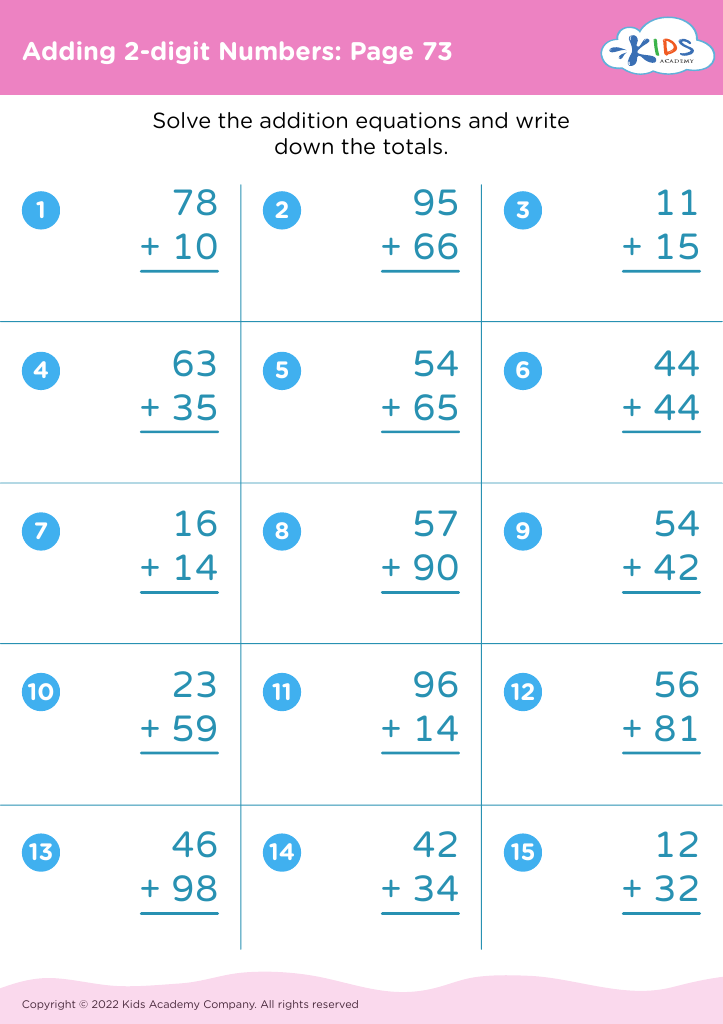
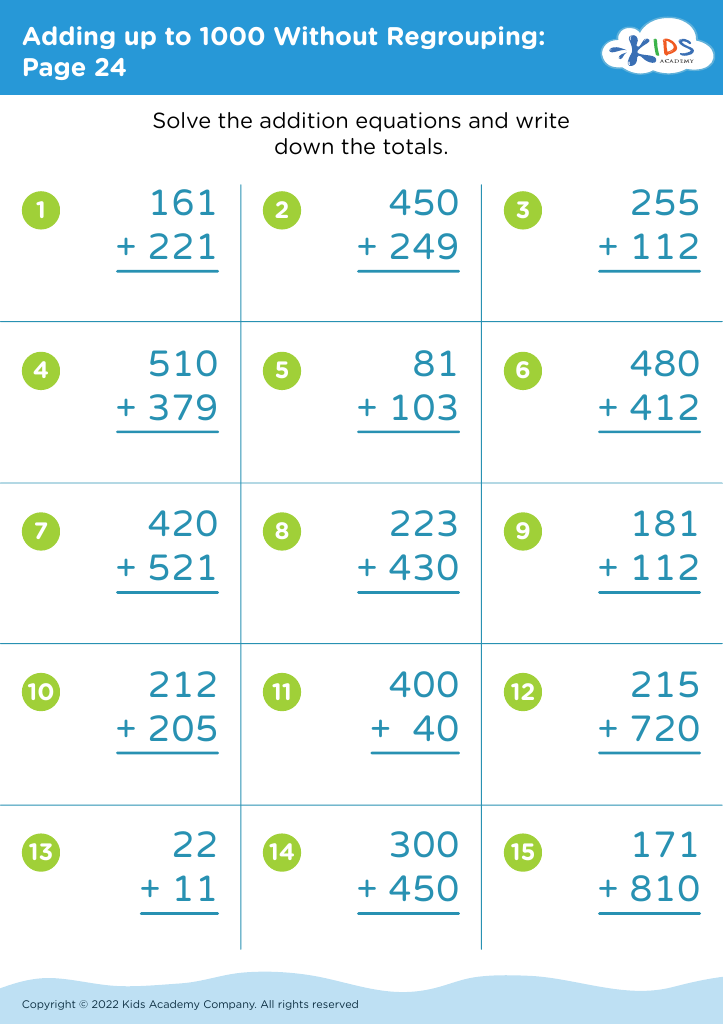







Improving math skills for children ages 3-9 is crucial due to the foundational nature of this developmental stage. Early math skills are not only a predictor of future academic achievement, but also enhance critical thinking and problem-solving abilities. At this stage, children's brains are highly plastic, meaning they are particularly adept at learning and retaining new concepts.
From counting and basic arithmetic to understanding shapes and patterns, early math introduces children to a structured form of thinking, fostering cognitive development. Researchers have linked early math proficiency to better performance in later grades, emphasizing that children who start strong in math tend to continue excelling academically.
Furthermore, math skills build confidence. When children grasp mathematical concepts, they feel a sense of accomplishment and become more willing to tackle challenging tasks. This positive attitude towards learning extends beyond math, influencing overall academic motivation and resilience.
Practically, strong early math skills have a long-term impact on life opportunities. From STEM careers to everyday financial literacy, math is integral to navigating the modern world.
Thus, parents and teachers should prioritize making math engaging and accessible to set a strong foundation for continuous learning, building a brighter academic and personal future for children.








