Interpreting data Worksheets for Ages 3-9
11 filtered results
-
From - To
Discover our engaging Interpreting Data Worksheets designed for children aged 3-9! Perfect for young learners, these worksheets encourage critical thinking while introducing the basics of data interpretation through colorful visuals and fun activities. Kids will explore concepts like sorting, analyzing, and comparing data in a playful manner. Our thoughtfully crafted exercises foster early mathematical skills, promote cognitive development, and make learning enjoyable. Whether at home or in the classroom, these worksheets are a fantastic resource for educators and parents aiming to enhance their child's understanding of data. Start your child's journey into the world of data with our interactive and printable resources today!
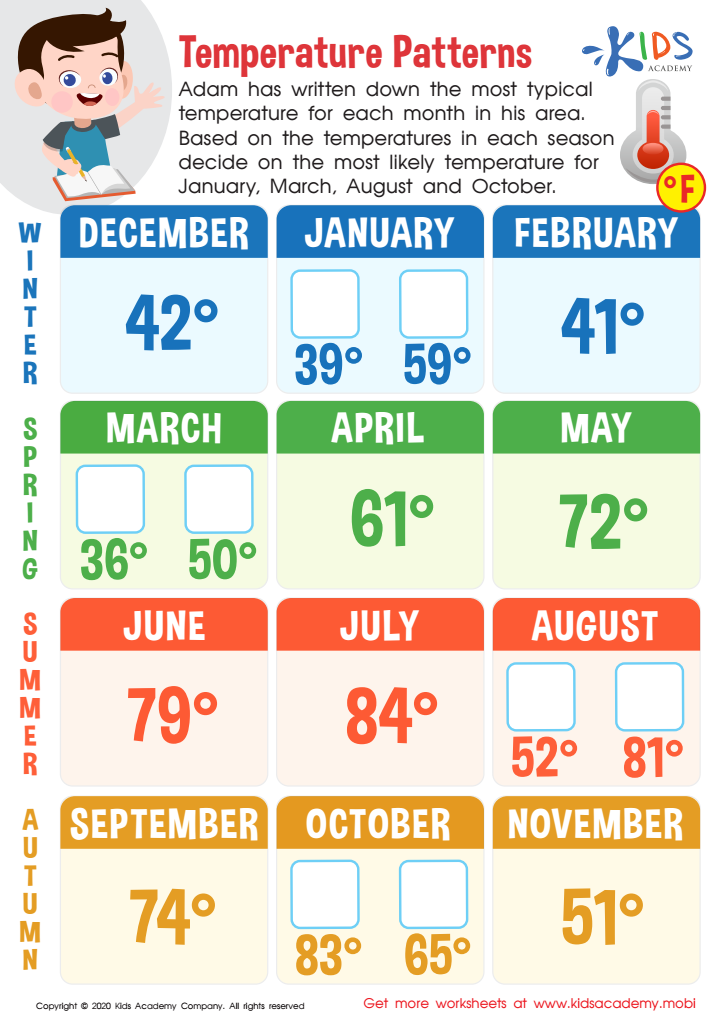
Temperature Patterns Worksheet
 Assign to My Students
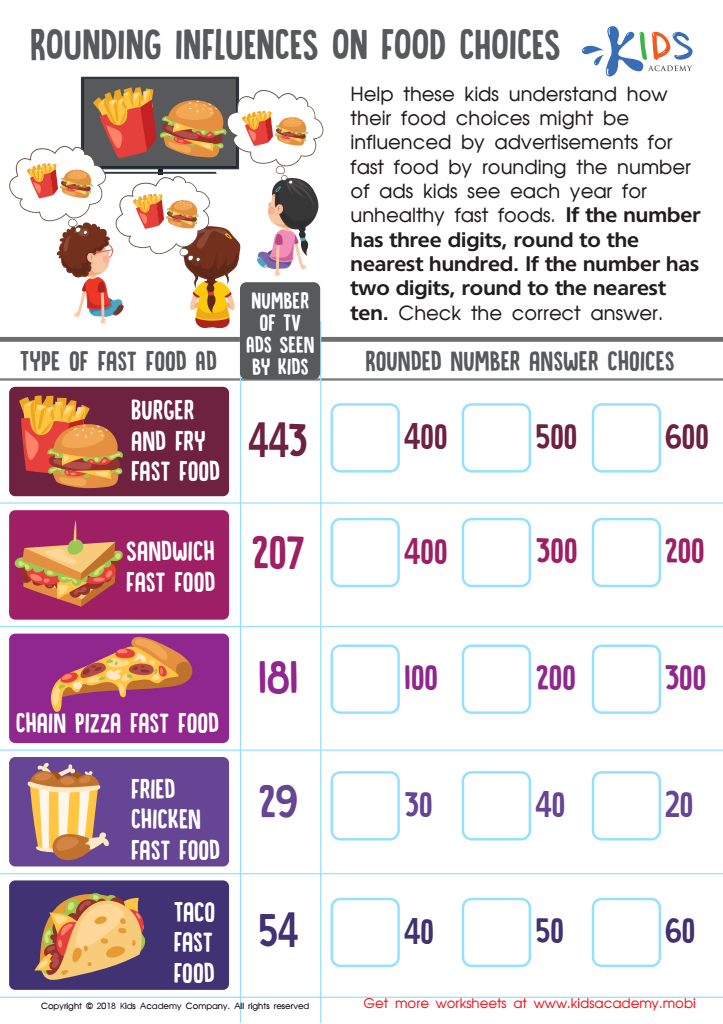
Rounding Influences Food Choices Worksheet
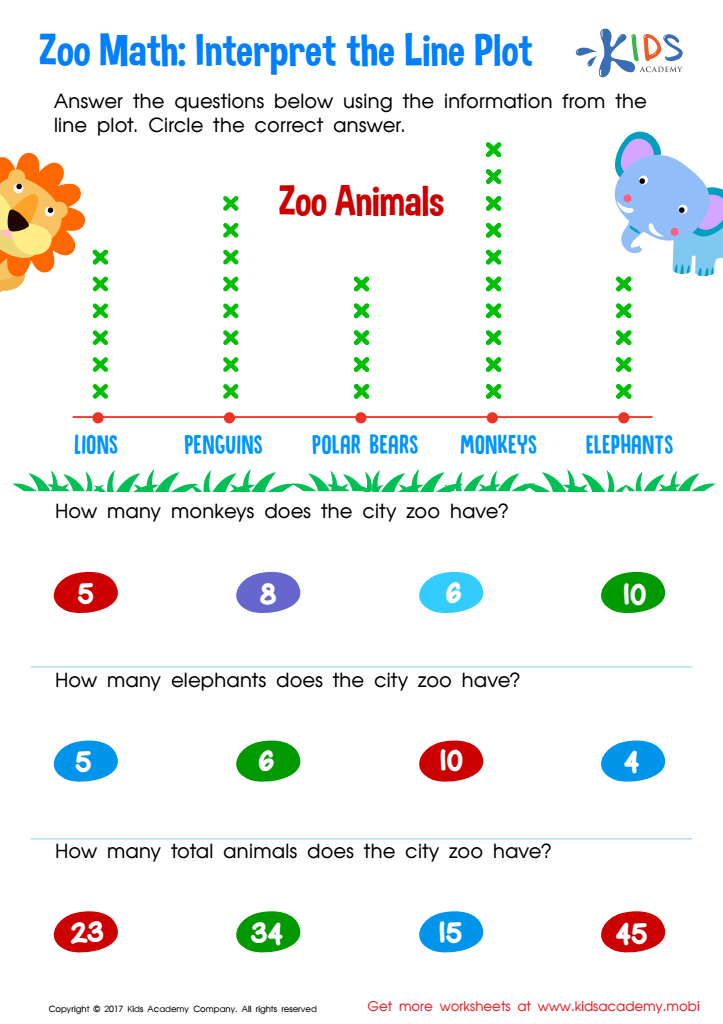
Interpret Line Plot Worksheet
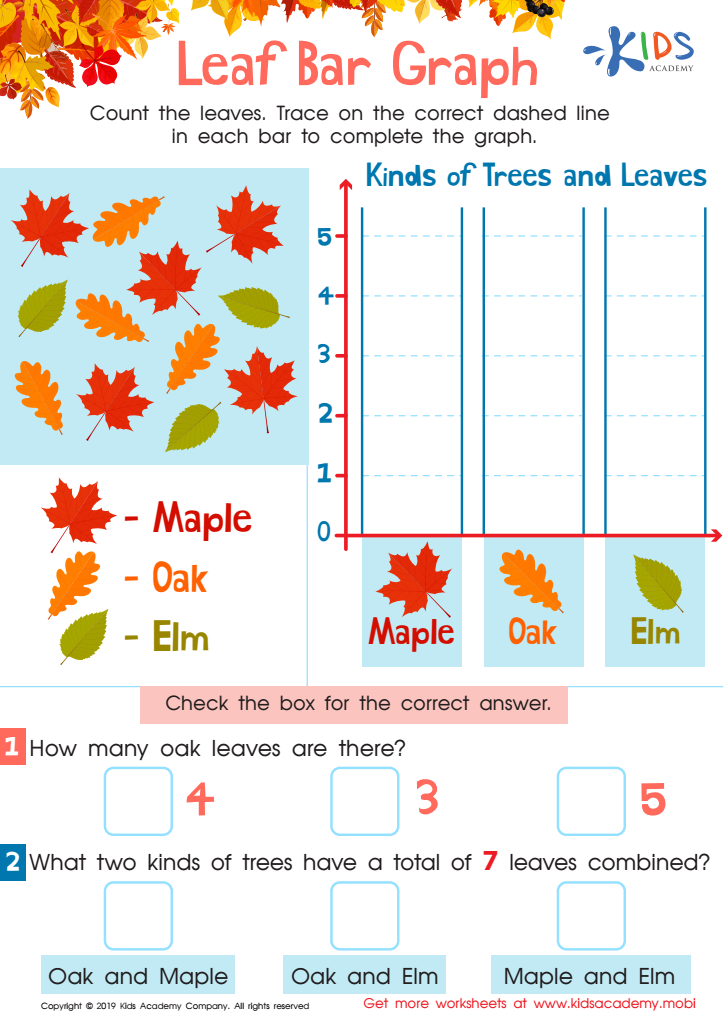
Leaf Bar Graph Worksheet
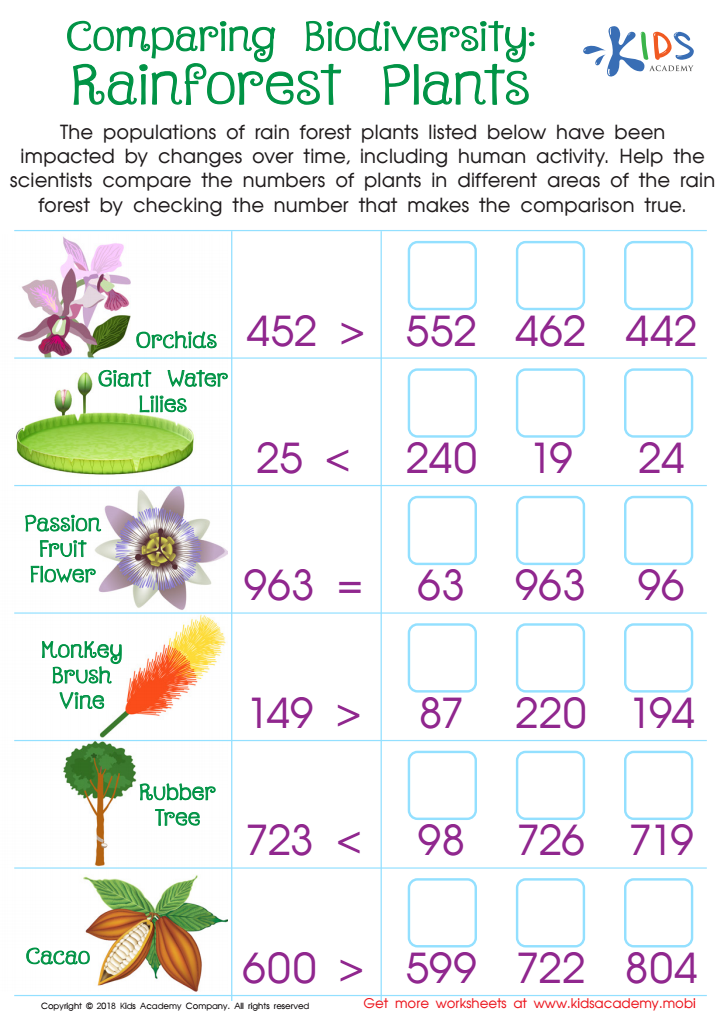
Comparing Biodiversity: Rainforest Plants Worksheet
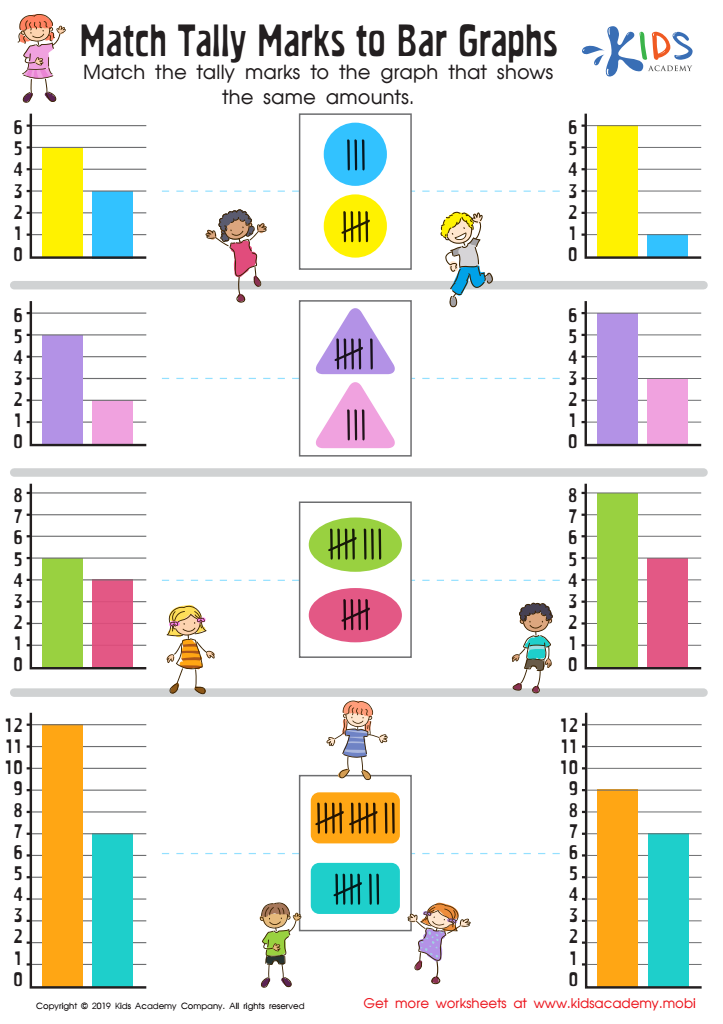
Match Tally Marks to Bar Graphs Worksheet
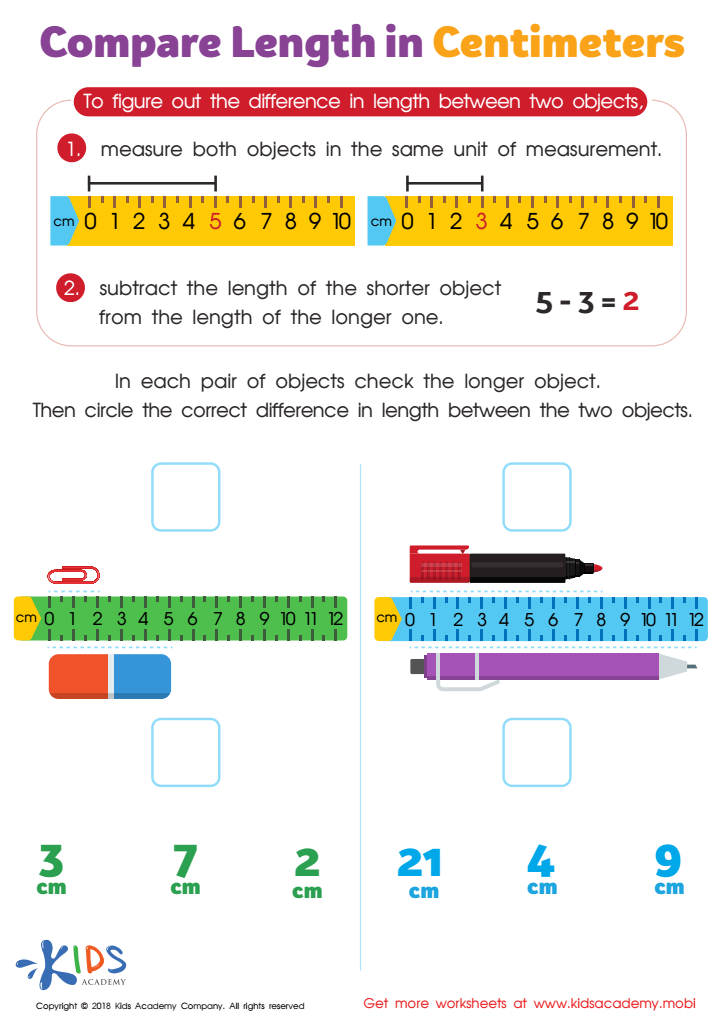
Compare Length in Centimeters Worksheet
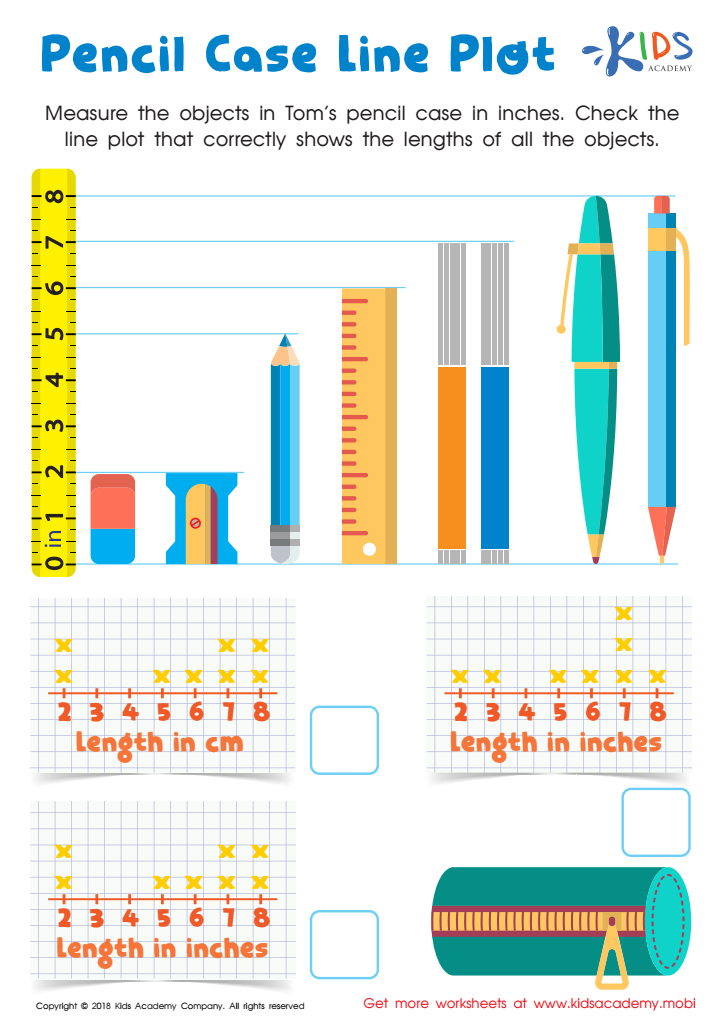
Pencil Case Line Plot Worksheet
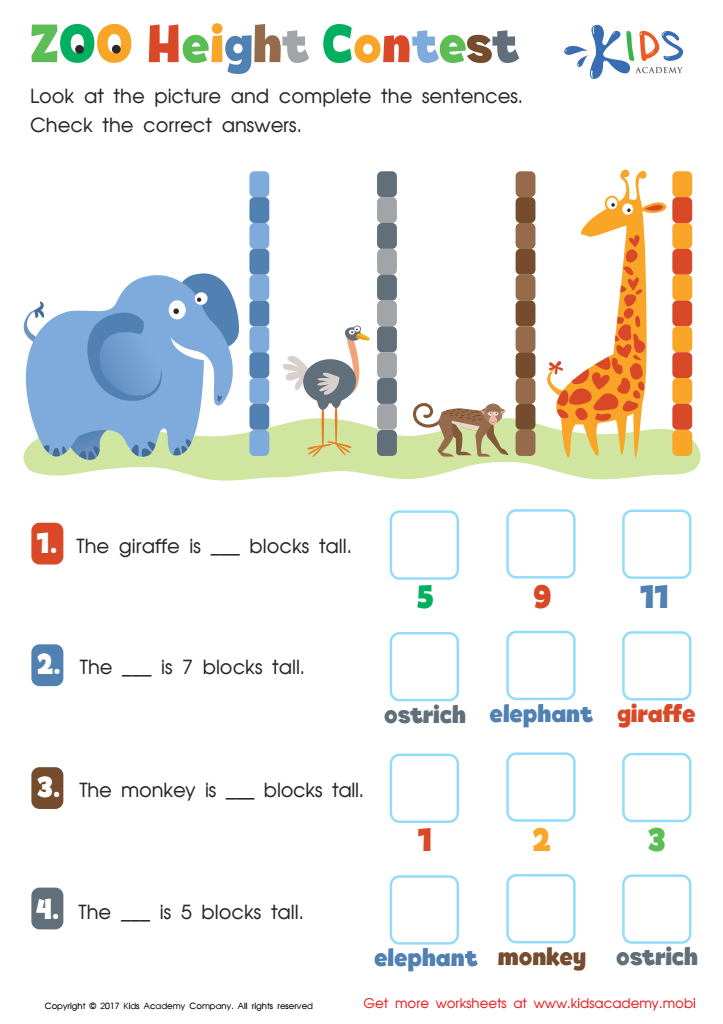
Zoo Height Contest Worksheet
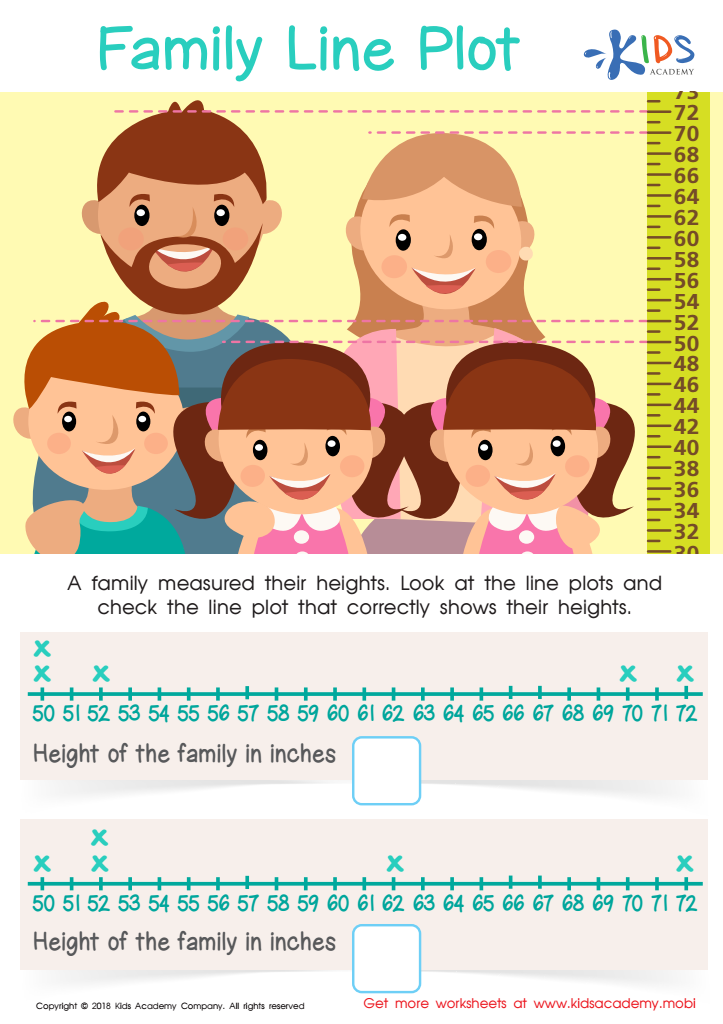
Family Line Plot Worksheet
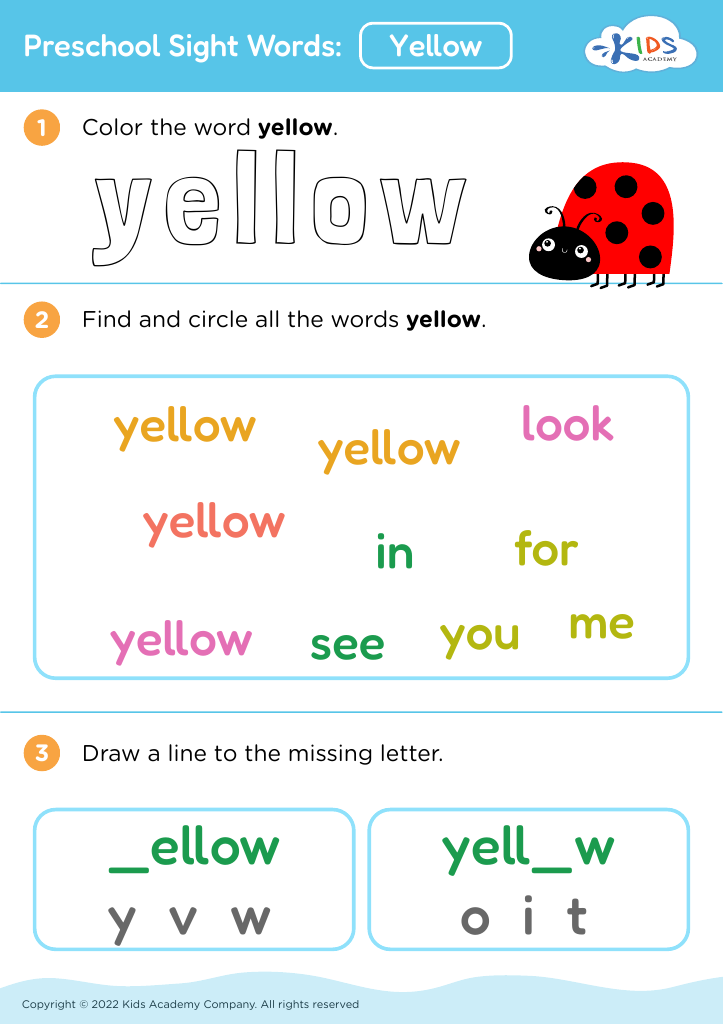








Interpreting data for children aged 3-9 is crucial for both parents and teachers because it provides valuable insights into a child's development and learning progress. Early childhood is a formative period where foundational skills in language, math, social interaction, and emotional regulation are established. By analyzing data on a child's performance, educators and parents can identify strengths and areas needing improvement, allowing for tailored support that meets individual needs.
Moreover, data interpretation can highlight developmental milestones and track progress over time. This helps in creating early interventions if a child is falling behind, ensuring they receive the necessary support to thrive. Additionally, understanding data fosters collaborative communication between parents and teachers, fostering a supportive learning environment that extends beyond the classroom.
Furthermore, with data-driven insights, educators can enhance their teaching strategies, ensuring they cater to diverse learning styles. For parents, being informed through data allows them to engage meaningfully in their child's education, reinforcing learning at home. Ultimately, interpreting data serves as a key tool for optimizing children's developmental and academic outcomes, ensuring they have a strong foundation as they transition into later stages of education. This proactive approach is pivotal for nurturing well-rounded, confident learners.








