Phonics practice Worksheets for Ages 3-9 - Page 2
26 filtered results
-
From - To
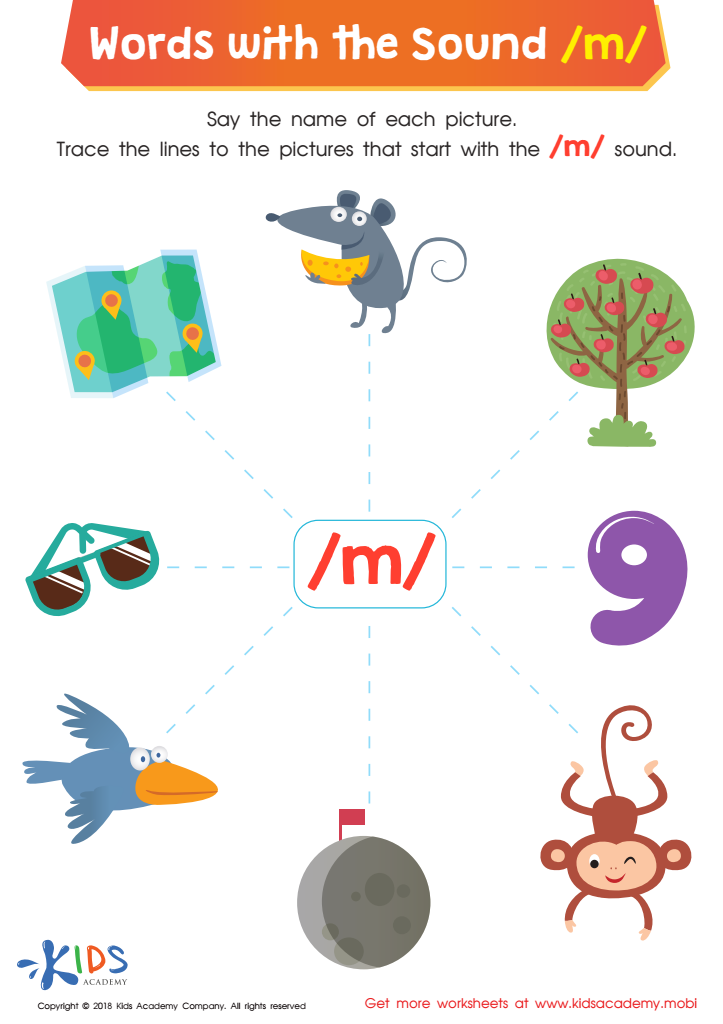
Words with Sound M Reading Worksheet
 Assign to My Students
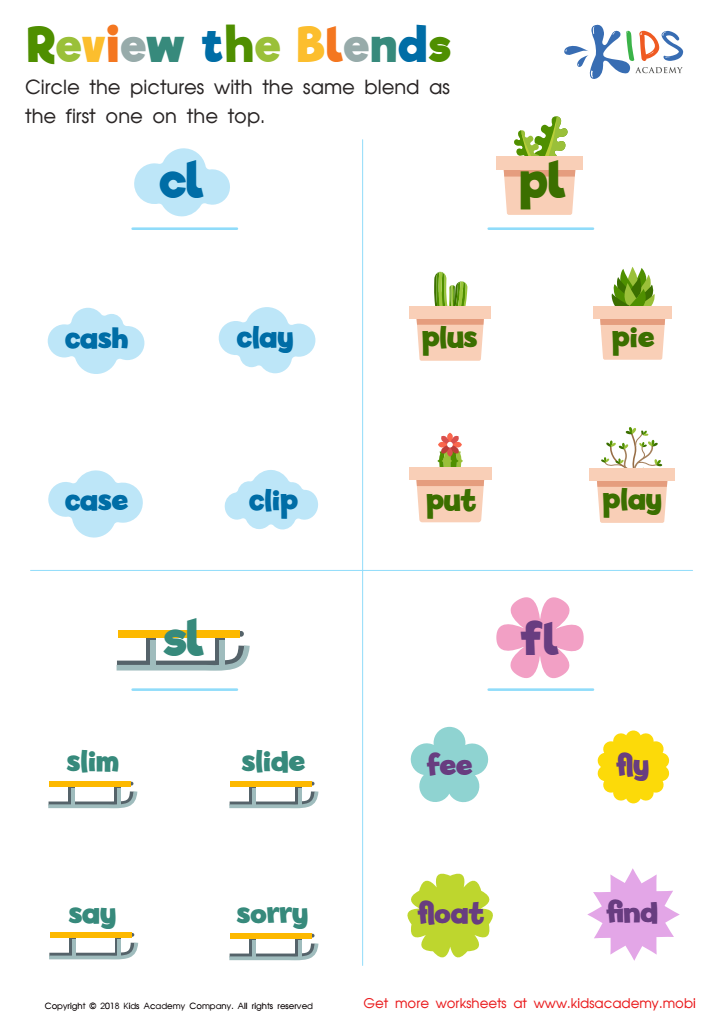
Review the Blends Worksheet


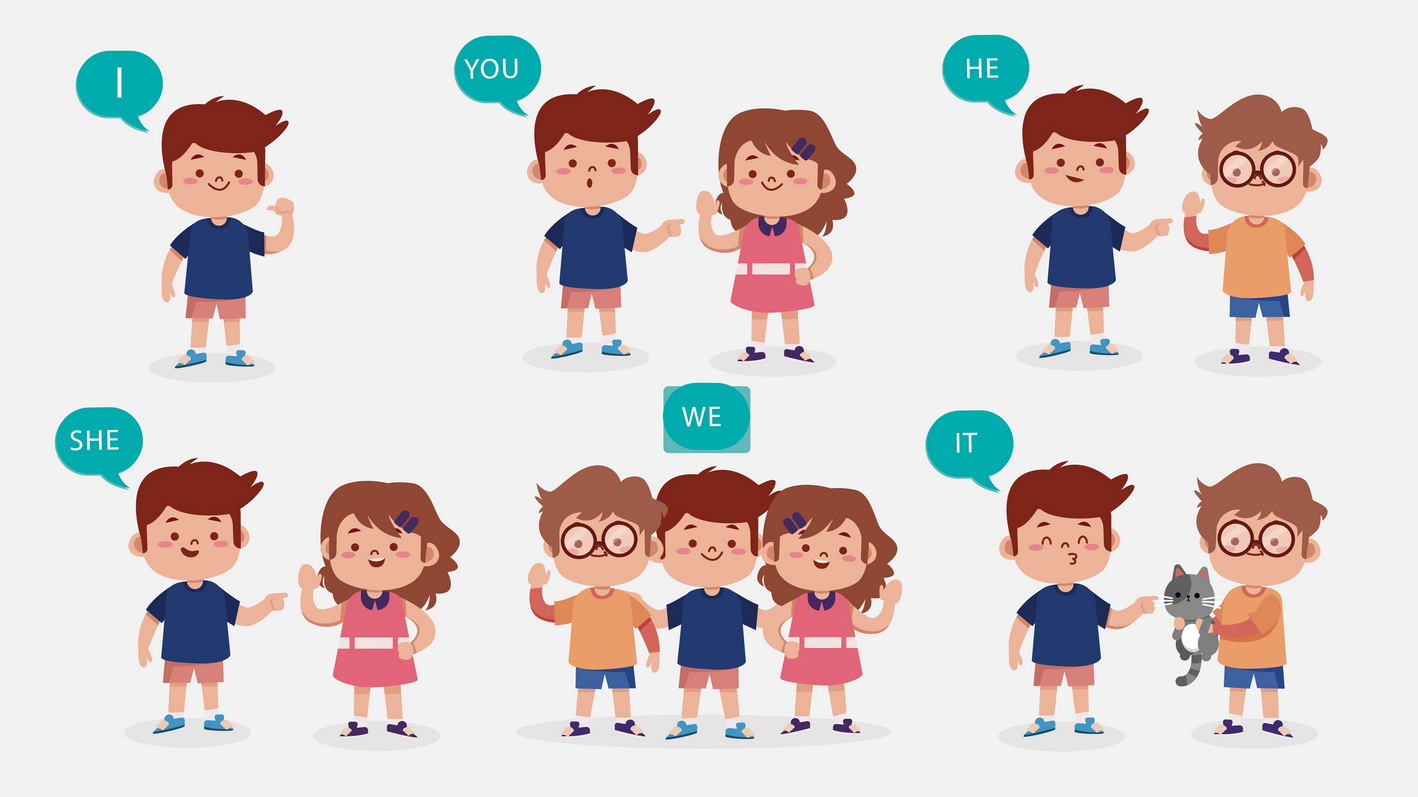



Phonics practice is essential for children aged 3 to 9 as it lays the foundation for reading and writing skills. Early exposure to phonics helps children understand the relationship between letters and sounds, fostering their ability to decode words independently. This skill is crucial in building their confidence and motivation as readers.
Furthermore, phonics instruction supports language development, enhancing vocabulary and comprehension skills. As students learn to recognize and manipulate sounds, they improve their ability to break down unfamiliar words, making reading a more accessible and enjoyable experience. This proficiency not only enhances academic performance but also prepares them for complex literacy tasks in later grades.
Parents and teachers must pay attention to phonics practice as it contributes to a child's overall cognitive and emotional development. Engaging in phonics activities encourages a love for learning and reading, promoting lifelong skills. Moreover, by nurturing phonics skills during these formative years, educators and caregivers can help identify any reading difficulties early on, allowing for timely intervention.
In summary, prioritizing phonics practice is vital for ensuring children become proficient readers, supporting their educational journey and lifelong learning.








