
Practice division Worksheets for Ages 3-9
4 filtered results
Difficulty Level
Grade
Age
-
From - To
Subject
Activity
Standards
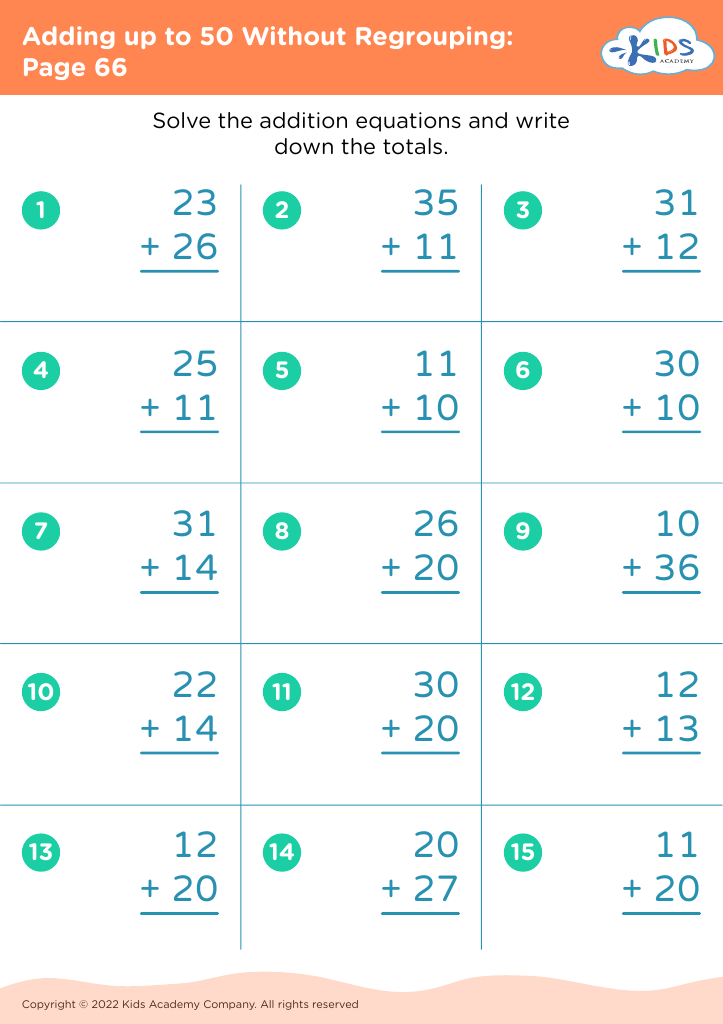
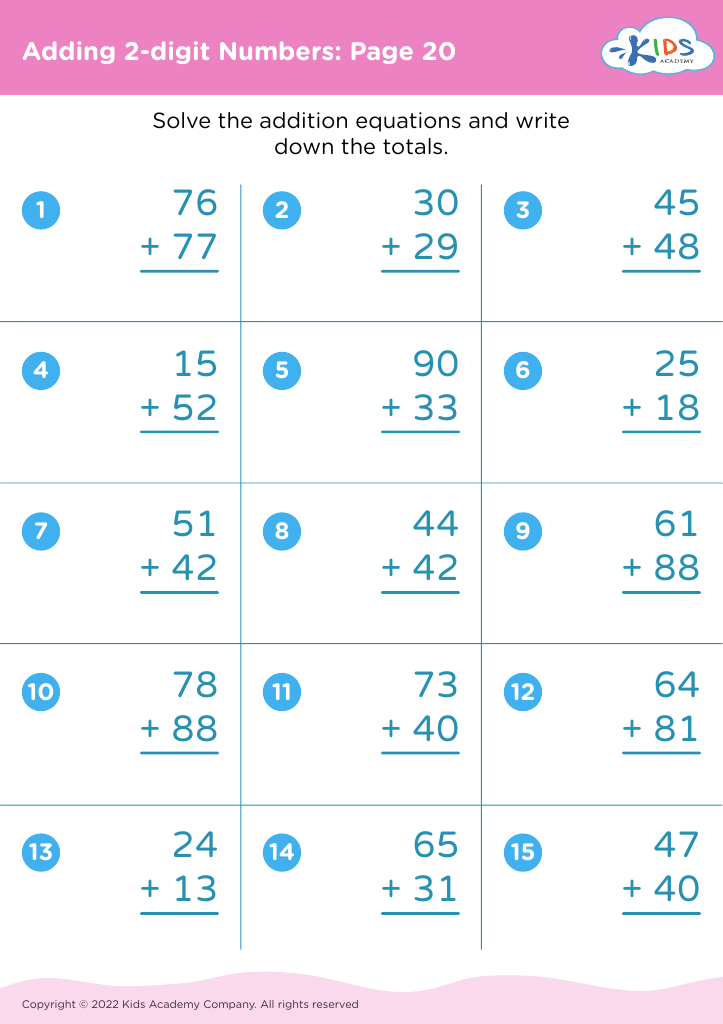
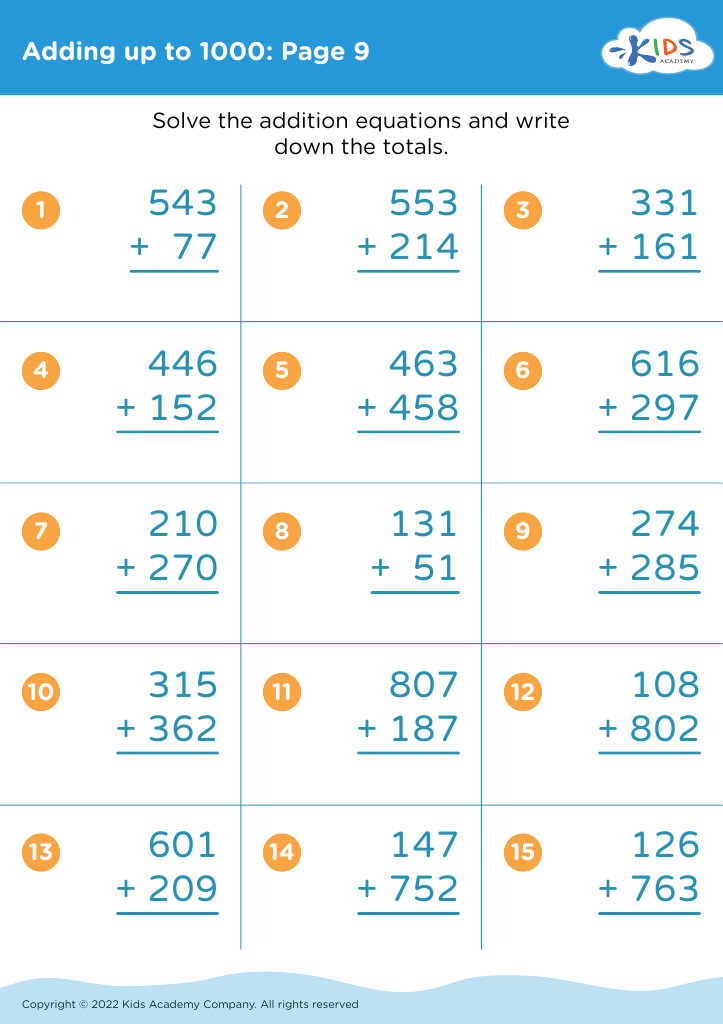
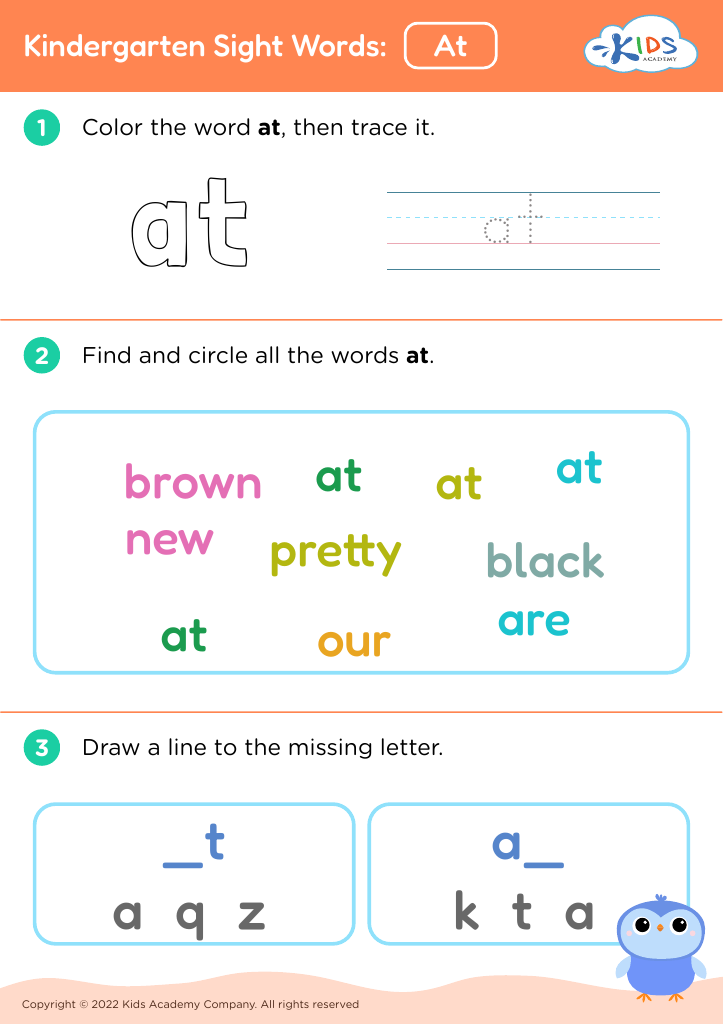
Help children build a solid foundation in math with our Practice Division Worksheets tailored for ages 3-9. Designed to make division enjoyable and understandable, these worksheets feature a variety of engaging activities such as word problems, division facts, and visual aids. Perfectly crafted to cater to young learners, they promote critical thinking and problem-solving skills. With colorful graphics and age-appropriate exercises, our worksheets are ideal for classroom use or additional practice at home. Foster your child’s confidence in math and ensure a strong grasp of fundamental concepts with our expertly designed division worksheets.
Favorites
With answer key
Interactive
Join Kids Academy for Free
Who is primarily going to use this learning content?




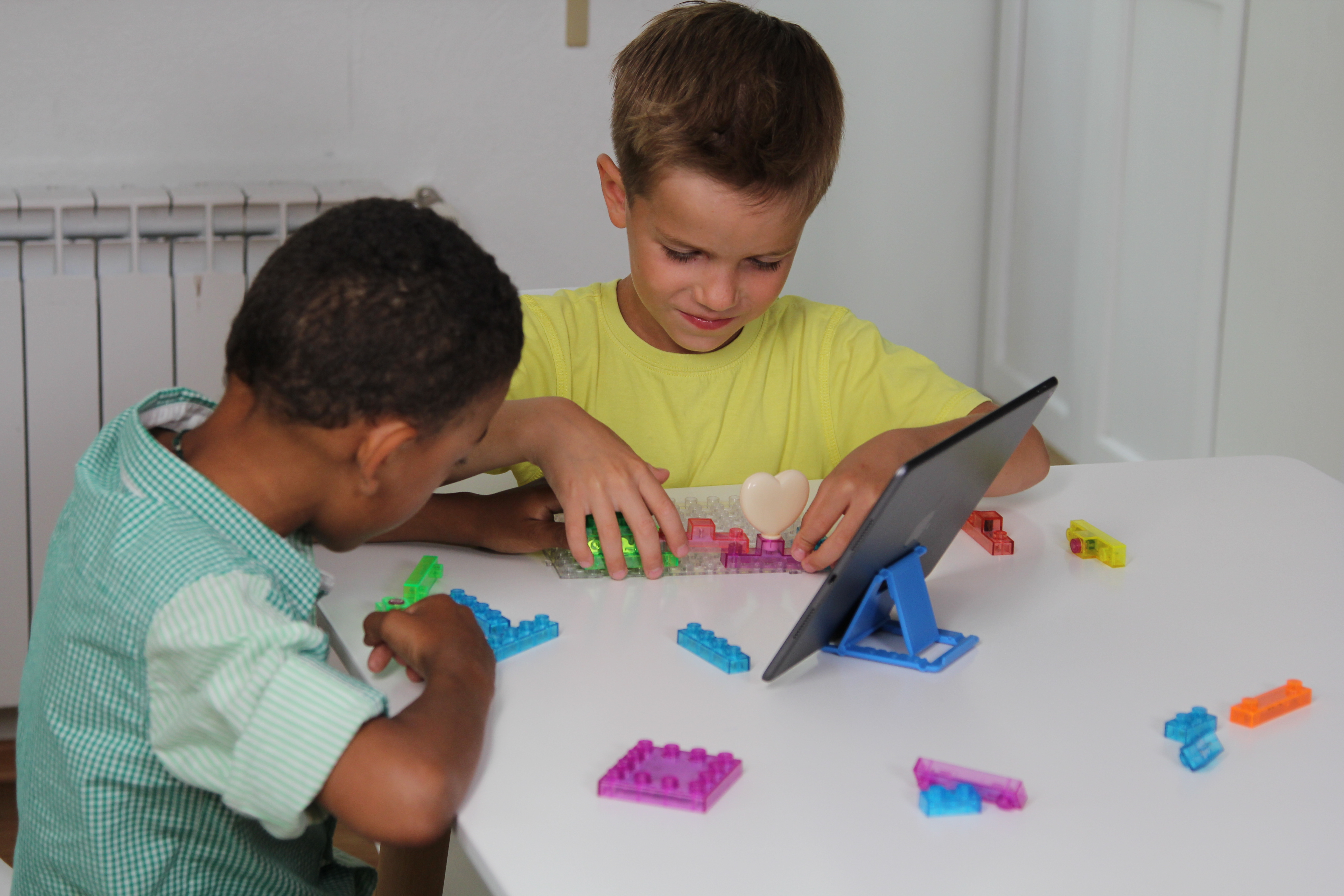


Parents and teachers should prioritize practicing division for children aged 3-9 because it lays a crucial foundation for mathematical understanding and cognitive development. At this early stage, kids are highly receptive to new concepts. Introducing division helps build number sense, enhancing their ability to make connections between numbers and develop reasoning skills.
Understanding division promotes critical thinking and problem-solving abilities, as children begin to grasp the idea of fair sharing and equal distribution. These concepts are fundamental not just in math but in everyday life situations, such as dividing snacks or toys among friends. Early practice in division also prepares children for more complex arithmetic operations and algebraic thinking in later grades, establishing a smoother transition to advanced math.
Additionally, engaging youngsters in division activities can boost confidence. Mastery of basic arithmetic leads to increased self-esteem and a positive attitude towards math. Fun, interactive methods like games and hands-on activities can make learning division enjoyable and less intimidating, fostering a love for learning.
Overall, early division practice not only aids in mathematical proficiency but also encourages logical thinking, spatial awareness, and the development of essential life skills. This early intervention by parents and teachers can set children on a path to academic success and lifelong learning.








