Shape identification Worksheets for Ages 3-9 - Page 2
40 filtered results
-
From - To
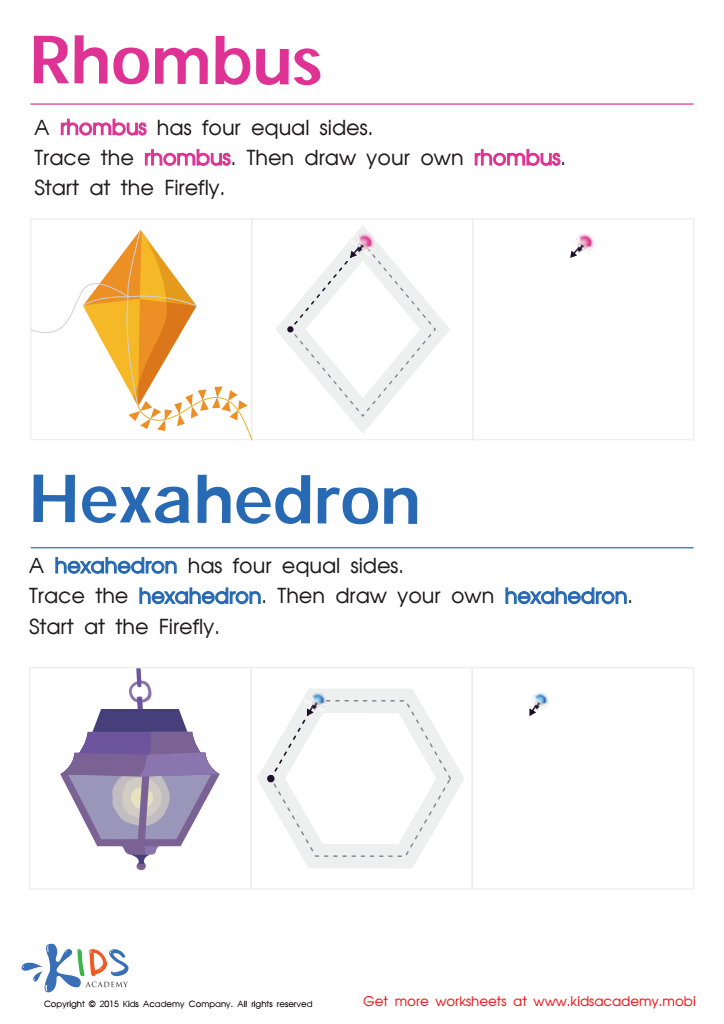
Draw a Rhombus And a Hexahedron Printable
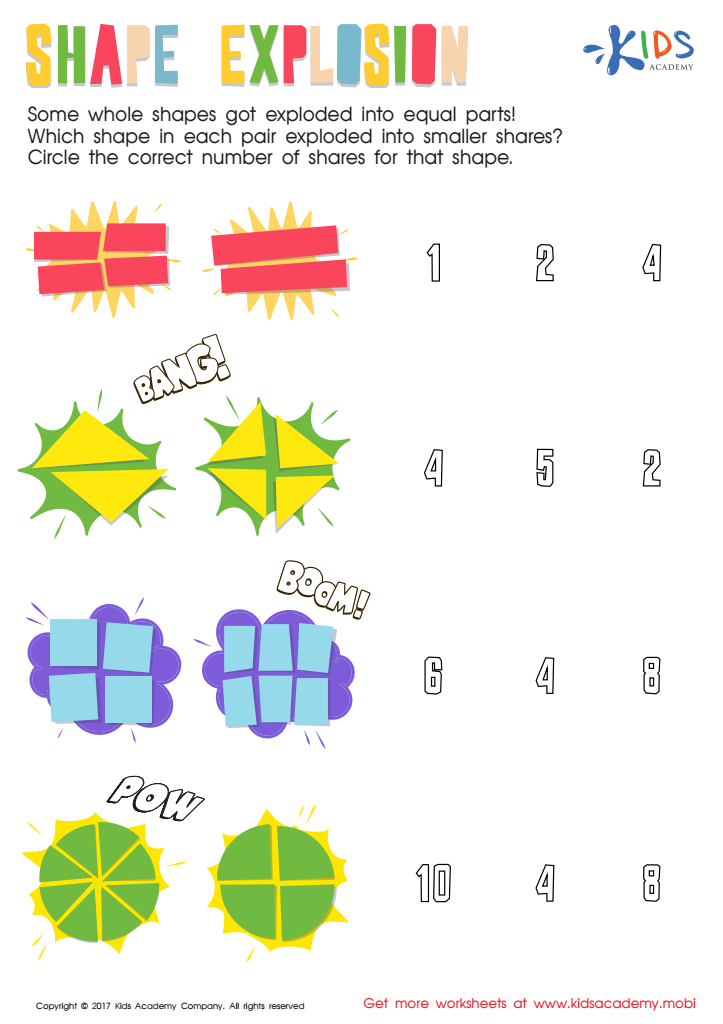
Shape Explosion Worksheet
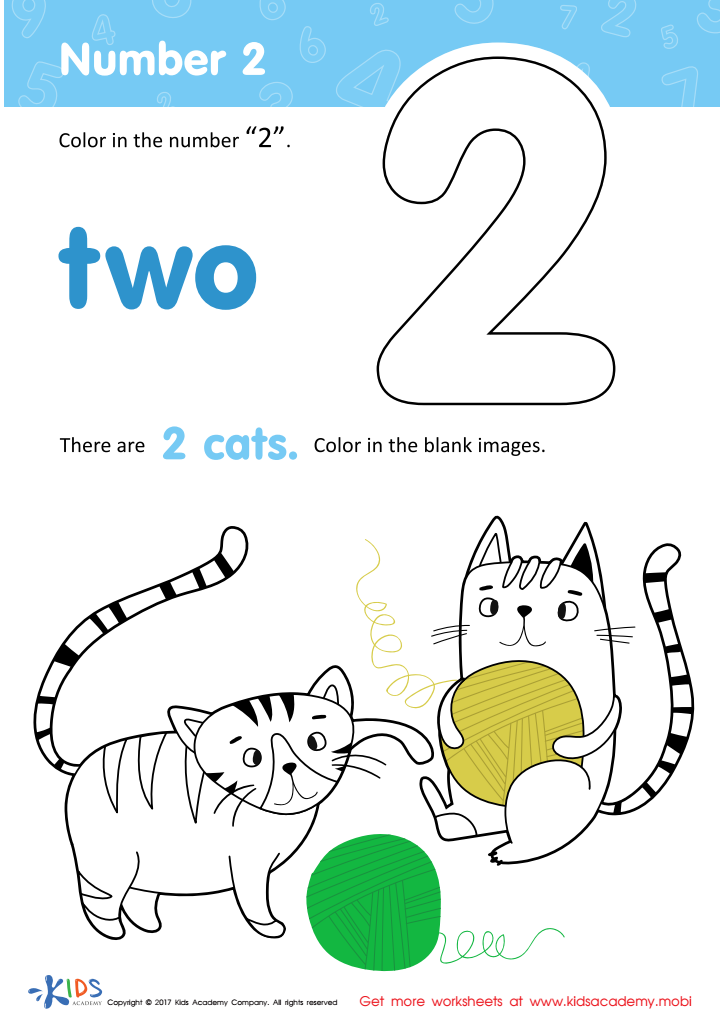
Number 2 Printable
 Assign to My Students
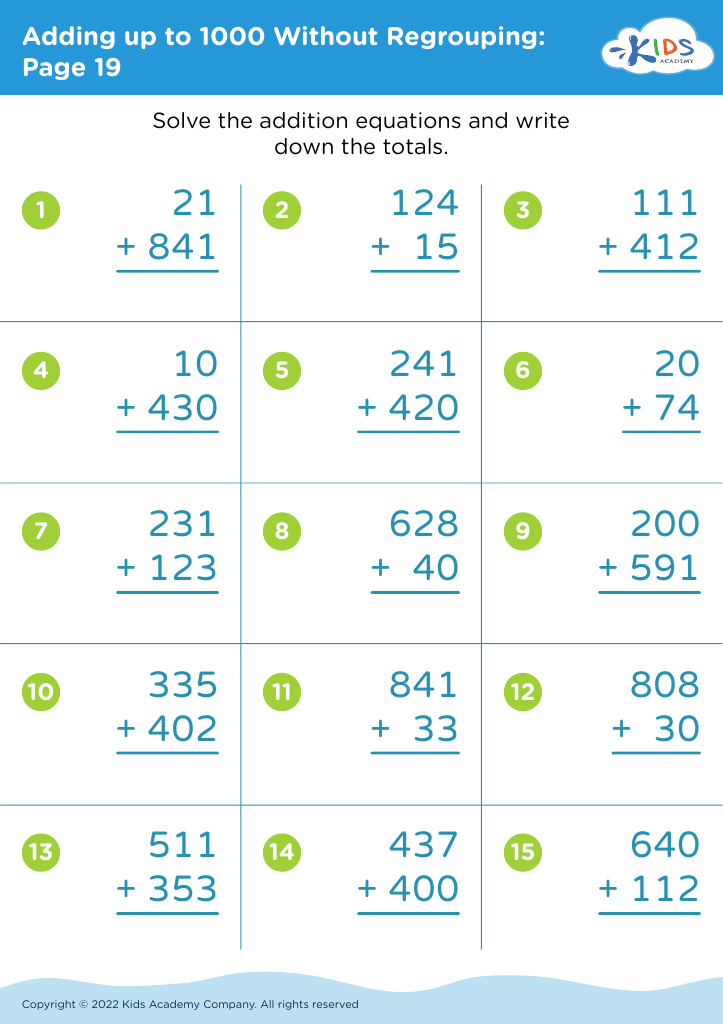
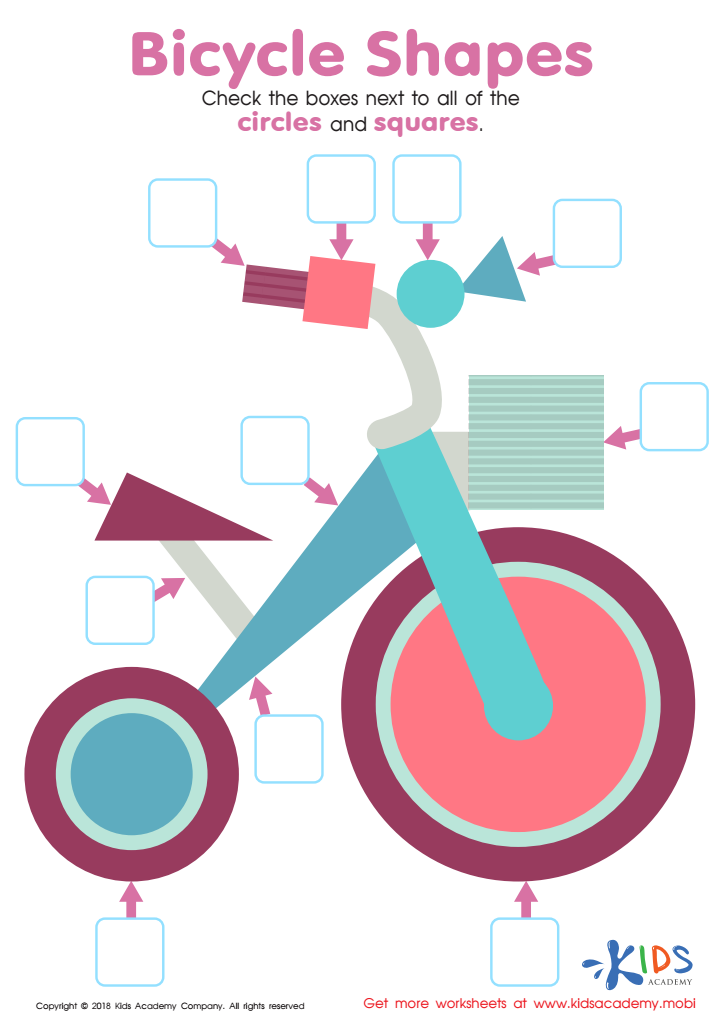
Bicycle Shapes Worksheet
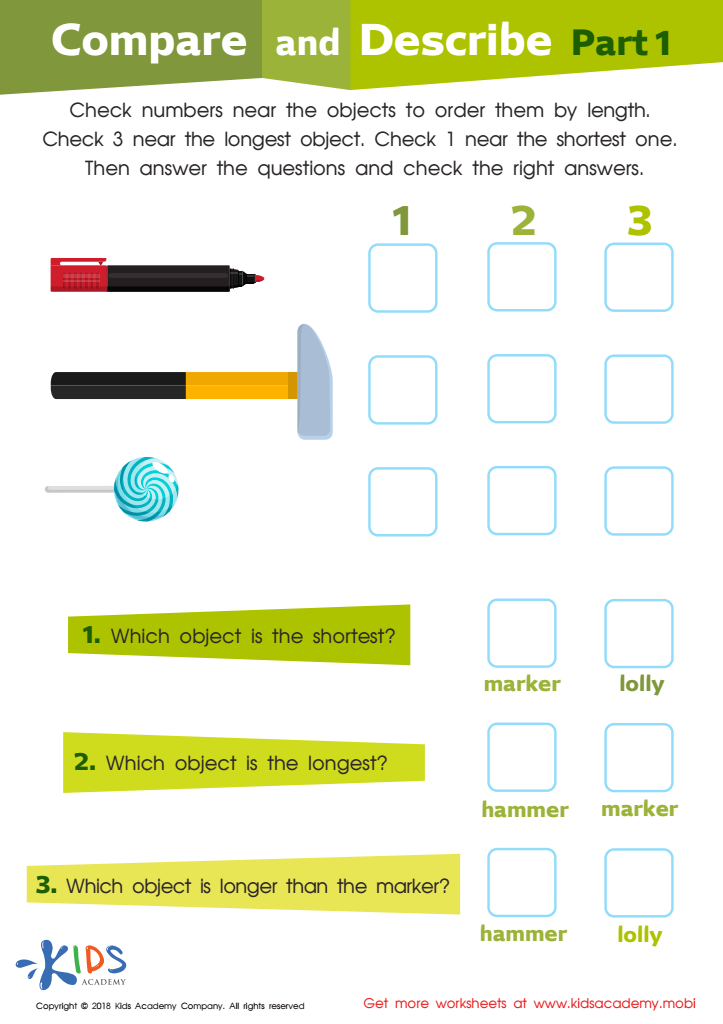
Compare and Describe: Part 1 Worksheet
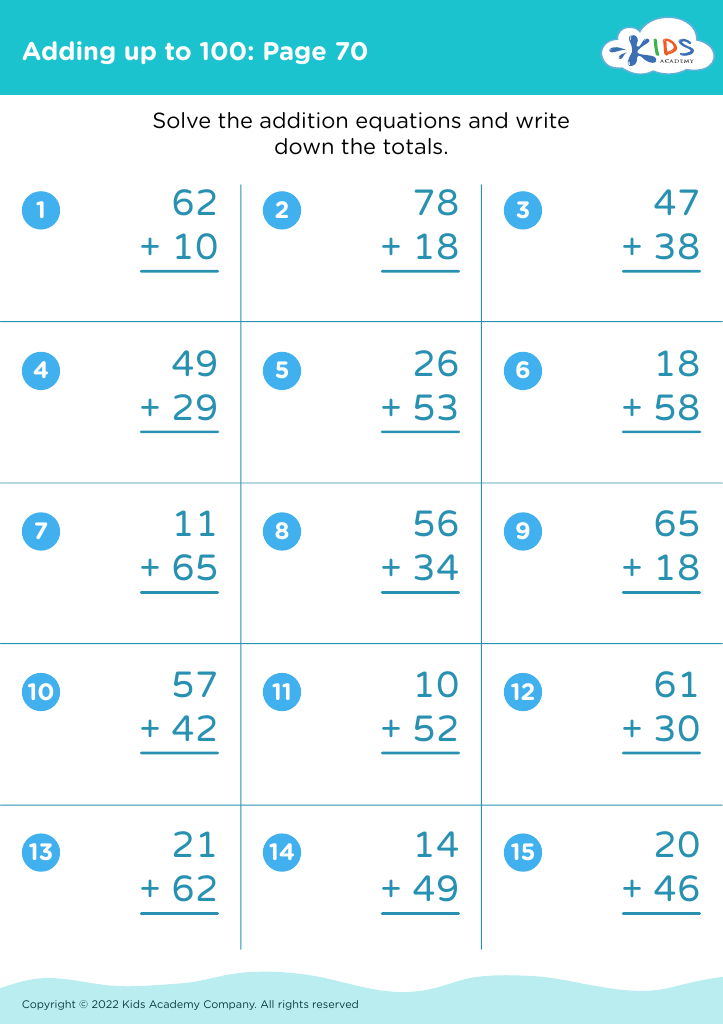
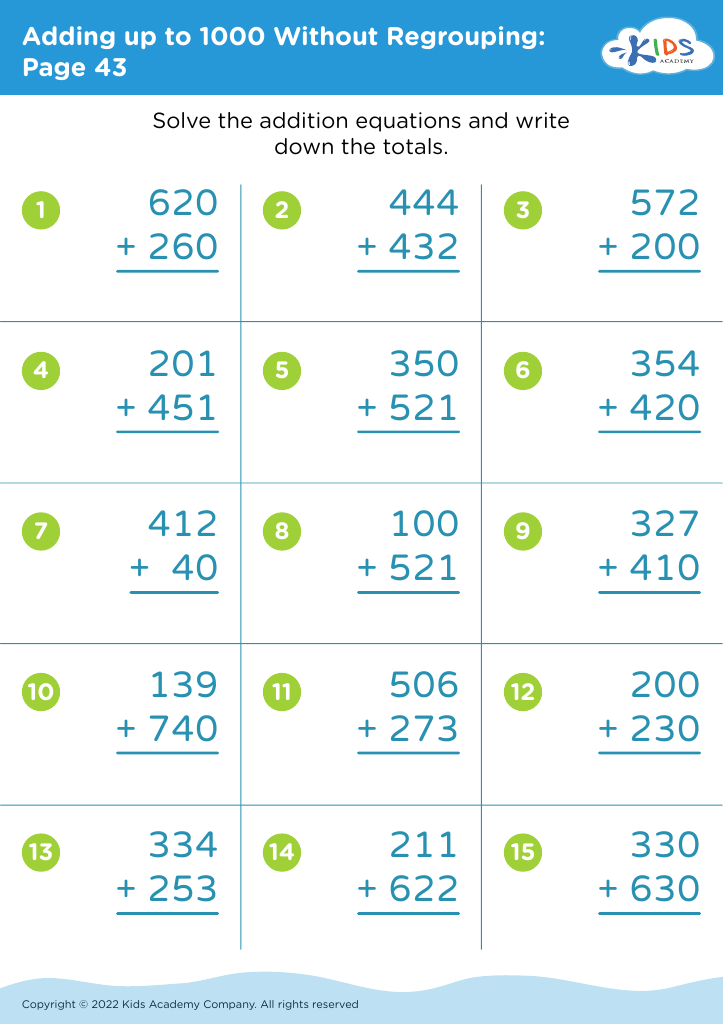
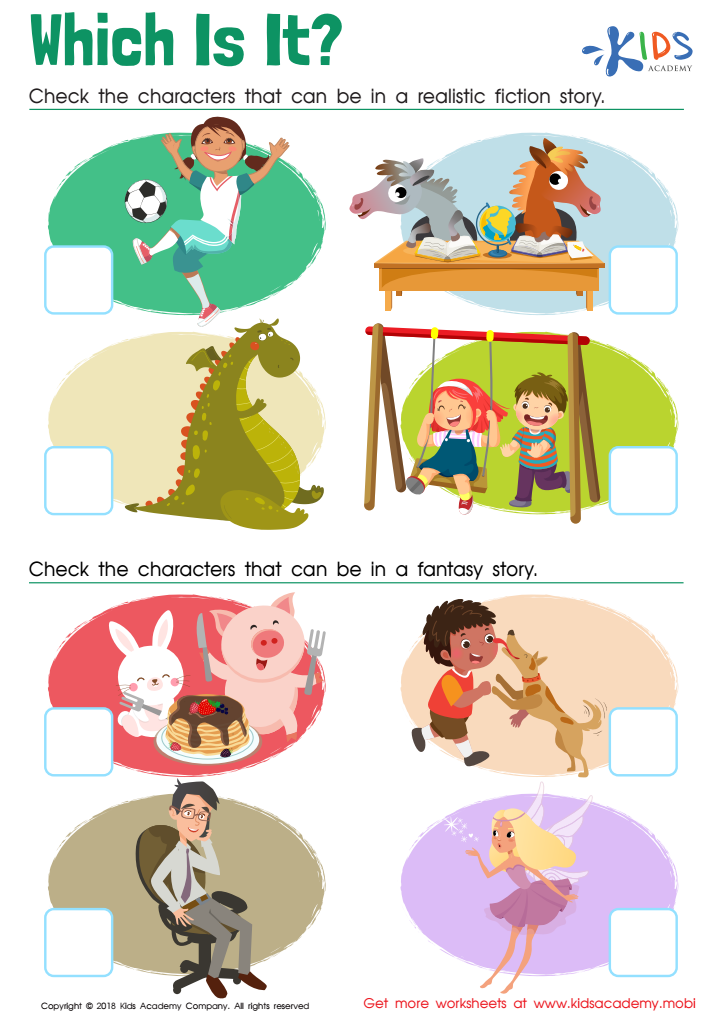
Which Is It? Worksheet
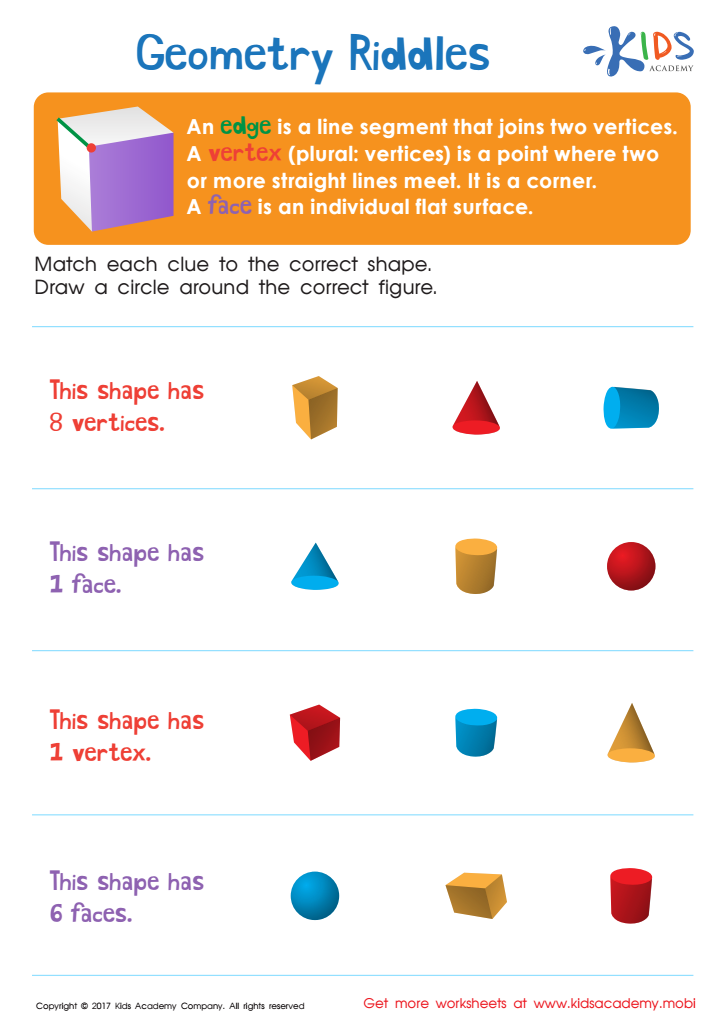
Geometry Riddles Printable
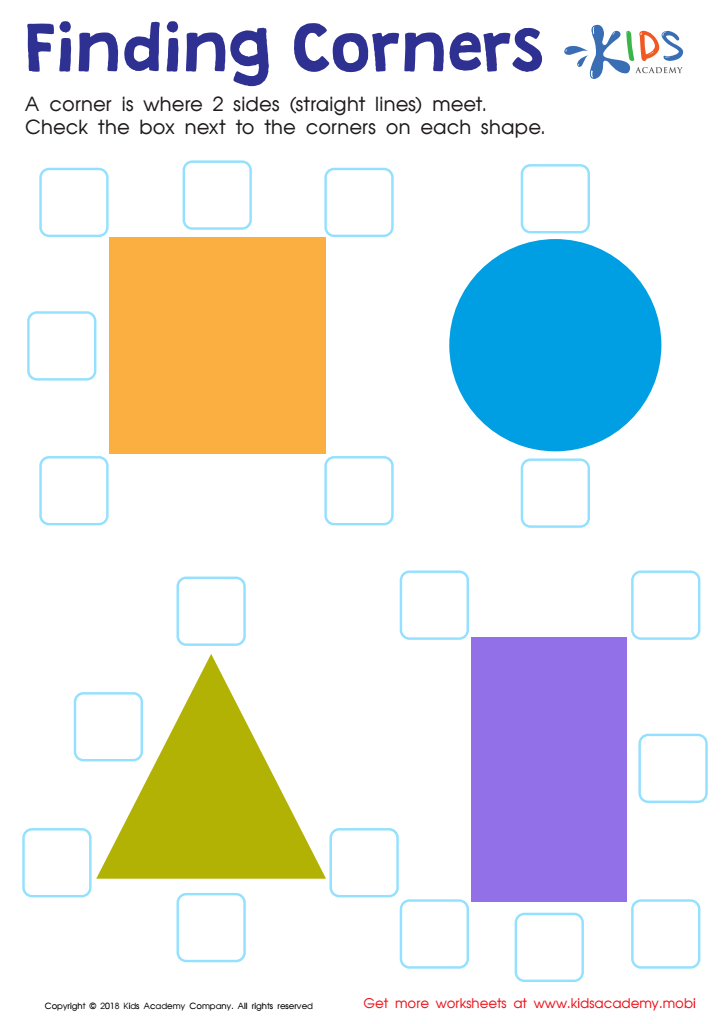
Finding Corners Worksheet
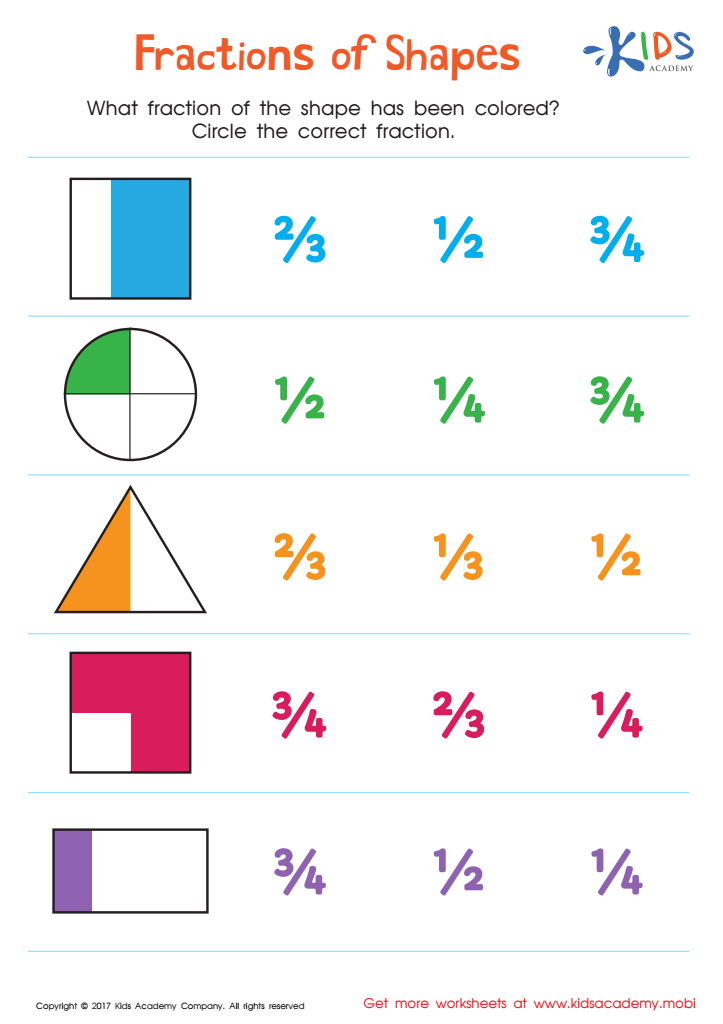
Fractions of Shapes: Math Concept Worksheet
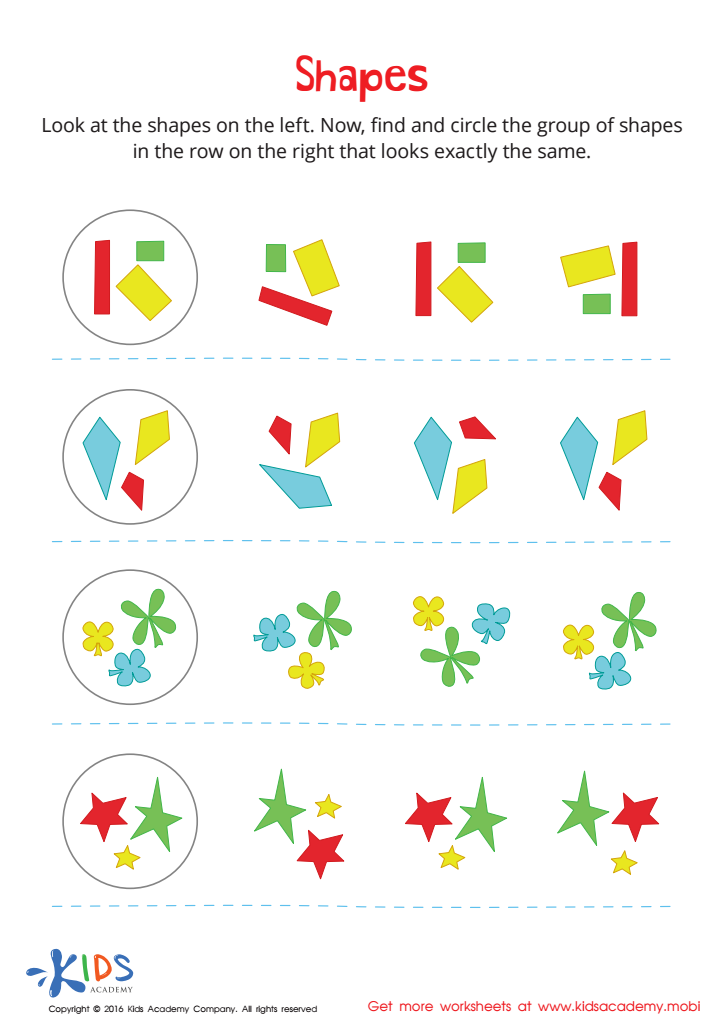
Shapes Worksheet
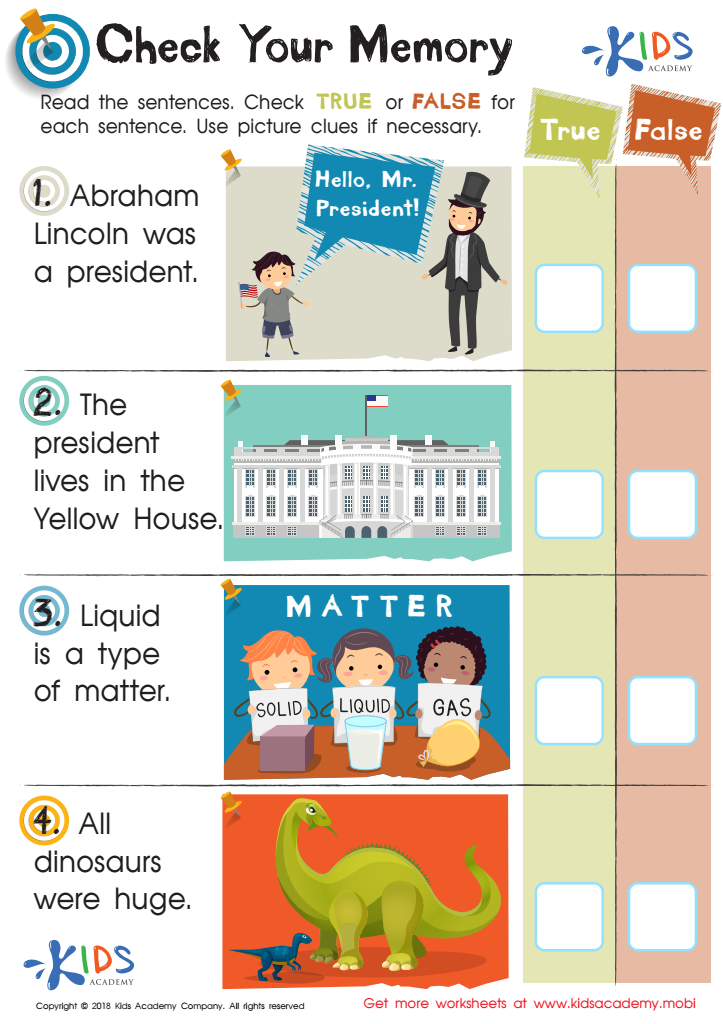
Check Memory Worksheet




.jpg)



Shape identification is crucial for children aged 3-9, as it serves as a foundational skill for their cognitive development and early mathematical understanding. Recognizing shapes helps children make sense of the world around them, fostering spatial awareness and promoting critical thinking skills. Moreover, the process of sorting, naming, and comparing shapes encourages vocabulary expansion and language development, integral aspects of early education.
Engaging with shapes also enhances fine motor skills through activities like drawing and building, which are significant at this developmental stage. Additionally, shape recognition aids problem-solving abilities and literacy, laying the groundwork for future academic success in subjects such as geometry and visual arts.
For parents and teachers, fostering an environment where shape identification is prioritized can lead to a comprehensive educational experience. Utilizing playful activities, such as games and hands-on manipulations, contributes to positive engagement and enjoyment in learning. Consequently, children develop confidence as they explore new concepts, ultimately fostering a lifelong love for learning. By caring about shape identification, adults encourage a holistic approach to education that supports creativity, analytical thinking, and essential life skills, preparing kids for further academic challenges and everyday situations.








