Sound recognition Worksheets for Ages 3-9
17 filtered results
-
From - To
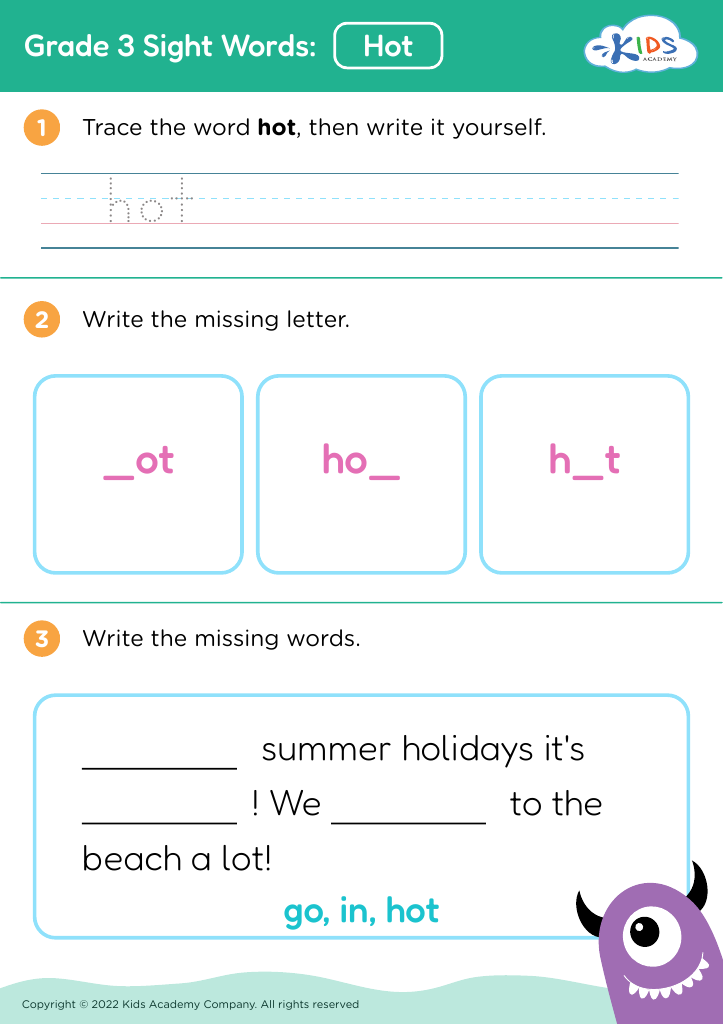
Enhance your child's auditory skills with our engaging Sound Recognition Worksheets for ages 3-9! These carefully designed printables help young learners identify and differentiate sounds, fostering vital phonemic awareness. With a colorful and captivating layout, each worksheet features interactive activities that make learning fun and effective. Kids will enjoy matching sounds to images, completing sound-based puzzles, and participating in vibrant auditory exercises. Ideal for both classroom settings and home learning, these worksheets support early literacy development and sharpen listening skills essential for future academic success. Explore our collection today and watch your child thrive as they discover the joyful world of sounds!
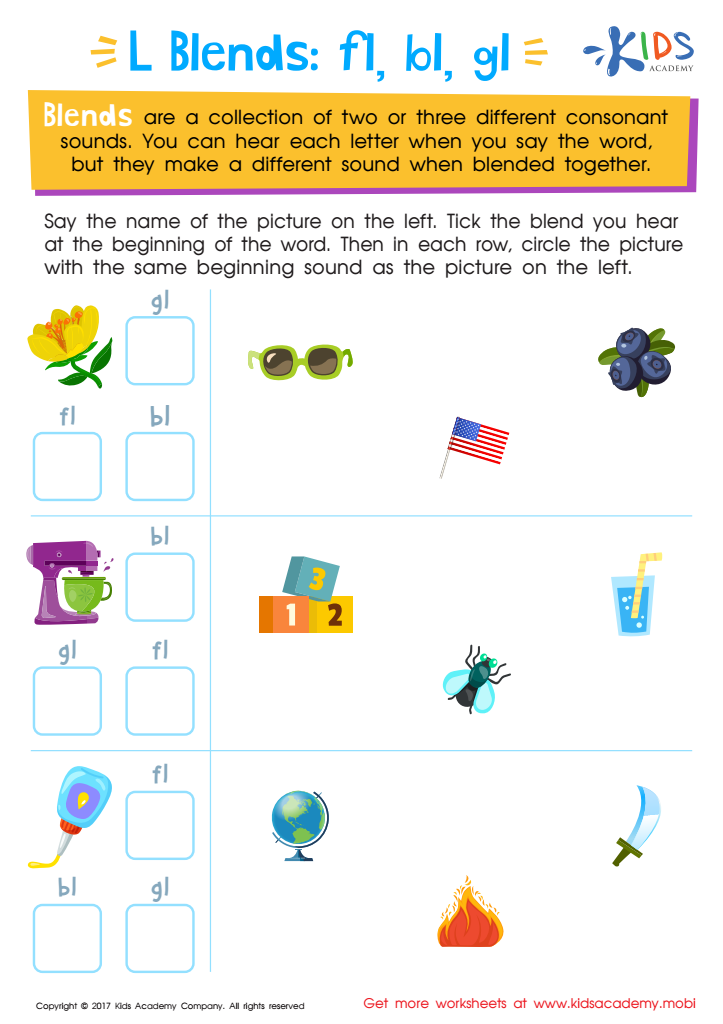
Blending Consonants: "Fl", "Bl" and "Gl" Printable
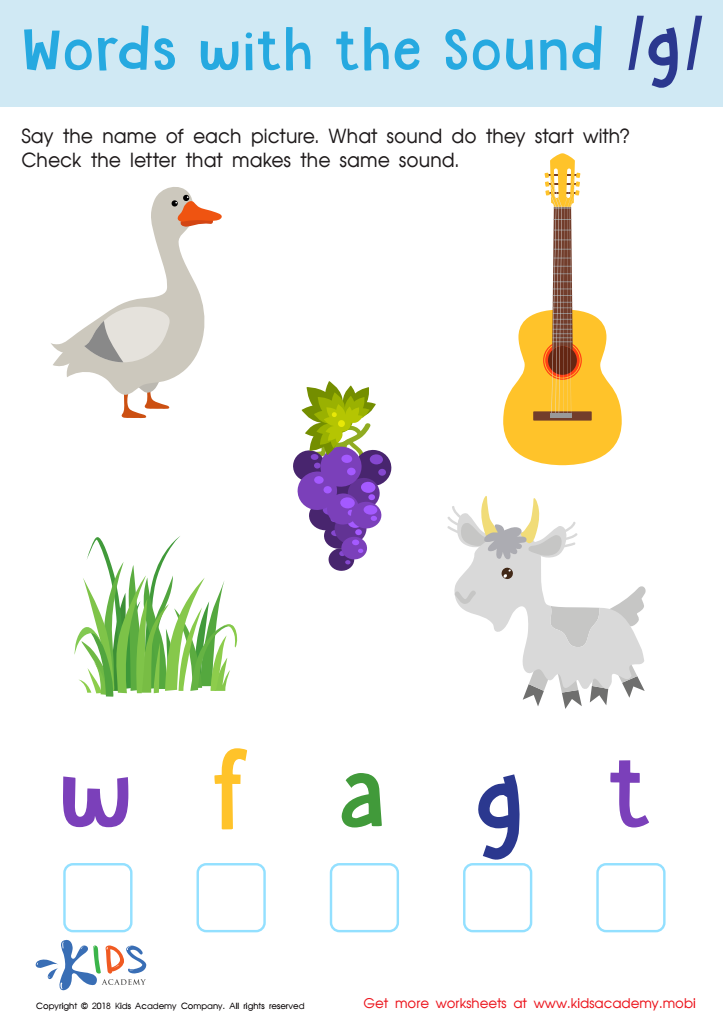
Words with sound g Reading Worksheet
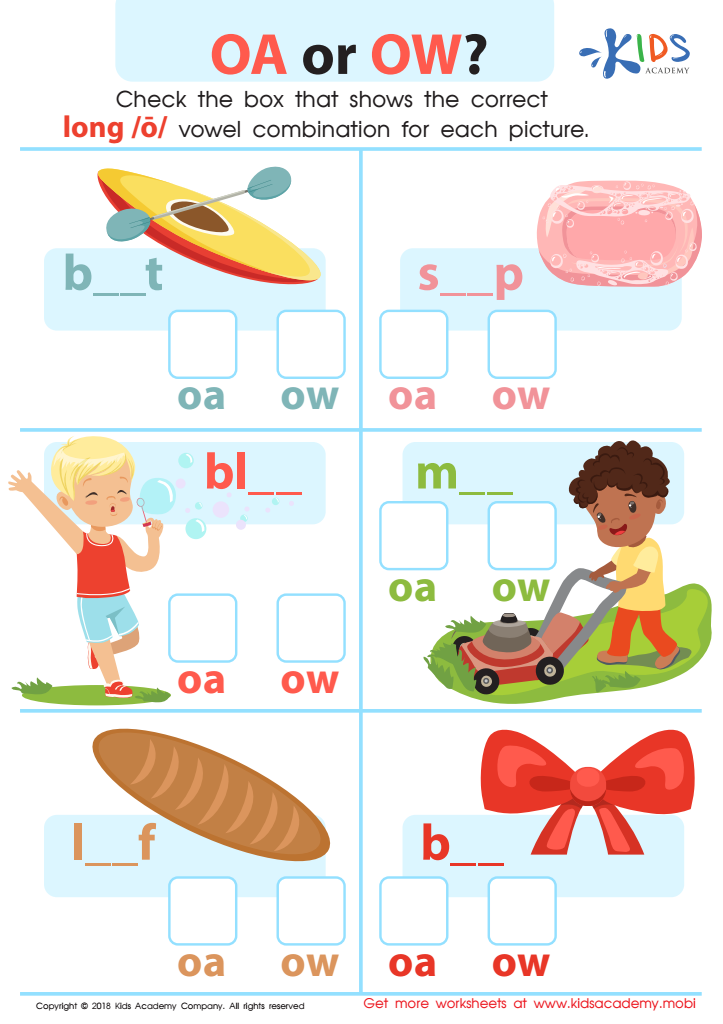
Reading: OA or OW Worksheet
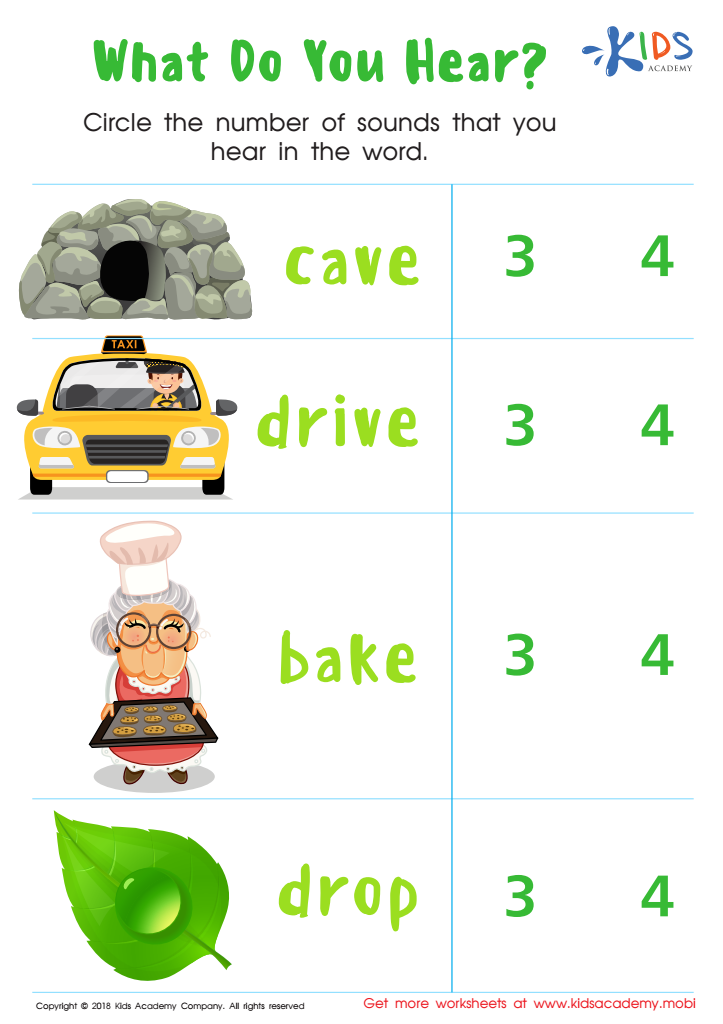
What Do You Hear? Worksheet
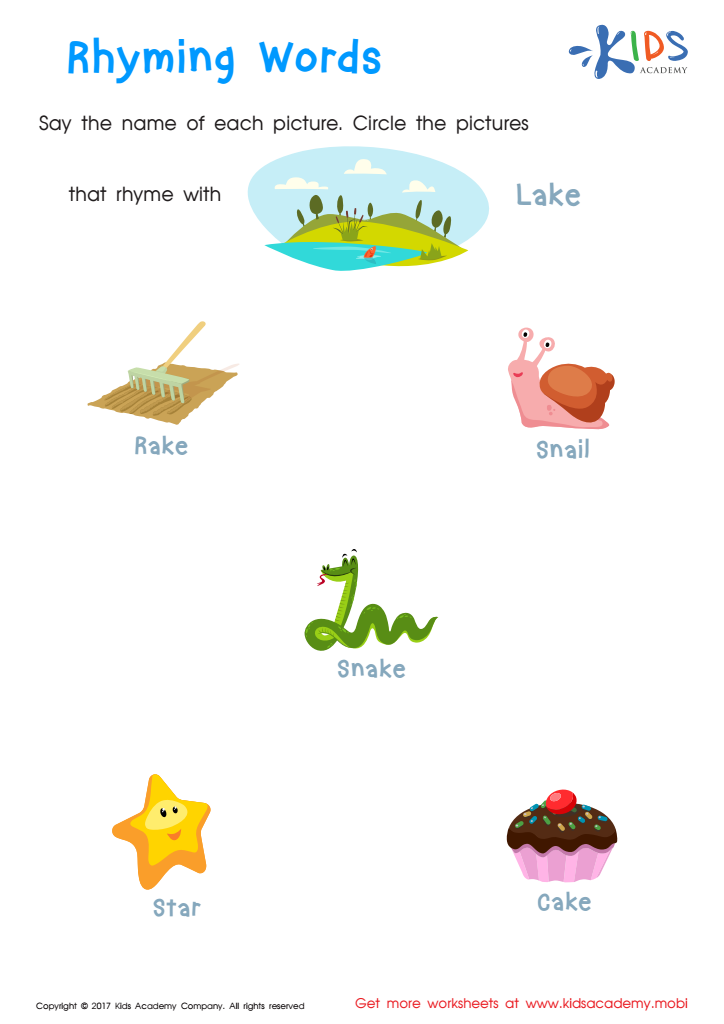
Rhyming Words Rhyming Worksheet
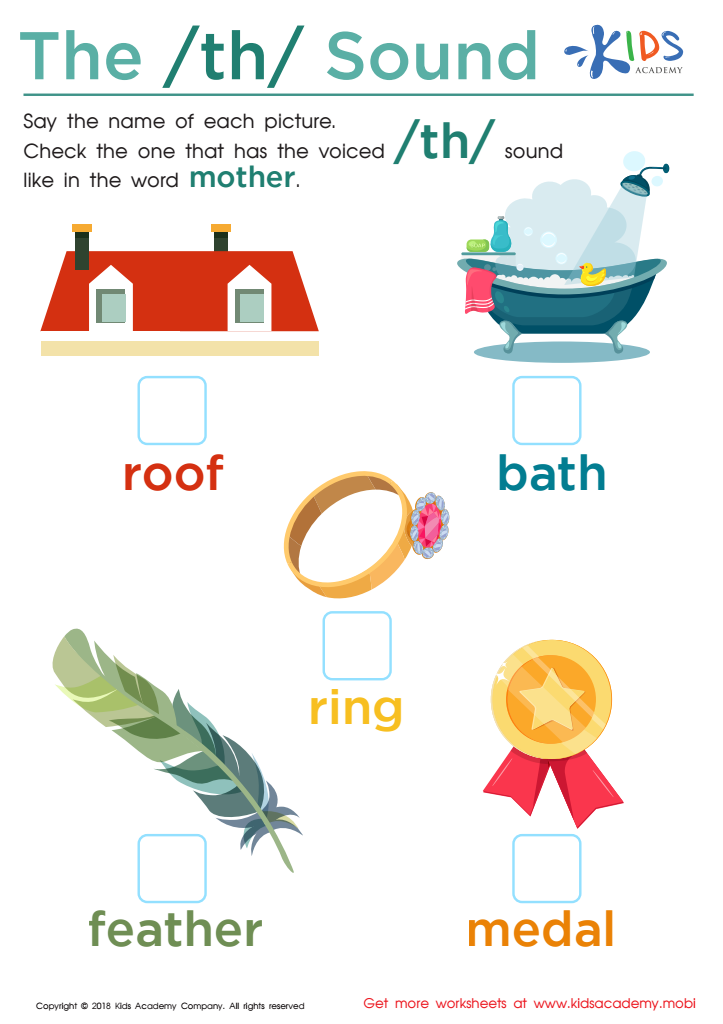
The /th/ Sound Worksheet
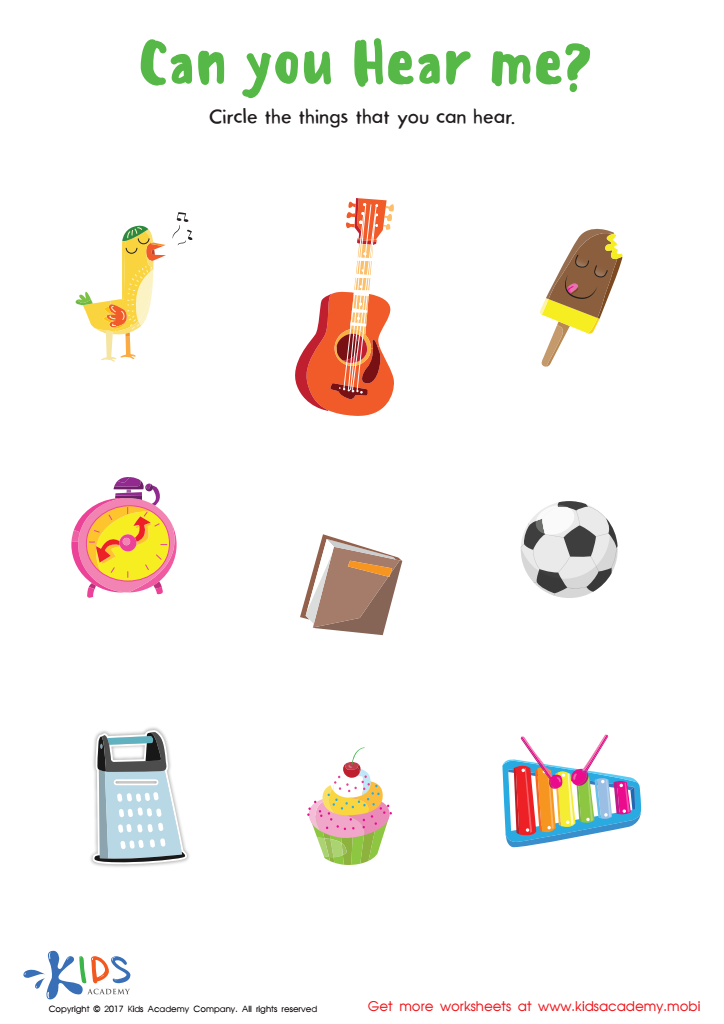
Can You Hear Me Worksheet
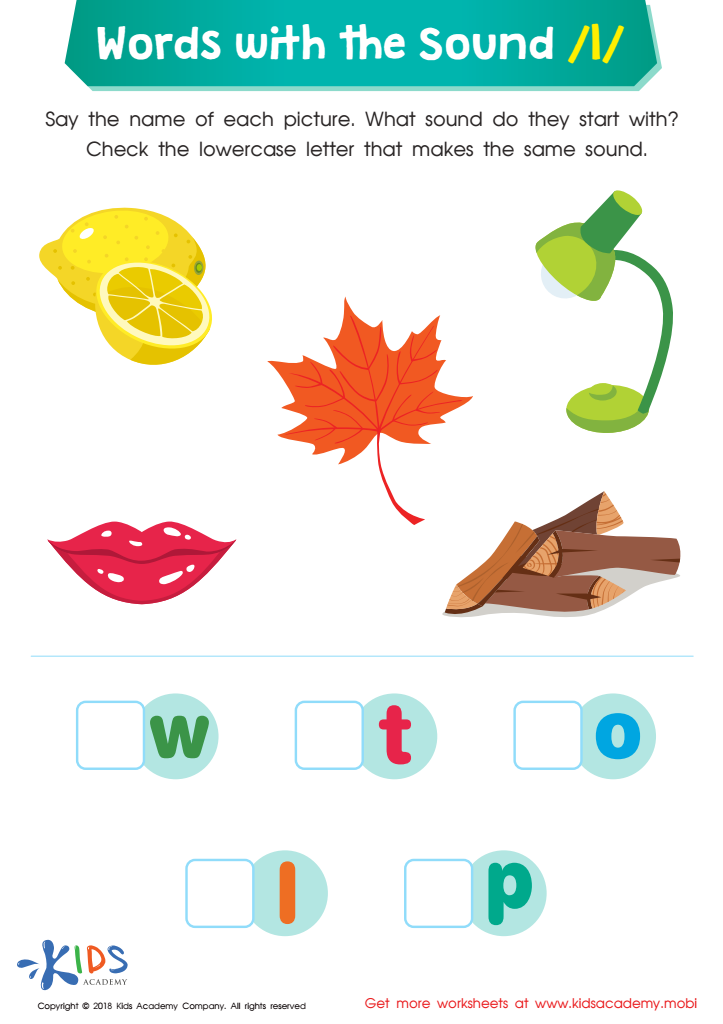
Words with Sound L Reading Worksheet
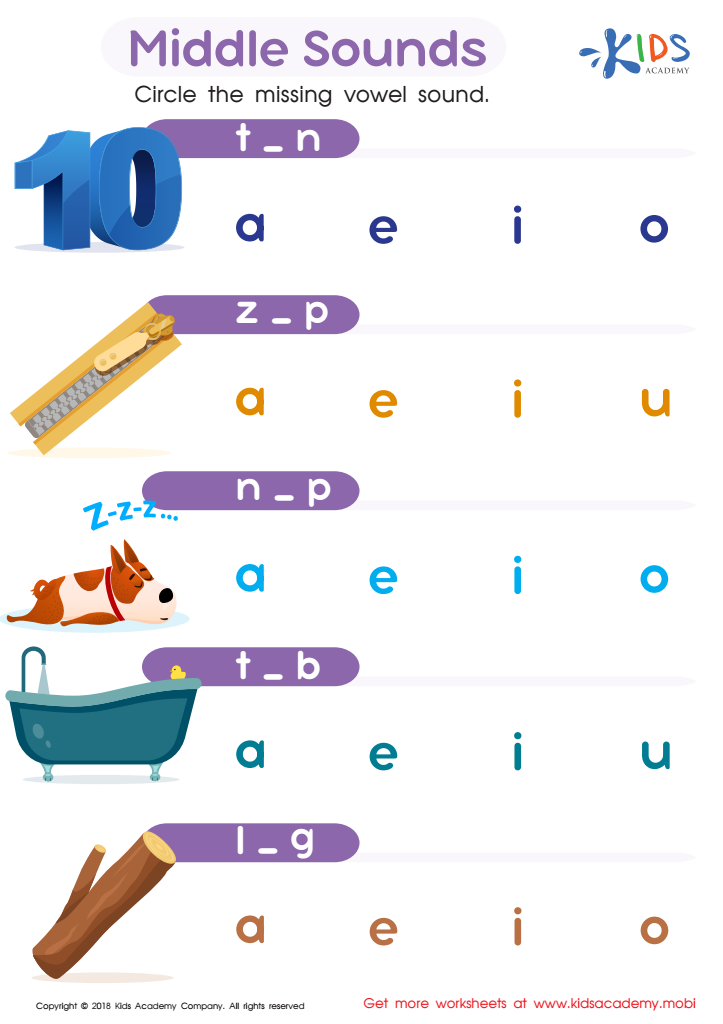
Middle Sounds Worksheet
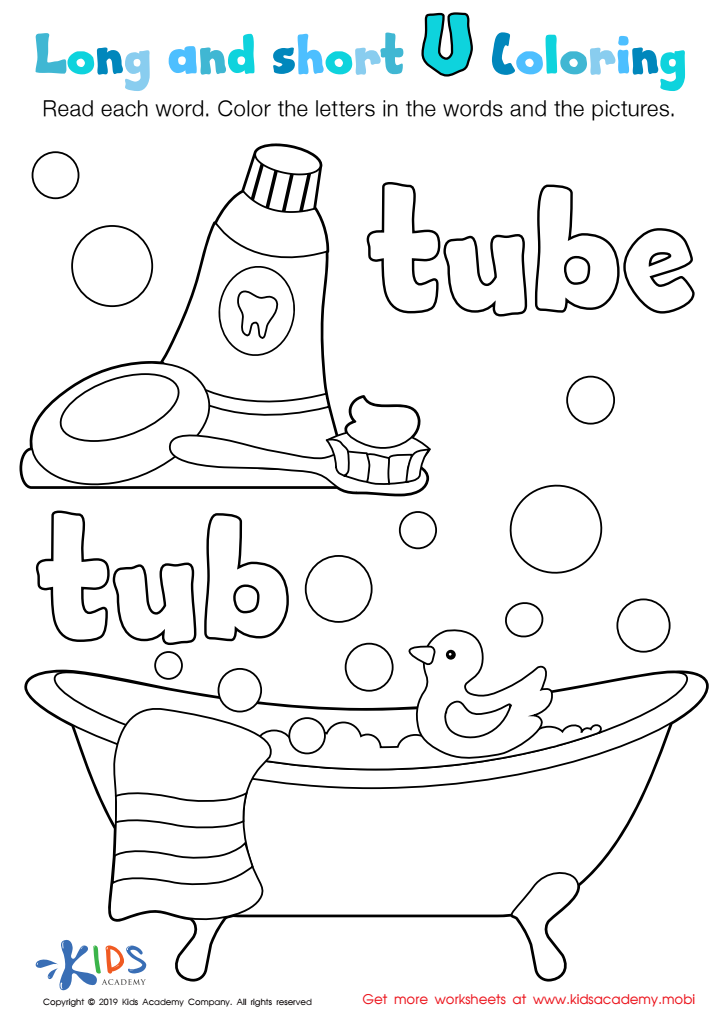
Long and Short U Worksheet
 Assign to My Students
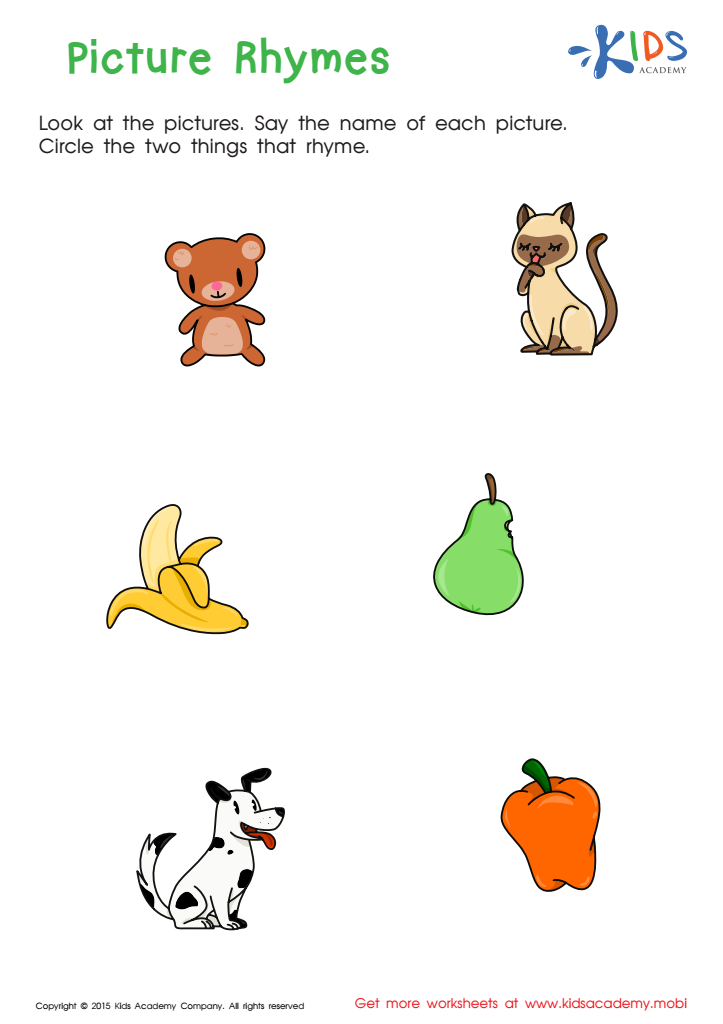
First Words: Picture Rhymes Worksheet
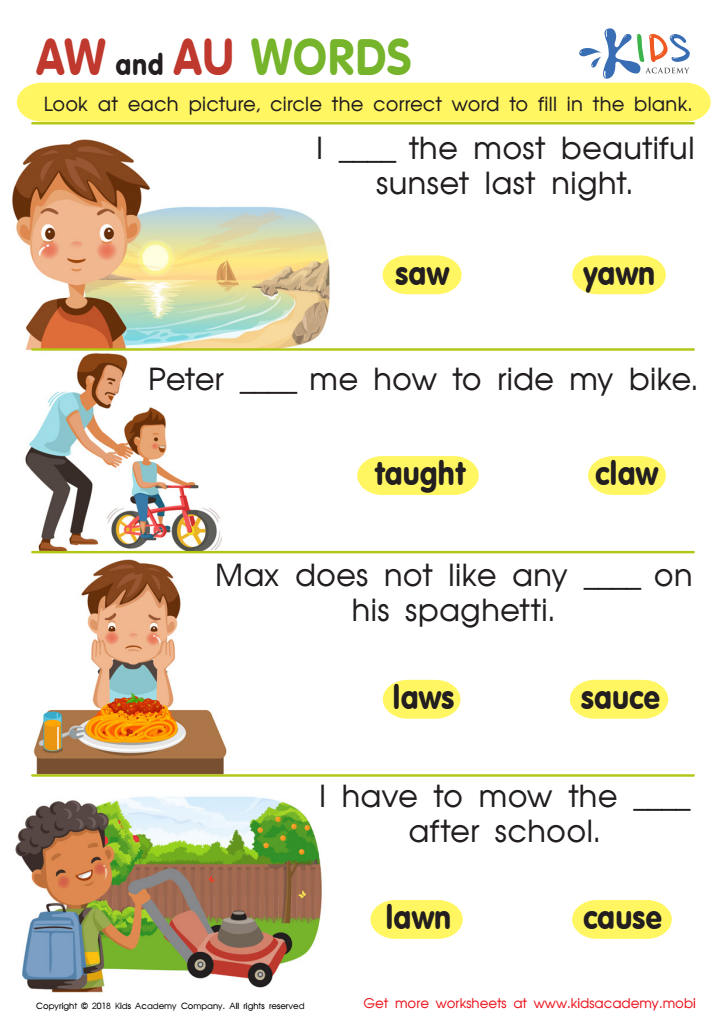
Reading: AW and AU Words Worksheet
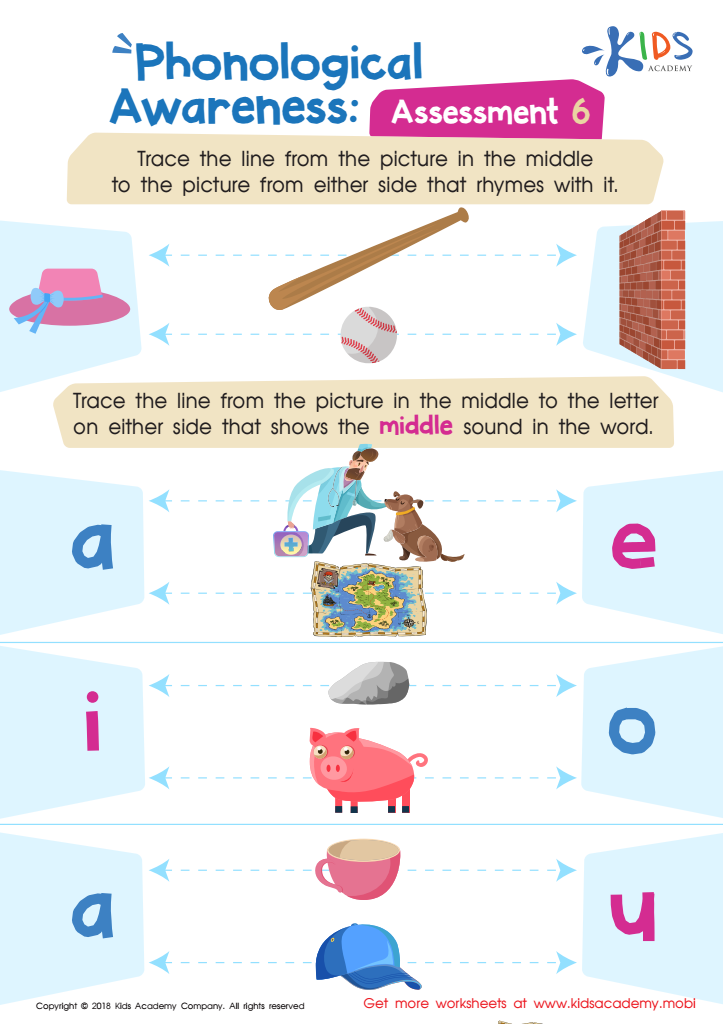
Phonological Awareness: Assessment 6 Worksheet
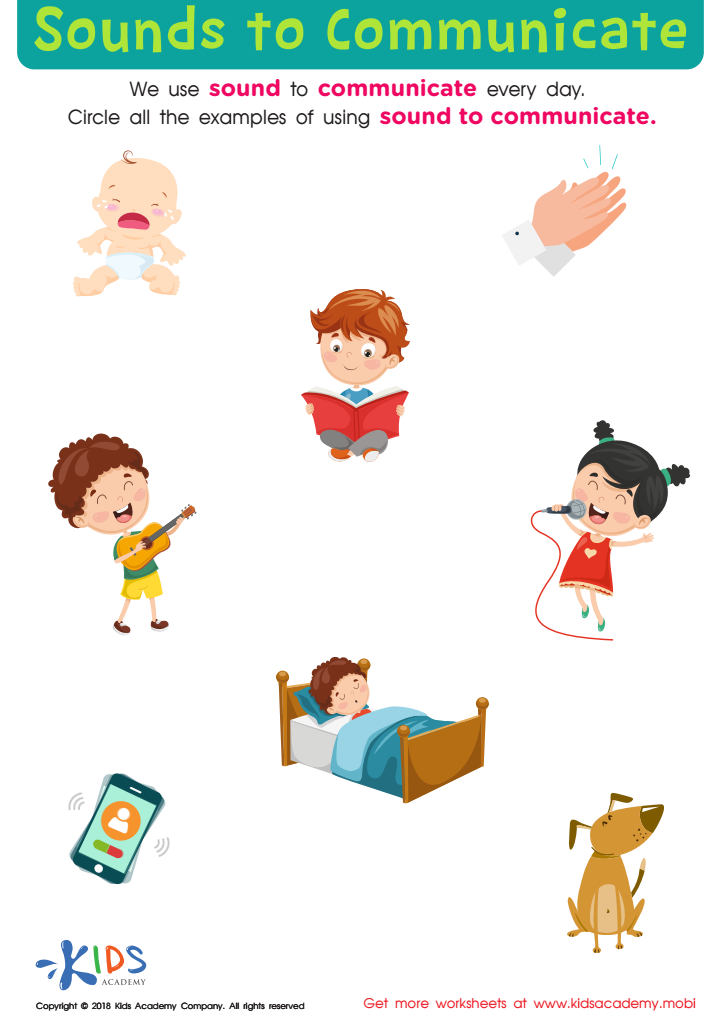
Sounds to Communicate Worksheet
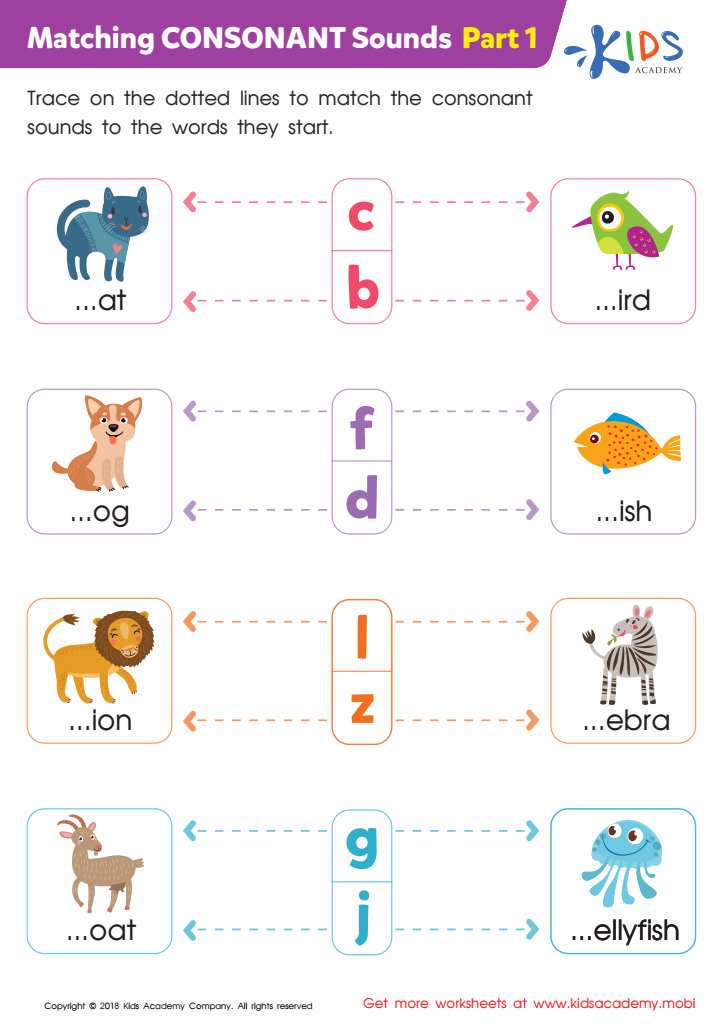
Matching Consonant Sounds: Part 1 Worksheet
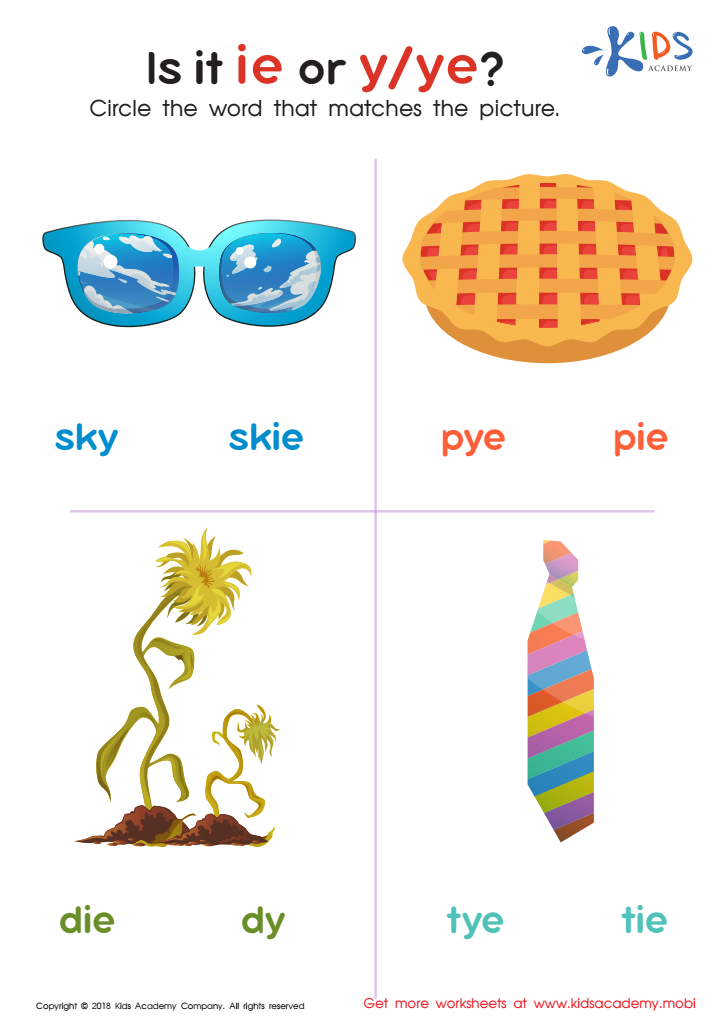
Is It IE or Y/Ye? Worksheet





%20(1).jpg)
Sound recognition is a fundamental skill that significantly impacts a child's overall literacy development and cognitive growth, making it essential for parents and teachers to care about its importance in ages 3 to 9. During early childhood, kids are actively developing their listening skills, which are crucial for processing spoken language. Mastering sound recognition helps children identify different sounds, differentiate between phonemes, and recognize patterns. These abilities pave the way for effective reading skills, as they learn to associate sounds with letters and words.
Furthermore, sound recognition facilitates better communication skills. Children who develop this skill early are often more verbal and confident, allowing them to express themselves clearly and effectively in social interactions. Moreover, engaging with sound recognition activities can enhance a child’s attention span and memory, contributing positively to their overall learning experience.
For parents and teachers, incorporating sound recognition in daily activities can be achieved through songs, rhymes, games, and storytelling. Nurturing these skills not only supports academic achievement but also fosters a love for learning, setting a solid foundation for children's future educational pursuits. Ultimately, prioritizing sound recognition in young learners greatly benefits their long-term development.








