Understanding sequence Worksheets for Ages 3-9
9 filtered results
-
From - To
Discover the vital role of understanding sequences in early childhood education with our engaging worksheets designed for ages 3 to 9. Our printable resources help young learners develop essential skills in organizing information logically, enhancing critical thinking and problem-solving abilities. Each worksheet features colorful illustrations and age-appropriate activities, inviting children to explore patterns, predict outcomes, and strengthen their sequential reasoning. Perfect for parents and educators alike, these worksheets provide a seamless blend of fun and educational value, making learning an enjoyable experience. Help your child thrive in foundational skills with our comprehensive collection of sequence worksheets today!
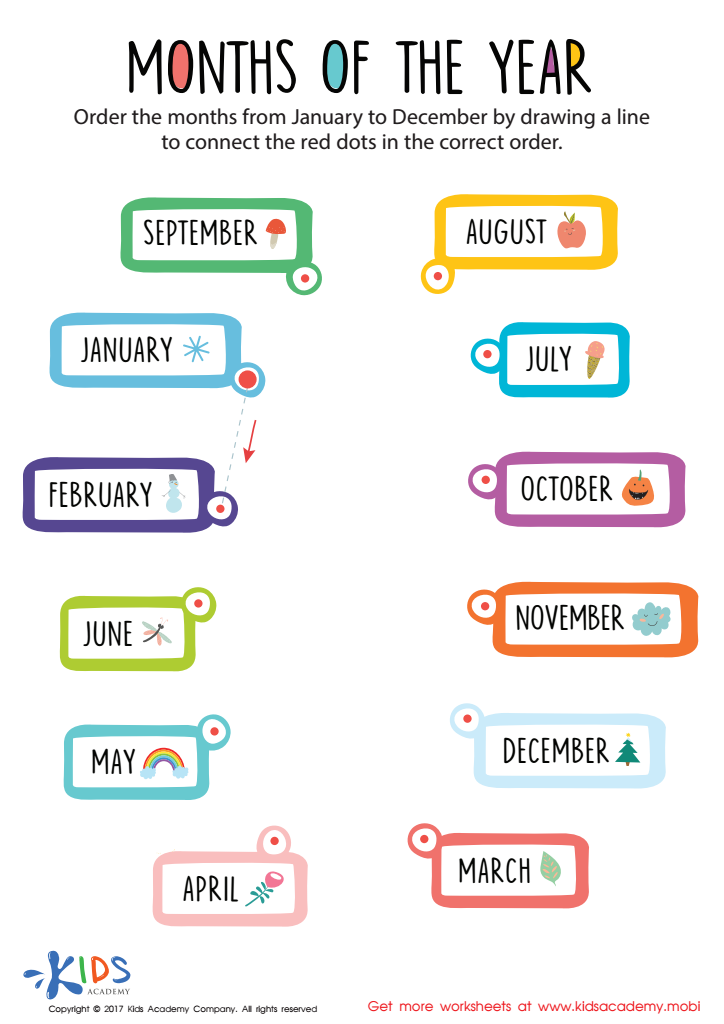
Months of the Year Worksheet
 Assign to My Students
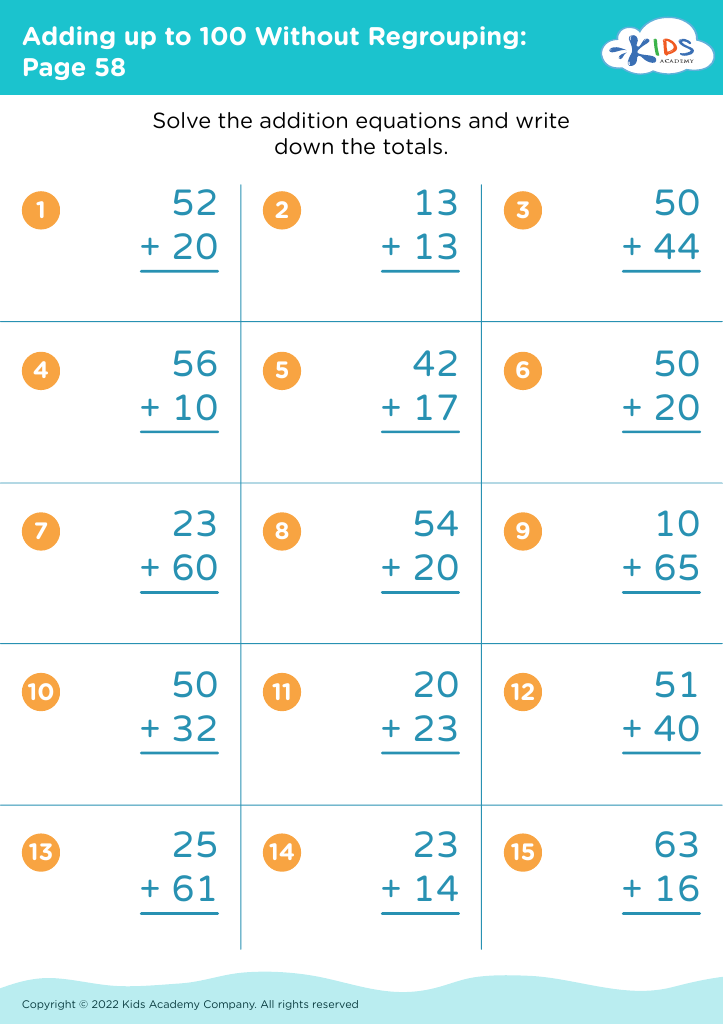
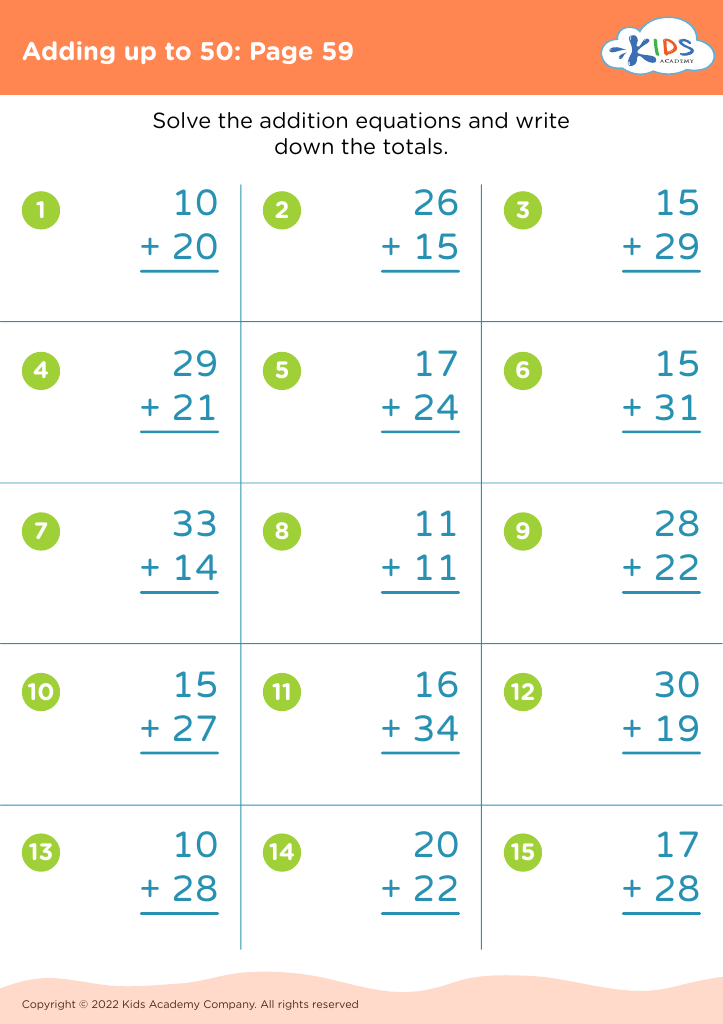
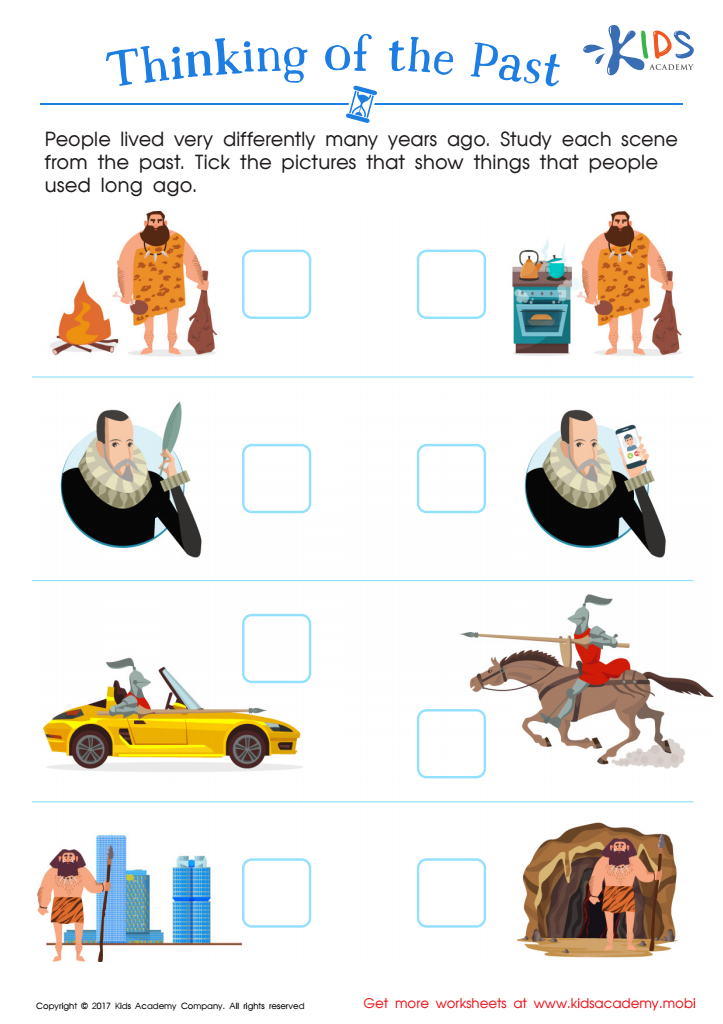
Thinking Past Printable
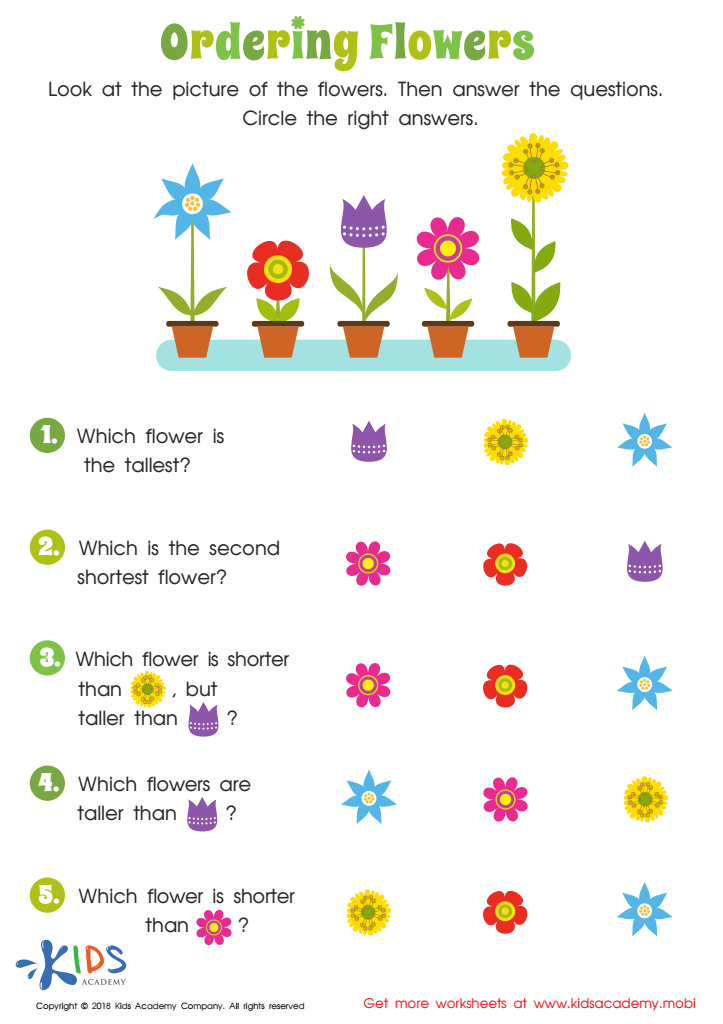
Ordering Flowers Worksheet
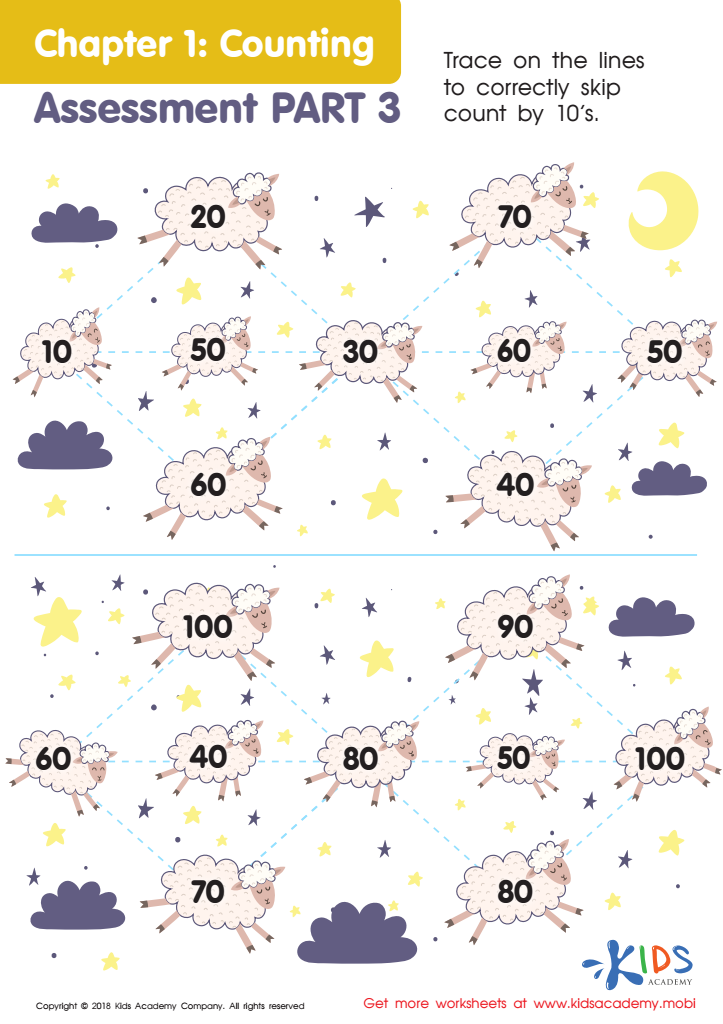
Counting: Assessment 3 Worksheet
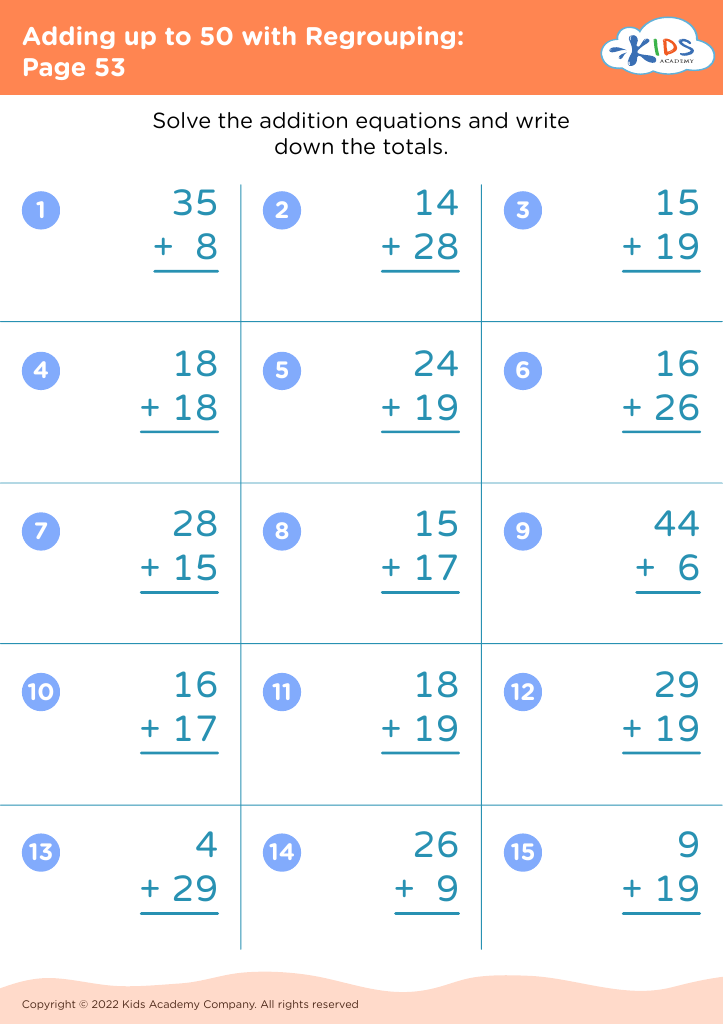
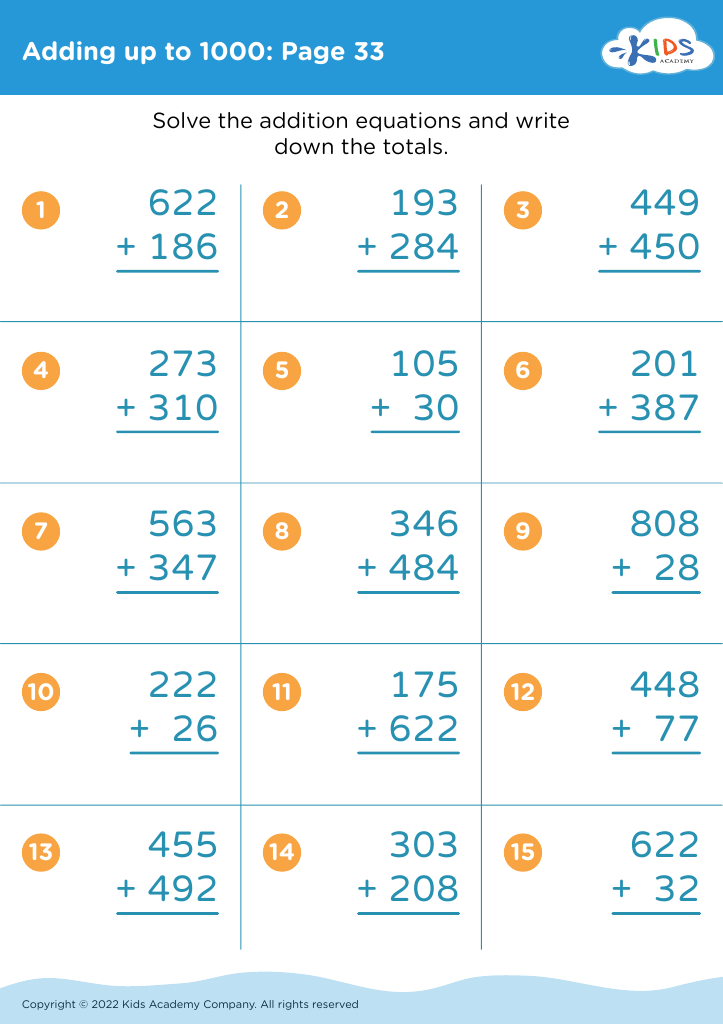






Understanding sequence is crucial for children ages 3-9 as it lays the foundational skills necessary for logical thinking and problem-solving. During these formative years, children are rapidly developing cognitive abilities. Sequence comprehension helps them recognize patterns, follow instructions, and understand cause-and-effect relationships, which are essential for daily activities and academic success.
For parents and teachers, emphasizing sequence demonstrates its relevance across various developmental domains. In language development, sequenced storytelling nurtures listening and comprehension skills. In mathematics, comprehending numerical sequences or patterns enhances their ability to solve problems and perform operations effectively. Furthermore, understanding daily routines provides children with a sense of stability, guiding them in managing tasks and responsibilities.
Engaging young learners with sequencing activities—such as arranging daily routines, storytelling, or sequencing physical movements—reinforces these skills in a fun and relatable manner. This also fosters social-emotional growth, as they learn to collaborate and communicate effectively with peers. In sum, supporting children's understanding of sequence not only enhances their academic prowess but also equips them with essential skills for navigating life's complexities, ultimately laying the groundwork for future learning and cognitive development.








