Filters

18 filtered results

Clear all filters
Favorites
With answer key
Interactive

18 filtered results

Difficulty Level

Grade


Explore the exciting world of visual learning with our "Adding in the Sea" worksheets, designed specifically for children ages 3-9! These captivating worksheets help young learners master addition through vibrant, ocean-themed visuals that engage their imagination. By incorporating fun sea animals and colorful illustrations, kids will find joy in practicing their math skills. Perfect for home or classroom settings, these resources boost cognitive development while enhancing problem-solving abilities. Encourage your child's love for numbers and foster a strong foundation in mathematical concepts with our stimulating visual aids. Dive into a sea of learning and make math enjoyable today!
Check out this FREE Trial Lesson on Adding in the Sea for age 3-9!

Exactly the Same, or Not

Favorites
With answer key
Interactive
  • 3-9
  • Visual Learning
  • Adding in the Sea
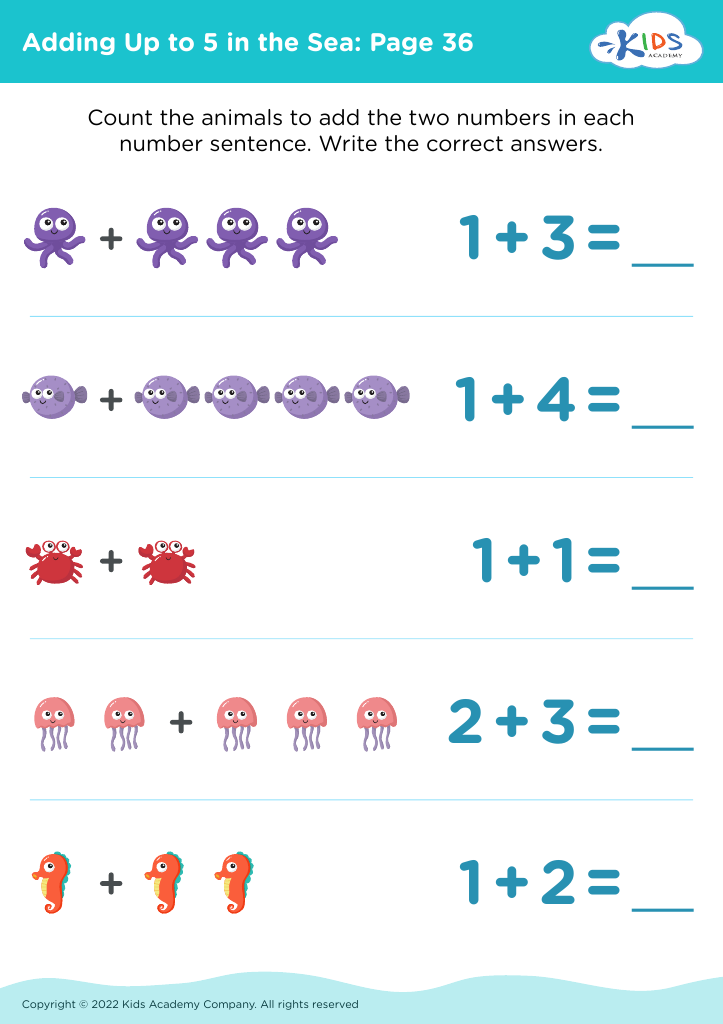
Adding Up to 5 in the Sea: Page 36
Worksheet
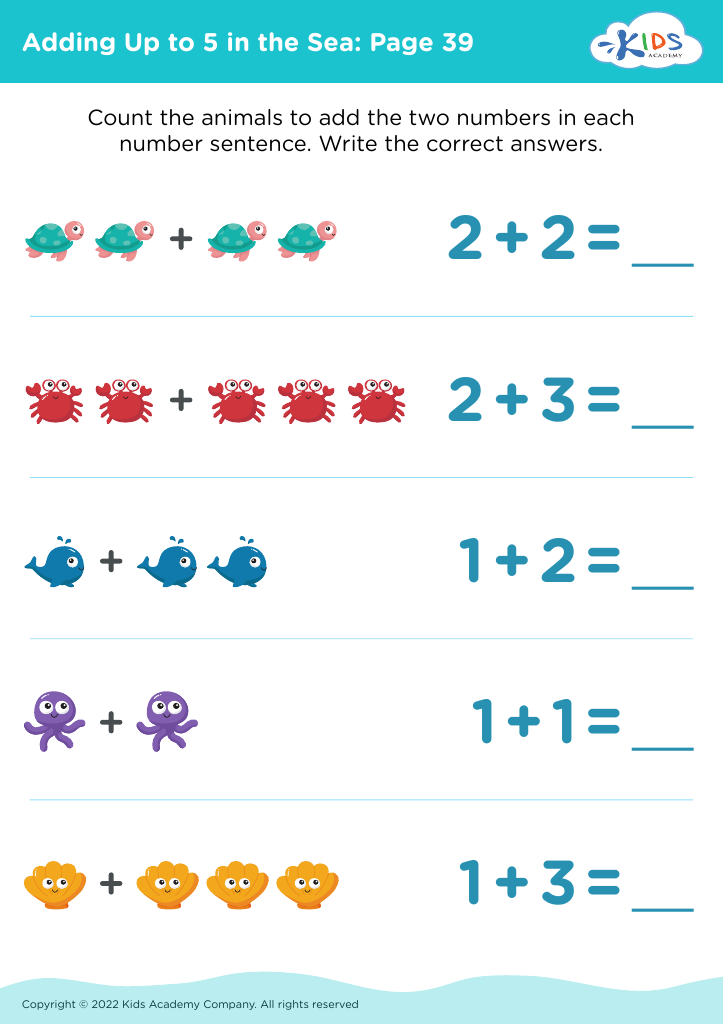
Adding Up to 5 in the Sea: Page 39
Worksheet
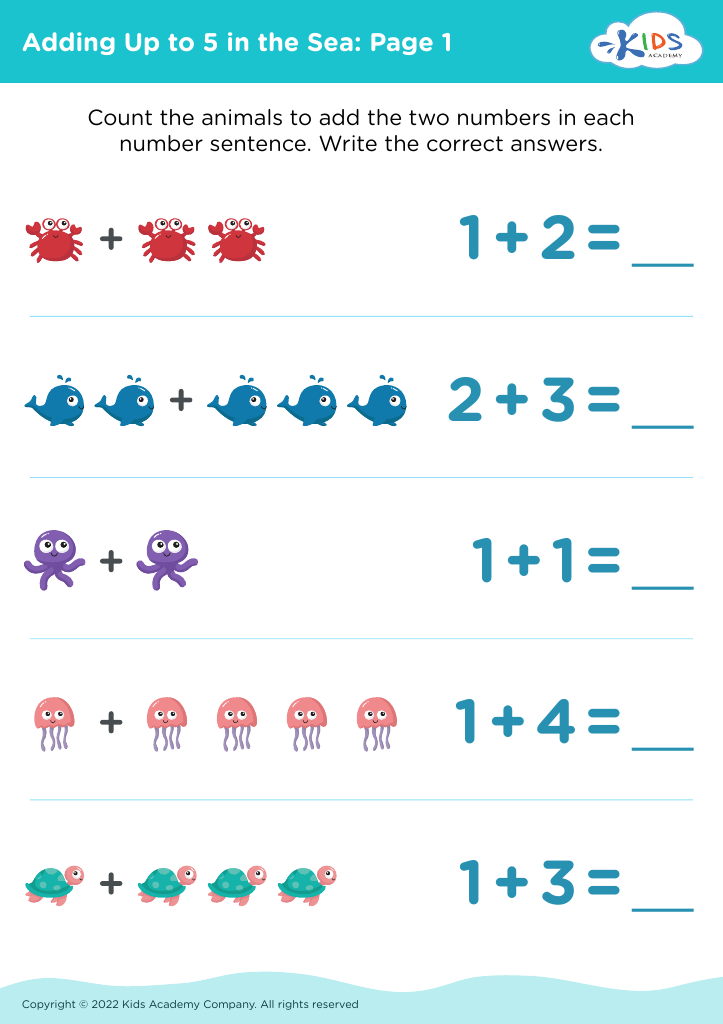
Adding Up to 5 in the Sea: Page 1

Adding Up to 5 in the Sea: Page 1

Adding Up to 5 in the Sea: Page 1
Worksheet
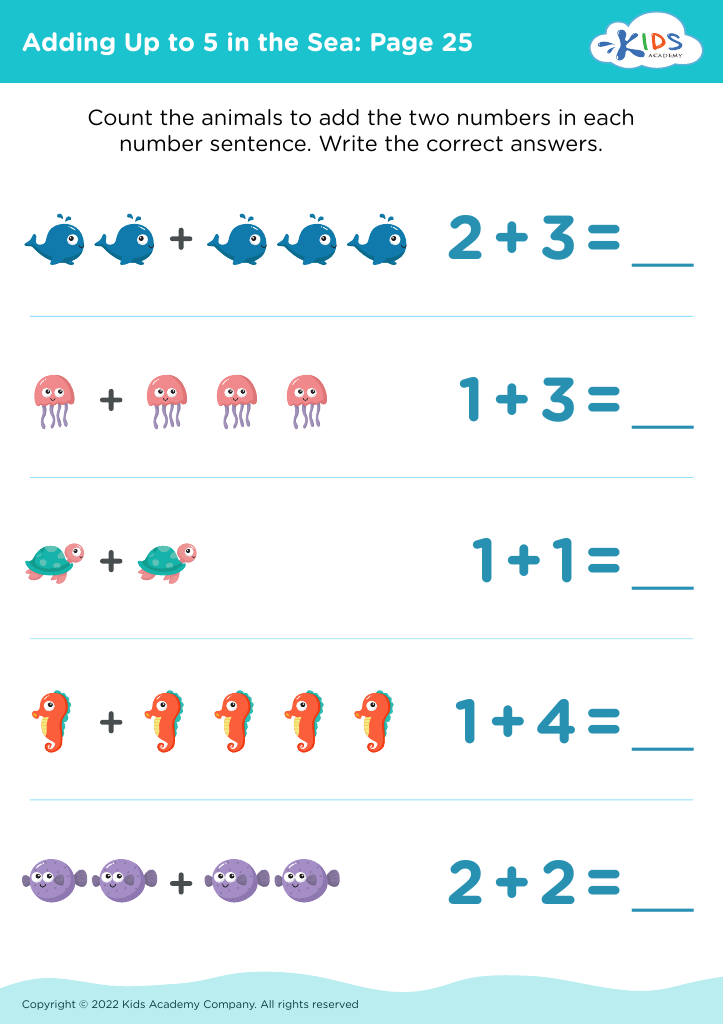
Adding Up to 5 in the Sea: Page 25
Worksheet
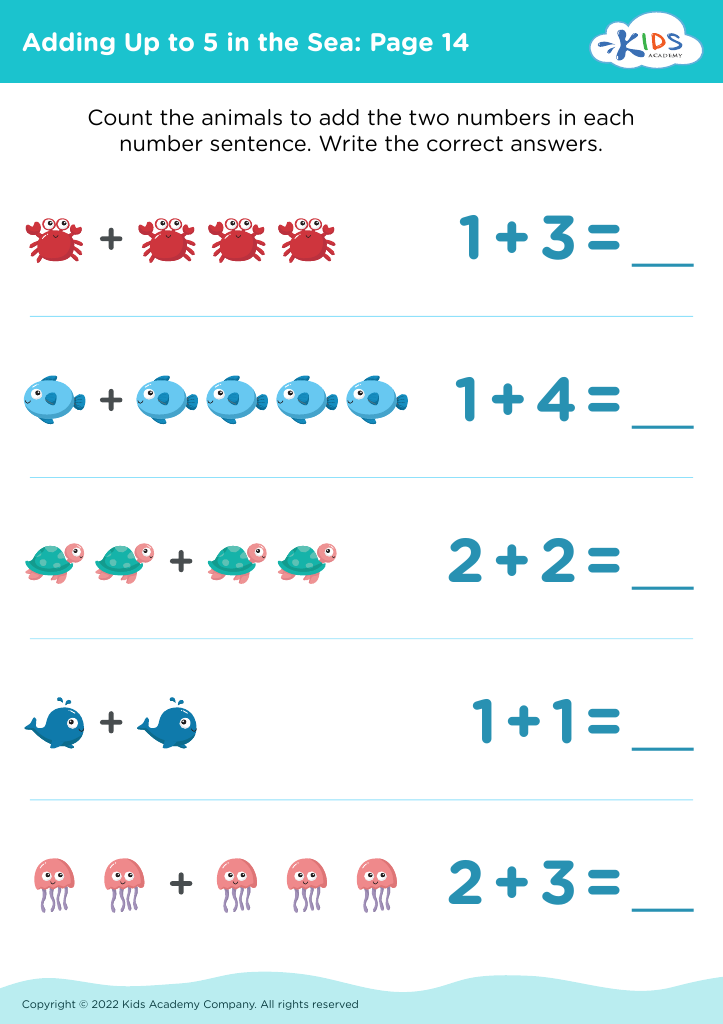
Adding Up to 5 in the Sea: Page 14
Worksheet
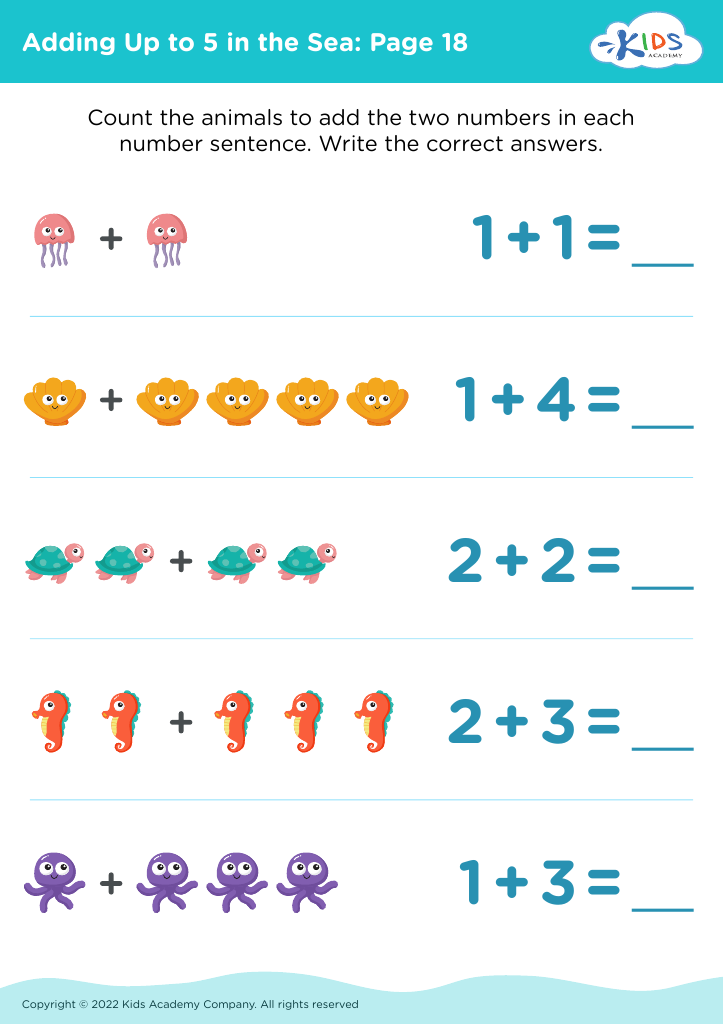
Adding Up to 5 in the Sea: Page 18
Worksheet
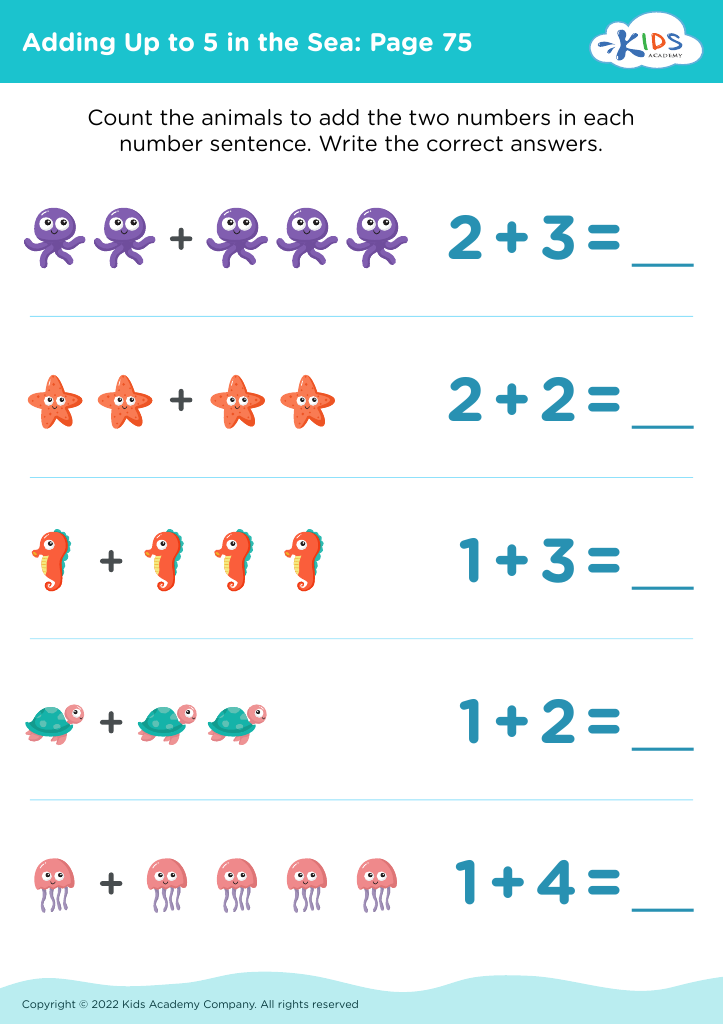
Adding Up to 5 in the Sea: Page 75
Worksheet
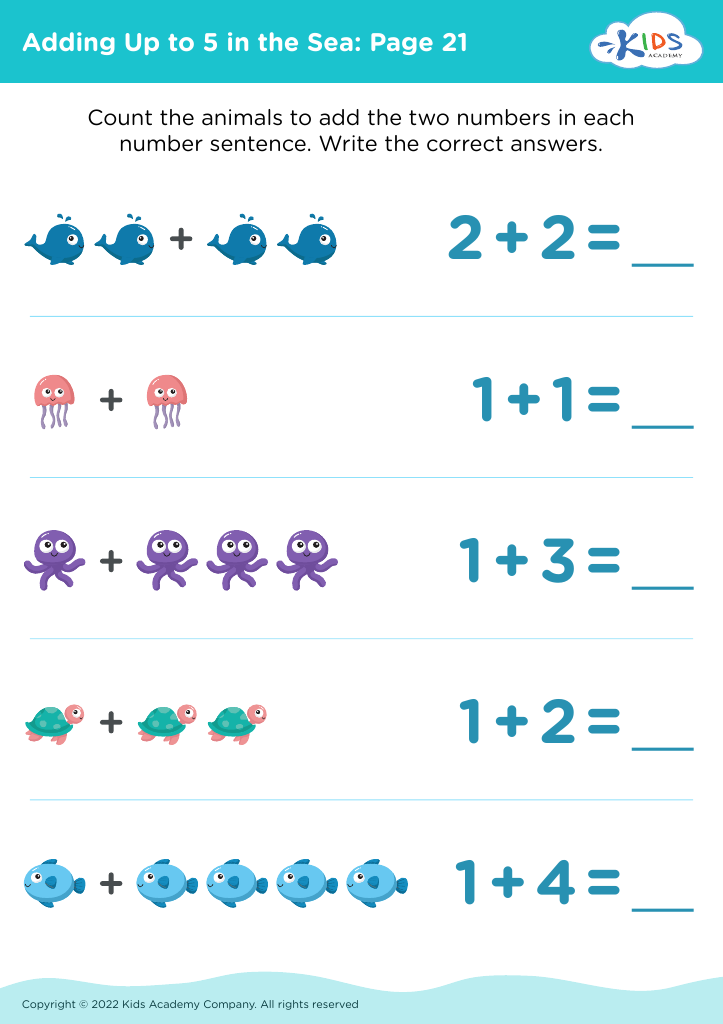
Adding Up to 5 in the Sea: Page 21
Worksheet
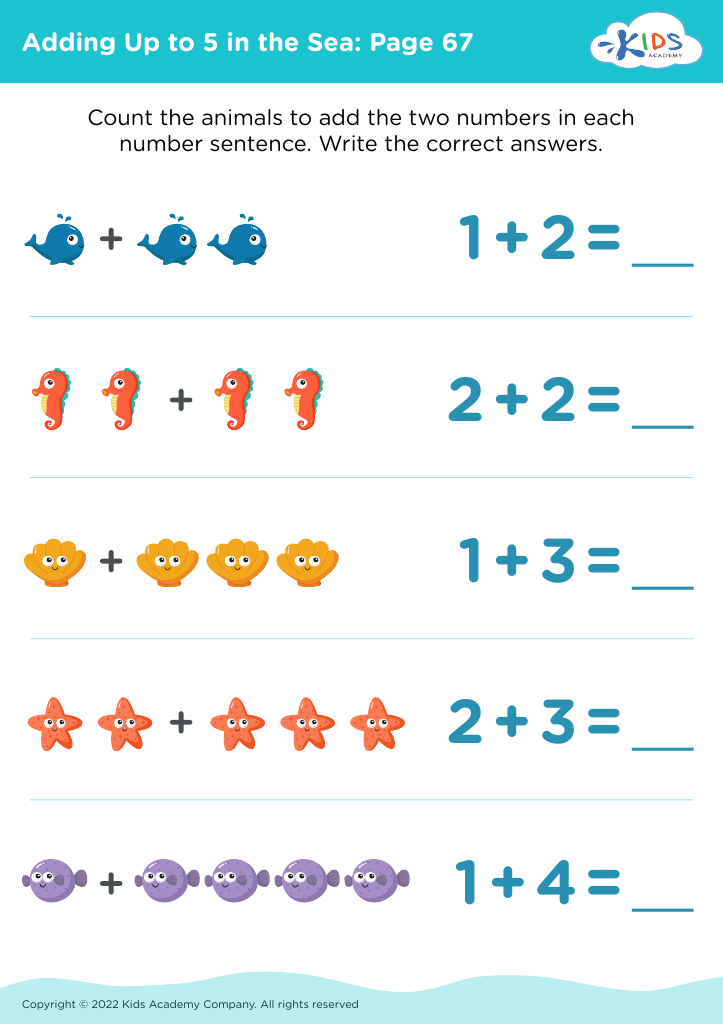
Adding Up to 5 in the Sea: Page 67
Worksheet
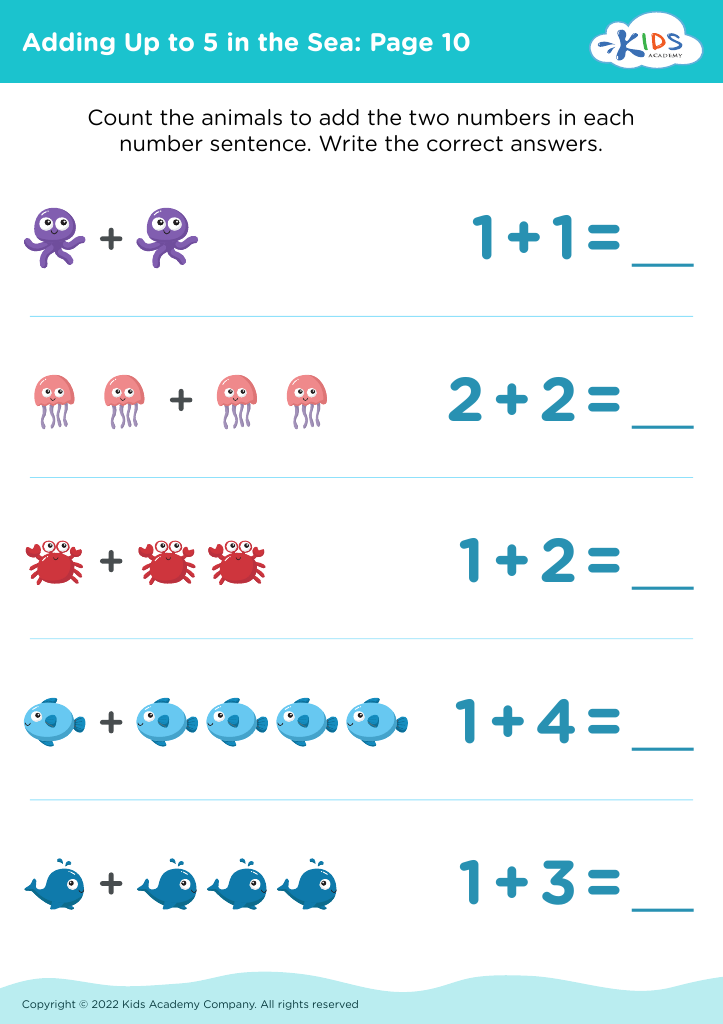
Adding Up to 5 in the Sea: Page 10
Worksheet
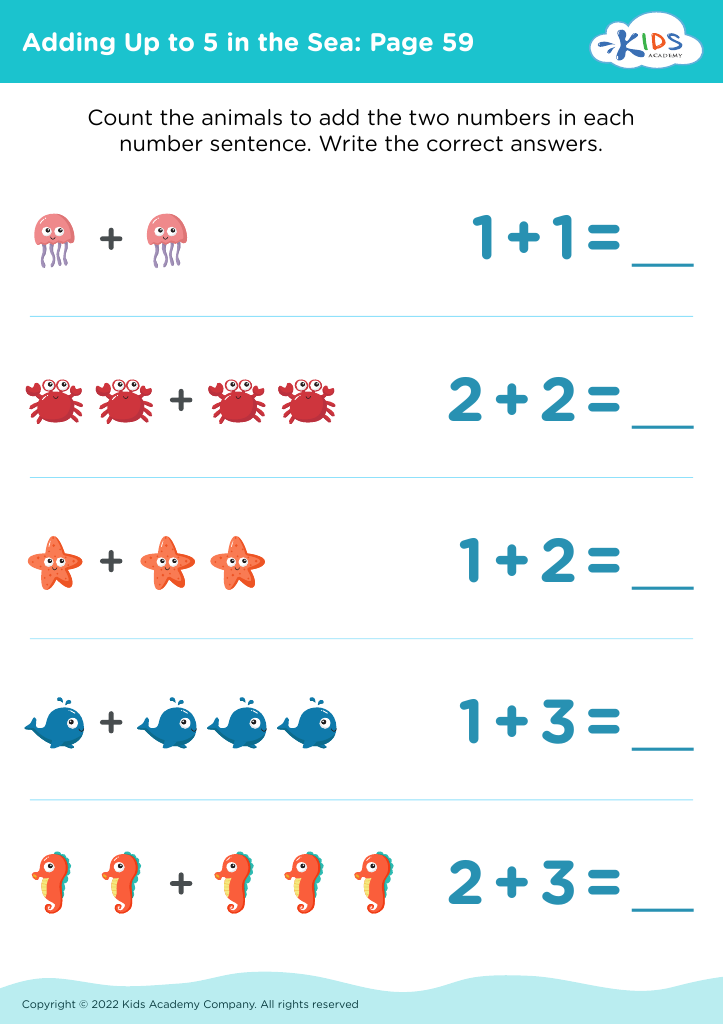
Adding Up to 5 in the Sea: Page 59
Worksheet
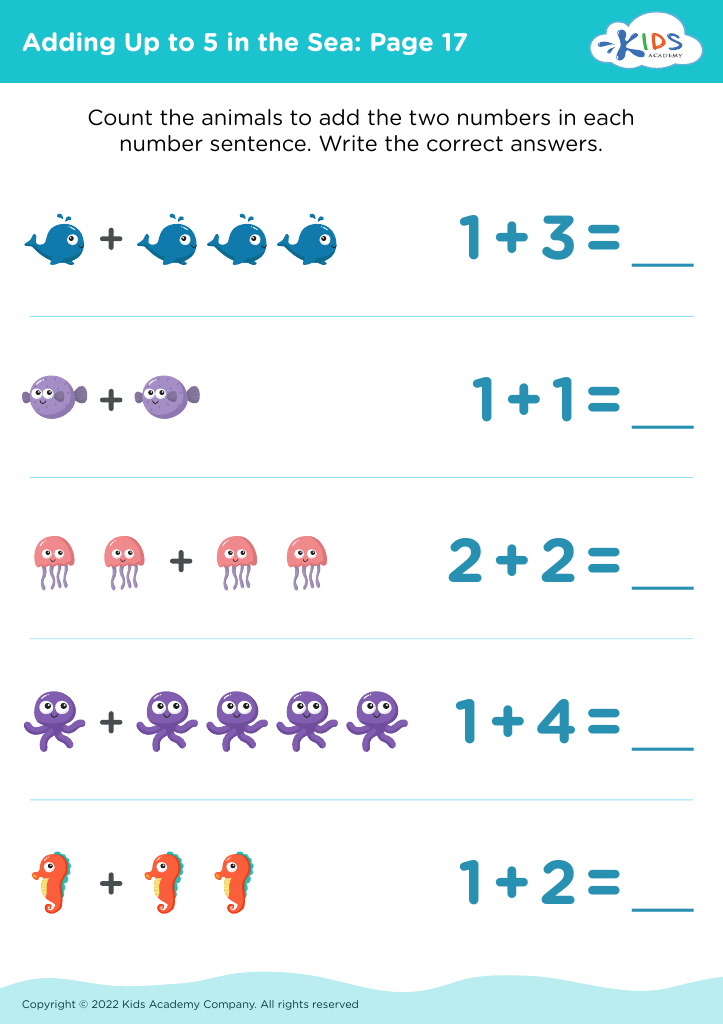
Adding Up to 5 in the Sea: Page 17
Worksheet
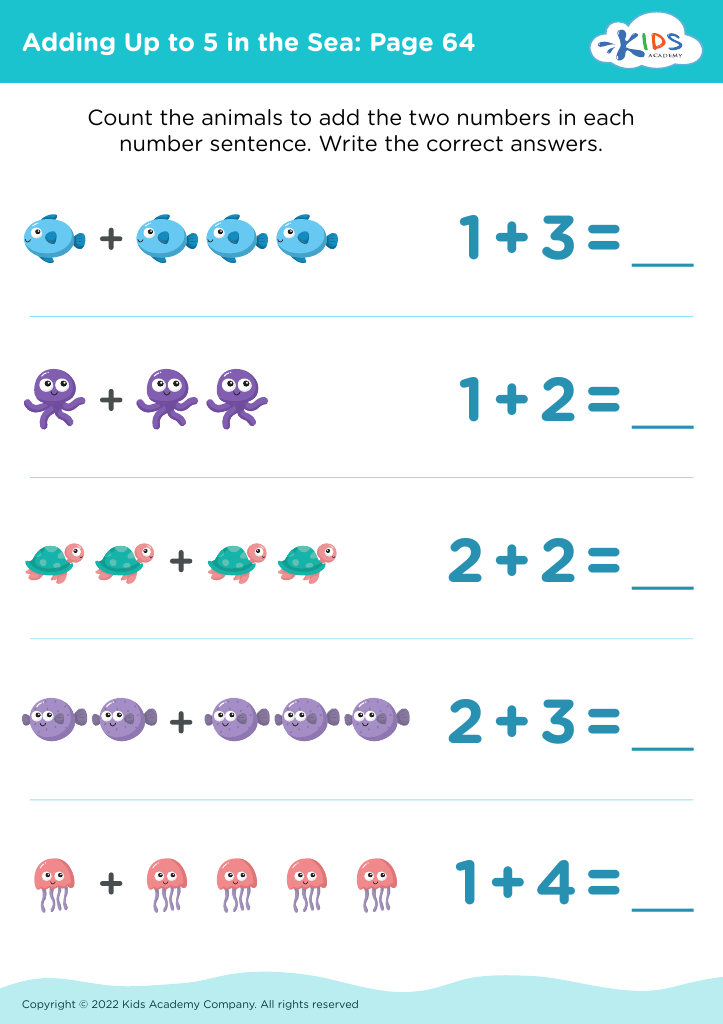
Adding Up to 5 in the Sea: Page 64
Worksheet
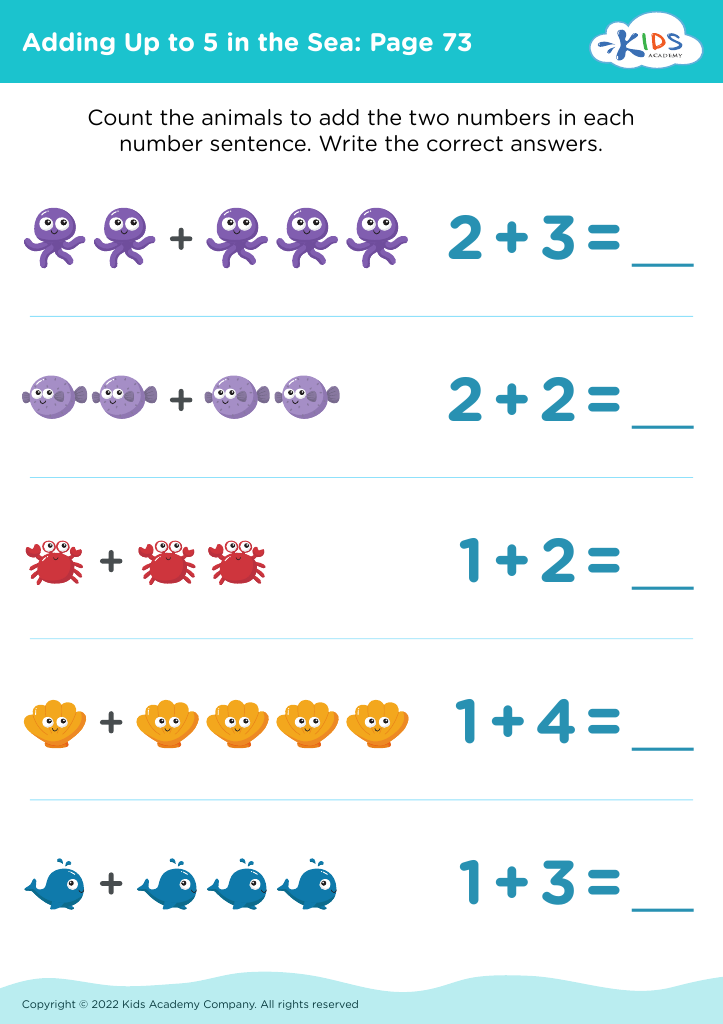
Adding Up to 5 in the Sea: Page 73
Worksheet
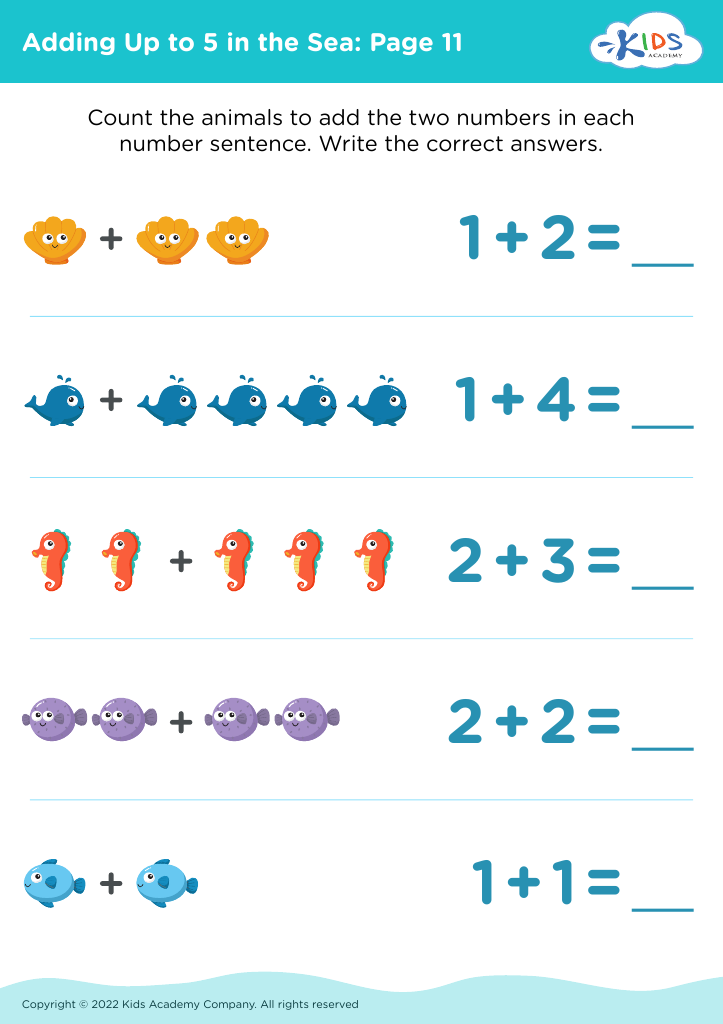
Adding Up to 5 in the Sea: Page 11
Worksheet
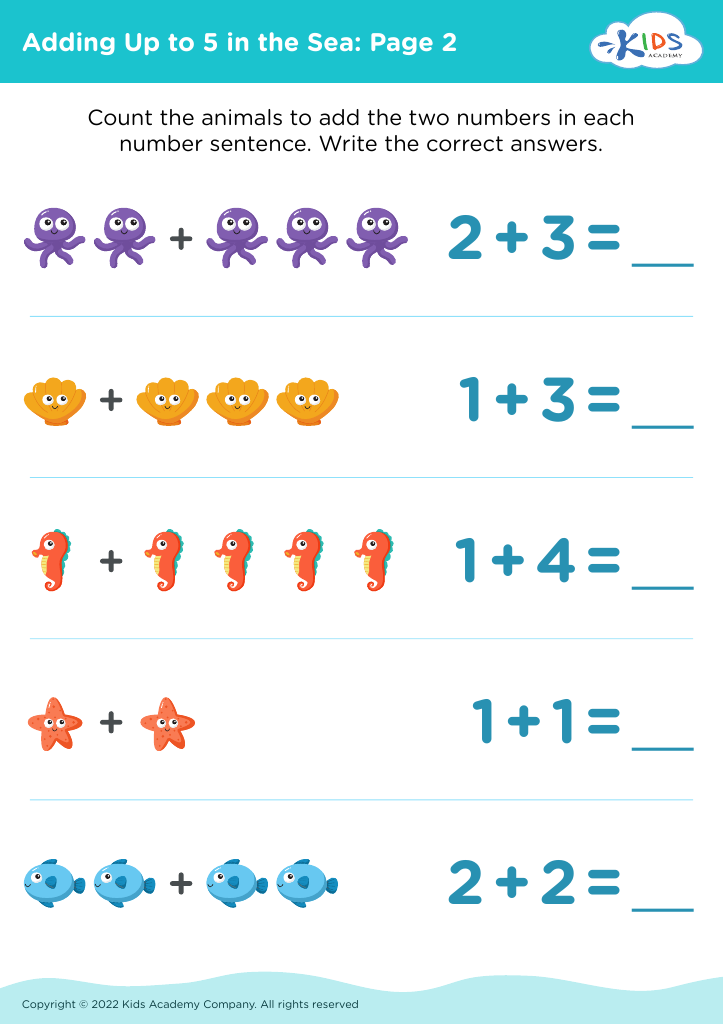
Adding Up to 5 in the Sea: Page 2

Adding Up to 5 in the Sea: Page 2

Adding Up to 5 in the Sea: Page 2
Worksheet
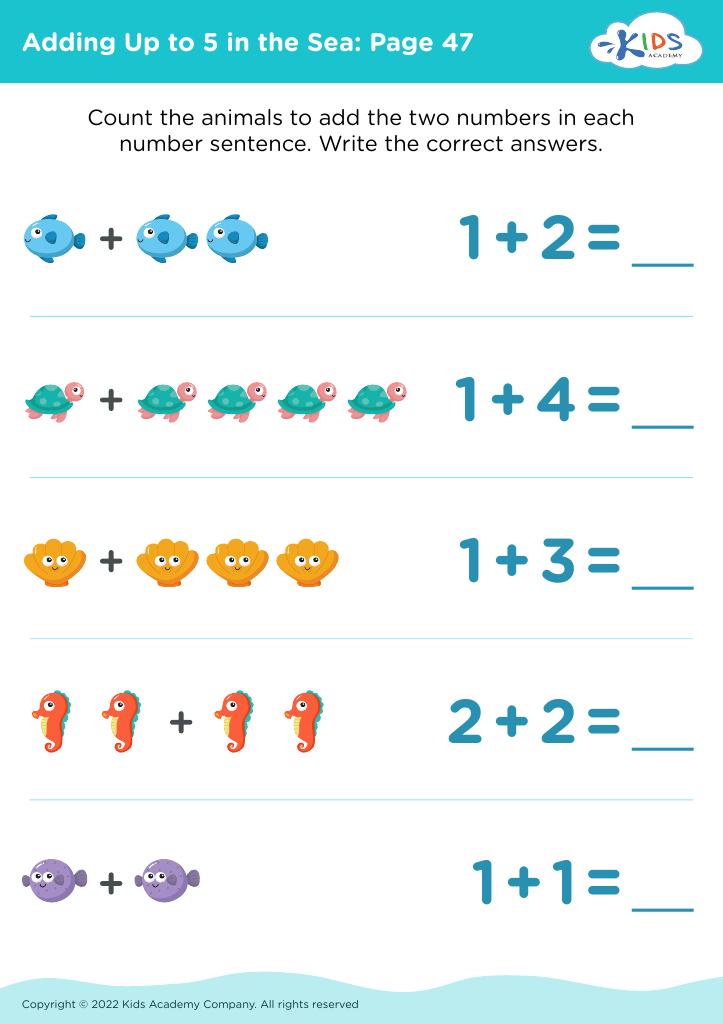
Adding Up to 5 in the Sea: Page 47
Worksheet
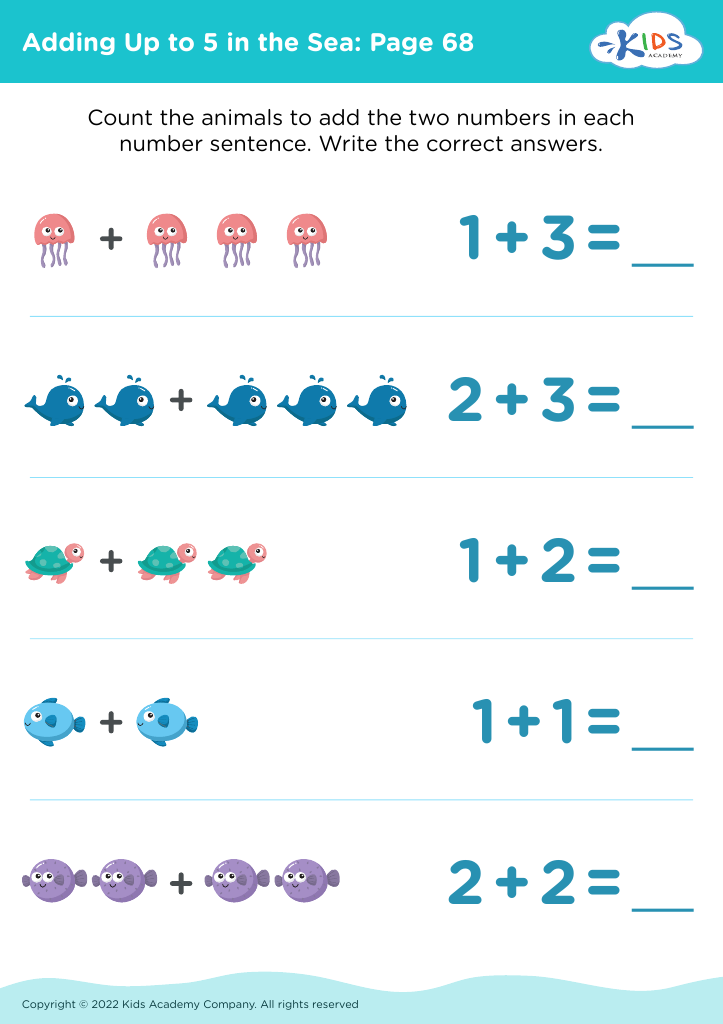
Adding Up to 5 in the Sea: Page 68
Worksheet


Visual learning is a powerful educational strategy, particularly impactful for children ages 3-9, where images, graphics, and visual aids significantly enhance comprehension and retention. At this stage of development, children are naturally inclined to learn through exploration and observation. Incorporating visual elements, like engaging diagrams, colorful illustrations, or interactive animations, makes learning more relatable and enjoyable for young learners.

Furthermore, visual learning appeals to diverse learning styles. While some children may excel through auditory or kinesthetic means, many benefit from visual aids, leading to a more inclusive educational environment. This approach fosters creativity and critical thinking, essential skills for lifelong learning.

Additionally, incorporating visuals into topics like ocean life or environmental education, as referenced in "Adding in the Sea," can ignite curiosity about the natural world. Bright, dynamic images of marine life can captivate young minds, making abstract concepts more concrete and stimulating discussion about conservation and ecosystems.

In summary, parents and teachers should care about visual learning strategies to enhance engagement, support various learning styles, and inspire a love for learning while navigating crucial environmental themes. By embedding visual elements, educators can create a rich, dynamic learning experience that resonates with young children's innate curiosity.