Subtraction skills Addition and Subtraction Word Problems Worksheets for Ages 3-9
6 filtered results
-
From - To
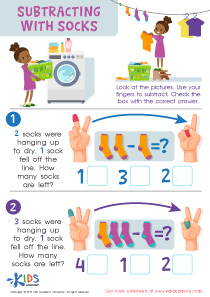
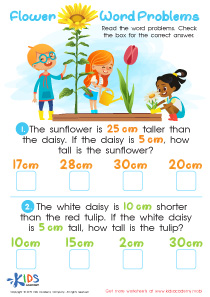
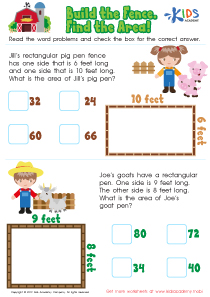
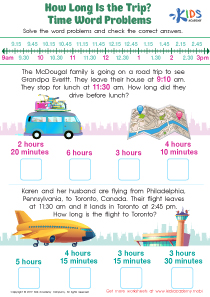
Unlock your child's mathematical potential with our Subtraction Skills Addition and Subtraction Word Problems Worksheets, designed for ages 3-9! These engaging worksheets introduce young learners to fundamental subtraction concepts through fun and relatable scenarios. Each activity encourages critical thinking and problem-solving as children practice subtracting objects and overcoming real-life challenges. With vibrant illustrations and age-appropriate language, young learners will find joy in mastering subtraction while enhancing their arithmetic skills. Perfect for classroom use or at-home practice, our worksheets provide a solid foundation for future math success. Start building your child's confidence in subtraction today with our easy-to-use, interactive resources!
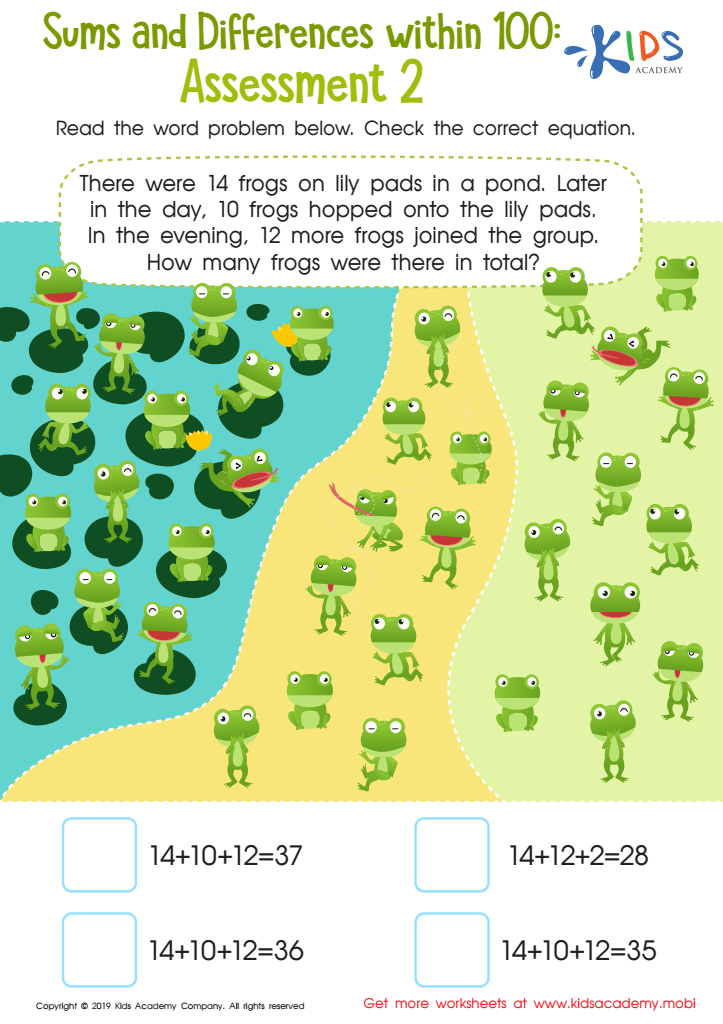
Sums and Differences Within 1 - Assessment 2 Worksheet
 Assign to My Students
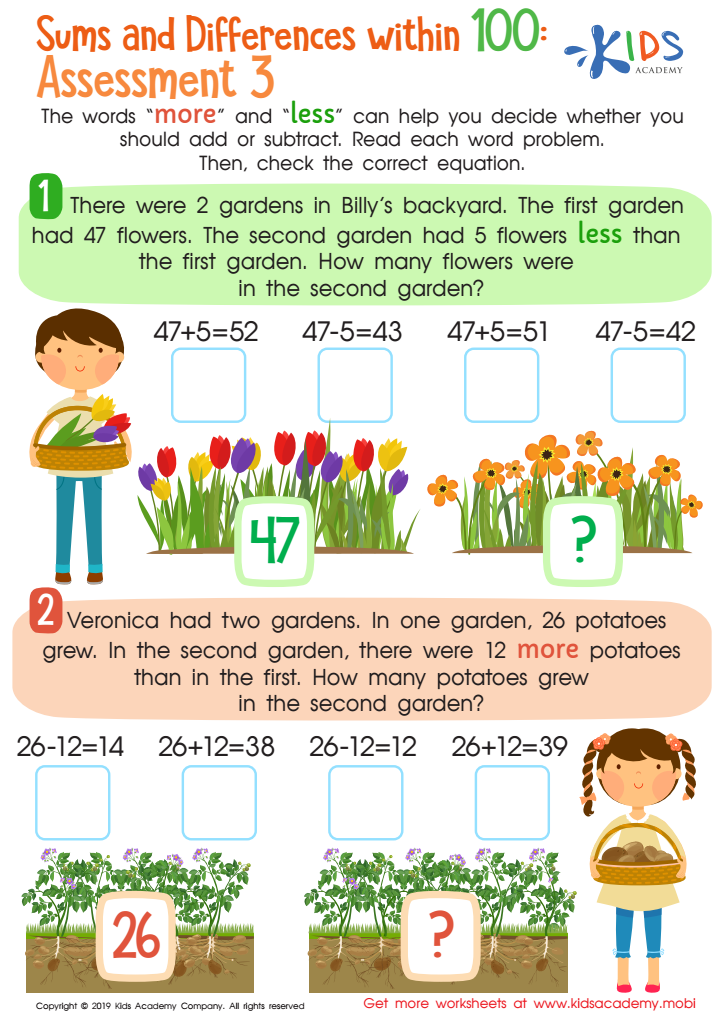
Sums and Differences Within 1 - Assessment 3 Worksheet
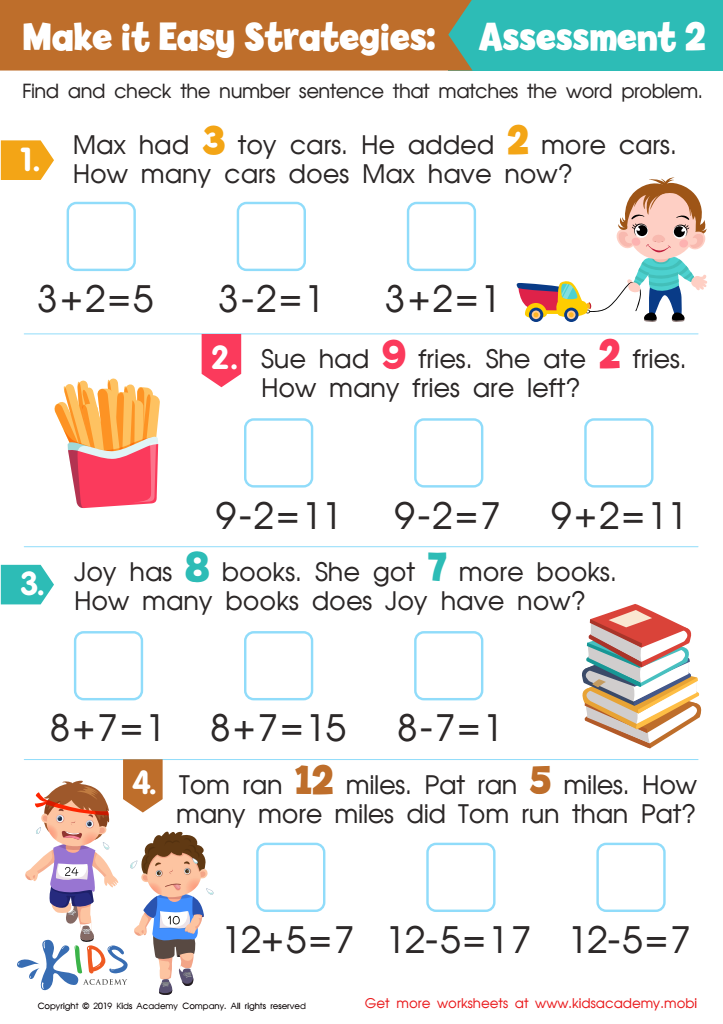
Make it Easy Strategies: Assessment 2 Worksheet
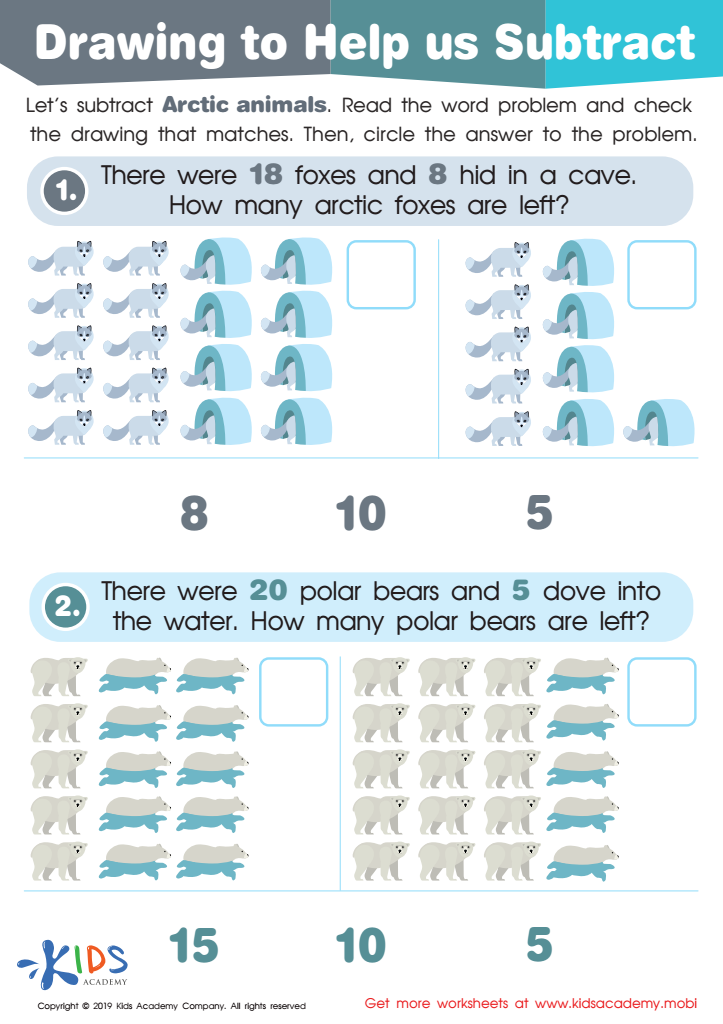
Drawing to Help Us Subtract Worksheet
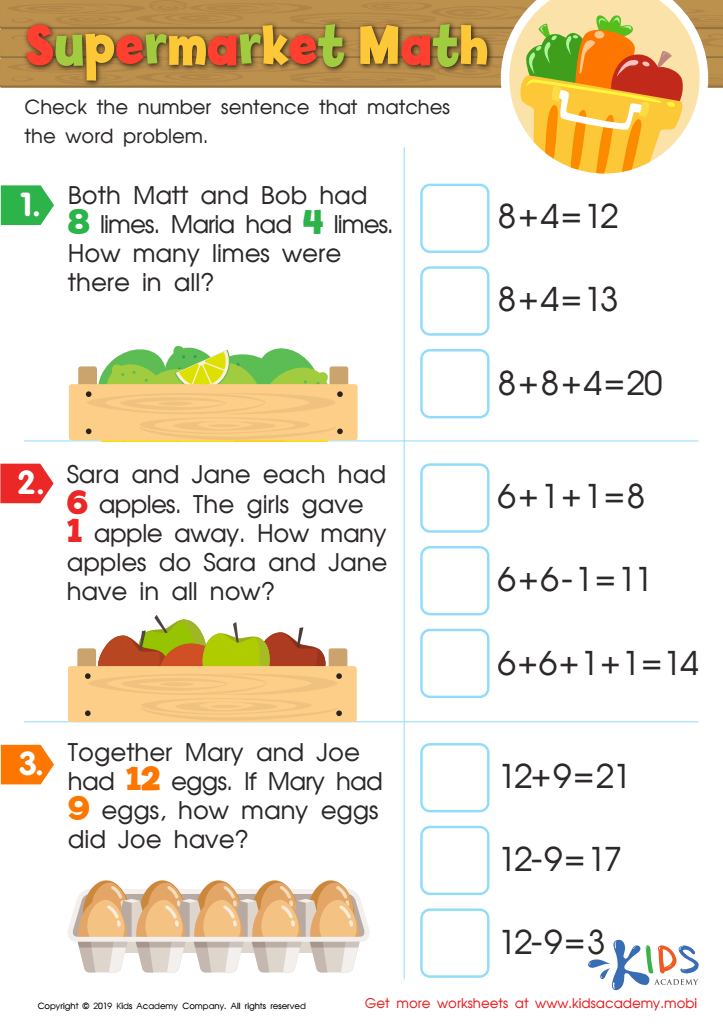
Supermarket Math Worksheet
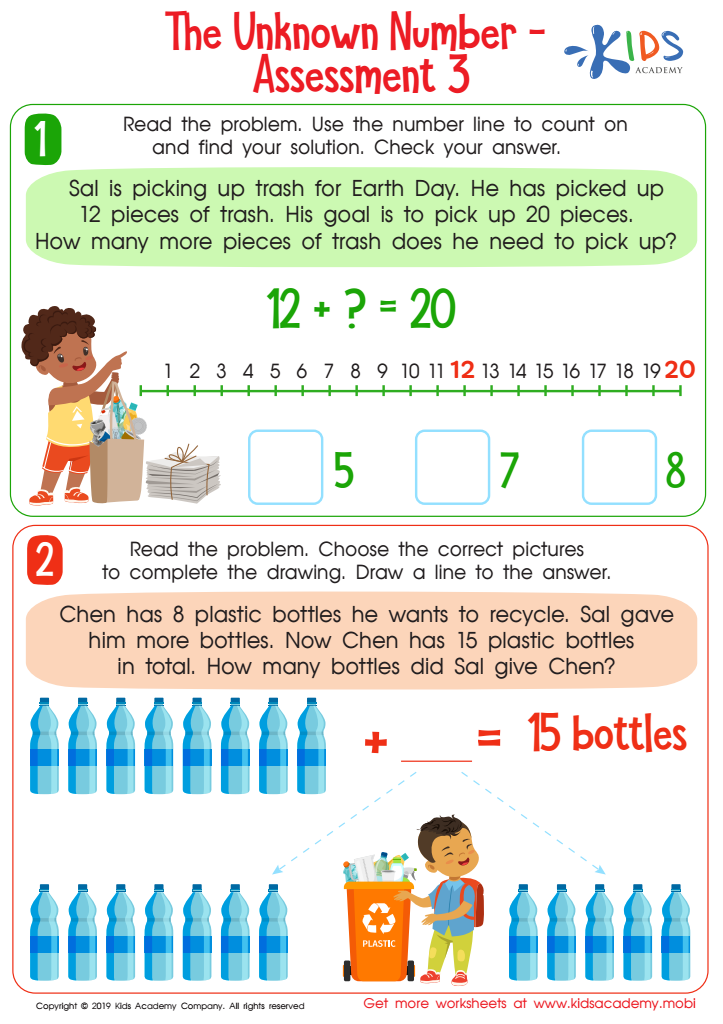
The Unknown Number - Assessment 3 Worksheet








Subtraction skills and the ability to solve addition and subtraction word problems are essential for children aged 3-9 as they form the foundation for higher-level mathematical thinking. Mastering these concepts not only aids in everyday functioning—like sharing or dividing items—but also nurtures critical problem-solving abilities. Parents and teachers should care deeply about nurturing these skills since early math knowledge is linked to future academic success.
At a young age, children experience concrete situations daily that can easily translate into word problems, reinforcing their understanding through relatable contexts. Engaging them in discussions about subtraction—not only through worksheets but through games and real-life scenarios—helps make abstract concepts tangible. Furthermore, developing these skills boosts children's confidence and persistence when tackling challenges, which is crucial for overall growth.
When parents and teachers prioritize subtraction and word problem-solving, they not only support mathematical development but also encourage analytical thinking, reading comprehension, and language skills. This holistic approach ensures that children become adept at interpreting and navigating the complexities of the world around them, laying the groundwork for lifelong learning and adaptability. Thus, fostering subtraction competency should be a key focus in early education strategies.