Alphabet Recognition Addition & Subtraction Worksheets for Ages 3-9
4 filtered results
-
From - To
Discover engaging Alphabet Recognition Addition & Subtraction Worksheets designed for children aged 3-9! Our comprehensive collection integrates fundamental math skills with alphabet learning, fostering dual educational growth. These interactive worksheets feature colorful illustrations and fun exercises that help young learners master letter identification along with basic addition and subtraction. Perfect for both classroom and at-home use, each worksheet aims to enhance cognitive development and build a solid academic foundation. Empower your child to succeed in math and literacy with these versatile resources, tailored to spark curiosity and make learning an enjoyable adventure. Explore now at Kids Academy!
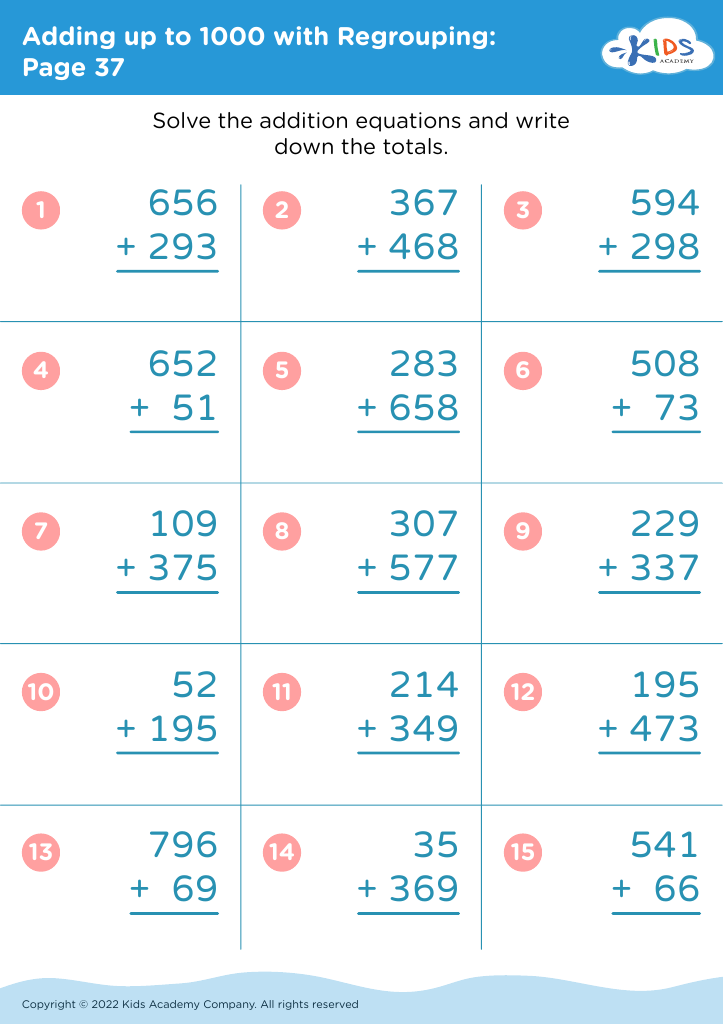
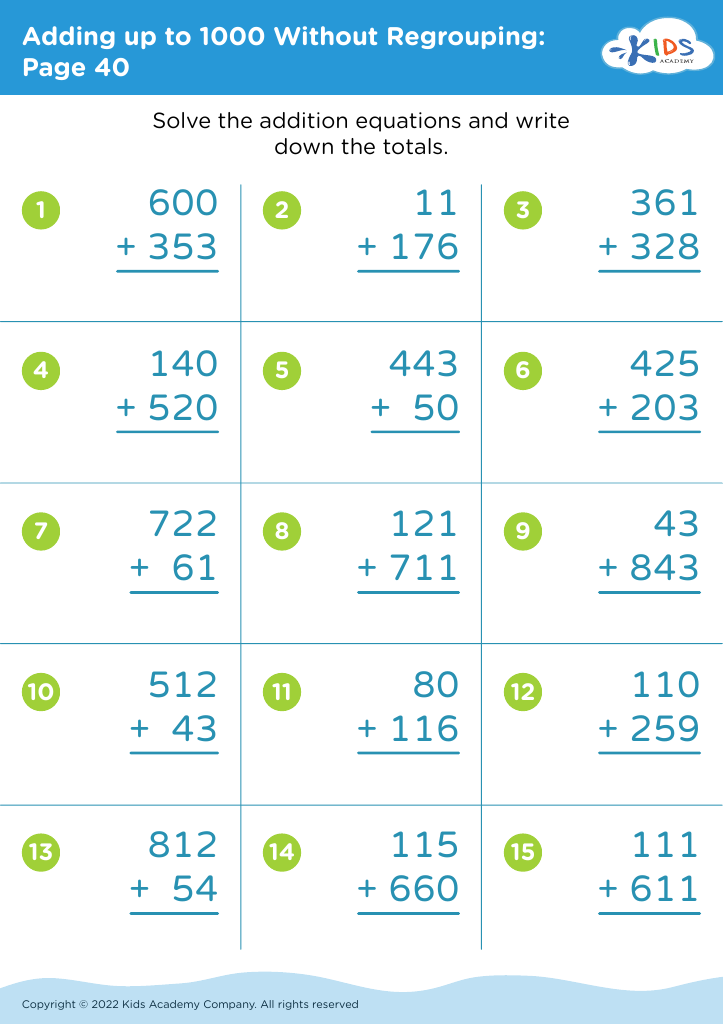
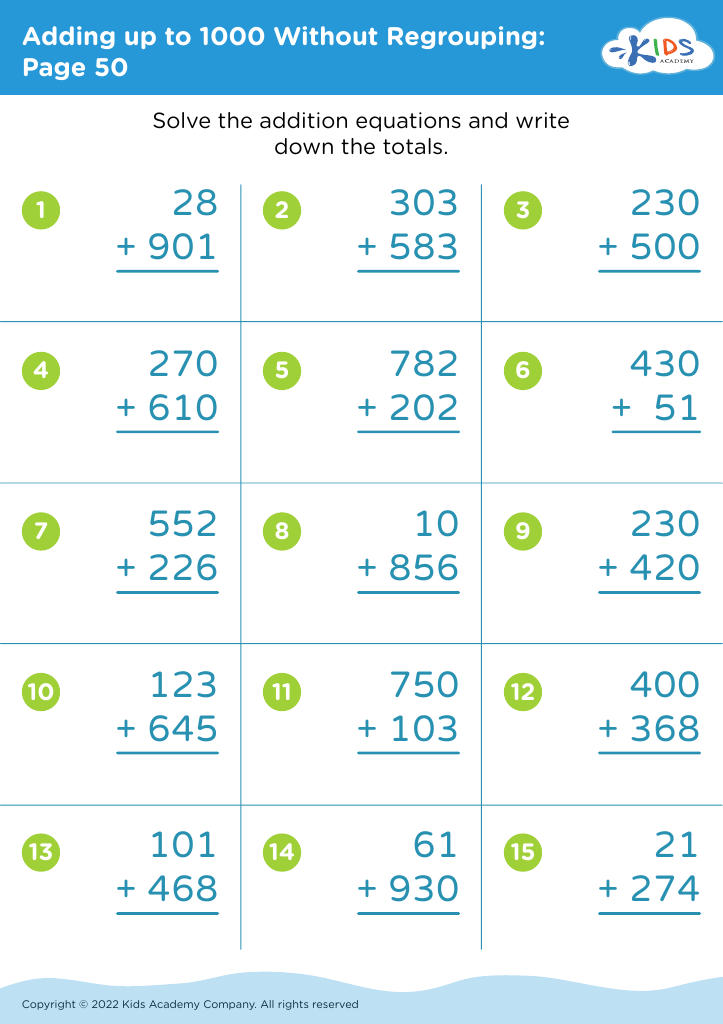
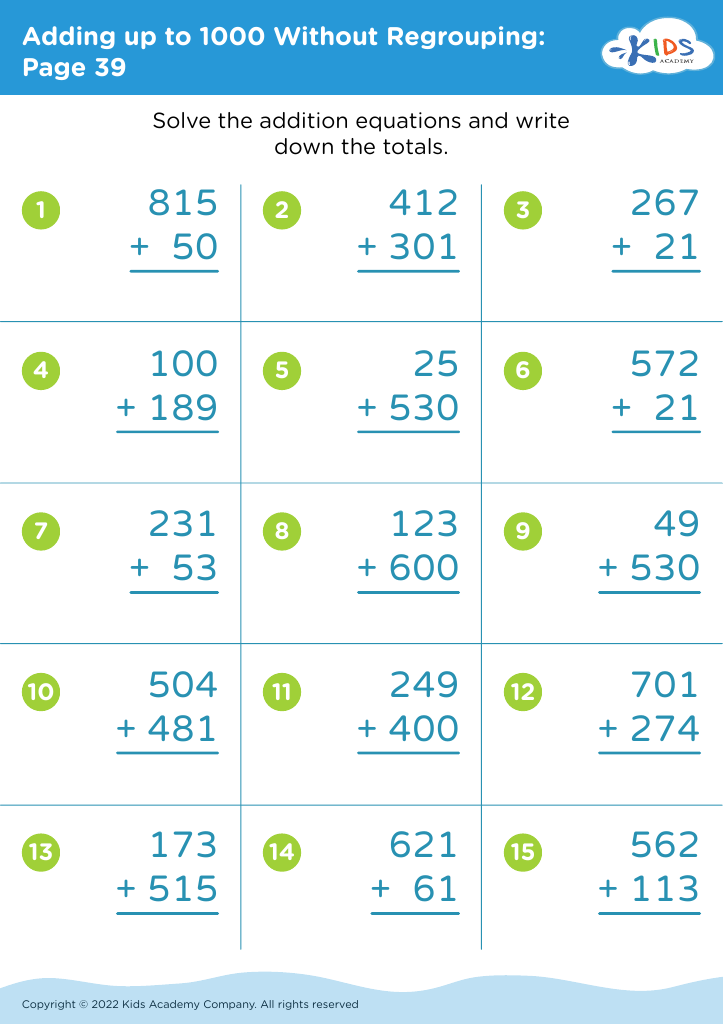








Alphabet recognition and basic arithmetic skills like addition and subtraction form the foundation of early childhood education and intellectual development. For children aged 3-9, mastering these skills is crucial for several reasons.
First, alphabet recognition is the gateway to literacy. Identifying letters and understanding their sounds is the first step to reading and writing, enabling children to decode words and comprehend text. Literacy is a fundamental skill that underpins all other learning areas, from understanding instructions to exploring new subjects.
Addition and subtraction, on the other hand, represent the basis of mathematical thinking. These skills are pivotal for understanding more complex math concepts and are essential for daily life tasks such as problem-solving, measuring, and handling money. Building a strong foundation in these areas boosts children’s confidence and fosters a positive attitude toward learning.
Moreover, early mastery of these skills supports cognitive development. Engaging in alphabet games or arithmetic exercises improves memory, attention, and logical thinking. It also enhances fine motor skills through activities like writing and counting with physical objects.
Thus, prioritizing alphabet recognition and basic arithmetic in early education equips children with critical skills that propel their academic achievement and development across various domains, setting them up for long-term success.








