Cognitive Development Addition & Subtraction Worksheets for Ages 3-9 - Page 2
122 filtered results
-
From - To
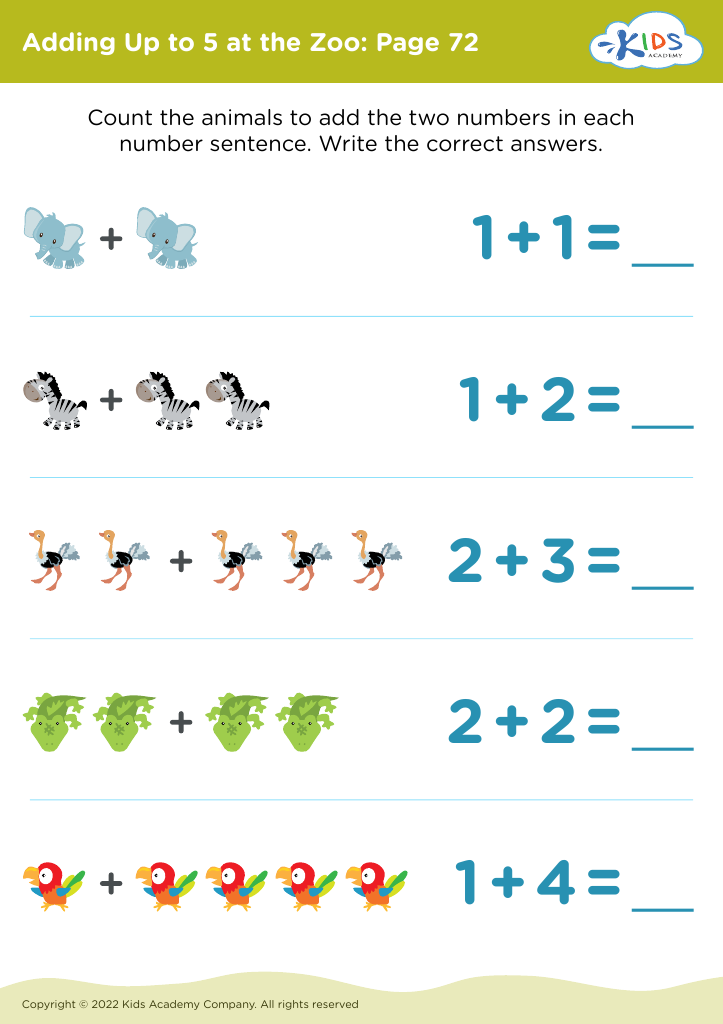
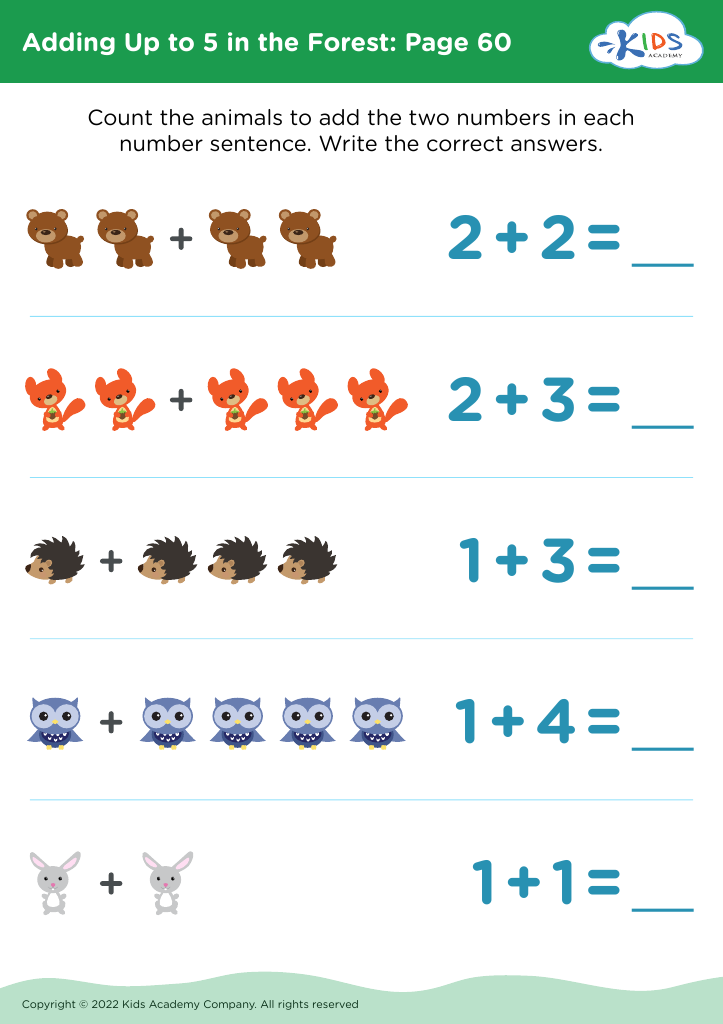
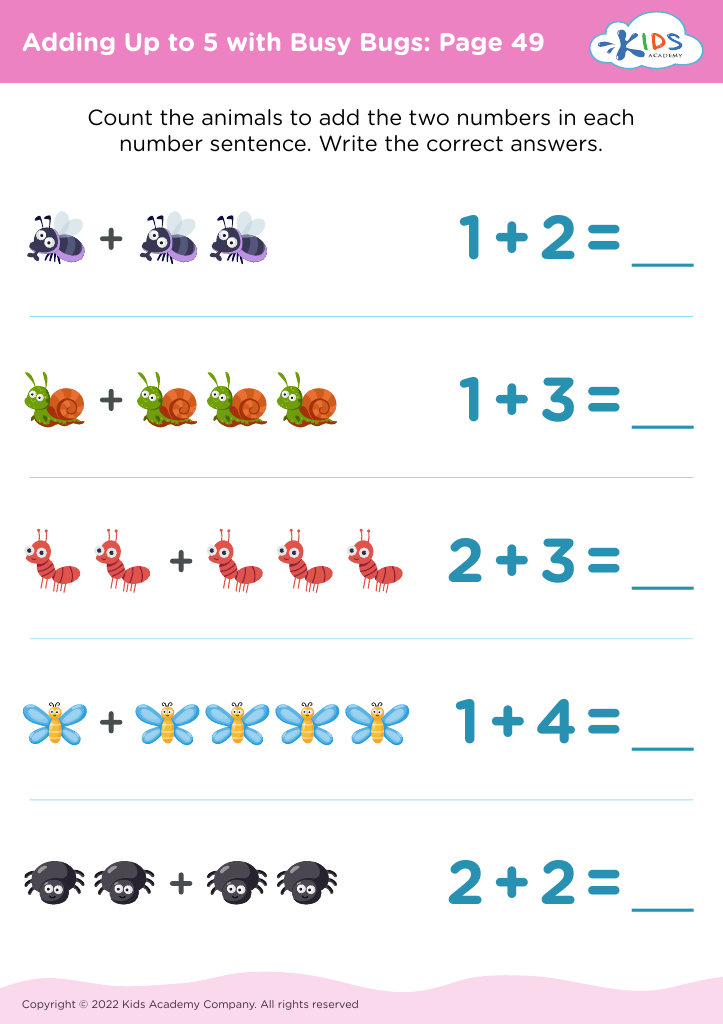
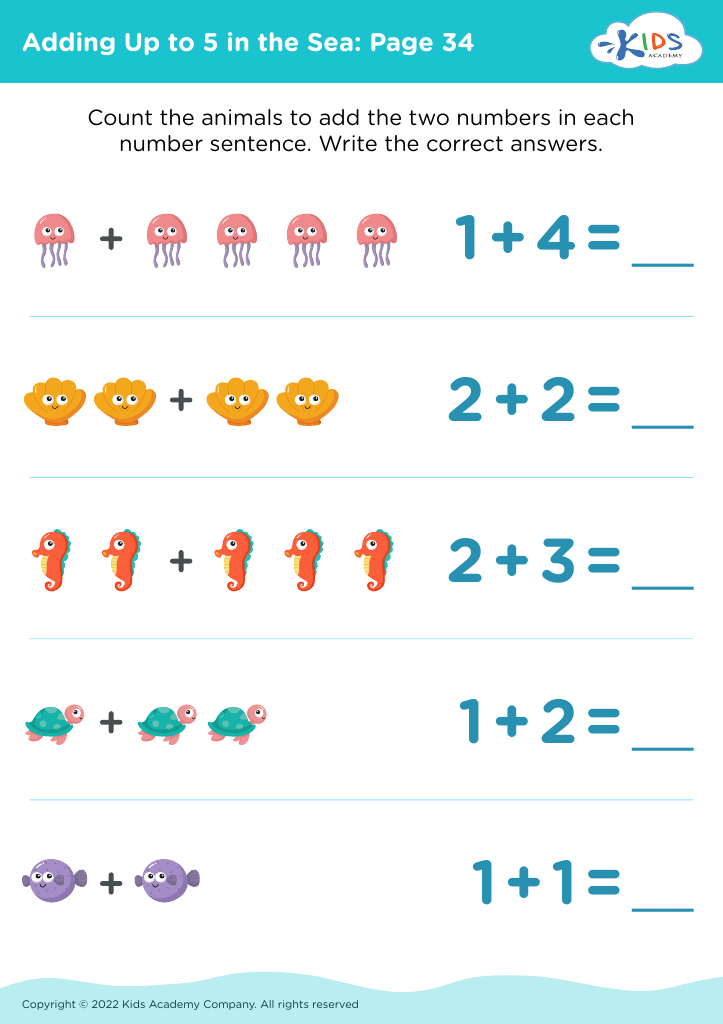
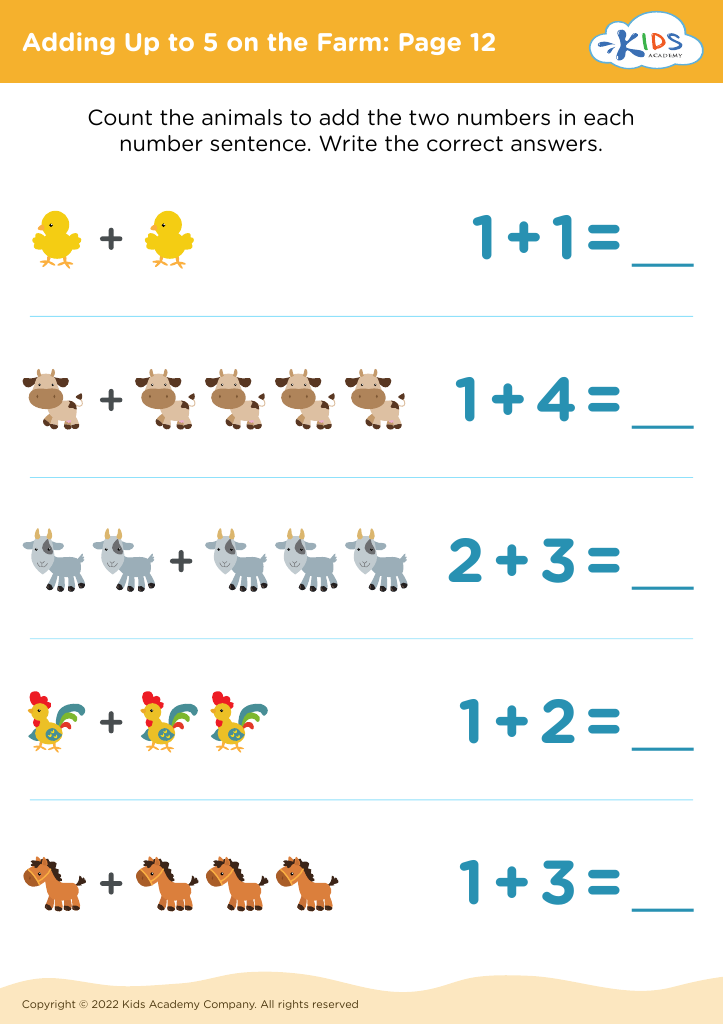
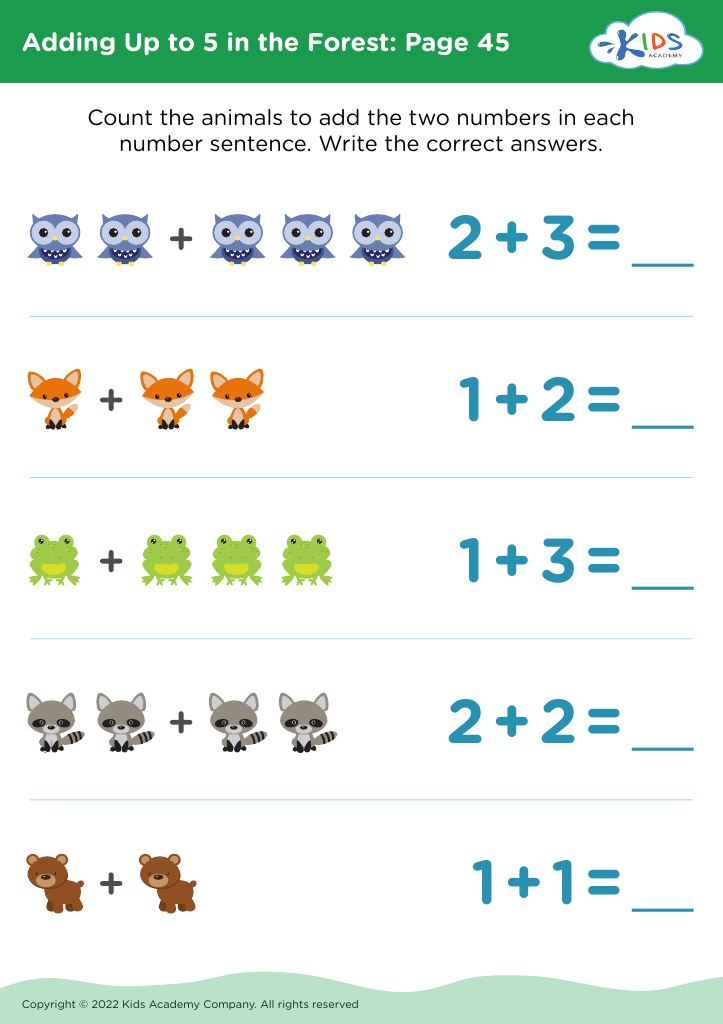
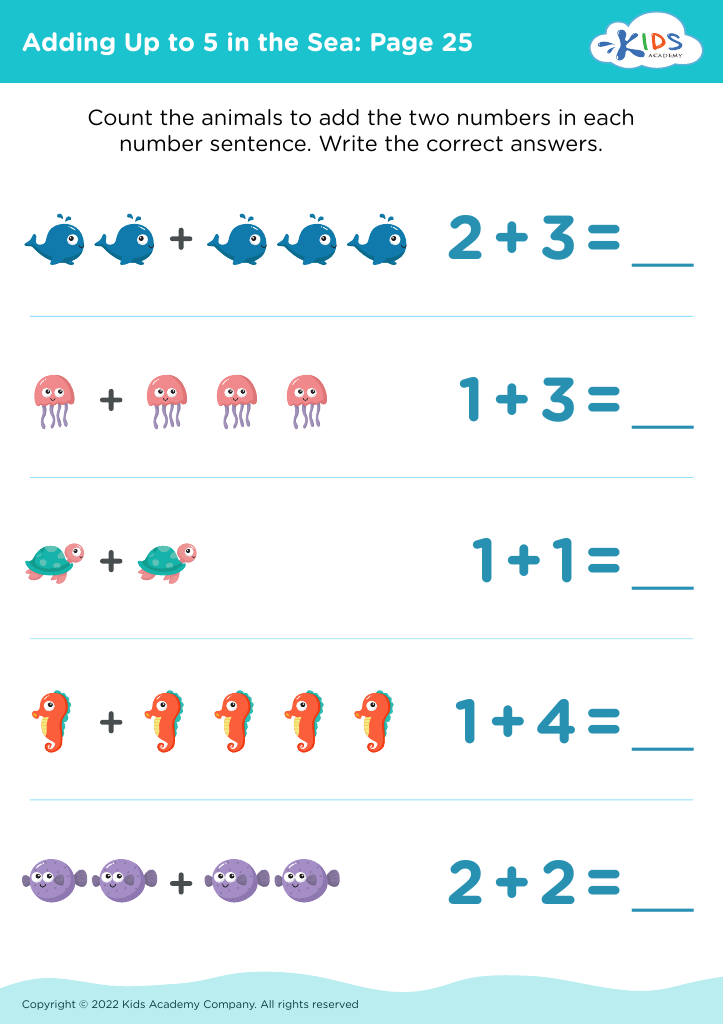
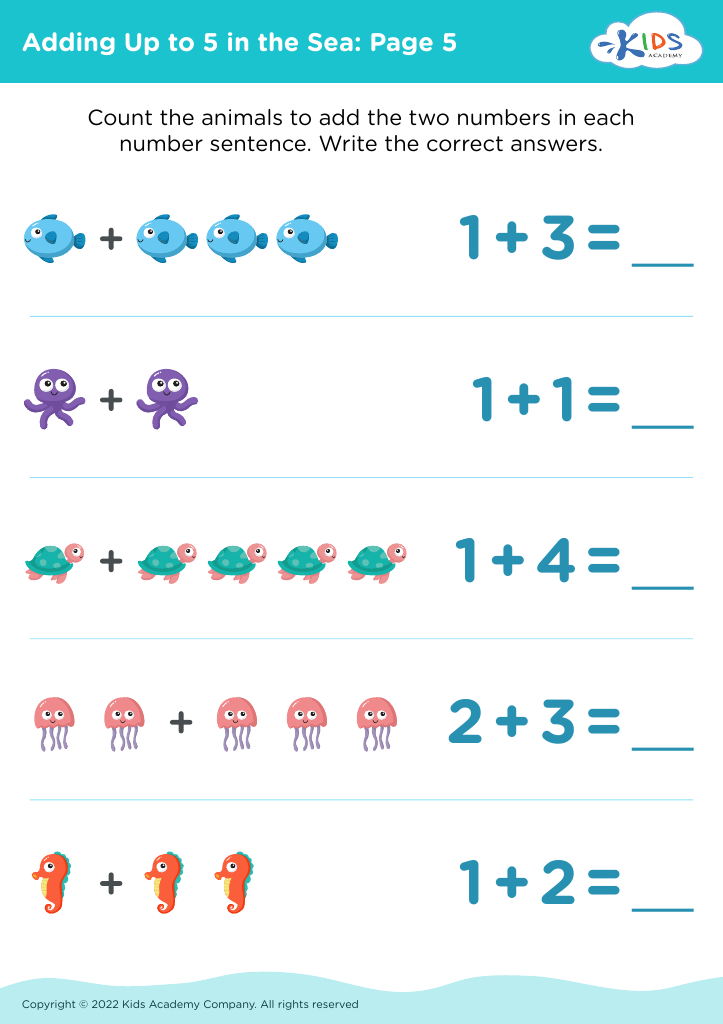
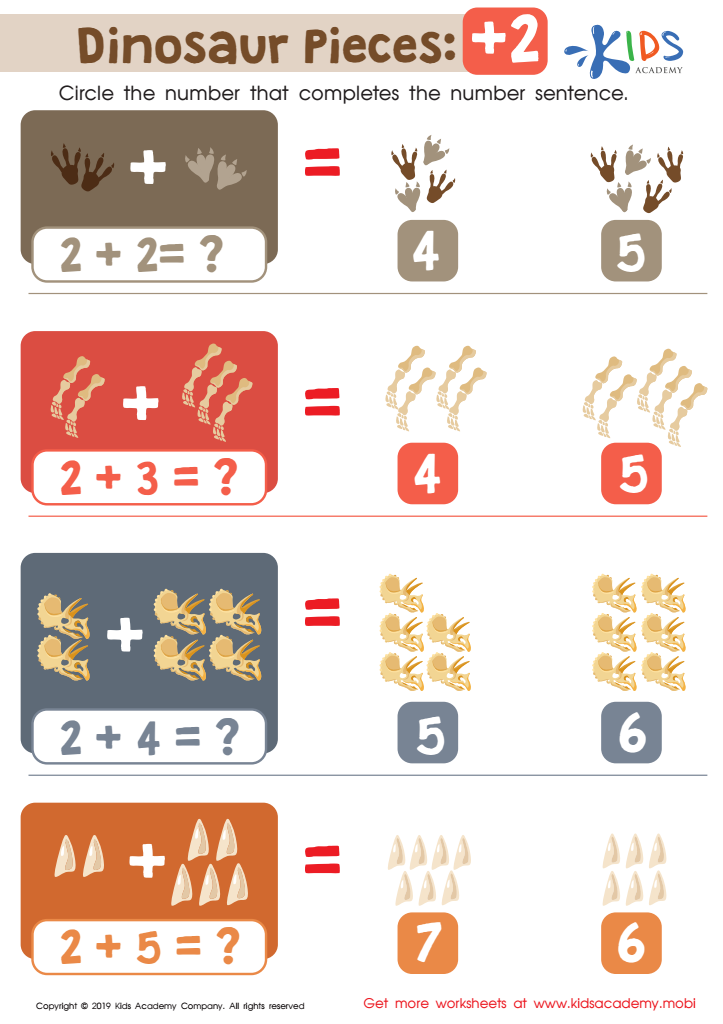
Dinosaur Pieces: +2 Worksheet
 Assign to My Students
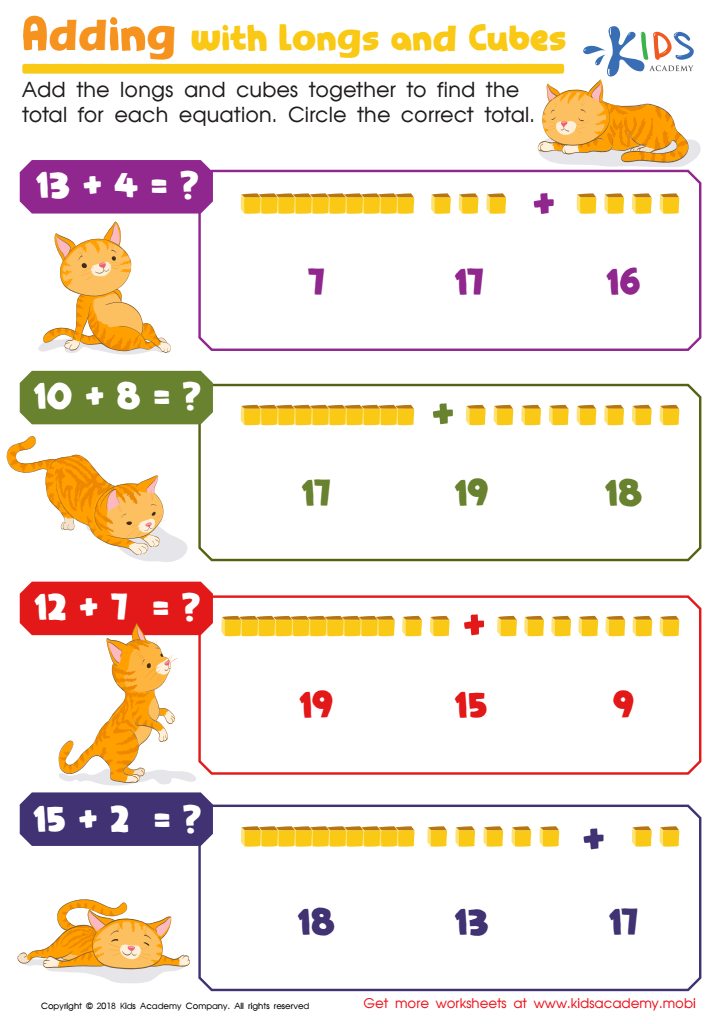
Adding With Longs and Cubes Worksheet
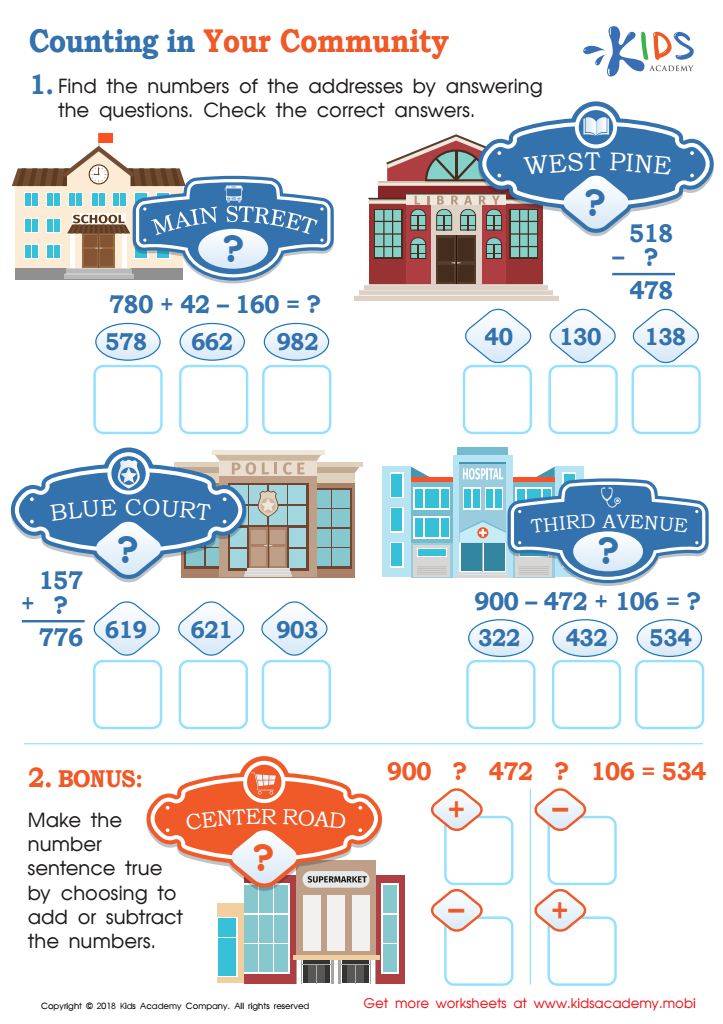
Counting in Your Community Worksheet
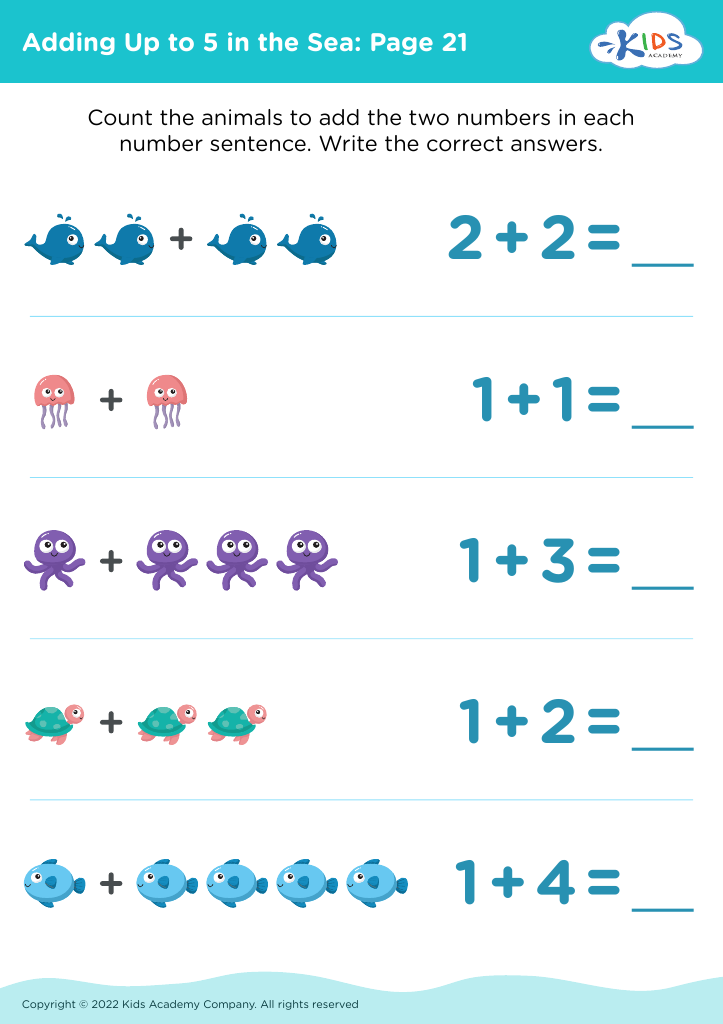
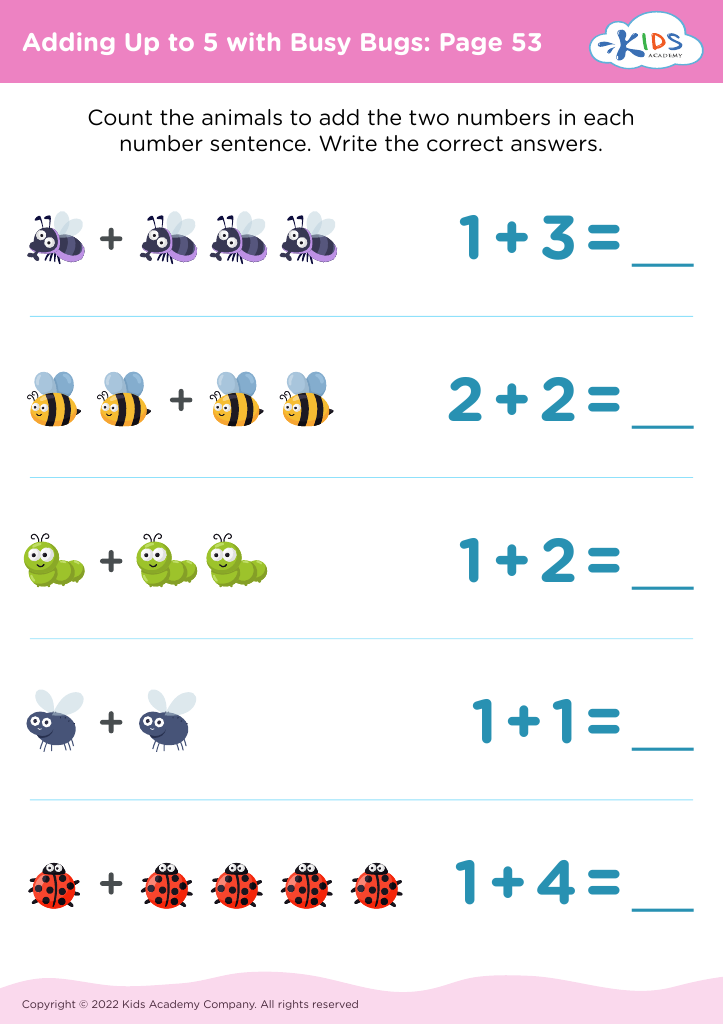
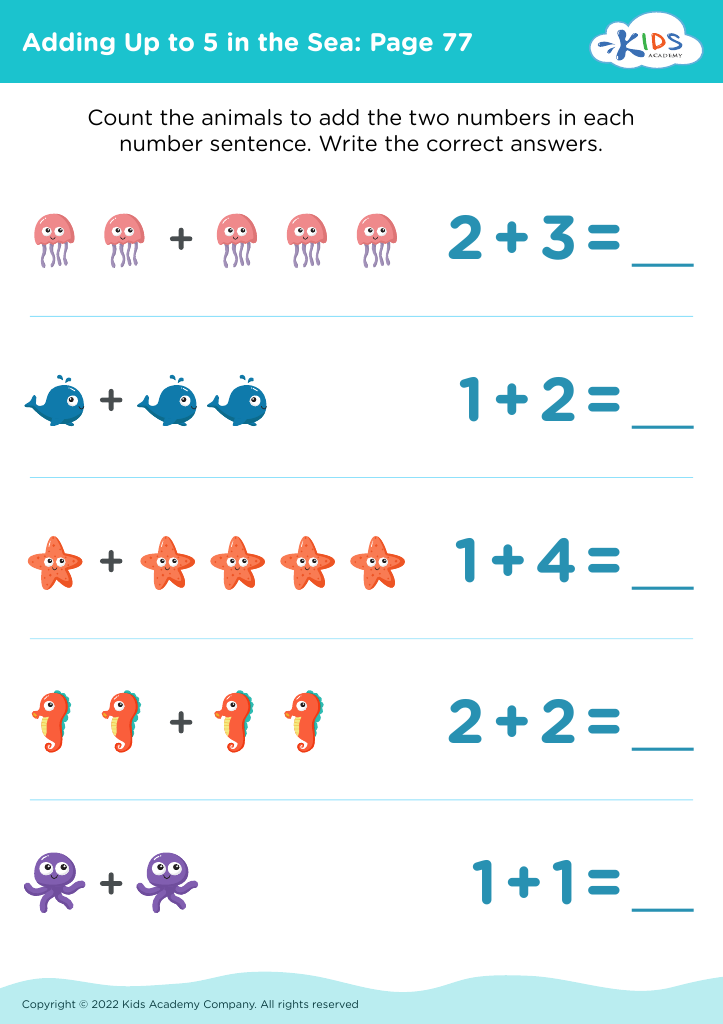
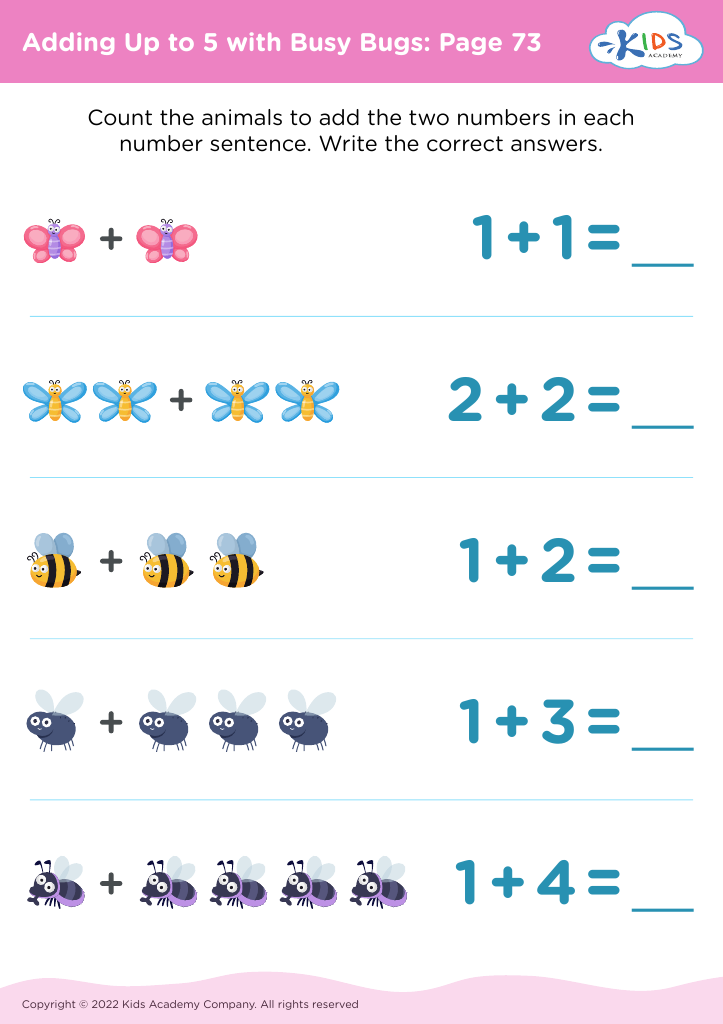








Cognitive development in early childhood is a critical area for parents and teachers to focus on, particularly in the context of foundational skills like addition and subtraction. Ages 3 to 9 mark a crucial period where children's brains develop most rapidly, laying the groundwork for future learning. Mastering basic math concepts such as addition and subtraction not only fosters mathematical understanding but also enhances cognitive skills like problem-solving, reasoning, and critical thinking.
Early exposure to these concepts builds confidence and provides children with essential tools for tackling complex math as they progress in their education. Engaging children in playful and practical ways, through games or everyday activities, makes learning enjoyable and relatable. It nurtures a positive attitude toward math, signalling its importance in real-life situations.
Moreover, children who are proficient in basic arithmetic are typically better equipped to handle academic challenges later on, reducing future anxiety around the subject. Parents and teachers who invest time in supporting this cognitive development help children become independent learners, encouraging a lifelong affinity for mathematics. This early commitment can significantly influence their academic paths and future opportunities, shaping them into capable, confident individuals.








