Enhancing problem-solving skills Addition & Subtraction Worksheets for Ages 3-9
9 filtered results
-
From - To
"Enhancing problem-solving skills Addition & Subtraction Worksheets for Ages 3-9" are expertly designed to boost your child’s cognitive abilities while making learning fun. These engaging worksheets cater to young learners by integrating colorful illustrations and interactive exercises. Whether your child is just beginning to recognize numbers or is already grasping basic math concepts, our range of activities will improve their addition and subtraction abilities. Perfect for classroom and home use, these worksheets develop critical thinking, foster a love for learning, and lay a strong foundation for future math success. Download now and watch your child's problem-solving skills thrive!
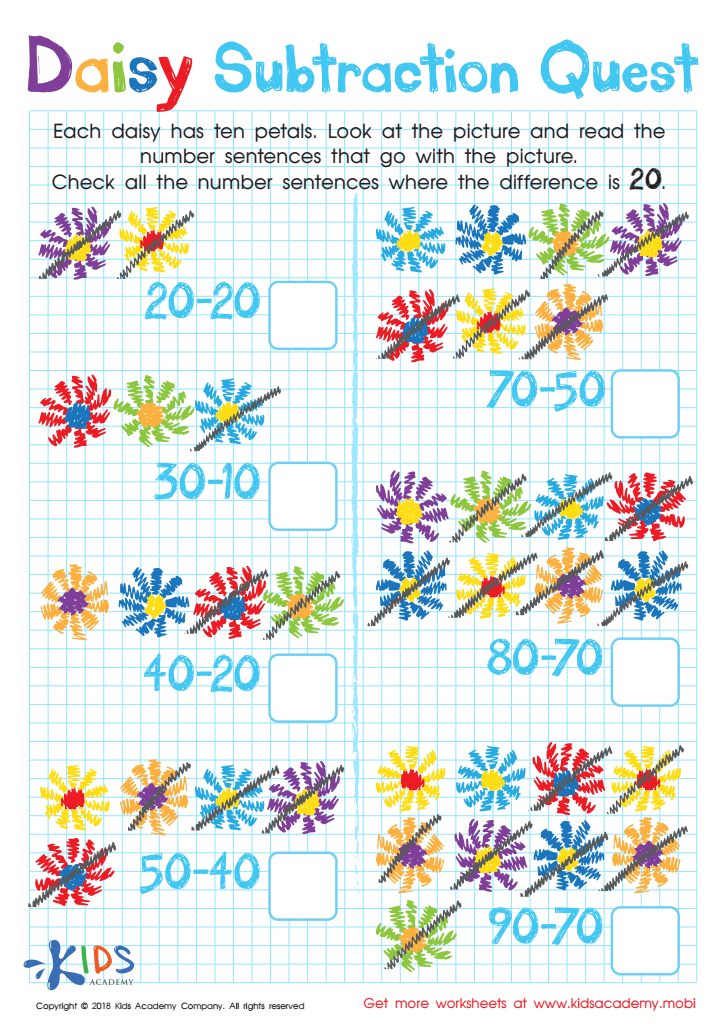
Daisy Subtraction Quest Worksheet
 Assign to My Students
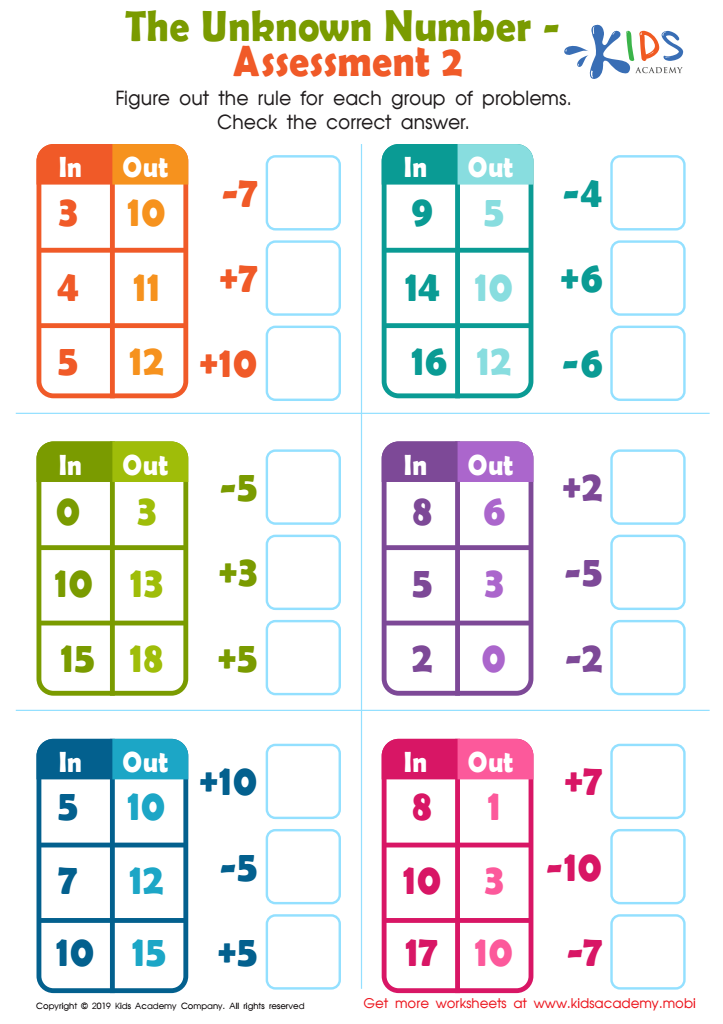
The Unknown Number - Assessment 2 Worksheet
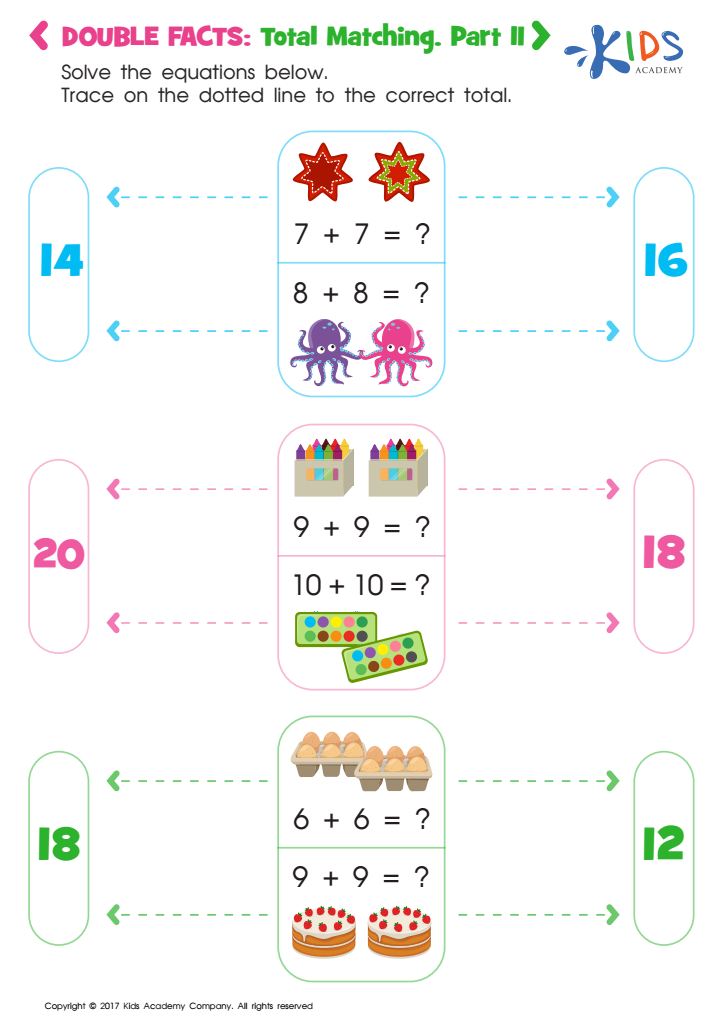
Double Facts: Total Matching 2 Worksheet
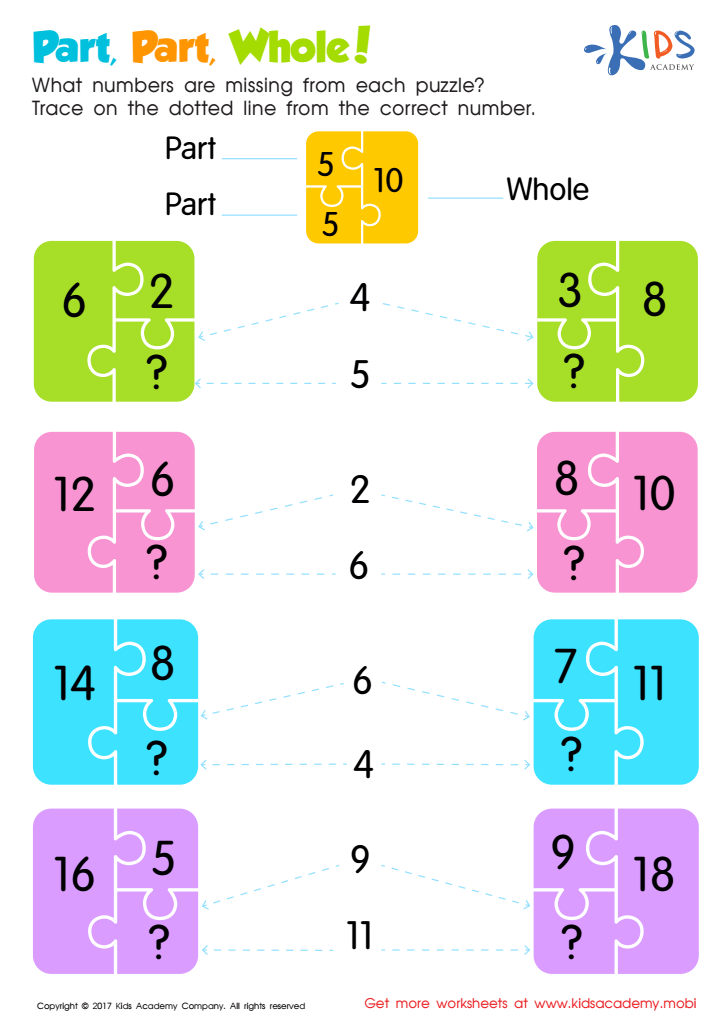
Part, Part, Whole Worksheet
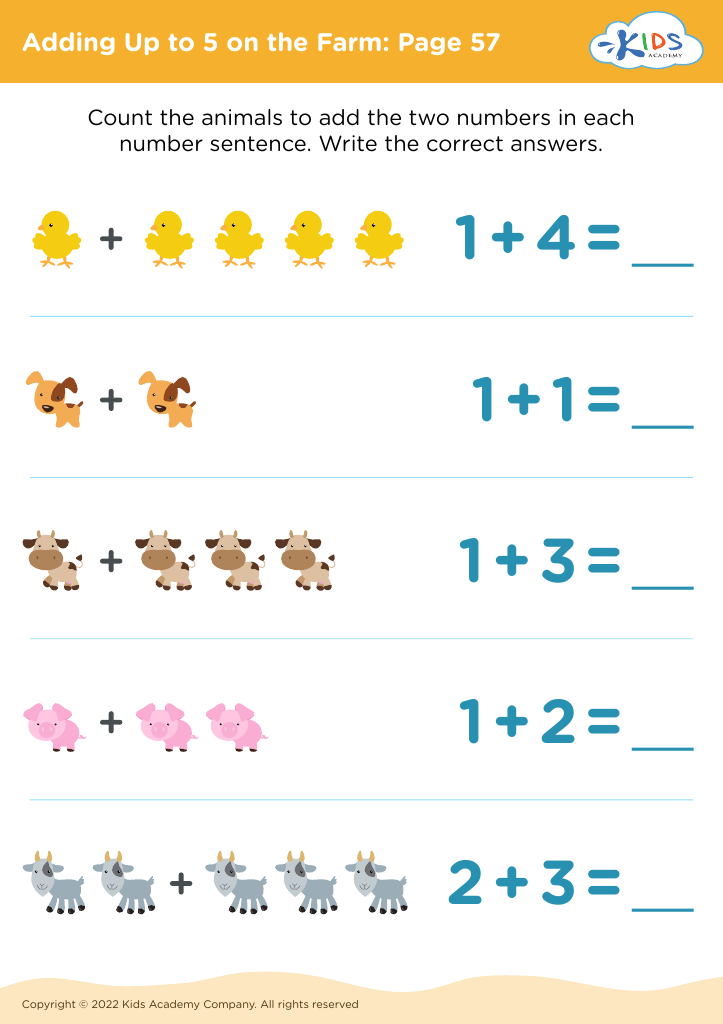








Enhancing problem-solving skills in addition and subtraction for children aged 3-9 is essential for several key reasons. Firstly, these foundational math skills are a gateway to more complex mathematical concepts. By mastering addition and subtraction early, children build the confidence and competence needed to tackle larger, multi-step problems in the future, forging a strong mathematical foundation.
Secondly, developing problem-solving skills helps in cognitive development. When young children practice addition and subtraction, they engage in critical thinking, learn to process information, and develop logical reasoning. These skills extend far beyond mathematics, aiding in language development, science understanding, and everyday decision-making.
Additionally, early proficiency in math can foster a positive attitude toward school and learning. Success in these basic operations often boosts a child's self-esteem and enthusiasm for math, encouraging a lifelong interest in the subject. Well-developed math skills correlate strongly with academic achievement, not just in mathematics but across the curriculum.
Lastly, strong problem-solving abilities in early childhood prepare children for real-life situations where they need to make decisions, manage resources, or troubleshoot issues. Life skills learned through early math practice lay the groundwork for effective critical thinking and problem-solving throughout their education and beyond.
Thus, parents and teachers should invest time and resources in nurturing these skills, as the benefits extend far beyond simple arithmetic.








