Mathematical reasoning Addition & Subtraction Worksheets for Ages 3-9 - Page 2
39 filtered results
-
From - To
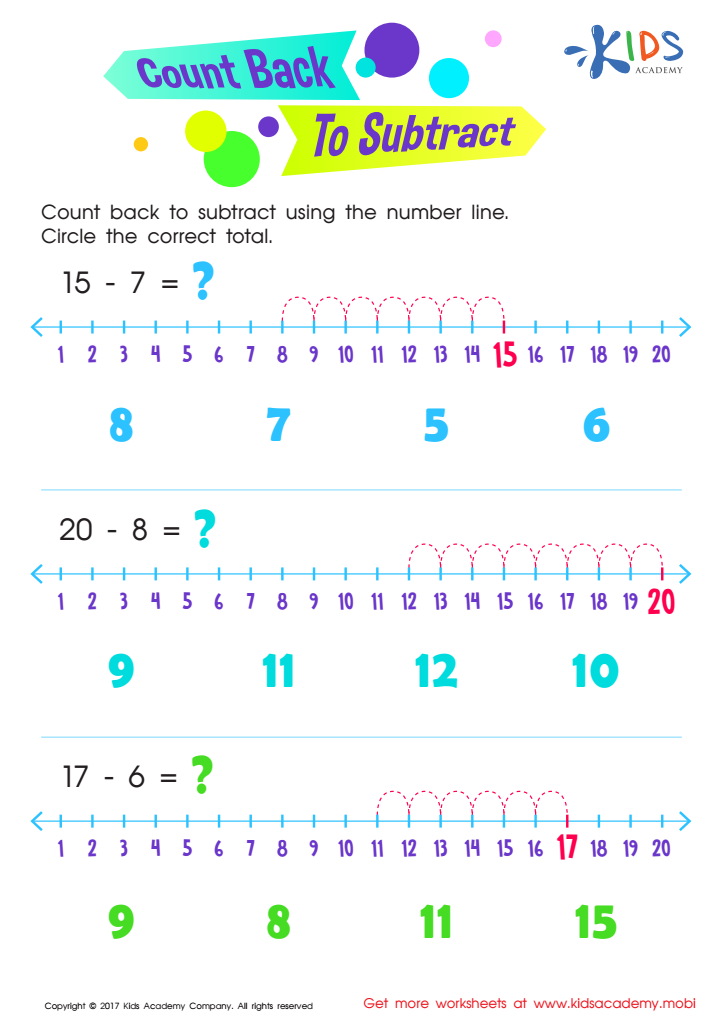
Count Back to Subtract Substraction Worksheet
 Assign to My Students
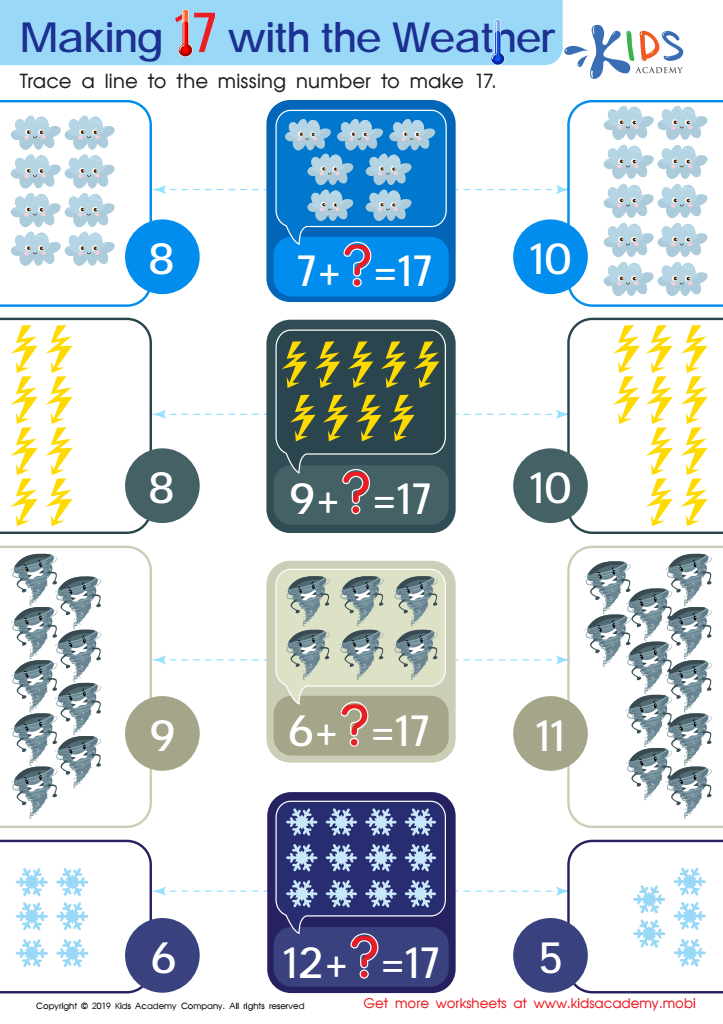
Making 17 with the Weather Worksheet
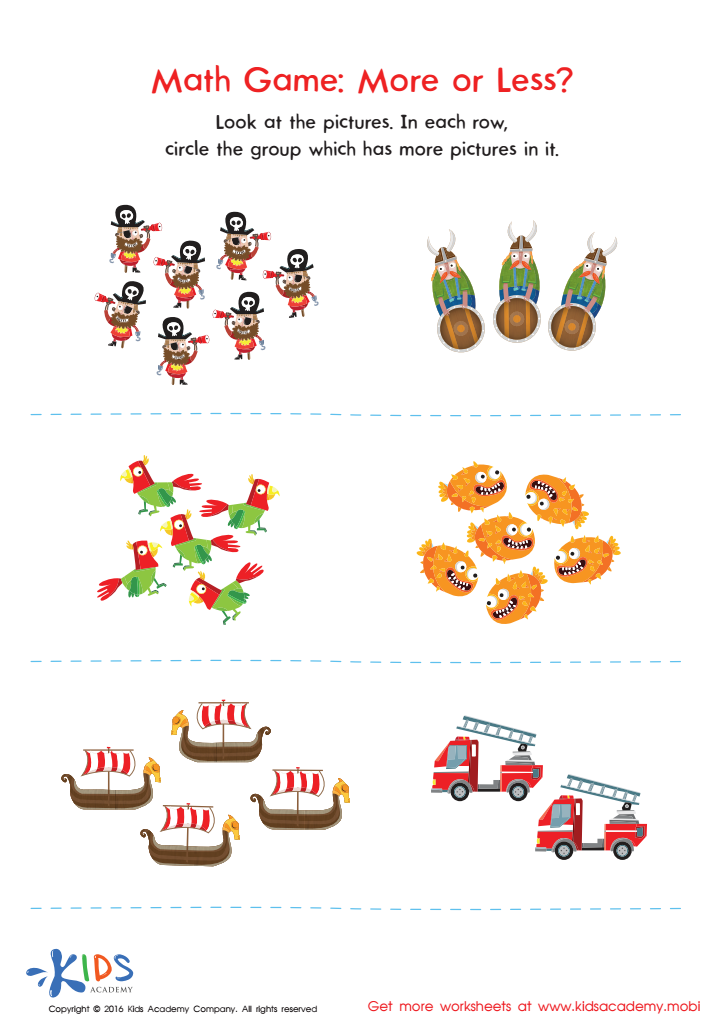
More or Less Worksheet
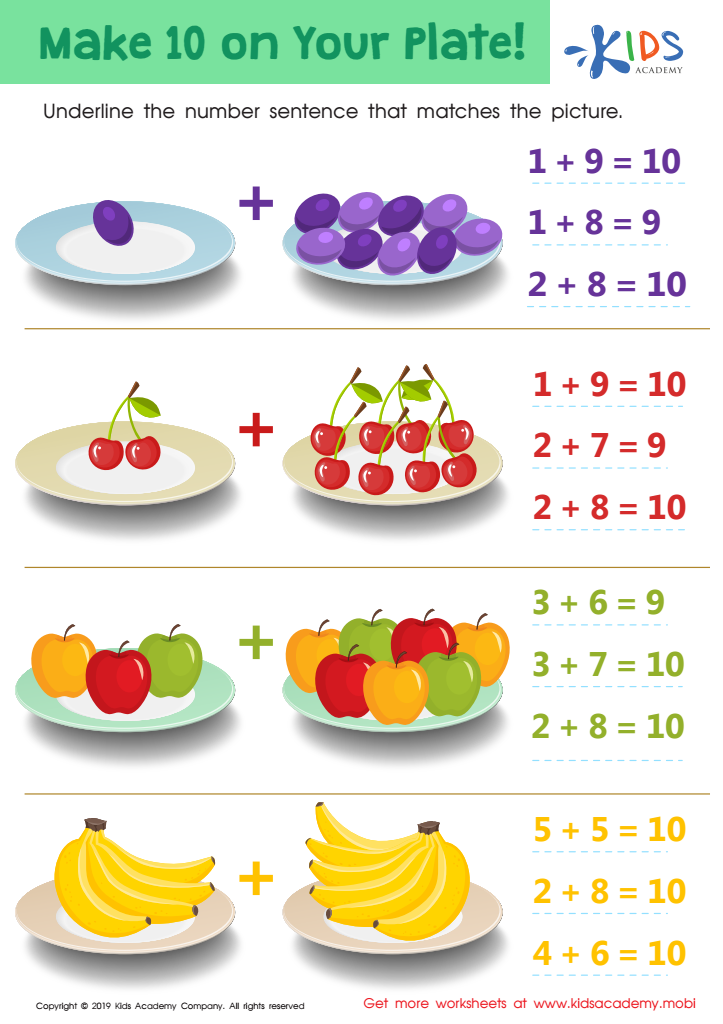
Make 10 on Your Plate! Worksheet
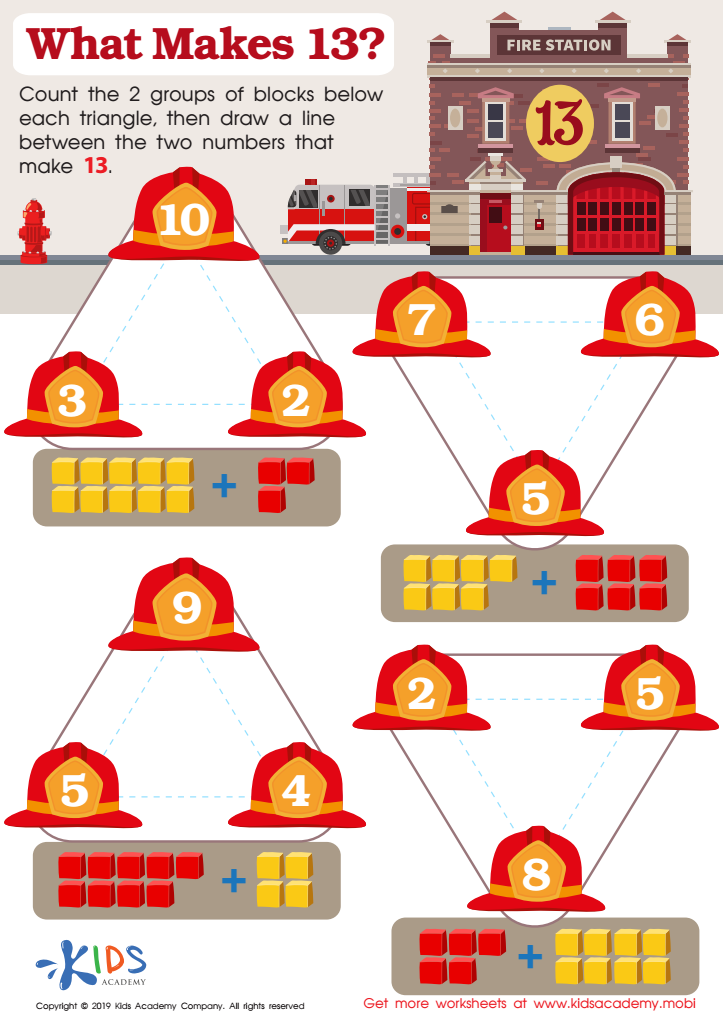
What Makes 13 Worksheet
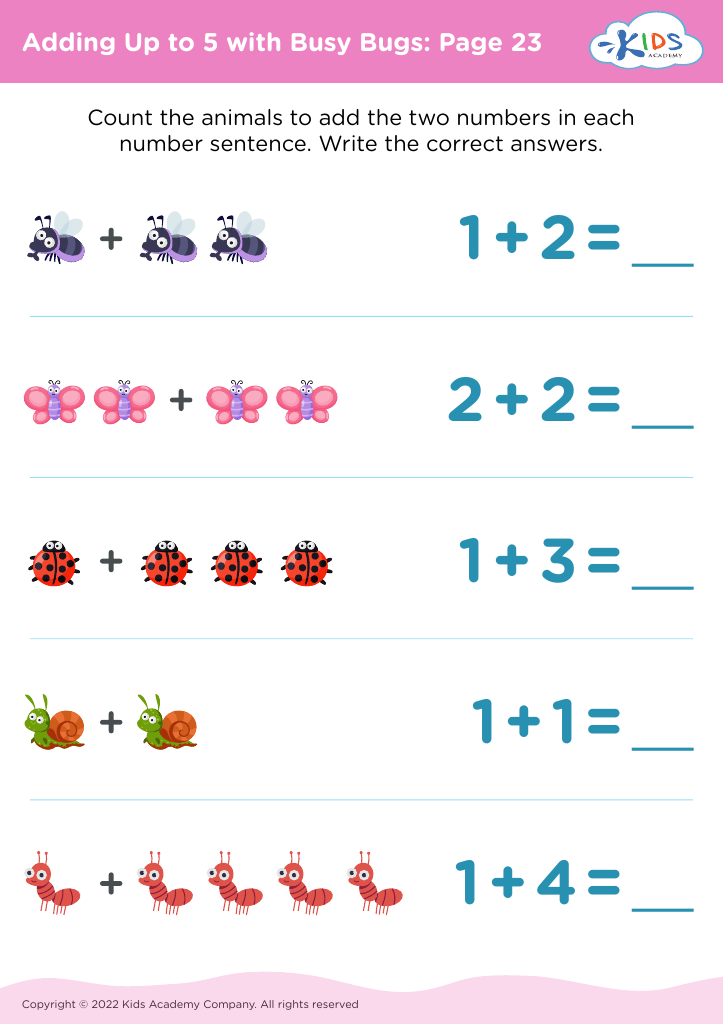
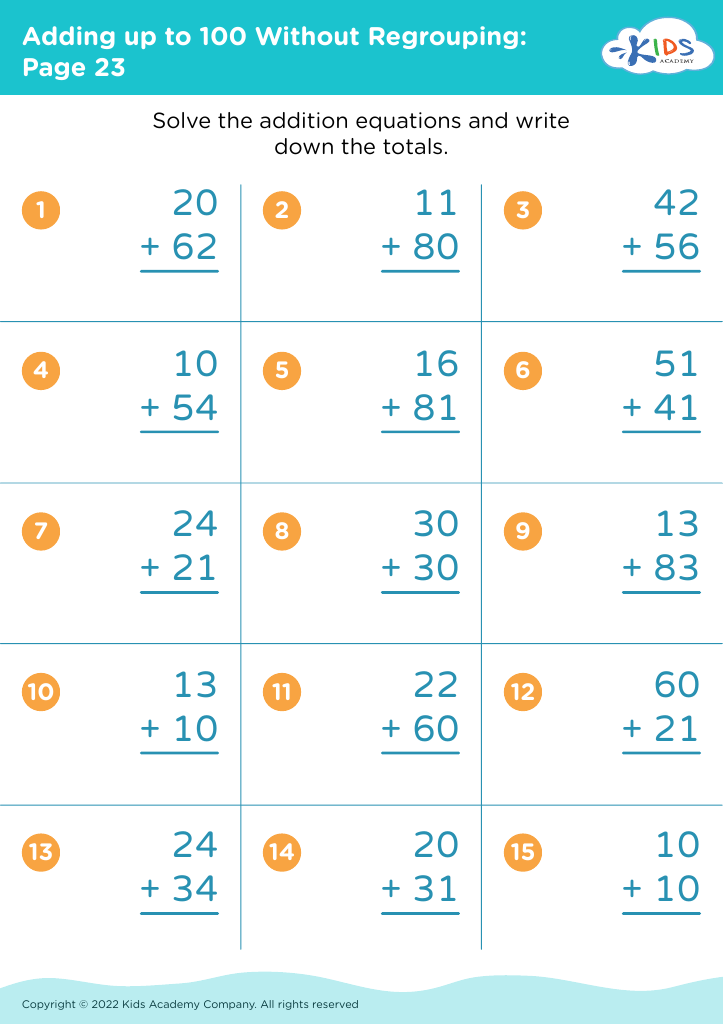
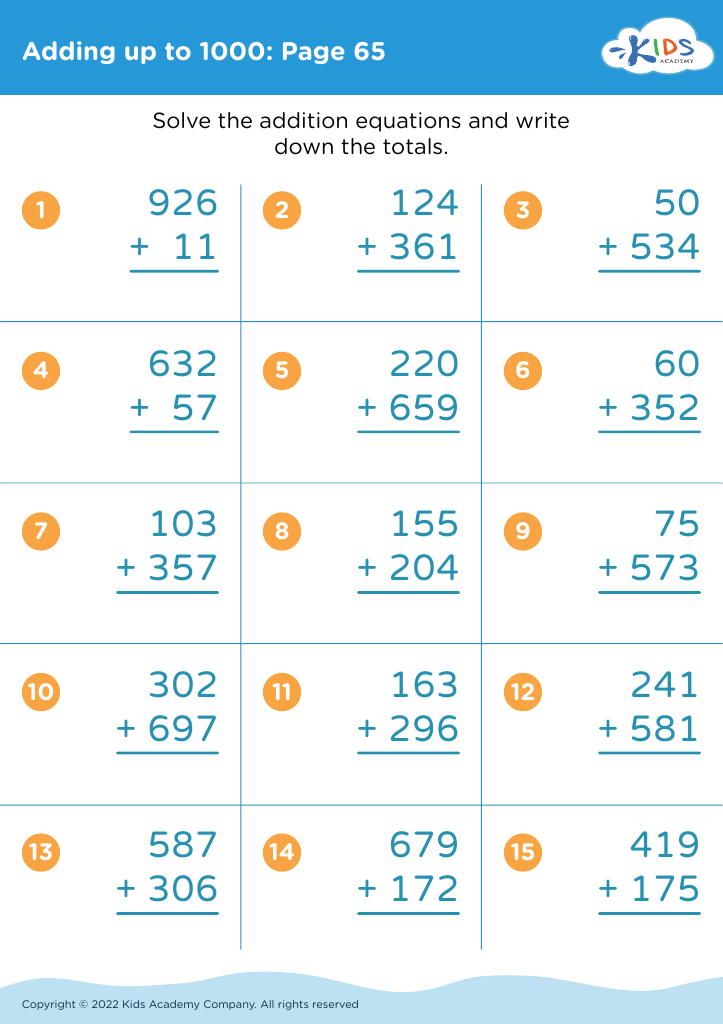
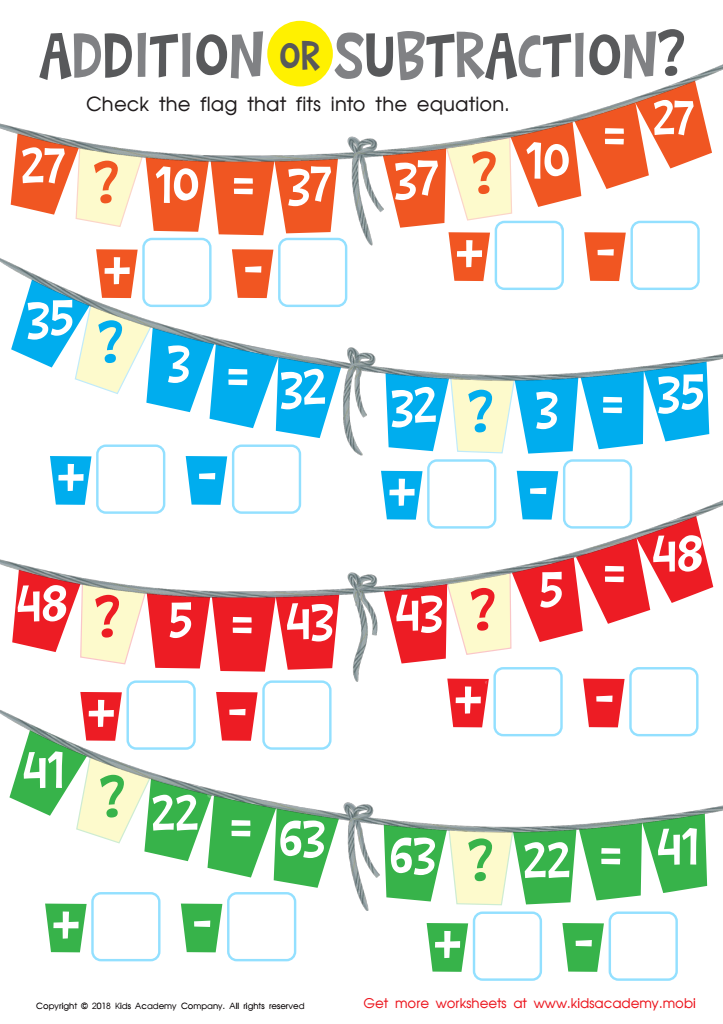
Addition or Subtraction? Worksheet
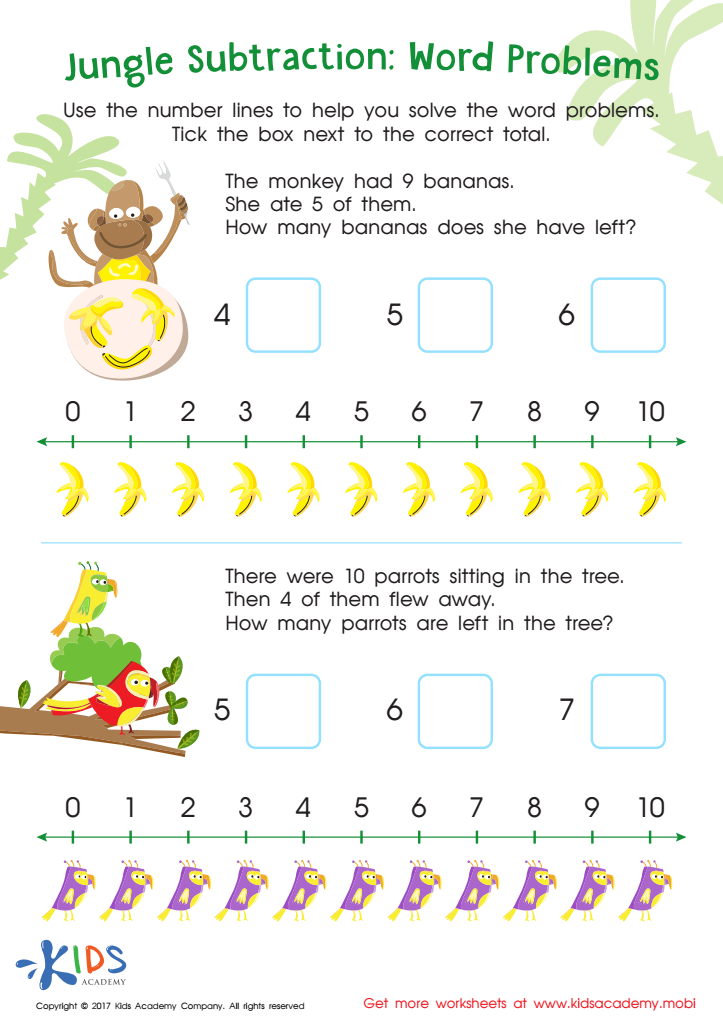
Jungle Subtraction Word Problems Substraction Worksheet
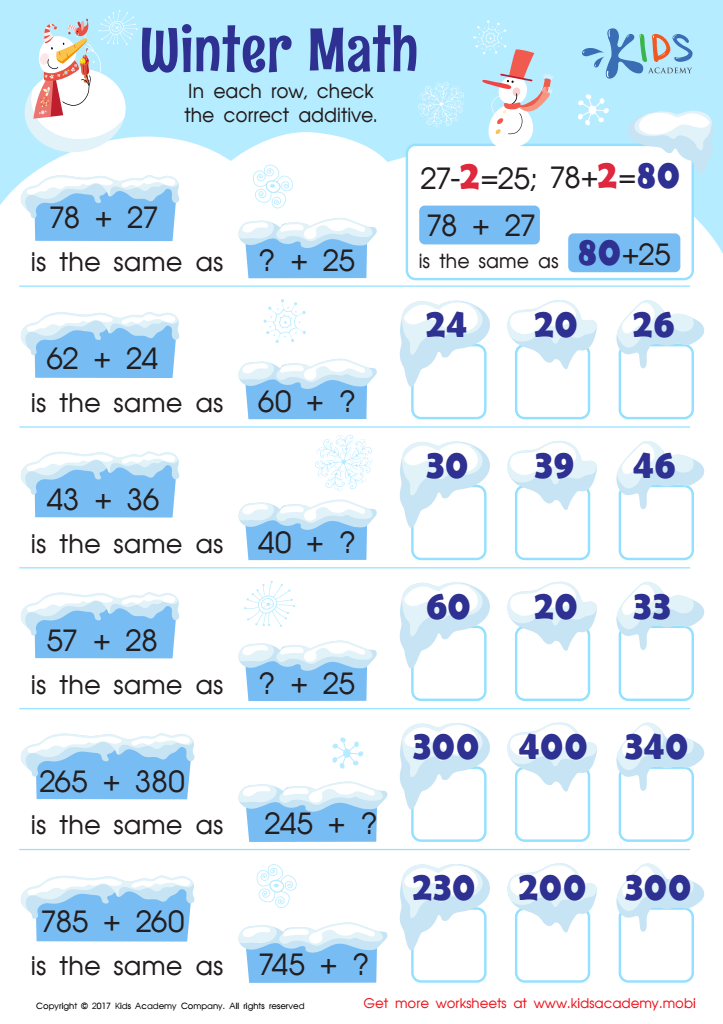
Free Addition Worksheet
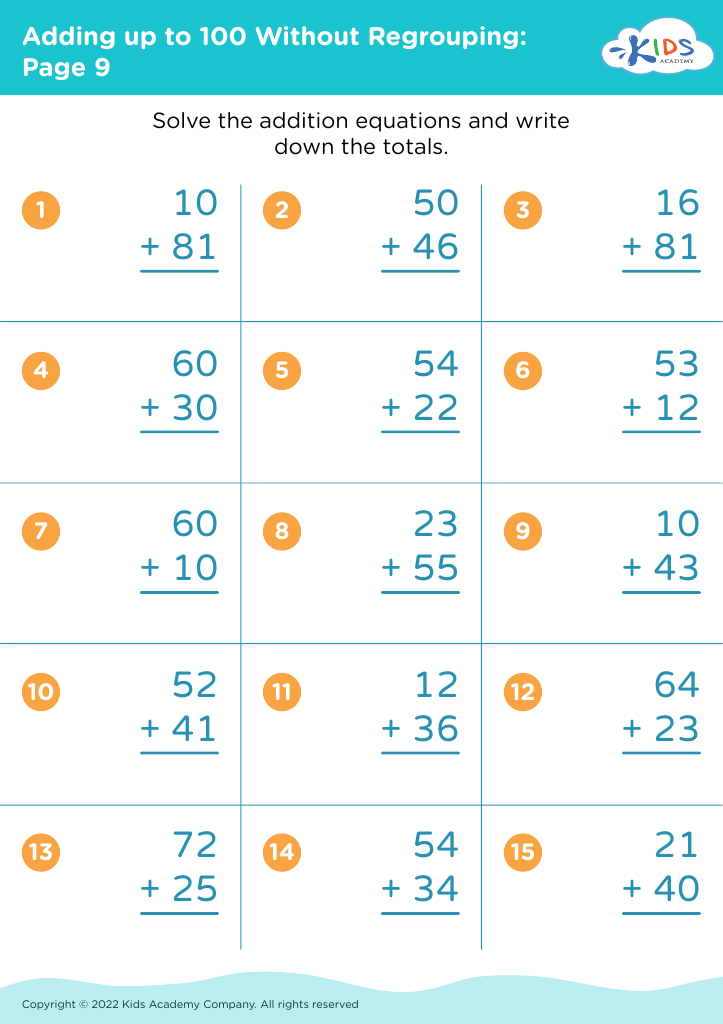





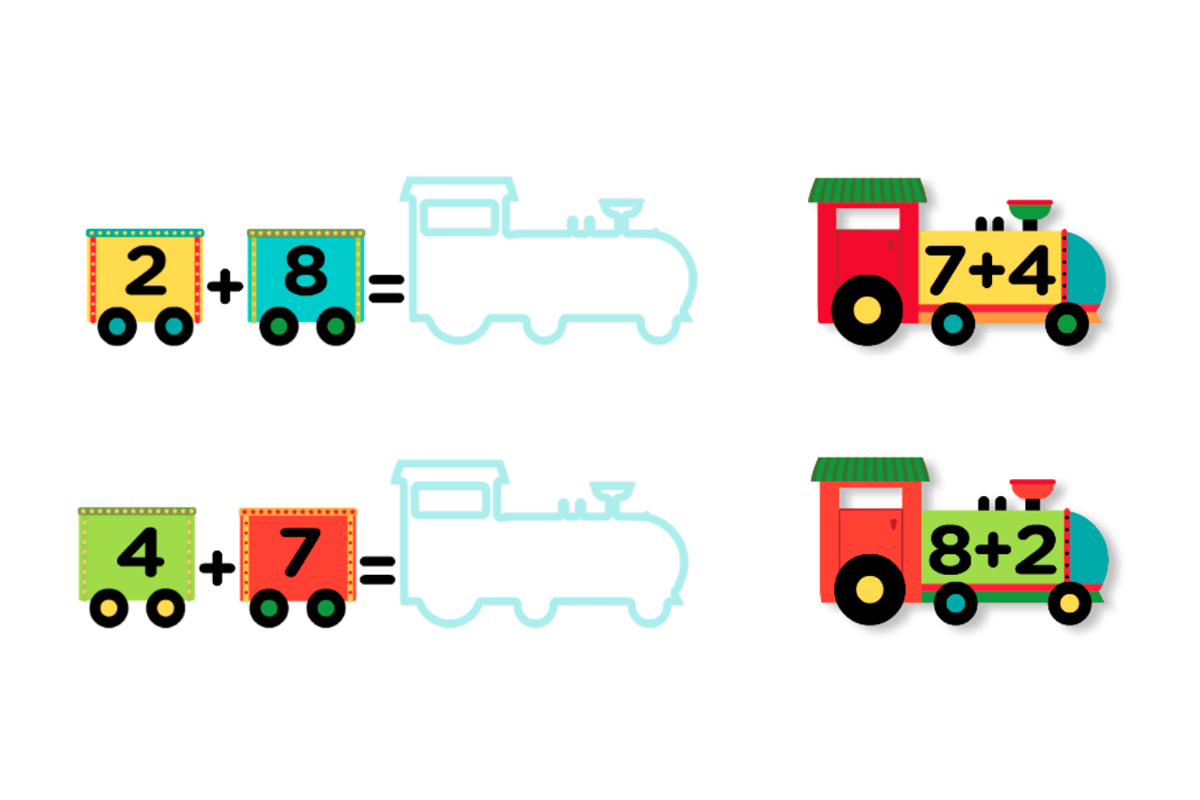


Parents and teachers play a crucial role in fostering mathematical reasoning in children aged 3-9, particularly regarding addition and subtraction. During these formative years, children develop foundational skills that not only prepare them for future mathematics but also enhance their cognitive abilities. Mathematical reasoning aids in the development of problem-solving skills, logical thinking, and critical analysis, all of which are vital for academic success across subjects.
Engaging children in addition and subtraction helps them understand relationships between numbers and how to manipulate them, promoting a deeper grasp of mathematical concepts. Furthermore, these skills build confidence as children learn to tackle challenges independently, encouraging a positive attitude toward mathematics. Integrating math with play, daily activities, and discussions makes learning enjoyable, turning what can be an intimidating subject into a fun experience.
Additionally, early intervention in mathematical reasoning can bridge achievement gaps. By monitoring and supporting children’s progress, parents and teachers can identify areas of struggle and offer targeted guidance. Ultimately, nurturing mathematical reasoning in young learners lays a strong educational foundation, equips them with essential life skills, and prepares them for future academic pursuits, making this an essential focus for both parents and educators.








