Problem-Solving Skills Addition & Subtraction Worksheets for Ages 3-9 - Page 2
215 filtered results
-
From - To
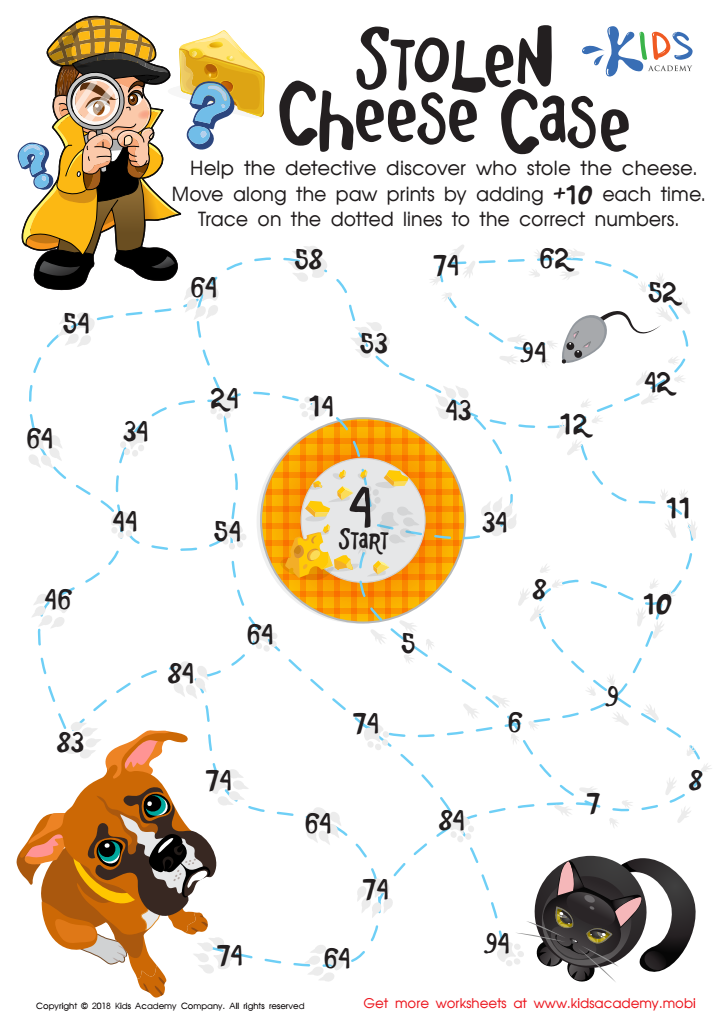
Stolen Cheese Case Maze Worksheet
 Assign to My Students
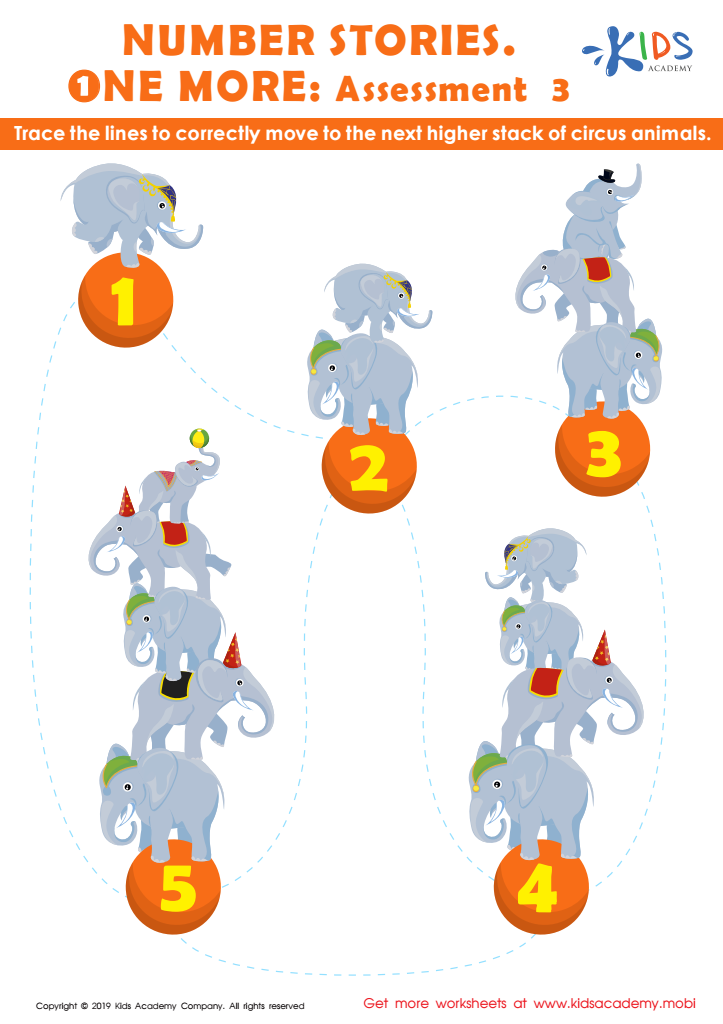
Number Stories One More: Assessment 3 Worksheet
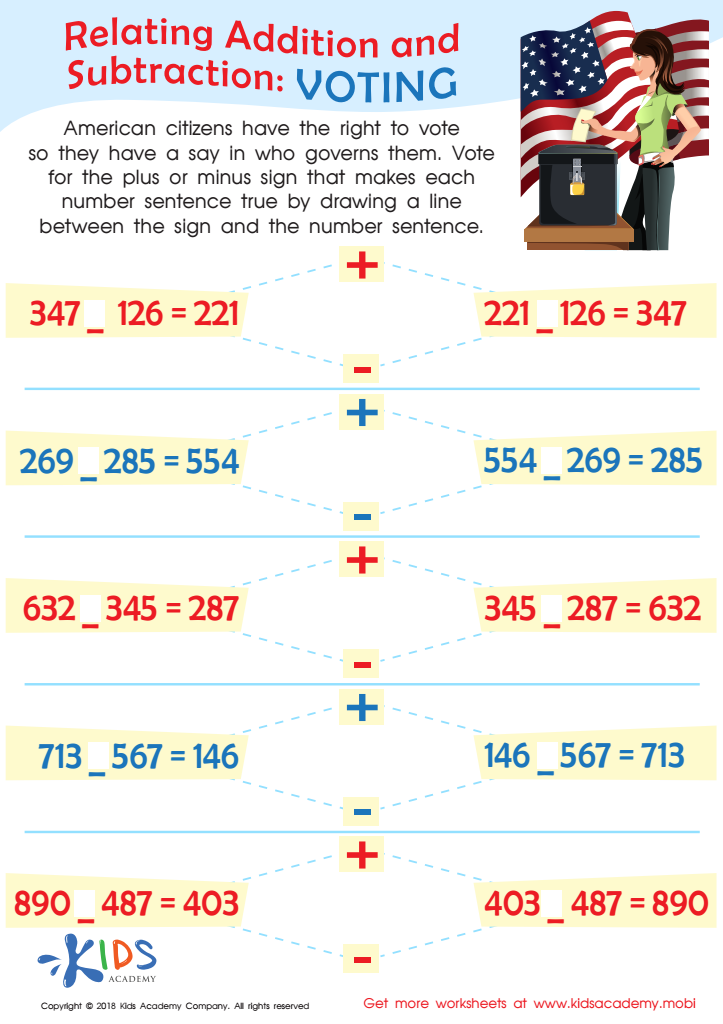
Voting Worksheet
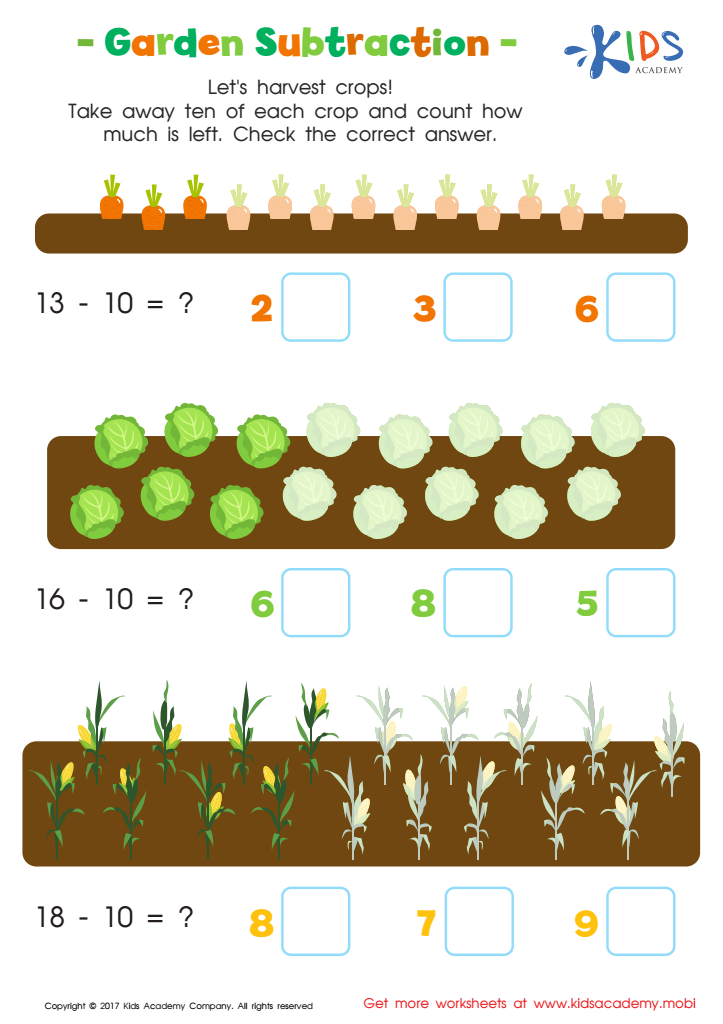
Garden Subtraction Worksheet
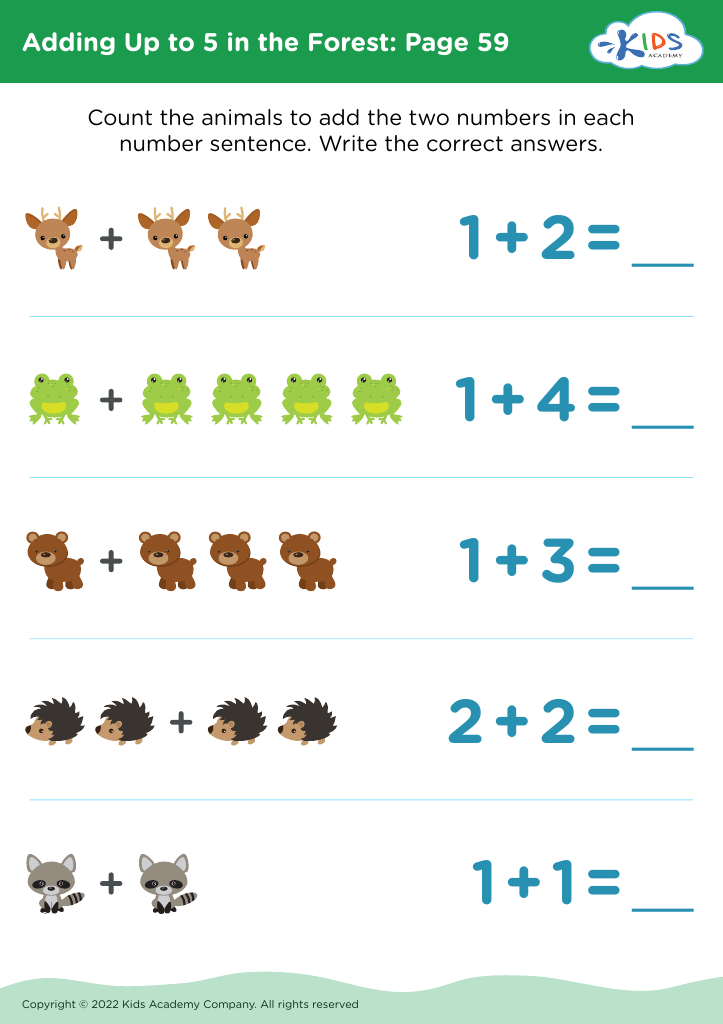
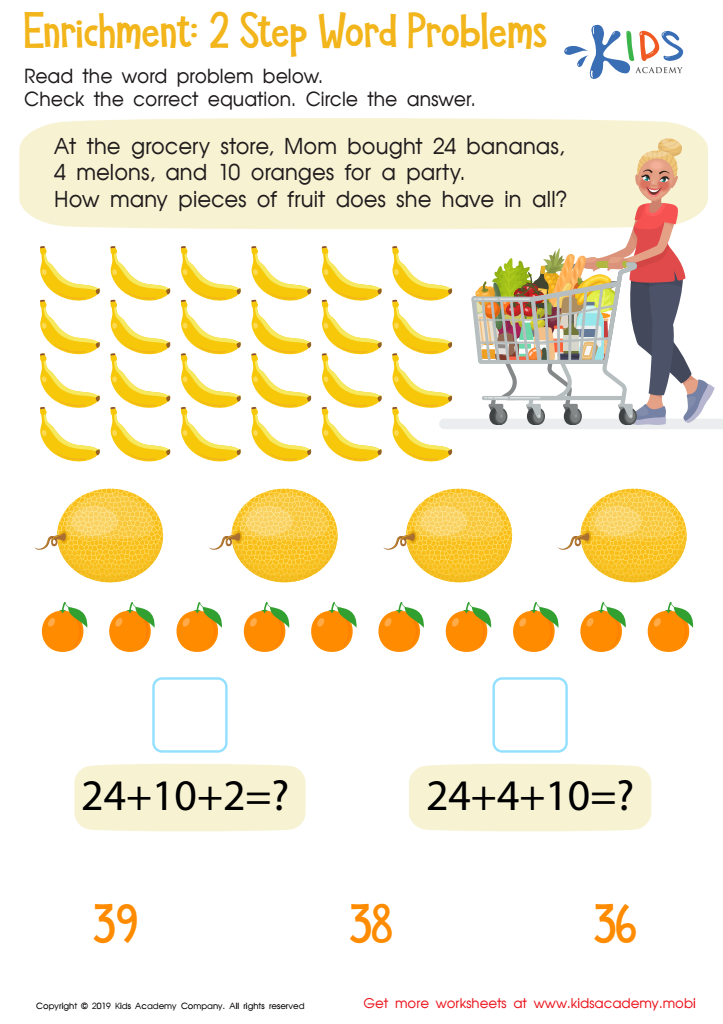
Enrichment -2 Step Word Problems Worksheet
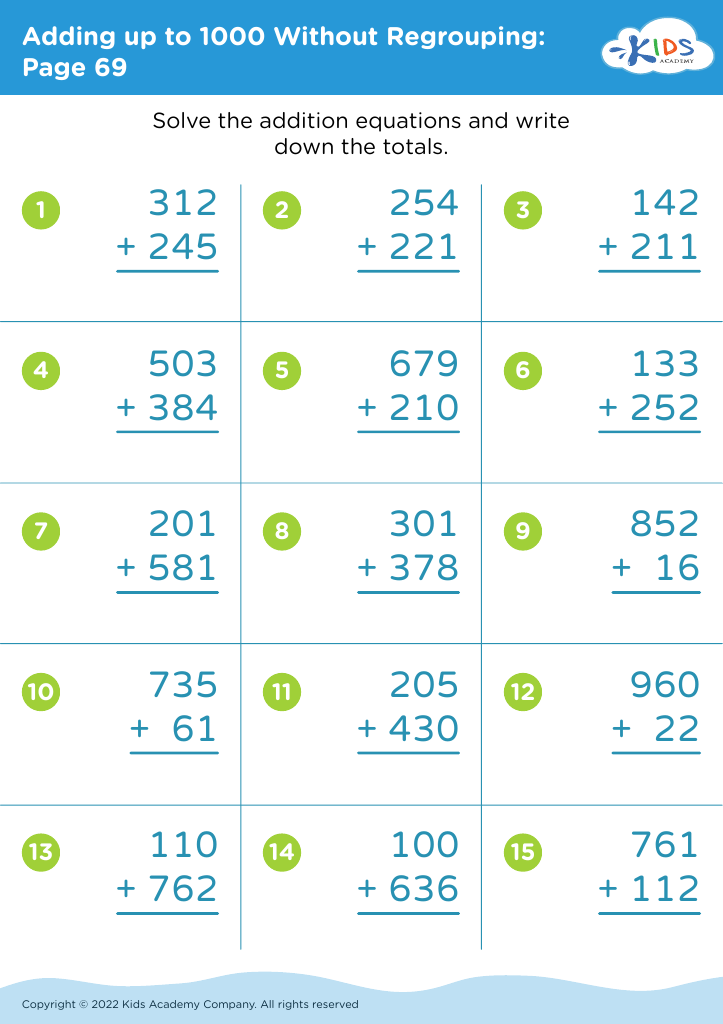
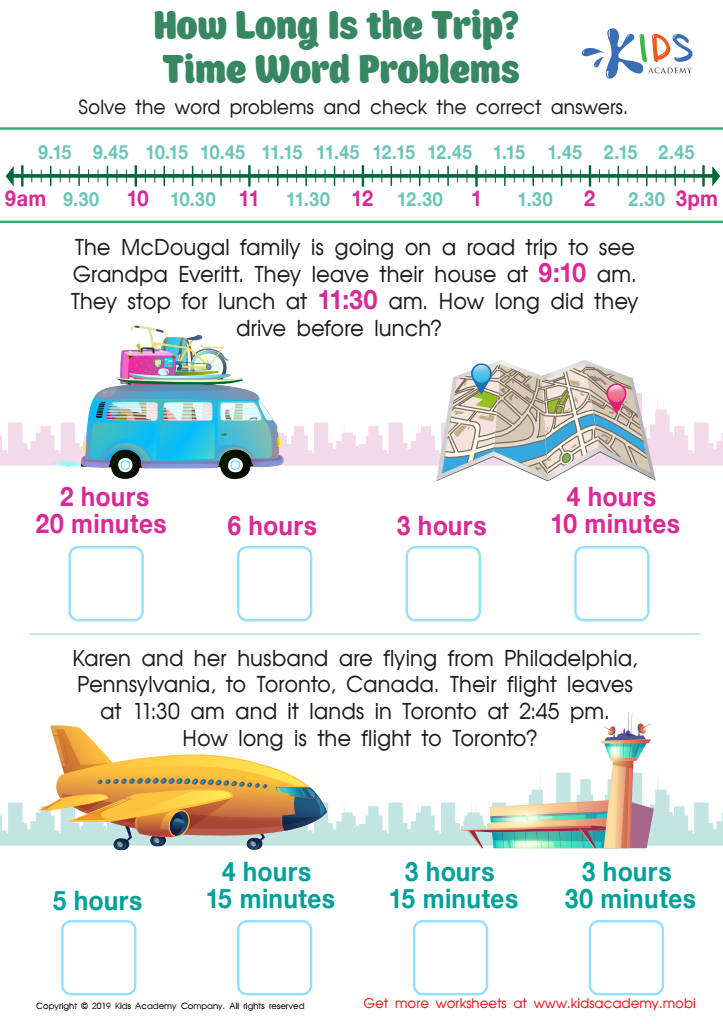
How long is the Trip? Time Word Problems Worksheet
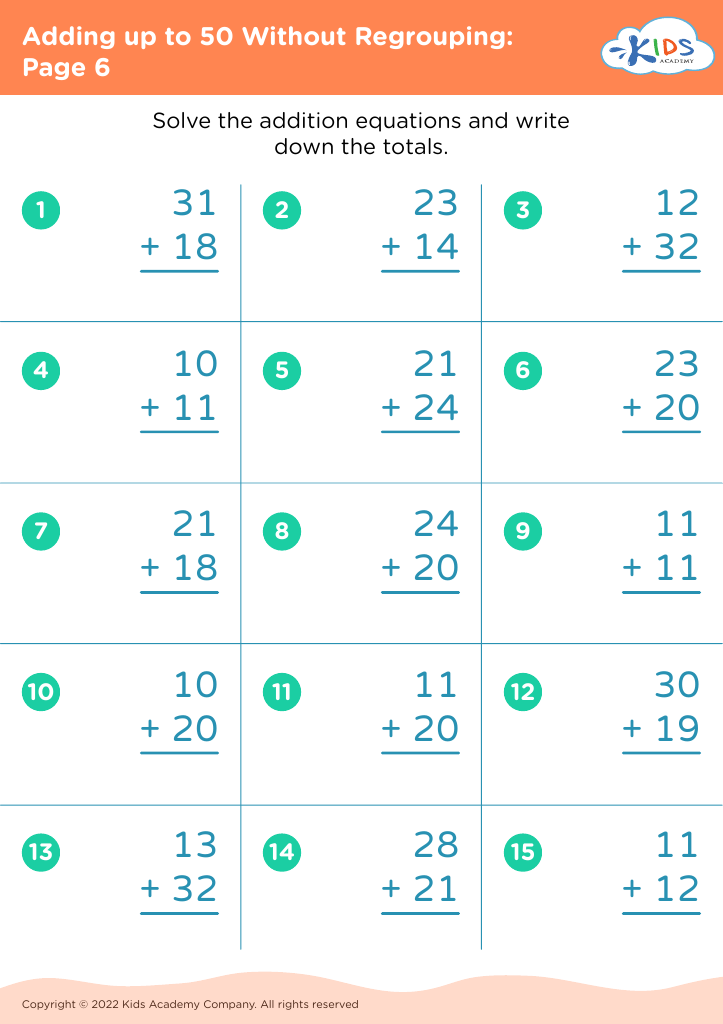
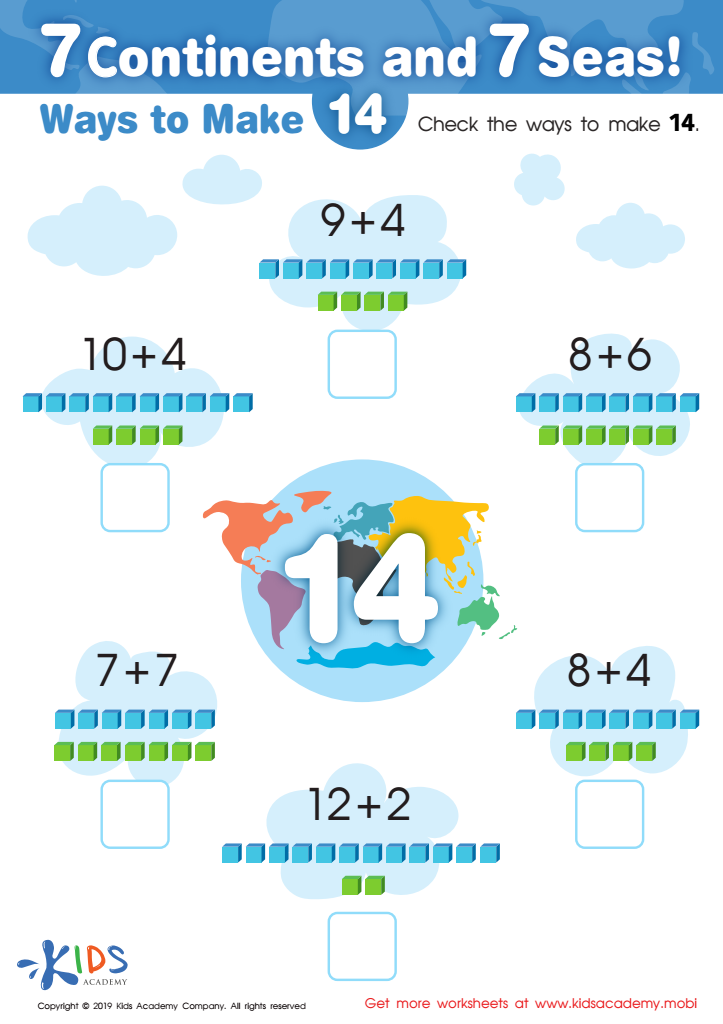
7 Continents and 7 Seas Worksheet
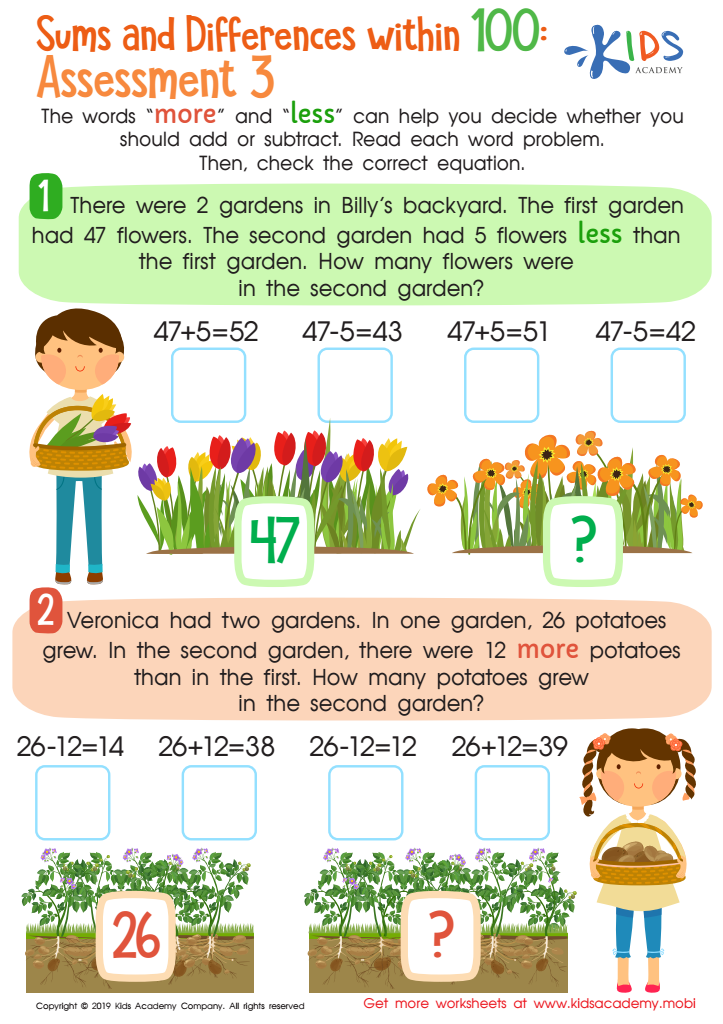
Sums and Differences Within 1 - Assessment 1 Worksheet
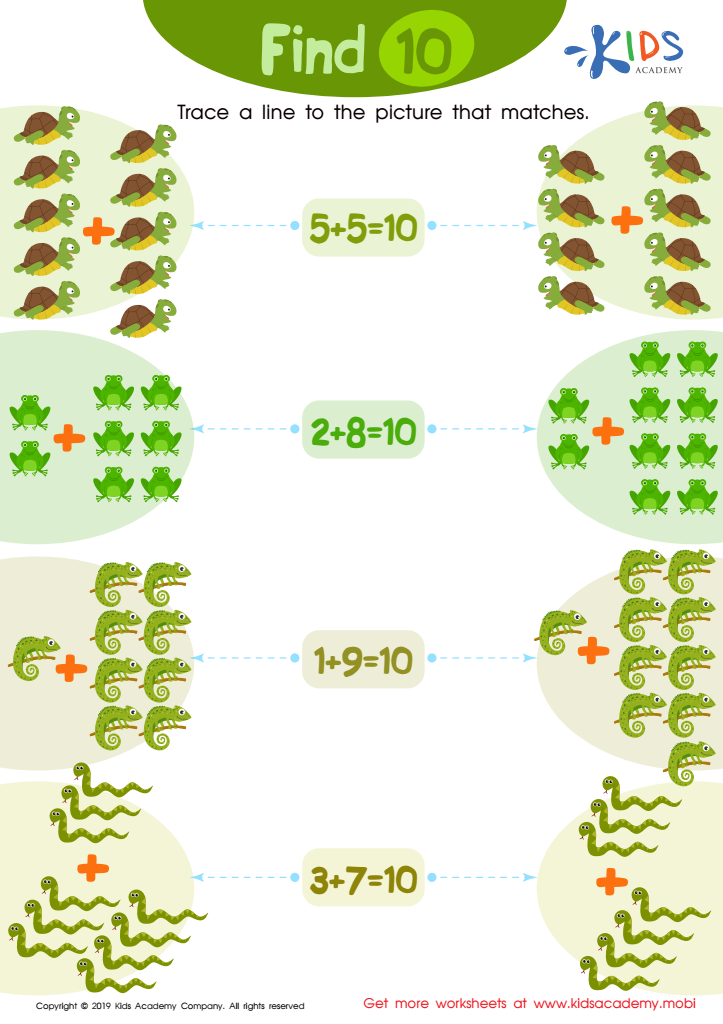
Find 10 Worksheet
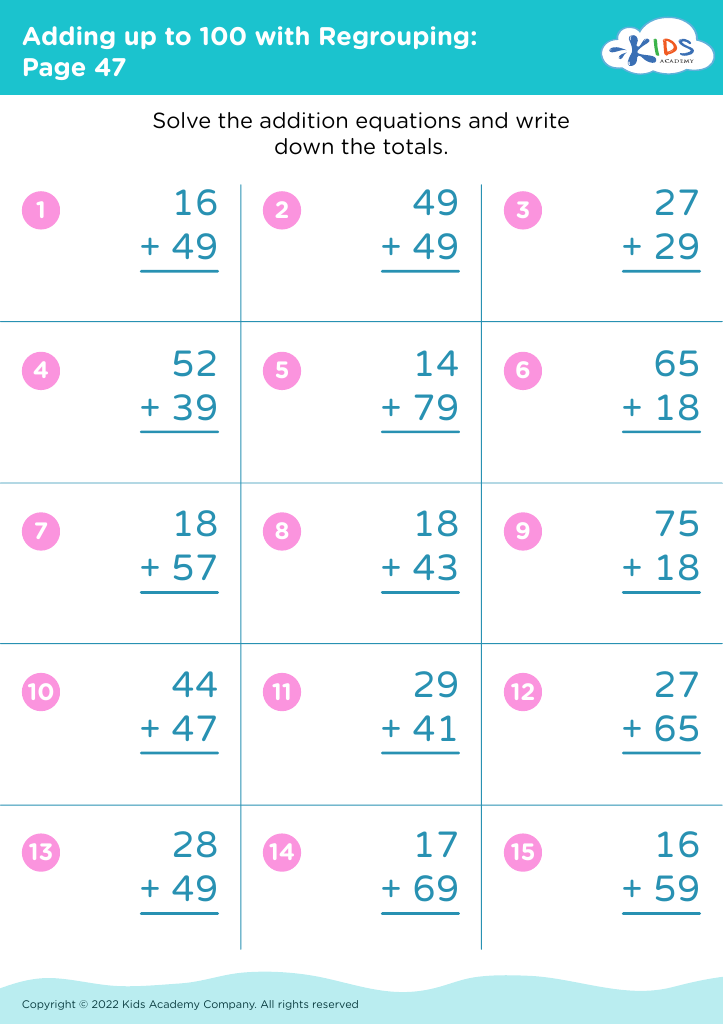
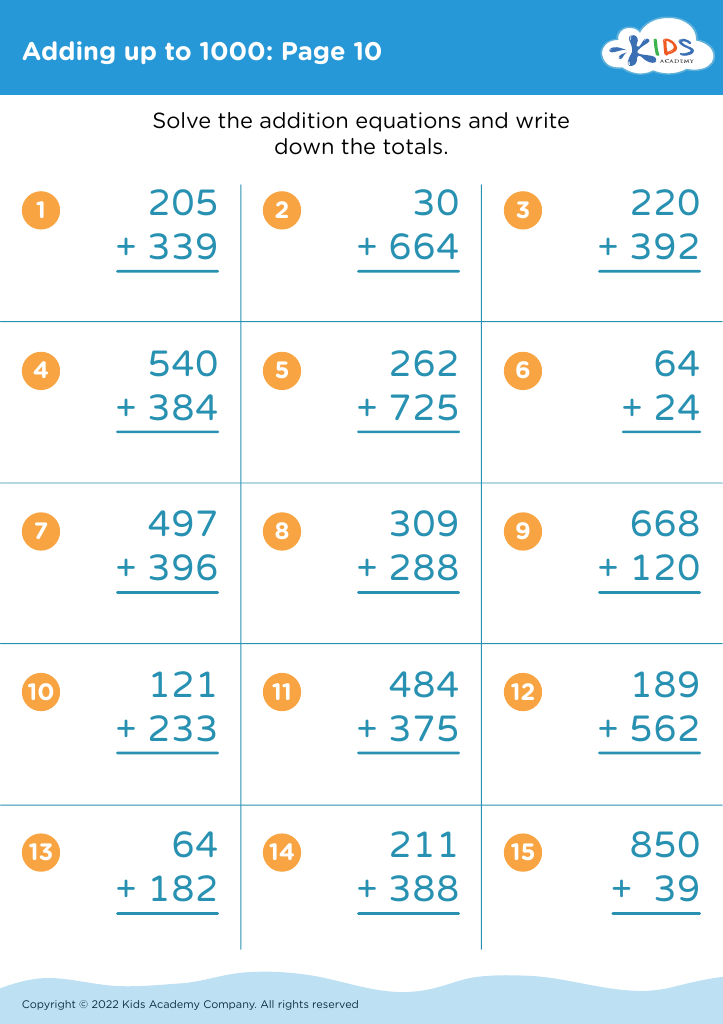
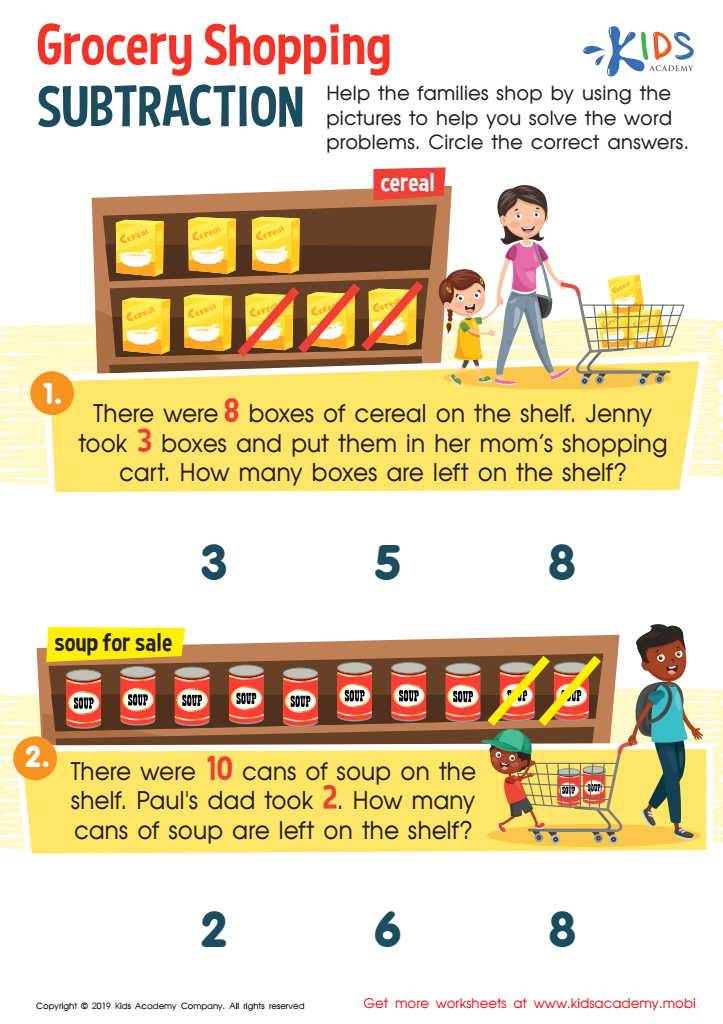
Grocery Shopping Subtraction Worksheet
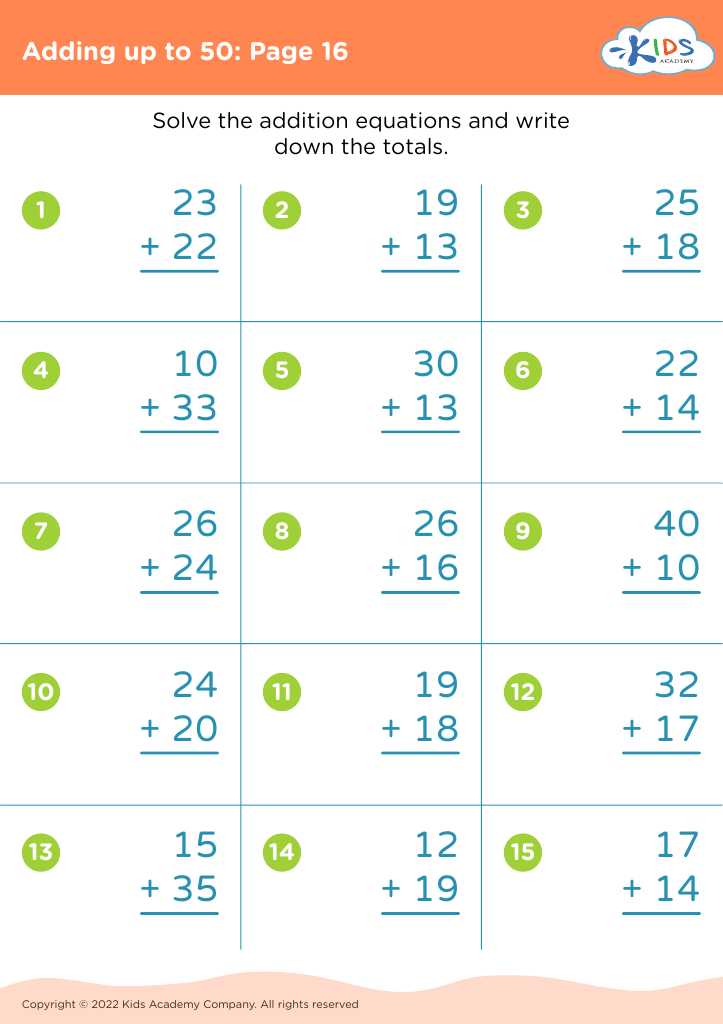
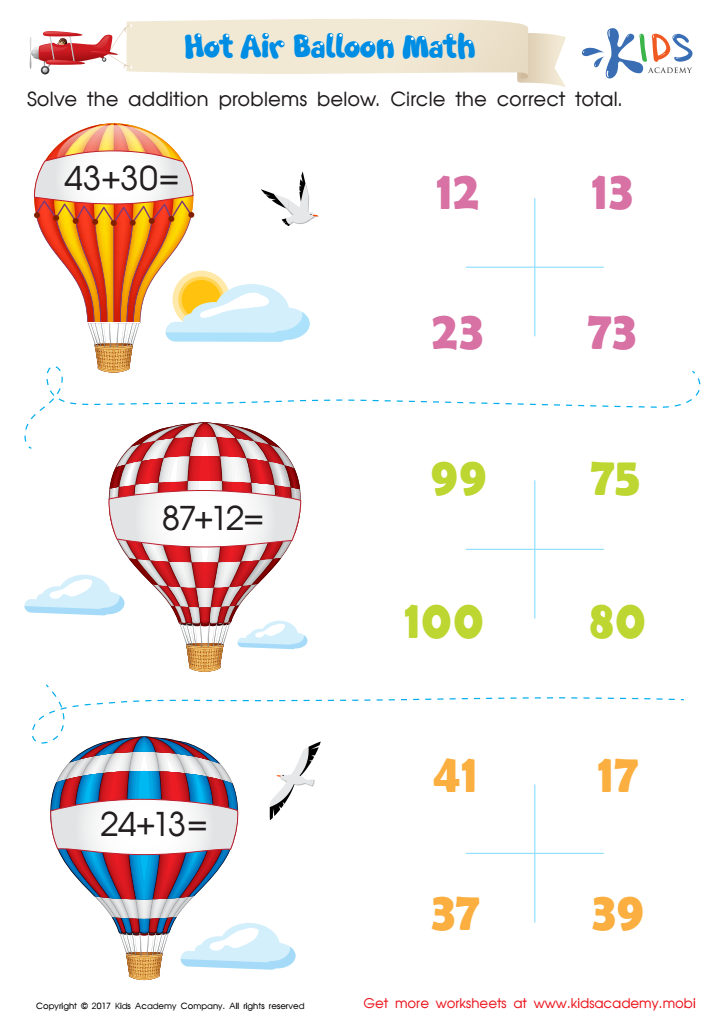
Hot Air Balloon Math Worksheet
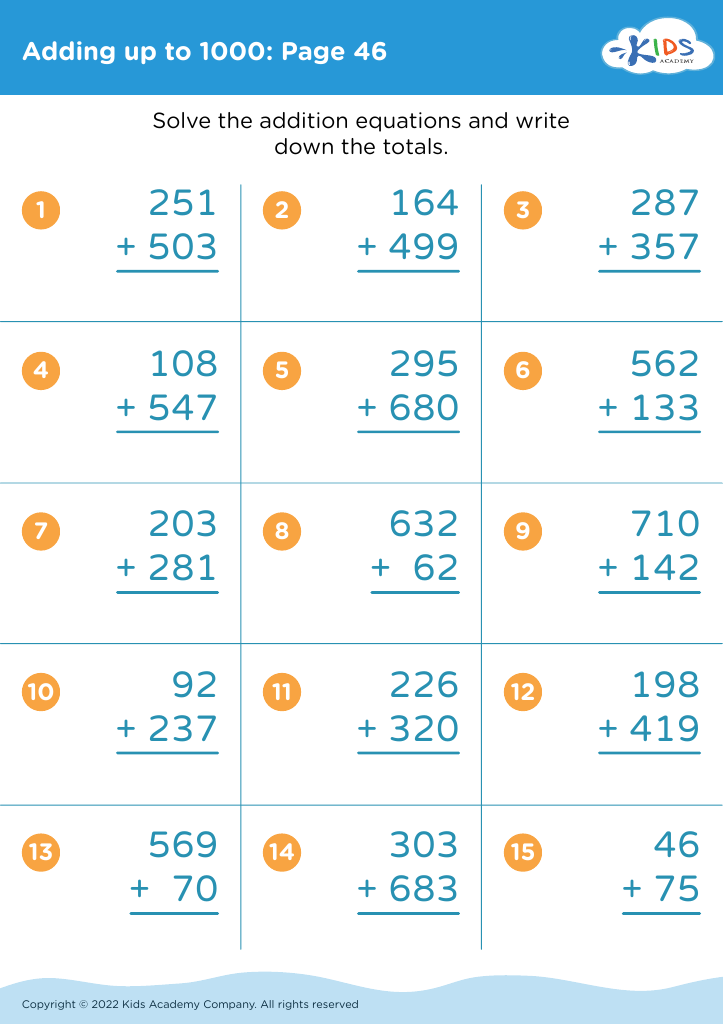
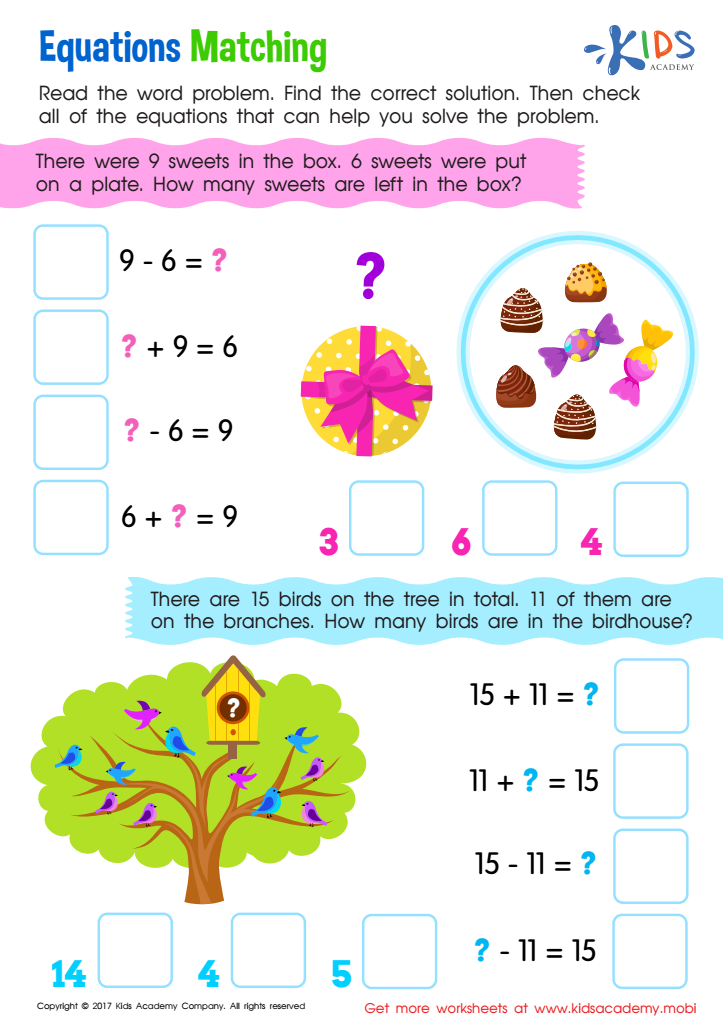
Equations Matching Word Problems Worksheet
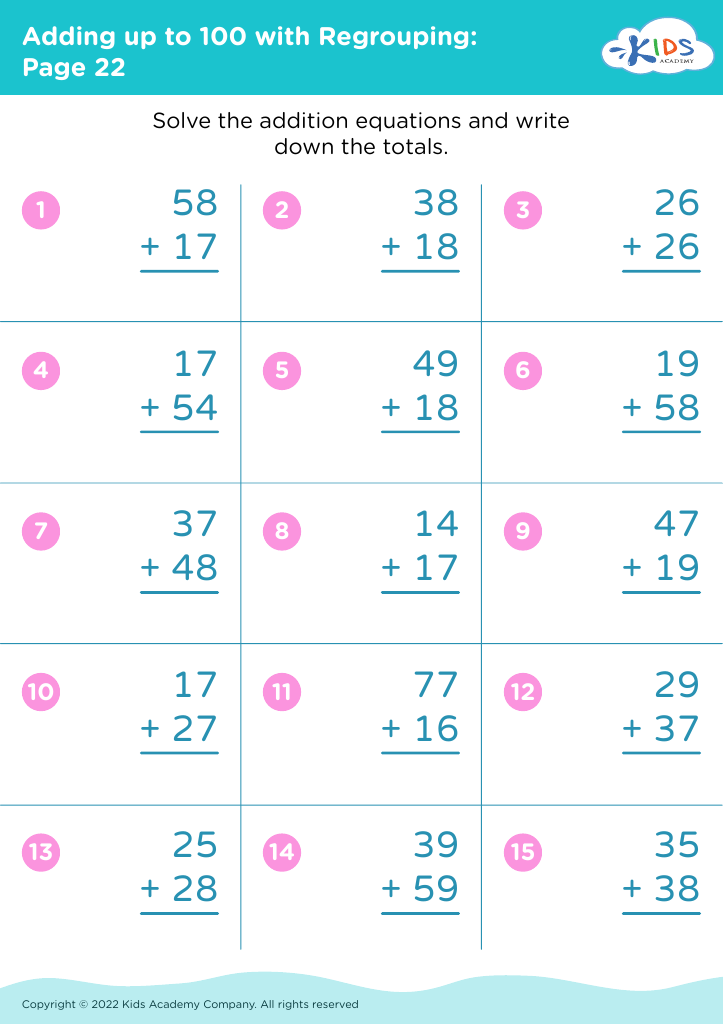
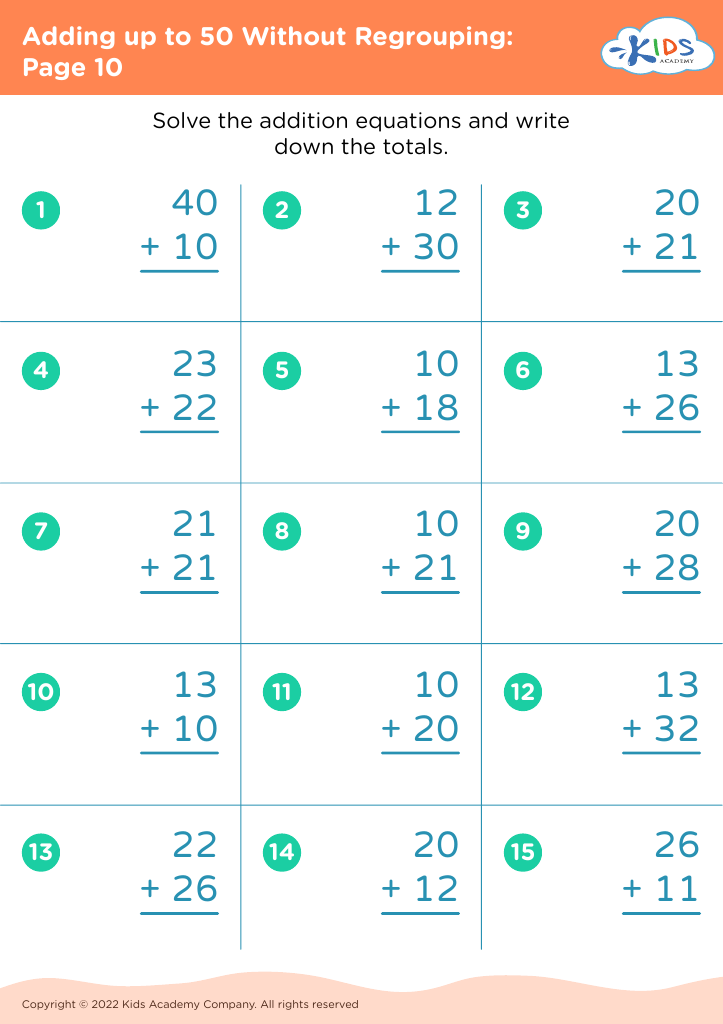








Parents and teachers should prioritize problem-solving skills in addition and subtraction for children ages 3-9 because these foundational skills are critical for early academic success and everyday functionality. Developing strong problem-solving abilities in young learners fosters logical thinking and enhances their capacity to approach challenges systematically. When children learn how to solve problems using addition and subtraction, they build a framework for critical thinking and analytical skills that will benefit them across all subjects.
Moreover, mastery of these basic mathematical operations promotes confidence and independence in learners. As children encounter various problem-solving scenarios, they become more resilient, learning to navigate obstacles and think creatively. This resilience is crucial not only in academics but also in life situations as children grow older.
Additionally, early exposure to practical problem-solving helps cultivate a love for mathematics, making it less intimidating as they advance in their education. Engaging in math games, real-life applications, and group activities can make learning interactive and enjoyable. Ultimately, fostering addition and subtraction problem-solving skills paves the way for lifelong learning, equipping children with the competencies needed for future challenges, thereby making it essential for parents and educators to invest in this developmental area.








