
Improve math skills Addition Worksheets for Ages 3-9
17 filtered results
Difficulty Level
Grade
Age
-
From - To
Subject
Activity
Standards
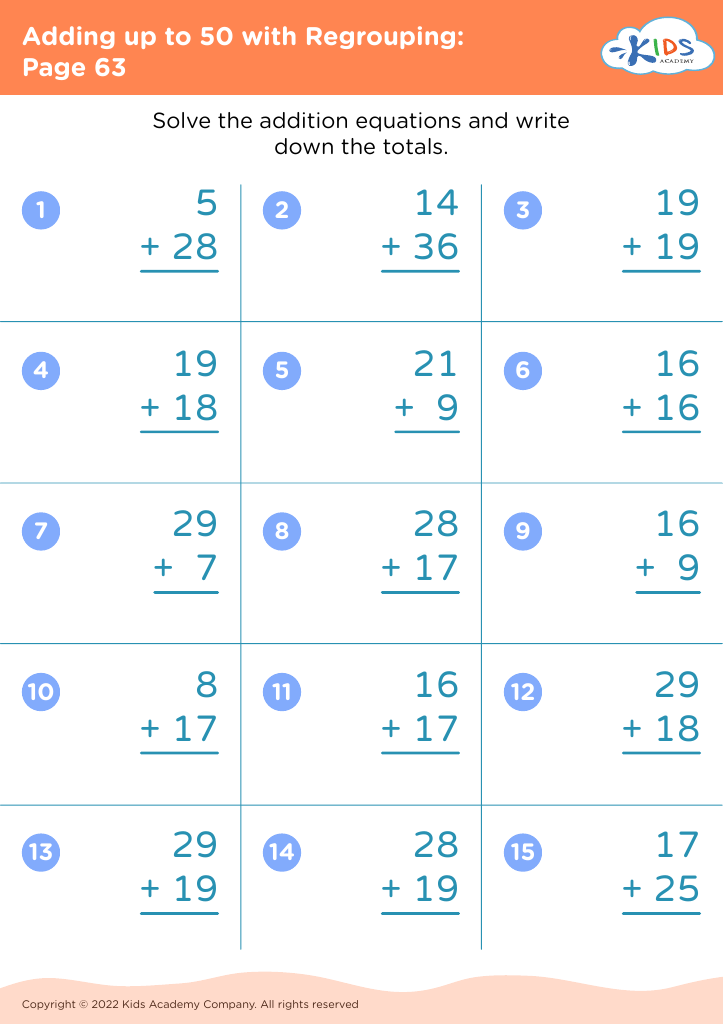
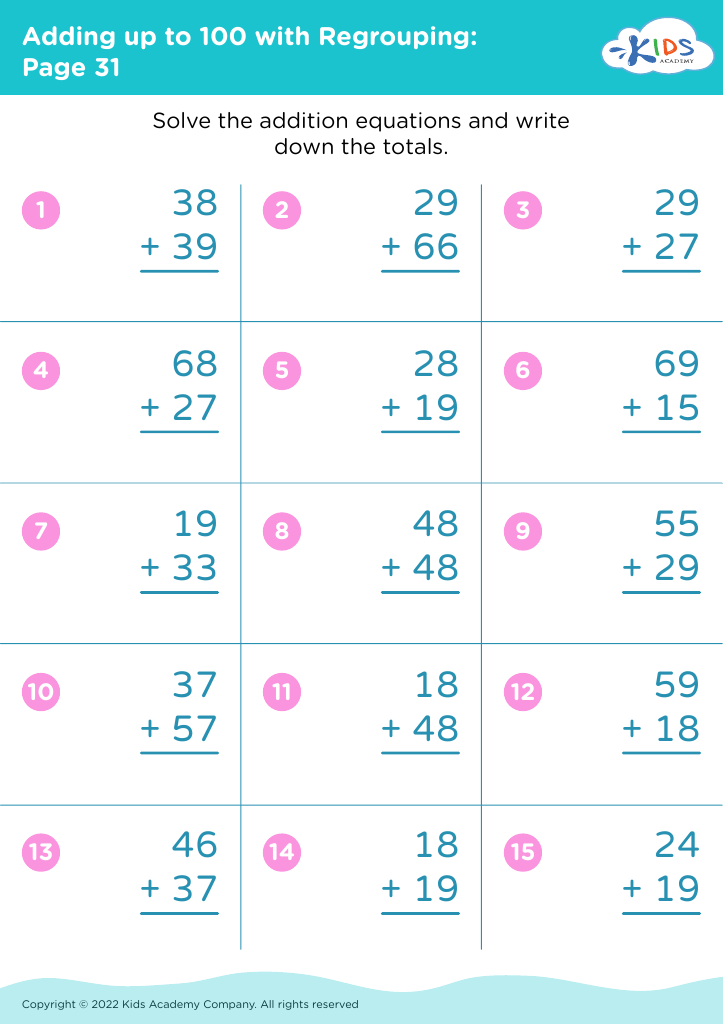
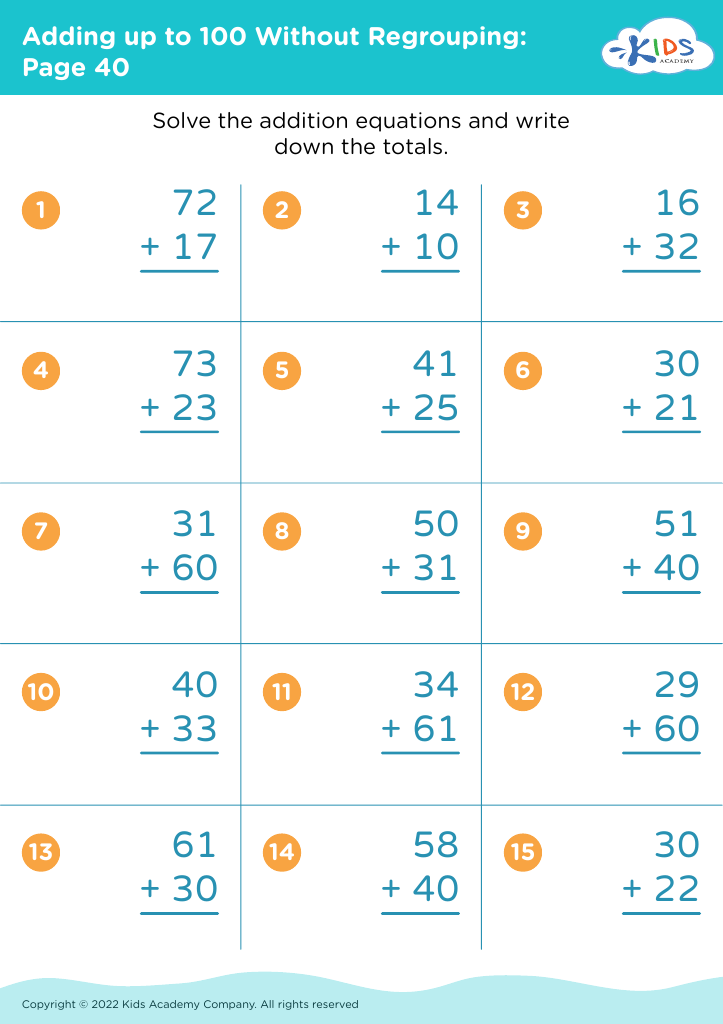
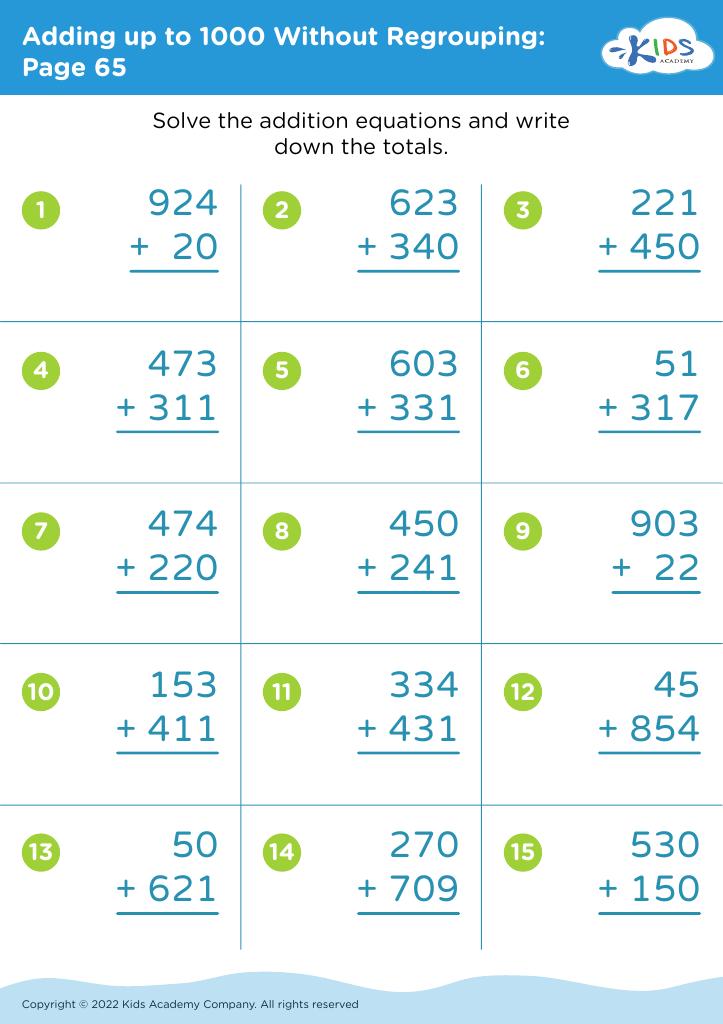
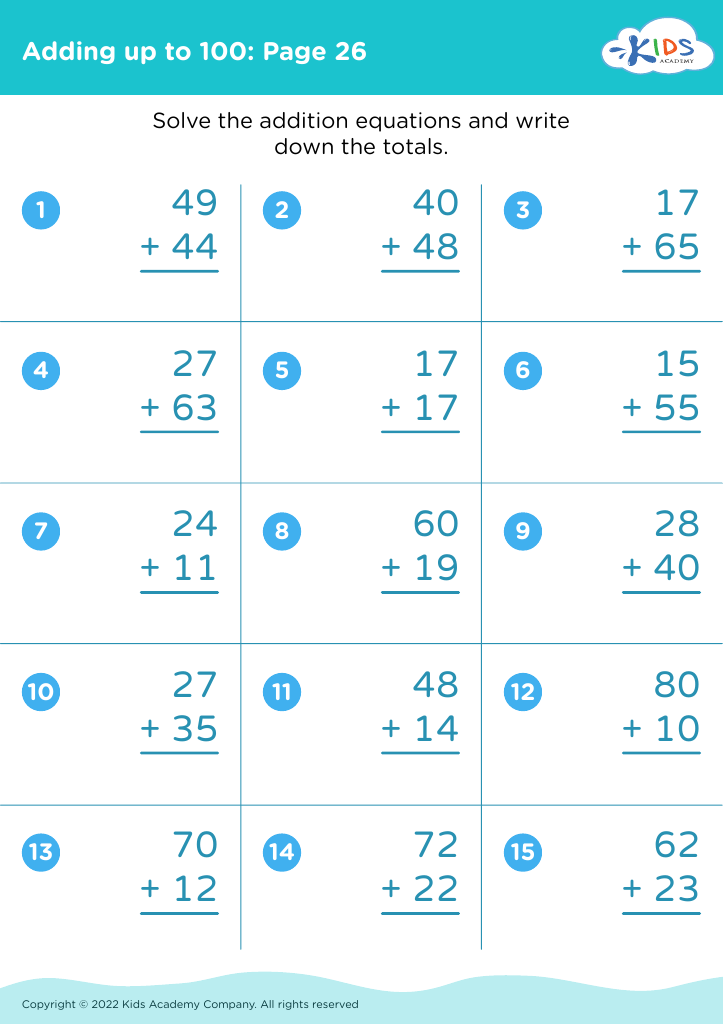
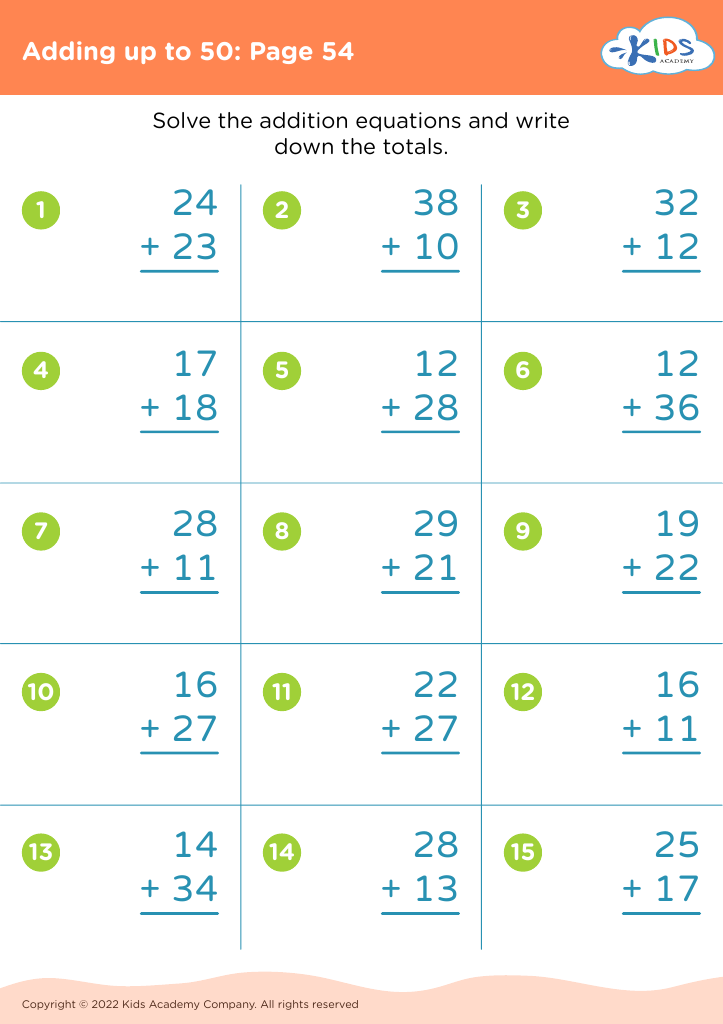
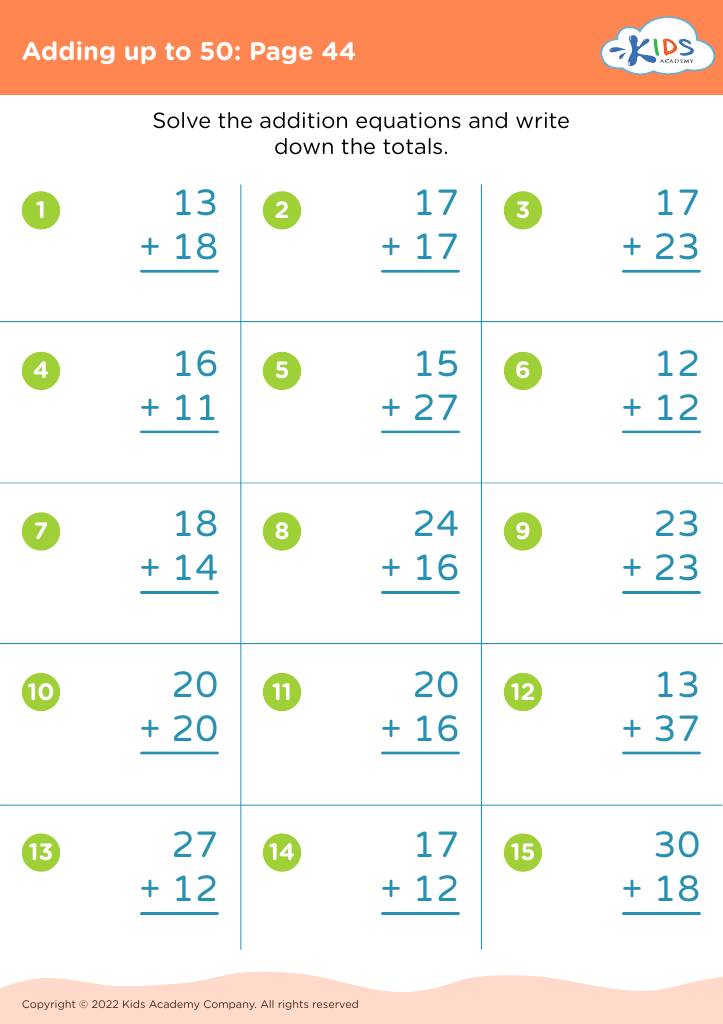
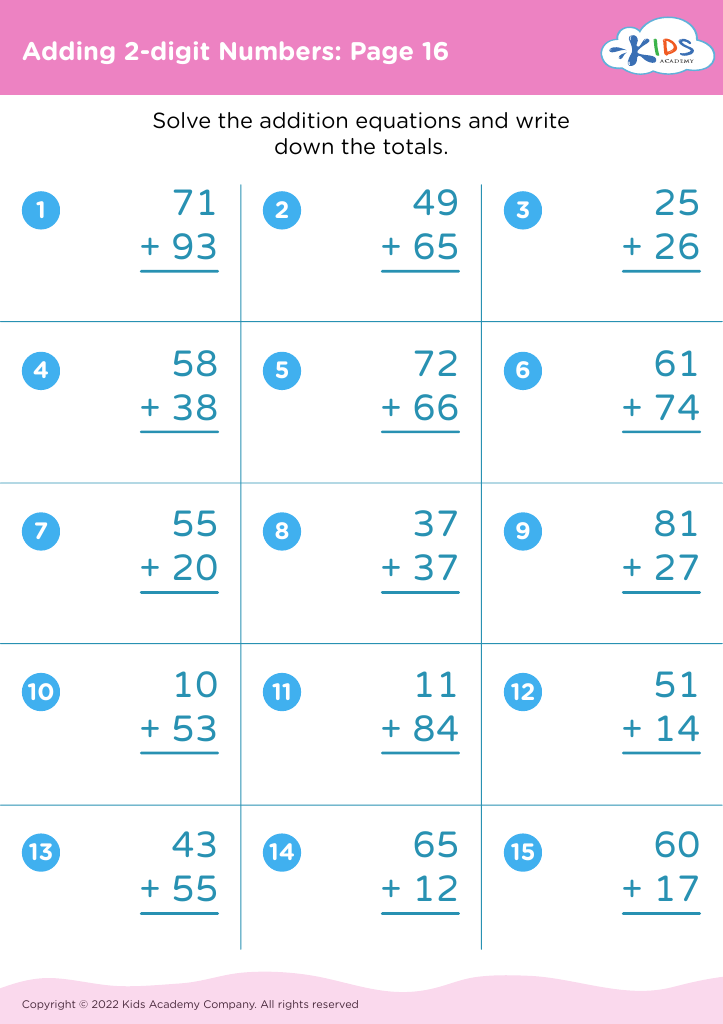
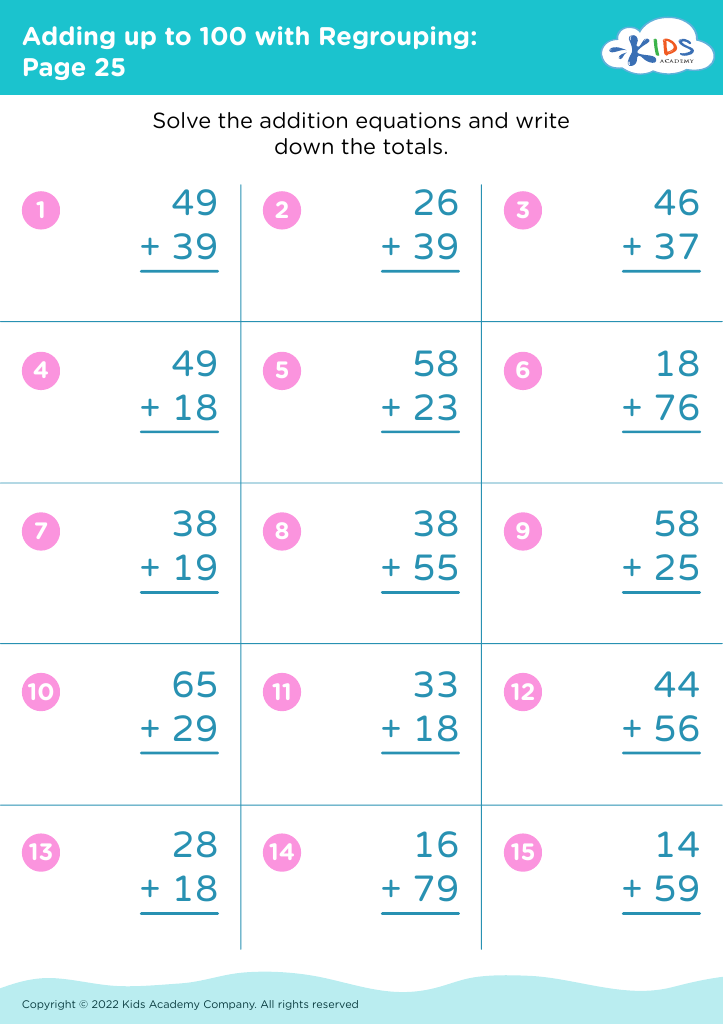
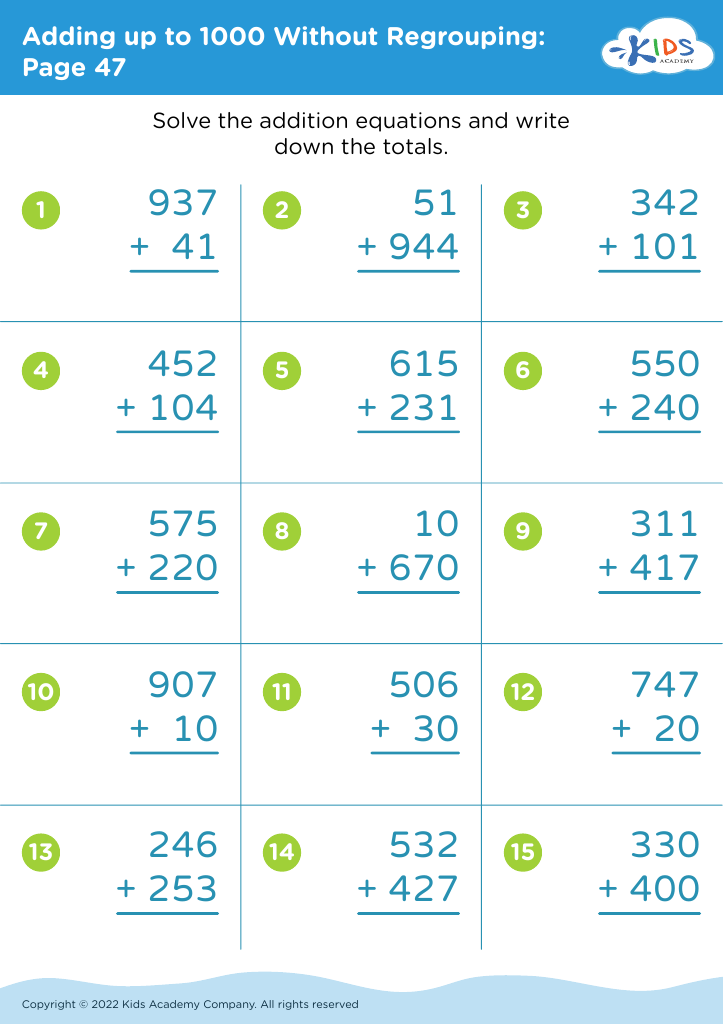
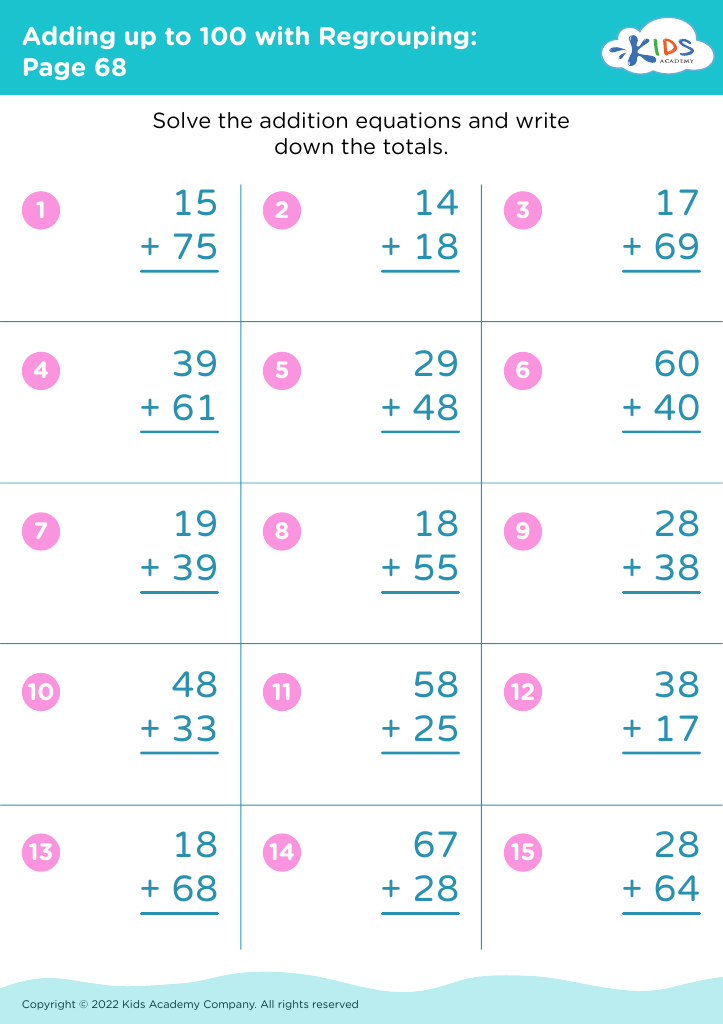
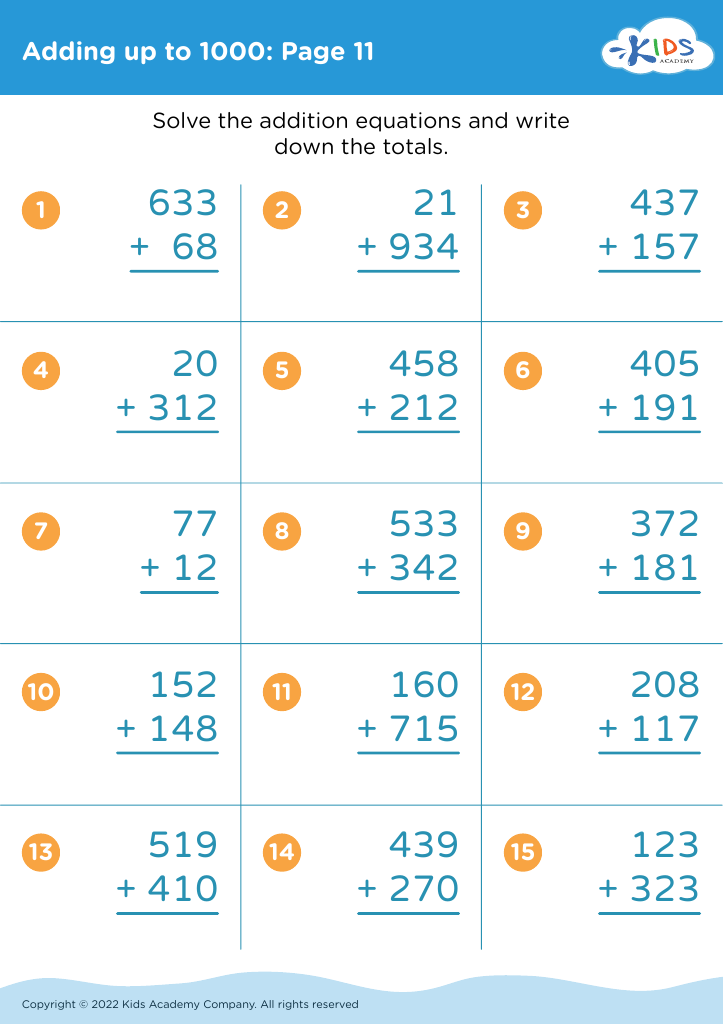
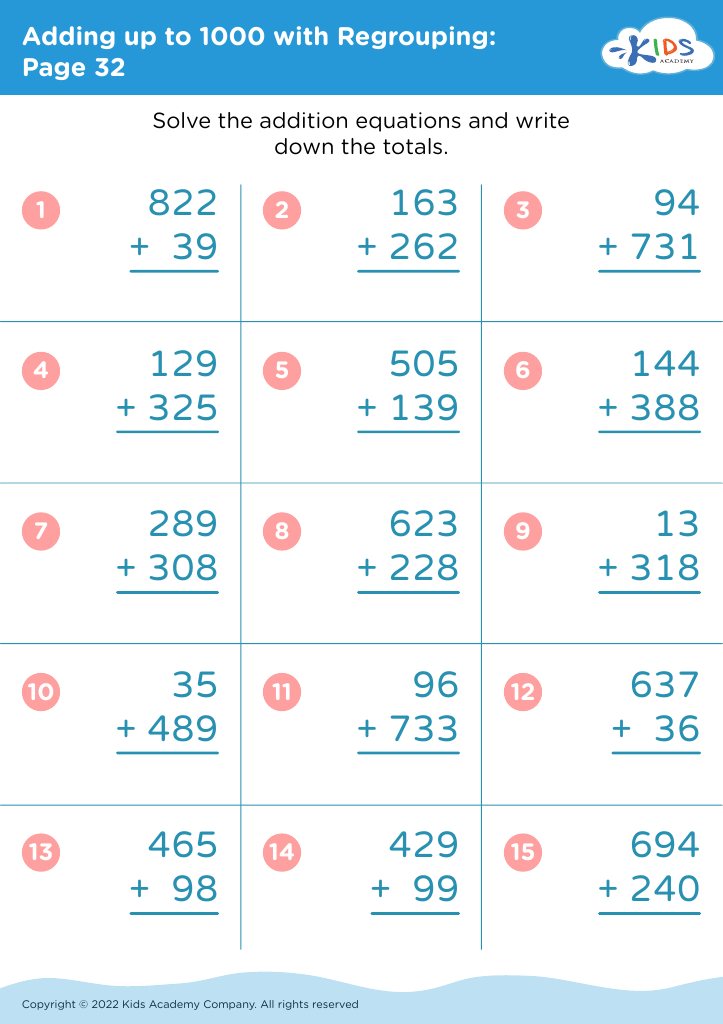
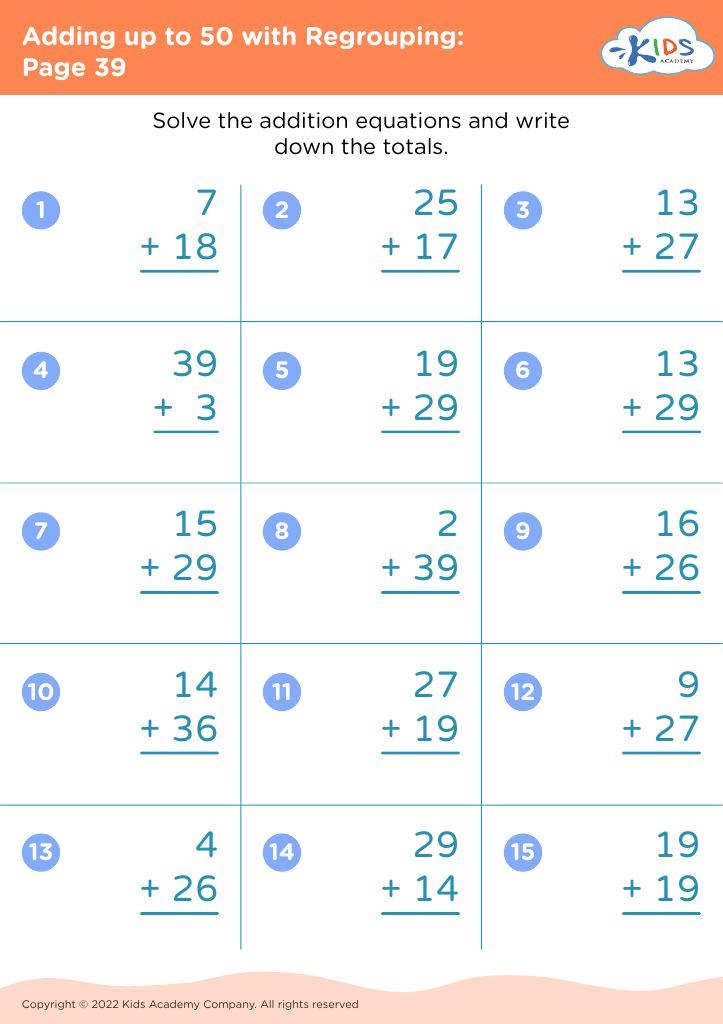
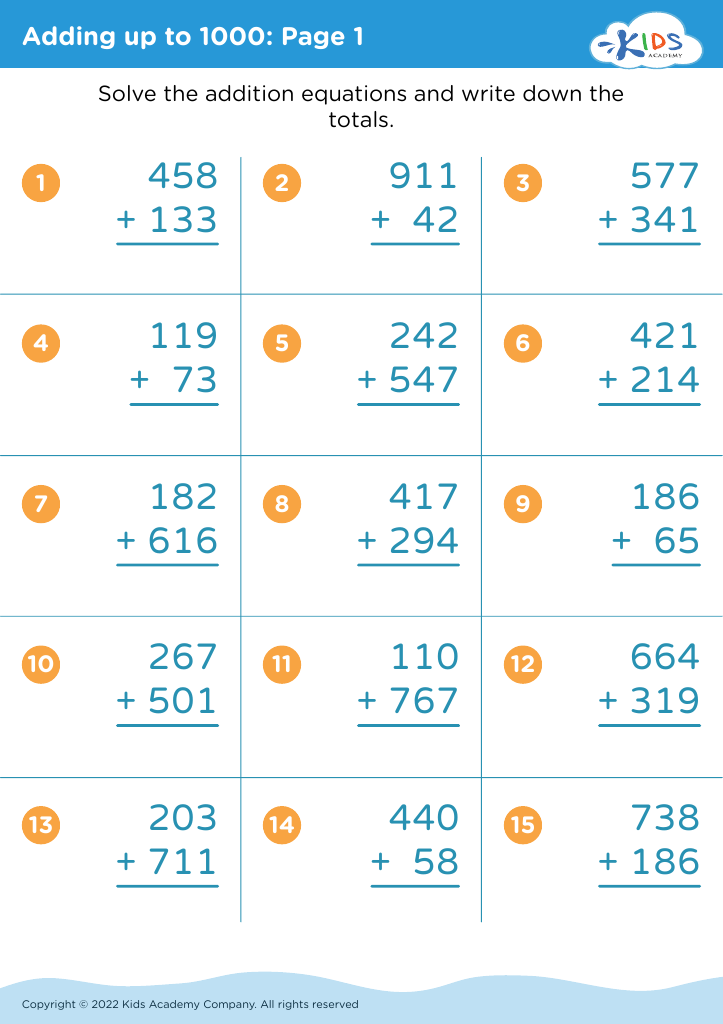
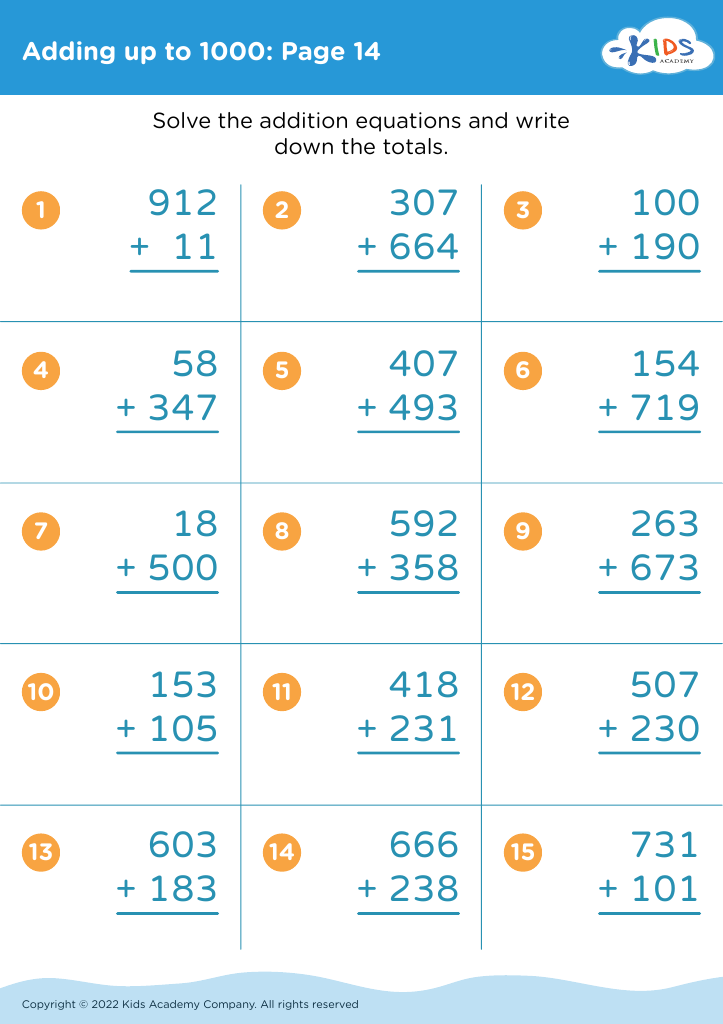
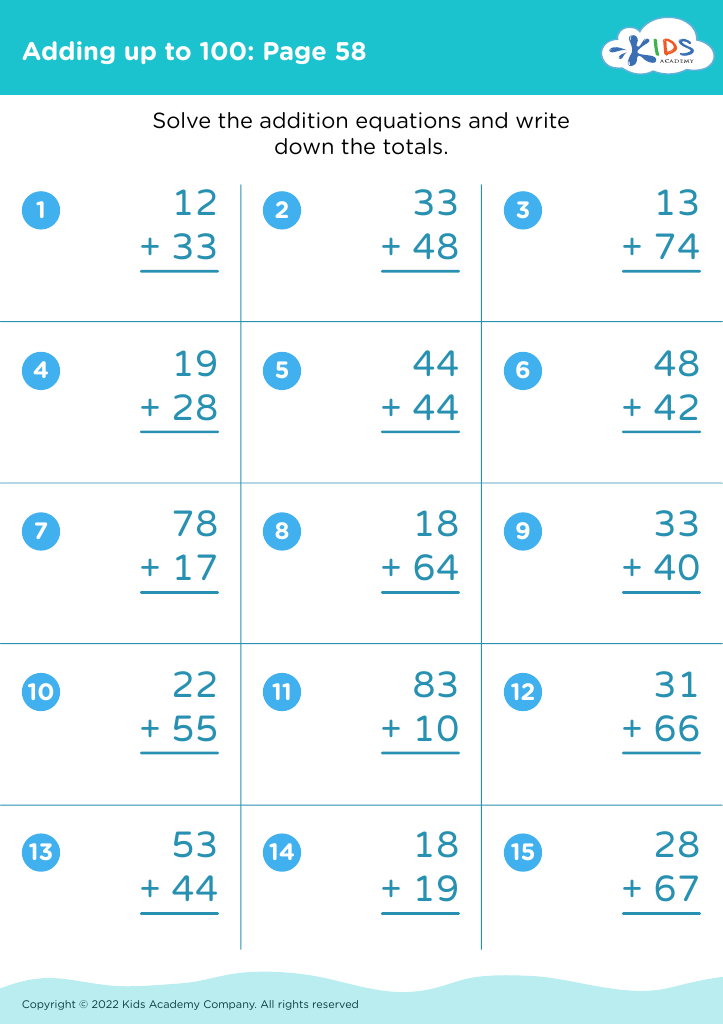
Boost your child's math abilities with our engaging addition worksheets designed for ages 3-9. These printable resources make learning fun while helping young learners master essential addition skills. With a variety of colorful, interactive activities, kids will enjoy exploring numbers and improving their confidence in mathematics. Our worksheets cater to various skill levels, ensuring that every child, whether a beginner or advanced learner, finds the right challenge. Help build a strong foundation in math that will support your child's future learning. Download the worksheets today and watch your child's math skills grow through play and practice!
Favorites
With answer key
Interactive
Join Kids Academy for Free
Who is primarily going to use this learning content?








Improving math skills, particularly addition, for children aged 3-9 is crucial for their overall development and future success. During these formative years, children develop foundational cognitive skills, and mathematics plays a key role in nurturing critical thinking and problem-solving abilities. Research shows that early exposure to math concepts can boost later academic performance, enhancing confidence and interest in subjects that they might otherwise find challenging.
Parents and teachers should prioritize addition skills, as they serve as a gateway to more complex mathematical concepts. Mastering basic addition lays the groundwork for understanding more advanced operations like subtraction, multiplication, and division. Furthermore, proficient math skills can enhance a child’s everyday life, fostering logical reasoning and decision-making abilities that are beneficial far beyond the classroom.
Creating a supportive and engaging learning environment for young learners can inspire a lasting enthusiasm for math. By incorporating fun, hands-on activities and real-life applications of addition, parents and teachers can cultivate a positive math mindset early on. Ultimately, the skills developed during these years will contribute to a child's academic achievement and confidence, making it imperative for educators and caregivers to actively support their improvement in addition.








