Filters

509 filtered results

Clear all filters
Favorites
With answer key
Interactive

509 filtered results

Difficulty Level

Grade


Subject

    Check out this FREE Trial Lesson on Addition for age 3-9!

    P

    Favorites
    With answer key
    Interactive
    • 3-9
    • Number Recognition
    • Addition
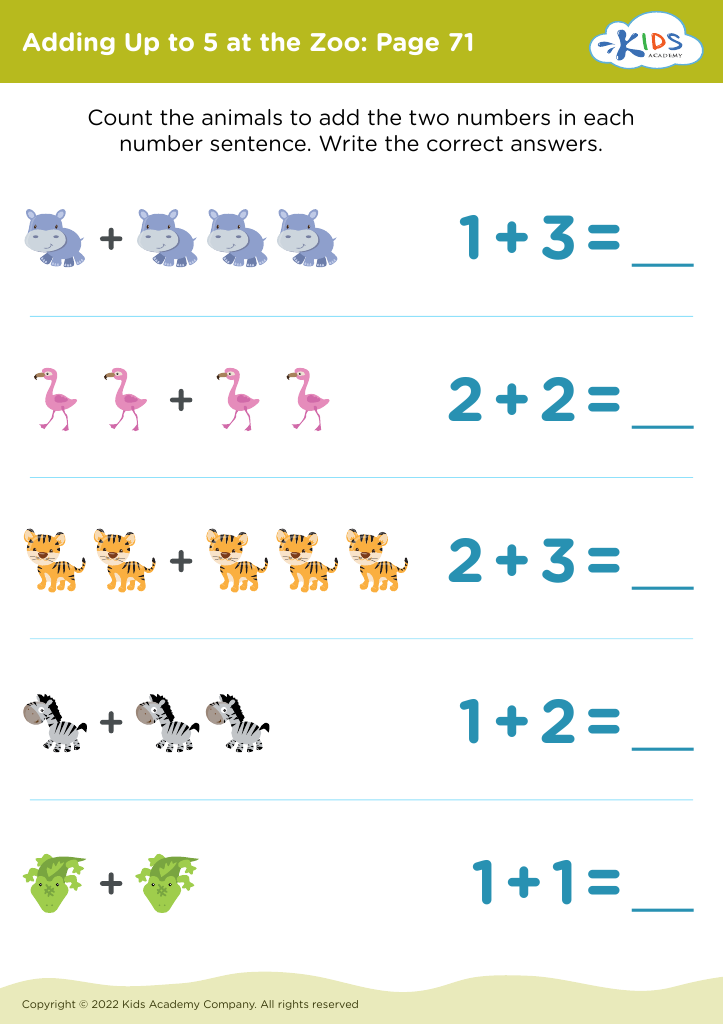
    Adding Up to 5 at the Zoo: Page 71
    Adding Up to 5 at the Zoo: Page 71
    Adding Up to 5 at the Zoo: Page 71
    Worksheet
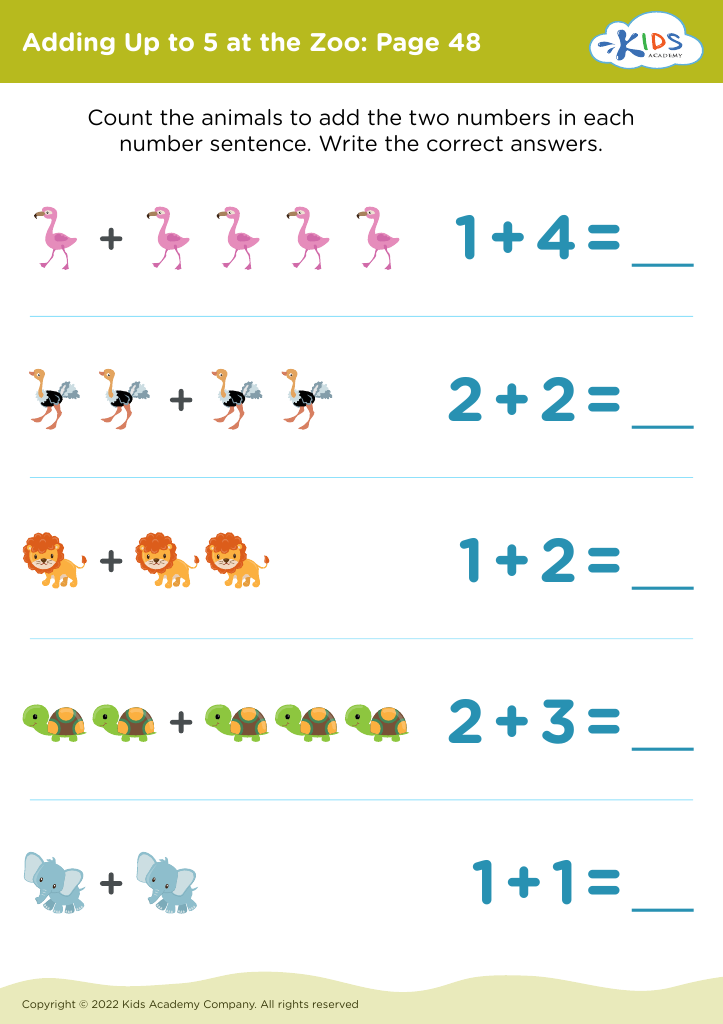
    Adding Up to 5 at the Zoo: Page 48
    Adding Up to 5 at the Zoo: Page 48
    Adding Up to 5 at the Zoo: Page 48
    Worksheet
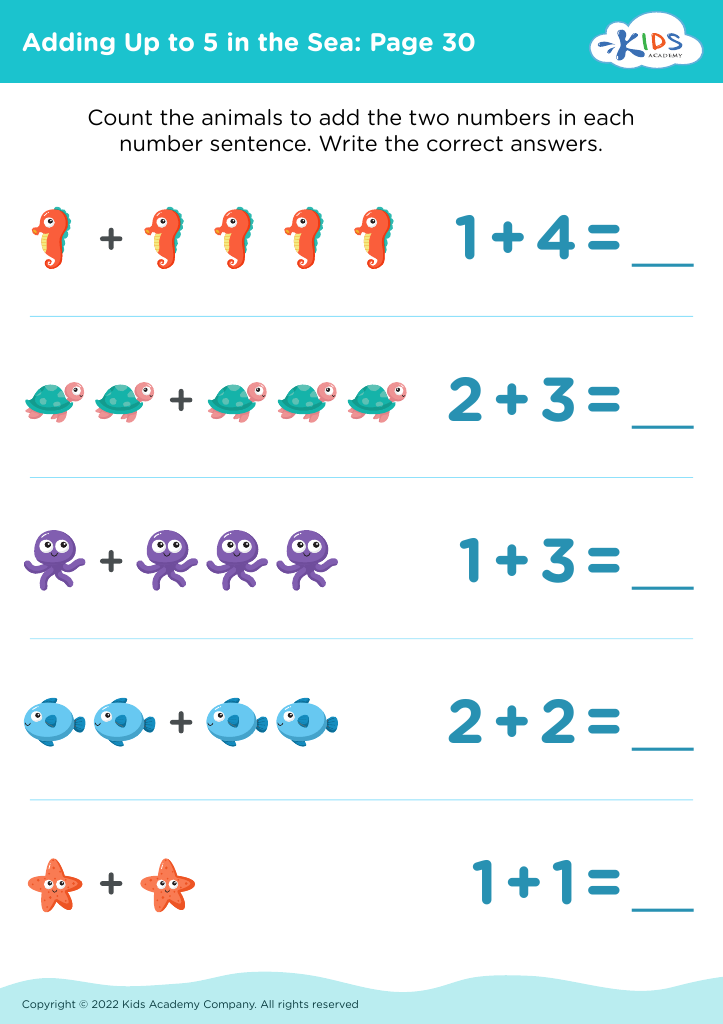
    Adding Up to 5 in the Sea: Page 30
    Adding Up to 5 in the Sea: Page 30
    Adding Up to 5 in the Sea: Page 30
    Worksheet
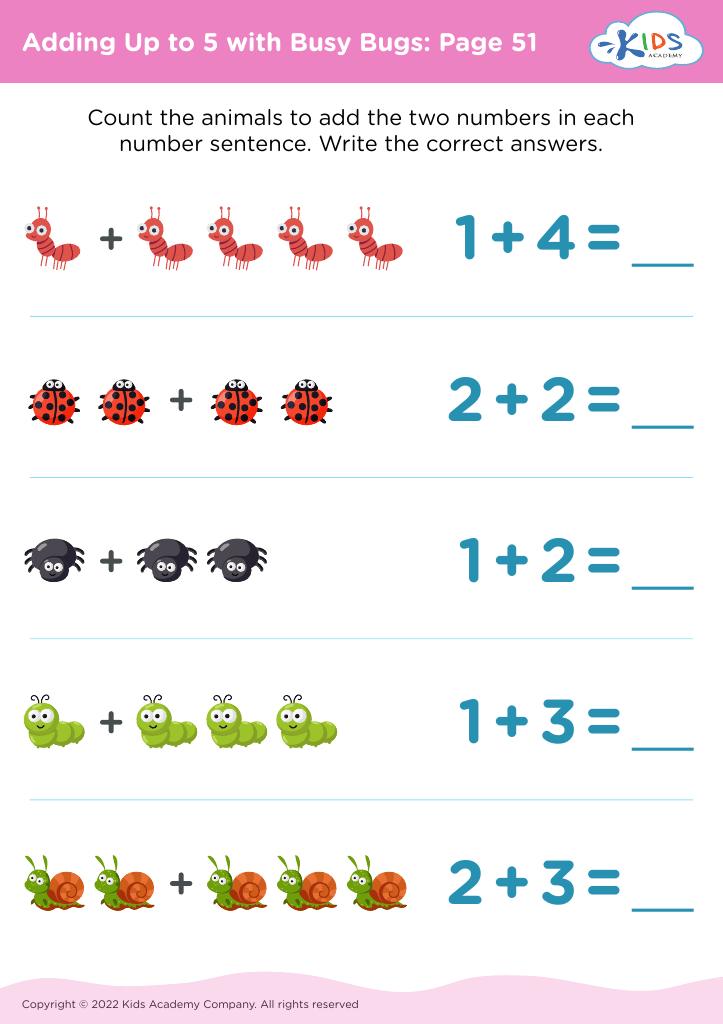
    Adding Up to 5 with Busy Bugs: Page 51
    Adding Up to 5 with Busy Bugs: Page 51
    Adding Up to 5 with Busy Bugs: Page 51
    Worksheet
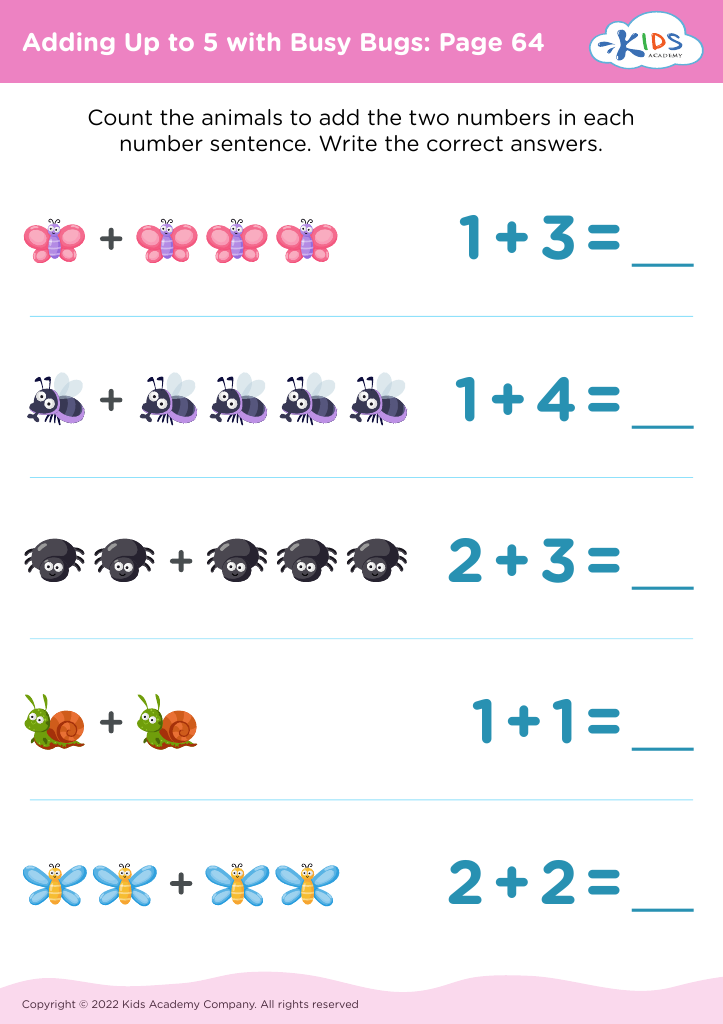
    Adding Up to 5 with Busy Bugs: Page 64
    Adding Up to 5 with Busy Bugs: Page 64
    Adding Up to 5 with Busy Bugs: Page 64
    Worksheet
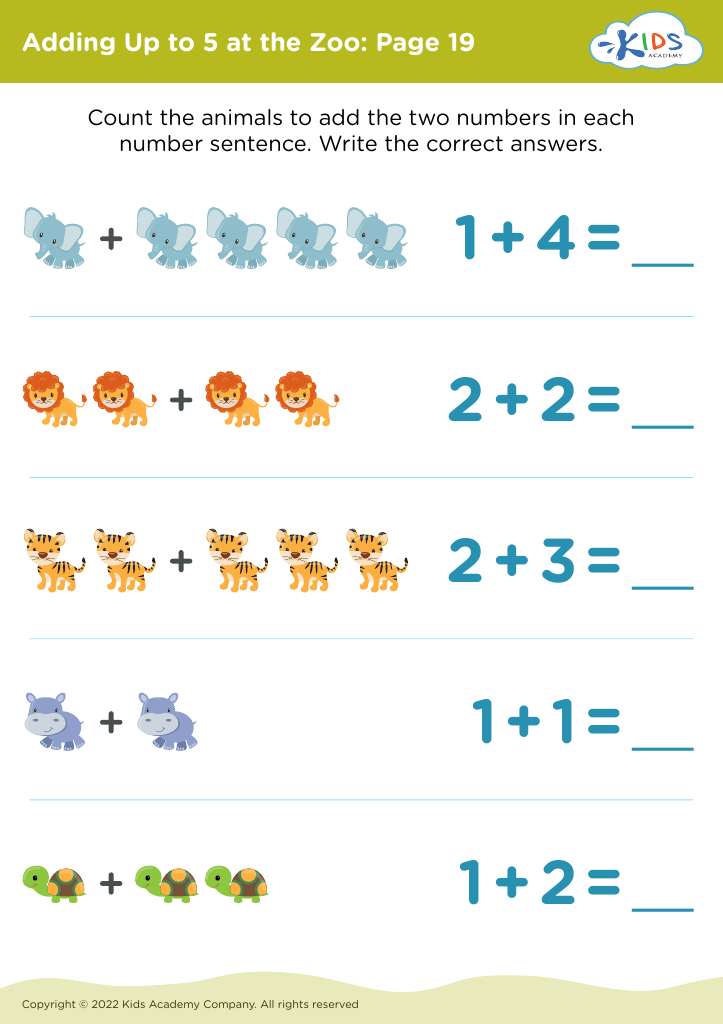
    Adding Up to 5 at the Zoo: Page 19
    Adding Up to 5 at the Zoo: Page 19
    Adding Up to 5 at the Zoo: Page 19
    Worksheet
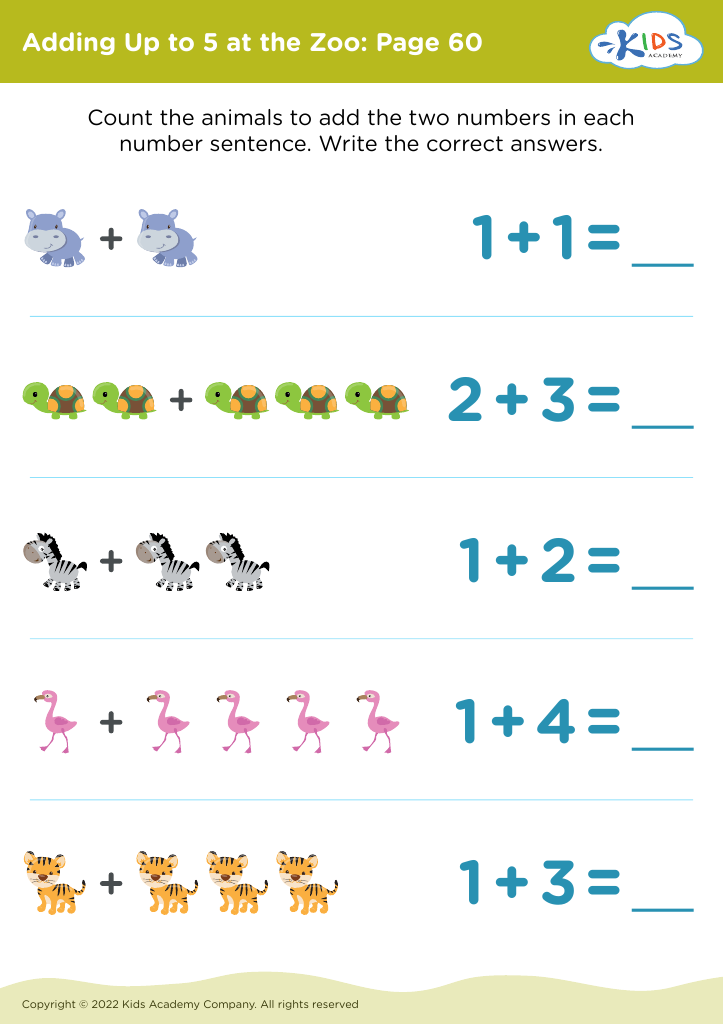
    Adding Up to 5 at the Zoo: Page 60
    Adding Up to 5 at the Zoo: Page 60
    Adding Up to 5 at the Zoo: Page 60
    Worksheet
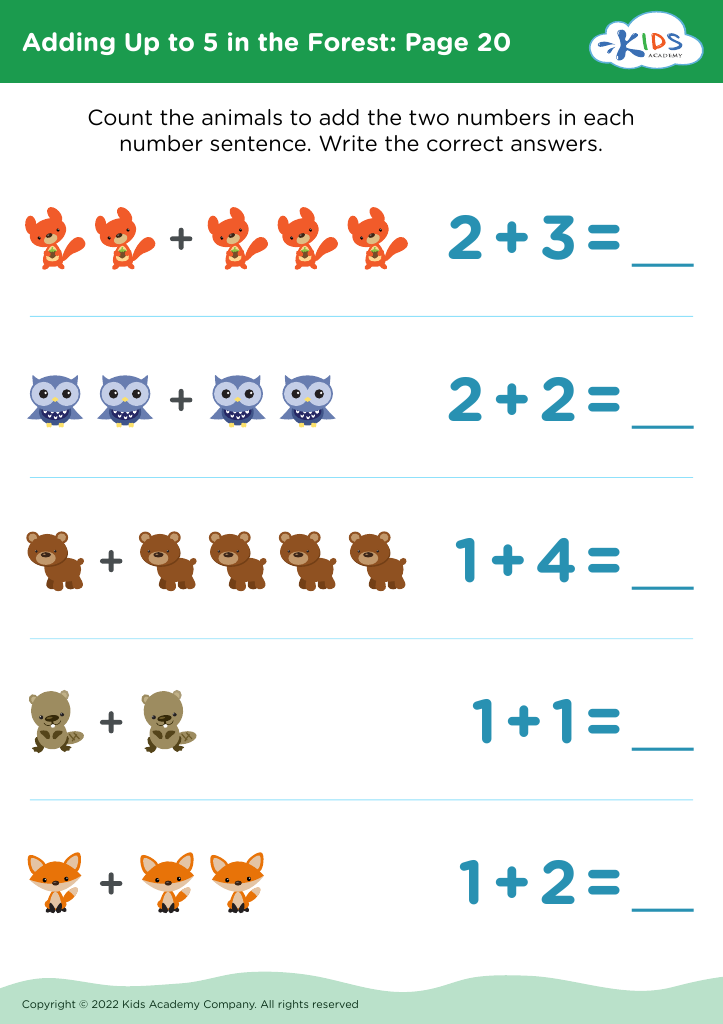
    Adding Up to 5 in the Forest: Page 20
    Adding Up to 5 in the Forest: Page 20
    Adding Up to 5 in the Forest: Page 20
    Worksheet
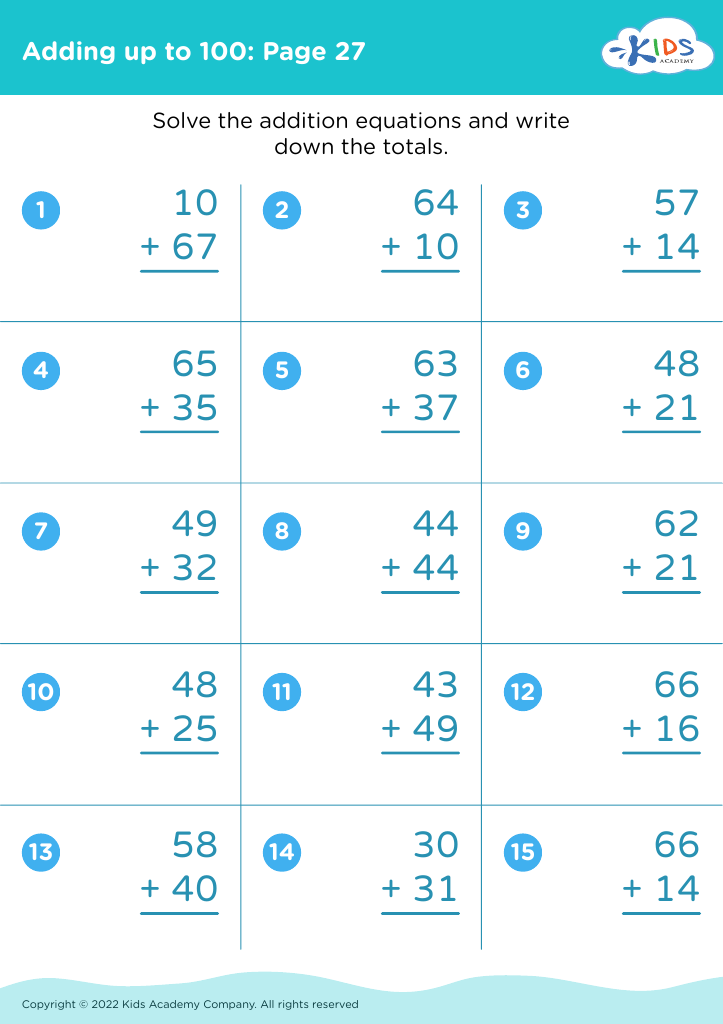
    Adding up to 100: Page 27
    Adding up to 100: Page 27

    Adding up to 100: Page 27

    Adding up to 100: Page 27
    Worksheet
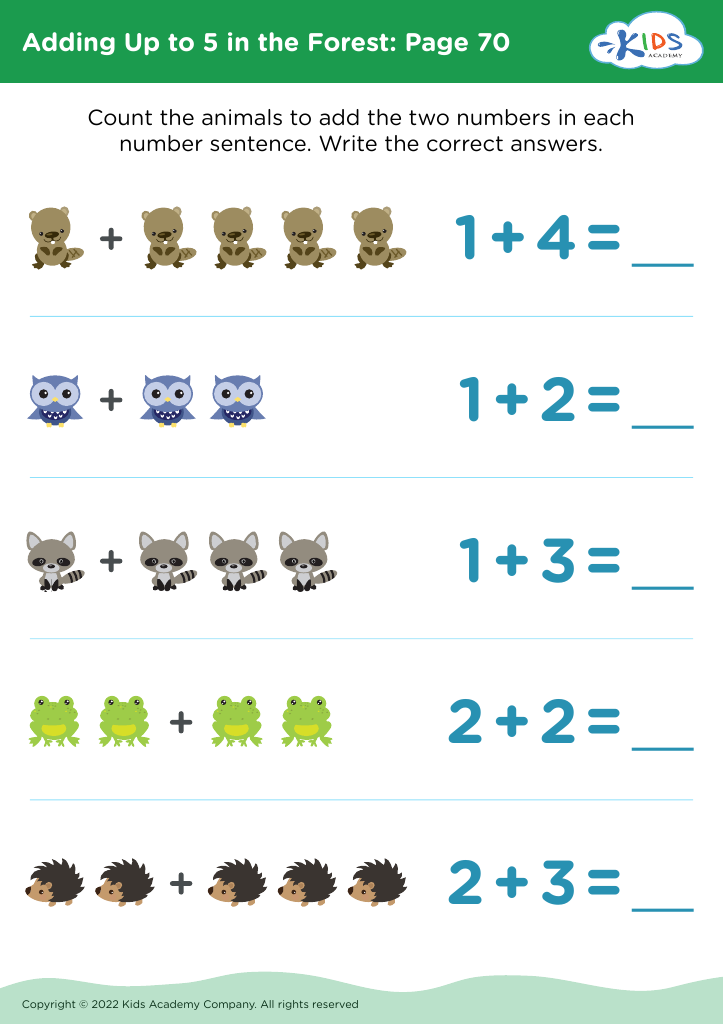
    Adding Up to 5 in the Forest: Page 70
    Adding Up to 5 in the Forest: Page 70
    Adding Up to 5 in the Forest: Page 70
    Worksheet
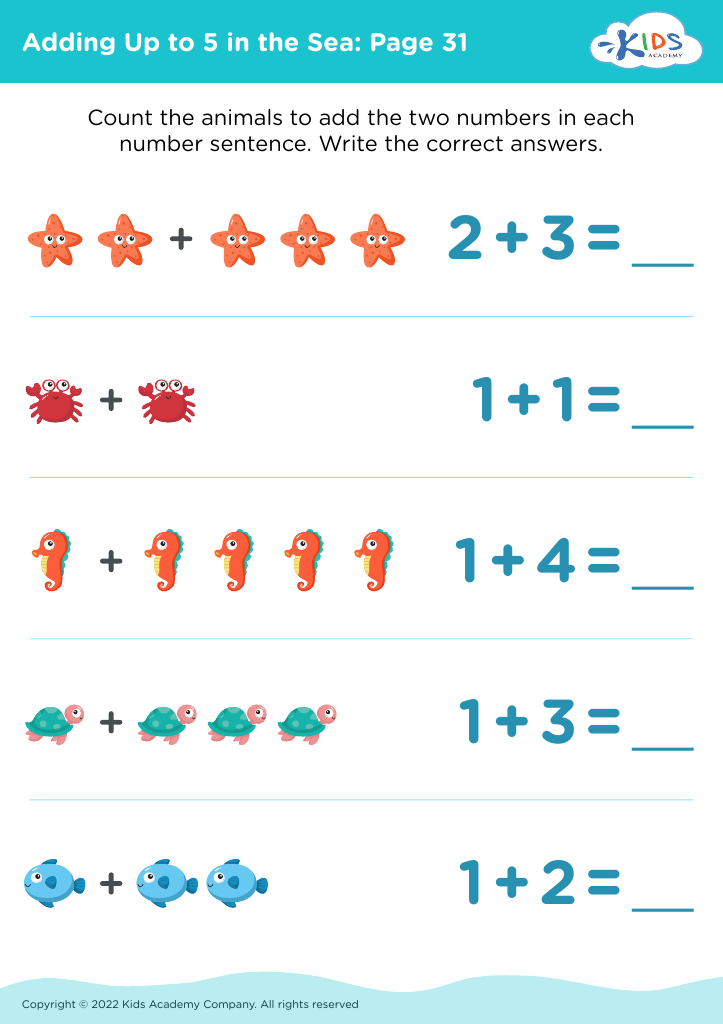
    Adding Up to 5 in the Sea: Page 31
    Adding Up to 5 in the Sea: Page 31
    Adding Up to 5 in the Sea: Page 31
    Worksheet
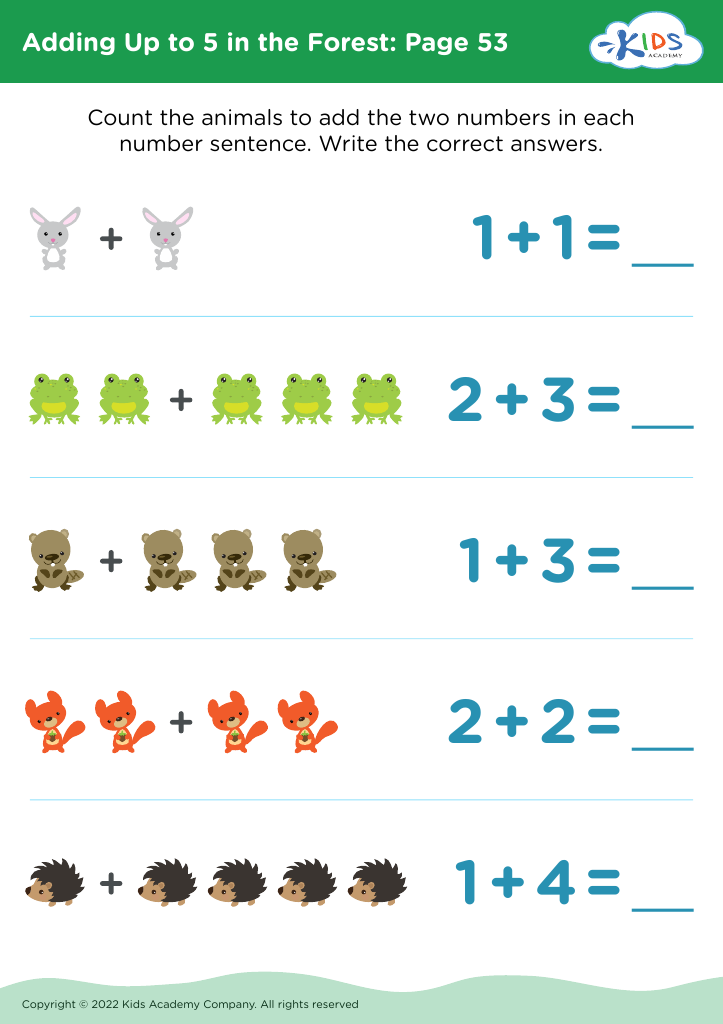
    Adding Up to 5 in the Forest: Page 53
    Adding Up to 5 in the Forest: Page 53
    Adding Up to 5 in the Forest: Page 53
    Worksheet
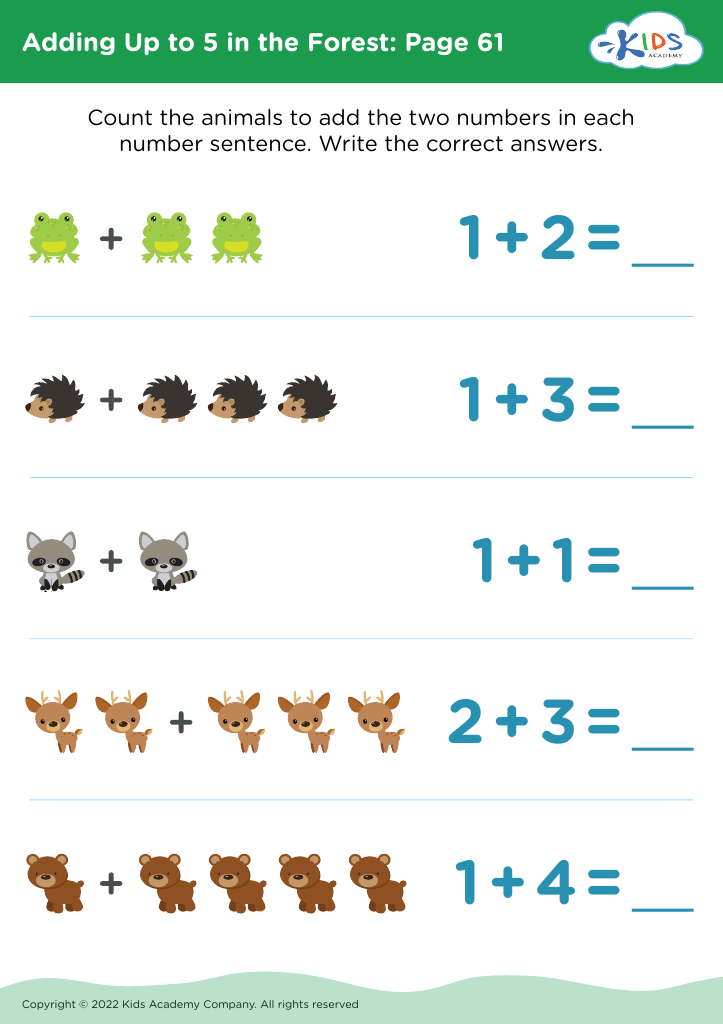
    Adding Up to 5 in the Forest: Page 61
    Adding Up to 5 in the Forest: Page 61
    Adding Up to 5 in the Forest: Page 61
    Worksheet
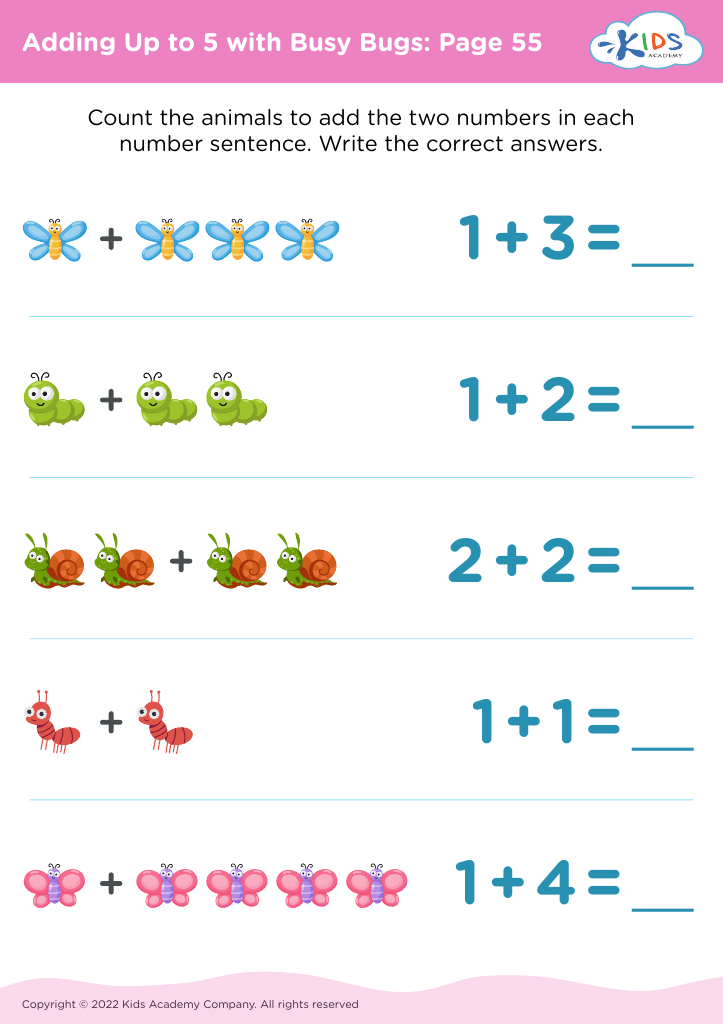
    Adding Up to 5 with Busy Bugs: Page 55
    Adding Up to 5 with Busy Bugs: Page 55
    Adding Up to 5 with Busy Bugs: Page 55
    Worksheet
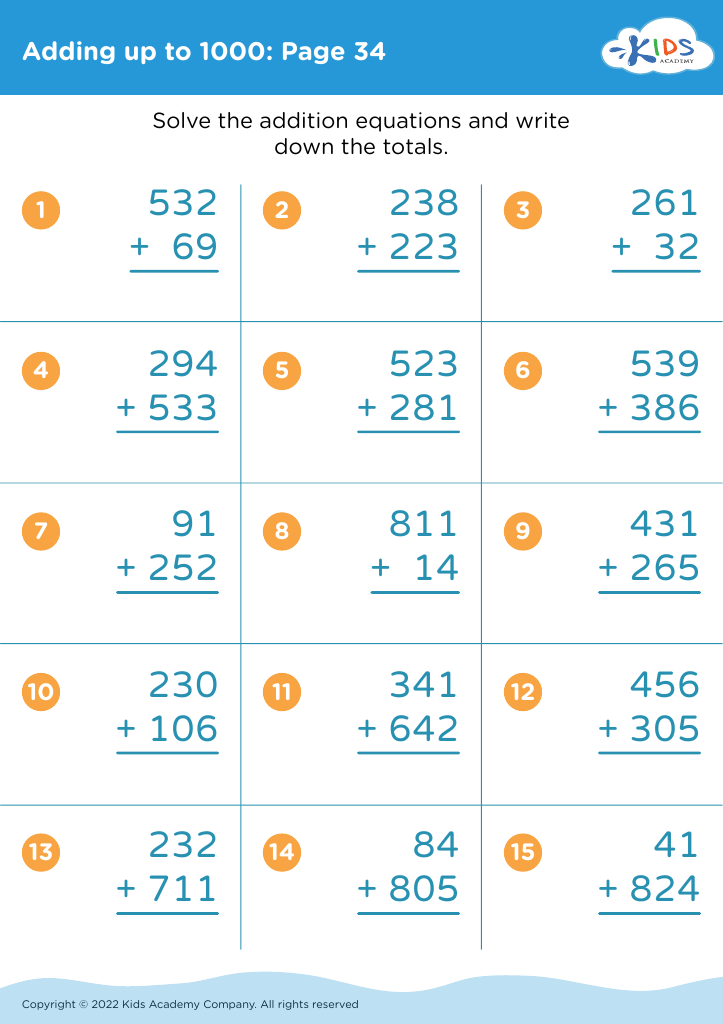
    Adding up to 1000: Page 34
    Adding up to 1000: Page 34

    Adding up to 1000: Page 34

    Adding up to 1000: Page 34
    Worksheet
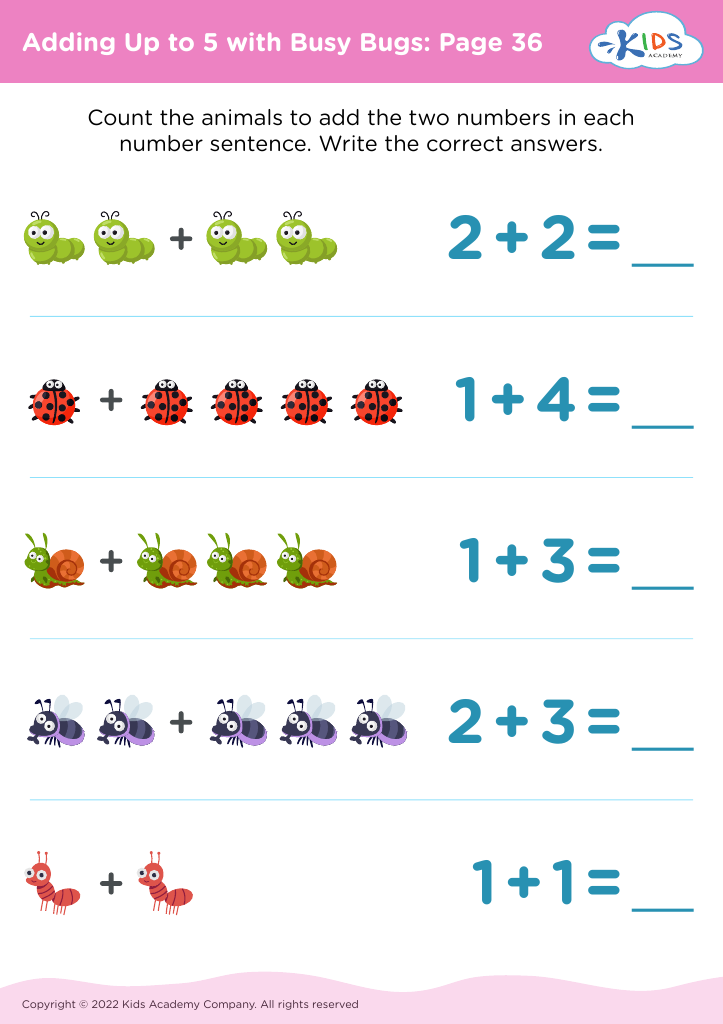
    Adding Up to 5 with Busy Bugs: Page 36
    Adding Up to 5 with Busy Bugs: Page 36
    Adding Up to 5 with Busy Bugs: Page 36
    Worksheet
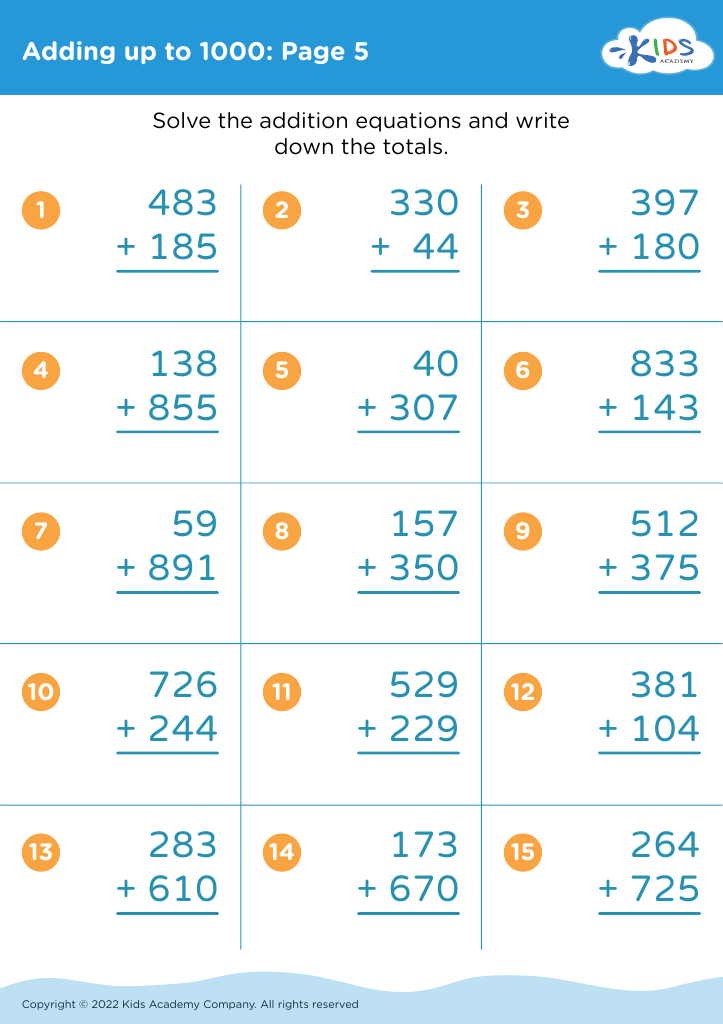
    Adding up to 1000: Page 5
    Adding up to 1000: Page 5

    Adding up to 1000: Page 5

    Adding up to 1000: Page 5
    Worksheet
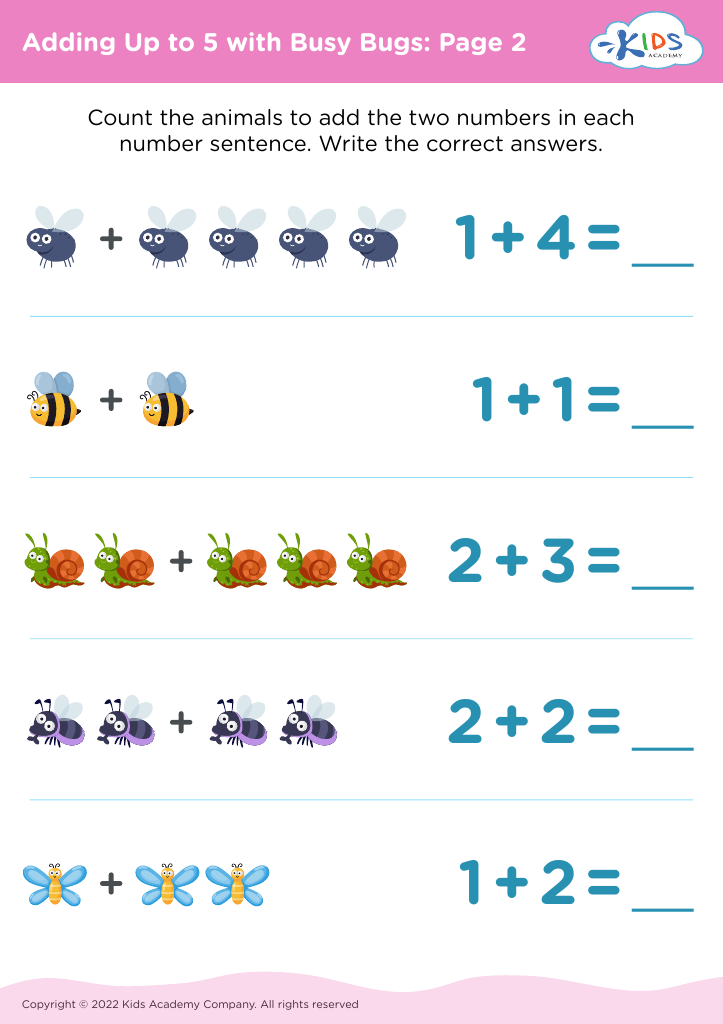
    Adding Up to 5 with Busy Bugs: Page 2
    Adding Up to 5 with Busy Bugs: Page 2
    Adding Up to 5 with Busy Bugs: Page 2
    Worksheet
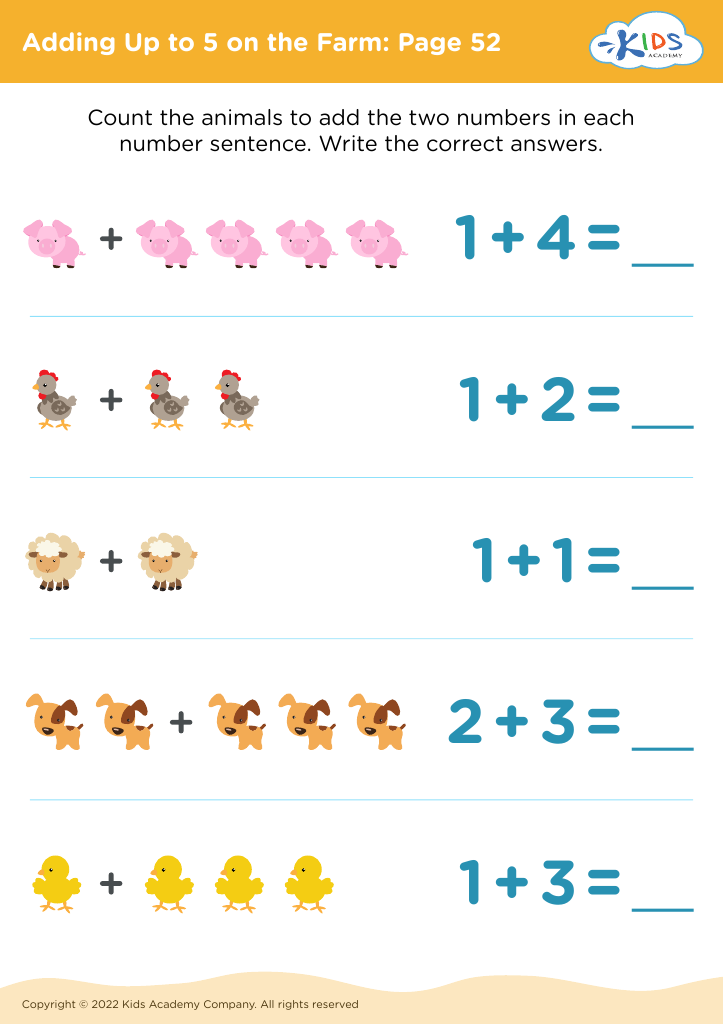
    Adding Up to 5 on the Farm: Page 52
    Adding Up to 5 on the Farm: Page 52
    Adding Up to 5 on the Farm: Page 52
    Worksheet
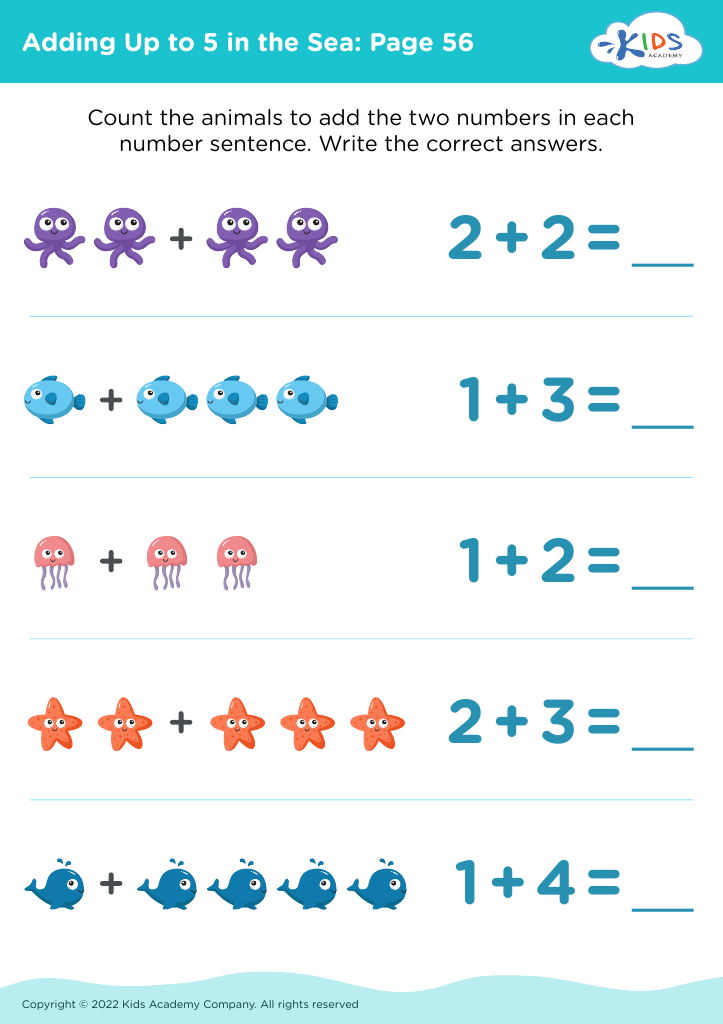
    Adding Up to 5 in the Sea: Page 56
    Adding Up to 5 in the Sea: Page 56
    Adding Up to 5 in the Sea: Page 56
    Worksheet
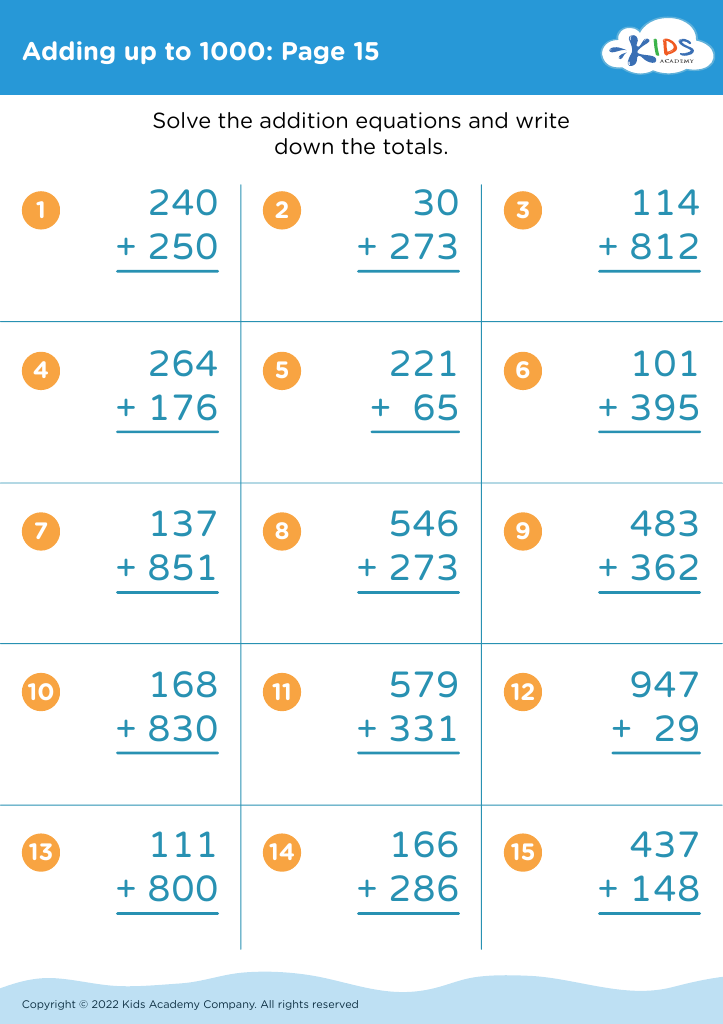
    Adding up to 1000: Page 15
    Adding up to 1000: Page 15

    Adding up to 1000: Page 15

    Adding up to 1000: Page 15
    Worksheet
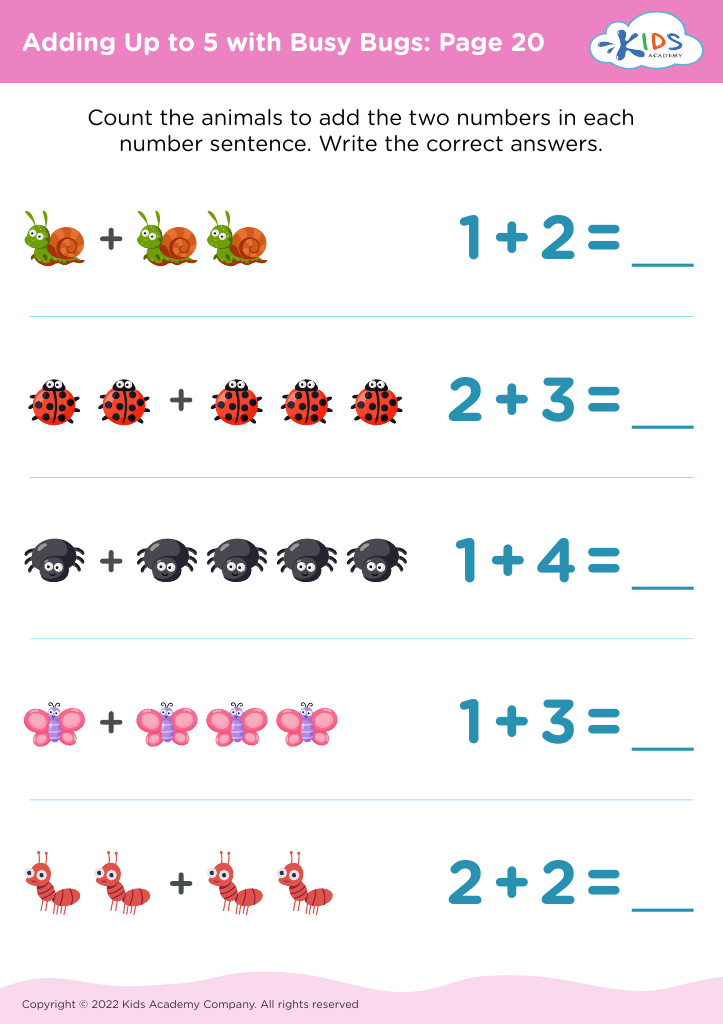
    Adding Up to 5 with Busy Bugs: Page 20
    Adding Up to 5 with Busy Bugs: Page 20
    Adding Up to 5 with Busy Bugs: Page 20
    Worksheet
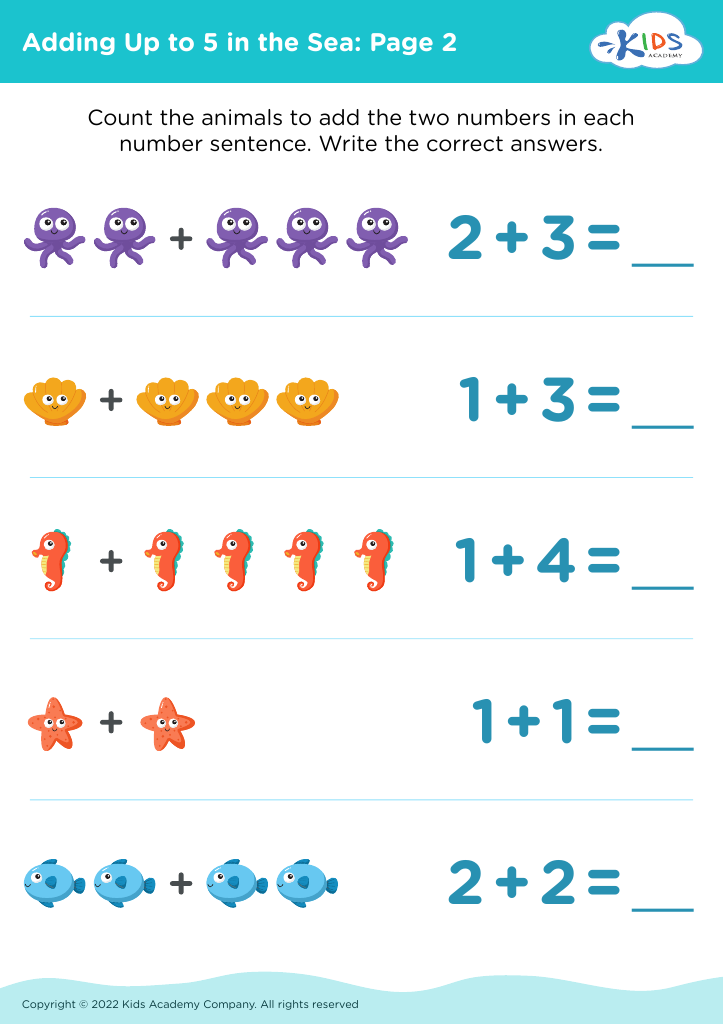
    Adding Up to 5 in the Sea: Page 2
    Adding Up to 5 in the Sea: Page 2

    Adding Up to 5 in the Sea: Page 2

    Adding Up to 5 in the Sea: Page 2
    Worksheet
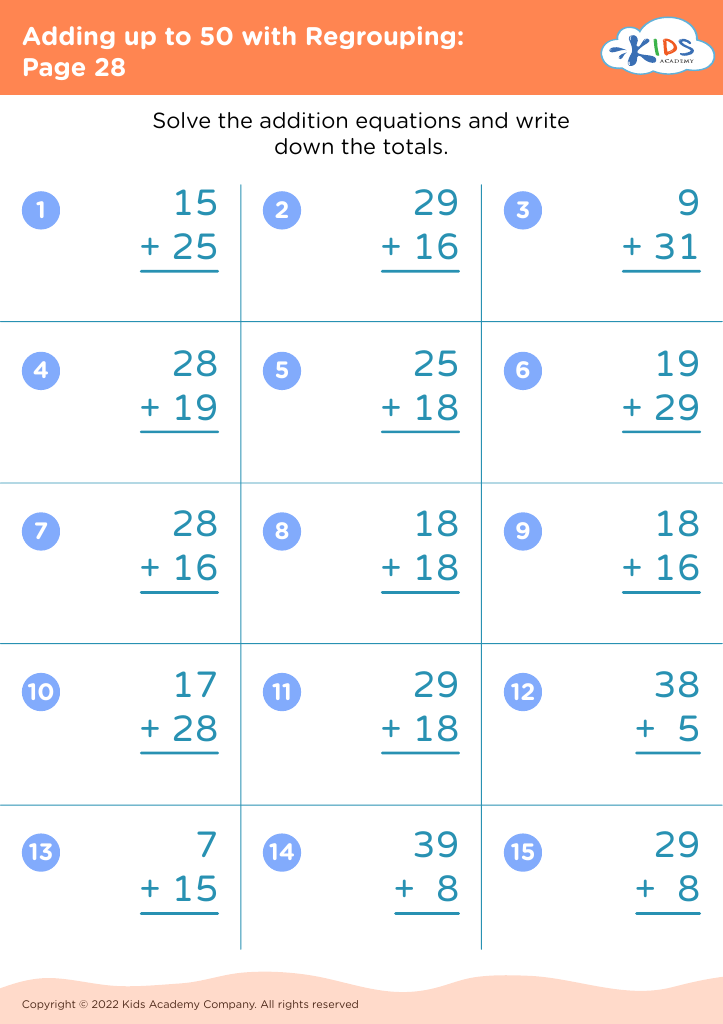
    Adding up to 50 with Regrouping: Page 28
    Adding up to 50 with Regrouping: Page 28
    Adding up to 50 with Regrouping: Page 28
    Worksheet


    Number recognition and basic addition are foundational skills crucial for children's early mathematical development, particularly for ages 3-9. Firstly, recognizing numbers and understanding their relationships is essential for effective problem-solving and critical thinking in later stages of math and daily life. Early exposure not only enhances cognitive skills but also builds a strong base for future mathematical learning.

    Parents and teachers should care because these skills foster confidence in children as they encounter mathematical concepts in school. Engaging activities such as counting games, number songs, and simple addition tasks make learning enjoyable and relatable, setting a positive tone for future learning. Furthermore, strong numeracy skills improve academic outcomes, as children with solid number recognition perform better in math assessments and broader STEM fields.

    Additionally, learning these skills supports everyday skills, such as organizing time and managing money. For parents, being involved in their child's early math learning cultivates a supportive home environment, reinforcing the knowledge gained in school. In summary, by prioritizing number recognition and basic addition, parents and teachers empower children with essential skills for academic success and everyday problem-solving, laying the groundwork for lifelong learning and success.