Understanding Quantities Addition Worksheets for Ages 3-9 - Page 2
40 filtered results
-
From - To
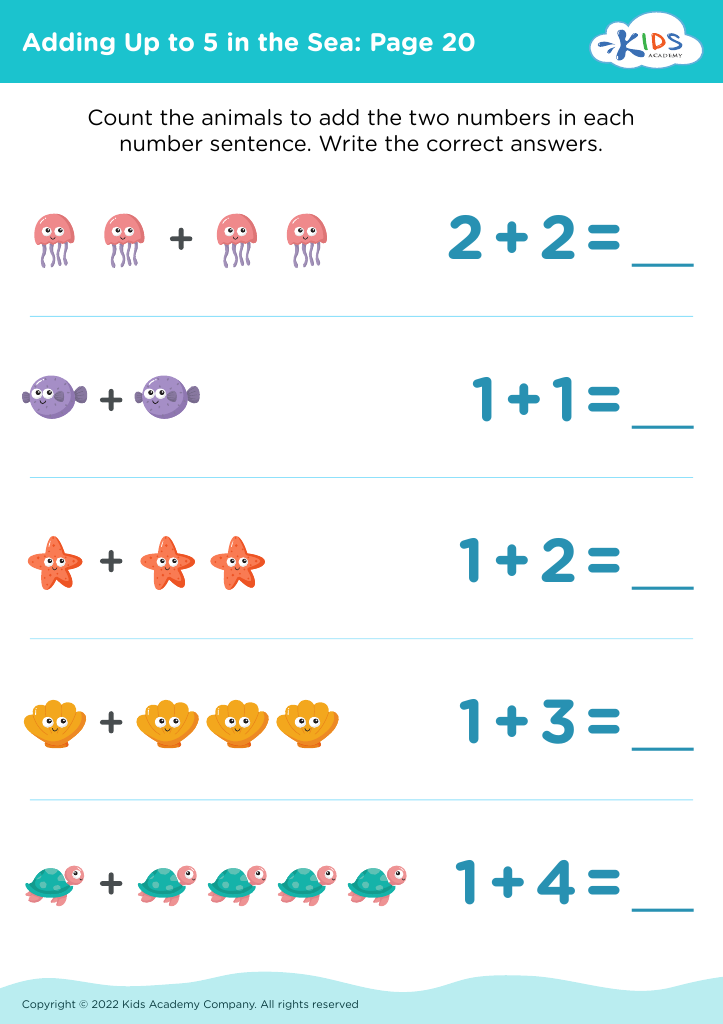
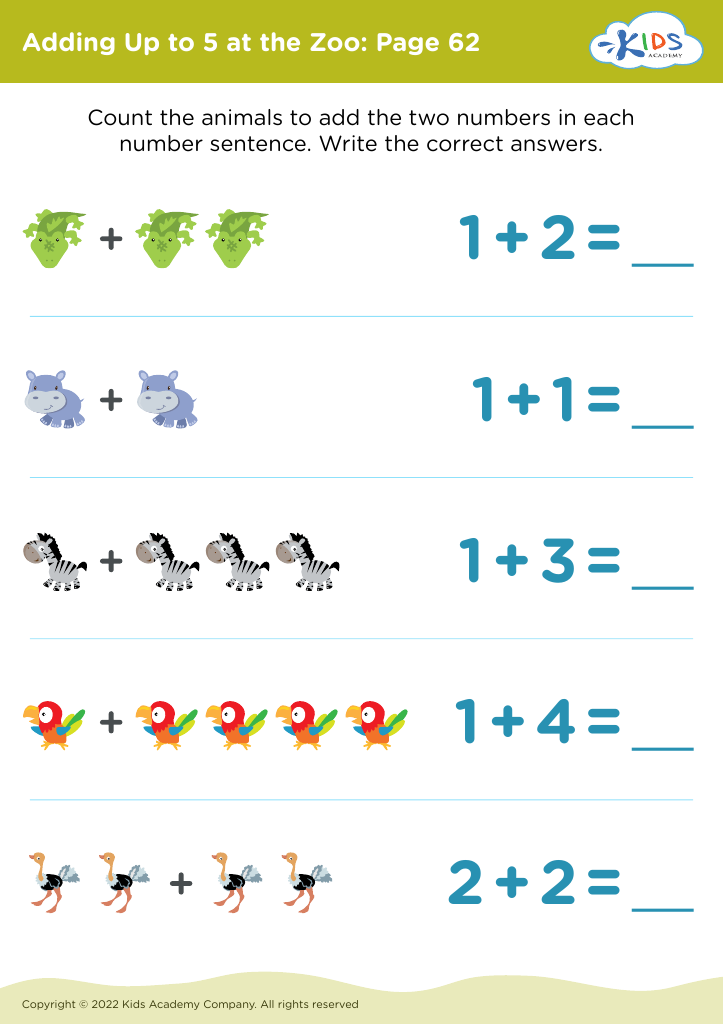
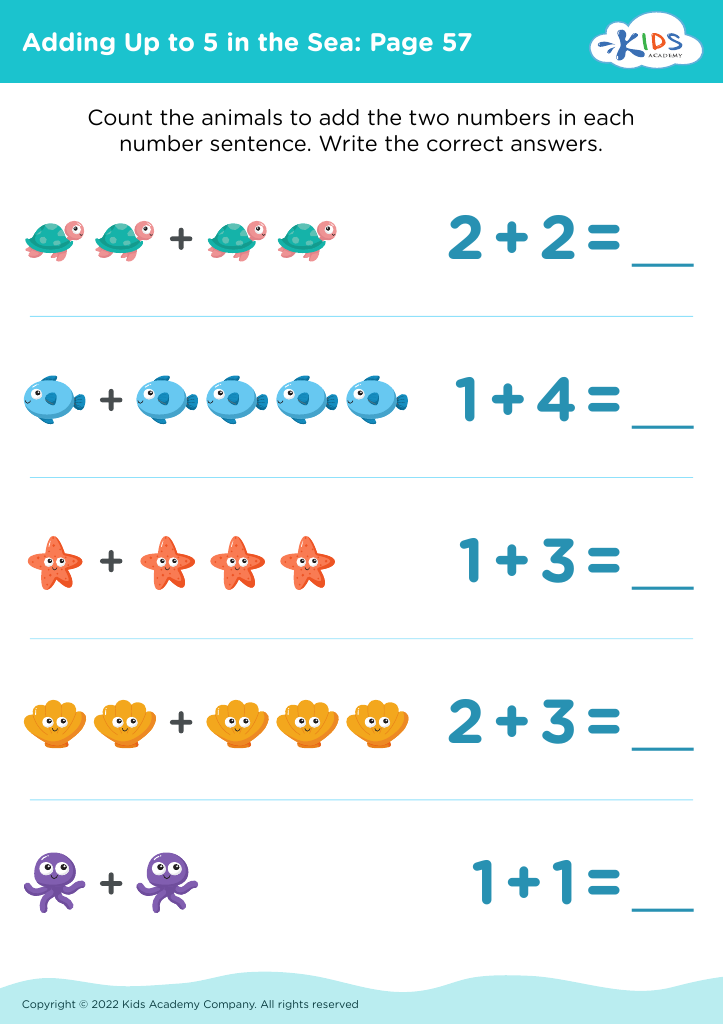
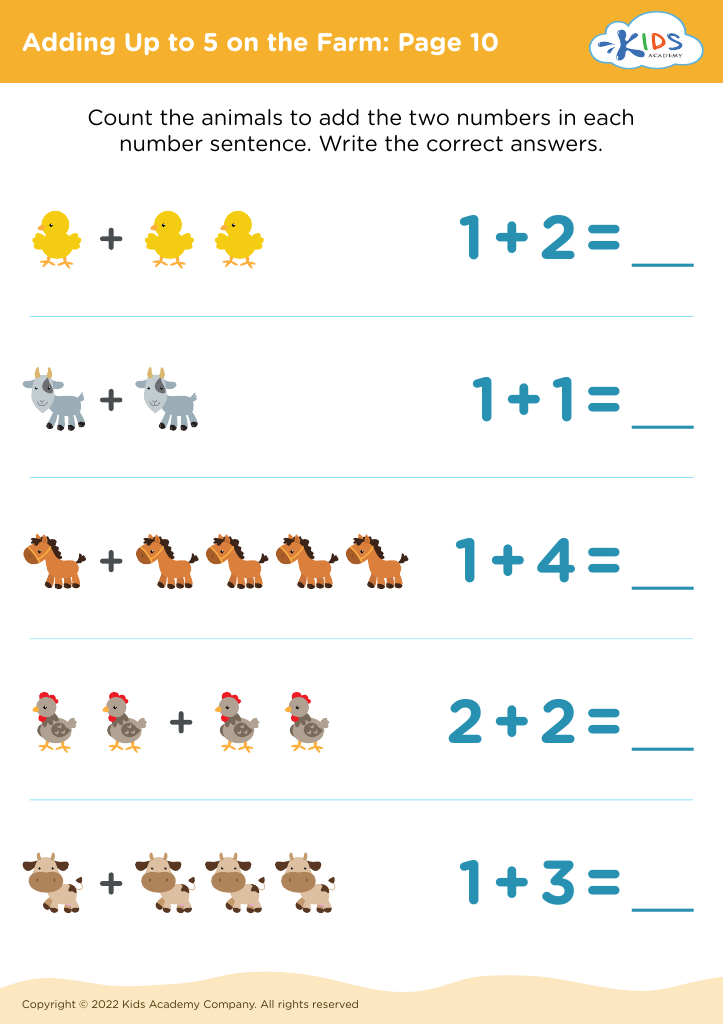
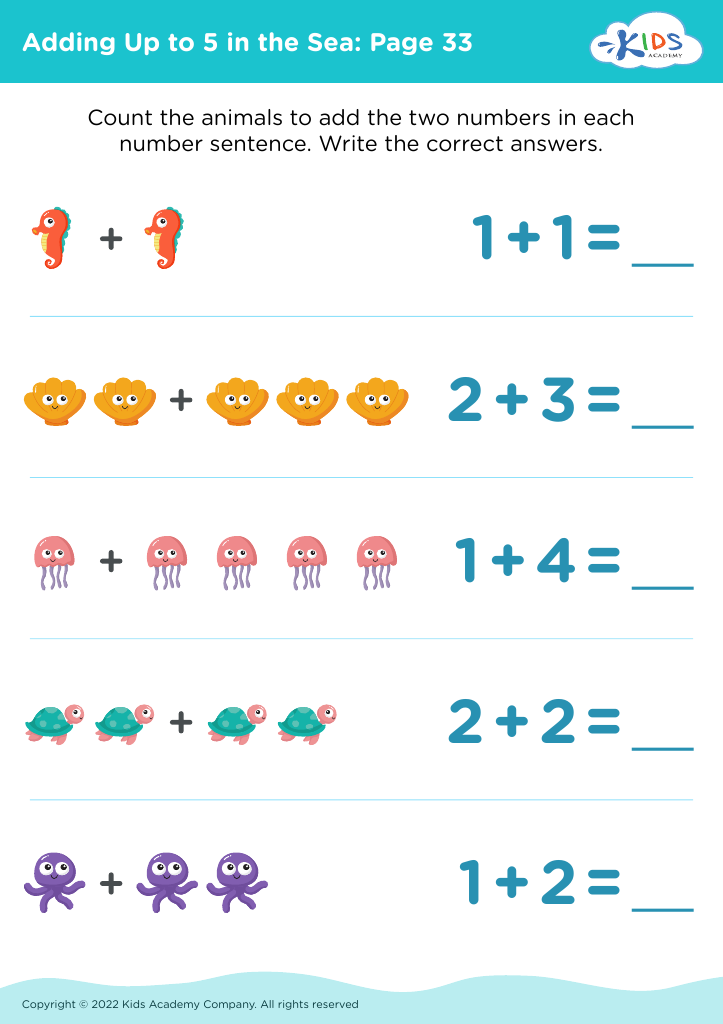
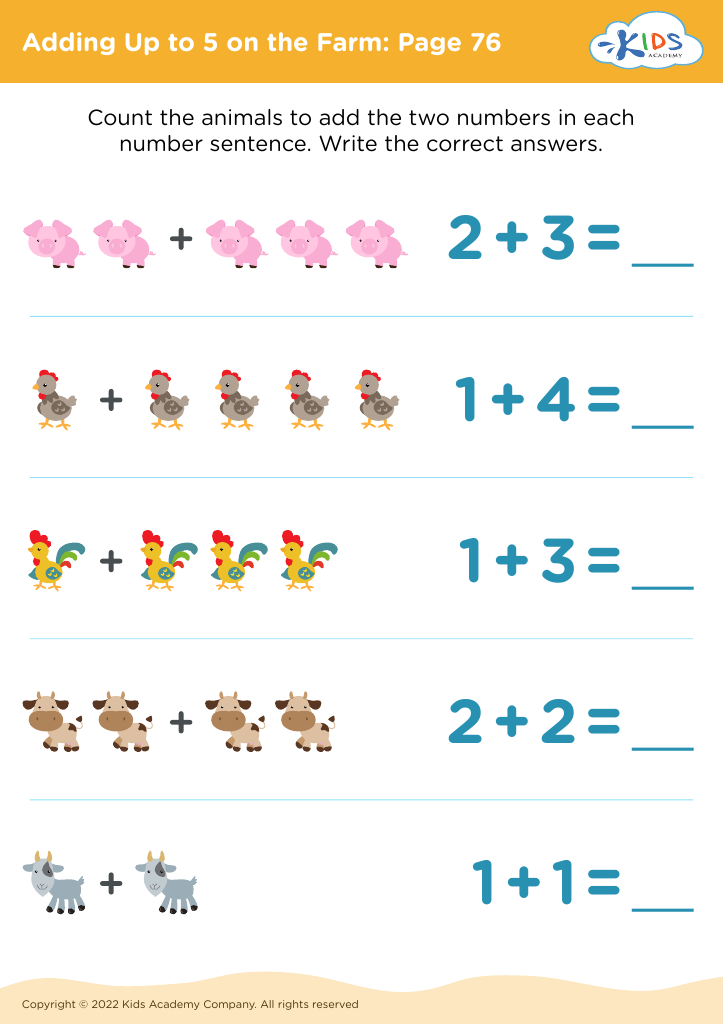
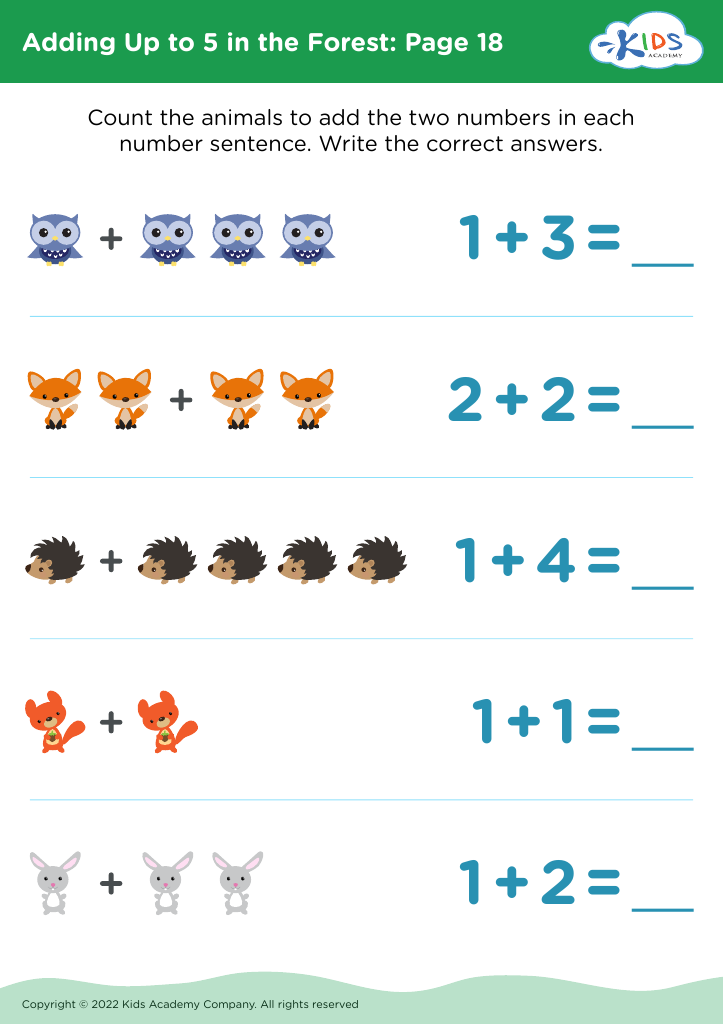
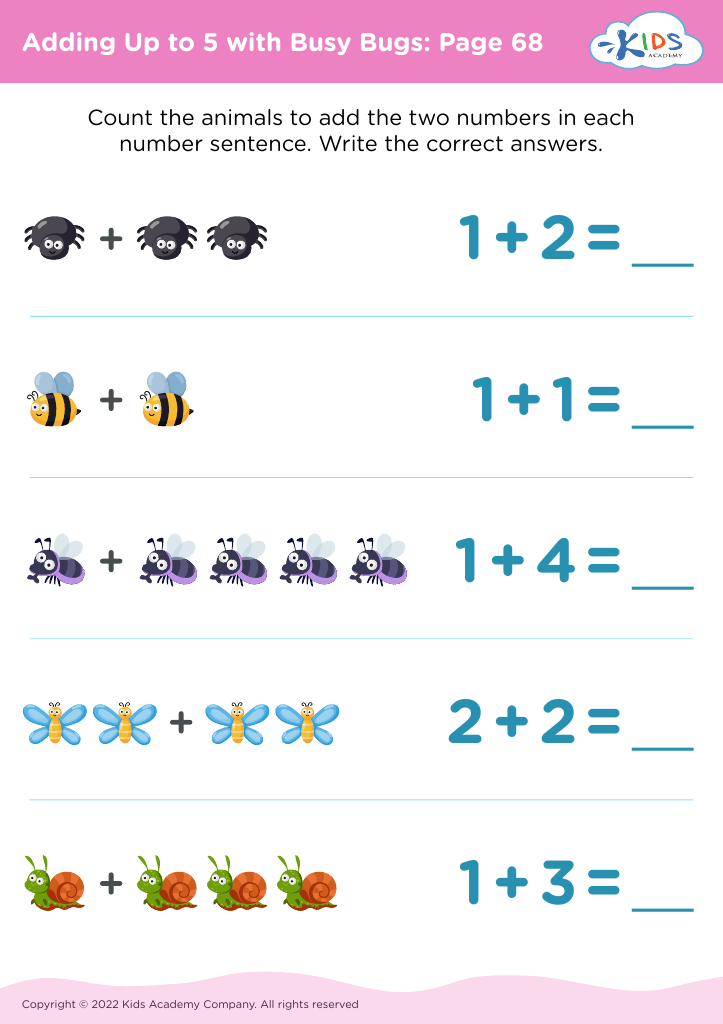
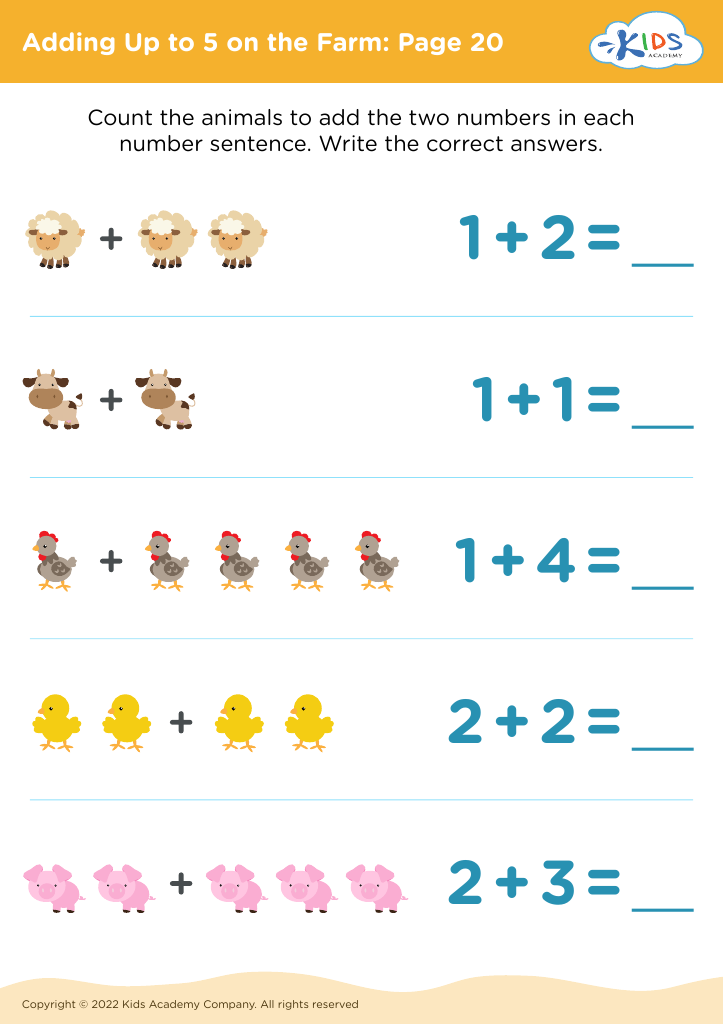
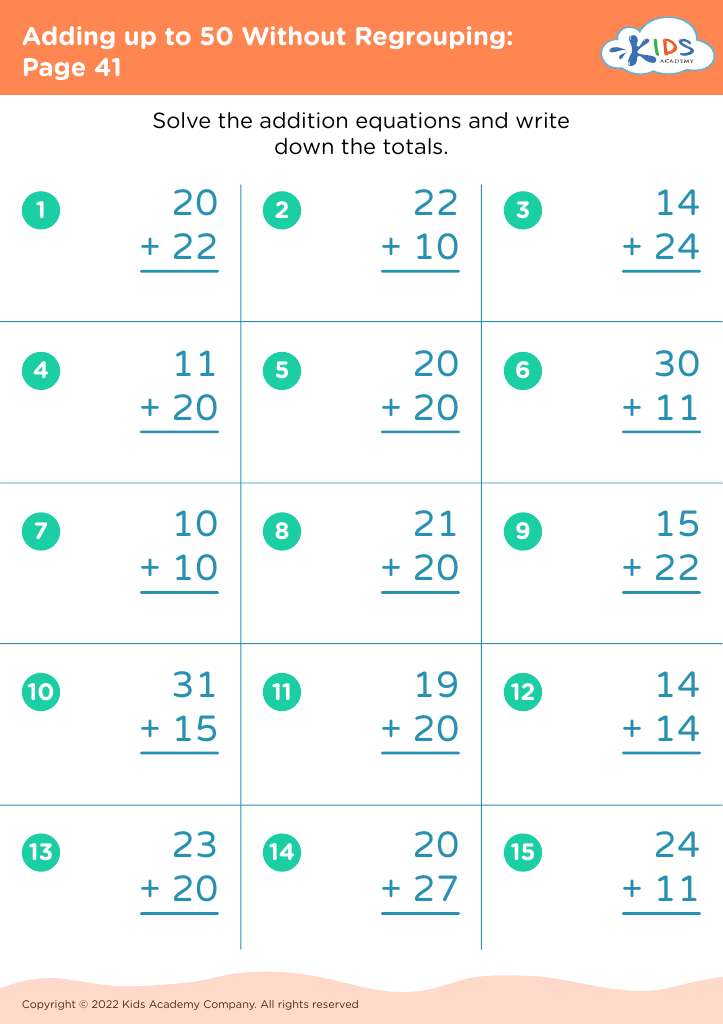
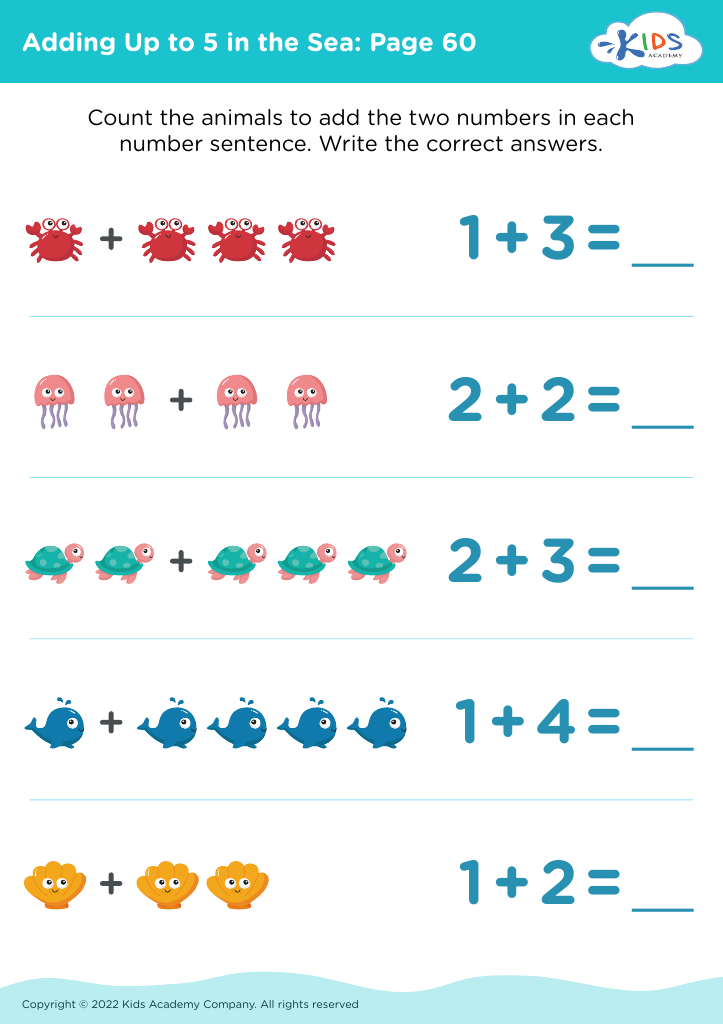
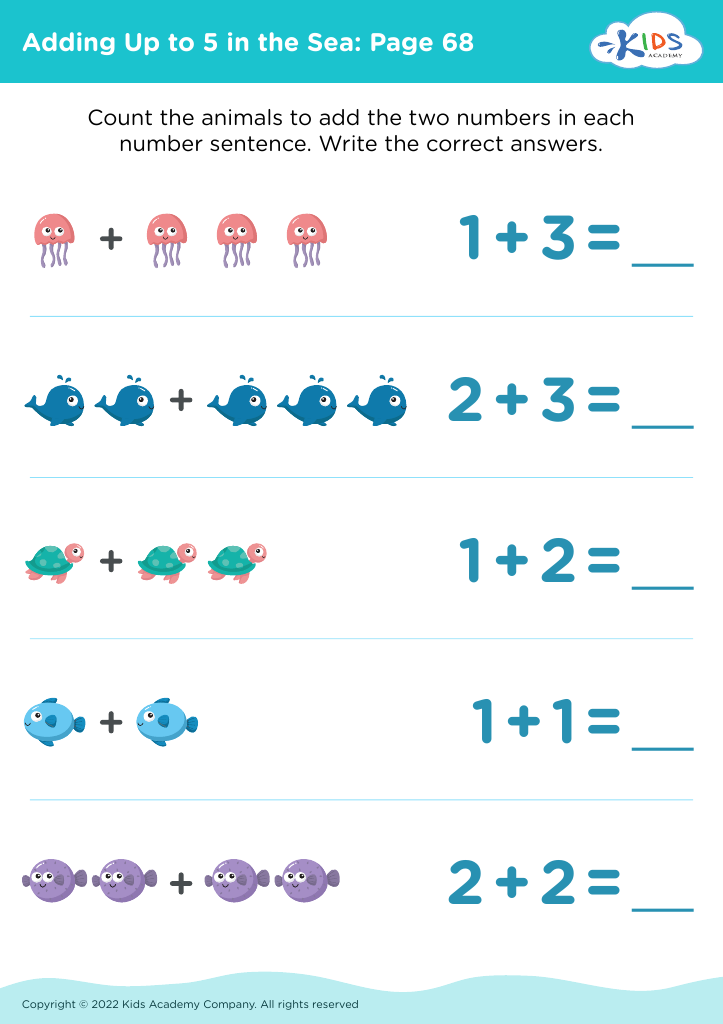
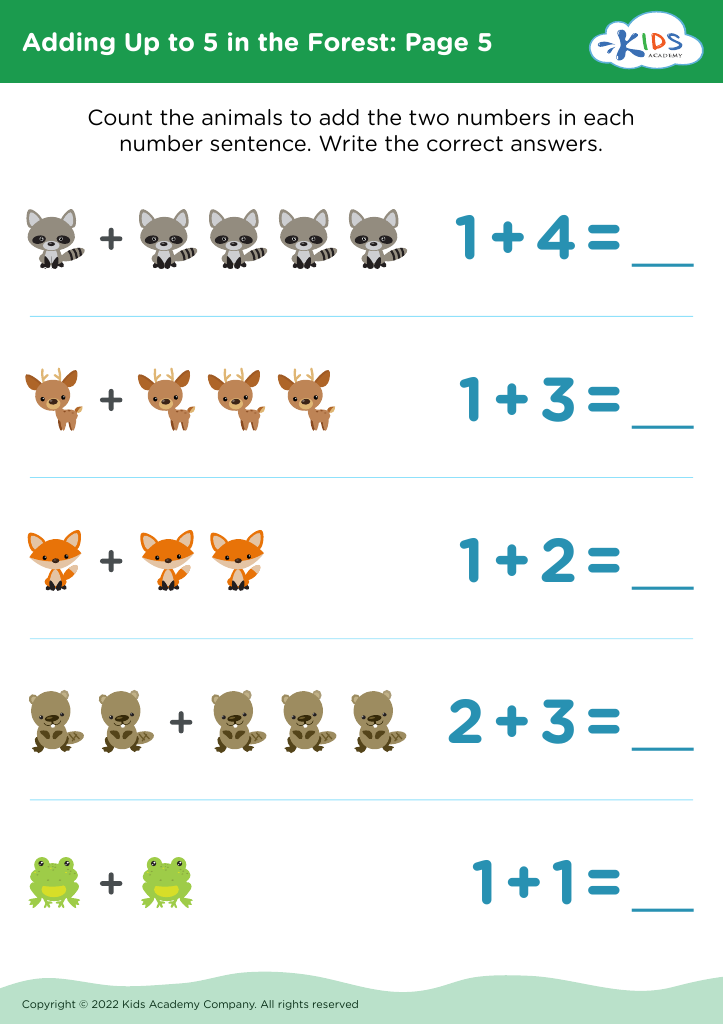
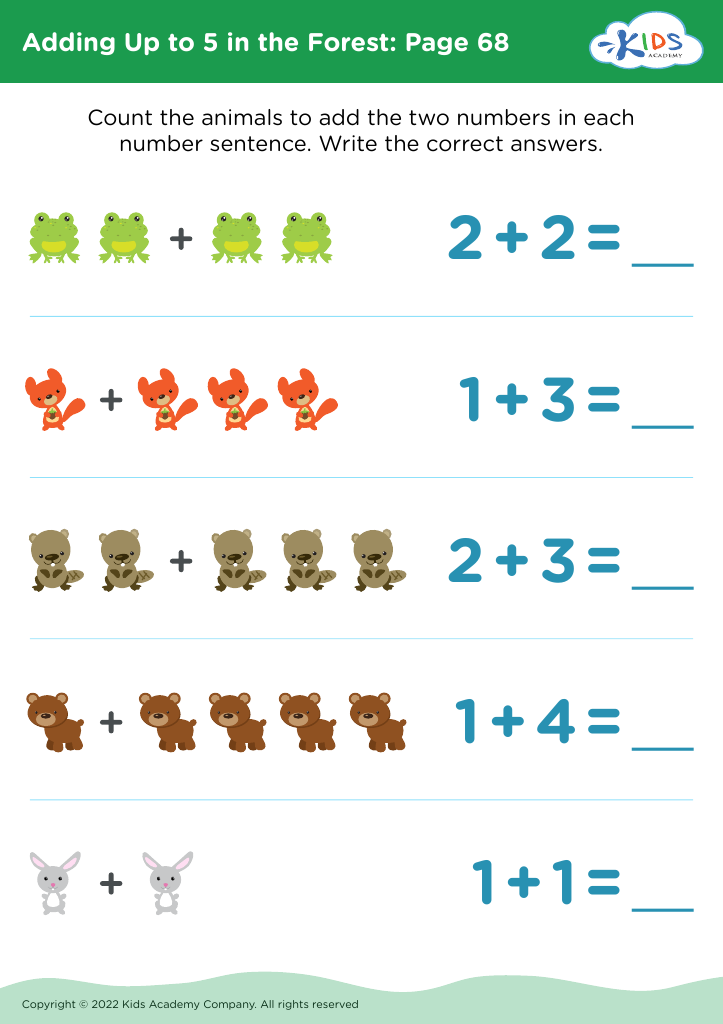
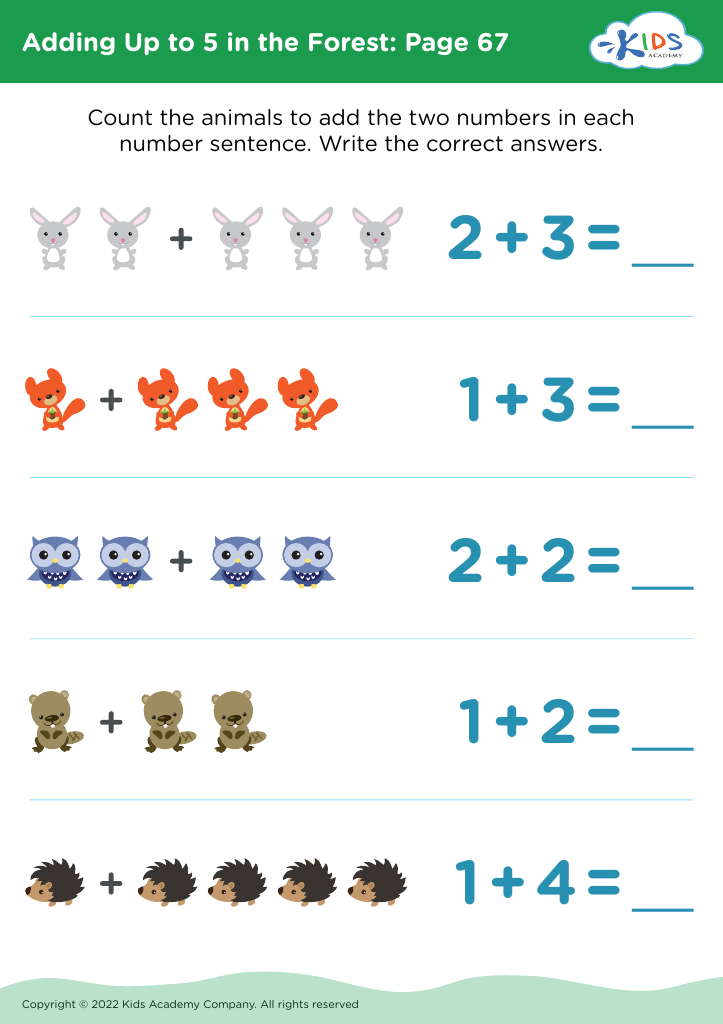
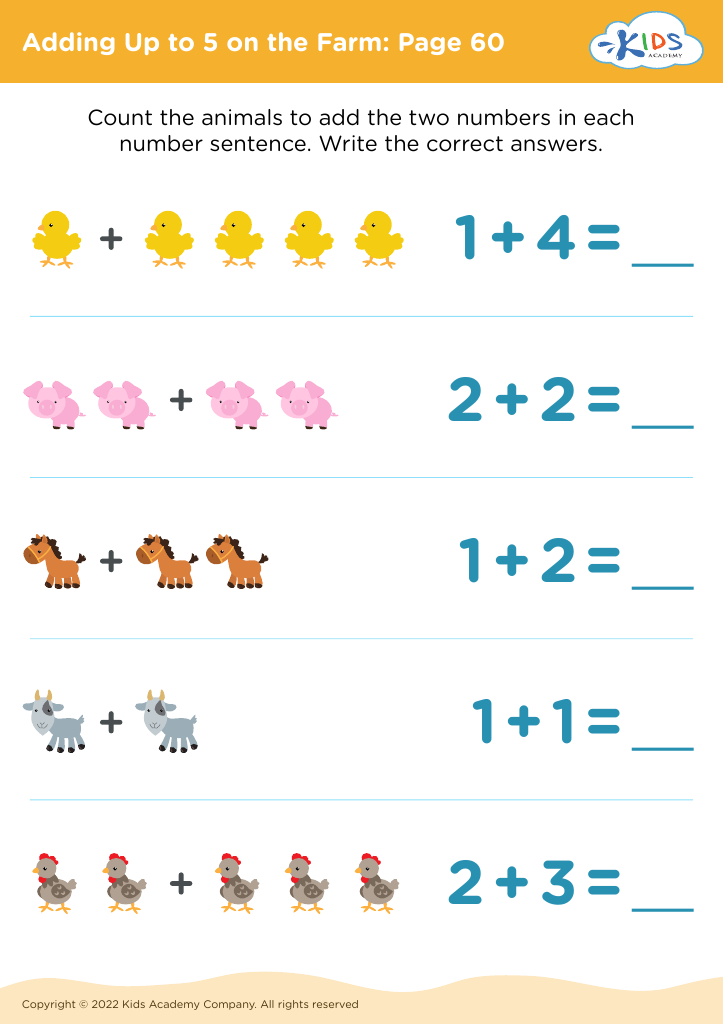








Understanding quantities and addition is a fundamental skill that lays the foundation for mathematical learning in early childhood. For parents and teachers, fostering this understanding in children aged 3 to 9 is crucial as it aids not just in math but also in overall cognitive development.
First, grasping quantities helps children develop a number sense, which is essential for problem-solving and critical thinking skills. By learning to manipulate and compare quantities, children build confidence in their ability to handle numbers. This confidence translates into a positive attitude toward math as they progress in their education.
Moreover, early mastery of addition enhances children's analytical skills. It helps them make connections between numbers and real-world applications, such as managing money, measuring resources, or even cooking. Engaging children in counting games and interactive activities can foster a love for mathematics, making learning both fun and effective.
Additionally, understanding addition promotes collaboration and social skills as children work together in group activities. Parents and teachers who prioritize these skills contribute significantly to a child’s academic readiness and long-term success. Ultimately, cultivating an understanding of quantities and addition sets the stage for a lifetime of learning and achievement.








