Number Recognition Comparing Numbers Worksheets for Ages 3-9
9 filtered results
-
From - To
Discover our engaging Number Recognition and Comparing Numbers Worksheets, designed for children ages 3-9! These fun and interactive activities help young learners master essential math skills. Through colorful visuals and exciting exercises, kids will develop their number recognition and one-to-one correspondence skills while comparing quantities. Perfect for enhancing early math education at home or in the classroom, our worksheets promote critical thinking and number sense in an enjoyable way. Ideal for teachers and parents alike, these resources foster a love for math from an early age, ensuring children build a strong foundation for future learning. Start your child's math journey today!
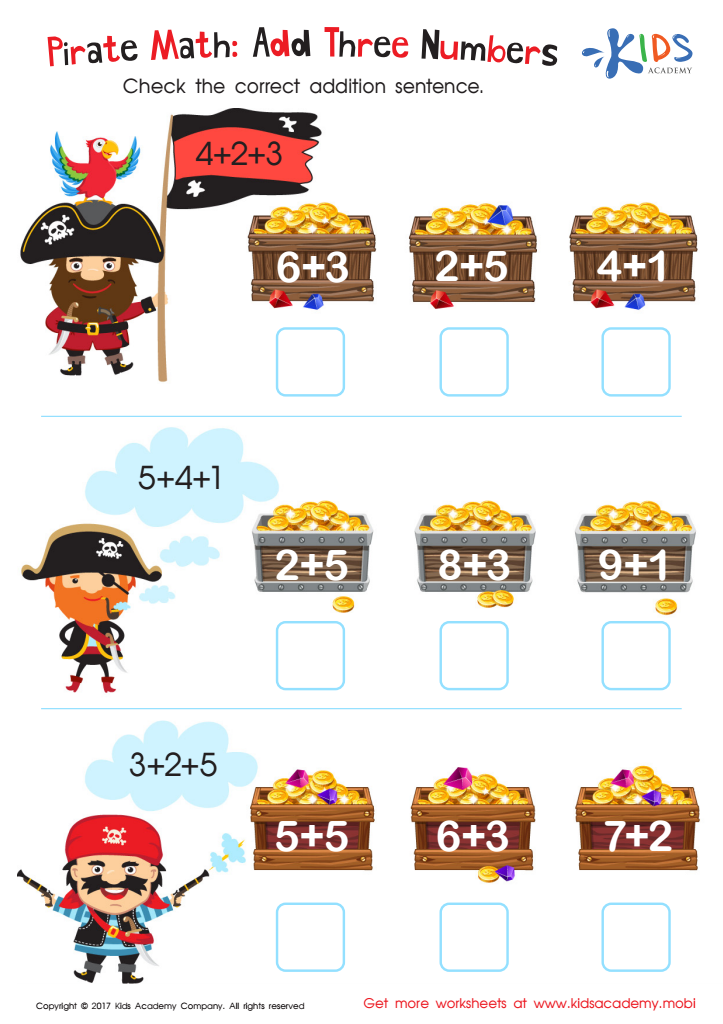
Pirate Math Printable
 Assign to My Students
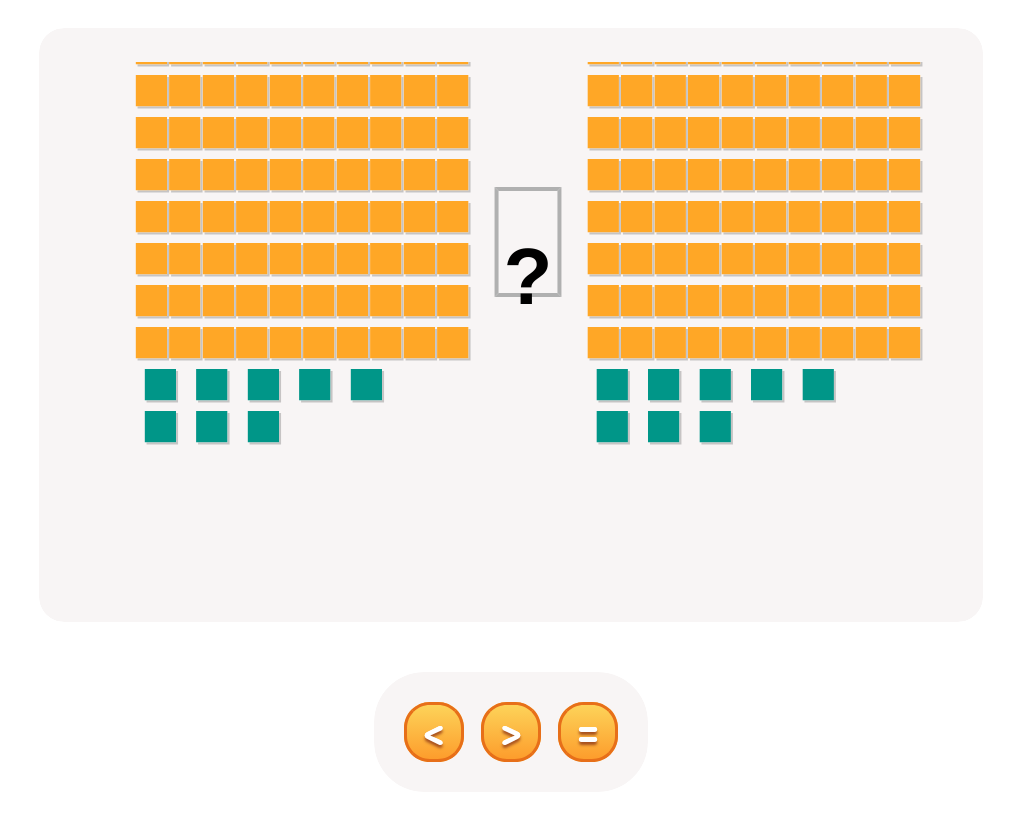

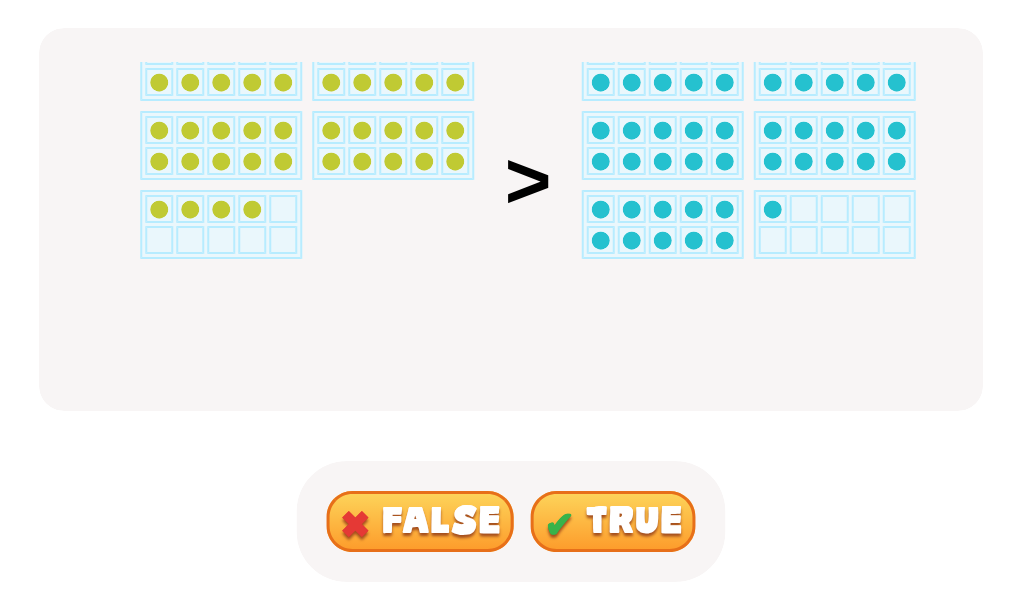
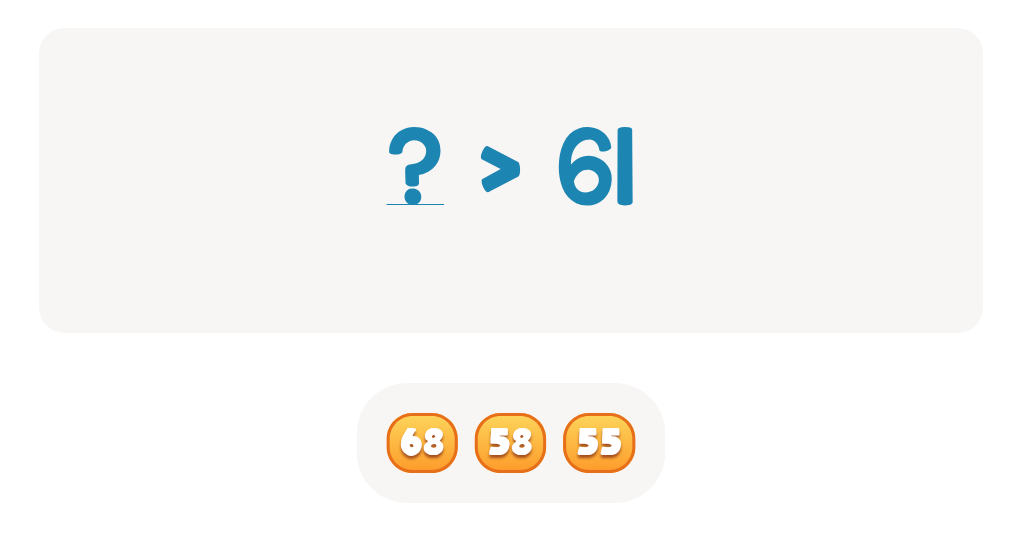
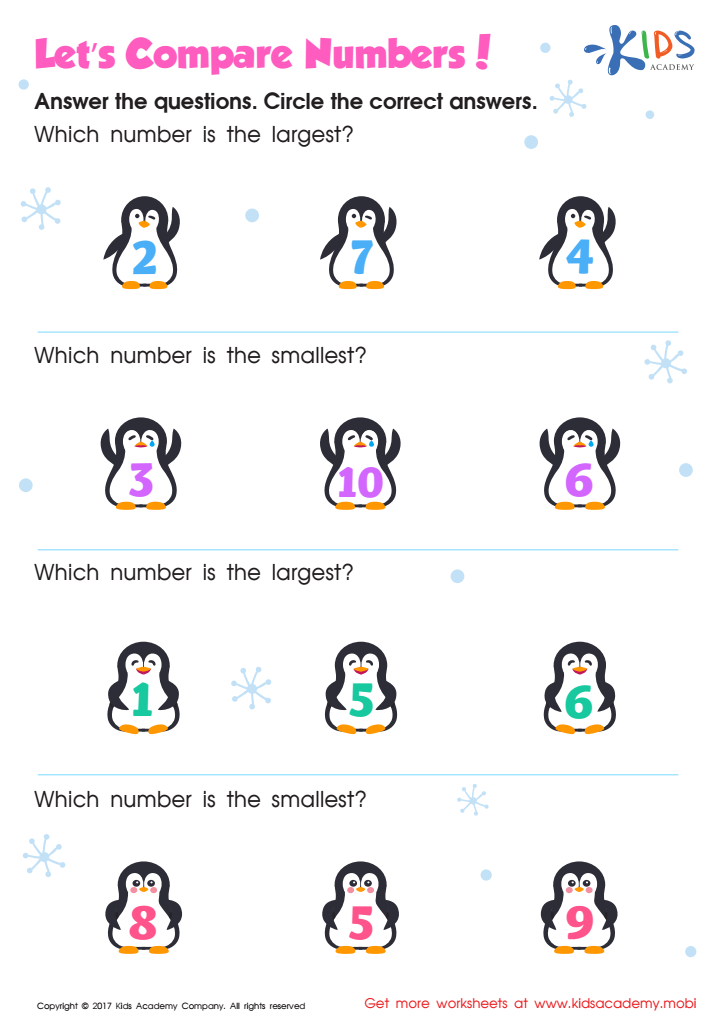
Comparing Numbers 1–10 Worksheet Kindergarten
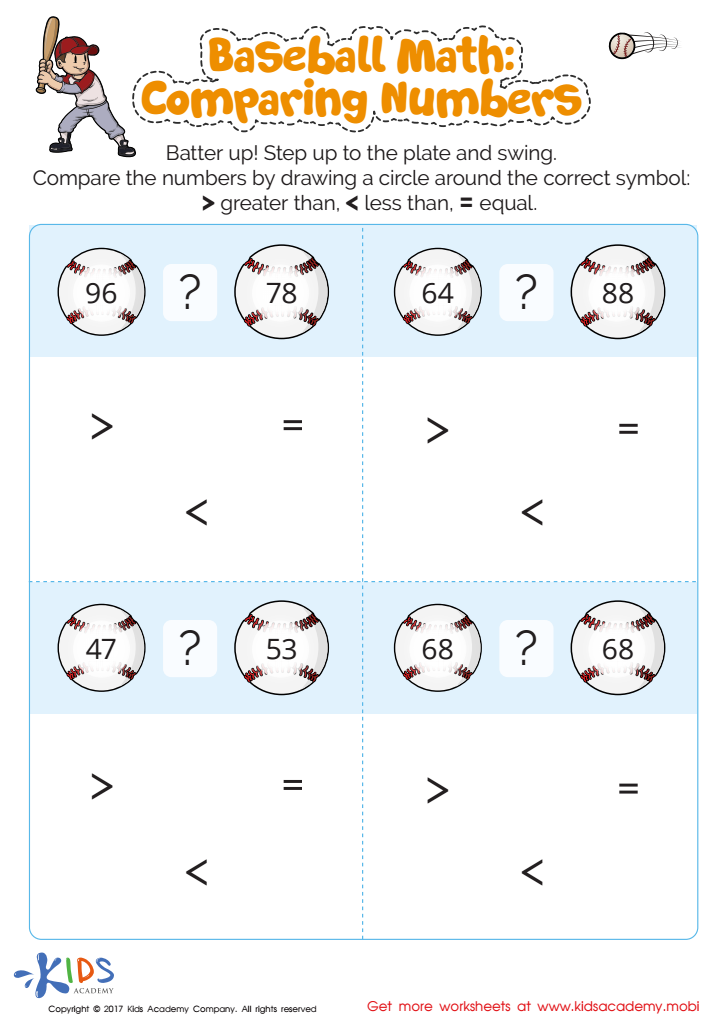
Compare Numbers Printable
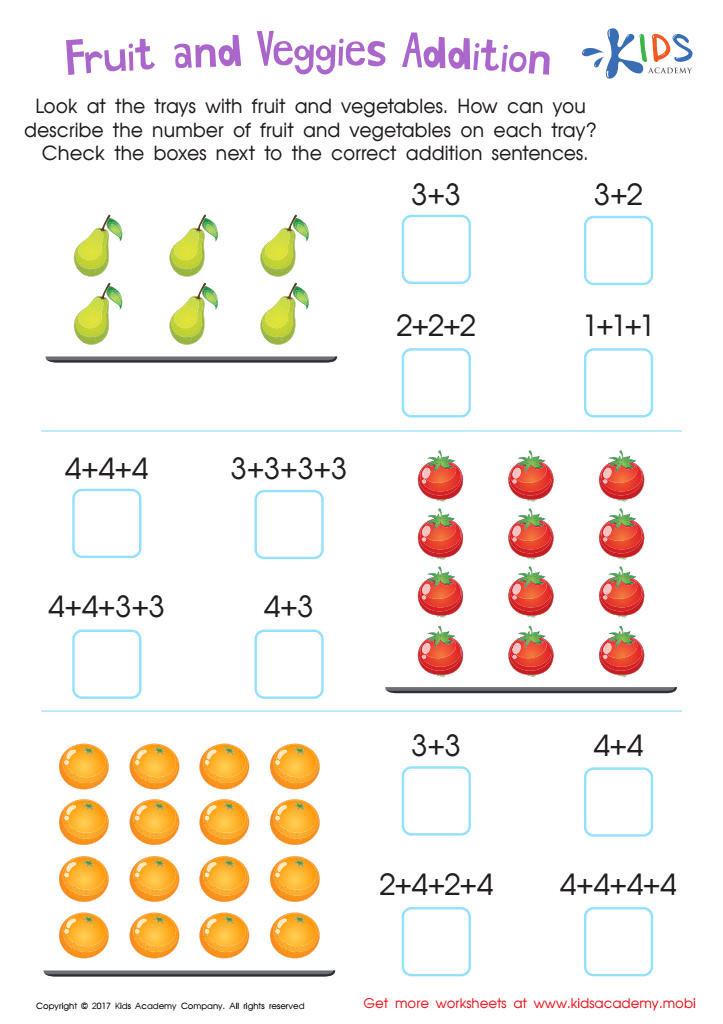
Fruit and Veggies Worksheet
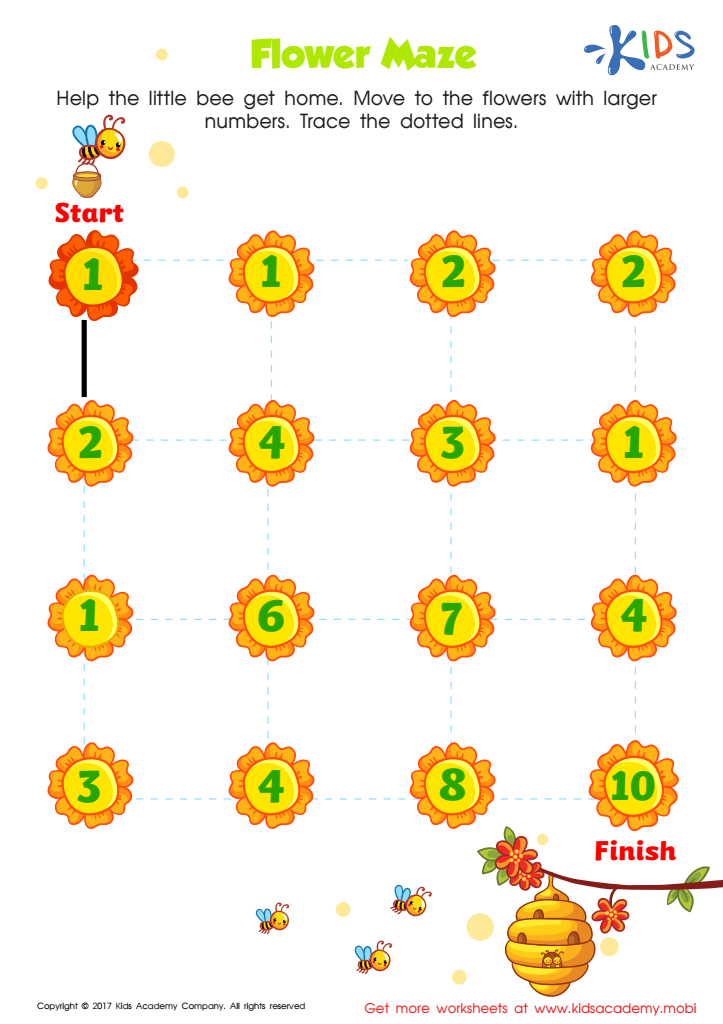
Number Maze For Kindergarten Printable
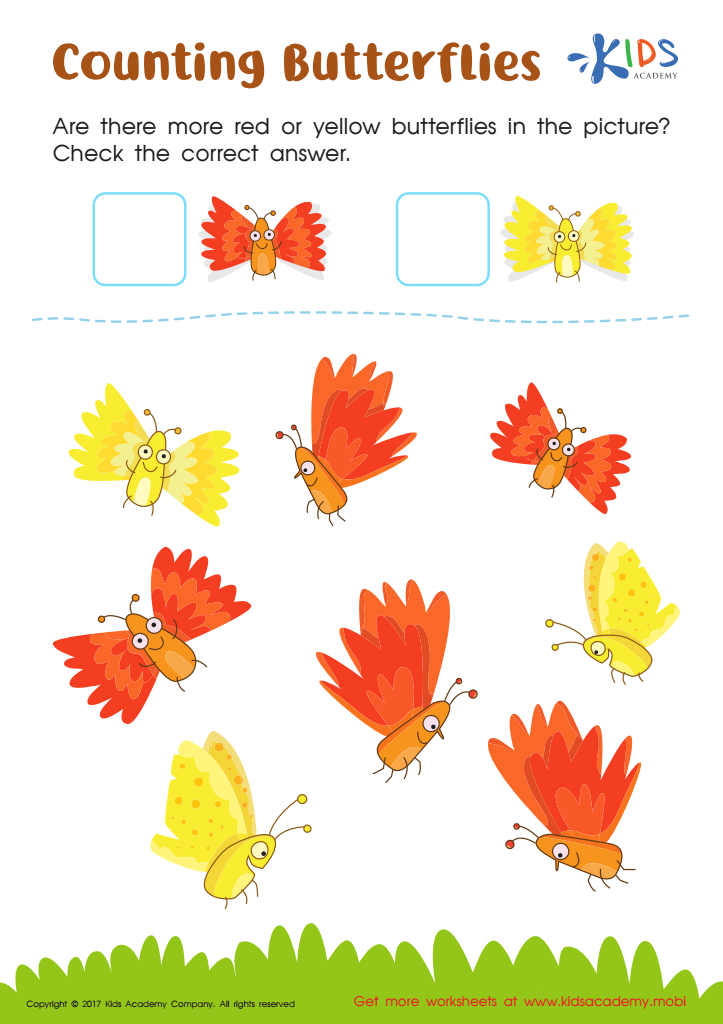
Counting Butterflies Worksheet
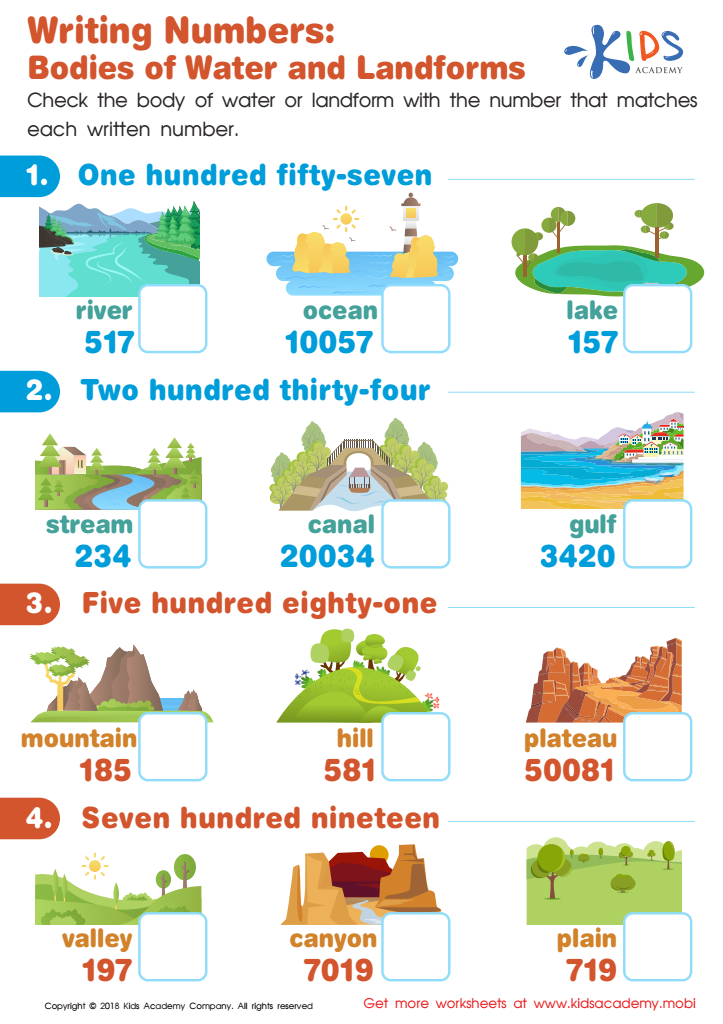
Bodies of Water and Landforms Writing Numbers Worksheet
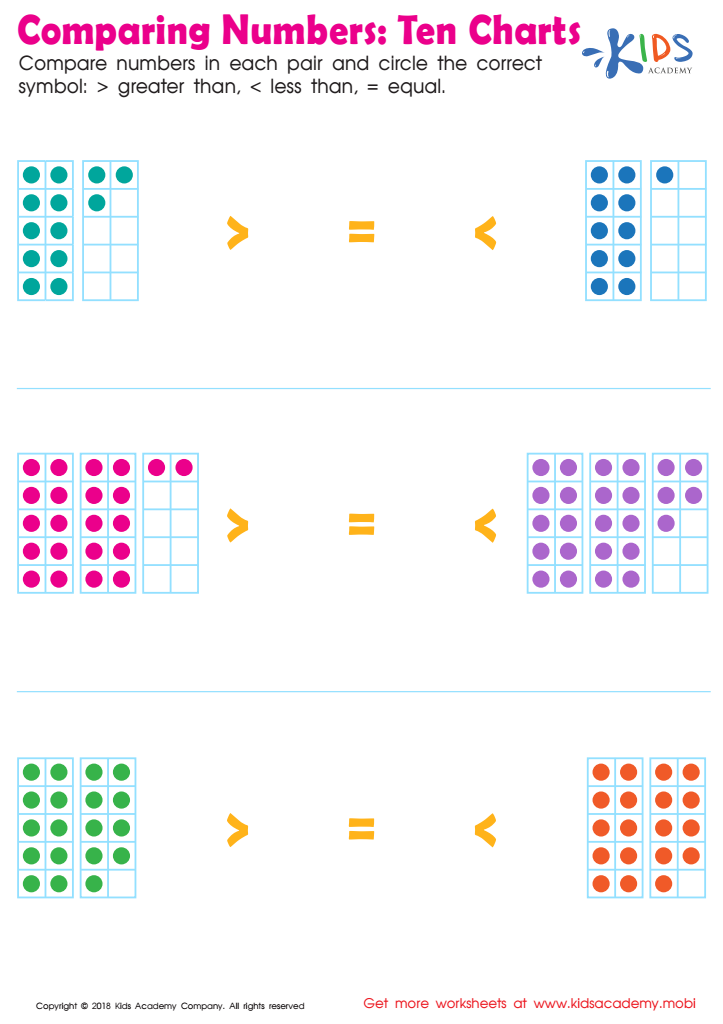
Ten Charts Worksheet
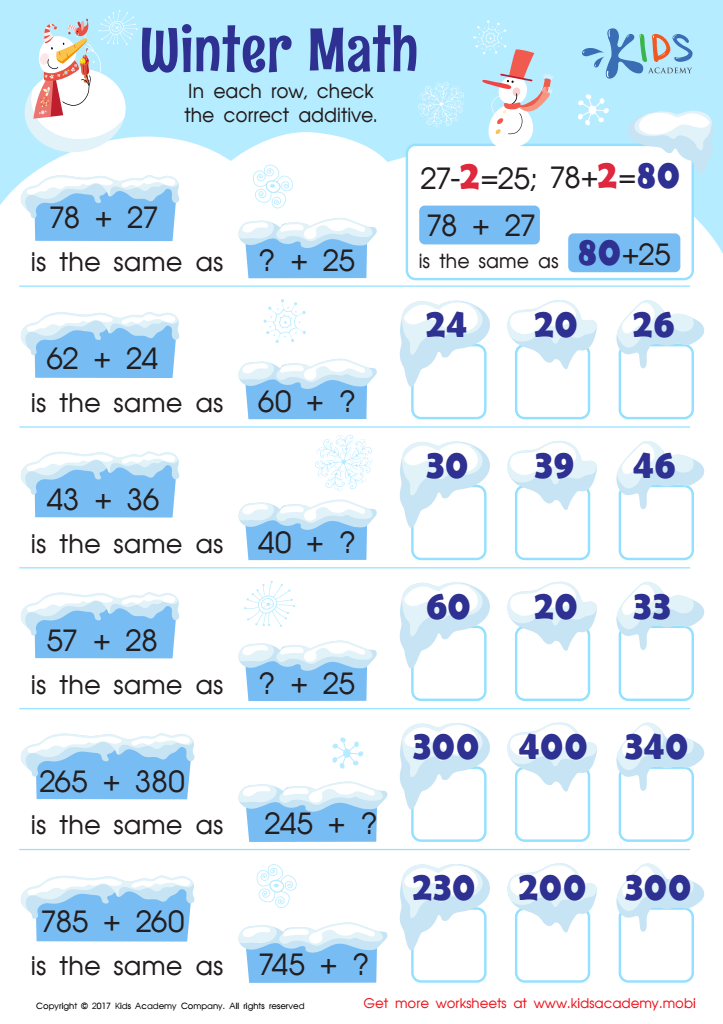
Free Addition Worksheet



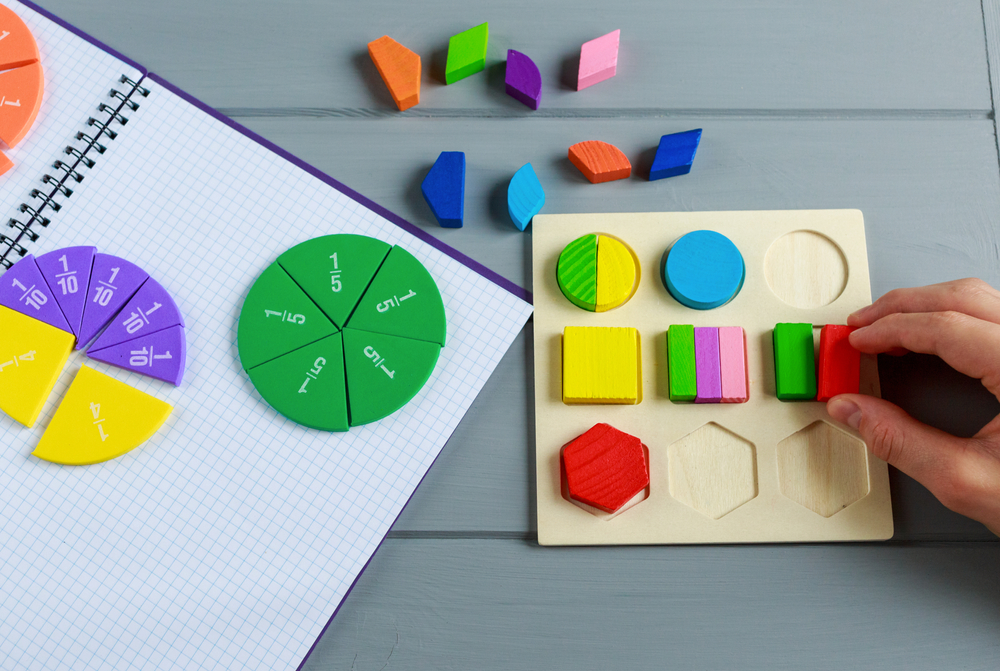




Number recognition and understanding how to compare numbers are critical milestones in early childhood education, particularly for children ages 3-9. These foundational math skills not only lay the groundwork for future mathematical concepts, but also aid in developing logical thinking and problem-solving abilities.
Parents and teachers should care about number recognition because recognizing numbers helps children identify quantities and understand their relative values. It fosters numerical literacy, enabling kids to engage with everyday situations, such as counting objects, recognizing prices, or measuring ingredients for a recipe.
Comparing numbers further enriches children's cognitive development. By learning to identify which numbers are larger or smaller, children practice critical analytical skills, nurturing their ability to differentiate and categorize information. This awareness enhances their reasoning capabilities and provides a foundation for concepts such as basic addition and subtraction.
Moreover, these skills build self-confidence in young learners, as mastery allows them to participate more fully in classroom activities and real-life situations. Encouraging number recognition and comparison from an early age stimulates interest in mathematics, leading to better performance in later grades, ultimately preparing children for lifelong learning and informed, independent thinking. Thus, actively promoting these skills in early education is paramount for fostering a strong foundation in mathematics.








