Fine Motor Skills Counting Worksheets for Ages 3-9
7 filtered results
-
From - To
Introduce your child to a fun and engaging way to develop essential counting and fine motor skills with our printable worksheets, designed specifically for ages 3-9. These activities help young learners enhance hand-eye coordination, dexterity, and number recognition, setting a strong foundation for math and writing proficiency. Our worksheets feature colorful, age-appropriate illustrations and entertaining exercises that will captivate your child's attention and promote independent learning. Perfect for at-home practice or classroom use, these resources ensure effective skill-building while making learning enjoyable and interactive. Empower your child's educational journey with our Fine Motor Skills Counting Worksheets today!

8 Petals Worksheet
 Assign to My Students




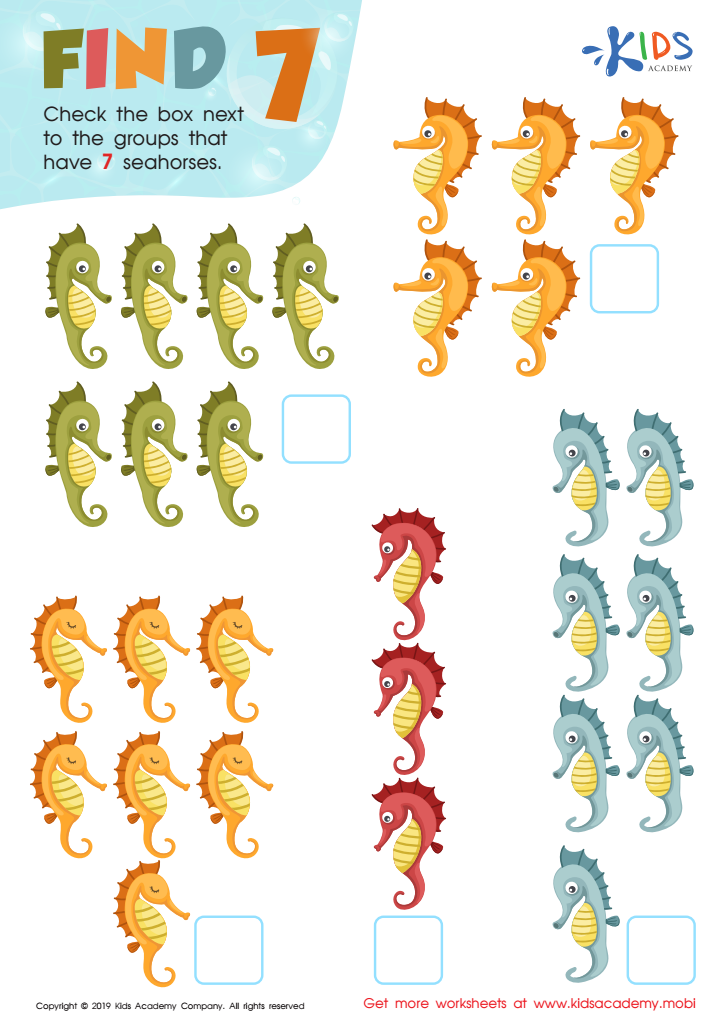
Find 7 Worksheet
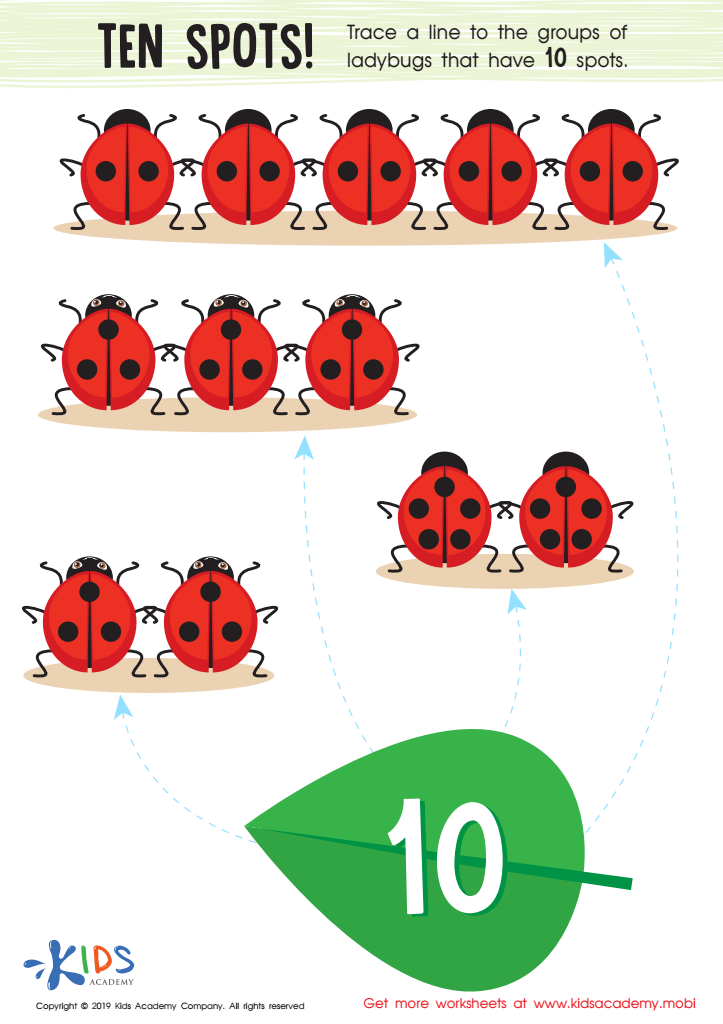
Ten Spots Worksheet
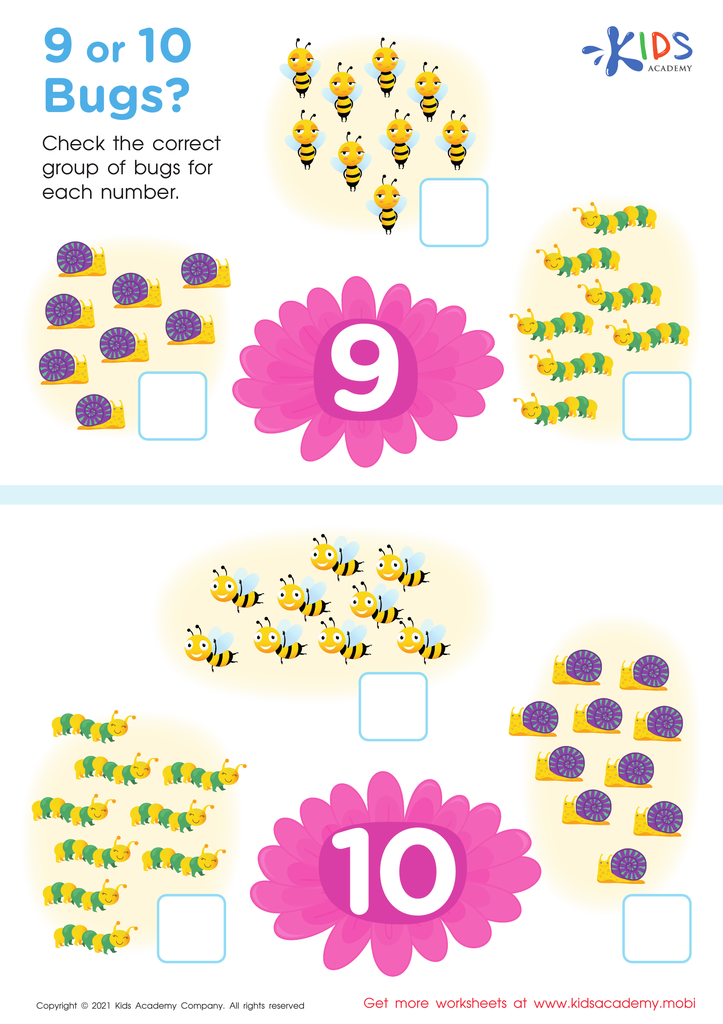
9 or 10 Bugs Worksheet
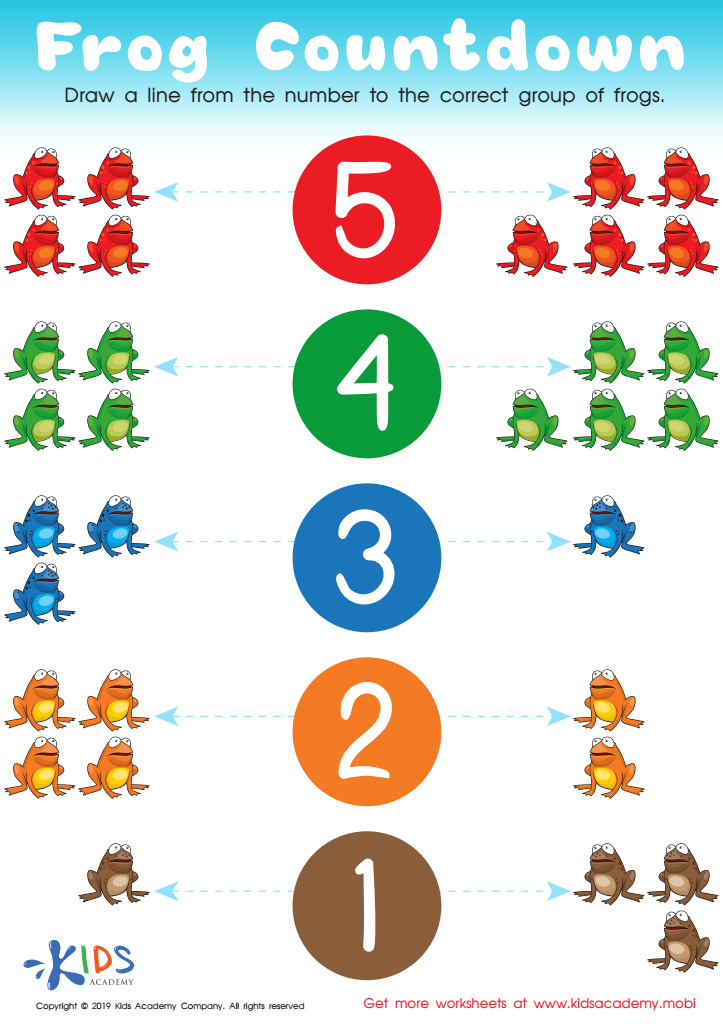
Frog Countdown Worksheet
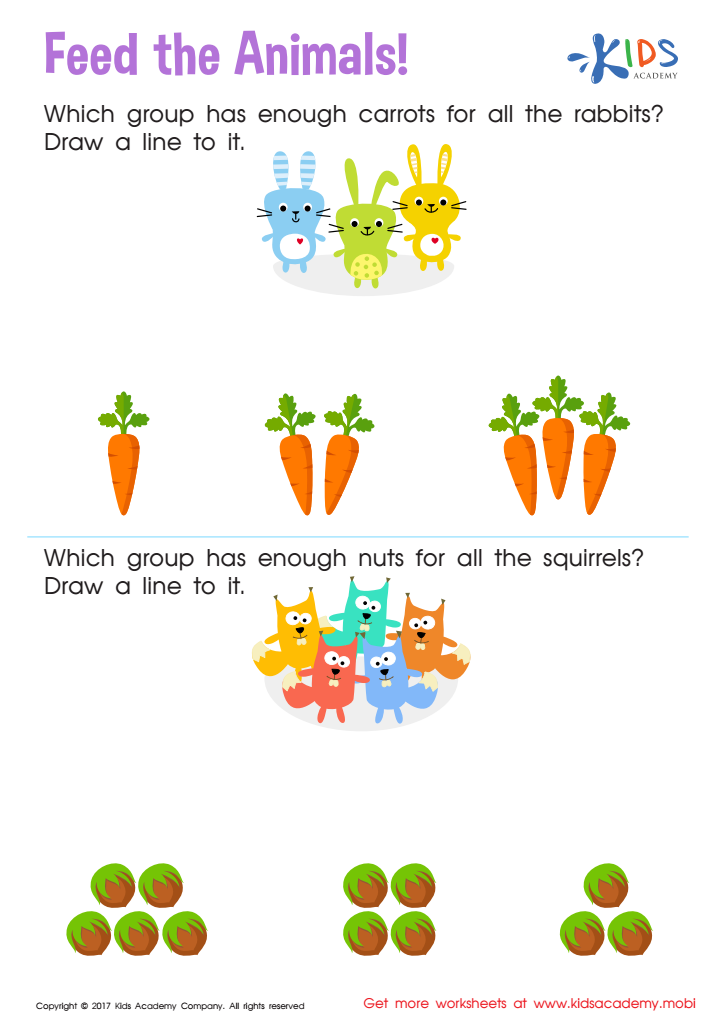
Count and Match: Feed the Animals Worksheet
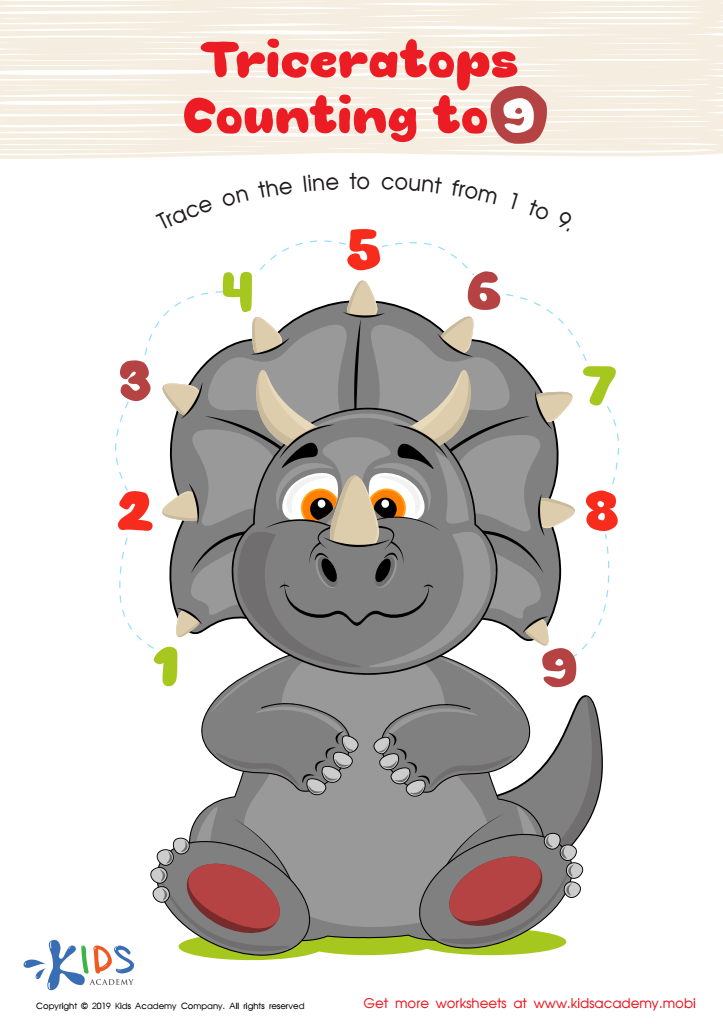
Triceratops Counting to 9 Worksheet







Fine motor skills are essential for children's overall development, particularly in the early years, spanning from ages 3 to 9. These skills involve the coordination of small muscles in the hands and fingers, which are crucial for performing everyday tasks, such as writing, buttoning clothes, and using utensils. When children engage in activities that combine fine motor skills with counting, they not only strengthen their hand-eye coordination but also enhance their cognitive abilities, including number recognition and sequencing.
By incorporating counting into fine motor skill activities, such as threading beads, stacking blocks, or using counting manipulatives, children become more adept at visual tracking and spatial awareness. This dual-focus activity helps to sharpen their concentration and attention span, laying a solid foundation for academic success in subjects like math and science.
Moreover, fine motor skills development promotes independence in self-care tasks, ultimately boosting children's confidence and self-esteem. For parents and teachers, emphasizing fine motor skills counting is a proactive investment in a child's educational journey and personal growth. It paves the way for effective handwriting, efficient problem-solving skills, and a smoother transition into more complex academic challenges as they grow older. Thus, fostering these skills is central to a holistic approach to early childhood education.








