Fine Motor Skills Geometry Worksheets for Ages 3-9 - Page 2
29 filtered results
-
From - To
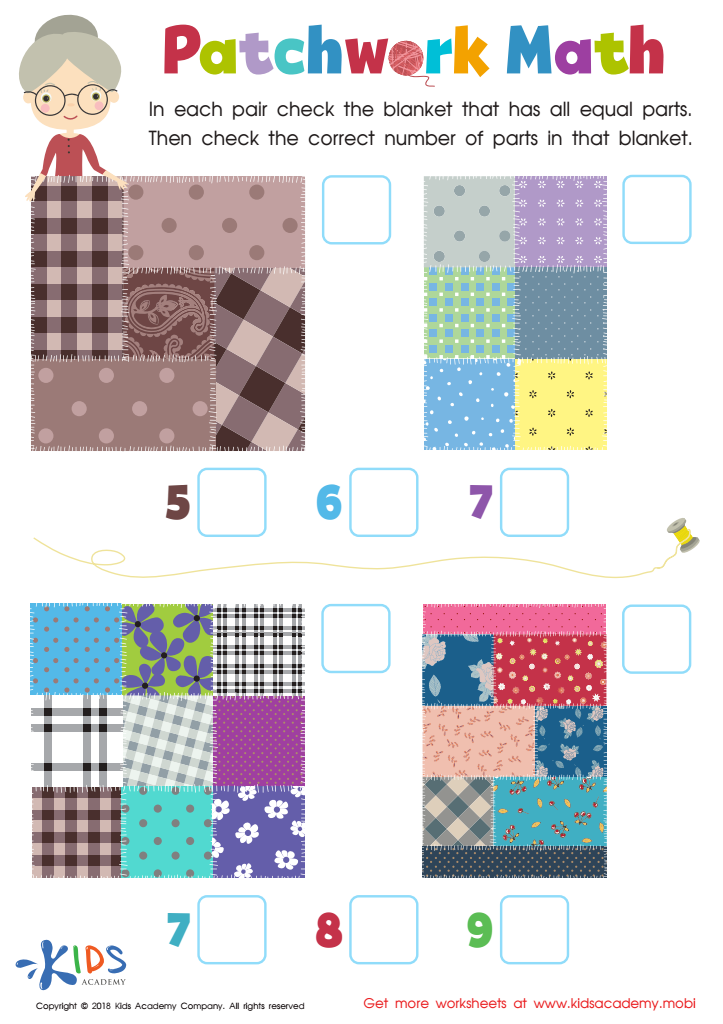
Patchwork Math Worksheet
 Assign to My Students











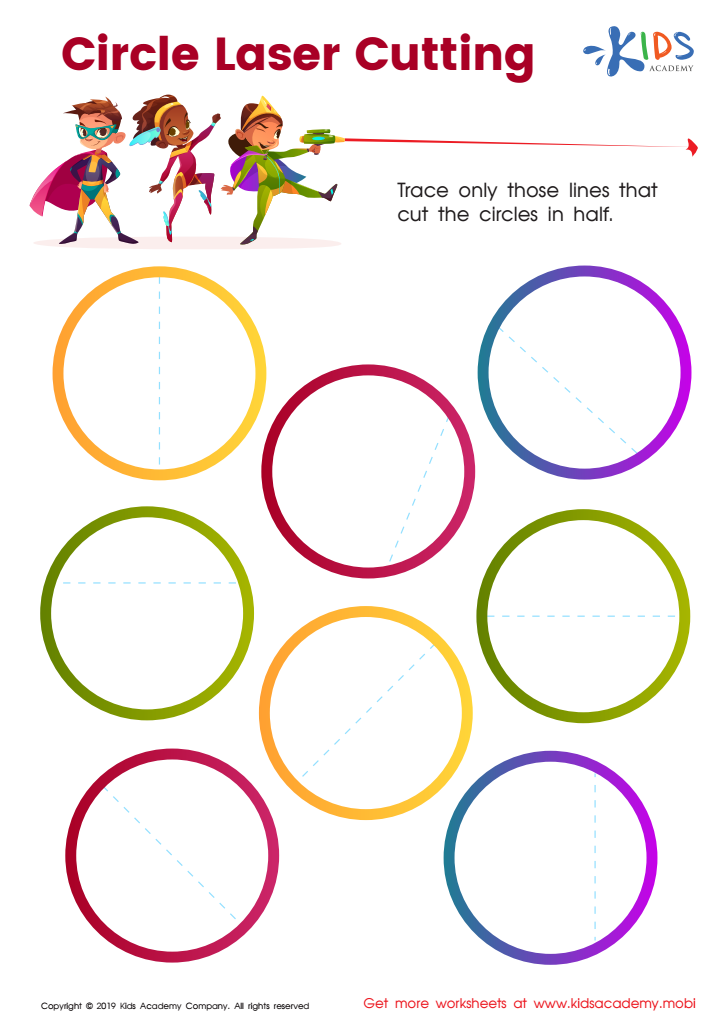
Circle Laser Cutting Worksheet
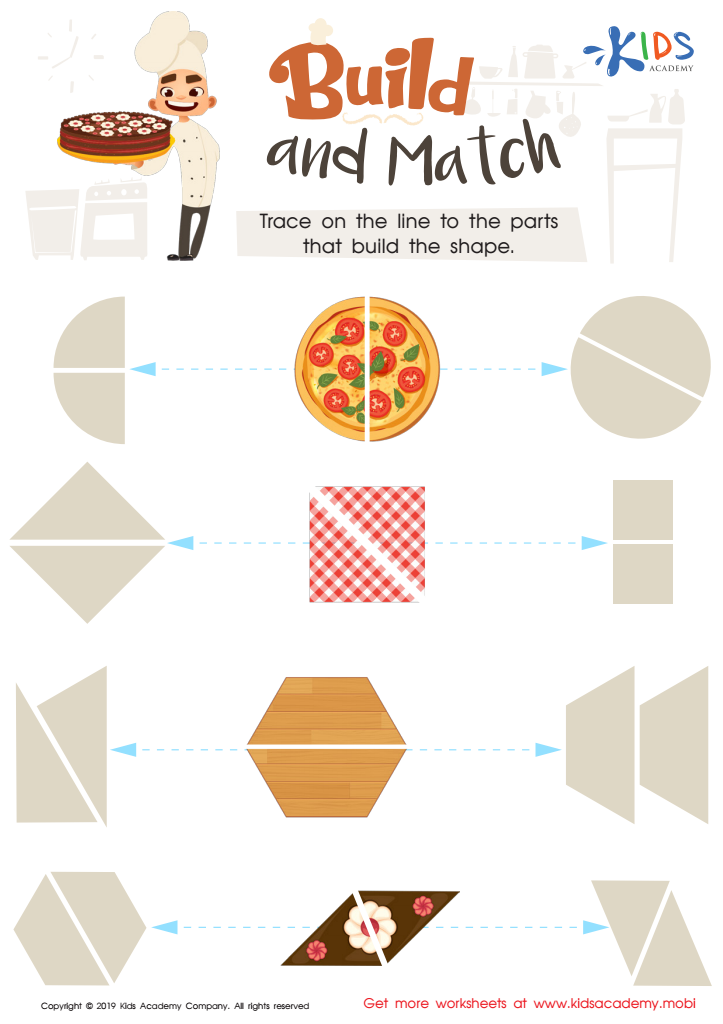
Build and Match Worksheet
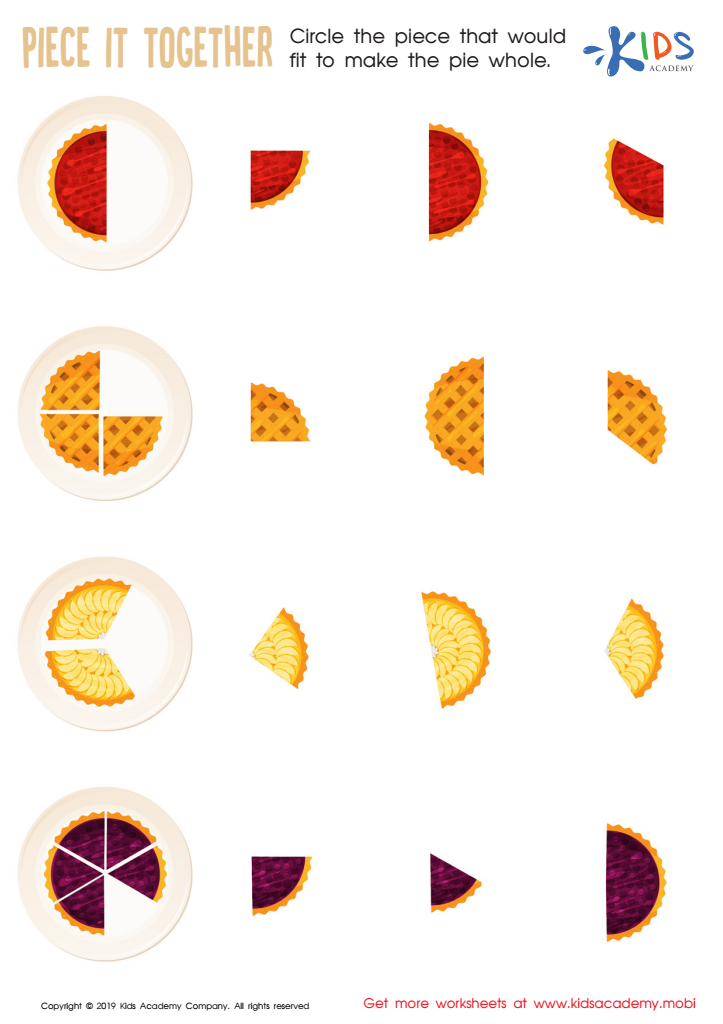
Piece it together Worksheet
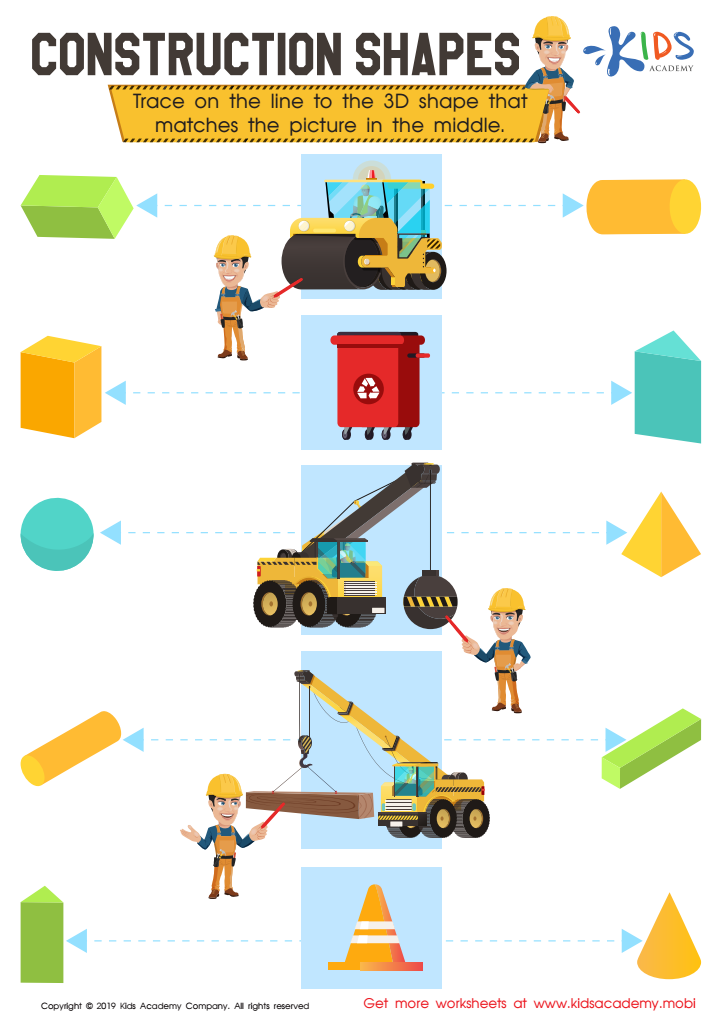
Construction Shapes Worksheet








Fine motor skills geometry is essential for children aged 3-9 as it lays the foundation for numerous academic and daily life tasks. For young children, developing fine motor skills is the process of refining their hand-eye coordination and finger dexterity, which are crucial for various activities. When these skills are built through geometric activities, such as drawing shapes, tracing patterns, or cutting out figures, children not only enhance their motor skills but also grasp early math concepts in an engaging manner.
Understanding shapes, patterns, and spatial relationships boosts cognitive development and prepares children for more complex math learning. Fine motor control is indispensable for writing, as legible handwriting depends on the ability to control the pencil accurately. It also plays a significant role in self-care tasks such as buttoning clothing, tying shoelaces, and using utensils, fostering independence.
Furthermore, engaging in fine motor skills geometry activities encourages problem-solving skills and creative thinking. When children manipulate geometric shapes, they learn to think critically and visualize objects in different orientations. This brain exercise supports overall cognitive development and improves academic readiness.
Therefore, parents and teachers should prioritize fine motor skills geometry to support holistic development in young children, creating a solid foundation for future learning and everyday success.








