Addition Practice Numbers Worksheets for Ages 3-9 - Page 2
32 filtered results
-
From - To
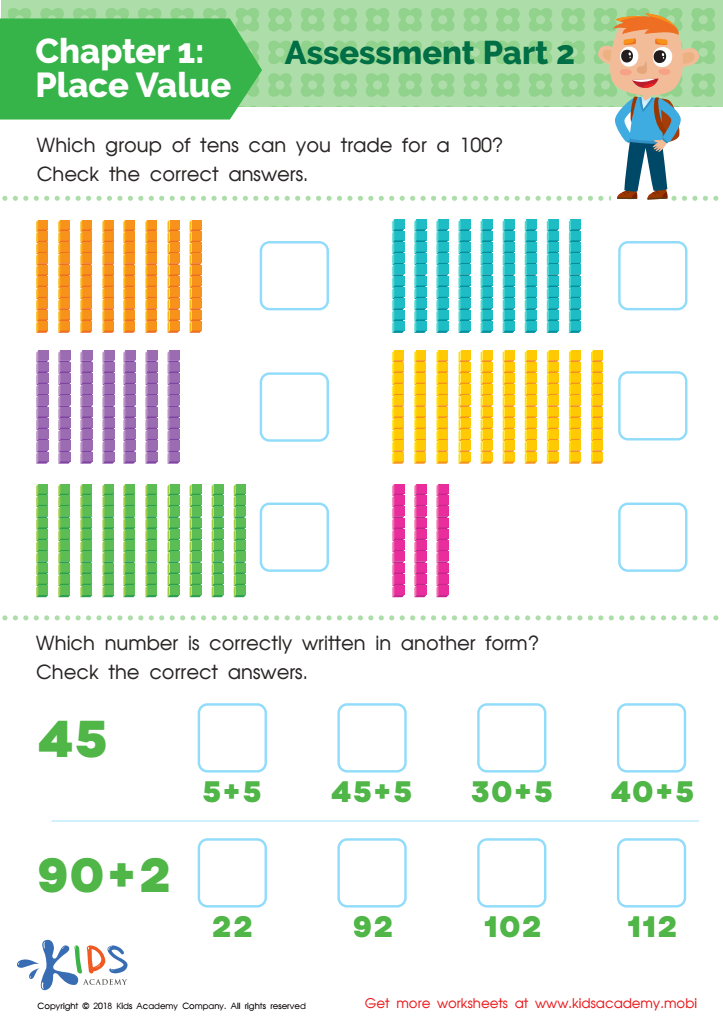
Place Value: Chapter 2 Worksheet
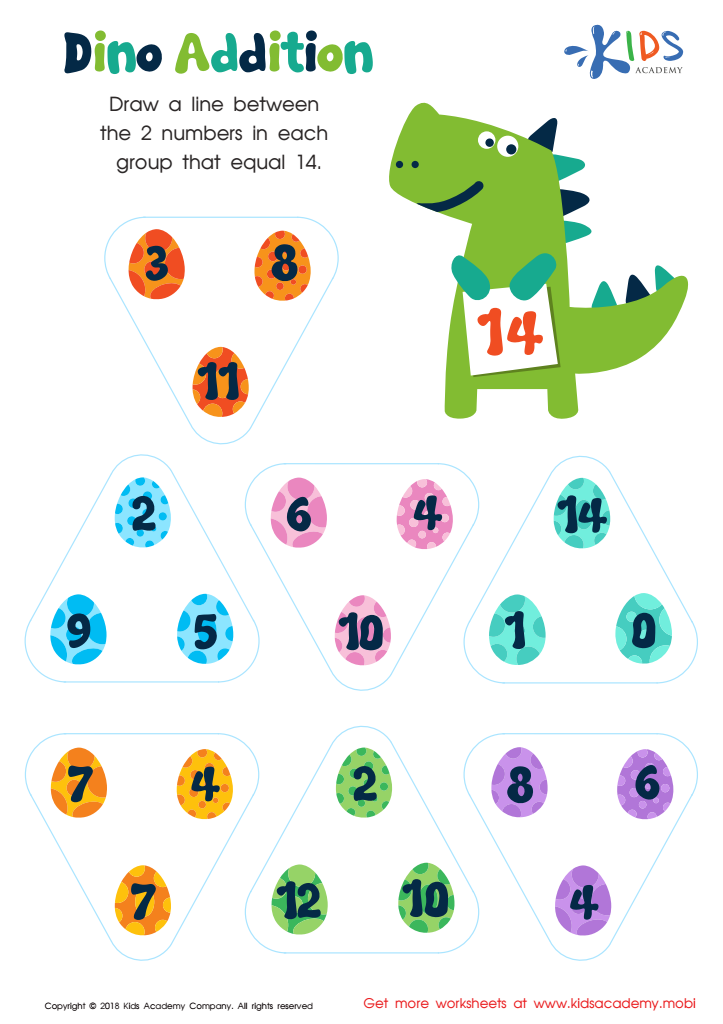
Dino Addition Worksheet
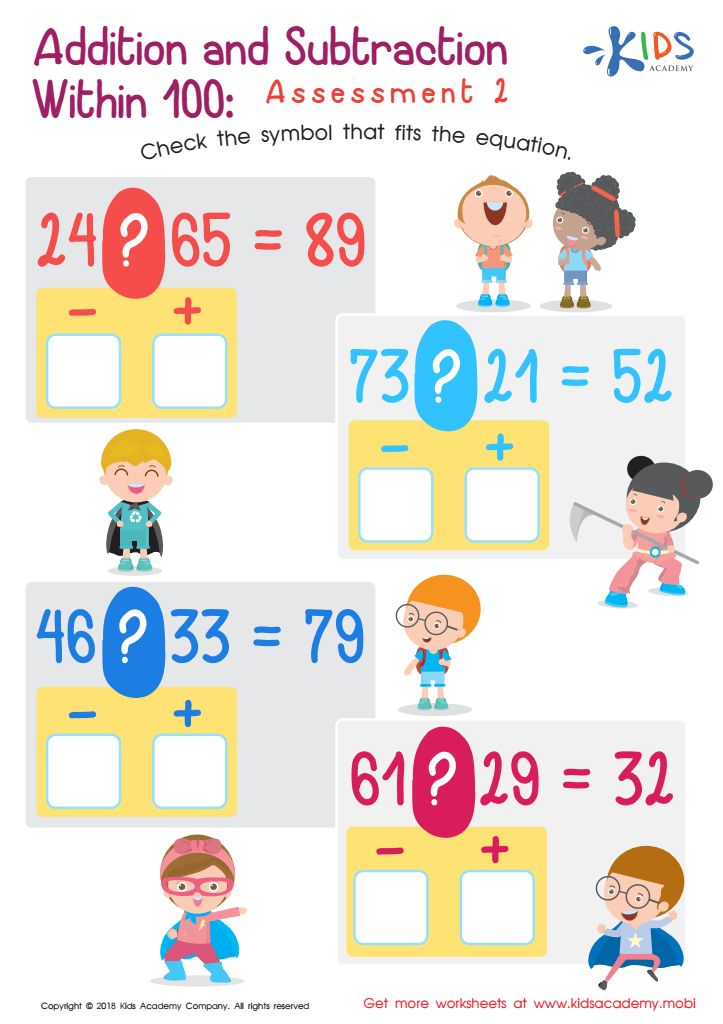
Addition and Subtraction Within 1: Assessment 2 Worksheet
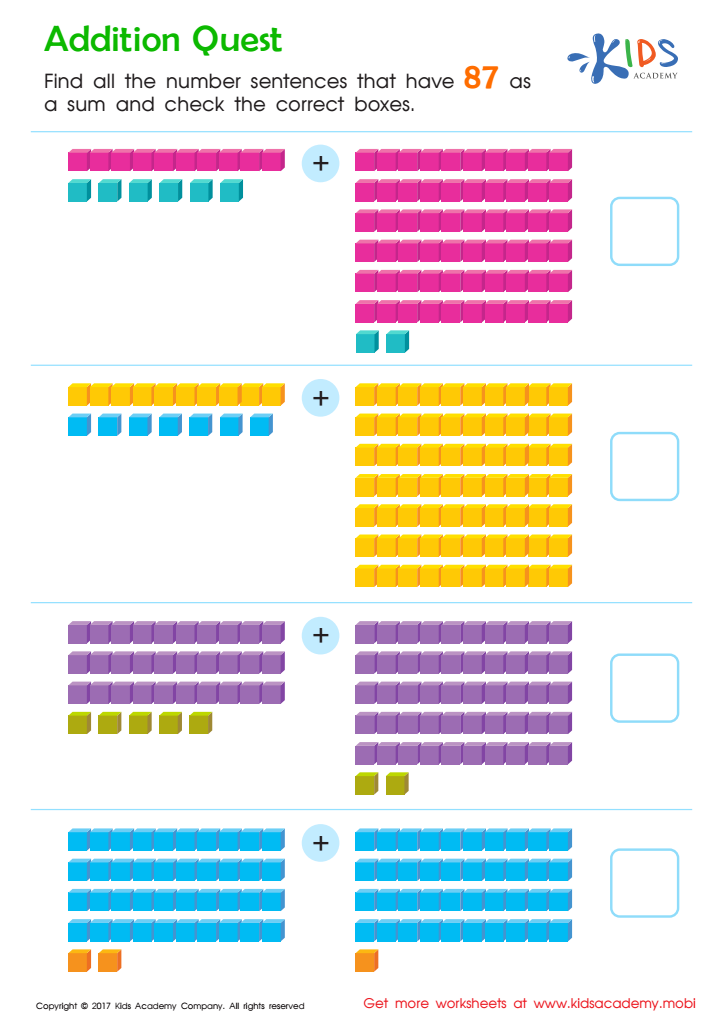
Addition Quest Worksheet: Part 1
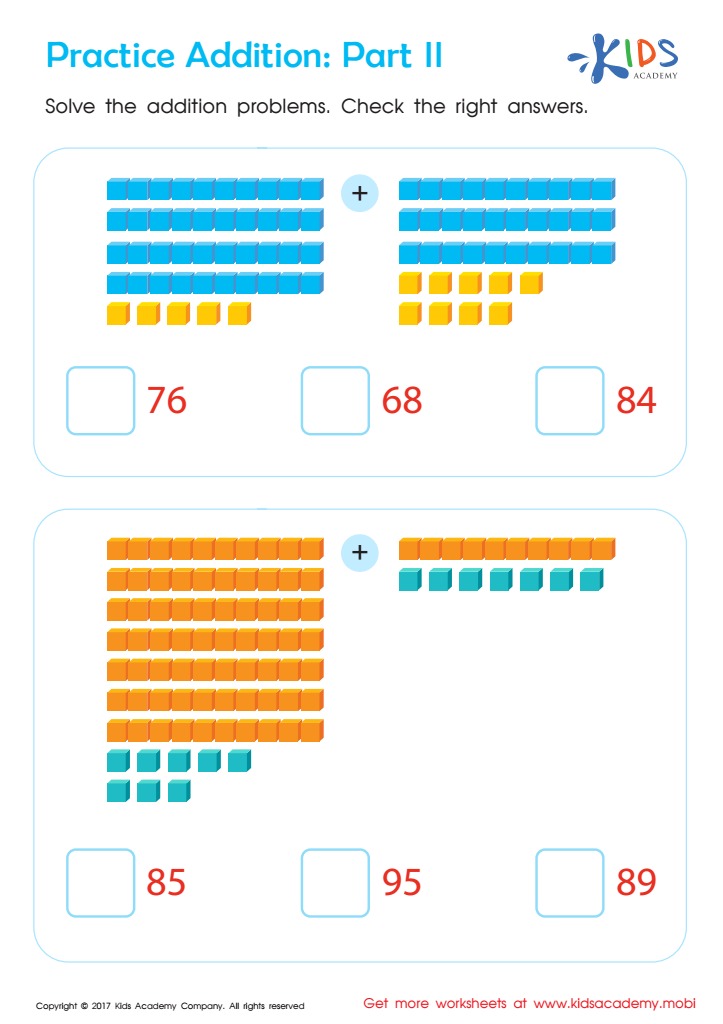
Practice Addition: Part 2 Worksheet
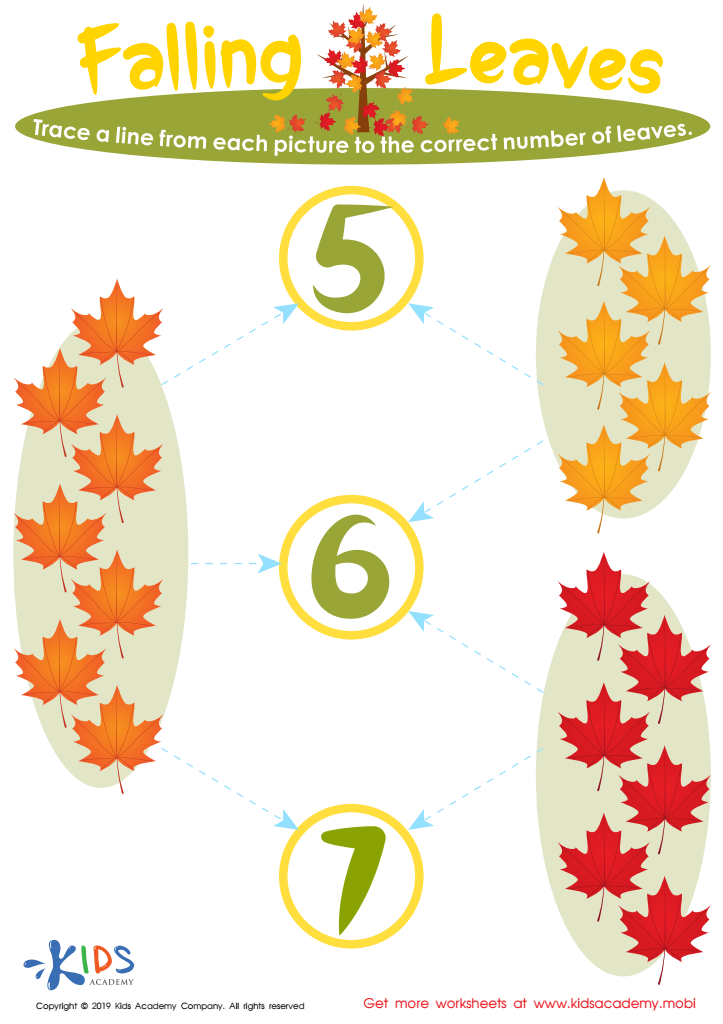
Falling Leaves Worksheet
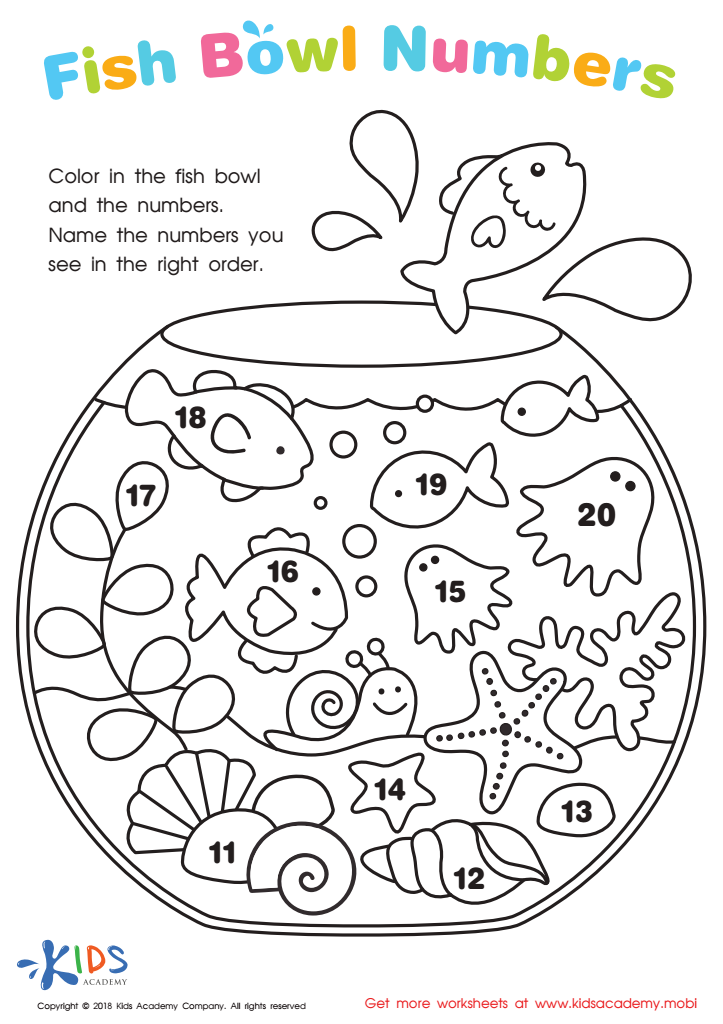
Fish Bowl Numbers Worksheet
 Assign to My Students
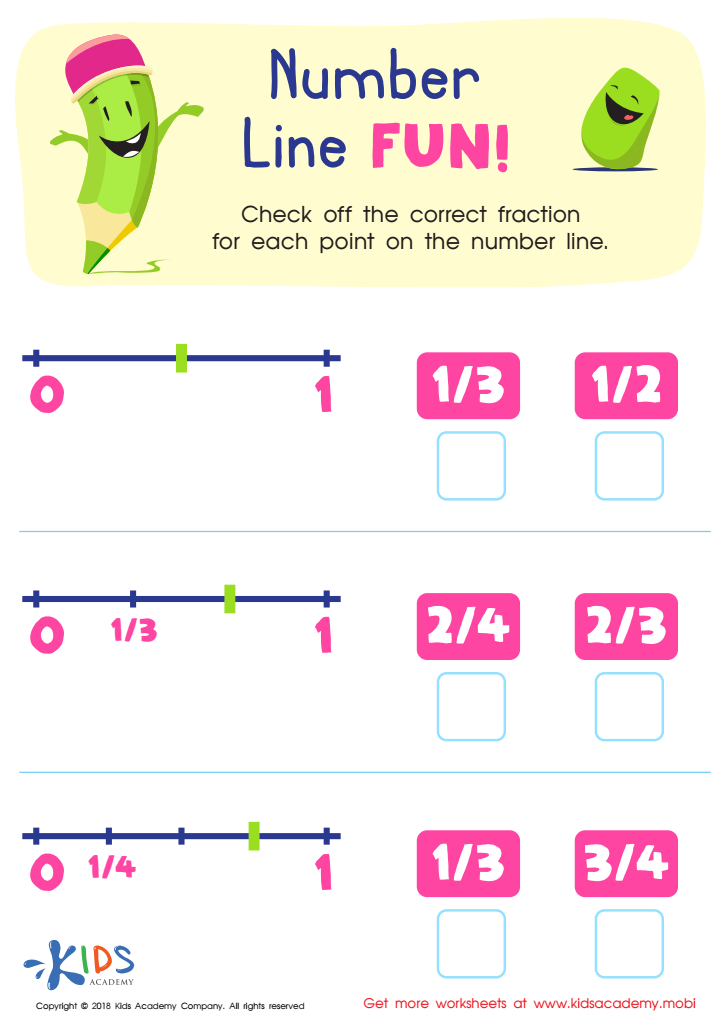
Number Line Fun Worksheet








Parents and teachers should prioritize addition practice for children aged 3-9 to build strong foundational math skills, which are crucial for future academic success. During this developmental stage, children's brains are highly receptive, making it an ideal time to introduce basic mathematical concepts. Teaching addition helps enhance cognitive abilities like memory, problem-solving, and logical thinking. It also supports the development of fine motor skills as children learn to write and visualize numbers.
Early exposure to addition fosters a positive attitude toward math, reducing apprehension as children progress to more complex topics. Furthermore, proficiency in addition is essential for daily life activities, such as counting money, telling time, and basic shopping. It lays the groundwork for higher arithmetic operations like subtraction, multiplication, and division. When children confidently master addition, they experience a sense of accomplishment, boosting their overall self-esteem and motivation in academic pursuits.
Moreover, engaging children in fun, interactive addition activities promotes social skills, cooperation, and communication when done in group settings. By investing time in addition practice during these formative years, parents and teachers equip children with the essential tools needed for mathematical literacy, thereby setting the stage for continued educational success and practical life skills.








