Addition skills Numbers Worksheets for Ages 3-9
15 filtered results
-
From - To
Discover our engaging "Addition Skills Numbers Worksheets" designed for children ages 3-9. Tailored to build foundational math skills, these worksheets help young learners grasp addition through fun and interactive activities. From colorful pictures and simple sums for preschoolers to more complex problems for older kids, each worksheet focuses on making learning enjoyable and effective. These resources aim to boost confidence and improve mathematical capabilities, gradually moving from basic to advanced levels. Perfect for classroom or home use, our worksheets make mastering addition a delightful experience for every child. Start enhancing your child's math journey today!
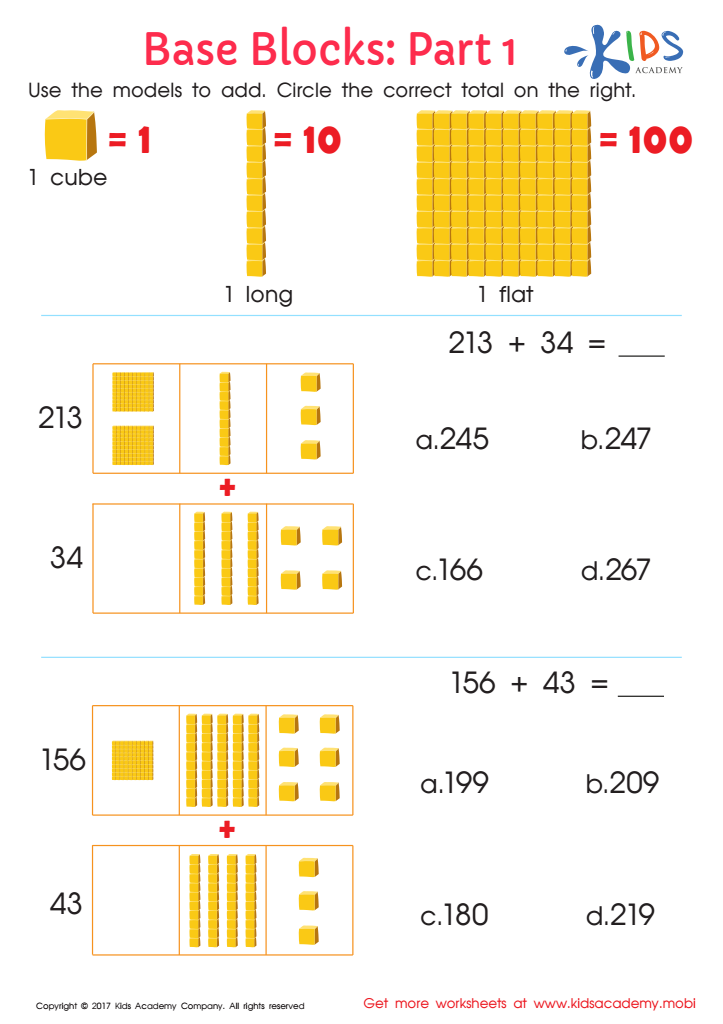
Base Ten Blocks Worksheet: Part 1
 Assign to My Students
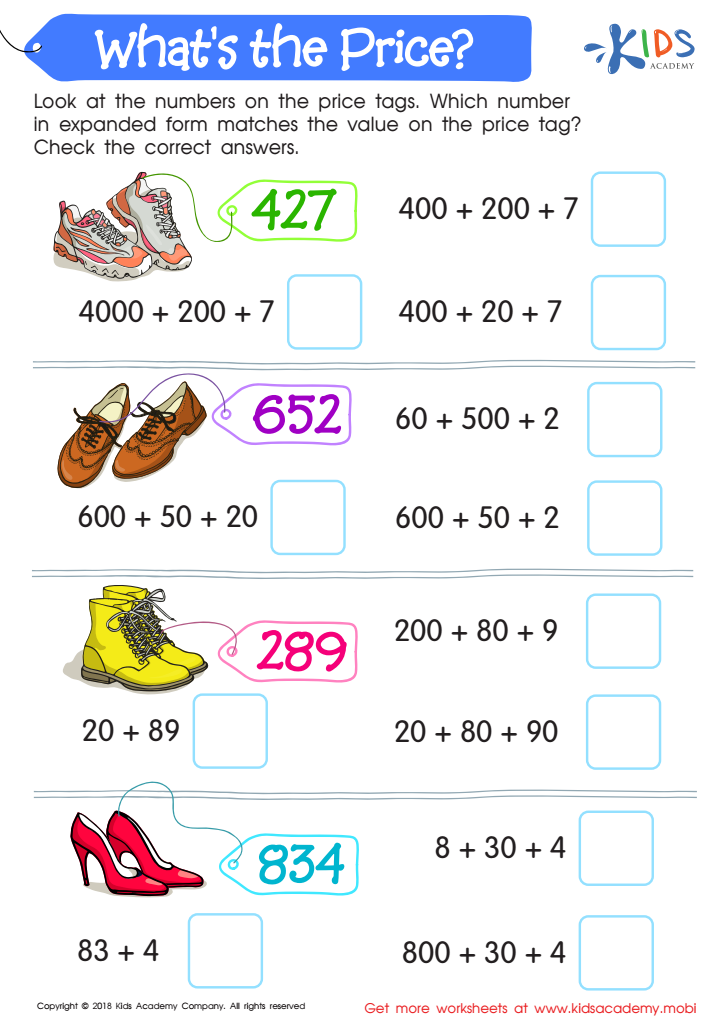
What's the Price? Worksheet
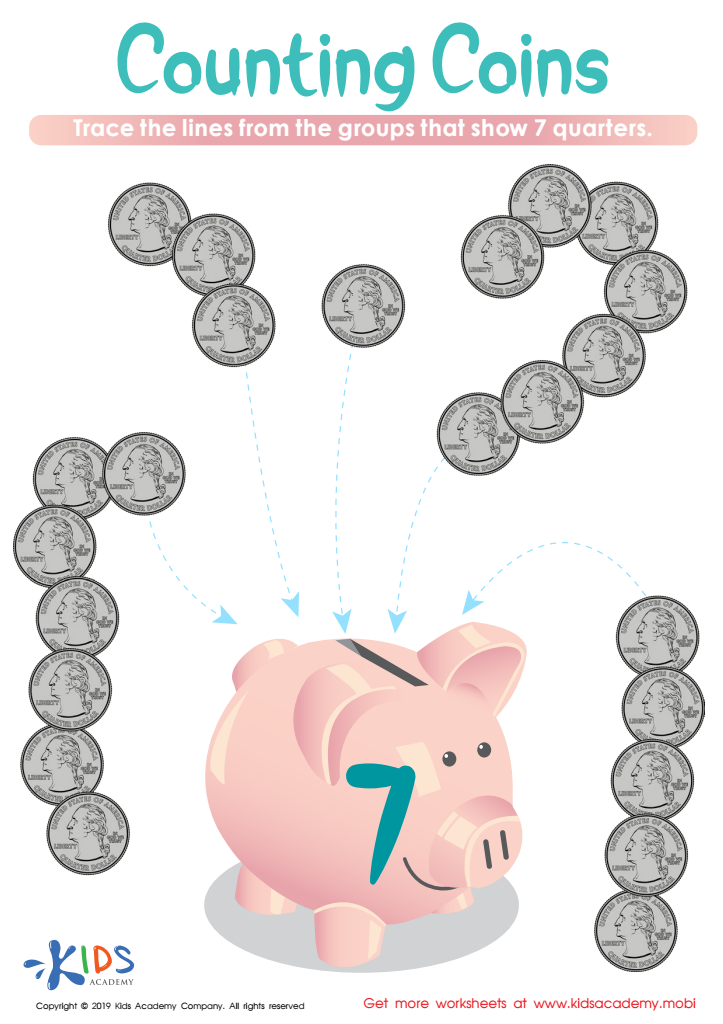
Counting Coins Worksheet
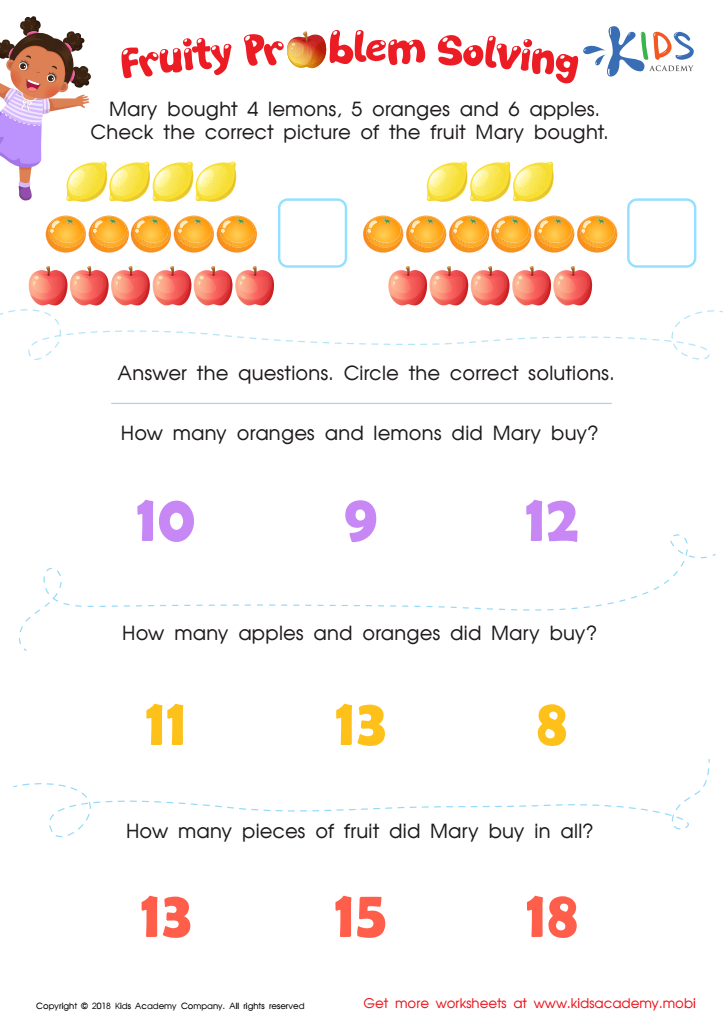
Fruity Problem Solving Worksheet
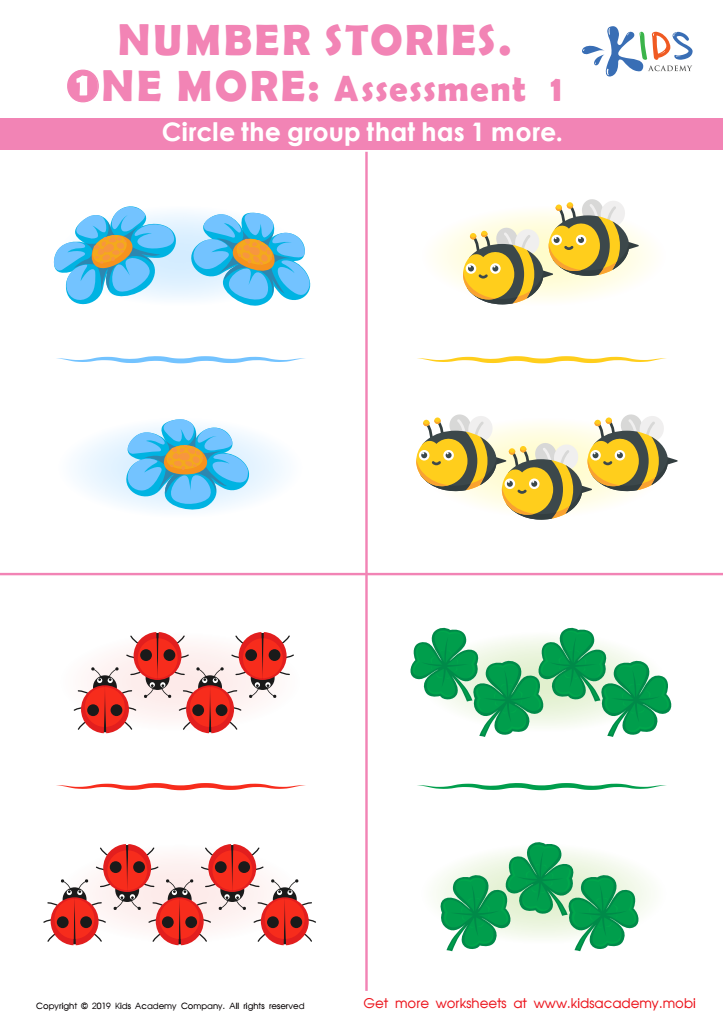
Number Stories One More – Assessment 1 Worksheet
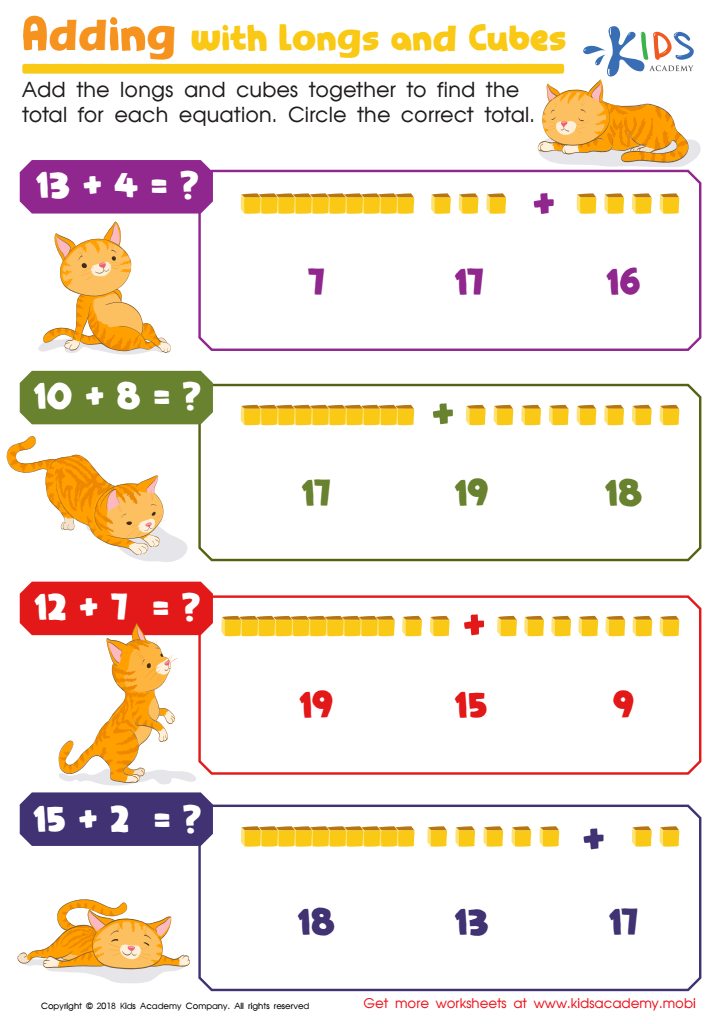
Adding With Longs and Cubes Worksheet
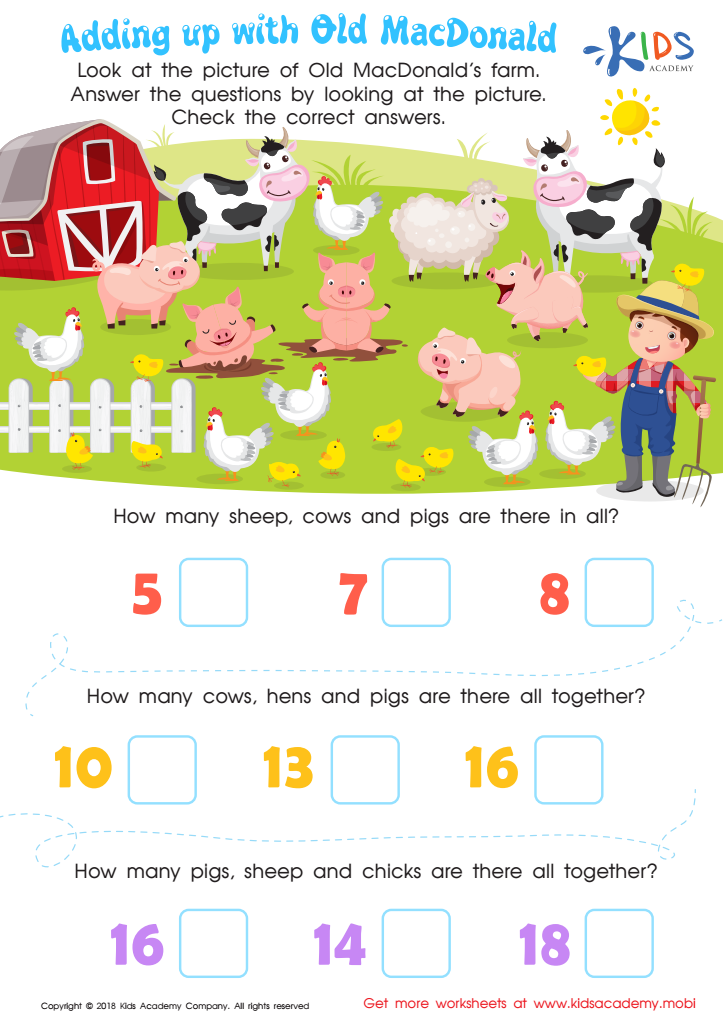
Adding Up with Old MacDonald Worksheet
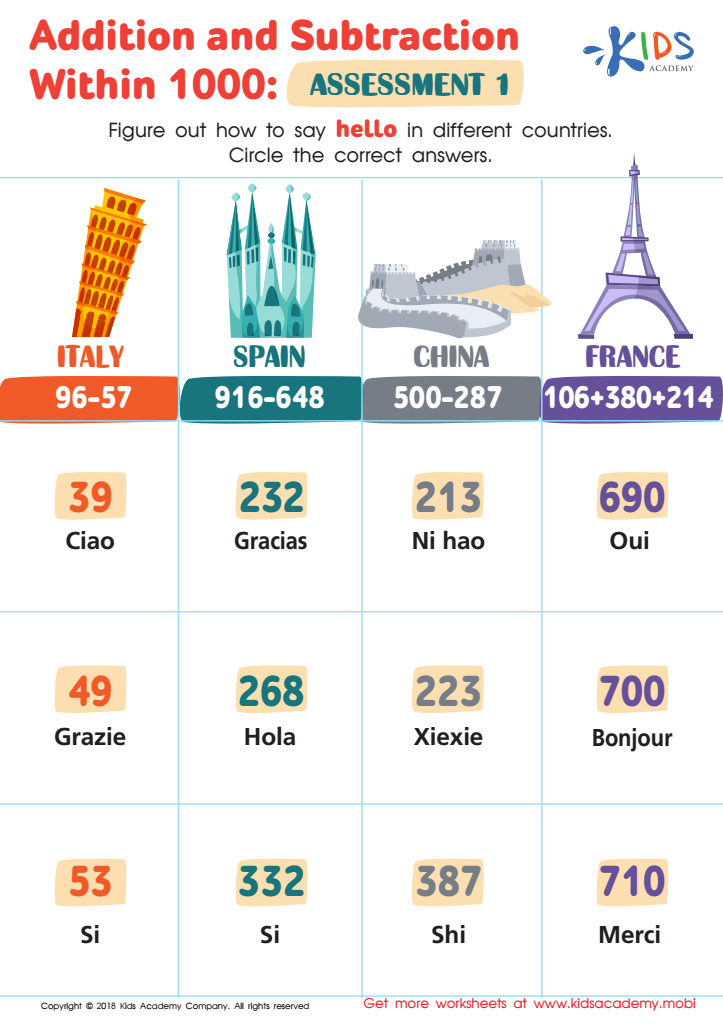
Addition and Subtraction Within 1000: Assessment 1 Worksheet
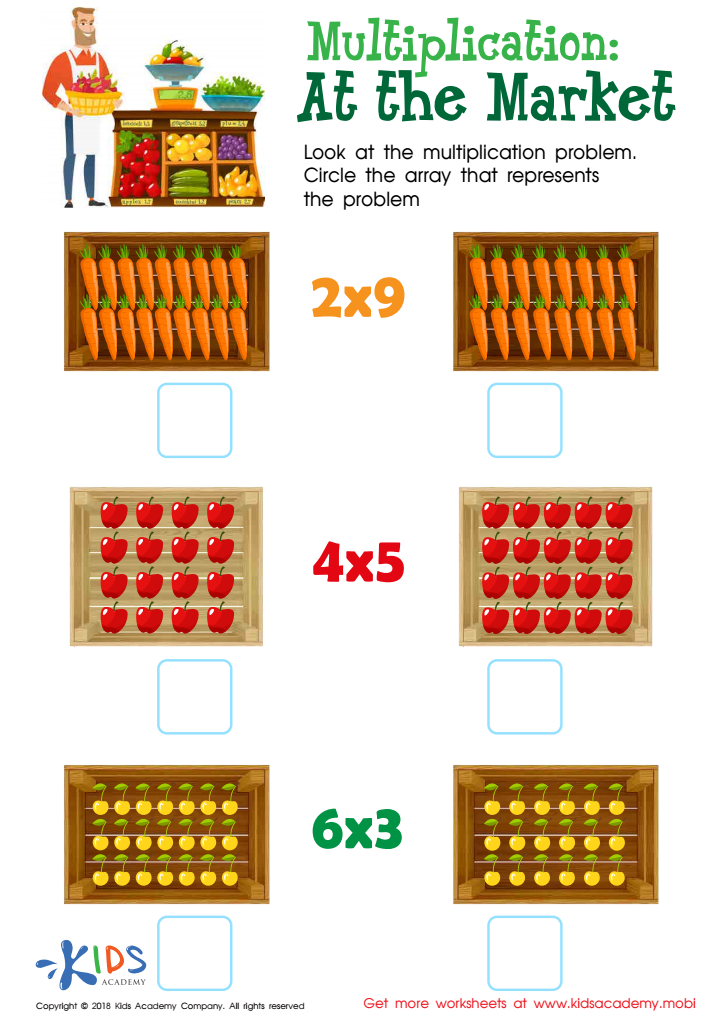
At the Market Worksheet
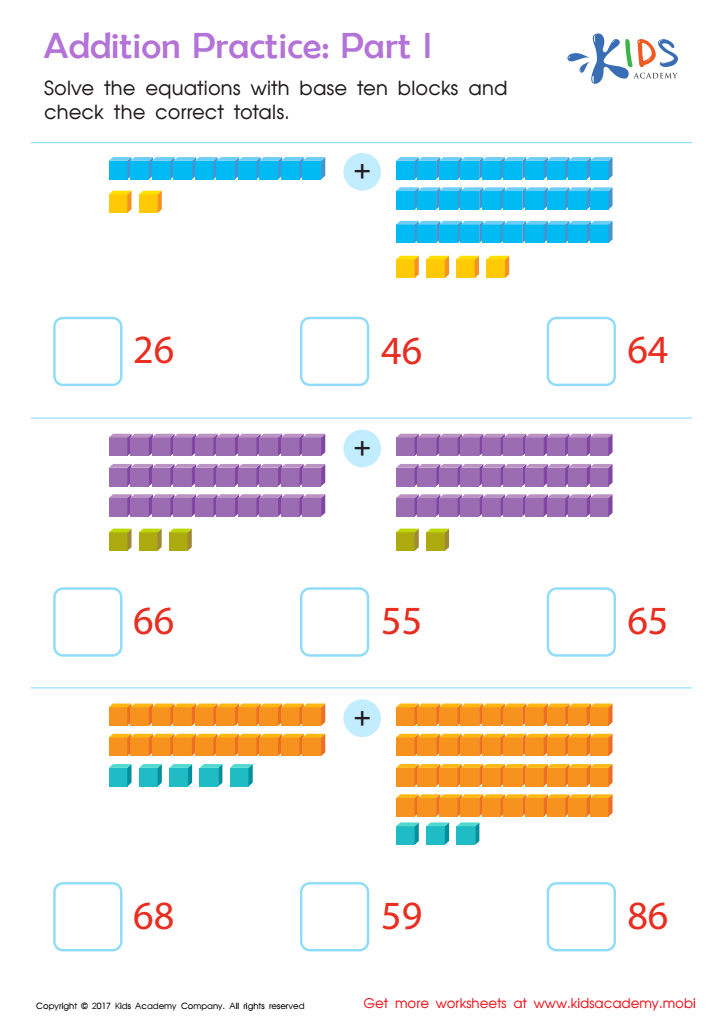
Addition Practice Sheet: Part 1
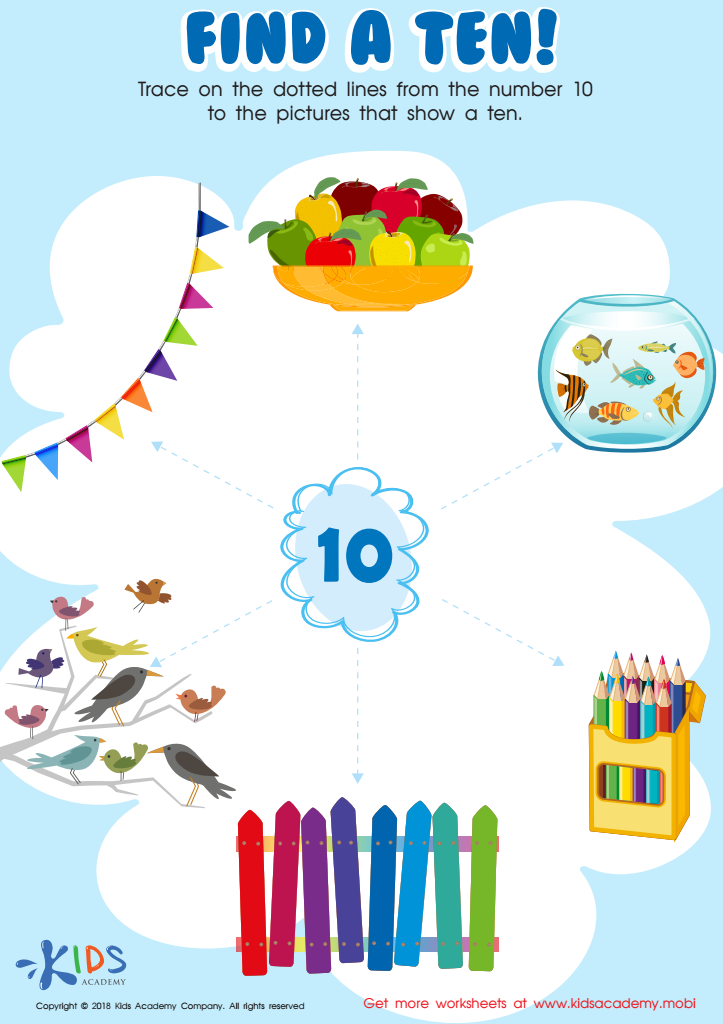
Kindergarten Math Worksheet: Find a Ten
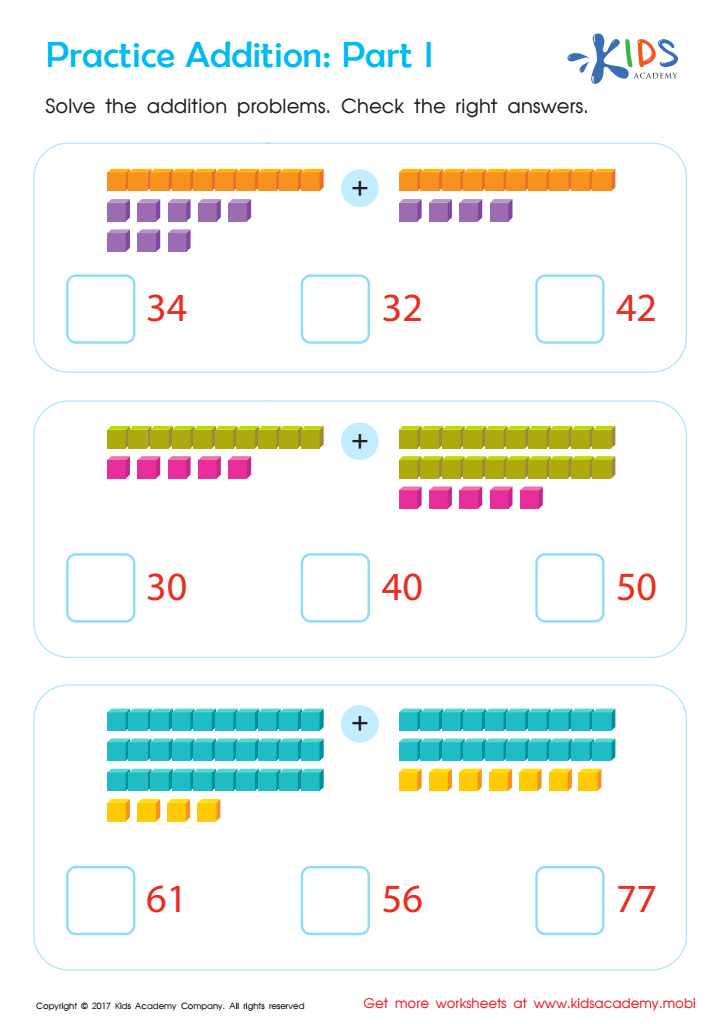
Practice Addition: Part 1 Worksheet
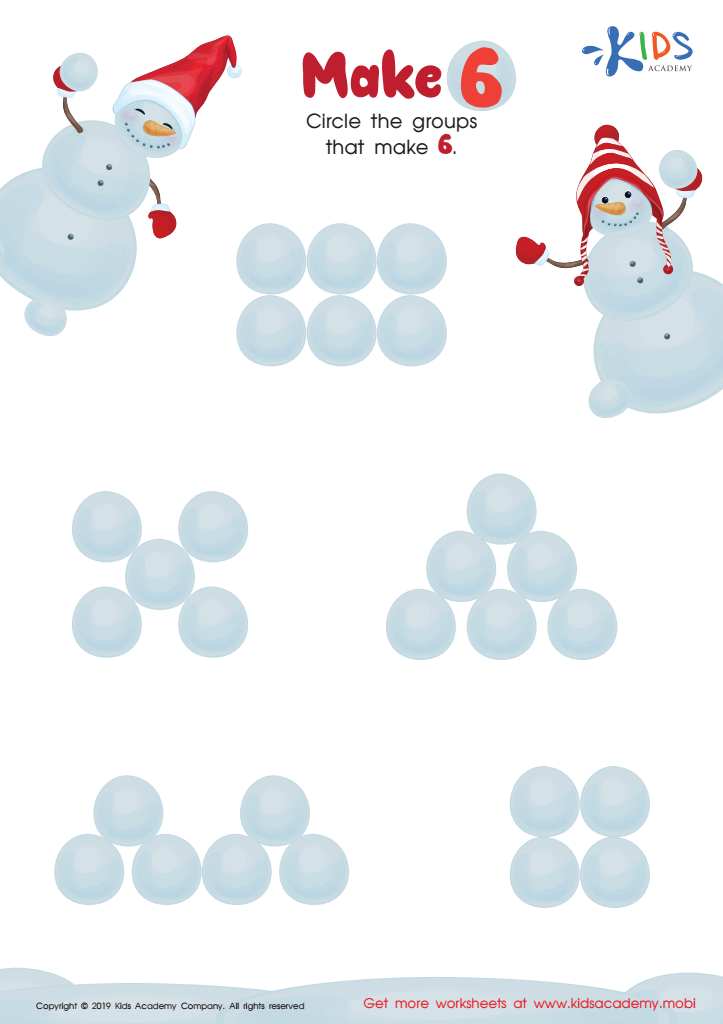
Make 6 Worksheet
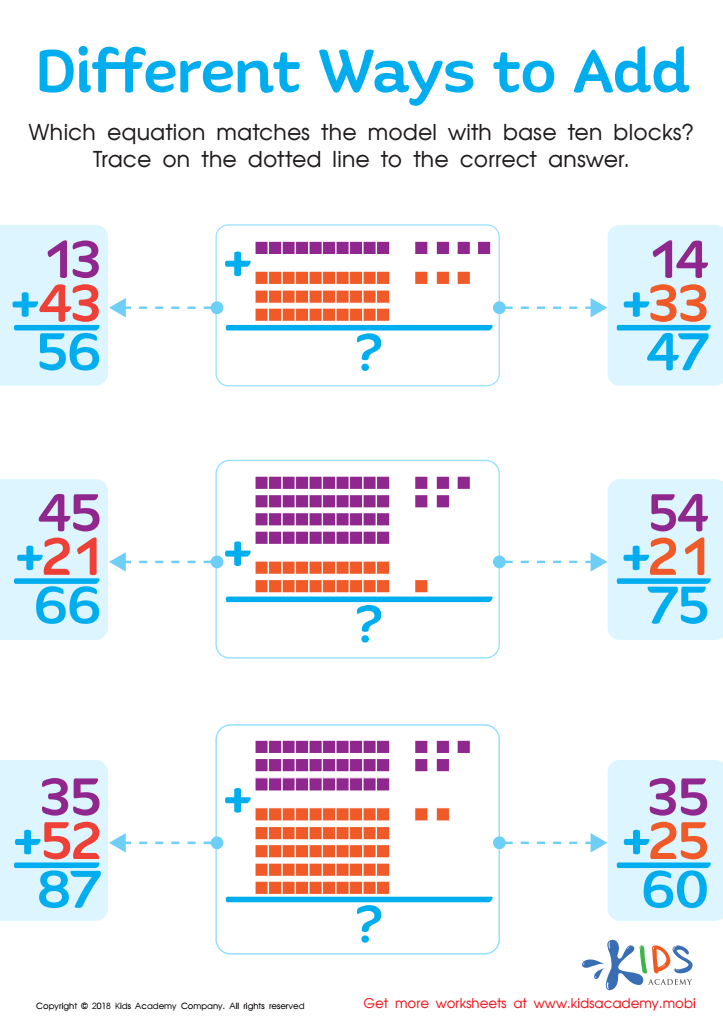
Different Ways to Add Worksheet
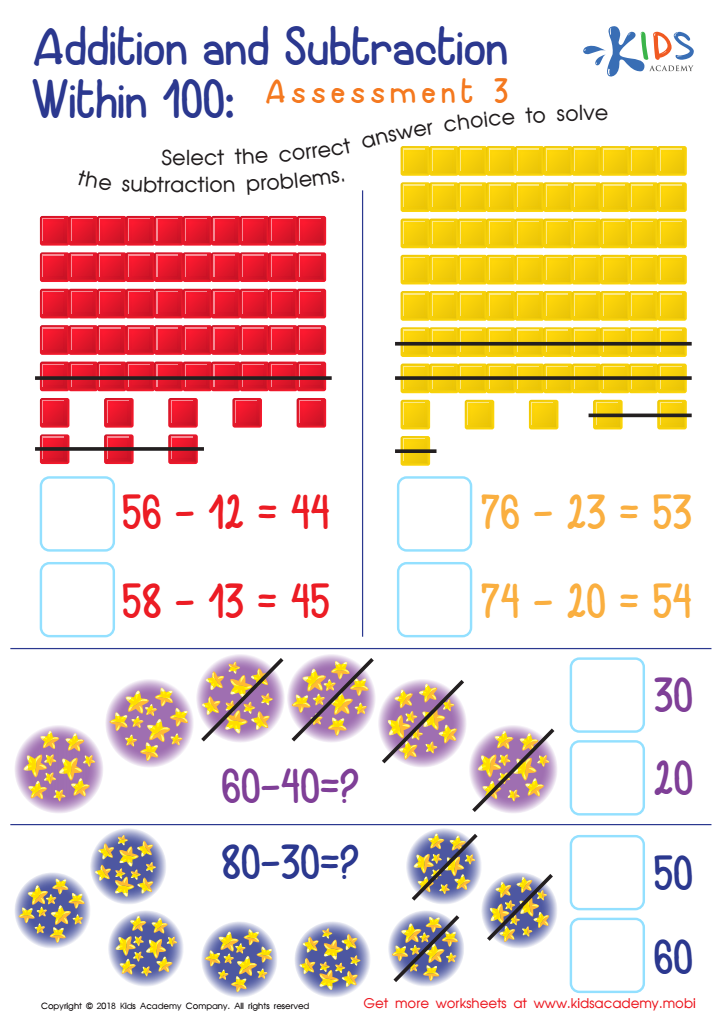
Addition and Subtraction Within 1: Assessment 3 Worksheet








Addition skills form a fundamental component of early math education, crucial for children aged 3-9. During this developmental stage, children are highly receptive and absorb new information rapidly. Cultivating strong addition skills early paves the way for future academic success and practical life tasks. Mastery of addition helps children understand more complex mathematical concepts, like subtraction, multiplication, and division. These foundational skills can prevent future struggles with math, making subsequent learning smoother and less intimidating.
Additionally, addition encourages problem-solving and critical thinking. By manipulating numbers to achieve the correct sum, children enhance their logic and reasoning abilities. This cognitive development spills over into other subjects, fortifying overall intellectual growth.
Moreover, math is omnipresent in daily life. Whether it's counting change, measuring ingredients, or telling time, addition equips children with essential life skills. Early competency in addition fosters independence and confidence, giving children a sense of achievement when they solve everyday problems on their own.
Finally, embedding addition skills at a young age can create a positive attitude towards math. Early success diminishes anxiety and builds a solid foundation, making math a subject of interest and curiosity rather than fear. Parents and teachers hold the key to opening up this world of possibilities, influencing children’s academic trajectories and life skills profoundly.








