Concentration improvement Numbers Worksheets for Ages 3-9
3 filtered results
-
From - To
Boost your child’s focus and cognitive skills with our Concentration Improvement Numbers Worksheets, designed specifically for ages 3 to 9. These engaging worksheets offer a fun and interactive way to enhance your child's number recognition and concentration abilities. Each worksheet features a variety of enjoyable activities, including matching tasks and puzzles, promoting both learning and play. Perfect for home or classroom use, our resources encourage critical thinking and problem-solving while keeping your young learners entertained. Join countless parents and educators who have made learning enjoyable—explore our Concentration Improvement Numbers Worksheets today and watch your child's confidence soar!

Find 7 Eggs Worksheet
 Assign to My Students
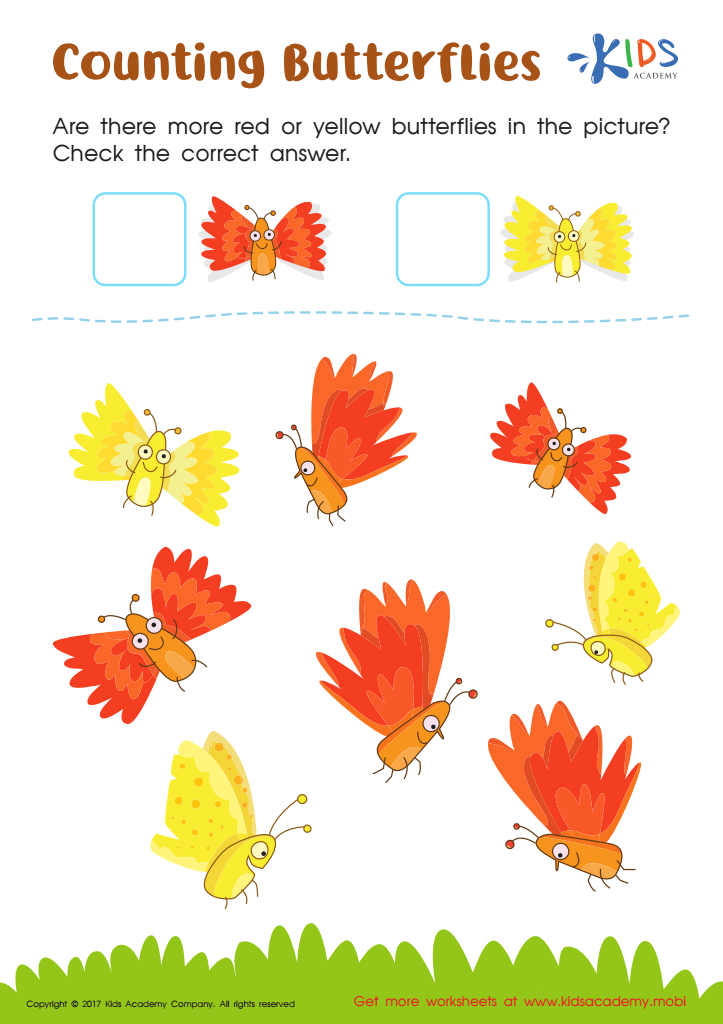
Counting Butterflies Worksheet
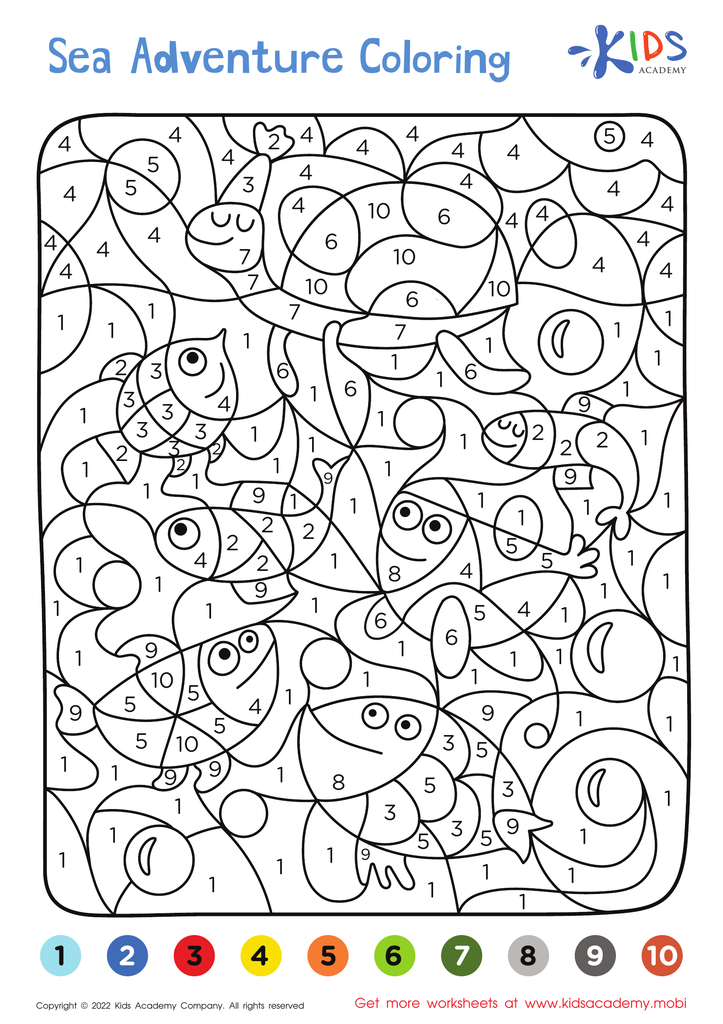
Sea Adventure – Coloring by Numbers








Improving concentration in children aged 3-9 is crucial for their overall development and academic success. This age group is foundational for building cognitive skills, emotional intelligence, and social abilities. Enhanced concentration allows children to engage more deeply with educational activities, fostering better learning outcomes and retention of information. When children focus, they are better able to absorb lessons, participate in discussions, and develop critical thinking skills.
Teachers and parents play a significant role in fostering environments conducive to concentration. Good concentration improves academic performance, making it easier for children to grasp complex subjects as they advance in their education. It also promotes creativity, enabling children to explore ideas and problem-solve effectively.
Moreover, concentration is tied to emotional regulation and behavior. Children who can concentrate are often more adaptable and self-disciplined, leading to improved interactions with peers and authority figures. As such, investing time and resources in strategies to enhance concentration can yield long-lasting benefits. By acknowledging the importance of concentration improvement, parents and teachers can work together to create supportive environments that nurture a lifetime of learning, curiosity, and resilience, setting the stage for future success.








