Developing problem-solving abilities Numbers Worksheets for Ages 3-9
3 filtered results
-
From - To
Discover the perfect resource to enhance your child's math and problem-solving skills! Our "Developing Problem-Solving Abilities Numbers Worksheets for Ages 3-9" offer engaging activities tailored to young learners. Designed to build foundational math and critical thinking skills, these worksheets provide entertaining challenges that captivate kids while teaching them to identify, count, and manipulate numbers. Ideal for play-based or structured learning, these printables support educational growth at every stage. Start developing your child's confidence and analytical abilities today with our fun and effective number worksheets!
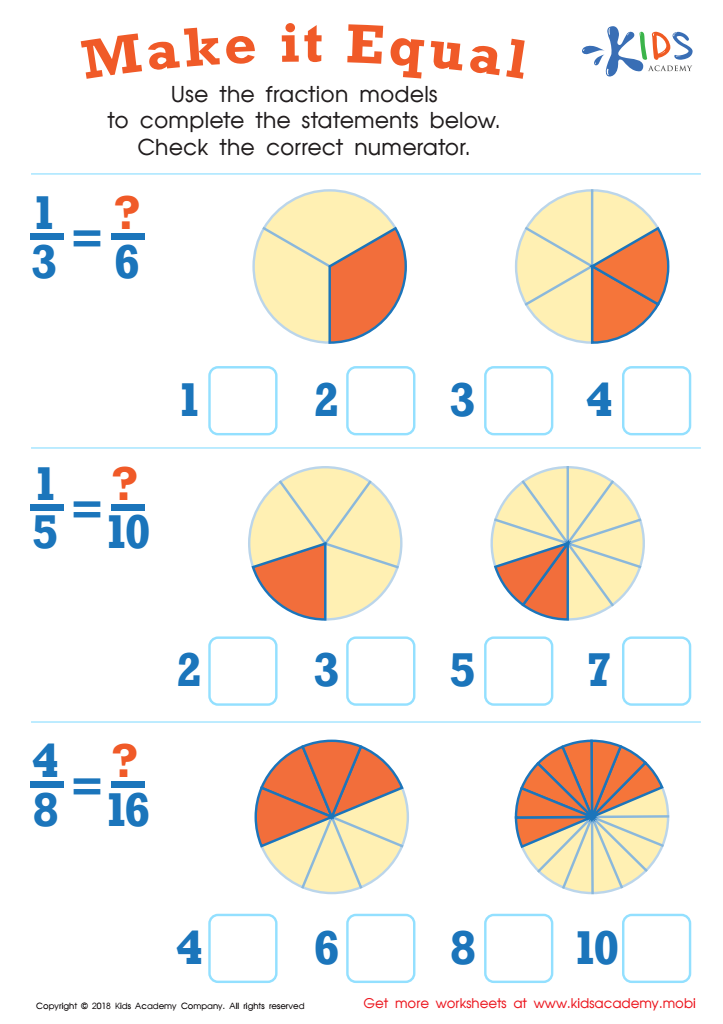
Make It Equal Worksheet
 Assign to My Students
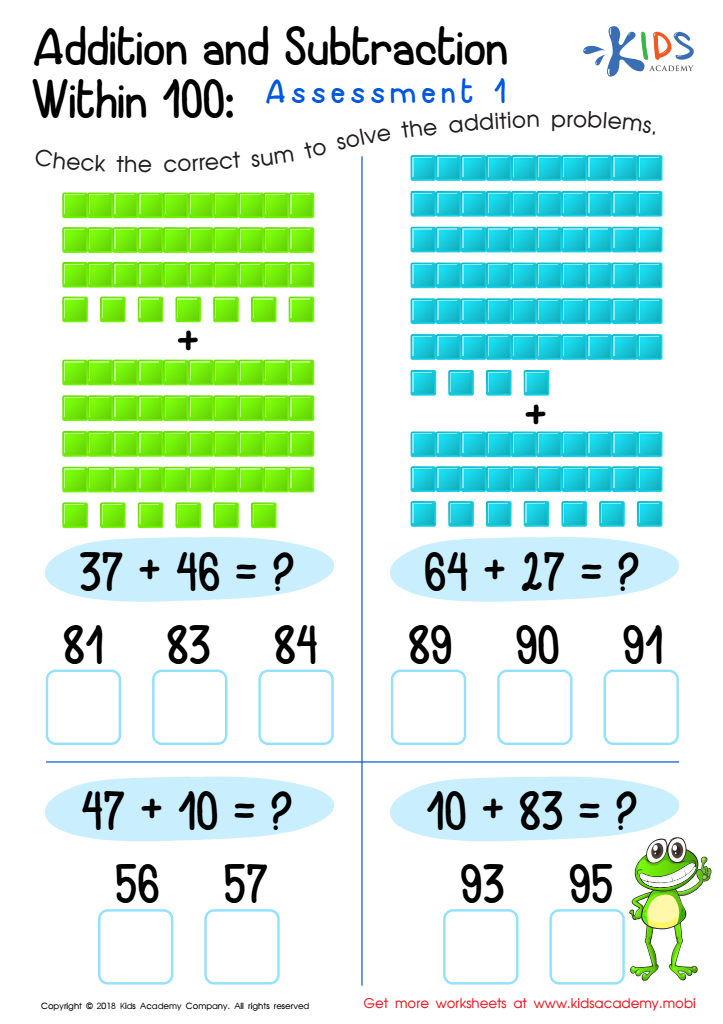
Addition and Subtraction Within 1: Assessment 1 Worksheet
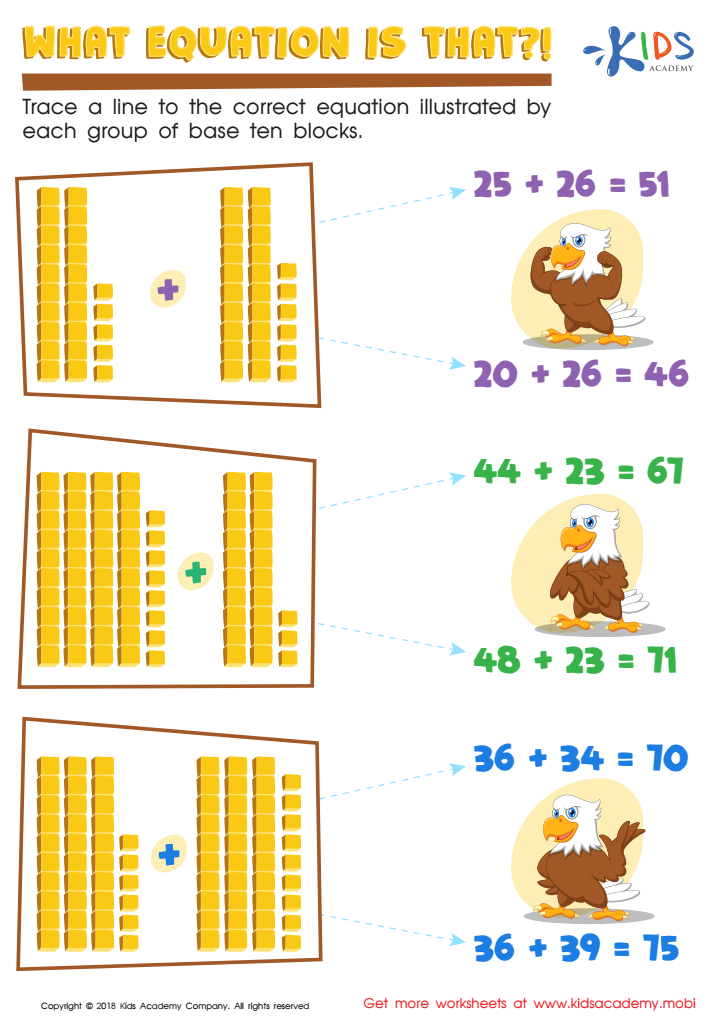
What Equation Is That? Worksheet


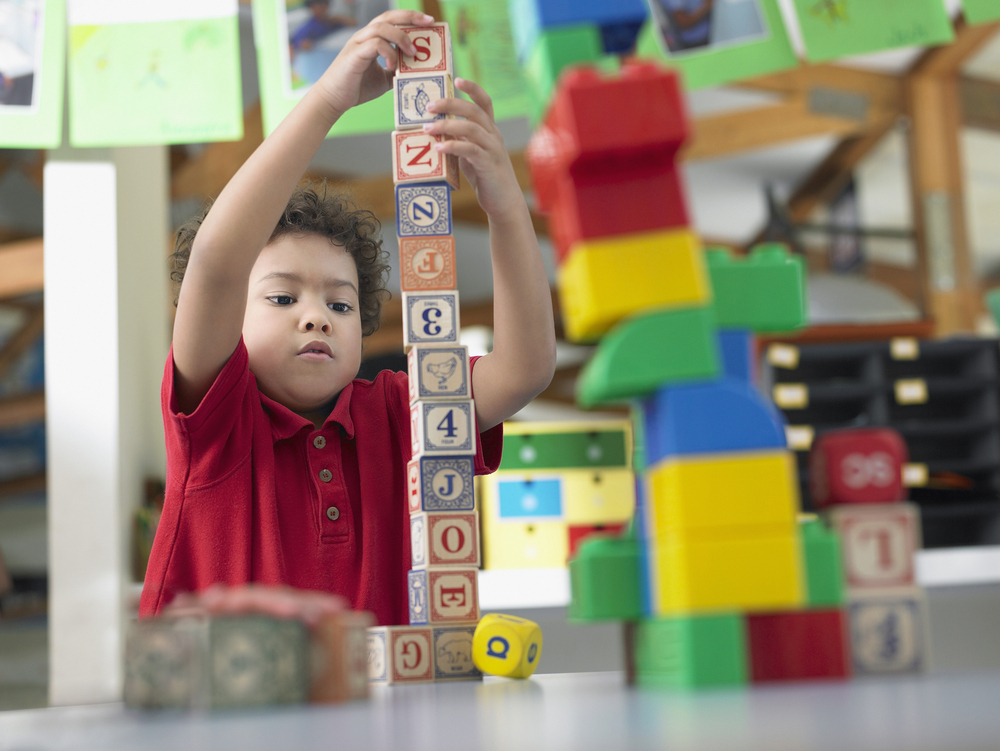





Developing problem-solving abilities in young children, specifically in the context of numbers, is vital for several reasons. First, early numeracy skills form the foundation of mathematical understanding, which is crucial for later academic success. By engaging children ages 3-9 in numerical problem-solving, parents and teachers help them develop critical thinking and analytical skills. Young children learn to recognize patterns, understand sequences, and make connections between numbers and real-life situations.
Furthermore, problem-solving fosters resilience and creativity. When children tackle numerical challenges, they learn to persevere through difficulties and find multiple solutions to a problem. This builds confidence and the ability to approach challenges with a positive mindset.
Problem-solving with numbers also enhances cognitive and linguistic abilities. It encourages children to articulate their thought processes, ask questions, and employ logical reasoning. These skills are transferable to other areas of learning, including literacy and science.
Moreover, collaborative problem-solving activities promote social skills. Working together to solve numerical problems teaches children about cooperation, patience, and effective communication.
In summary, prioritizing the development of problem-solving abilities in numbers for young children equips them with essential skills for lifelong learning, problem-solving, and adaptability, laying the groundwork for their overall cognitive and personal growth.








