Improve counting skills Numbers Worksheets for Ages 3-9
5 filtered results
-
From - To
Boost your child’s counting skills with our engaging Numbers Worksheets designed for ages 3-9. These interactive, printable activities provide a fun and effective way for young learners to develop a strong foundation in counting and number recognition. Each worksheet is crafted to cater to various learning levels, ensuring that children progress at their own pace. From simple counting exercises to more challenging tasks, our resources promote active learning through colorful visuals and hands-on activities. Whether at home or in the classroom, these worksheets make learning numbers enjoyable and effective, laying the groundwork for future math success! Explore our collection today!
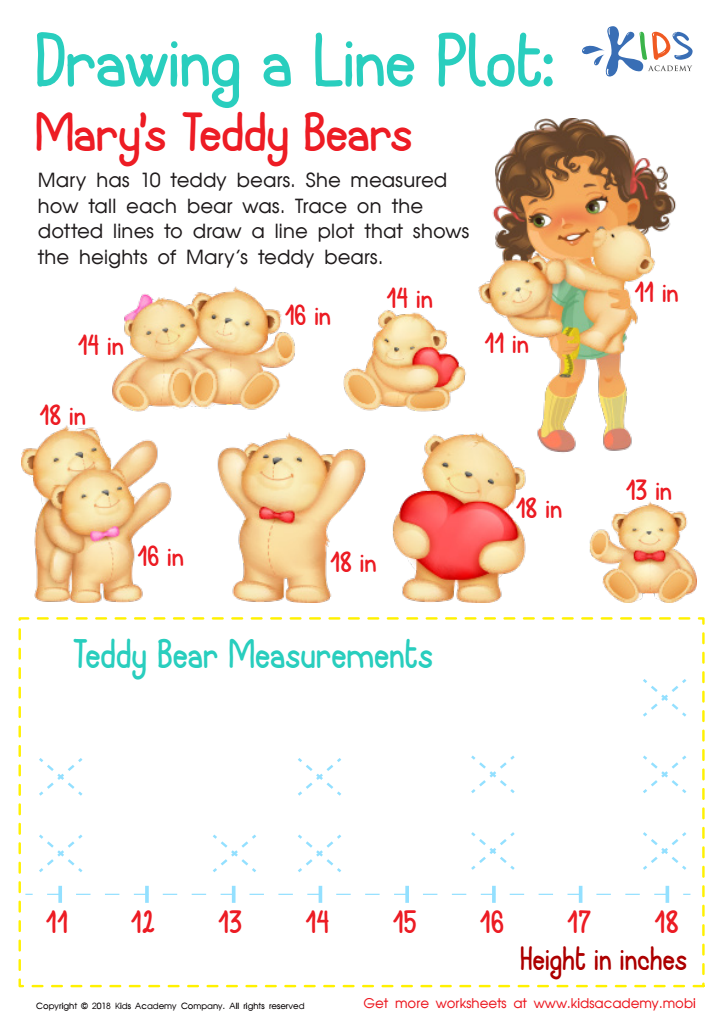
Drawing and Line Plot: Mary's Teddy Bears Worksheet
 Assign to My Students
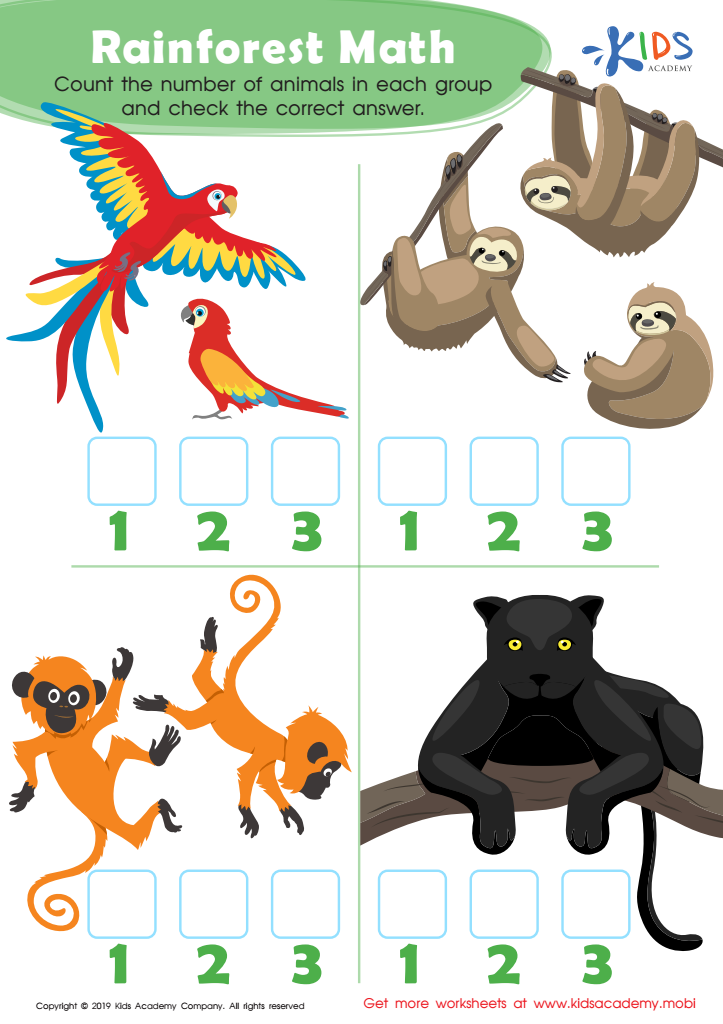
Rainforest Math Worksheet
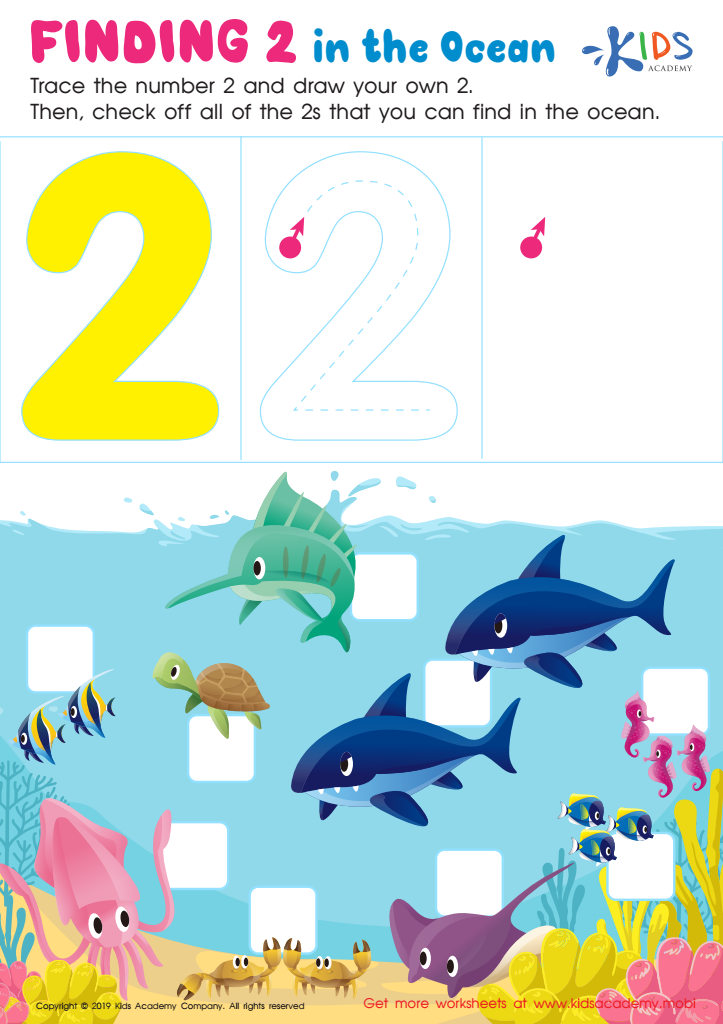
Finding 2: In the Ocean Worksheet
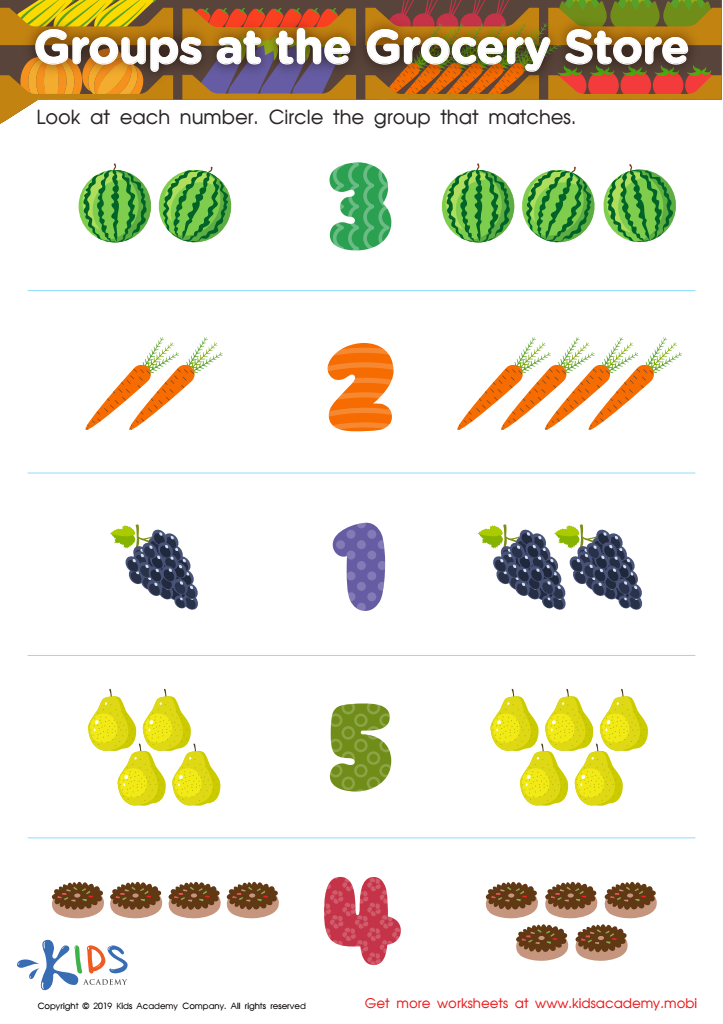
Groups at the Grocery Store Worksheet








Improving counting skills in children ages 3-9 is crucial for several reasons that impact their overall development. Firstly, counting serves as the foundation for early math skills. Proficiency in counting enhances a child's ability to understand more complex concepts, such as addition, subtraction, and later, multiplication and division. Young children learn through play, and incorporating counting into fun activities makes it engaging while promoting enthusiasm for mathematics.
Moreover, strong counting skills contribute to problem-solving abilities, sharpening logical thinking that is necessary not just in math, but across various subjects. Developing these skills also enhances memory, as children learn to retain and manipulate numerical information.
Additionally, early counting skills are linked to confidence in both academic and social settings. Children who grasp counting feel more accomplished and eager to participate in classroom activities, fostering a positive learning environment. As adults, whether they are parents or teachers, encouraging counting habits in children establishes a strong mathematical foundation that transcends into everyday life, helping them navigate the world around them effectively.
By prioritizing counting skills, parents and teachers empower children to become confident learners, setting the stage for future academic success.








