Understanding Sequences Numbers Worksheets for Ages 3-9
5 filtered results
-
From - To
Welcome to our “Understanding Sequences Numbers Worksheets” page, designed for children aged 3-9! These engaging worksheets provide a fun way to introduce young learners to the concept of number sequences. They help develop essential skills such as counting, pattern recognition, and logical thinking. Our interactive activities cater to different learning styles, ensuring that every child can grasp the fundamentals of sequences at their own pace. Whether you're reinforcing classroom lessons or facilitating at-home learning, our carefully crafted resources are perfect for keeping kids motivated while enhancing their mathematical understanding. Explore our worksheets to embark on a sequential learning adventure today!
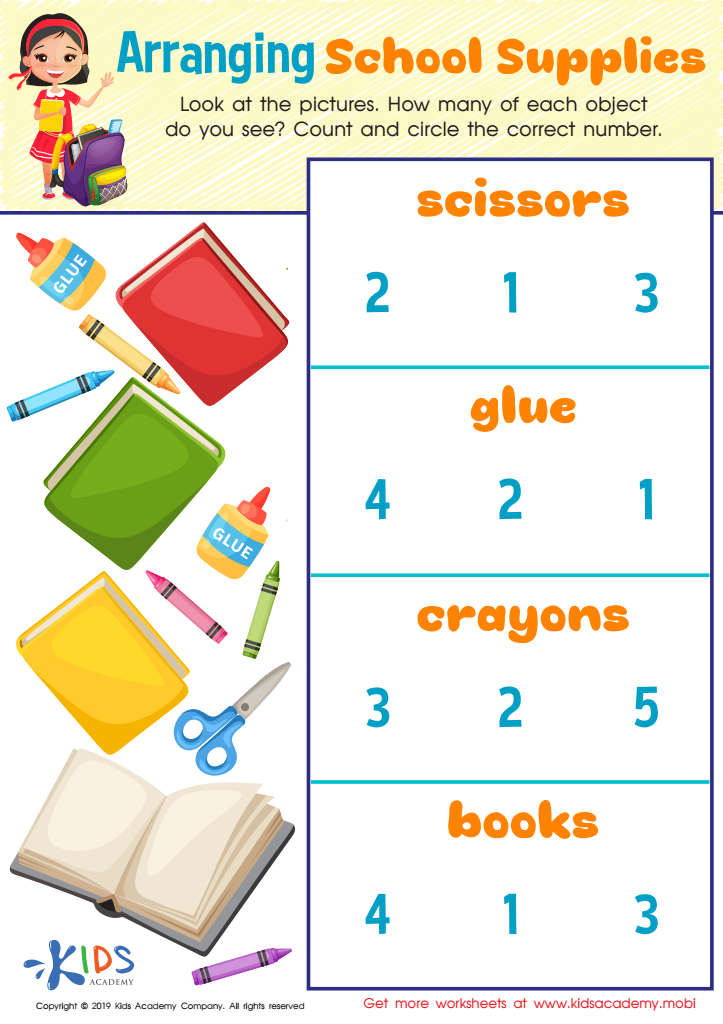
Arranging School Supplies Worksheet
 Assign to My Students
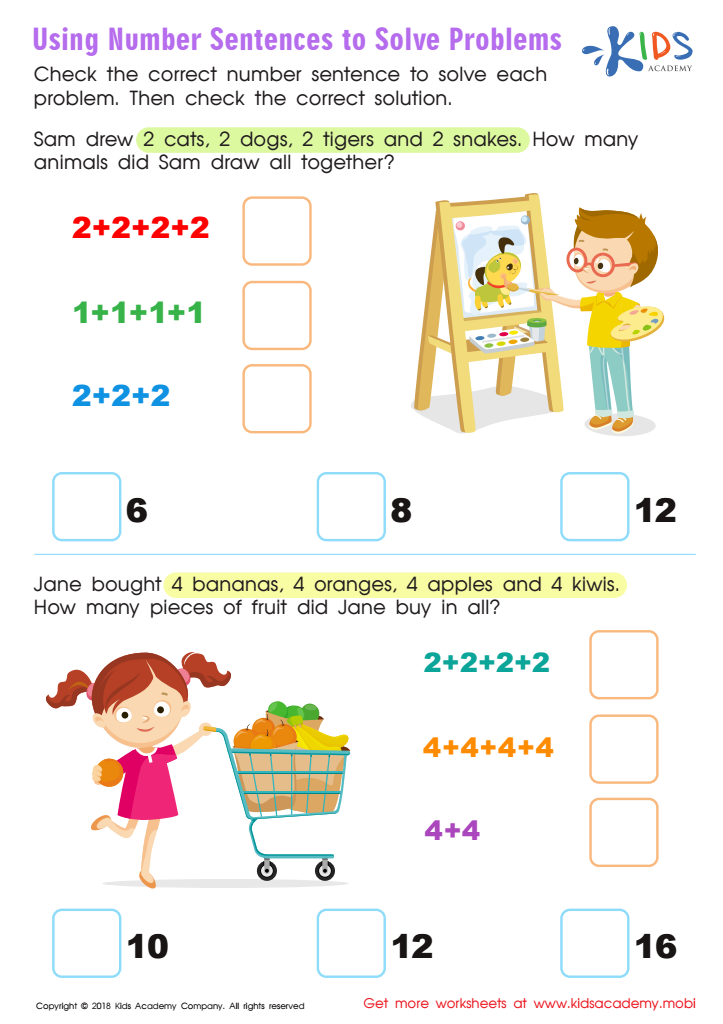
Using Number Sentences to Solve Problems Worksheet
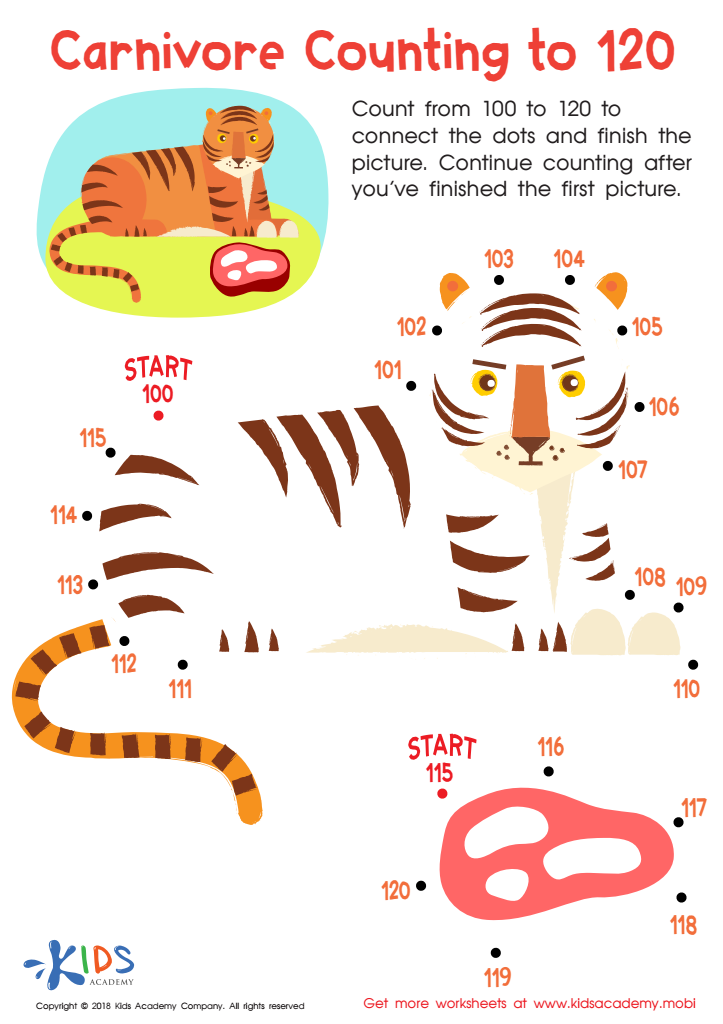
Carnivore Counting to 120 Worksheet
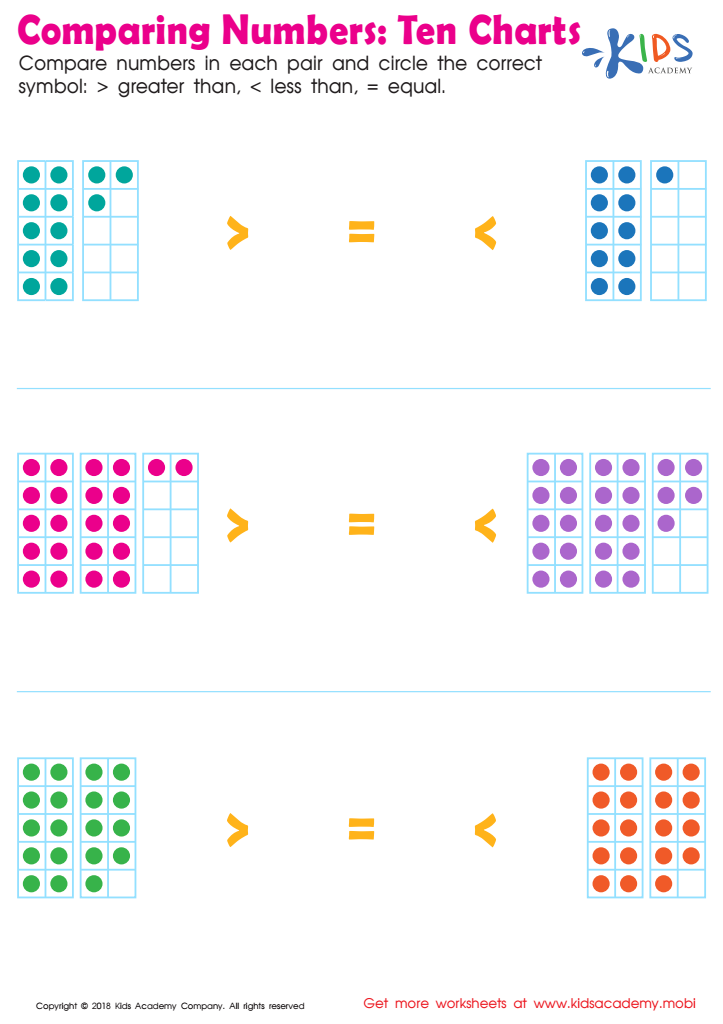
Ten Charts Worksheet
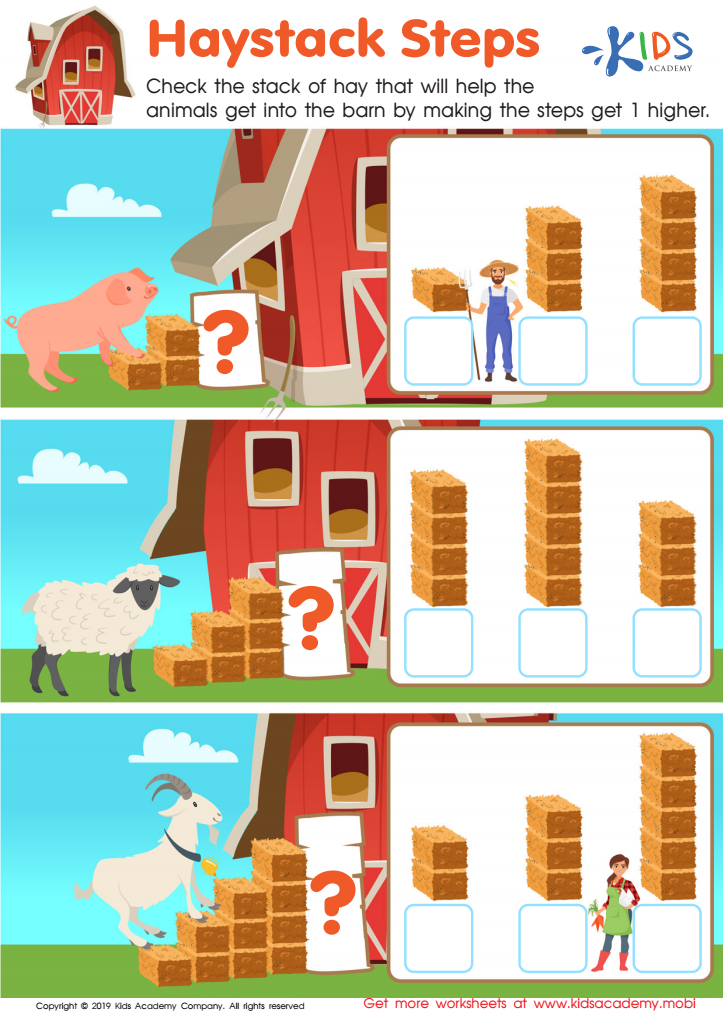
Haystack Steps Worksheet








Understanding sequence numbers is crucial for children aged 3-9 because it lays the foundation for essential mathematical skills. At this developmental stage, children begin to recognize patterns, develop logical reasoning, and solve problems. Mastering sequence numbers helps them understand counting, comparisons, and ultimately more complex arithmetic concepts.
From a young age, children are naturally curious and eager to learn. When parents and teachers focus on sequence numbers, they cultivate a sense of number sense within kids, promoting confidence as they begin their numerical journey. Engaging children in sequencing activities, such as counting objects or arranging items, make learning enjoyable and interactive.
Moreover, understanding sequences facilitates cognitive development, as it teaches children how to organize information. This is applicable in various aspects of life, from organizing thoughts to planning events. In addition, it enhances critical thinking as children learn to predict what comes next in a given series, fostering creativity along the way.
In primary education, teachers can use sequencing to enhance literacy skills as well. As children learn to identify the order of events in stories, they gain a more profound comprehension of narrative structure. Consequently, nurturing this mathematical foundation not only encourages academic success but also supports the holistic development of a child.








