Critical Thinking Math Worksheets for Ages 3-9 - Page 3
52 filtered results
-
From - To
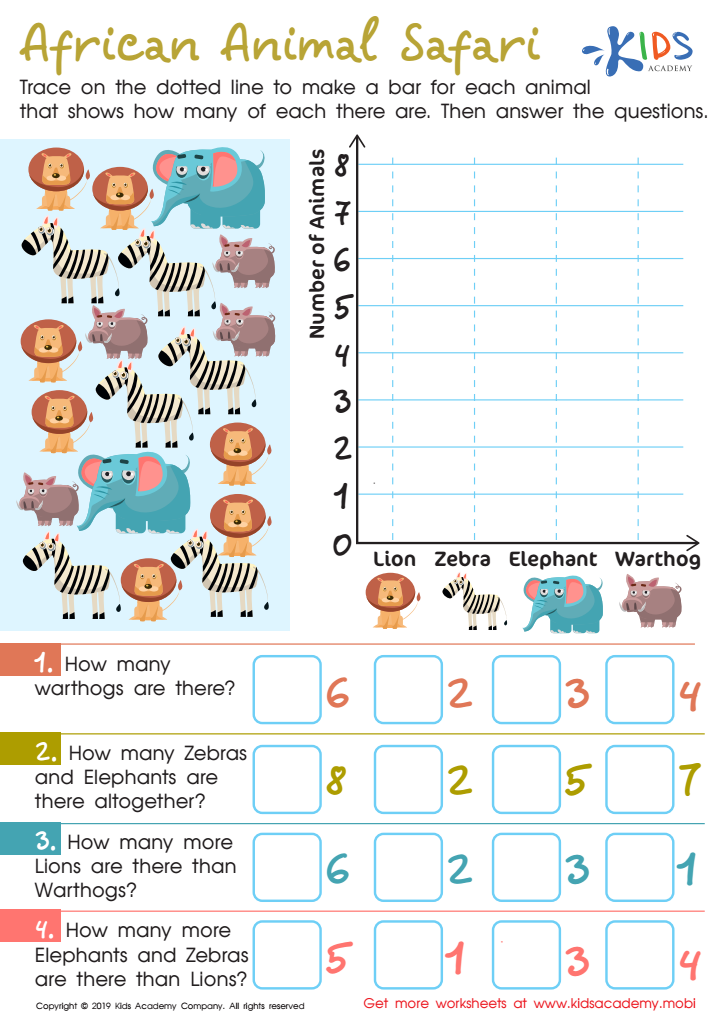
African Animal Safari Worksheet
 Assign to My Students
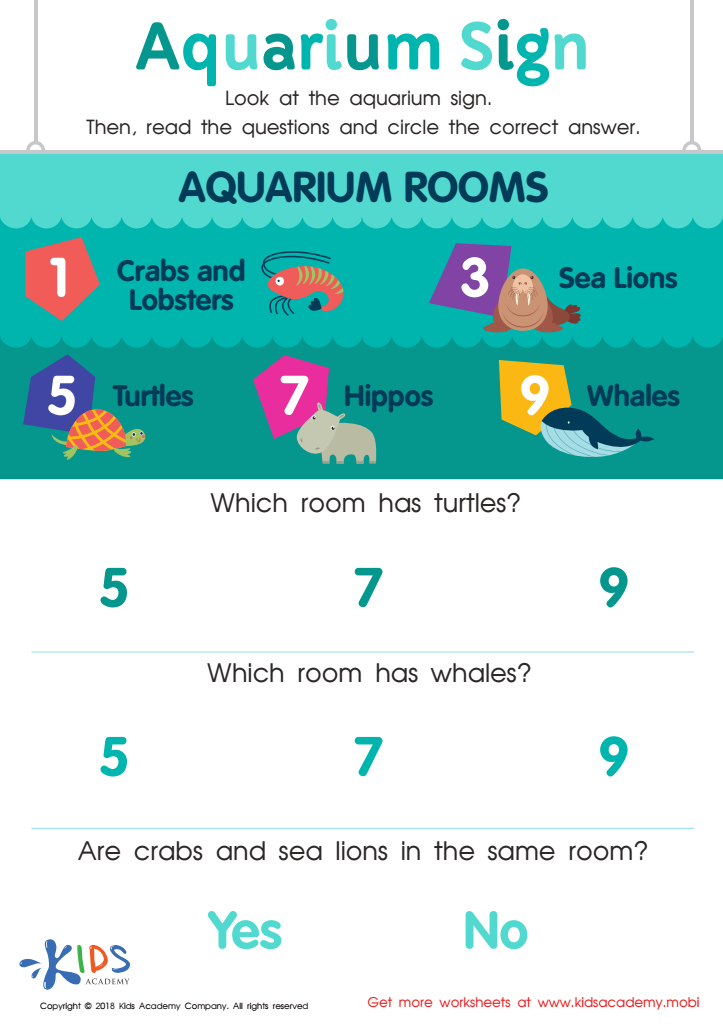
Assessment: Aquarium Sign Worksheet
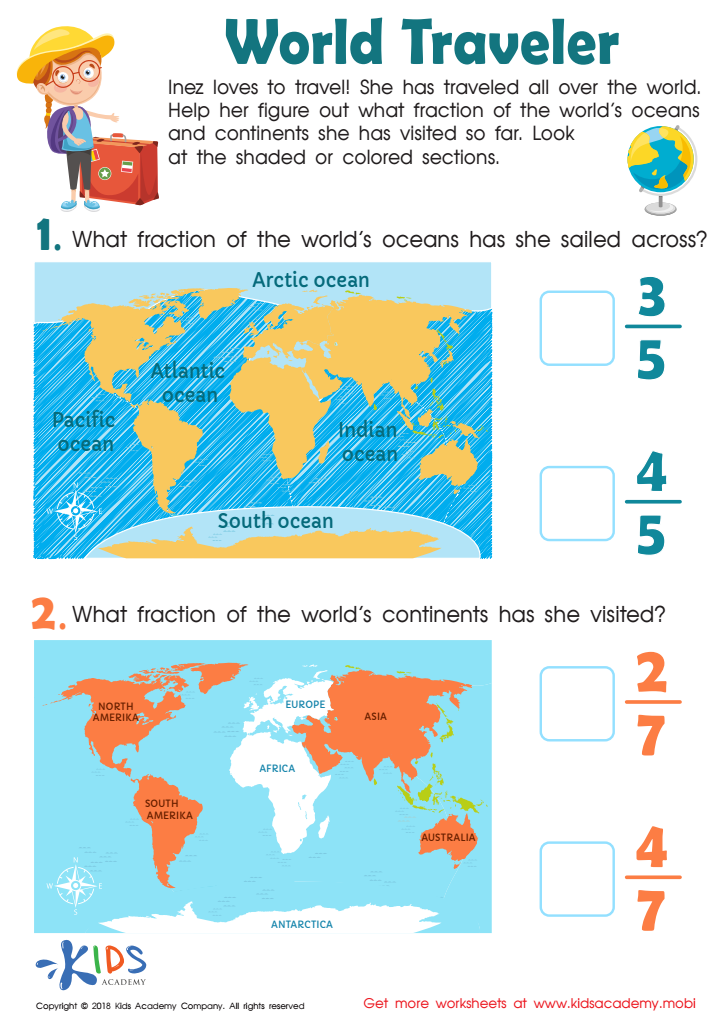
World Traveler Worksheet






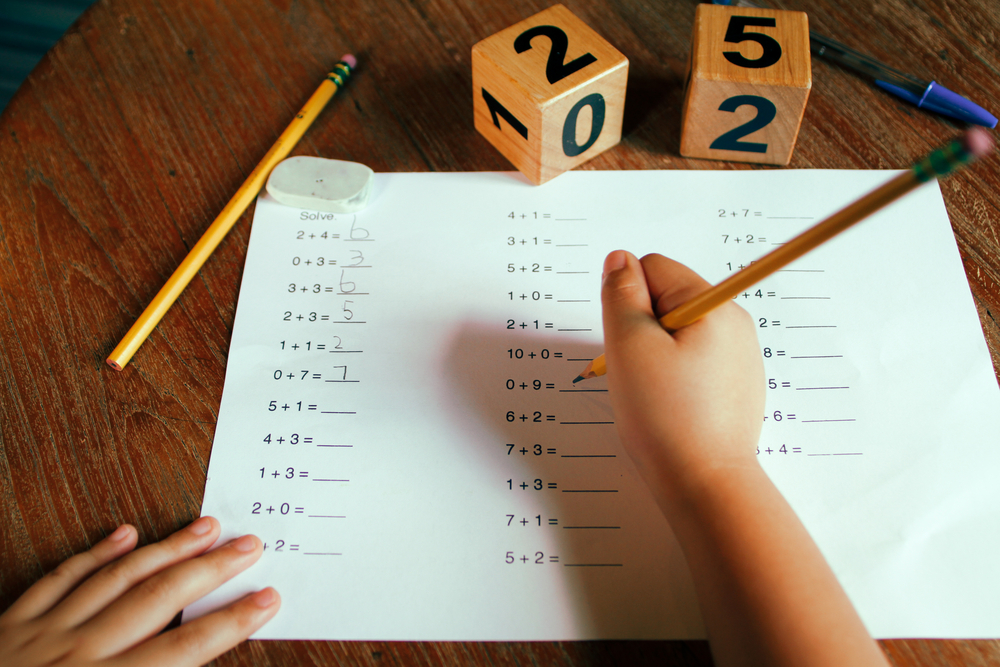

Critical thinking in mathematics for children aged 3-9 is vital for several reasons. Firstly, it fosters a strong foundation for problem-solving skills that will benefit students throughout their education and beyond. At this age, children are naturally curious and motivated to explore concepts, and critical thinking encourages them to ask questions, make observations, and seek solutions independently.
Secondly, math is not just about numbers; it's also about understanding patterns, relationships, and logical reasoning. By engaging in critical thinking math activities, children learn to analyze situations, draw connections, and think outside the box, helping them to develop a more profound conceptual understanding of mathematical principles.
Moreover, critical thinking skills enhance a child's confidence. When they learn to approach math challenges with creativity and resilience, they are more likely to embrace difficulty instead of shying away from it. This willingness to tackle challenges leads to a positive attitude toward learning and encourages lifelong curiosity.
Finally, in a rapidly changing world, equipping young learners with the skills necessary to think critically prepares them for future success in various fields, including science, technology, engineering, and mathematics (STEM), ensuring they are not just consumers of information but active learners and innovators.








