
Improving mathematical skills Math Worksheets for Ages 3-9
8 filtered results
Difficulty Level
Grade
Age
-
From - To
Subject
Activity
Standards
Discover a fun and effective way to enhance your child's mathematical skills with our specially designed math worksheets for ages 3-9. These engaging resources focus on fundamental concepts such as counting, addition, subtraction, and pattern recognition. Suitable for both classroom settings and home learning, our printable worksheets cater to different skill levels, making math enjoyable for every child. Each activity fosters critical thinking and problem-solving abilities while nurturing a love for learning. Encourage your young learner to explore and practice math in a supportive environment with our extensive collection of worksheets aimed at building confidence and competence in mathematics. Start your math journey today!
Favorites
With answer key
Interactive
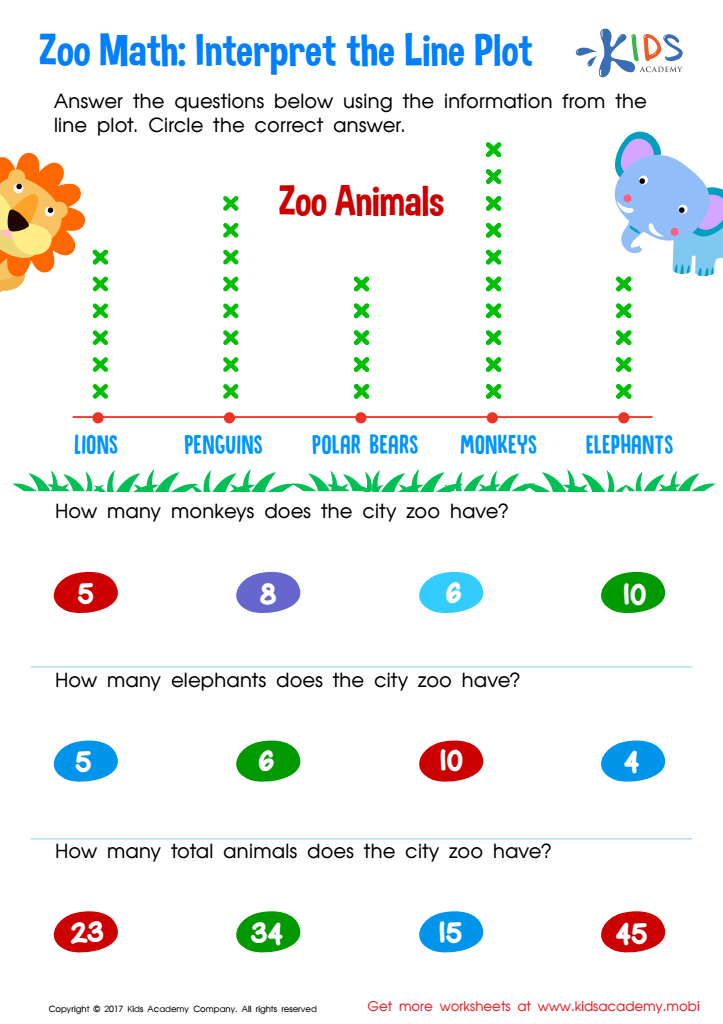
Interpret Line Plot Worksheet
Kids can learn to read graphs and analyze data easily with line plots. A fun zoo animal worksheet motivates kids to answer questions by reading the line plot and finding out how many animals a local zoo has.
 Assign to My Students
Interpret Line Plot Worksheet
Worksheet
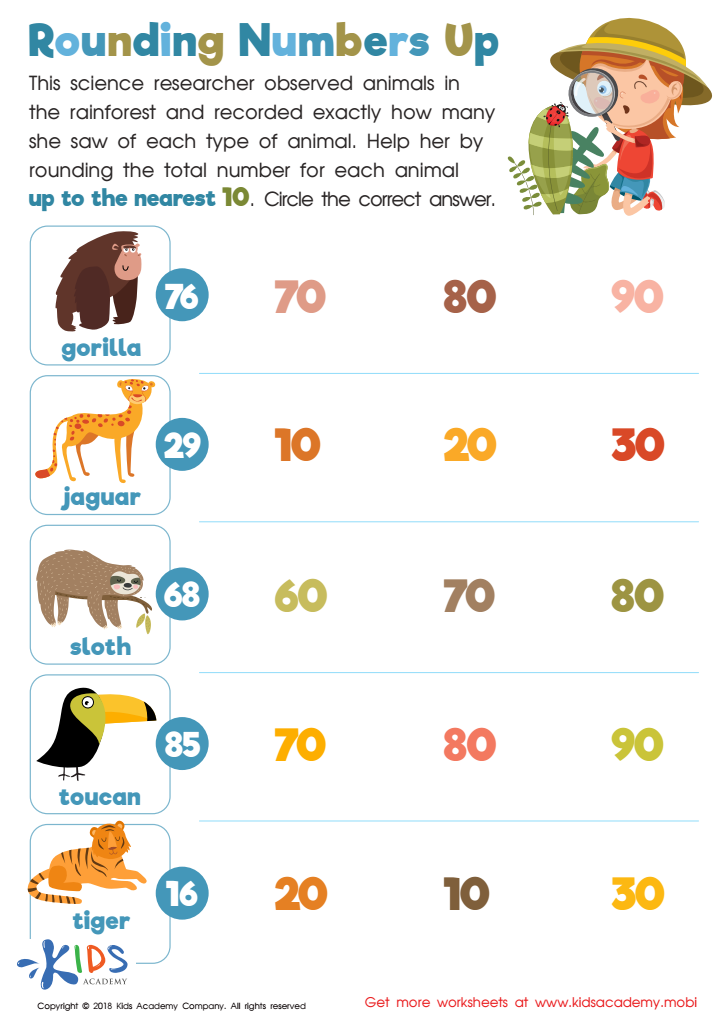
Rounding Numbers Up Worksheet
Does your child want to be a science researcher? If so, they share something in common with the person in this worksheet. She observed rainforest animals and counted them. Your child can help by rounding the totals to the nearest 10 and circling the correct answer for each type.
Rounding Numbers Up Worksheet
Worksheet
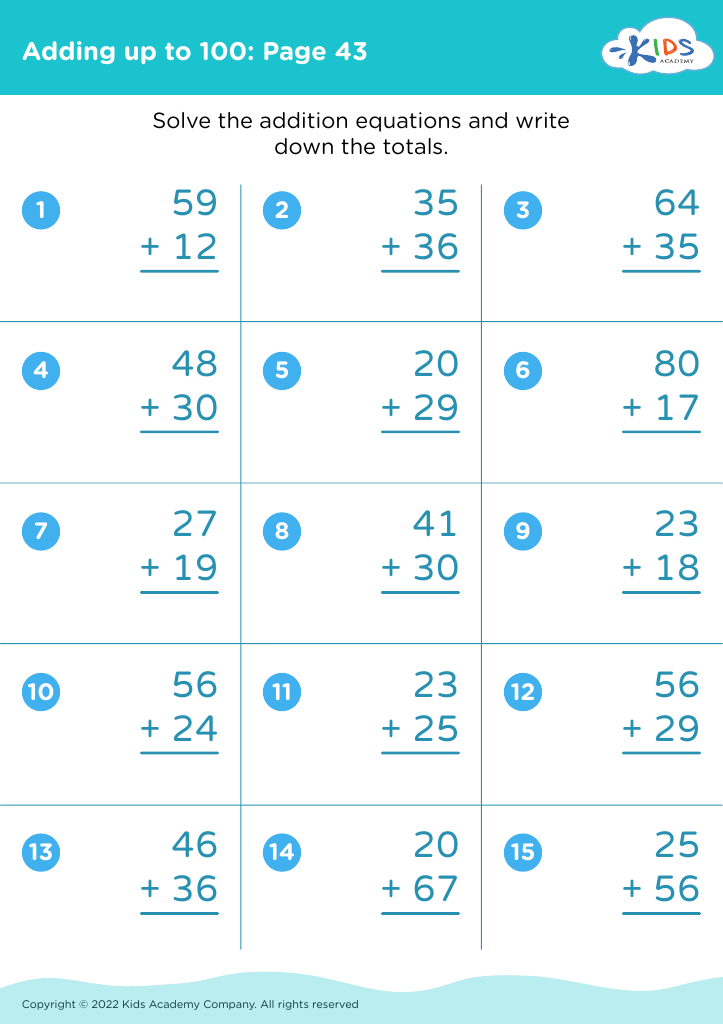
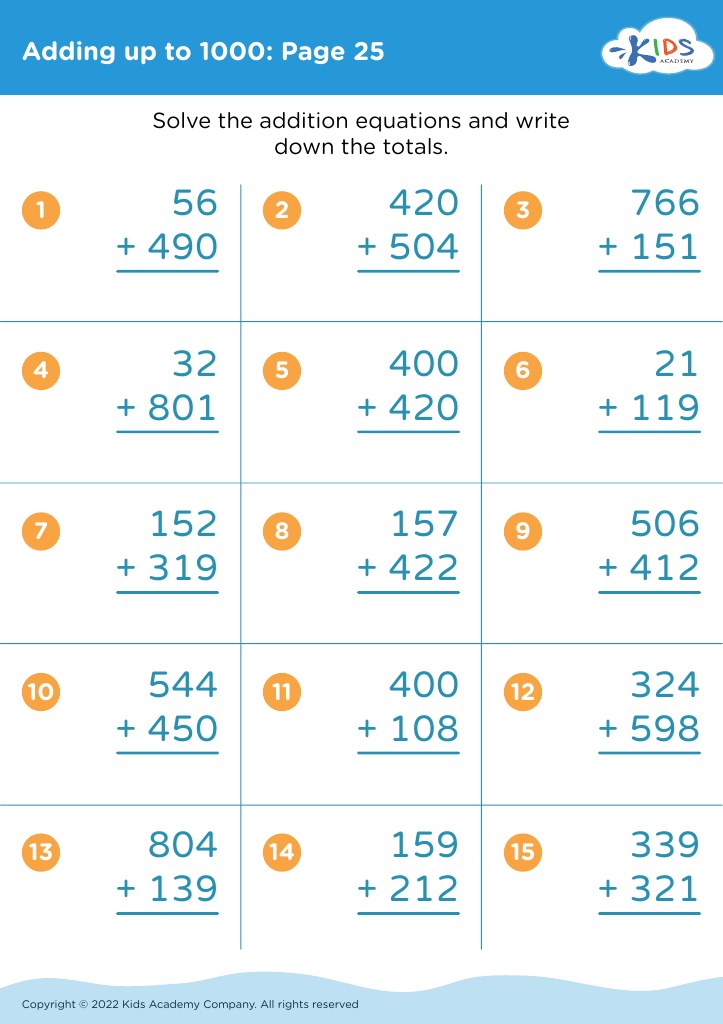
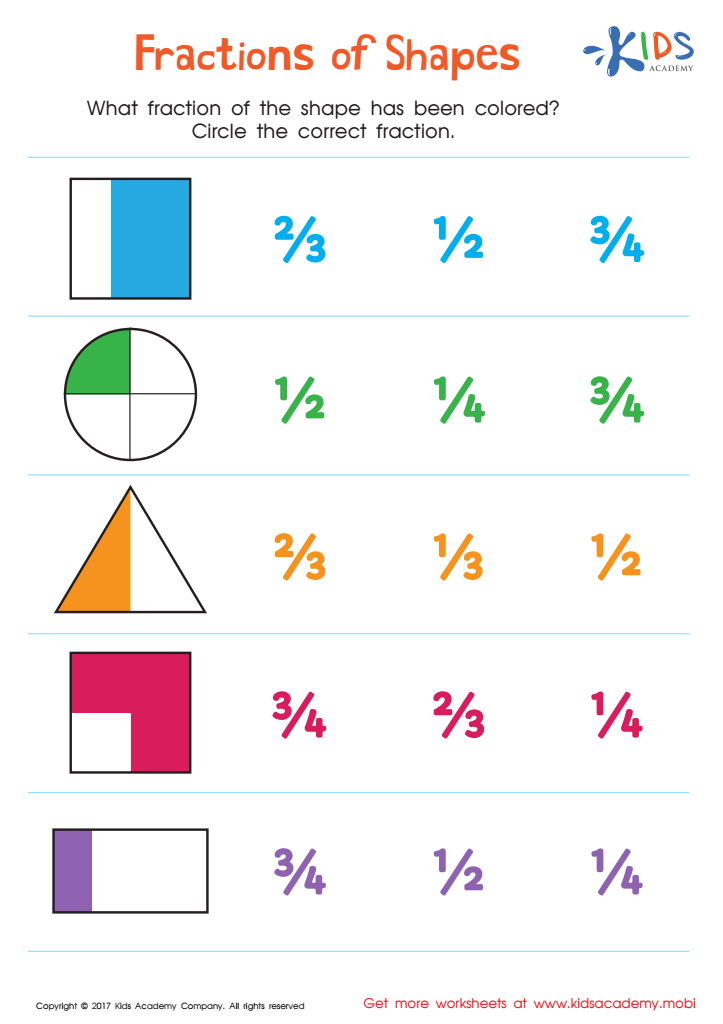
Fractions of Shapes: Math Concept Worksheet
Fractions can be tricky, but with pictures to illustrate them, they become much easier to understand. Our fractions of shapes worksheet is a great way to help children visualize fractions and gain a better understanding of them.
Fractions of Shapes: Math Concept Worksheet
Worksheet
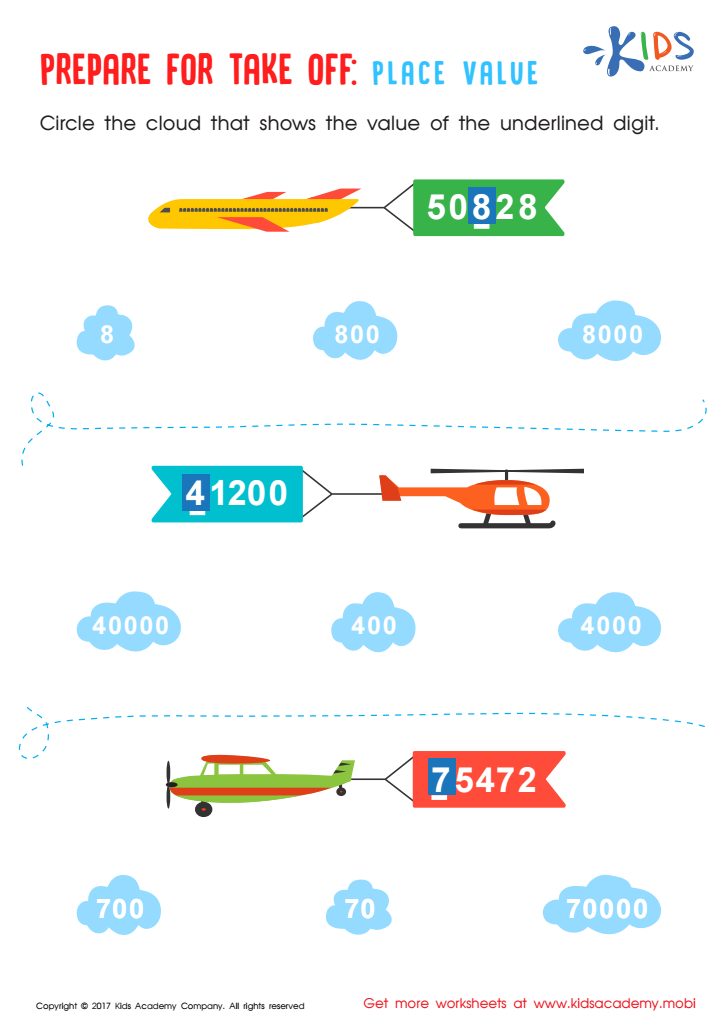
Free Place Value Worksheet for 3rd Grade
Take place value to new heights with this free 3rd grade worksheet! Your child will use large numbers in the tens of thousands and identify the place value of the underlined digit. Explore sky-high numbers and soar in place value skills!
Free Place Value Worksheet for 3rd Grade
Worksheet
Join Kids Academy for Free
Who is primarily going to use this learning content?


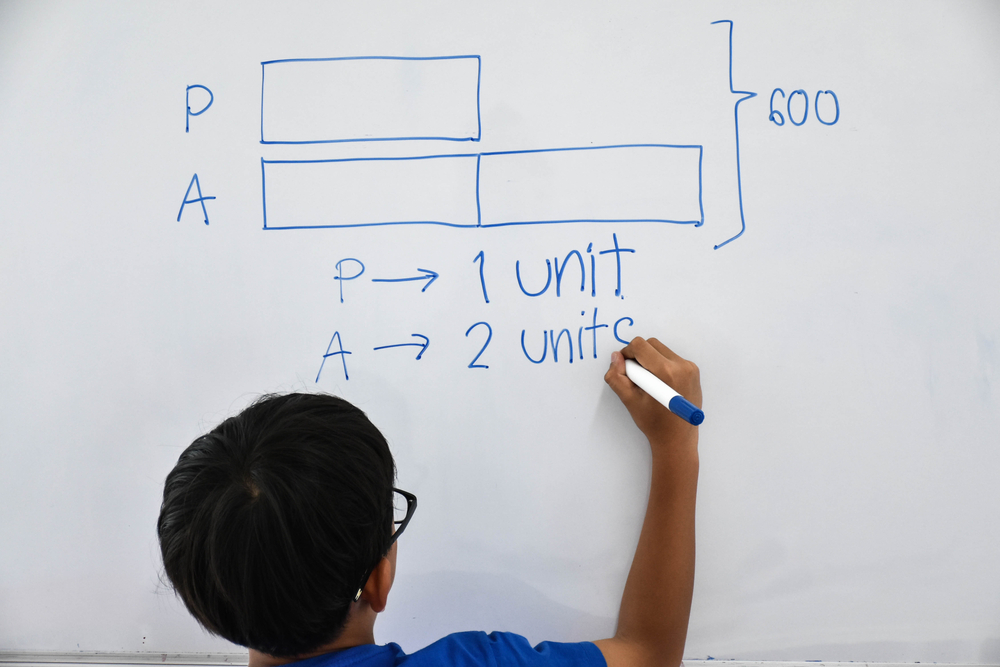





Improving mathematical skills for children aged 3-9 is crucial for several reasons. At this developmental stage, children are particularly receptive to learning foundational concepts that serve as building blocks for their future education. Early mathematical skills, such as counting, recognizing patterns, and understanding basic shapes, not only enhance numeracy but also foster critical thinking and problem-solving abilities.
Parents and teachers play a vital role in nurturing a positive attitude towards math, which can prevent math anxiety as children grow older. Engaging children in playful math-related activities—like counting objects during playtime or categorizing toys—makes math enjoyable and relatable. This early exposure has the potential to cultivate a lifelong love for learning and innovation.
Moreover, research shows that strong early mathematic skills are linked to better academic performance later on in life. Investing time and resources in these skills can help bridge educational gaps and support overall cognitive development. When children comprehend math concepts early, they develop confidence that empowers them to tackle more complex topics in later grades.
Therefore, fostering mathematical skills during these formative years is essential for equipping children with the tools they need for future success in both academics and daily life.








