Recognition skills Math Worksheets for Ages 3-9
3 filtered results
-
From - To
Boost your child's mathematical foundation with our specially designed Recognition Skills Math Worksheets for Ages 3-9. These engaging worksheets help young learners develop essential skills in number and pattern recognition, ensuring a strong start in their educational journey. With vibrant illustrations and fun activities, children can explore counting, shapes, colors, and more, making learning enjoyable and effective. Perfect for both classroom and home use, our worksheets cater to different learning styles and paces. Give your child the confidence and tools they need to excel in math with Kids Academy’s expertly crafted resources.
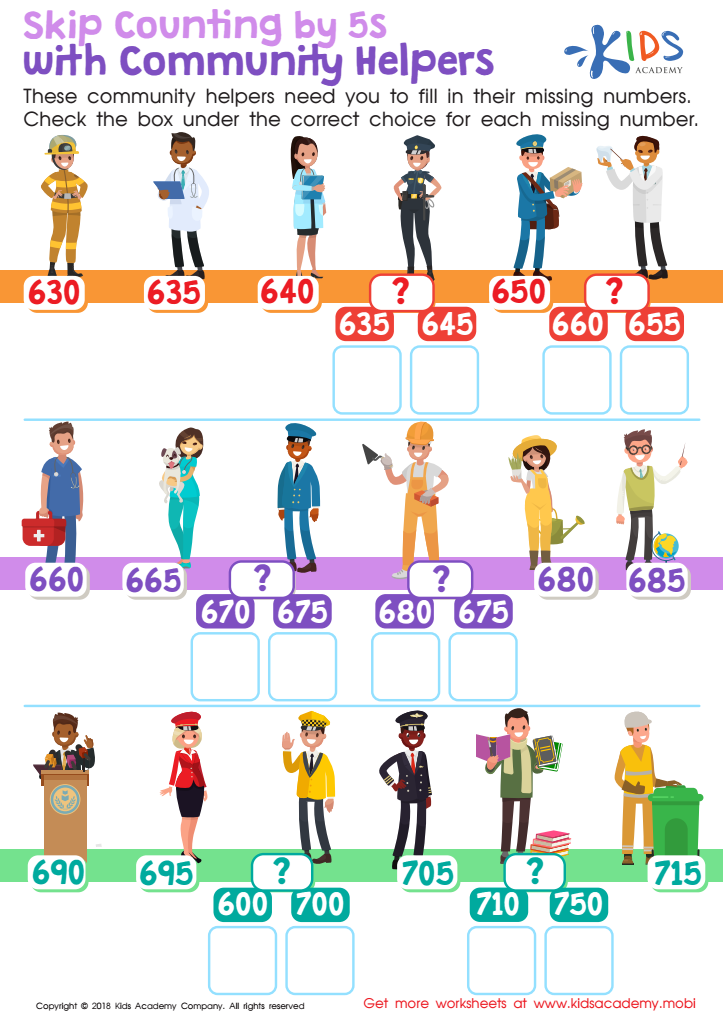
Skip Counting by 5s With Community Helpers Worksheet
 Assign to My Students
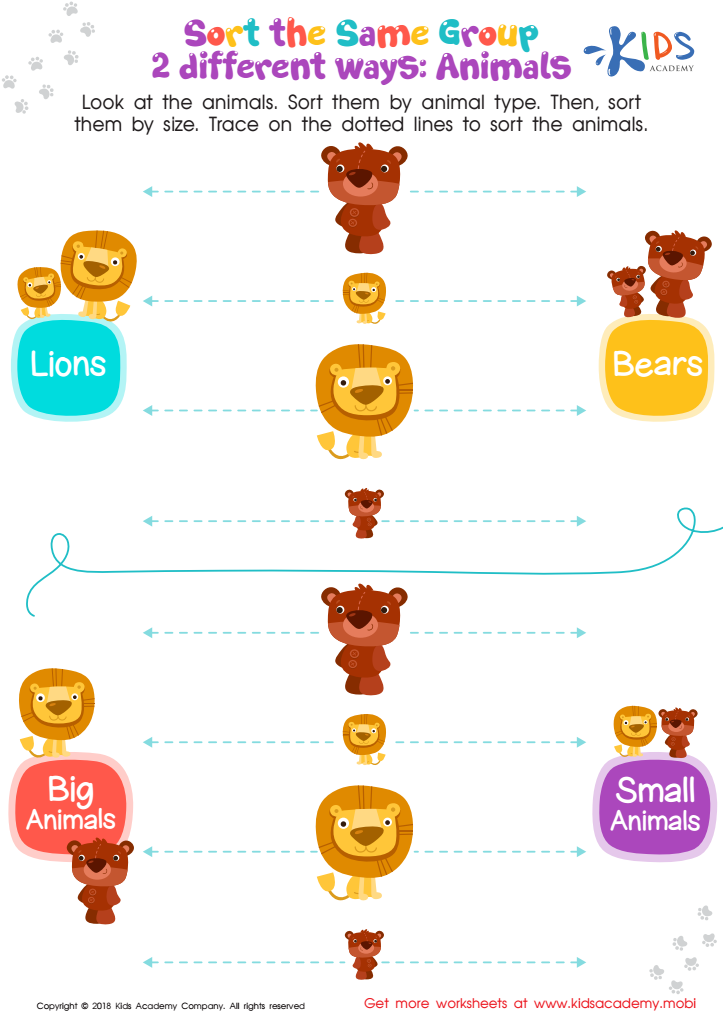
Sort the Same Group 2 Different Ways: Animals Worksheet





%20(1).jpg)
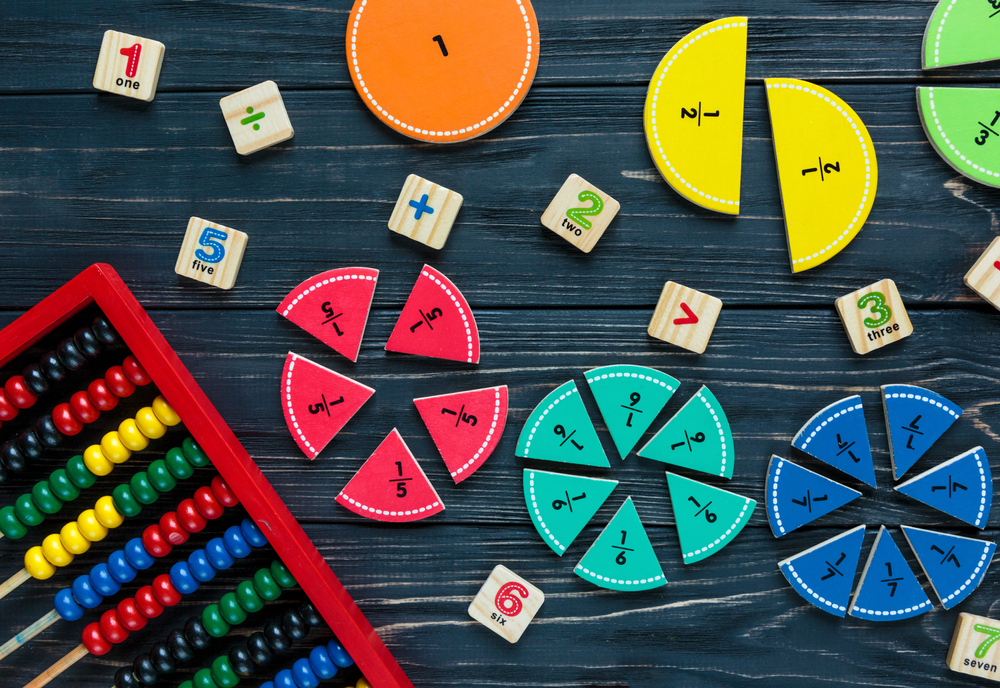
Recognition skills in mathematics for children aged 3-9 are foundational for their overall cognitive development and future academic success. At this early stage, children are building the basic understanding of numbers, patterns, and spatial relationships, which are critical for more complex mathematical concepts encountered in later years.
For parents and teachers, nurturing these skills is essential. Recognition skills involve identifying and understanding numbers and patterns, which boosts a child’s numeric fluency. Children learn to recognize numbers by sight, understand the sequence of numbers, and grasp the concept of quantity. This early competence facilitates smoother transitions to addition, subtraction, and other arithmetic operations as they progress in their education.
Moreover, early math skills enhance problem-solving and critical thinking abilities. When children recognize patterns, they begin to predict and reason logically, laying the groundwork for advanced math and science subjects. These skills also translate into everyday decision-making and problem-solving tasks, fostering a well-rounded intellectual growth.
Furthermore, encouraging positive experiences with math at a young age helps dispel math anxiety, making children more confident and enthusiastic learners. Parents and teachers who actively support the development of recognition skills in math contribute significantly to a child's lifelong educational journey and a passion for learning.








